


















![[2 Pack] Coospo Breathable Neck Gaiter Face Scarf Mask COOSPO](http://www.coospo.com/cdn/shop/files/106de7b046babc03aa610173af6e31aa_599da3fe-9907-4b1e-8eb0-f08b3032720b.png?v=1720591174&width=1600)


![[4 Pack] Coospo Soft Breathable Chilly Towel, Microfiber Towel COOSPO](http://www.coospo.com/cdn/shop/files/1_904094cc-62ee-40e9-aa21-415effb385b4.png?v=1720527561&width=1600)

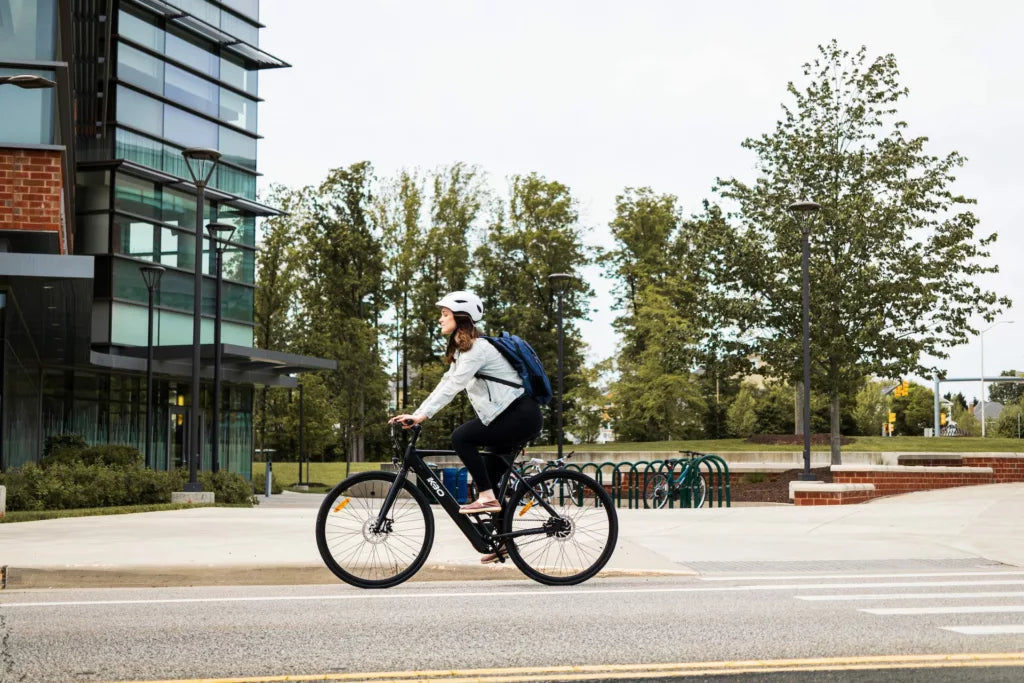
Con el precio del combustible en alza y las tarifas de tren subiendo a la par, muchos nos hemos preguntado si existe una forma más económica y mejor de ir al trabajo. Y si además mejorara nuestra forma física y nuestra salud, ¡mucho mejor!
Probablemente ya te imaginas lo que sigue: esa bicicleta que tienes guardada en el garaje o el trastero suele ser la solución. Es realista hacer paseos de hasta una hora (y a veces más) varias veces por semana, y así mejorarás tu forma física y, al mismo tiempo, ahorrarás dinero.
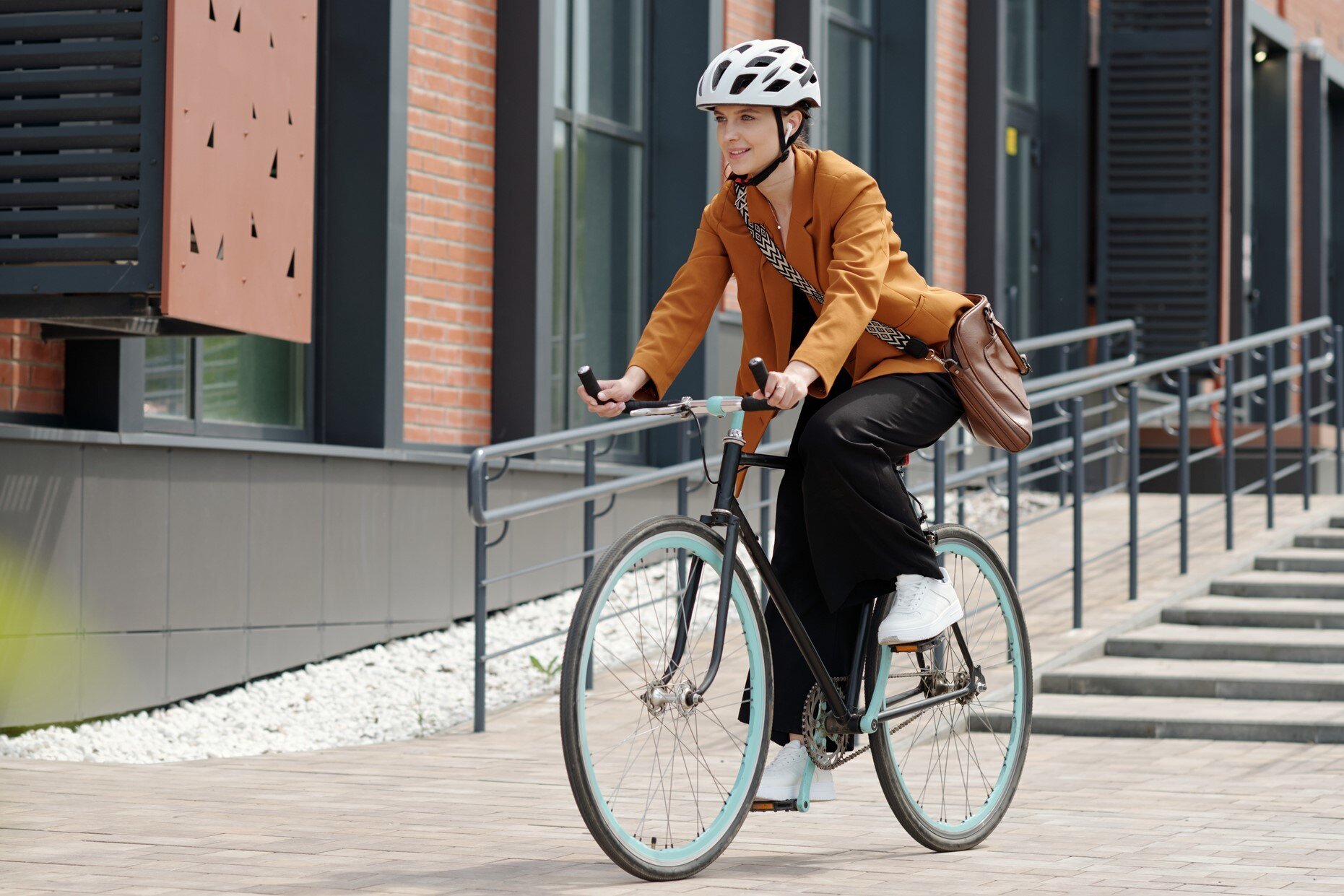
Estas son dos ventajas claras, pero son solo el comienzo. Hay muchas más, que abarcan desde la comodidad hasta una mayor conexión con el entorno, y es razonable pensar que podrían cambiarte la vida. Exploremoslas con más detalle.
1. Te pones en forma sin intentarlo.
Una de las ventajas más notables de ir en bicicleta al trabajo es sutil: haces ejercicio sin pisar un gimnasio. Un trayecto típico en bicicleta de 15 a 30 minutos mejora la condición cardiovascular, fortalece los músculos (especialmente en las piernas y el tronco) y aumenta la resistencia, todo ello de camino a tu escritorio.
Según los expertos en salud, el transporte activo ayuda a los adultos a cumplir con las recomendaciones de actividad física simplemente incorporando el movimiento a sus rutinas diarias. Un paseo en bicicleta de 30 minutos cinco días a la semana ayuda a alcanzar los 150 minutos semanales de actividad aeróbica moderada que aconsejan muchas agencias de salud, sin necesidad de dedicar tiempo adicional a los entrenamientos.
Más allá del acondicionamiento aeróbico, los datos de observación a largo plazo sugieren beneficios notables para la salud. Un amplio estudio longitudinal realizado en Escocia reveló que los ciclistas tenían un riesgo significativamente menor de muerte por cualquier causa, un menor riesgo de hospitalización por enfermedades cardiovasculares y una menor probabilidad de hospitalización por cáncer y mortalidad relacionada, en comparación con las personas que no se desplazan activamente al trabajo.
La genialidad de ir al trabajo en bicicleta reside en esto: no estás "haciendo ejercicio", simplemente estás yendo al trabajo.
2. No necesitas tener una bicicleta, ni siquiera recorrer todo el camino en bici.
¿Crees que ir al trabajo en bicicleta implica comprar una máquina cara y pedalear todo el trayecto? Para nada. Las ciudades modernas cuentan con una creciente variedad de programas de bicicletas compartidas, servicios de alquiler y flotas públicas de bicicletas eléctricas que te permiten usarlas para parte o la totalidad de tu viaje. Puedes ir en bicicleta hasta una estación de transporte público, aparcarla y terminar tu trayecto en autobús o tren, combinando diferentes medios de transporte para mayor comodidad.
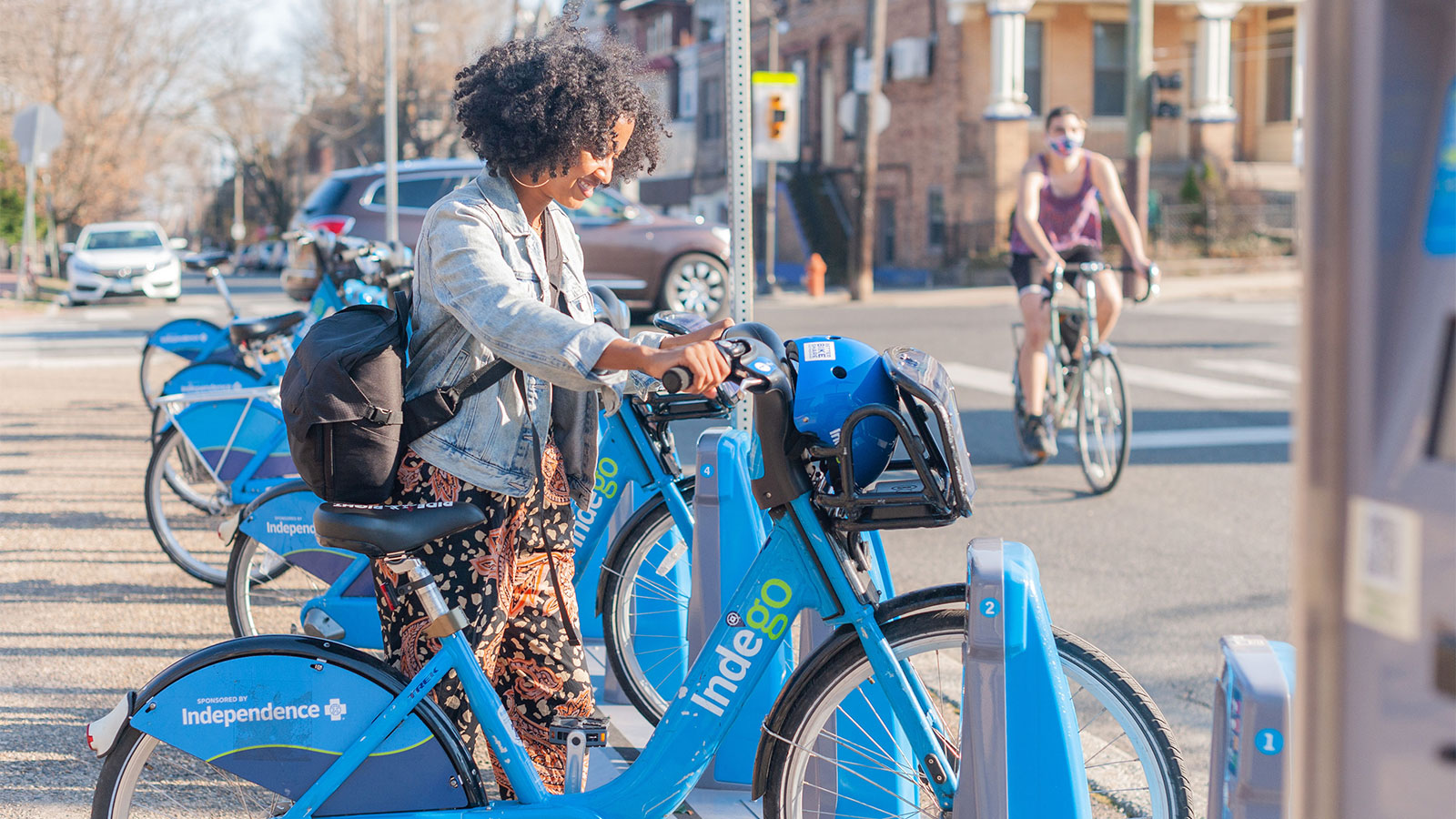
Incluso las bicicletas plegables facilitan los viajes multimodales: puedes subir la bicicleta al tren o al autobús, plegarla en un rincón, desplegarla y continuar el resto del trayecto. Las investigaciones y los defensores de esta modalidad destacan cada vez más que los desplazamientos parciales en bicicleta conservan muchas de las ventajas de los viajes completos, a la vez que ofrecen flexibilidad para diferentes distancias y condiciones climáticas.
3. Tu bicicleta no se declarará en huelga.
Una de las ventajas prácticas de la bicicleta es su fiabilidad. Tu bicicleta no se enferma. No deja de funcionar por huelgas. No necesita reservas de asiento ni tarifas elevadas en hora punta. Mientras puedas pedalear y el tiempo sea agradable, tu bicicleta seguirá siendo una compañera fiel en tus desplazamientos diarios.
En comparación con el transporte público, vulnerable a huelgas, retrasos o aglomeraciones, o con los coches, sujetos a atascos y al coste del combustible, la bicicleta ofrece una autonomía constante. Tú controlas tu trayecto.
Y sí, incluso si se te pincha una rueda, una pequeña reparación en la carretera suele ser más fácil y barata que lidiar con interrupciones en el transporte público o problemas de aparcamiento.
4. Todos se desplazan más rápido cuando más personas usan la bicicleta.
Este beneficio funciona como un círculo virtuoso. A medida que más personas optan por la bicicleta en lugar del coche para ir al trabajo, las calles se congestionan menos.Al haber menos coches congestionando las carreteras, los autobuses y los vehículos de emergencia pueden circular con mayor eficiencia y, en general, mejora la fluidez del tráfico.
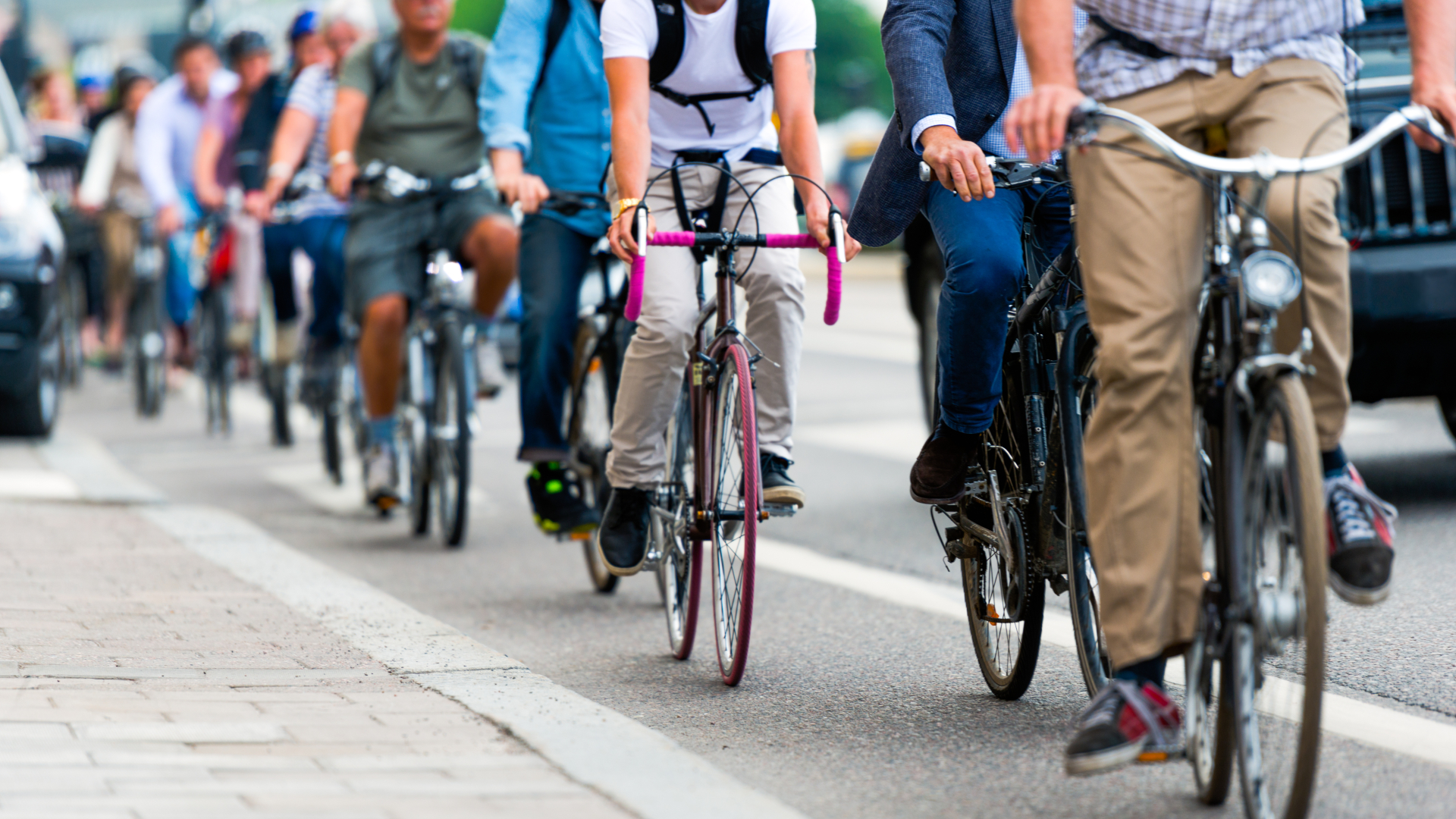
Un nuevo estudio a gran escala realizado en el Reino Unido demuestra que el uso de la bicicleta para ir al trabajo no solo beneficia a los ciclistas individuales, sino también a los sistemas urbanos en su conjunto. La investigación reveló que el transporte activo contribuye a importantes beneficios económicos —miles de millones— gracias a la mejora de la salud, la reducción de los costes de transporte y la disminución de la congestión. El estudio también estimó reducciones significativas en las emisiones de gases de efecto invernadero y en el gasto sanitario (más información a continuación).
En esencia, el ciclismo crea un efecto dominó: tu paseo diario no solo te beneficia a ti, sino que también beneficia a todos los demás.
5. Cuando vas en bicicleta, no estás mirando tu teléfono.
Aquí hay una ventaja sutil, pero importante: mientras andas en bicicleta, no puedes estar mirando el teléfono. Nada de desplazarte por las noticias, nada de revisar el correo electrónico sin parar, nada de perder el tiempo en las redes sociales con contenido negativo.
Esta desconexión forzada de las notificaciones no es un error, sino una función. Puede ayudarte a concentrarte, reducir el estrés y mejorar sutilmente la claridad mental. El descanso de las pantallas (especialmente del trabajo estresante y las redes sociales) durante la actividad física ofrece beneficios cognitivos similares a la atención plena: mayor presencia, menor ansiedad y una mente más tranquila.

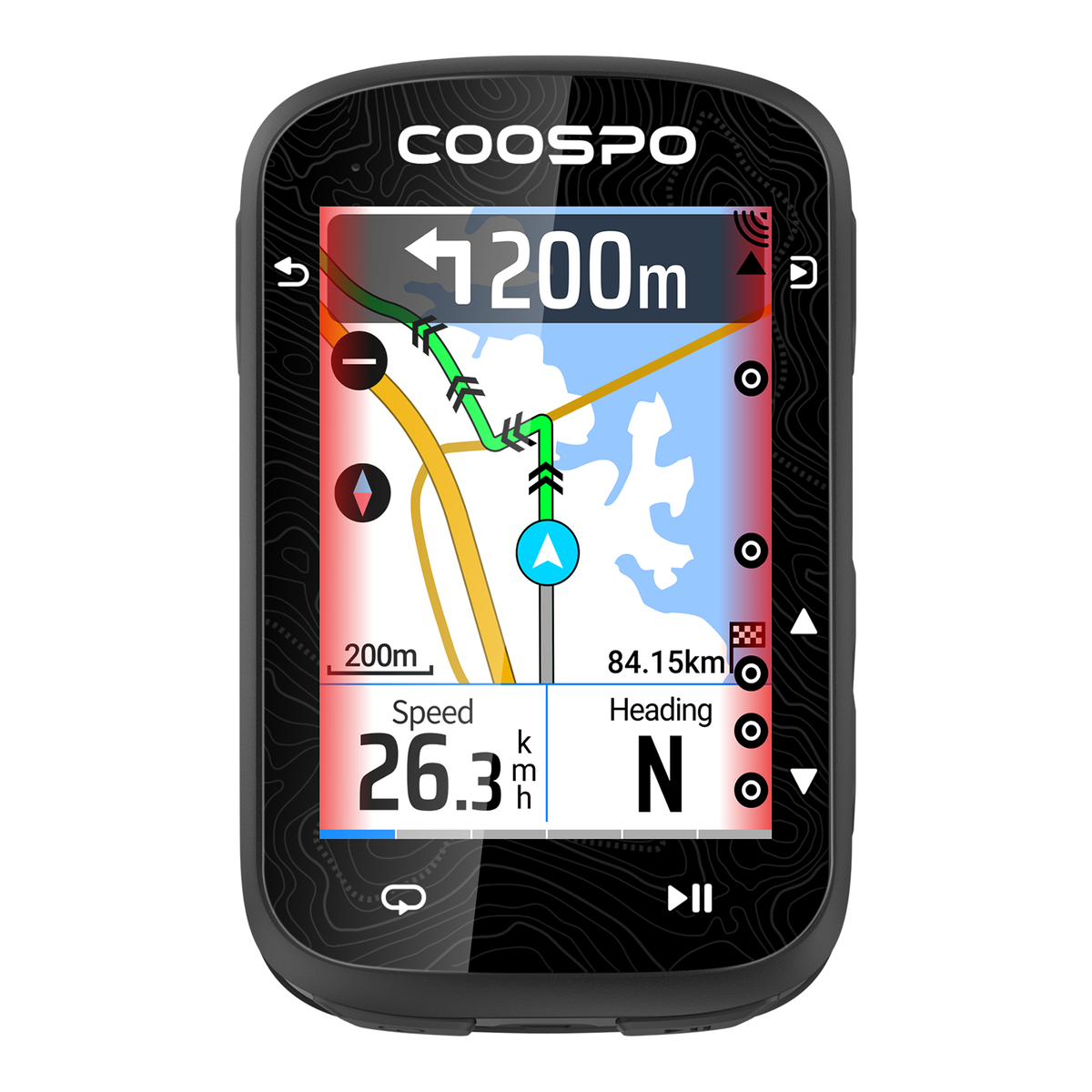
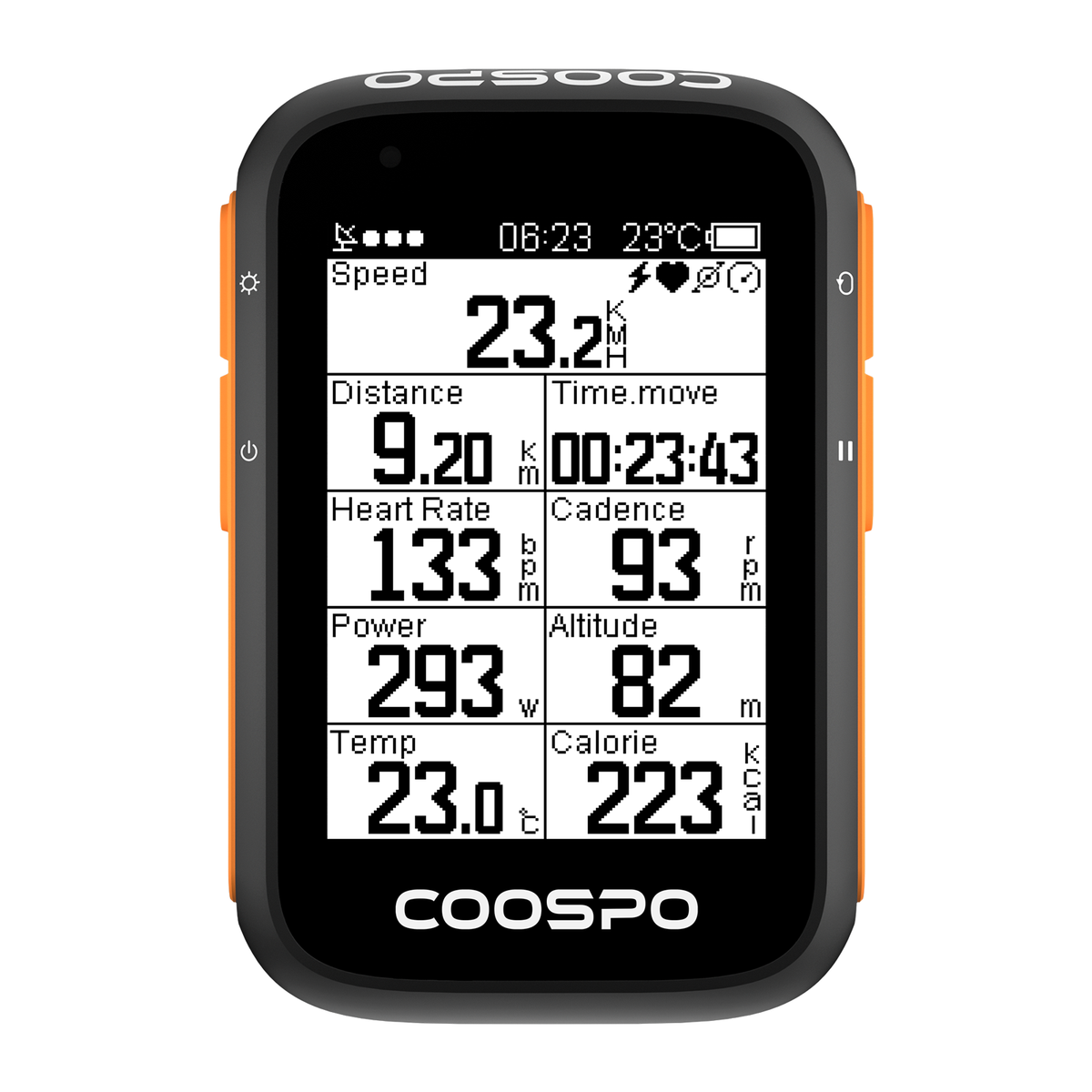
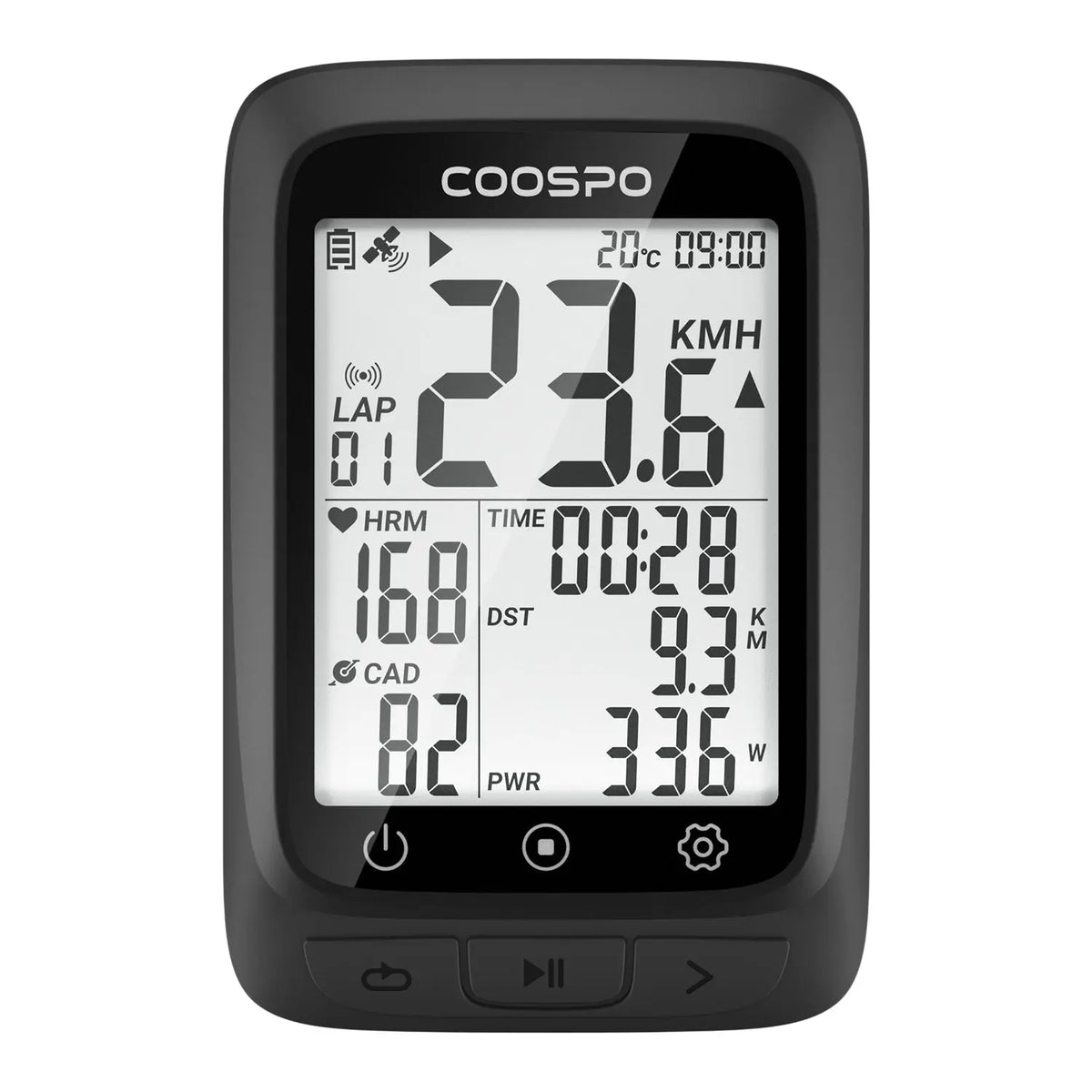
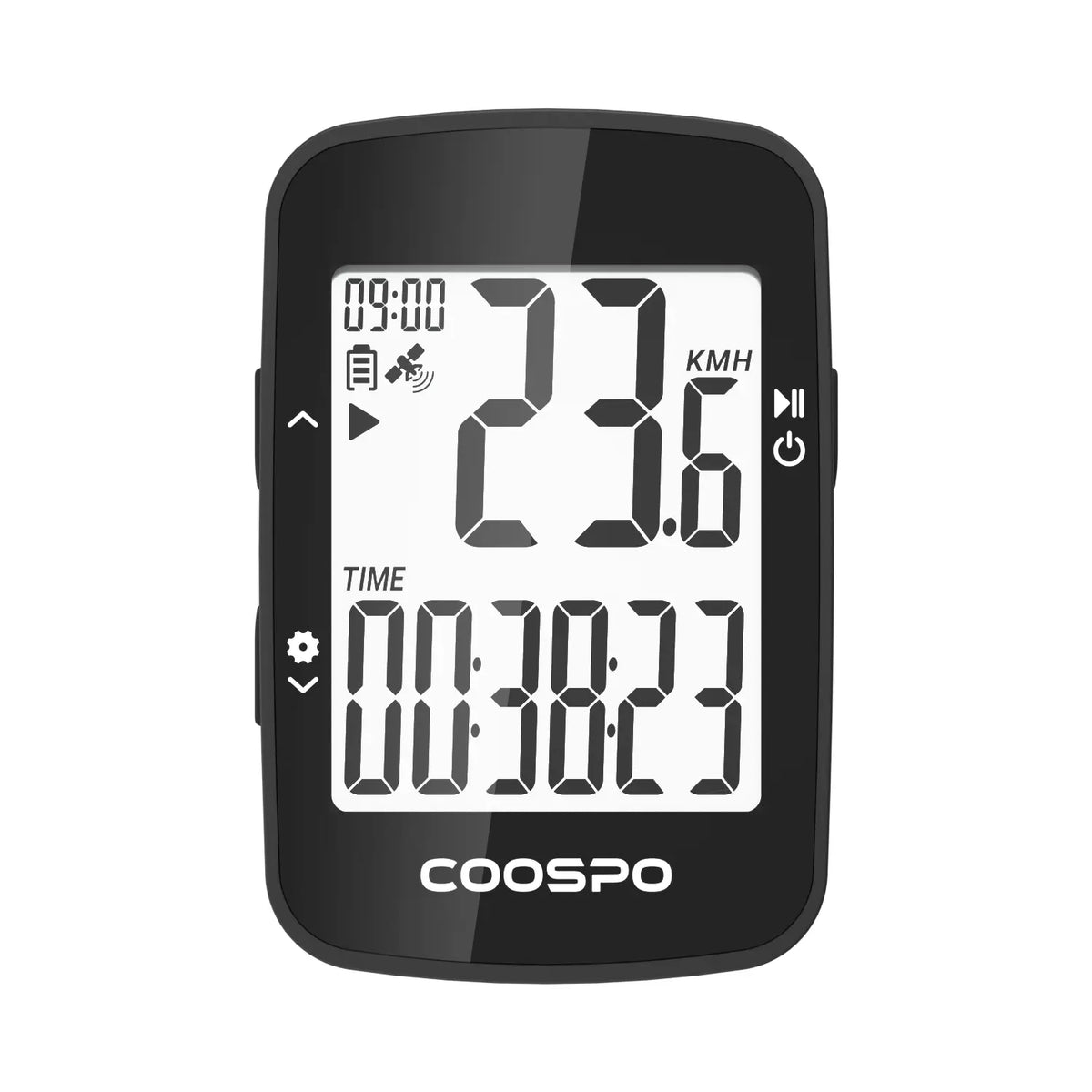
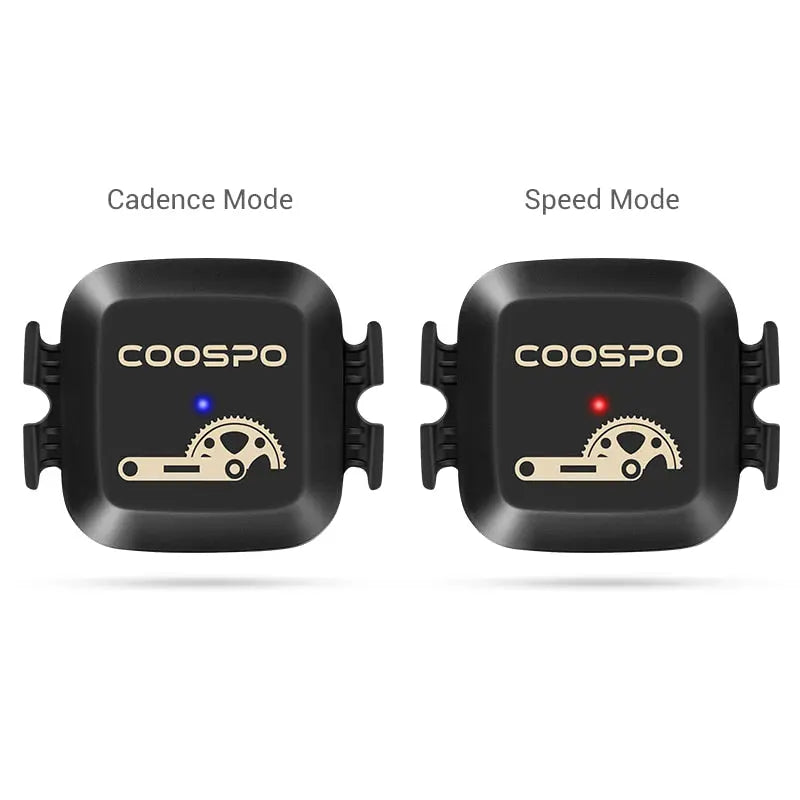
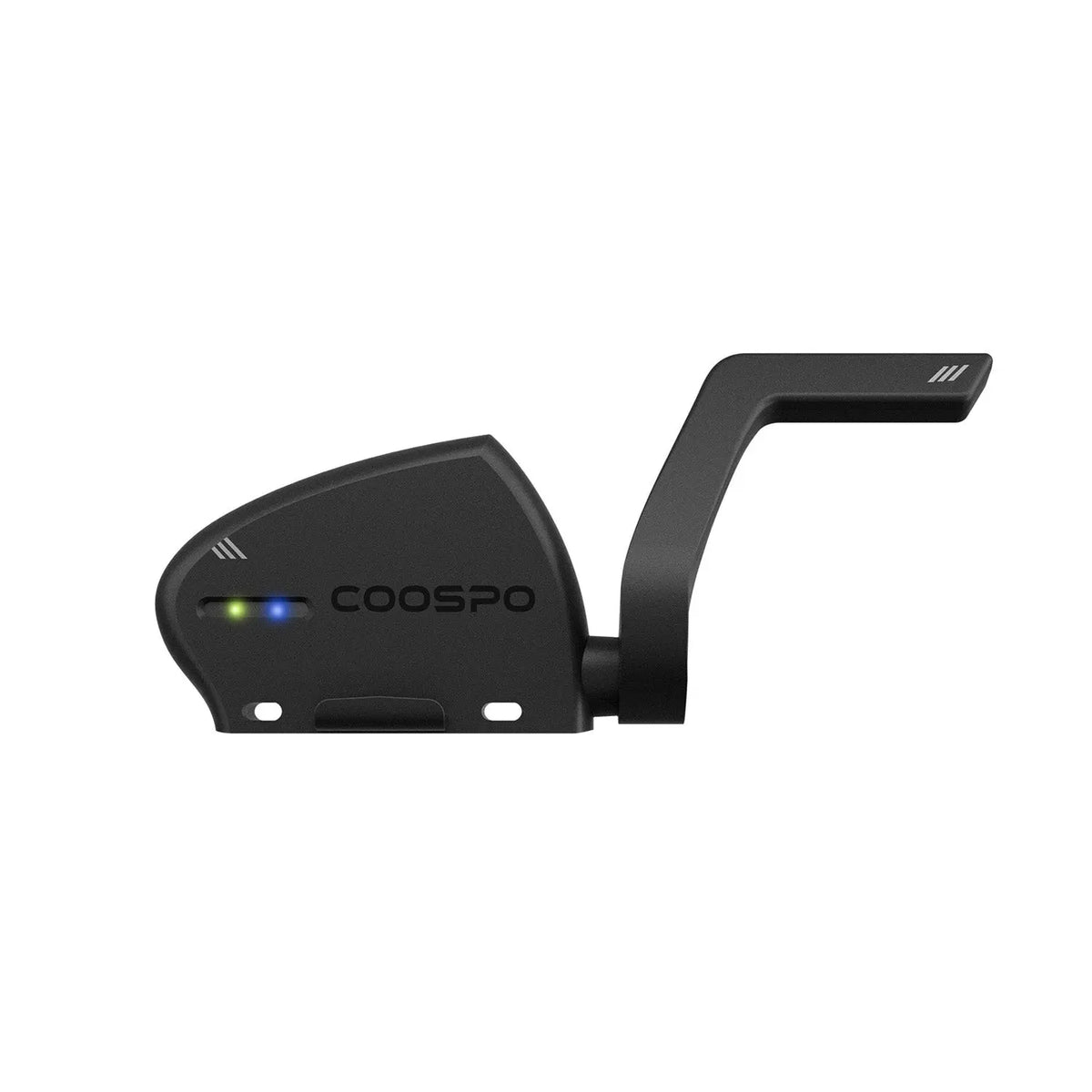
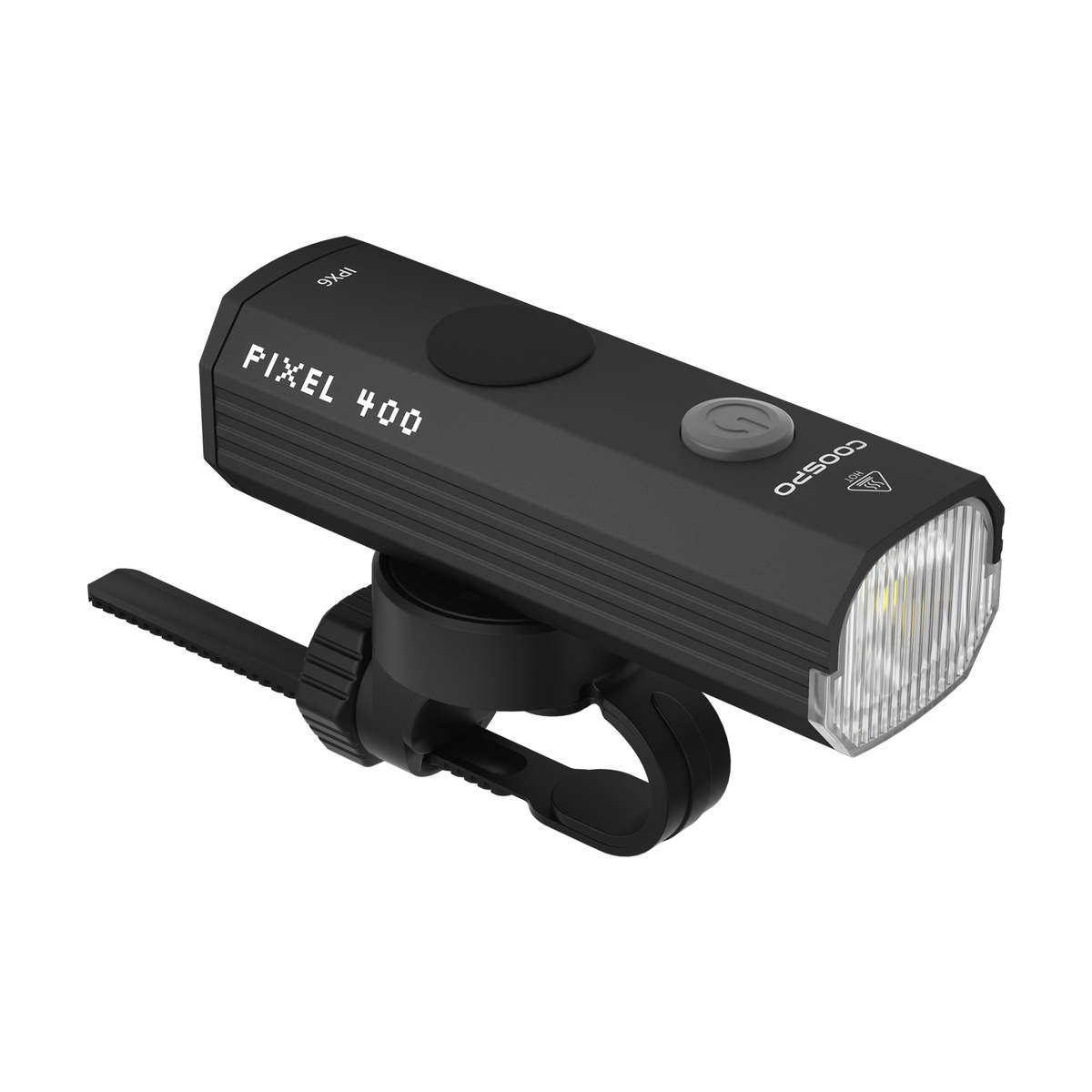
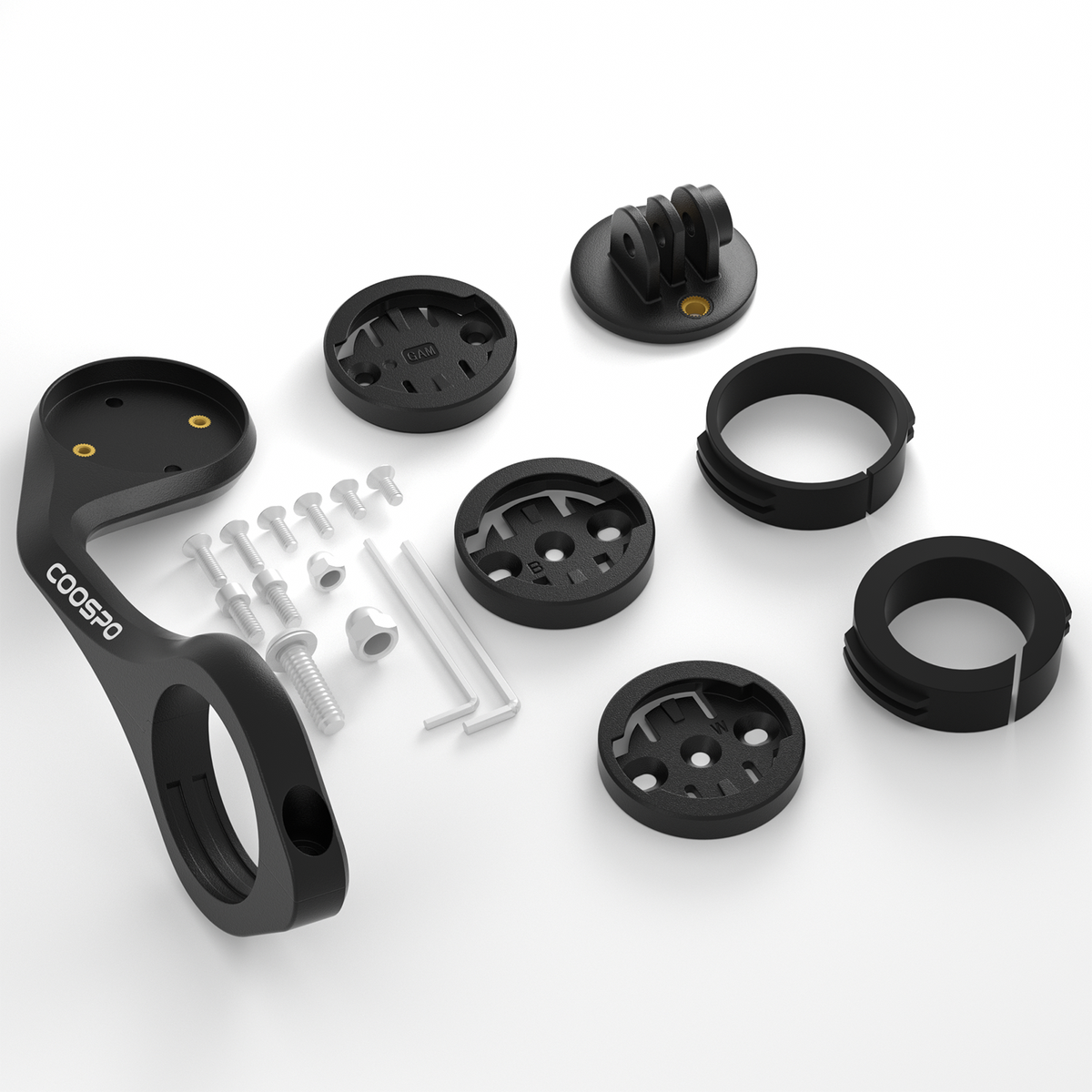
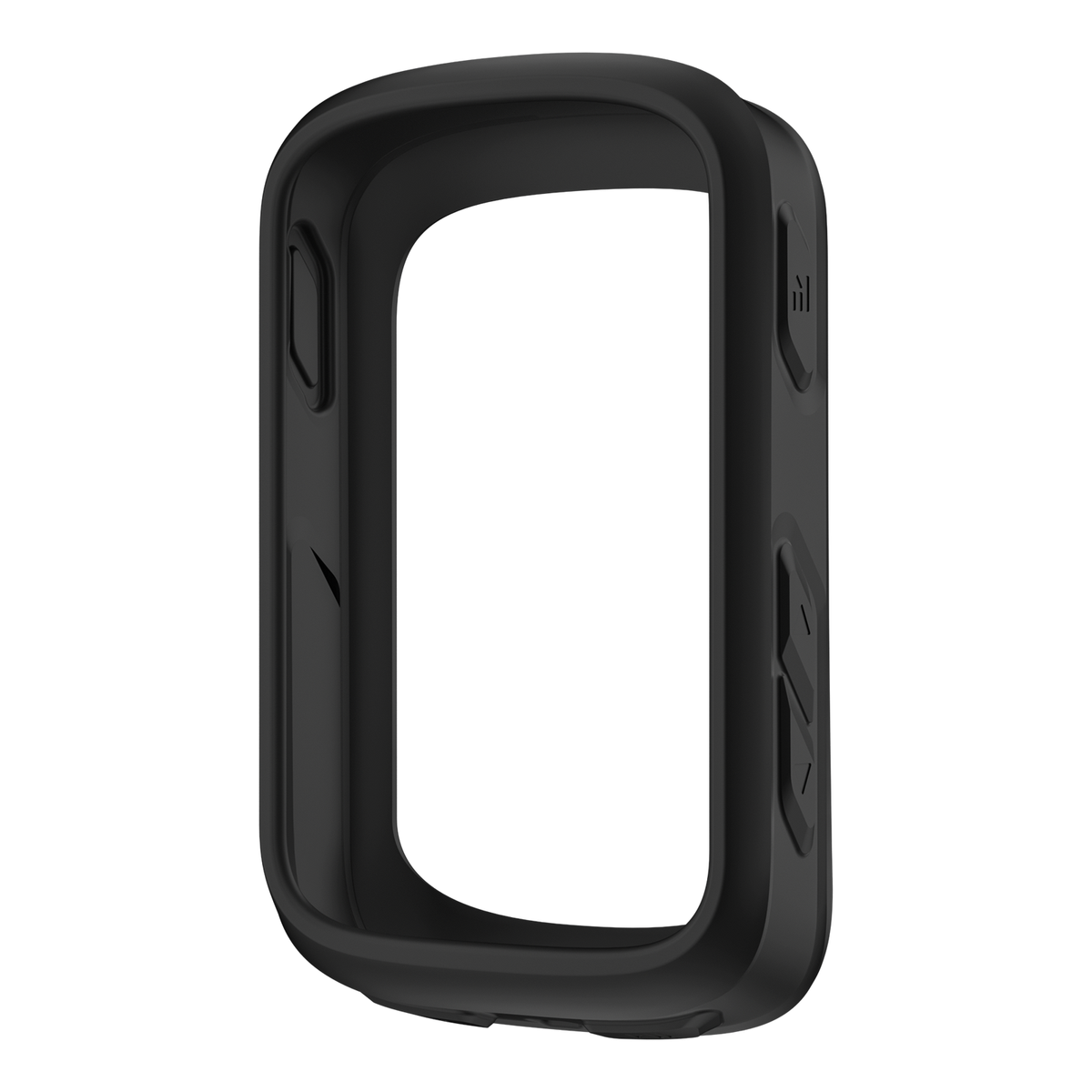
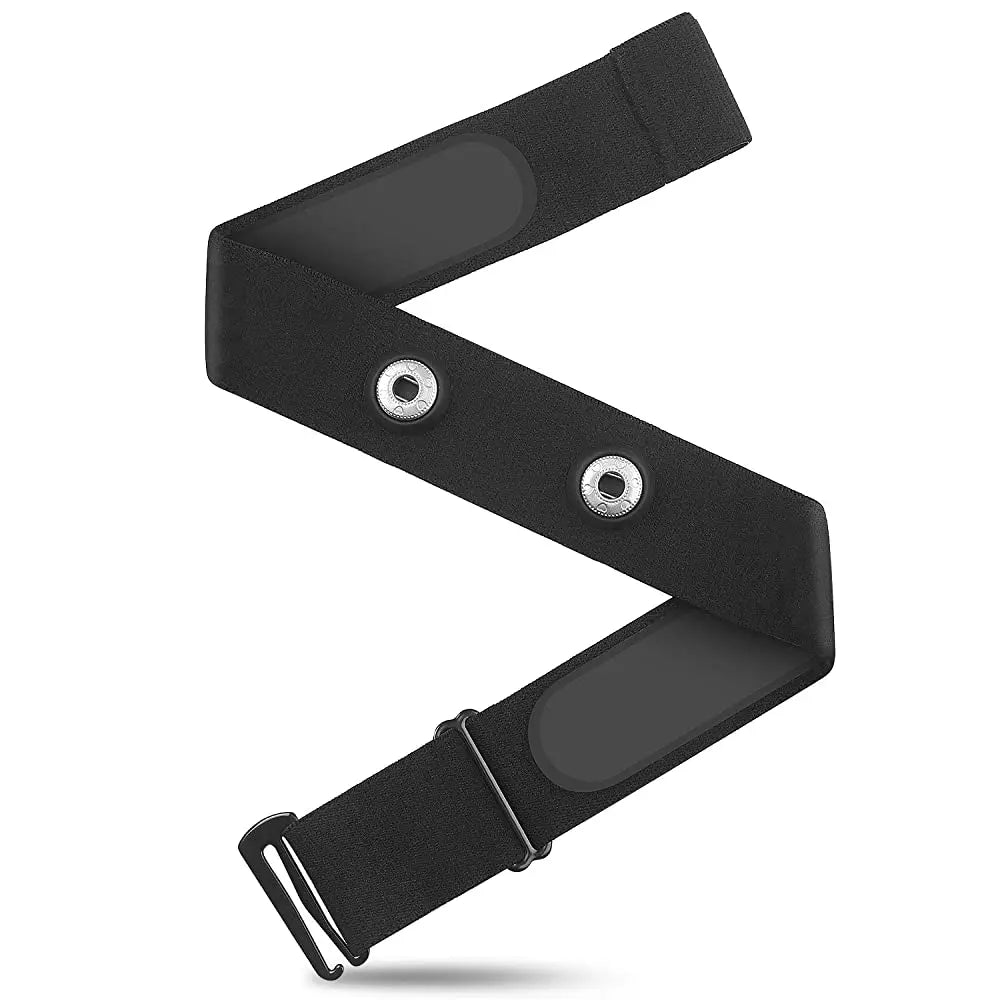
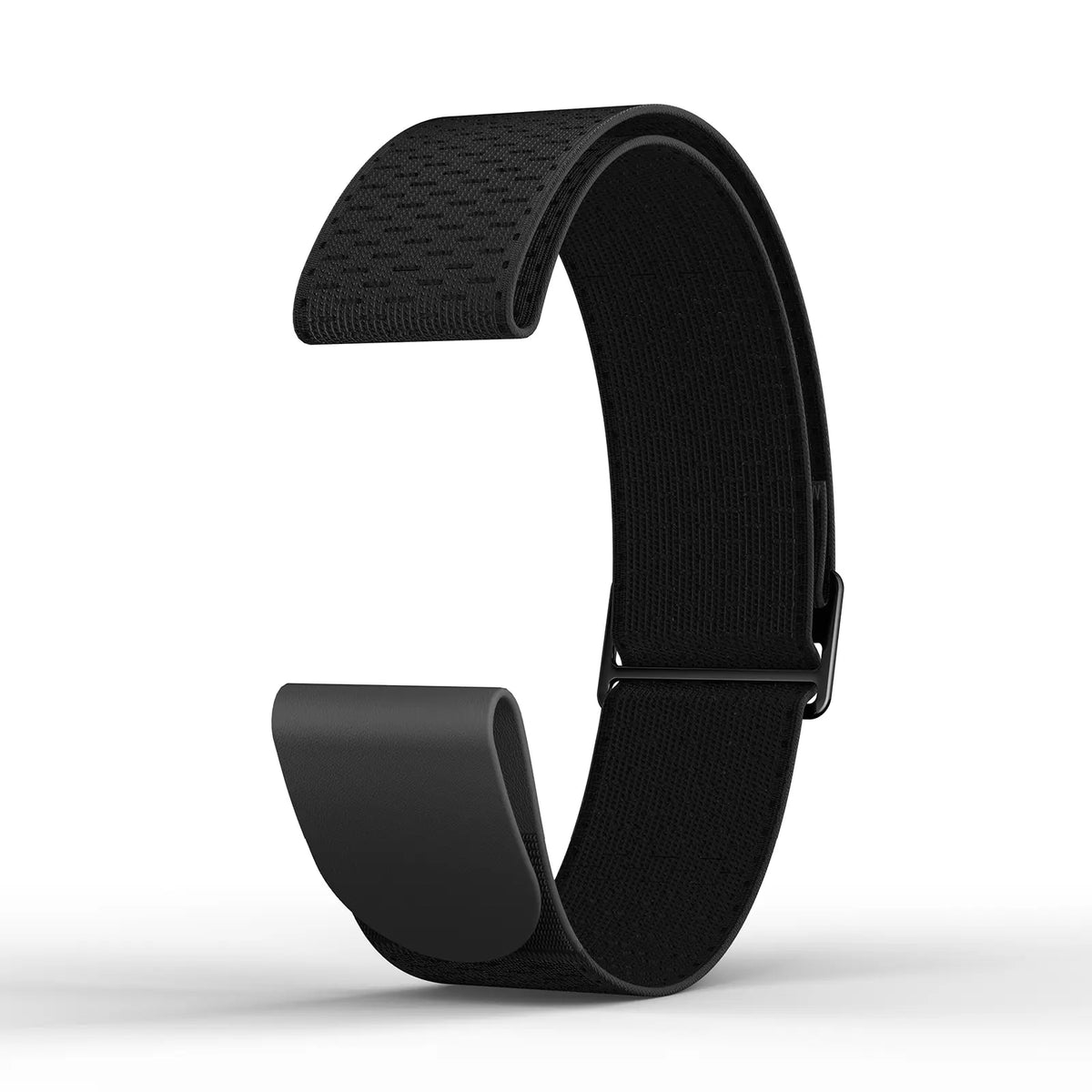
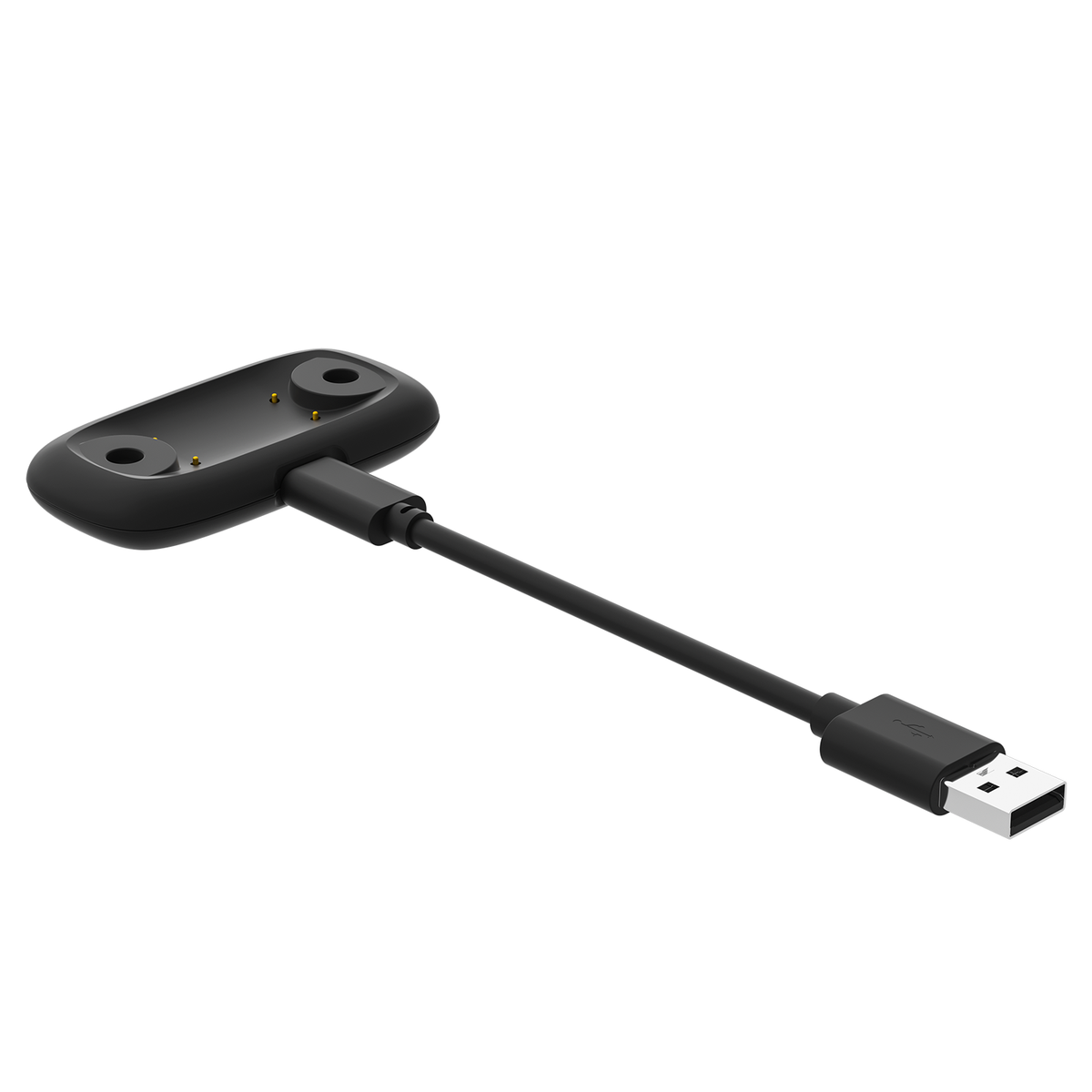
Al mismo tiempo, eso no significa que tengas que renunciar a información útil durante tu recorrido. En lugar de depender de tu teléfono, puedes echar un vistazo a un ciclocomputador para obtener datos clave, mientras que una luz trasera con radar como la
Para muchos de nosotros, la jornada laboral consiste en pasar largas horas frente a una pantalla, sin olvidar el uso del teléfono móvil entretanto. ¿Por qué no darle un respiro a tu cerebro y ponerte en marcha?
6. Andar en bicicleta tiene un tiempo de viaje predecible.
En comparación con conducir, donde la congestión y los atascos inesperados pueden añadir fácilmente 20 o 30 minutos o más, ir en bicicleta al trabajo suele ofrecer un tiempo de viaje mucho más fiable.
En el tráfico denso de la ciudad, ir en bicicleta puede ser igual de rápido o incluso más rápido que conducir o tomar el autobús en trayectos cortos, gracias a los carriles bici, las rutas más rápidas y la facilidad para aparcar. Incluso cuando las condiciones no son ideales, tienes más control sobre la duración del trayecto, por lo que dependes menos de los atascos o los retrasos en el servicio.
Esa fiabilidad hace que todo parezca más fácil: no hay estrés por la tarde por conexiones perdidas o retrasos inesperados en el tráfico.
7. Conoce mejor tu ciudad.
Si vas al trabajo en coche, autobús o tren, probablemente hayas visto muchos lugares por el camino, pero lo más probable es que no los hayas disfrutado de verdad. Recorrer un pueblo o aldea en bicicleta, oler las flores, el café o la panadería y contemplar sus encantos, es un verdadero placer para los sentidos comparado con pasar a toda velocidad en tren o por una autopista.

No hay mejor manera de conocer tu barrio —y más allá de sus límites— que en bicicleta. Explorar tranquilos senderos boscosos o callejuelas silenciosas y descubrir nuevos lugares para visitar es parte esencial de ir al trabajo en bici. Incluso podrías descubrir una cafetería nueva que no sabías que existía, justo a la vuelta de la esquina. Coloca una de las mejores cámaras para bicicleta o casco en ti o en tu bici y podrás documentar tus aventuras.
8. Hace más calor que estar de pie en una plataforma con corrientes de aire.
Ir en bicicleta al trabajo puede parecer una actividad fría, pero suele ser una de las formas más cálidas de desplazarse en invierno. Estás en movimiento en lugar de estar de pie en un andén ventoso o en una parada de autobús. Incluso un coche puede resultar frío hasta que se calienta la calefacción.
Usa la indumentaria adecuada, como una chaqueta de ciclismo resistente y pantalones impermeables fiables, y un poco de lluvia o frío no te molestará. Hoy en día, la ropa impermeable y cortavientos de buena calidad es bastante asequible, así que es fácil equiparse correctamente y mantenerse abrigado mientras los músculos en actividad generan calor de forma natural.
En verano, pocas cosas superan empezar el día con un paseo en bicicleta bajo el sol y el calor; el único inconveniente es tener que dejar de pedalear e ir a trabajar.
Además, estar al aire libre significa que es menos probable que otro viajero estornude o tosa justo a tu lado, lo que puede reducir tus posibilidades de contraer algún virus.



Deja un comentario
Este sitio está protegido por hCaptcha y se aplican la Política de privacidad de hCaptcha y los Términos del servicio.