













![[2 Pack] Coospo Breathable Neck Gaiter Face Scarf Mask COOSPO](http://www.coospo.com/cdn/shop/files/106de7b046babc03aa610173af6e31aa_599da3fe-9907-4b1e-8eb0-f08b3032720b.png?v=1720591174&width=1600)


![[4 Pack] Coospo Soft Breathable Chilly Towel, Microfiber Towel COOSPO](http://www.coospo.com/cdn/shop/files/1_904094cc-62ee-40e9-aa21-415effb385b4.png?v=1720527561&width=1600)

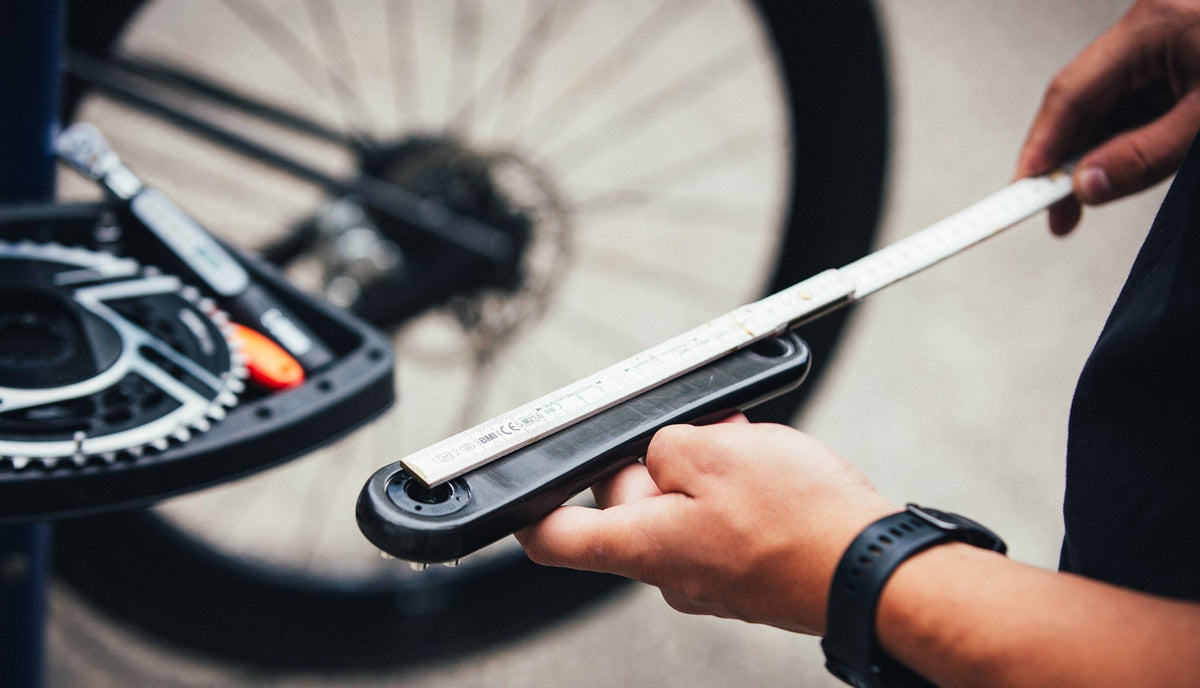
Muitos ciclistas se concentram bastante na altura do guidão e na posição do selim ao ajustar suas bicicletas, mas não dão a devida atenção ao comprimento da pedivela. Ao comprar uma bicicleta montada de fábrica, o comprimento da pedivela geralmente é escolhido com base no tamanho do quadro, mas isso nem sempre significa que seja o ideal para você. Se não for o comprimento certo, pode causar desconforto e prejudicar seu desempenho. Portanto, é importante pensar nisso com cuidado.
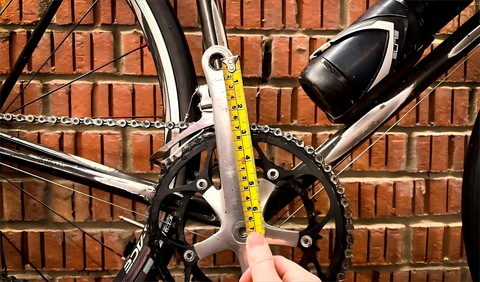
Aqui, explicaremos por que escolher o comprimento correto da pedivela é importante e analisaremos as vantagens e desvantagens de diferentes calculadoras de comprimento de pedivela.
O comprimento da pedivela geralmente é escolhido com base no comprimento da perna, mas outros fatores também são importantes e serão discutidos a seguir. Os projetos de bicicletas geralmente pressupõem uma distribuição média de altura, mas isso faz grandes suposições sobre as proporções entre comprimento da perna e altura, que podem variar bastante (em nossa clínica, de 43,2% a 50,1%). As pessoas também têm uma ampla gama de comprimentos de perna (de 67,5 cm a 94 cm em nossa clínica), enquanto os comprimentos de pedivela comumente disponíveis cobrem apenas uma pequena parte dessa faixa.
Os comprimentos padrão de pedivela são geralmente de 165 mm para ciclistas mais baixos e 175 mm para os mais altos, sendo que a maioria das pessoas usa pedivelas de 170 mm ou 172,5 mm. As principais marcas costumam oferecer pedivelas com incrementos de 2,5 mm, variando de 165 mm a 175 mm.
As bicicletas para adultos vêm em diversos tamanhos de quadro, geralmente de 44 cm a 61 cm. Mas as opções de tamanho de pedivela são bem menores. Isso significa que muitas bicicletas não se ajustam corretamente aos ciclistas, o que pode ser um problema ainda maior para as mulheres. Vamos analisar a ciência por trás disso, os mitos mais comuns e dicas práticas para escolher o comprimento de pedivela ideal.
A importância de calcular o comprimento correto da manivela para você.
Muitas vezes se pensou que uma manivela mais longa proporcionava mais alavancagem, o que, consequentemente, gerava mais potência. No entanto, pesquisas recentes sugerem que isso pode não ser verdade.
A potência resulta da combinação de torque (a força aplicada nos pedais) e cadência (a velocidade com que você pedala). O comprimento do pedivela afeta apenas o torque. Pedivelas mais longas proporcionam mais torque com a mesma força aplicada nos pedais, mas geralmente tornam a pedalada mais lenta, pois os pedais descrevem um círculo maior. Esses dois efeitos se equilibram, de modo que a potência total geralmente permanece a mesma.
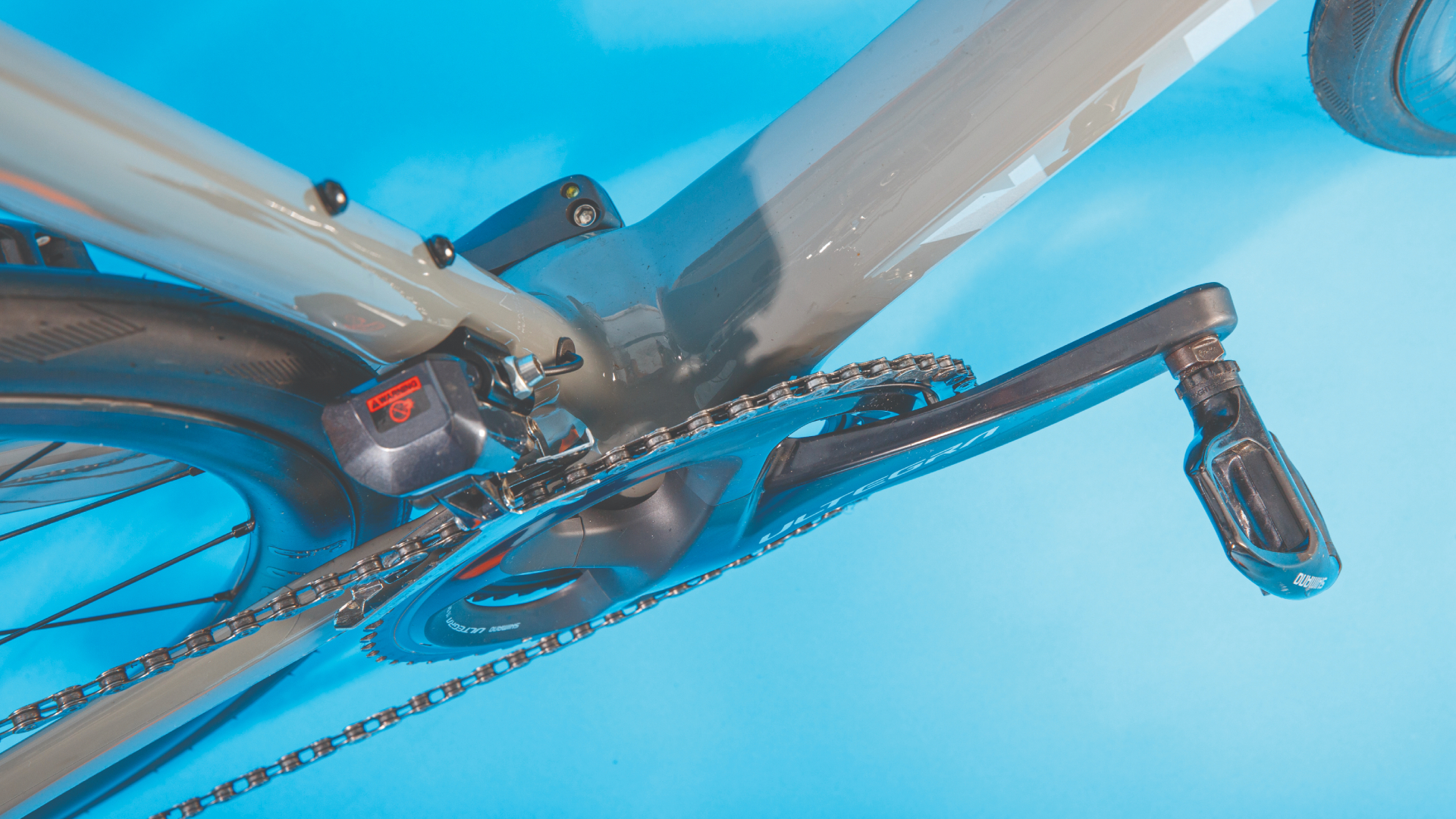
Uma exceção a isso ocorre ao arrancar do zero com uma bicicleta de marcha fixa em uma curta distância (100-200 m), como em uma largada em pista. Pedivelas mais longas permitem que o ciclista atinja velocidades maiores do que pedivelas mais curtas.
Em uma bicicleta com marchas, a diferença praticamente desaparece ao pedalar na estrada, pois você pode reduzir para uma marcha mais leve, principalmente quando está sentado. Você pode notar uma pequena diferença em situações que exigem mais esforço, como arrancar em um semáforo ou subir ladeiras íngremes em pé, mas esses momentos são raros em comparação com o pedal normal.
Escolher a pedivela certa não tem a ver com tradição, mas sim com o ajuste ao seu corpo e à sua forma de se movimentar.
Existe um comprimento de pedivela ideal?
Uma ideia comum é que talvez não exista um comprimento de pedivela "certo", mas pode haver um comprimento "errado". Escolher uma pedivela mais curta geralmente é mais seguro. Uma pedivela muito longa pode causar problemas, principalmente na parte superior da pedalada, enquanto uma pedivela mais curta não reduz o desempenho.
Uma pedivela muito longa pode fazer com que as articulações do quadril e do joelho se dobrem demais no topo da pedalada, pressionando-as e causando dor. Também pode levar os ciclistas a ajustarem seus movimentos de maneiras que podem causar outros problemas posteriormente, como inclinar a pélvis para trás ou abrir os joelhos para fora.
Esse problema se agrava se o quadril não conseguir flexionar o suficiente, seja por rigidez generalizada ou por condições como impacto femoroacetabular ou osteoartrite do quadril.Isso não só pode causar dor no quadril, mas se o quadril não conseguir se manter em sua amplitude normal no ponto mais alto da pedalada, a pélvis frequentemente se inclina para trás para compensar, o que pode levar a uma flexão excessiva da região lombar.
O balanço pélvico pode causar dor lombar, assaduras e redução da potência devido à instabilidade pélvica. Se os pedivelas forem muito longos para o ciclista, ele pode, inconscientemente, deslocar o quadril ou a pélvis para conseguir posicionar a perna sobre o ponto mais alto da pedalada.
Pedivelas muito compridas podem dificultar a pedalada rápida. Elas podem fazer com que seus joelhos batam no peito quando você se inclina para a frente, além de dificultar a respiração.
As vantagens das pedivelas mais curtas
Pedivelas mais curtas podem tornar uma bicicleta mais aerodinâmica, razão pela qual são frequentemente usadas em bicicletas de contrarrelógio. Por exemplo, antes de sua tentativa de recorde da hora em 2015, Bradley Wiggins (que tem 1,90 m de altura) trocou suas pedivelas de 177,5 mm por outras de 170 mm para melhorar a aerodinâmica. Pedivelas mais curtas permitem que o selim fique mais alto, o que aumenta o ângulo do quadril no ponto mais alto da pedalada e permite que o guidão fique mais baixo, criando uma posição de pilotagem mais agressiva.

Pedivelas mais curtas afastam as coxas do estômago no ponto mais alto da pedalada, tornando o exercício mais confortável e facilitando a respiração. Elas também podem ajudar com dores ou lesões nos quadris, joelhos e lombar, reduzindo o estresse nessas articulações e melhorando a mobilidade.
Pedivelas mais curtas podem melhorar o espaço livre para os pedais e reduzir a probabilidade de contato entre o pedal e o solo, o que é útil em corridas de critério ou ciclismo de montanha (para evitar bater em pedras e raízes). Elas também reduzem a sobreposição dos dedos dos pés com o quadro, especialmente em quadros menores.
calculadora de comprimento da manivela
Uma boa abordagem é: usar pedivelas de 155 mm ou 165 mm para a maioria dos ciclistas.
Ciclistas com estatura menor ou maior podem usar pedivelas de 145 mm ou 175 mm.
Apenas alguns casos atípicos podem precisar de 135 mm ou 175 mm.
Pequenas alterações de 2,5 mm não justificam a troca do pedivela, já que os pedivelas são caros. Uma alteração de pelo menos 5 mm, e idealmente 10 mm, tem um impacto maior nos ângulos do quadril e do joelho.
Muitas vezes se pensa que o comprimento da pedivela depende do comprimento da perna, mas nem sempre é esse o caso. Mesmo que duas pessoas tenham o mesmo comprimento de perna, o comprimento ideal da pedivela pode ser diferente, dependendo de outros fatores. Um ciclista com maior flexibilidade e menos lesões pode conseguir usar pedivelas mais longas sem problemas.
O comprimento da pedivela deve ser escolhido com base no corpo e nas necessidades do ciclista, incluindo flexibilidade, amplitude de movimento das articulações, força, histórico de lesões, tipo de pedalada, objetivos no ciclismo e preferências pessoais. Se você sentir desconforto, dor ou tiver alguma lesão, o ajuste do comprimento da pedivela deve fazer parte de um ajuste completo da bicicleta.
Se você busca melhorar seu desempenho e velocidade no ciclismo através de uma aerodinâmica mais eficiente, pedivelas mais curtas podem ser uma boa opção. Elas também são úteis para suavizar a pedalada e eliminar pontos mortos, especialmente se você tem amplitude de movimento articular limitada.
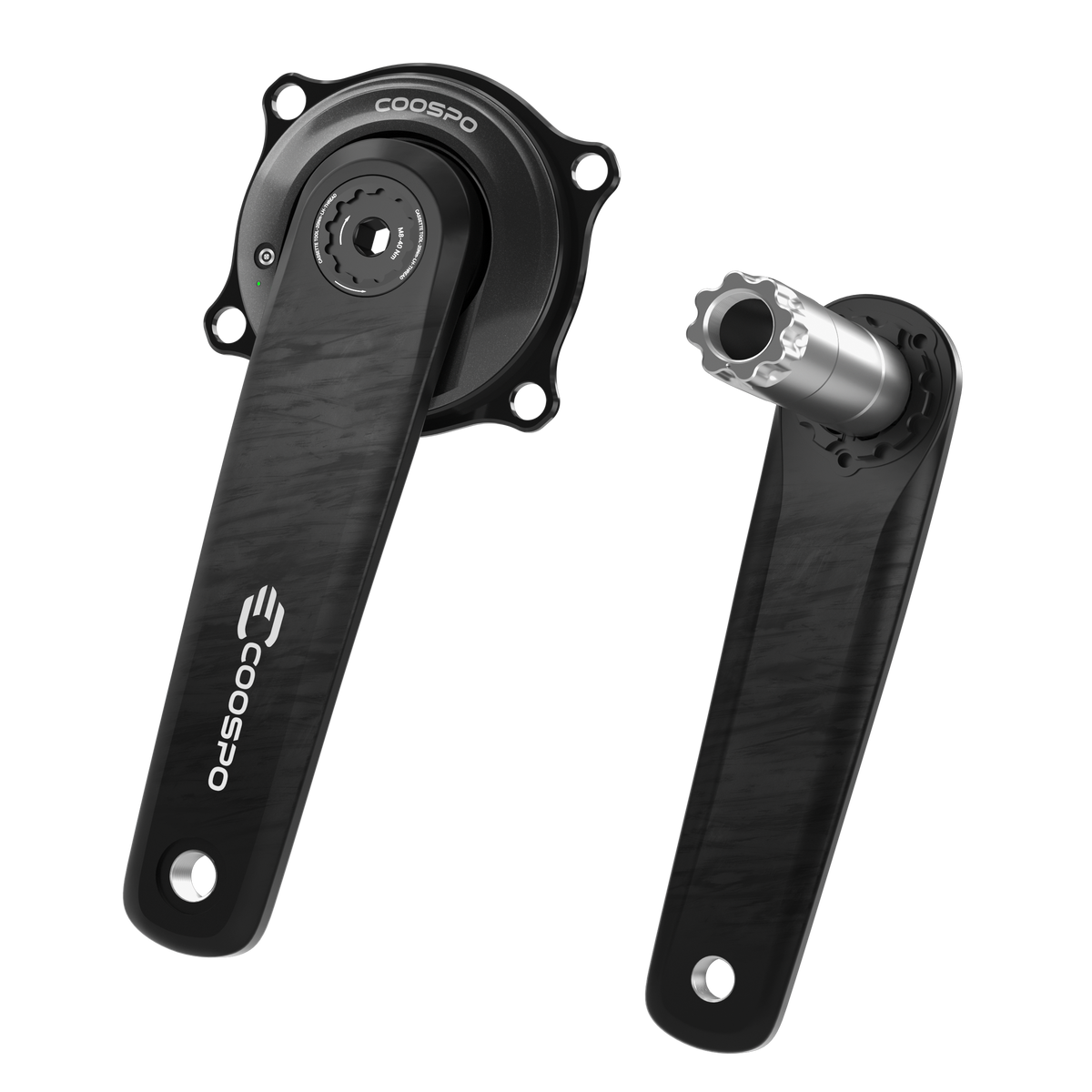
Depois de escolher o comprimento da pedivela, o próximo passo é testar se ele realmente melhora seu desempenho. É aqui que um medidor de potência se torna extremamente útil.

Dispositivos como o




Leave a comment
Este site está protegido pela Política de privacidade da hCaptcha e da hCaptcha e aplicam-se os Termos de serviço das mesmas.