






























![[2 Pack] Coospo Breathable Neck Gaiter Face Scarf Mask COOSPO](http://www.coospo.com/cdn/shop/files/106de7b046babc03aa610173af6e31aa_599da3fe-9907-4b1e-8eb0-f08b3032720b.png?v=1720591174&width=1600)


![[4 Pack] Coospo Soft Breathable Chilly Towel, Microfiber Towel COOSPO](http://www.coospo.com/cdn/shop/files/1_904094cc-62ee-40e9-aa21-415effb385b4.png?v=1720527561&width=1600)


Até mesmo corredores devem incluir caminhadas em sua rotina. Muitas pessoas pensam que correr é melhor do que caminhar porque é mais intenso e queima mais calorias, mas são duas atividades diferentes. Tanto correr quanto caminhar são bons para o corpo e para a mente. Adicionar caminhadas à sua rotina de corrida pode trazer muitos benefícios extras.

Caminhar após as refeições, fazer caminhadas leves para se exercitar e caminhar em vez de ficar sentado são práticas que podem ajudar os corredores a viverem mais tempo.
Este artigo explorará os benefícios de uma rotina regular de caminhadas, como ela pode auxiliar na perda de peso e dicas práticas para ajudá-lo a iniciar e manter um hábito consistente de caminhada.
Os benefícios de uma rotina regular de caminhadas
1. Protege o seu coração
A saúde cardiovascular é uma das áreas mais significativamente impactadas positivamente pela caminhada. De acordo com a Associação Americana do Coração, a prática regular de exercícios de intensidade moderada, como caminhadas rápidas, pode reduzir o risco de doenças cardíacas, acidente vascular cerebral e hipertensão. Um estudo publicado na revista Circulation (Murtagh et al., 2015) constatou que indivíduos que caminhavam regularmente apresentavam um risco 31% menor de doença arterial coronariana em comparação com aqueles que eram sedentários.
Caminhar ajuda a fortalecer o coração, melhorar a circulação e reduzir os níveis de colesterol LDL (o colesterol "ruim"), ao mesmo tempo que aumenta o colesterol HDL (o colesterol "bom"). Mesmo uma caminhada diária de 30 minutos pode melhorar a função endotelial — o revestimento dos vasos sanguíneos — levando a um melhor fluxo sanguíneo e à redução da pressão arterial.
2. Você poderá dormir melhor.
Pode parecer surpreendente, mas caminhar mais pode realmente ajudar você a se sentir mais descansado. Um estudo de 2019 publicado no periódico Saúde do sono Descobriu-se que caminhar regularmente durante quatro semanas estava associado a uma melhor qualidade do sono.
Se você tem dificuldade para dormir o suficiente e ter um sono de qualidade, caminhar pode ser uma solução simples. Exercícios aeróbicos regulares, incluindo caminhadas, comprovadamente melhoram tanto a qualidade quanto a duração do sono. A Fundação Nacional do Sono (National Sleep Foundation) observa que atividades leves a moderadas podem ajudar a regular o ritmo circadiano, facilitando o adormecer e o despertar natural.
3. Aumenta sua imunidade
Comece uma rotina de caminhadas e você poderá evitar resfriados ou gripes — literalmente. Estudos mostram que pessoas que caminham em ritmo acelerado (cerca de 4 a 6 km/h) por 30 a 45 minutos, cinco vezes por semana, tendem a apresentar menos sintomas respiratórios do que aquelas que não o fazem.
Outras pesquisas descobriram que até mesmo uma única caminhada rápida pode fortalecer o sistema imunológico das pessoas mais do que o normal.
4. Você pode melhorar seu humor
Os benefícios da caminhada para a saúde mental são tão convincentes quanto os físicos. Caminhar libera endorfinas, os hormônios do bem-estar, que podem melhorar o humor e reduzir sentimentos de ansiedade e depressão. De acordo com uma pesquisa da Universidade Stanford (Bratman et al., 2015), passar um tempo caminhando na natureza tem um efeito mensurável na melhora do humor e na redução do estresse.

Mesmo caminhadas curtas — de apenas 10 a 15 minutos — podem ajudar a interromper pensamentos negativos e facilitar o enfrentamento do estresse diário. Caminhar também pode funcionar como uma meditação em movimento, dando à sua mente um descanso das distrações constantes e ajudando você a se sentir mais calmo.
Caminhada e perda de peso
Nenhum exercício físico garante perda de peso para todas as pessoas. Para muitos daqueles que desejam emagrecer, seus esforços esbarram na dificuldade de calcular o equilíbrio entre calorias ingeridas e gastas, o que é complicado por fatores como condições de saúde, disponibilidade e custo dos alimentos, entre outros. No entanto, estudos demonstram que a prática regular de exercícios físicos, em torno de 60 minutos diários, é fundamental para a perda e manutenção do peso, desde que aliada a estratégias nutricionais adequadas, segundo a Associação Americana de Diabetes.
Como iniciar uma rotina de caminhada
Começar uma rotina de caminhadas pode parecer simples, mas criar um hábito duradouro exige planejamento e pequenos passos sustentáveis. Aqui estão oito dicas para te ajudar a começar:
1. Prepare-se
Você não precisa de equipamentos caros para começar a caminhar, mas investir em um bom par de tênis de caminhada é essencial. Procure por calçados que ofereçam suporte adequado, amortecimento e que se ajustem bem aos seus pés para evitar bolhas ou lesões. Meias que absorvam a umidade e roupas confortáveis adequadas ao clima também podem melhorar sua experiência de caminhada.

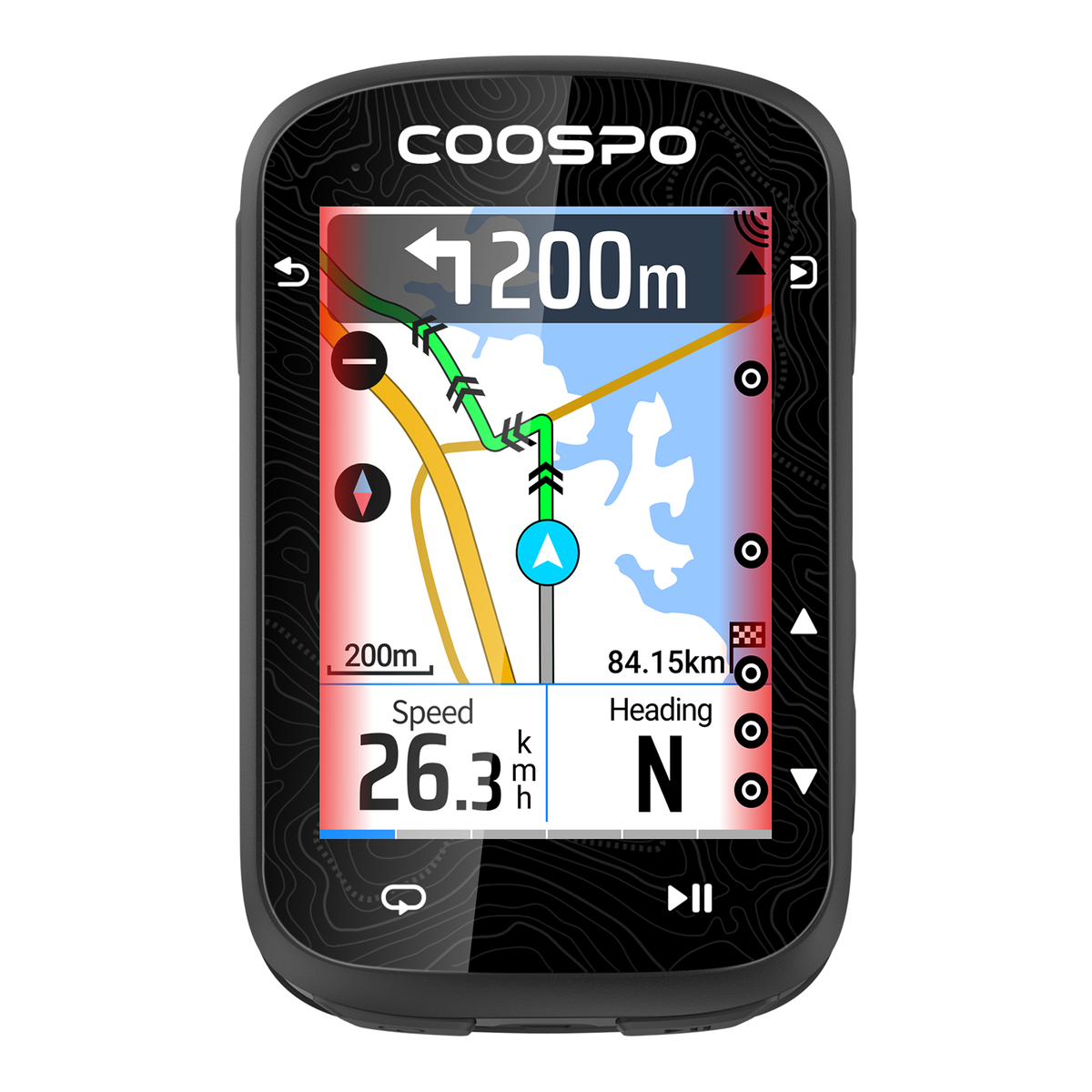
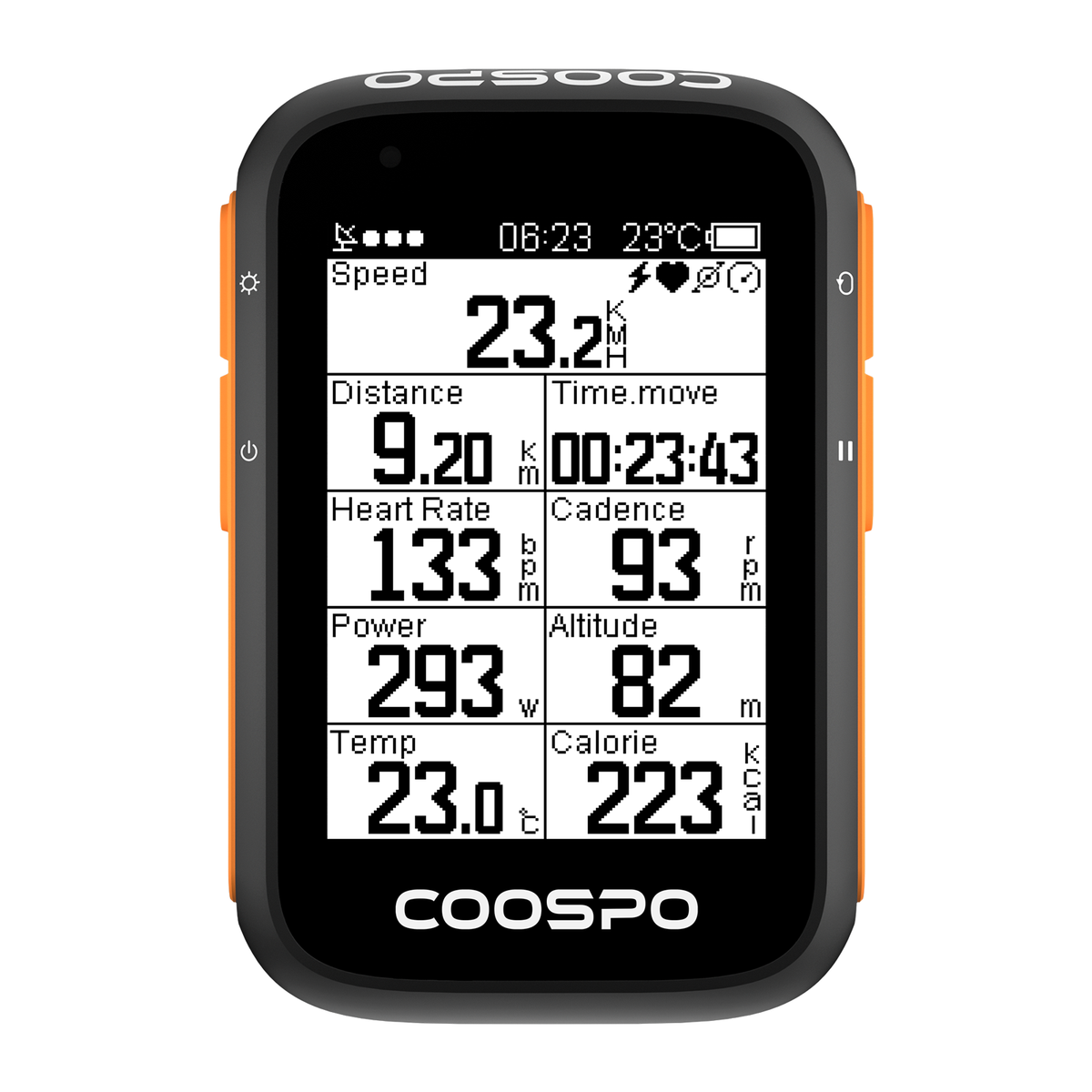
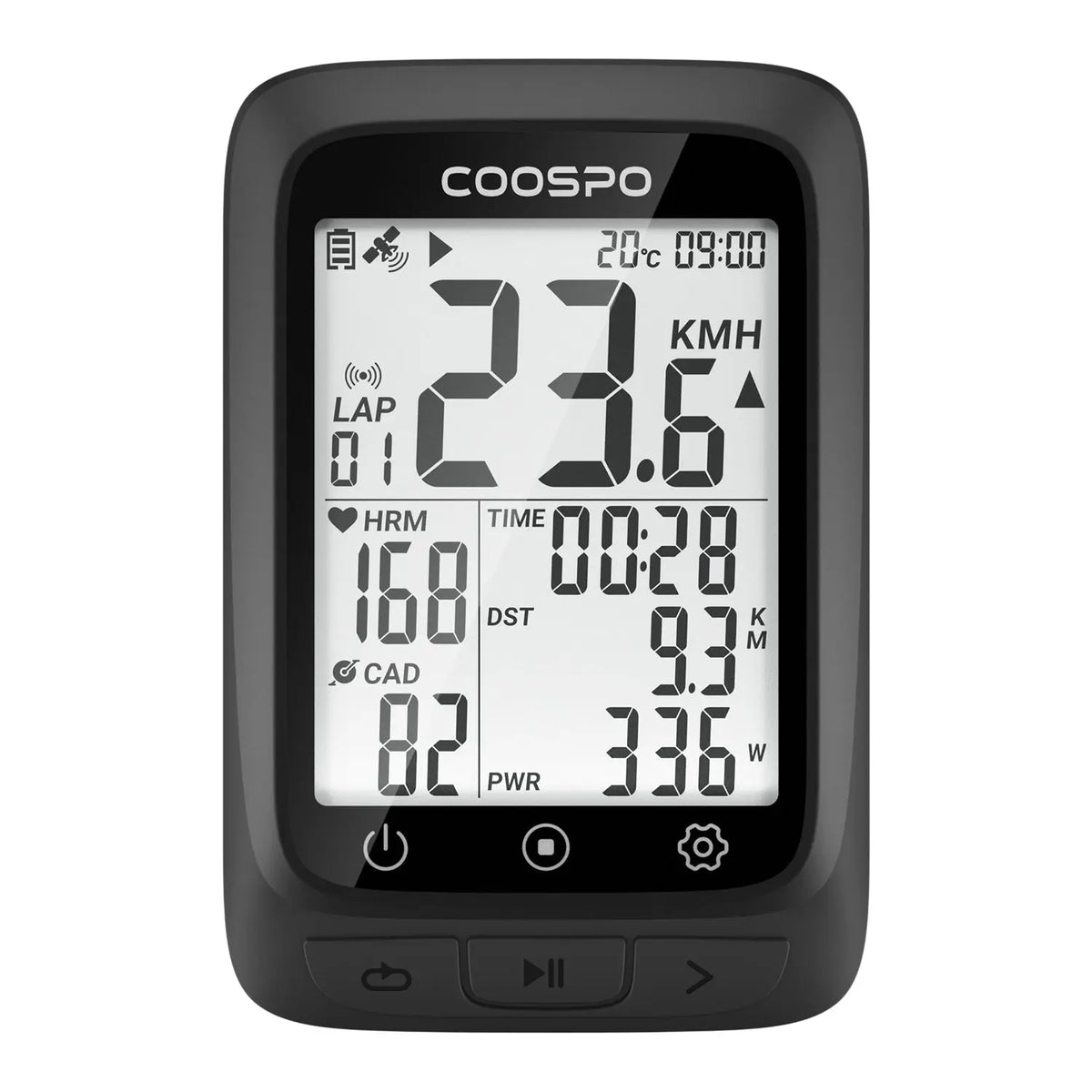
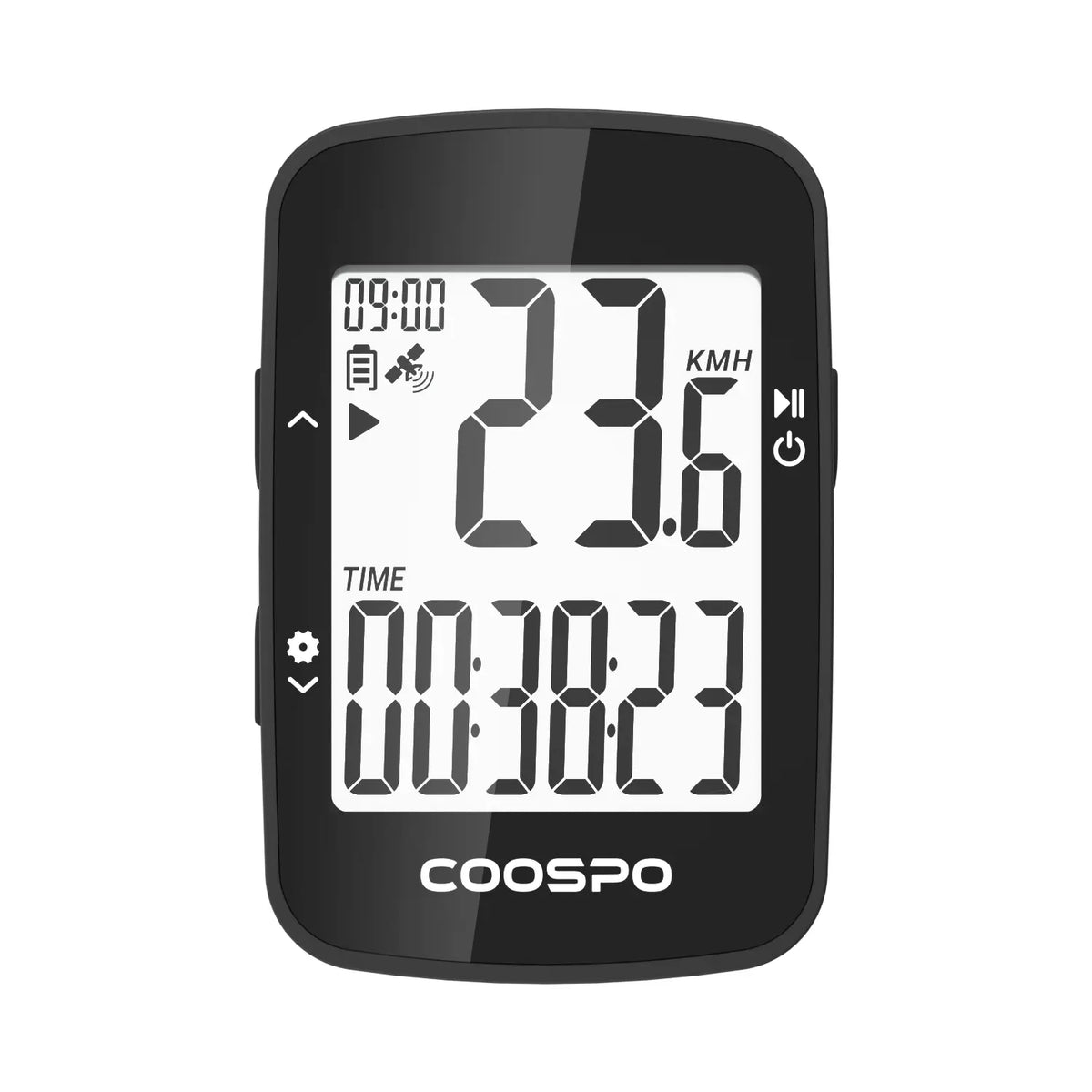
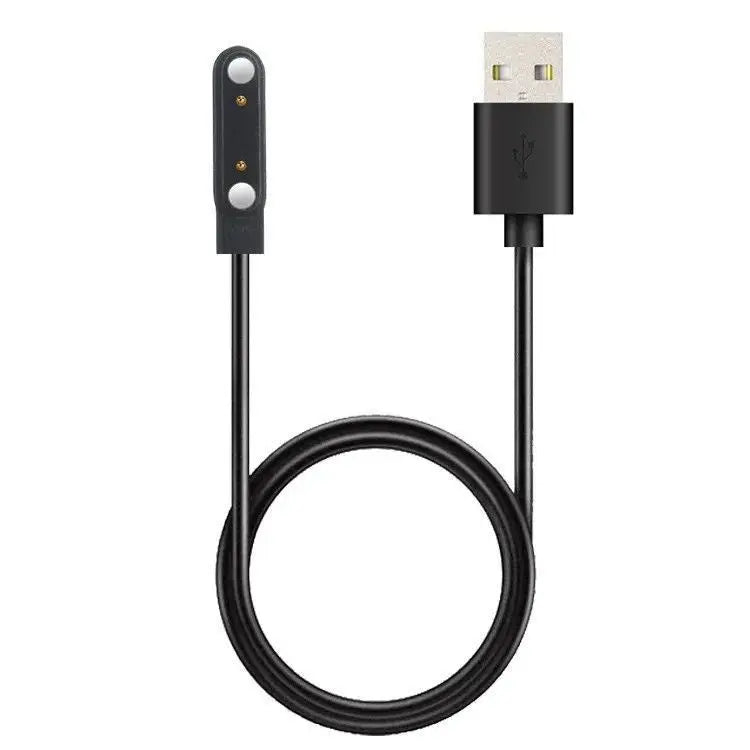
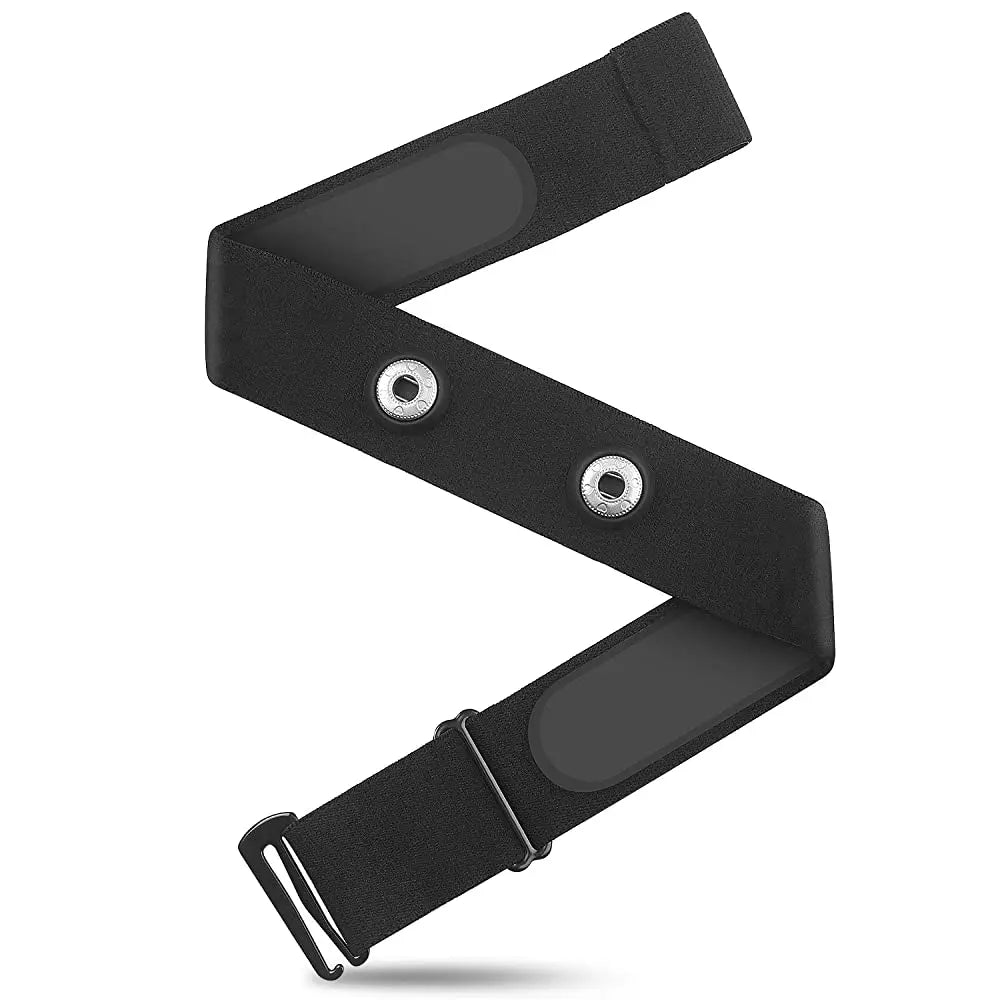
Os equipamentos opcionais incluem um rastreador de atividades físicas ou um aplicativo para smartphone para monitorar passos e distância, ajudando você a acompanhar o progresso e manter a motivação. Você também pode considerar o uso de um
2. Defina uma meta para sua caminhada
Definir uma meta clara ajuda você a se manter motivado e organizado. Seja caminhar 5.000 passos por dia, fazer uma caminhada de 30 minutos ou ir a pé até um parque próximo, ter uma meta dá propósito à sua caminhada.
3. Tente por 10
Se você está começando agora, tente caminhar por 10 minutos de cada vez. Sessões curtas reduzem a intimidação e facilitam a inclusão da caminhada na sua rotina diária. À medida que você ganha confiança e resistência, aumente gradualmente a duração das suas caminhadas.
Mesmo uma caminhada de 10 minutos após as refeições pode melhorar a digestão, auxiliar na regulação do açúcar no sangue e proporcionar uma pausa mental do trabalho ou das tarefas domésticas.
4. Anote a lápis
Para realmente transformar a caminhada em uma rotina que você siga vários dias por semana, treine-se para encará-la como algo inegociável. Planeje reservar um tempo como se fosse uma tarefa de trabalho ou uma reunião — anote na sua agenda. Nossa dedicação à saúde deve ser tão importante quanto nossa dedicação ao trabalho e ao resto da vida. Conforme você acompanha seus treinos, perceberá que terá mais vontade de praticá-los.
5. Peça ajuda a um amigo
Caminhar com um amigo pode ajudar você a manter sua rotina de caminhadas. Um amigo com objetivos e horários semelhantes pode te incentivar a caminhar, mesmo nos dias em que você não está com vontade. É mais difícil faltar a uma caminhada quando alguém está te esperando do lado de fora.
6. Experimente o empilhamento de hábitos.
Empilhamento de hábitos significa adicionar um novo hábito a algo que você já faz. Por exemplo, se você sempre toma café pela manhã, tente dar uma caminhada logo em seguida. Ou, se você checa seus e-mails assim que chega ao trabalho, faça uma pequena caminhada antes de começar. Dessa forma, seu novo hábito de caminhar se torna parte da sua rotina e é mais fácil de manter com o tempo.
7. Deixe sua mente vagar

Para aproveitar os benefícios da caminhada para o bem-estar, você pode ouvir música relaxante ou uma meditação guiada — ou simplesmente deixar os fones de ouvido em casa e relaxar a mente. Preste atenção ao seu entorno, desconecte-se das distrações e caminhe em um ritmo confortável. Encare a caminhada como uma meditação em movimento: quanto mais consciente você estiver do seu corpo e dos seus pensamentos, mais benefícios terá — tanto mental quanto fisicamente.



Leave a comment
Este site está protegido pela Política de privacidade da hCaptcha e da hCaptcha e aplicam-se os Termos de serviço das mesmas.