




















![[2 Pack] Coospo Breathable Neck Gaiter Face Scarf Mask COOSPO](http://www.coospo.com/cdn/shop/files/106de7b046babc03aa610173af6e31aa_599da3fe-9907-4b1e-8eb0-f08b3032720b.png?v=1720591174&width=1600)


![[4 Pack] Coospo Soft Breathable Chilly Towel, Microfiber Towel COOSPO](http://www.coospo.com/cdn/shop/files/1_904094cc-62ee-40e9-aa21-415effb385b4.png?v=1720527561&width=1600)

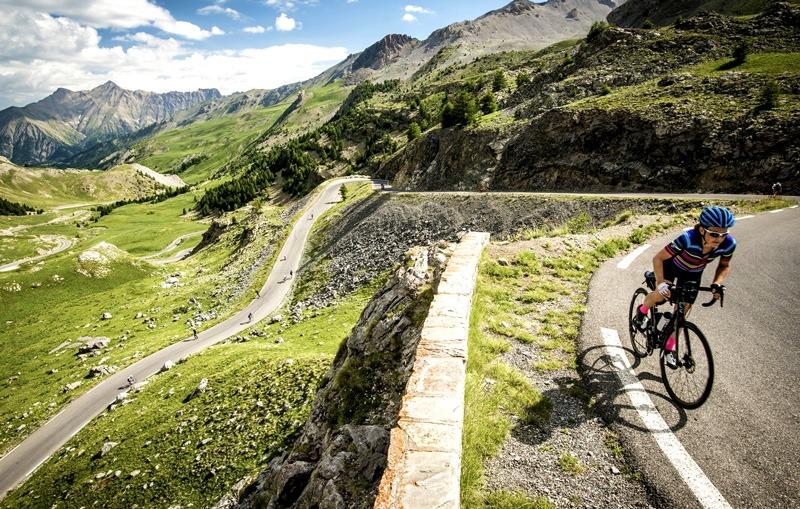
Pedalar em subidas é um dos desafios mais difíceis, mas também mais gratificantes do ciclismo, seja em montanhas ou em colinas locais. Exige um corpo forte, técnica correta, ritmo constante e resiliência mental para não desistir.

Ao contrário das estradas planas, onde pequenos erros são tolerados, em uma subida, cada deslize consome energia rapidamente. Andar muito rápido, pedalar incorretamente, usar a marcha errada ou ter uma postura rígida esgotam o ciclista rapidamente. No entanto, a habilidade em subidas não depende apenas da força física. Com as técnicas certas e prática, quase qualquer pessoa pode melhorar significativamente seu desempenho em subidas. Este guia explorará as principais técnicas para subir ladeiras no ciclismo.
Entendendo os diferentes tipos de escalada
Algumas subidas são mais difíceis do que outras. A inclinação da subida influencia a forma como você a percorre. Se a subida for apenas um pouco íngreme, como 3% ou 4%, você consegue manter a velocidade e o ritmo. Não precisará trocar de marcha com frequência. Essas subidas pequenas e suaves parecem fáceis. Muitas vezes, você consegue passar por cima delas sem perder o ritmo constante.
Quando a estrada sobe bastante, tipo 6-8%, é preciso ter cuidado. É muito importante escolher a marcha certa e manter uma boa velocidade. Seu corpo vai começar a trabalhar mais e você vai respirar mais fundo. Essas subidas ajudam você a aprender a continuar sem se cansar demais.
Subir ladeiras muito íngremes é extremamente difícil. Os músculos das pernas vão queimar e será difícil respirar. Você precisa pedalar com toda a sua força. Quanto mais íngreme a ladeira, mais importante é pedalar da maneira correta. Se você não se sentar corretamente ou não movimentar o corpo adequadamente em uma ladeira muito íngreme, a dificuldade será ainda maior.
A duração de uma atividade faz toda a diferença. Trabalhar arduamente por um curto período, como 30 segundos, é muito diferente de trabalhar arduamente por 20 minutos. Em subidas curtas, você pode usar toda a sua força e se esforçar ao máximo. Mas em subidas longas, é preciso ter paciência. Também é necessário administrar bem a energia. As subidas mais longas nas montanhas podem durar mais de uma hora. Elas se tornam um desafio tanto para a mente quanto para o corpo.
Escalada sentado vs. escalada em pé
Ao subir uma ladeira de bicicleta, o ideal é permanecer sentado no selim. Sentar-se durante a subida economiza energia, pois seu corpo não precisa se esforçar tanto para se sustentar. Suas pernas fazem todo o trabalho de impulso, permitindo que seus braços e ombros permaneçam relaxados. Isso é especialmente importante em subidas longas.

Ao pedalar, sente-se. Isso ajuda a manter um ritmo constante e a não se cansar tão rápido. Coloque as mãos na parte superior do guidão. Deixe seus quadris se moverem um pouco a cada pedalada. Não balance o corpo demais. Ao pedalar, pense em empurrar o pé para baixo e depois puxá-lo para cima, descrevendo um movimento circular.
Ao pedalar em pé, seus músculos trabalham de uma maneira diferente. Isso também proporciona um breve descanso para a mente. Ao descer do selim da bicicleta, você utiliza mais os músculos dos glúteos e do abdômen. O peso do seu corpo ajuda a impulsionar os pedais para baixo. Isso é vantajoso por curtos períodos ou quando você quer ir mais rápido.
Ao subir uma ladeira longa, você pode se levantar. Isso ajuda a mudar a sua sensação. A cada poucos minutos, fique de pé por cerca de 20 a 30 segundos. Isso alonga as pernas e ativa diferentes músculos. Levante-se quando a ladeira ficar repentinamente muito íngreme. Levante-se também para manter a velocidade ao chegar ao topo de uma ladeira. Mas lembre-se, ficar de pé consome mais energia. Portanto, não fique de pé por muito tempo. Use essa técnica apenas quando necessário.
Estratégia de ritmo para subidas
O maior erro ao subir uma ladeira é começar muito rápido. Quando a estrada começa a subir, você fica empolgado e pedala com muita força. Mas depois de apenas alguns minutos, suas pernas doem bastante. E você ainda tem boa parte da subida pela frente.Começar muito rápido faz com que seu corpo não receba ar suficiente. É difícil recuperar esse fôlego.
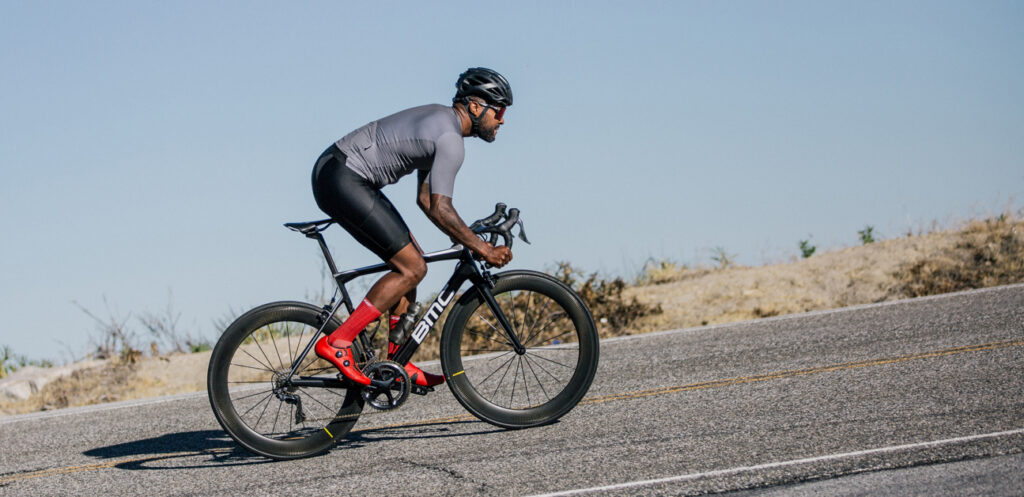
Comece sempre a subir uma ladeira mais devagar do que você acha que deveria. No primeiro minuto, tente se sentir quase confortável. Começar devagar ajuda você a respirar normalmente. Também ajuda os músculos das pernas a se prepararem para o esforço. Depois, você pode pedalar com mais força gradualmente até atingir um bom ritmo.
Para subidas muito longas, pense em dividi-las em três partes. A primeira parte deve ser fácil de controlar, dando a sensação de que você consegue continuar por um longo tempo. Na parte intermediária, você pode começar a sentir o cansaço. Tente manter uma velocidade constante. Na última parte, se ainda tiver energia, você pode pedalar com mais força. Essa estratégia ajuda a não se cansar muito rápido.
Cadência nas subidas
Ao subir uma ladeira de bicicleta, você naturalmente pedalará mais devagar. Isso é normal e não tem problema. Não tente pedalar muito rápido, tipo 90 vezes por minuto, em uma ladeira íngreme. Isso só vai te cansar. Deixe que a velocidade da sua pedalada seja aquela que você consegue manter sem esforço.
A maioria das pessoas encontra uma boa velocidade em subidas não muito íngremes. Elas pedalam cerca de 70 a 80 vezes por minuto. Essa velocidade ajuda a fazer um esforço considerável sem desperdiçar energia. Os músculos das pernas trabalham, mas não tanto a ponto de se cansarem muito rápido.
Em subidas muito íngremes, você pode pedalar ainda mais devagar, tipo 60 a 70 vezes por minuto. Isso não tem problema. Só certifique-se de que seus pés estejam se movendo suavemente em círculos. Se você estiver pedalando tão devagar que sinta que está fazendo força ou dando solavancos, mude para uma marcha mais leve.
Seleção e troca de marchas
Troque as marchas da sua bicicleta. antes A estrada fica íngreme. Quando você vir uma subida se aproximando, mude para uma marcha mais leve enquanto ainda estiver em alta velocidade. Se você esperar até que a subida fique muito íngreme, isso prejudica sua bicicleta. Você também pode precisar reduzir a velocidade ou parar.
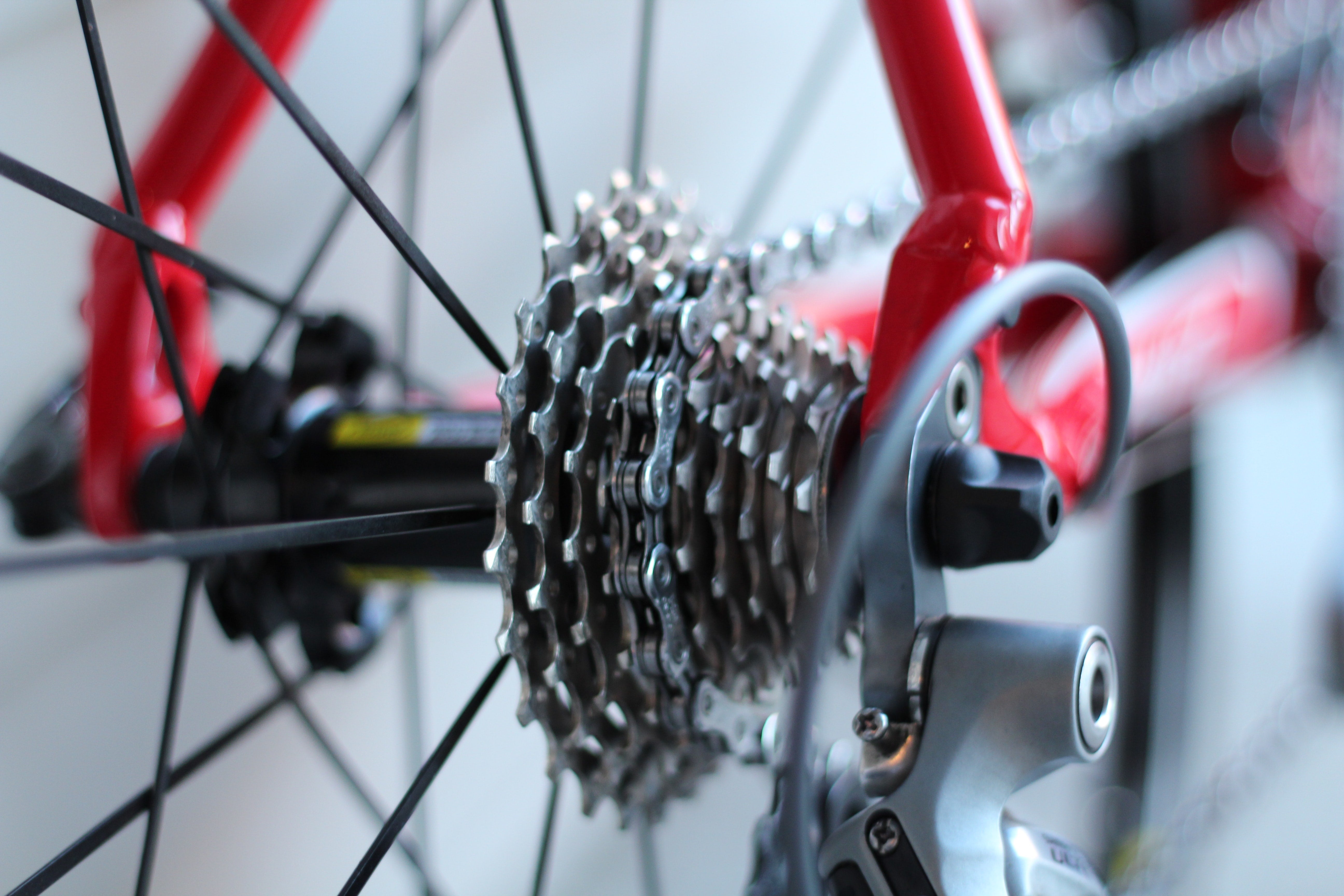
Sua bicicleta tem muitas marchas. Não tenha medo de usar as mais leves. É bom usar a marcha mais leve para continuar subindo uma ladeira. Se você usar uma marcha muito pesada, suas pernas vão cansar muito rápido.
Troque de marcha com frequência, mas apenas uma marcha de cada vez. Quando a subida ficar mais íngreme, mude para uma marcha mais leve. Isso ajuda a pedalar suavemente e evita que suas pernas se cansem demais. Trocar muitas marchas de uma vez pode dificultar a pedalada.
Em subidas longas com inclinação variável, continue trocando de marchas. Mude para uma marcha um pouco mais pesada quando a subida ficar um pouco mais fácil. Mude para uma marcha mais leve quando a subida ficar mais íngreme. Continue usando as marchas. Não escolha apenas uma marcha e dificulte a sua pedalada.
Posicionamento do corpo
A forma como você se senta na bicicleta influencia seu desempenho nas subidas. Sente-se um pouco mais para trás no selim. Isso ajuda a usar mais os músculos dos glúteos e da parte posterior das pernas. Esses músculos fortes permitem que você faça mais força sem sobrecarregar os músculos da parte frontal das pernas.
Mantenha a parte superior do corpo relaxada. Se seus ombros, braços e mãos estiverem tensos, você desperdiça energia. Isso também dificulta a respiração. Deixe seus braços levemente flexionados. Isso ajuda a absorver os impactos da estrada. Segure o guidão com delicadeza, sem apertar demais.

Quando estiver sentado pedalando em subidas, mantenha o peito o mais reto possível. Isso ajuda a respirar melhor. Não se curve sobre o guidão, pois isso dificulta a respiração. Ao se levantar para pedalar em subidas, incline-se um pouco para a frente. Imagine que seu nariz está sobre o guidão. Isso ajuda a roda traseira a aderir ao solo e permite que você faça mais força nos pedais.
Os músculos da região abdominal, chamados de core, mantêm o corpo estável. Quando o core está forte e funcionando bem, as pernas conseguem pedalar com eficiência. Você não vai se mexer demais.Para usar esses músculos, pense em puxar o umbigo um pouco em direção às costas.
Treinamento para escalada
Subir ladeiras repetidamente ajuda a melhorar seu desempenho em subidas. Encontre uma ladeira que leve de 3 a 8 minutos para subir. Primeiro, aqueça o corpo. Depois, suba a ladeira com força, mas não tanto a ponto de não conseguir continuar. Desça devagar para descansar. Em seguida, suba a ladeira novamente. Repita esse processo de 4 a 8 vezes. Isso ajuda seu corpo a se acostumar a trabalhar com intensidade por um longo período ao subir ladeiras.
Experimente diferentes maneiras de fazer seus treinos de subida. Às vezes, suba em um ritmo constante e forte. Outras vezes, acelere um pouco no meio da subida. Isso ajuda você a praticar a variação de velocidade. Você pode pedalar em pé em algumas subidas e sentado em outras. Fazer diferentes exercícios ajuda você a se fortalecer de diversas maneiras para subir ladeiras.
Subir ladeiras longas ajuda você a pedalar por mais tempo sem se cansar. Procure subidas que levem de 20 a 40 minutos para serem percorridas. Tente manter a mesma velocidade durante todo o percurso. Isso ensina você a economizar energia e também fortalece sua mente para subidas realmente desafiadoras. Comece um pouco mais devagar e veja se consegue terminar a subida se sentindo bem.
Fazer exercícios quando você não está pedalando também ajuda. Exercícios como agachamentos, afundos e levantamento terra fortalecem as pernas. Pernas fortes ajudam a subir ladeiras com mais facilidade. Exercícios para os músculos do abdômen e das costas ajudam a manter o equilíbrio, o que facilita pedalar bem. Você não precisa levantar pesos superpesados. Apenas alguns exercícios simples de fortalecimento já melhoram muito o seu desempenho no ciclismo.

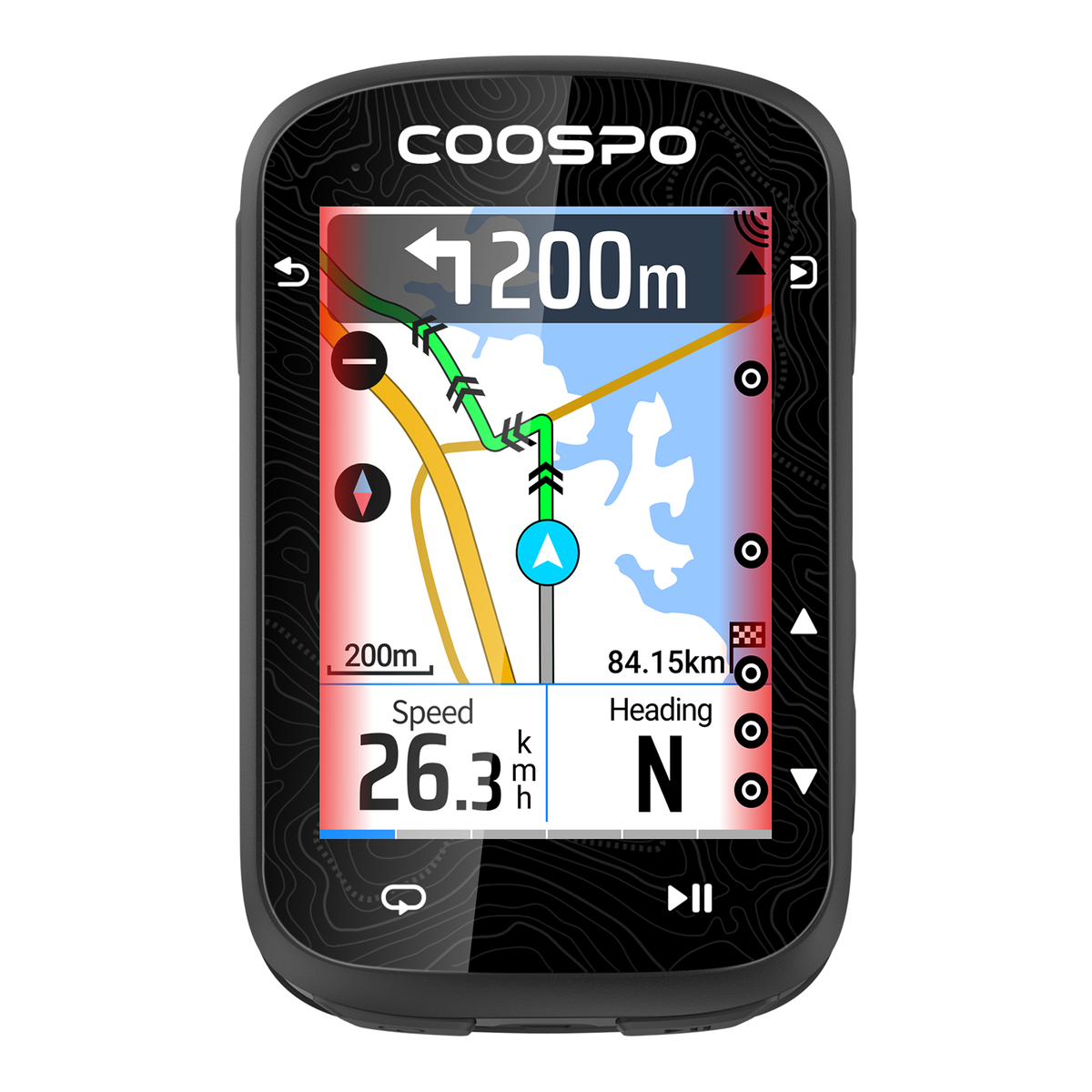
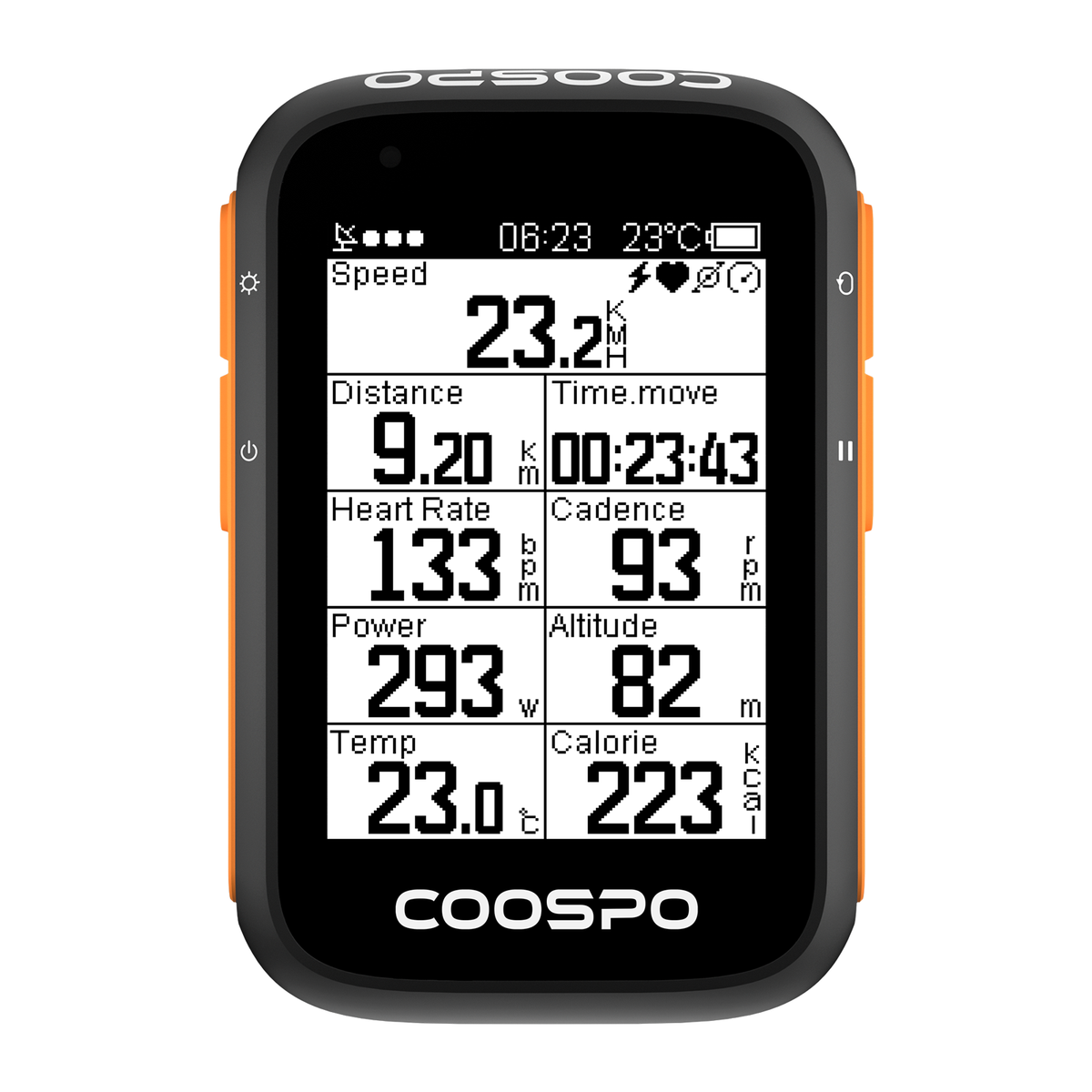
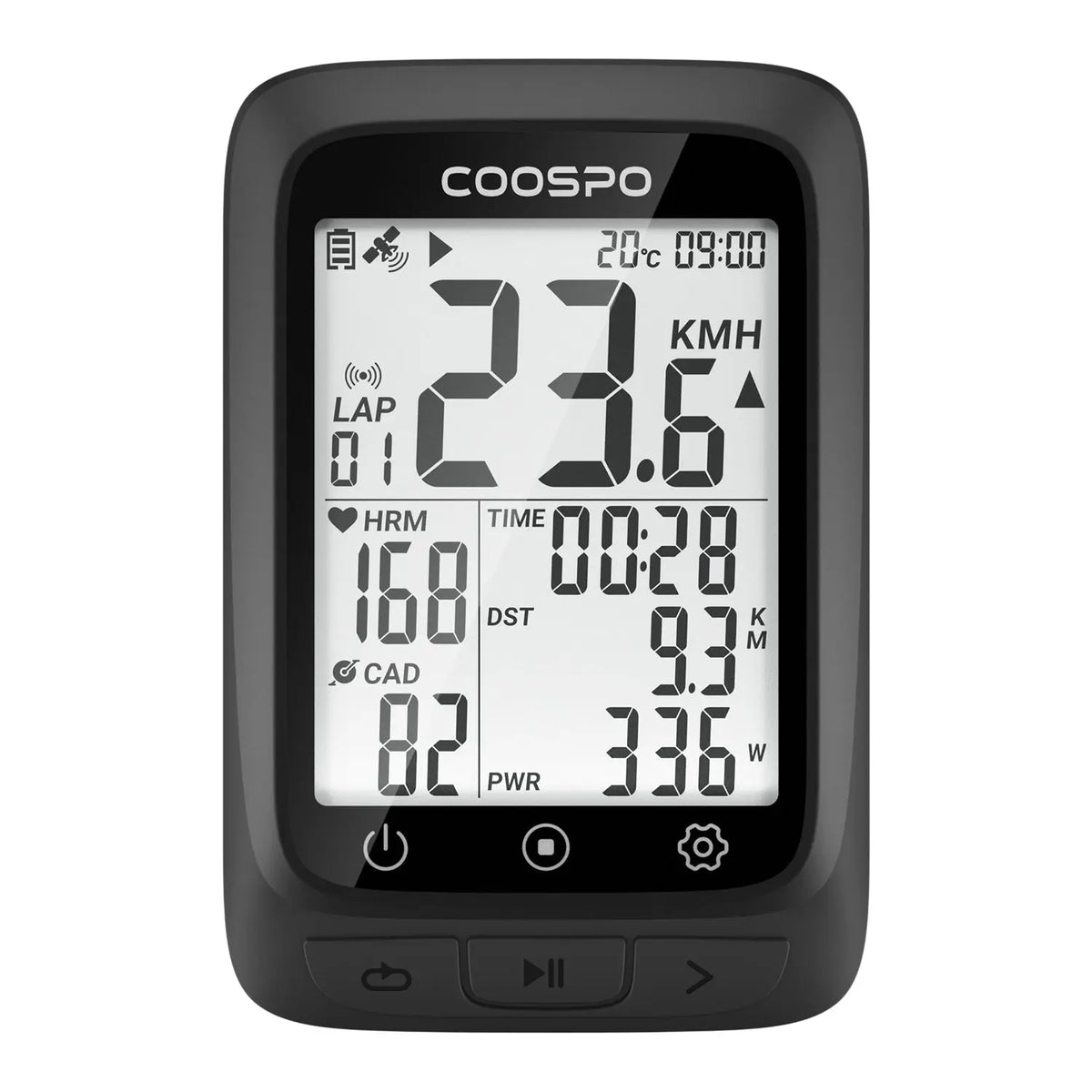
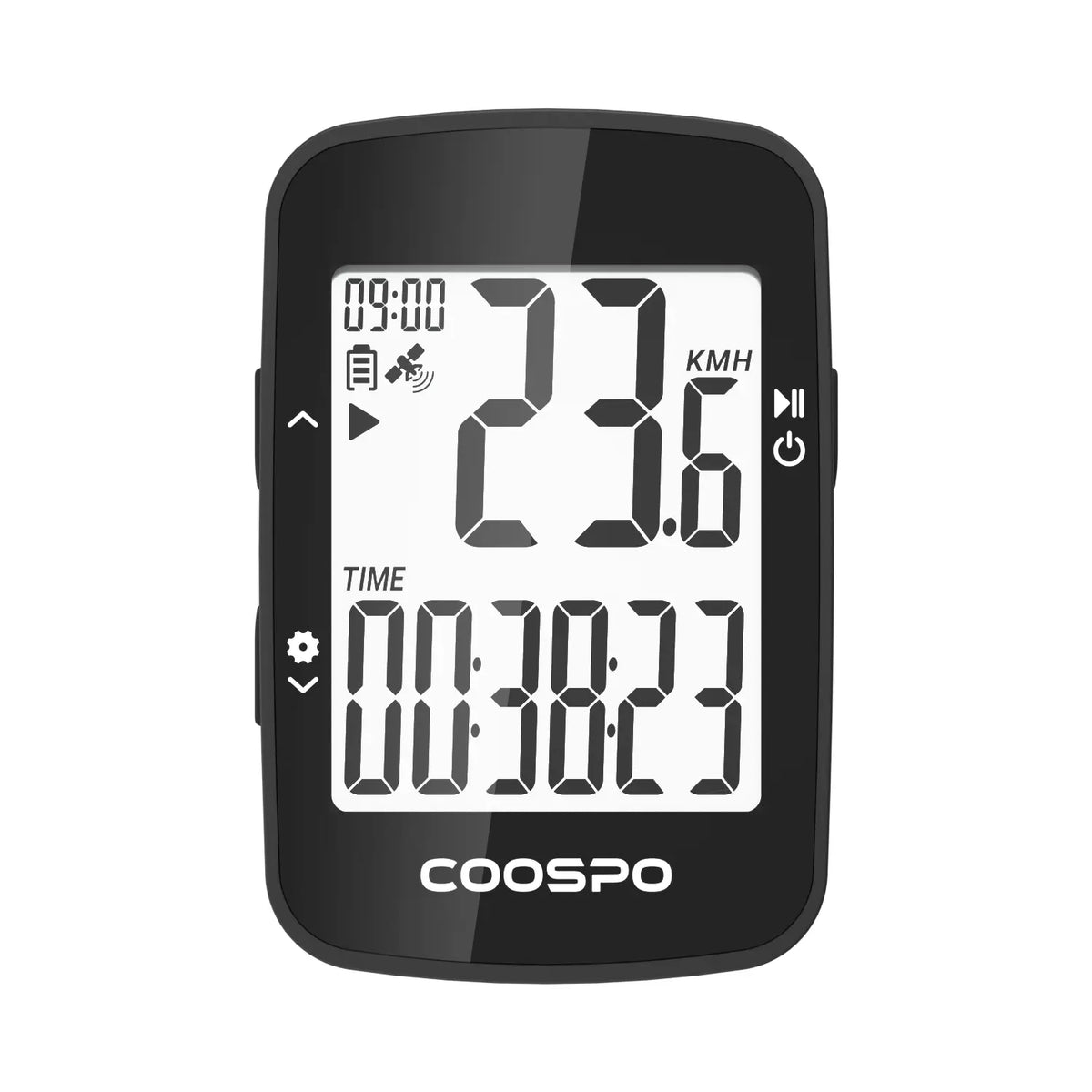
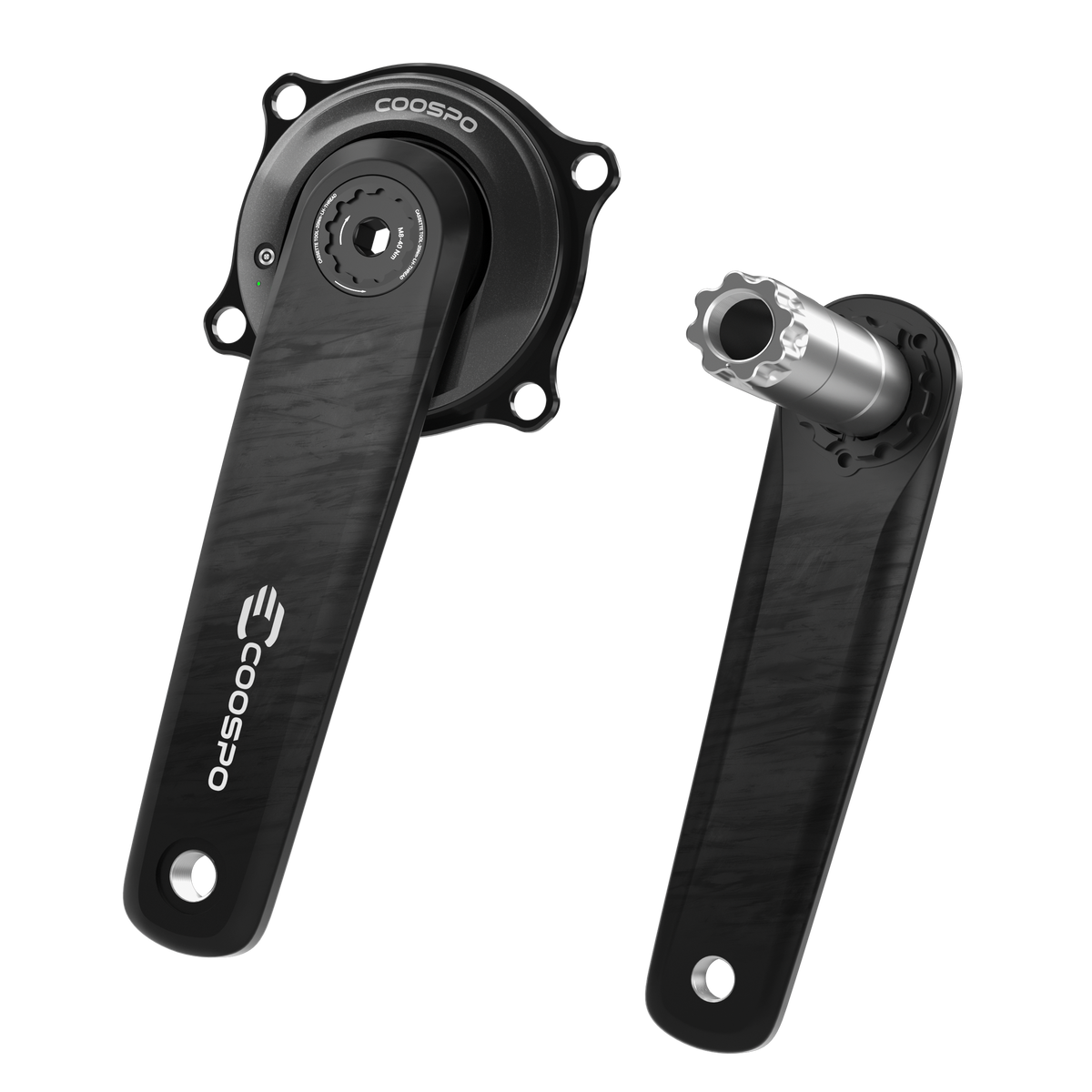
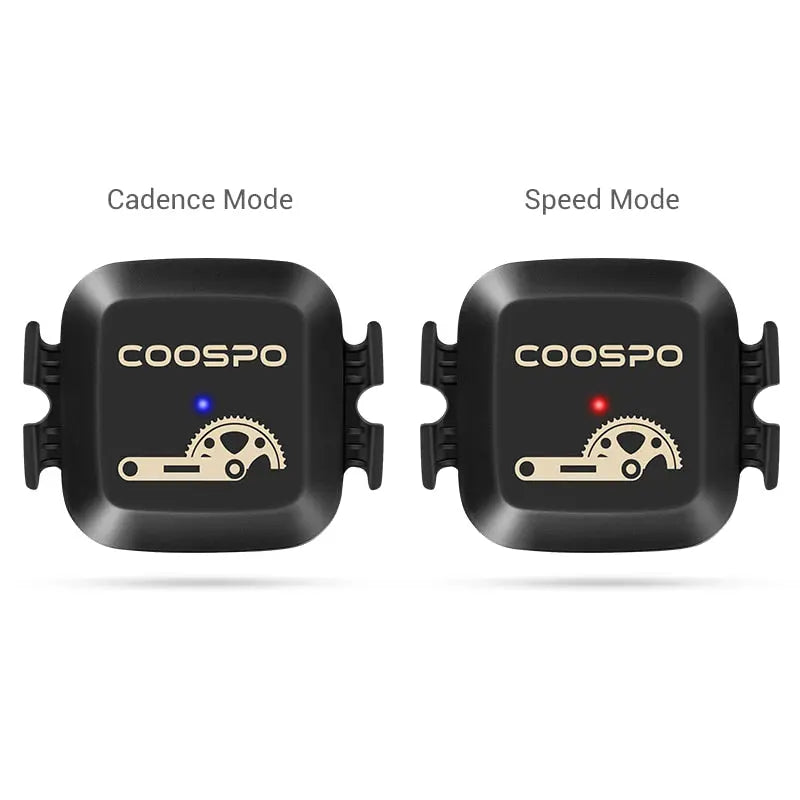
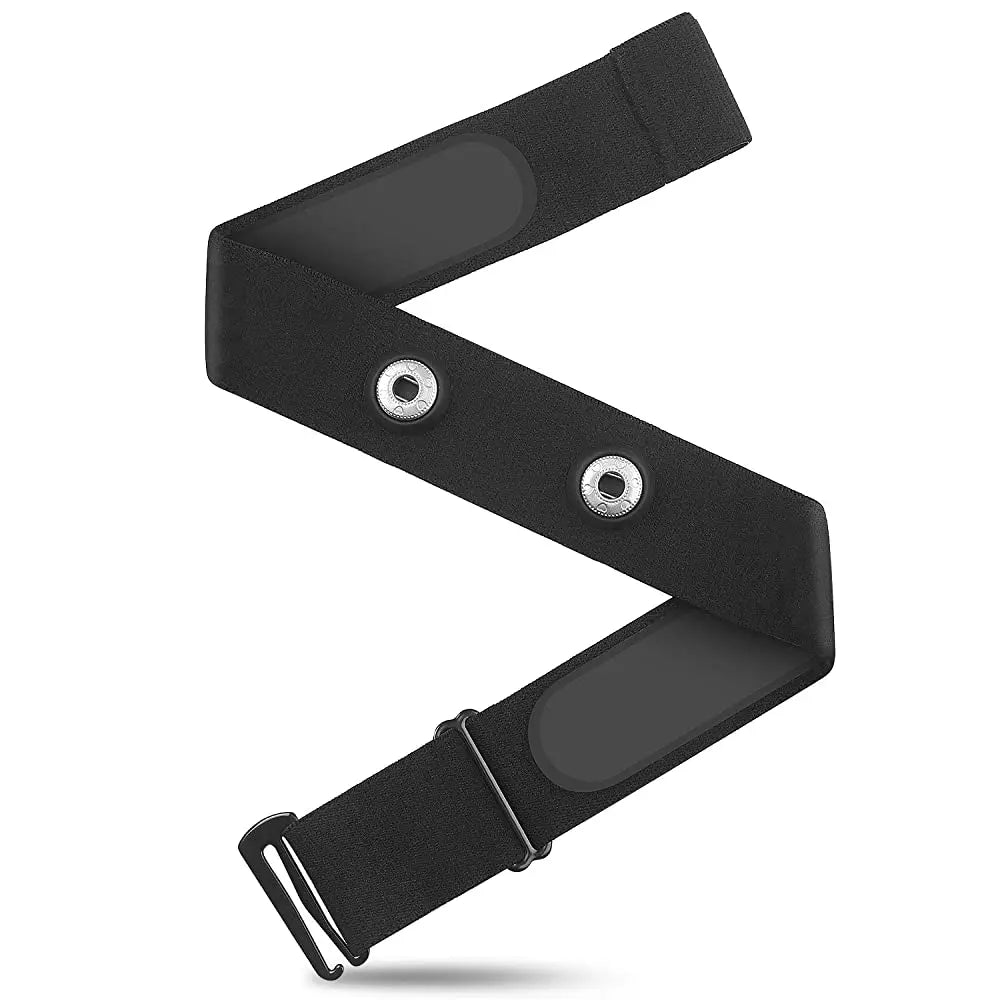
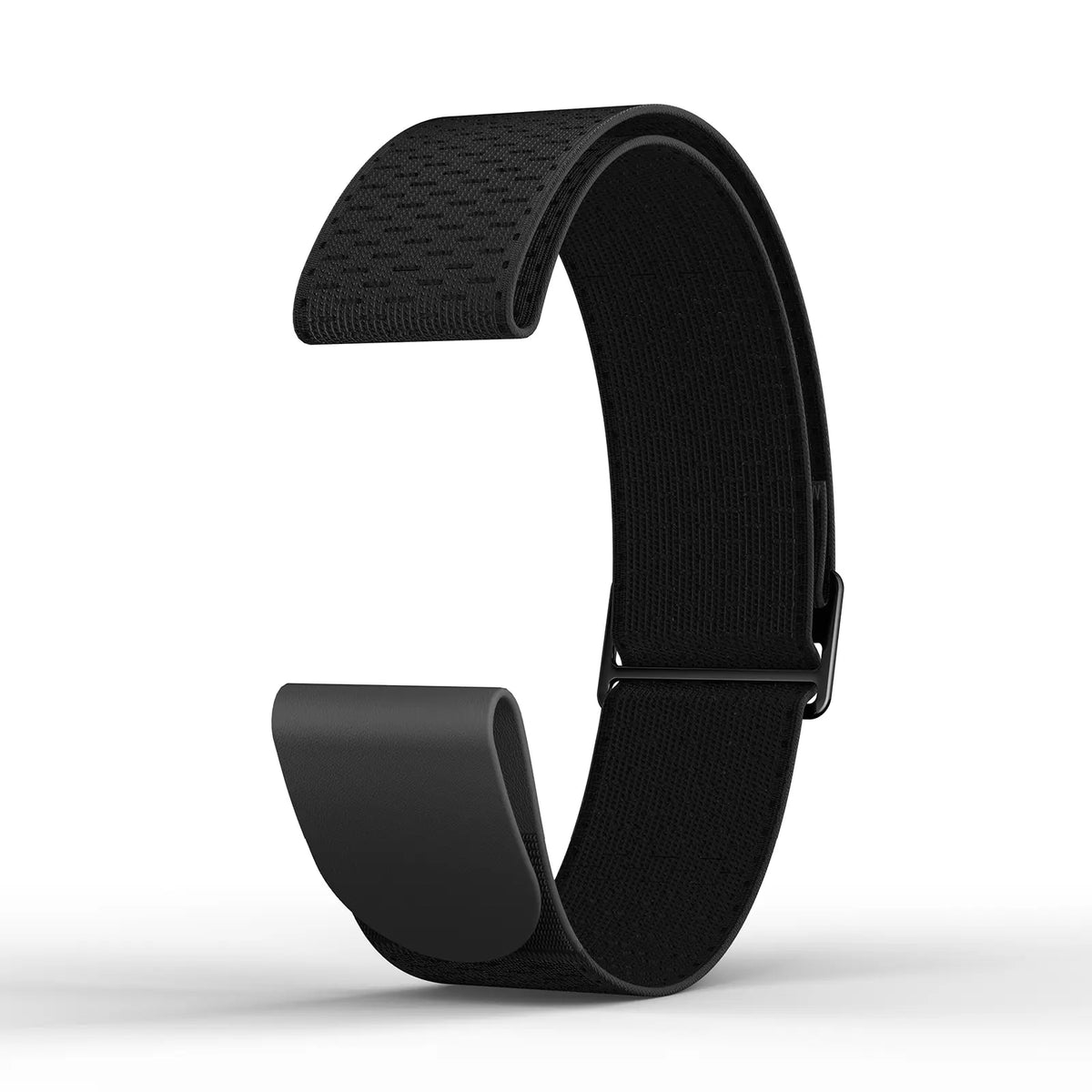
Para melhor implementar essas técnicas e métodos de treinamento, é possível utilizar dispositivos como...




Leave a comment
Este site está protegido pela Política de privacidade da hCaptcha e da hCaptcha e aplicam-se os Termos de serviço das mesmas.