


























![[2 Pack] Coospo Breathable Neck Gaiter Face Scarf Mask COOSPO](http://www.coospo.com/cdn/shop/files/106de7b046babc03aa610173af6e31aa_599da3fe-9907-4b1e-8eb0-f08b3032720b.png?v=1720591174&width=1600)


![[4 Pack] Coospo Soft Breathable Chilly Towel, Microfiber Towel COOSPO](http://www.coospo.com/cdn/shop/files/1_904094cc-62ee-40e9-aa21-415effb385b4.png?v=1720527561&width=1600)


Correr cuesta arriba es duro, de verdad. Pero por eso mismo son buenas para tu entrenamiento. Si te estás preparando para una carrera larga en terreno llano o para una carrera con baches en el bosque, correr cuesta arriba te hace más fuerte, más rápido y mentalmente más resistente. Correr en terreno llano no te da ese mismo resultado.
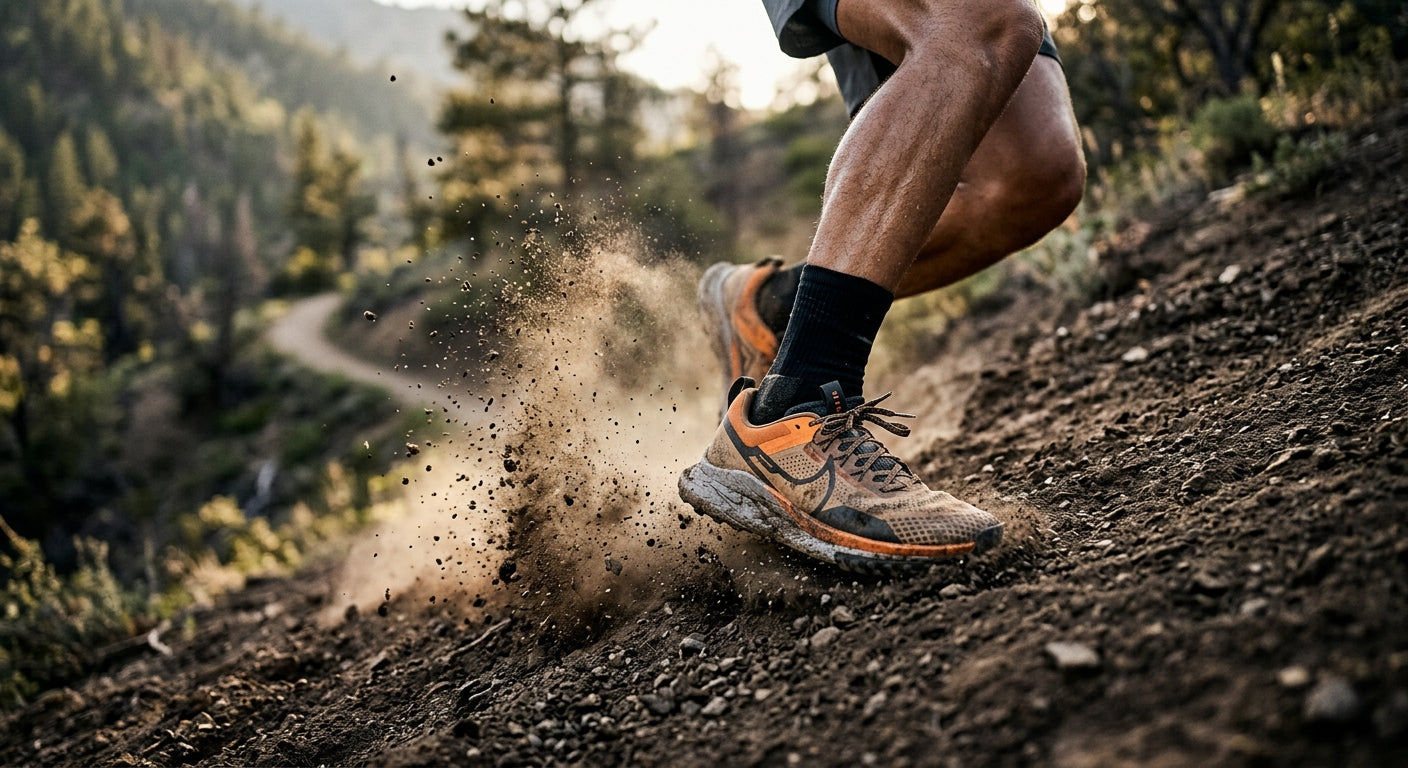
Piensa en las cuestas como si fueran un gimnasio al aire libre. Cada paso cuesta arriba hace que tus músculos trabajen más. Tu corazón late con más fuerza. Tu mente aprende a seguir adelante incluso cuando se siente difícil. Con el tiempo, estas carreras exigentes te ayudarán a mejorar mucho en cualquier competición, sin importar dónde sea.
Por qué las colinas te hacen más fuerte y más rápido
Cuando subes una cuesta, tu cuerpo tiene que vencer la gravedad con cada paso. Esto hace que los músculos de tus piernas trabajen más para impulsarte cuesta arriba que en terreno llano. Los músculos de tus piernas, como los de los glúteos, la parte posterior de los muslos y las pantorrillas, trabajan más para ayudarte a subir la cuesta.
Este esfuerzo adicional fortalece tus músculos. Lo logra sin ejercer presión sobre tus articulaciones, como ocurre con algunos ejercicios en el gimnasio. No utilizas pesas pesadas ni máquinas que puedan dañar tus rodillas u otras articulaciones. En cambio, usas tu propio peso corporal para contrarrestar la gravedad. Esto te ayuda a correr mejor en general.
Correr cuesta arriba también beneficia mucho al corazón y a los pulmones. Al correr cuesta arriba, el cuerpo necesita más aire (oxígeno), por lo que el corazón y los pulmones trabajan más para llevar ese aire a los músculos. Hacer esto con frecuencia mejora la eficiencia del cuerpo en el uso del aire. Cuando vuelves a correr en terreno llano, tu cuerpo ya está acostumbrado al esfuerzo. Esto hace que correr a tu velocidad normal resulte mucho más fácil.

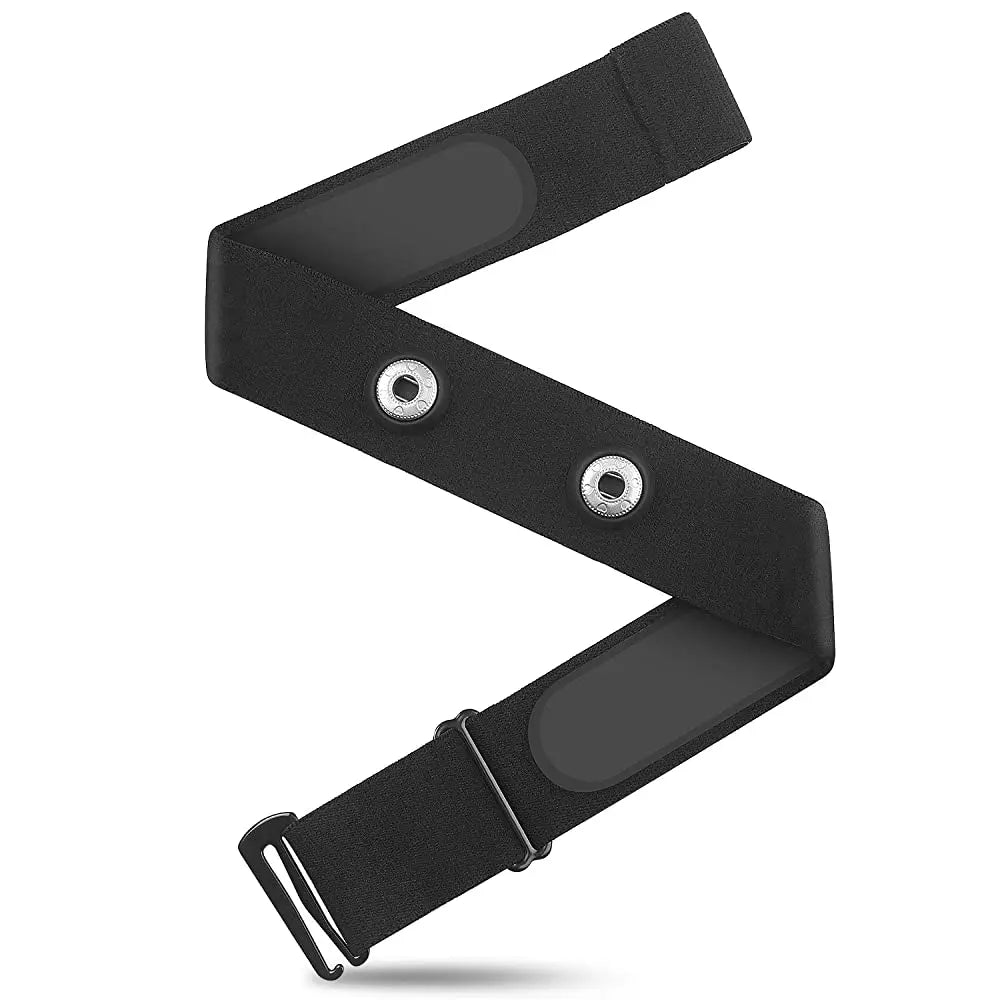
Debido a que subir cuestas lleva al límite el corazón y los pulmones, controlar las zonas de frecuencia cardíaca es crucial para evitar el sobreentrenamiento. Usar un monitor de frecuencia cardíaca ligero y preciso como el
Desarrollo de la fuerza y la potencia
Correr cuesta arriba ejercita ciertos músculos que te ayudan a correr mejor. Los músculos de los glúteos no trabajan tanto cuando corres en terreno llano. Pero en las cuestas, son los que realizan la mayor parte del trabajo. Unos glúteos más fuertes te ayudan a impulsarte con más fuerza y también a prevenir lesiones.
Los músculos de la pantorrilla (en la parte inferior de la pierna) trabajan intensamente para impulsarte hacia adelante. Esto genera potencia y te permite mover las piernas con mayor rapidez. Los músculos de las caderas ayudan a elevar las rodillas, lo que mejora tu técnica de carrera. Todos estos beneficios se producen simplemente al correr cuesta arriba.

Correr cuesta arriba repetidamente es como hacer ejercicios de salto. Esto ayuda a desarrollar músculos ágiles y potencia para realizar ráfagas. Esto te permite correr más rápido en los sprints y al final de una carrera. Correr cuesta arriba en pendientes largas y suaves ayuda a que tus músculos trabajen durante más tiempo, incluso cuando se cansan.
Economía de carrera mejorada
La eficiencia al correr se refiere a la capacidad del cuerpo para aprovechar el aire durante la carrera. Si tienes una buena eficiencia, puedes correr más rápido con la misma cantidad de energía. O bien, puedes correr a tu velocidad habitual, pero con mayor facilidad.
Correr cuesta arriba mejora tu técnica de varias maneras. Primero, te ayuda a correr con mejor postura. Al subir cuestas, no puedes encorvarte ni dar pasos demasiado largos. Te enderezas naturalmente, levantas más las rodillas y das pasos más cortos y rápidos. Estas buenas técnicas también te benefician al correr en terreno llano.
En segundo lugar, correr cuesta arriba fortalece los músculos de las piernas. Unos músculos más fuertes no necesitan tanta energía (aire) para dar cada paso. Esto significa que ahorras energía durante una carrera larga.
Desarrollo de la fortaleza mental
Correr cuesta arriba es difícil. Respiras rápido, sientes que te arden las piernas y corres más despacio.Pero esta sensación de dificultad es buena. Te enseña a seguir adelante incluso cuando las cosas se ponen difíciles.
Cada vez que subes cuestas y terminas, te demuestras a ti mismo que puedes lograr cosas difíciles. Esto fortalece tu mente. Puedes usar esa fortaleza mental en las carreras cuando te canses o cuando otros corredores sean más rápidos.
Las cuestas también te enseñan a ser paciente y a correr a buen ritmo. Aprendes que no puedes subir todas las cuestas a toda velocidad. Si lo haces, te cansarás demasiado. Esto te ayuda a correr de forma más inteligente en las carreras. Correrás a un ritmo constante y obtendrás mejores resultados.
Tipos de entrenamientos en cuestas
Repeticiones cortas
Las carreras cortas en cuesta suelen durar entre 30 y 90 segundos. Corre a un ritmo muy intenso. Busca una cuesta con mucha pendiente. Sube corriendo casi tan rápido como puedas. Baja caminando o trotando lentamente para descansar. Repite el ejercicio de 6 a 10 veces.
Estas carreras te ayudan a ganar fuerza y velocidad. Son como correr rápido en una pista, pero menos exigentes para el cuerpo. Al ser cortas, te ayudan a fortalecerte. Esta fuerza te permite correr muy rápido durante un breve periodo en una carrera. También te facilita subir pequeñas cuestas.
Long Hills
Corre cuesta arriba durante 3 a 5 minutos. Debes correr a un ritmo constante, pero no tan rápido como te sea posible. Esto ayuda a fortalecer tus músculos y a que tu cuerpo aproveche mejor el aire, permitiéndote correr durante más tiempo sin cansarte. Correr durante un tiempo prolongado ayuda a tu cuerpo a mantener la energía incluso cuando tus músculos empiezan a fatigarse.
Comienza subiendo la colina corriendo 3 o 4 veces. A medida que te fortalezcas, podrás subir 6 u 8 veces. Baja caminando o trotando lentamente para descansar entre cada carrera. Estas carreras son exigentes, así que hazlas en días en los que hayas descansado bien.
Aumentos de ritmo
Las subidas a ritmo constante consisten en correr de forma continua cuesta arriba por una pendiente larga que no sea demasiado pronunciada. Esto se realiza durante 20 a 40 minutos.
Debe resultar difícil, pero aun así deberías poder continuar. Es como cuando corres rápido en terreno llano.
Este tipo de carrera te ayuda a correr durante más tiempo. Además, te enseña a esforzarte al máximo en diferentes tipos de terreno.
Puedes realizar estas carreras en cuesta durante una carrera más larga. Primero, calienta en terreno llano. Luego, corre cuesta arriba. Después, realiza un enfriamiento.
Estas carreras no son tan exigentes como otros entrenamientos en cuestas. Sin embargo, te ayudan a ganar mucha fuerza y a mejorar tu rendimiento al correr.
Técnica correcta para correr cuesta arriba
Una buena técnica al subir cuestas comienza con la postura. Mantén el torso erguido o ligeramente inclinado hacia adelante desde los tobillos. No te dobles por la cintura. Esta posición erguida abre el pecho y facilita la respiración.
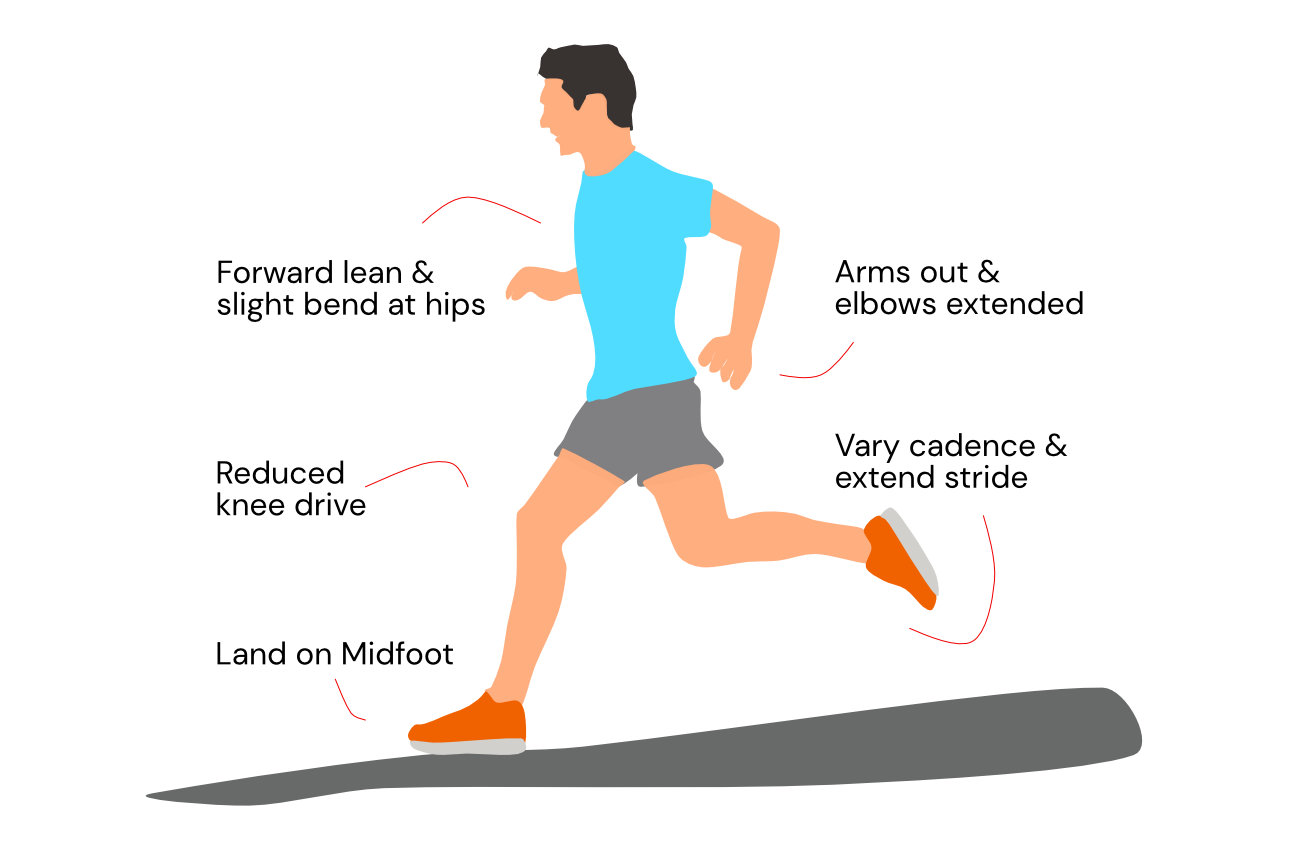
Acorta tu zancada y aumenta tu cadencia. Intentar mantener la misma longitud de zancada en terreno llano al caminar cuesta arriba consume energía y sobrecarga los músculos. Los pasos cortos y rápidos son más eficientes.
Levanta las rodillas más de lo que lo harías en terreno llano. Esto crea el espacio necesario para subir la pendiente con eficacia. Mueve los brazos con más fuerza también. Los brazos y las piernas trabajan en conjunto, así que unos brazos más activos impulsan las piernas.
Concéntrate en impulsarte con fuerza en cada paso, en lugar de estirarte hacia adelante. Piensa en empujar el suelo hacia abajo y hacia atrás. Mira hacia adelante, hacia la colina, en lugar de hacia tus pies. Esto te ayudará a mantener una buena postura y a concentrarte.
Técnica de carrera cuesta abajo
Correr cuesta abajo es importante, al igual que correr cuesta arriba. La gente suele lesionarse al correr cuesta abajo, pero también se puede correr más rápido en esa dirección durante una carrera.
Inclínate ligeramente hacia adelante desde los tobillos, no desde la espalda. Esto te ayudará a correr bien cuesta abajo. No te inclines hacia atrás. Si lo haces, el impacto contra el suelo será más fuerte y te ralentizará.
Deja que la gravedad te ayude, pero mantén el control.Tus pasos deben ser ligeros y rápidos, no pesados. Intenta dar muchos pasos cortos y rápidos. No te quedes mucho tiempo en el suelo con cada paso.
Usa los brazos para mantener el equilibrio y un buen ritmo. Mueve los brazos, pero con suavidad. Mira unos pasos hacia adelante para ver dónde pondrás los pies, sobre todo en caminos irregulares.
Correr cuesta abajo puede hacer que tus músculos trabajen mucho y te duelan. Empieza a correr cuesta abajo poco a poco. Esto ayudará a que tus músculos se acostumbren.
Encontrar las colinas adecuadas
La mejor colina para ti depende del tipo de ejercicio que quieras hacer.
Para ascensos rápidos y exigentes, busca una colina empinada. Deberías tardar entre 30 y 90 segundos en subirla corriendo, esforzándote al máximo. Si no hay colinas cerca, puedes usar rampas en estacionamientos, puentes peatonales o escaleras en un estadio deportivo.
Para ascensos más largos, busca una colina que te lleve de 3 a 5 minutos subir corriendo. Debes esforzarte a un ritmo moderado, no demasiado. La pendiente debe ser lo suficientemente pronunciada, pero no tan empinada como para que no puedas correr correctamente.
Para ascensos largos y constantes, busca colinas no demasiado empinadas o zonas con pequeñas subidas y bajadas. Deberías poder mantener el mismo ritmo durante 20 a 40 minutos. Los caminos de tierra en los bosques, las antiguas vías de tren con subidas y bajadas, o los barrios con colinas son buenas opciones.
Si vives en una zona llana sin colinas, tendrás que buscar otras opciones. Puedes usar una cinta de correr inclinada. Esto te permite controlar la inclinación para practicar en pendientes. Puentes, pasos elevados e incluso edificios altos con escaleras pueden servir cuando no haya colinas cerca. Lo más importante es encontrar algo que te motive a subir.


Deja un comentario
Este sitio está protegido por hCaptcha y se aplican la Política de privacidad de hCaptcha y los Términos del servicio.