





















![[2 Pack] Coospo Breathable Neck Gaiter Face Scarf Mask COOSPO](http://www.coospo.com/cdn/shop/files/106de7b046babc03aa610173af6e31aa_599da3fe-9907-4b1e-8eb0-f08b3032720b.png?v=1720591174&width=1600)


![[4 Pack] Coospo Soft Breathable Chilly Towel, Microfiber Towel COOSPO](http://www.coospo.com/cdn/shop/files/1_904094cc-62ee-40e9-aa21-415effb385b4.png?v=1720527561&width=1600)

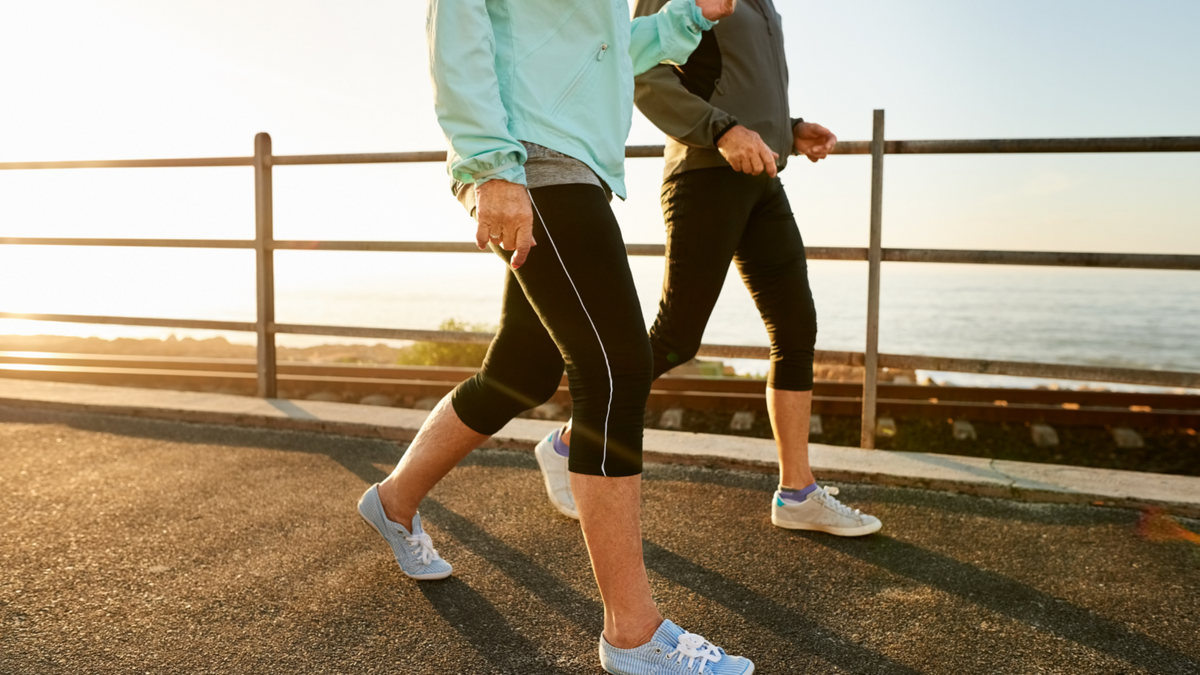
Nel mondo odierno del biohacking e dei programmi di allenamento complessi, è utile tornare alle basi. L'esercizio fisico non deve essere complicato per essere efficace. Spesso, i movimenti più semplici sono i più efficaci, e niente è più semplice di una camminata.
Camminare è un'attività che tutti pratichiamo fin da piccoli. All'epoca, il semplice fatto di spostarsi da un luogo all'altro era fonte di grande emozione. Forse oggi non provi più la stessa sensazione di libertà o gioia, ma sapere quanto camminare faccia bene al corpo e alla mente potrebbe motivarti a camminare di più ogni giorno o a fare una breve passeggiata dopo cena.
Per incoraggiarti a farlo, abbiamo esaminato ricerche e parlato con esperti di salute e fitness sui benefici del camminare. La prossima volta che hai dubbi su un consiglio per la salute o ti senti troppo stressato per fare esercizio, dai un'occhiata a questo elenco. Poi, semplicemente, fai una passeggiata.
1. Stabilizzazione della glicemia
Numerose ricerche hanno dimostrato che anche una semplice passeggiata di 10 minuti dopo cena può contribuire a regolare i livelli di zucchero nel sangue.
Il cibo che mangiamo viene scomposto nello stomaco. Parte di esso viene scomposto in diversi zuccheri semplici che vengono poi inviati nel flusso sanguigno, dove possono essere utilizzati dai muscoli. Camminare può aiutare a stabilizzare i livelli di zucchero nel sangue ed evitare quel picco immediato dopo aver mangiato, dovuto all'attivazione muscolare che comporta l'assorbimento di glucosio dal sangue.
Anche gli esperti medici raccomandano di fare attività fisica dopo i pasti. È stato dimostrato che camminare per soli 5-10 minuti dopo aver mangiato riduce significativamente i livelli di glicemia postprandiale, il che è particolarmente importante per le persone con insulino-resistenza.
2. Dormire meglio
Un sonno di qualità è essenziale per la salute, l'umore, il sistema immunitario e le funzioni cognitive. Un dato sorprendente ma ricorrente nella ricerca è che camminare regolarmente migliora la qualità del sonno.
In parole semplici, camminare stanca il corpo e aumenta la naturale necessità di dormire durante il giorno. La ricerca dimostra che l'attività fisica aumenta anche la melatonina, un ormone che favorisce il sonno, regola la temperatura corporea e può contribuire a ridurre lo stress, che può influire negativamente sul sonno.
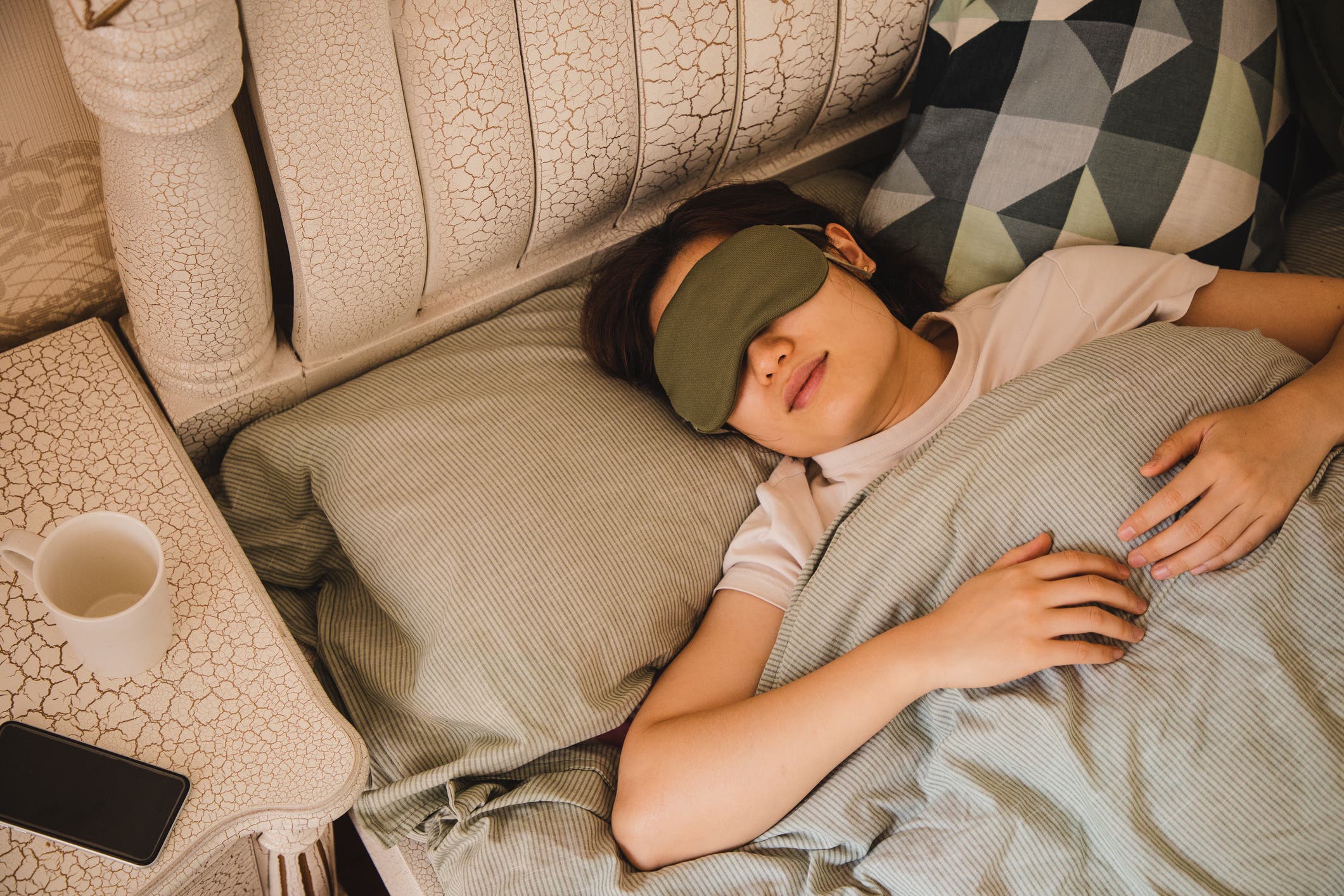
Se hai difficoltà ad addormentarti, prova a sostituire l'uso notturno dei dispositivi elettronici con una passeggiata serale. Camminare di notte può aiutarti a dormire meglio. Stare all'aria aperta, alla luce naturale, e stare lontano dagli schermi segnala al tuo corpo che è ora di rilassarsi.
3. Mantenimento di un peso sano
Mantenere un peso sano non significa solo bruciare calorie. Significa anche gestire la fame, il metabolismo e il modo in cui il corpo utilizza l'energia. Camminare può essere d'aiuto in tutti questi aspetti.
Ogni passo che fai consuma energia. Camminare a passo moderato, soprattutto a passo svelto, aiuta a bruciare calorie senza affaticare eccessivamente le articolazioni. Una camminata veloce di 30 minuti può bruciare circa 200 calorie, a seconda della velocità e del peso.
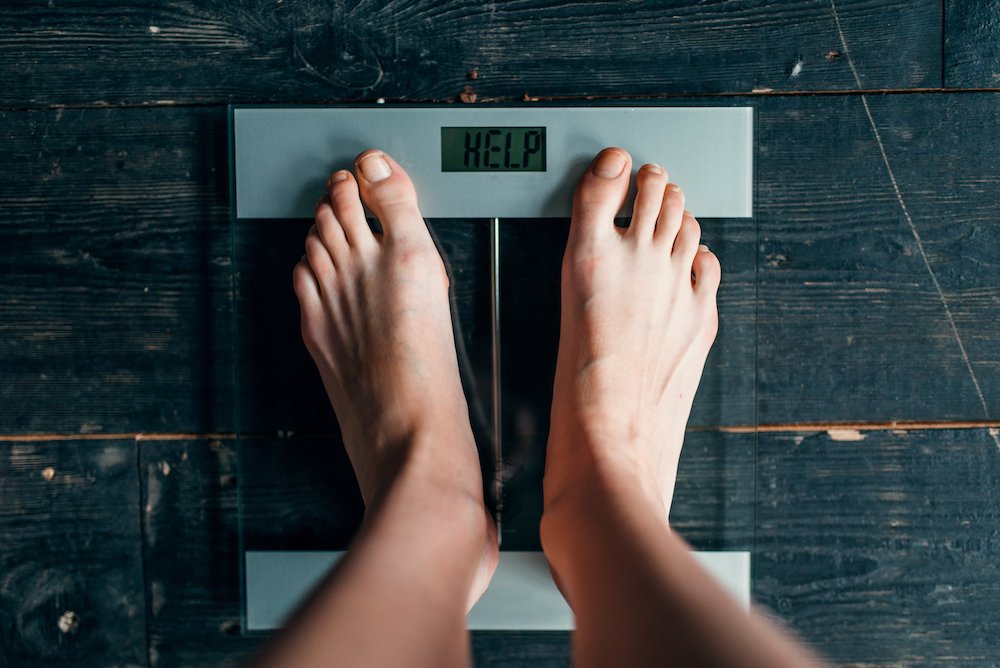
I benefici vanno ben oltre: studi dimostrano che camminare regolarmente può aiutare a controllare la fame, ridurre la voglia di cibo (soprattutto dolci) e migliorare il modo in cui il corpo utilizza l'energia. Camminare coinvolge grandi gruppi muscolari a un ritmo costante, il che stimola il metabolismo anche dopo essersi fermati.
4. Riduzione dello stress e regolazione dell'umore
Ci sono ottimi motivi per cui fare una passeggiata può aiutarti a "schiarirti le idee". Camminare può migliorare il tuo umore. A volte le emozioni ci sopraffanno e ci fanno sentire in disequilibrio. Camminare può aumentare la dopamina, l'"ormone della felicità", e ridurre il cortisolo, l'"ormone dello stress", aiutando il cervello a ritrovare l'equilibrio.
Una routine di camminate regolari può offrire alle persone impegnate o stressate l'opportunità di rilassarsi e pensare in tranquillità, oppure aiutare le persone sole a incontrare e connettersi con gli altri nella propria comunità.
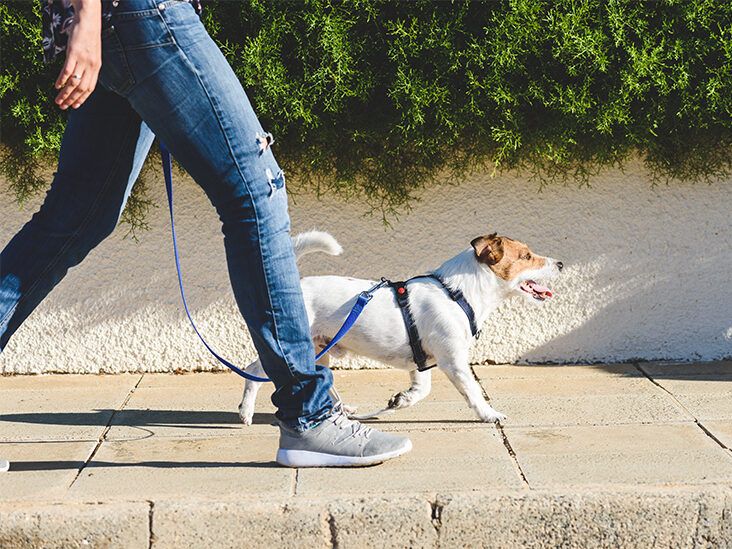
Semplicemente passeggiando per il loro quartiere, hanno iniziato a sentirsi meno intimoriti dagli altri.Amavano i cani e hanno iniziato a salutare i cani e i loro padroni che incontravano. Camminare in compagnia, inoltre, rilascia ossitocina, una sostanza chimica che aiuta le persone a sentirsi più vicine, riducendo lo stress e migliorando l'umore.
5. Recupero potenziato
Camminare è facile, ideale per i principianti e adatto agli anziani. Allo stesso tempo, può essere utile anche per gli atleti e per chi ama l'esercizio fisico intenso.
Camminare favorisce la circolazione sanguigna, contribuendo a eliminare le scorie metaboliche derivanti da un allenamento intenso e a promuovere la riparazione delle fibre muscolari danneggiate. Camminare può anche aiutare a ridurre il gonfiore post-allenamento.
Alcuni appassionati di fitness, soprattutto coloro che prediligono attività ad alta intensità, spesso conducono una vita inattiva (o addirittura sedentaria) durante le restanti 23 ore, quando non sono in palestra. Camminare è un modo semplice per aumentare l'attività fisica quando si è troppo stanchi per un altro allenamento intenso.

Durante le camminate di recupero, mantenere la frequenza cardiaca in una zona bassa è fondamentale.
6. L'ispirazione per muoversi di più
Camminare non è solo esercizio fisico; è un'abitudine che apre la strada a nuove abitudini. Una volta che le persone instaurano una routine di camminata, spesso si sentono più motivate ad adottare altri comportamenti salutari.
Camminare aumenta i livelli di energia, affina la concentrazione mentale e migliora la consapevolezza del proprio corpo. Camminando con regolarità, è più probabile che tu:
scegli le scale invece dell'ascensore,
stare in piedi piuttosto che sedersi,
aggiungere esercizi di forza o flessibilità,
Mangiare in modo più sano ti farà sentire meglio.
Molti studiosi del comportamento sottolineano che camminare offre piccole soddisfazioni che aiutano a mantenere abitudini sane. Queste piccole soddisfazioni si sommano e una buona abitudine spesso ne genera un'altra.
7. Facile mantenere la costanza
Camminare è più facile da iniziare rispetto a molti altri esercizi. Non serve un abbonamento in palestra né attrezzature speciali. Non sono richieste particolari abilità o allenamenti, e la maggior parte delle persone, anche i principianti o chi ha problemi di salute, di solito riesce a camminare. Inoltre, è un'attività delicata per il corpo, quindi non sollecita eccessivamente ginocchia, caviglie o altre articolazioni come può fare la corsa.
Per iniziare a camminare, tutto ciò che serve è un paio di scarpe comode. In realtà, non servono nemmeno le scarpe: si può camminare a piedi nudi. Provate a camminare sulla spiaggia. Se siete alle prime armi con le passeggiate, iniziate con una camminata tranquilla intorno all'isolato, e poi aumentate gradualmente la distanza o il ritmo.
Infine, a differenza di altri allenamenti, puoi facilmente integrare le passeggiate nella tua giornata: non ogni passeggiata deve essere percepita come un allenamento. Puoi camminare mentre rispondi a una telefonata o durante la pausa pranzo. Se non hai tempo per una camminata di 30 minuti, puoi dividerla in due passeggiate da 15 minuti o in tre pause da 10 minuti.

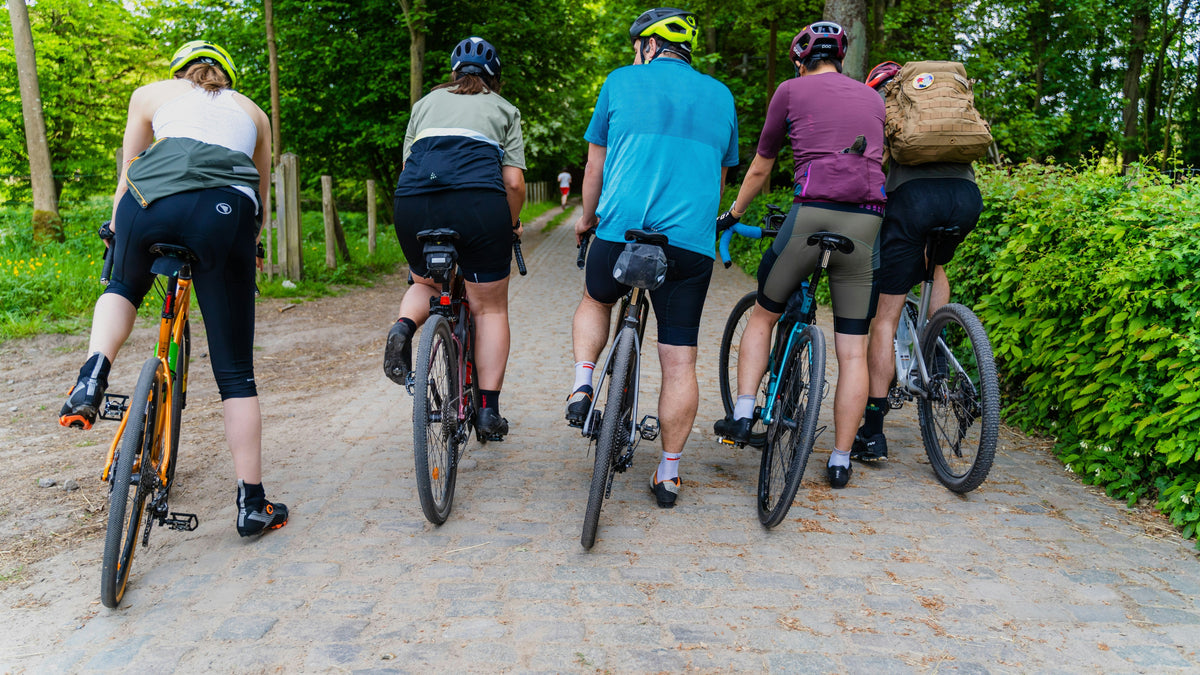
Con un po' di pianificazione, camminare può diventare un modo per entrare in contatto con amici, familiari o animali domestici. Portare il cane a fare una passeggiata intorno all'isolato, oppure fare una passeggiata intorno all'isolato con la famiglia dopo cena, semplicemente per chiacchierare e stare all'aria aperta.


Lascia un commento
Questo sito è protetto da hCaptcha e applica le Norme sulla privacy e i Termini di servizio di hCaptcha.