


Common Running Injuries for Beginners and How to Prevent Them
Starting a new running routine can be exciting. You may enjoy better weather, build a consistent habit, or even start preparing for your first race. But sometimes, unexpected pain can appear along the way.
Beginner runners are especially prone to two common injuries:
- Bone stress injuries: Small cracks or damage caused by repeated impact and overloading.
- Patellofemoral pain (runner’s knee): Pain around or behind the kneecap, often caused by stress, muscle imbalance, or poor movement patterns.
Understanding these common problems and training in a smart way can help you stay healthy, avoid setbacks, and keep moving toward your running goals.
What is a bone stress injury?
A bone stress injury is one of the most common injuries among beginner runners. It can range from mild discomfort to a serious fracture if ignored and left untreated. While it often occurs in the tibia (shin bone), runners may also experience bone stress injuries in areas such as the feet, pelvis, or lower back.
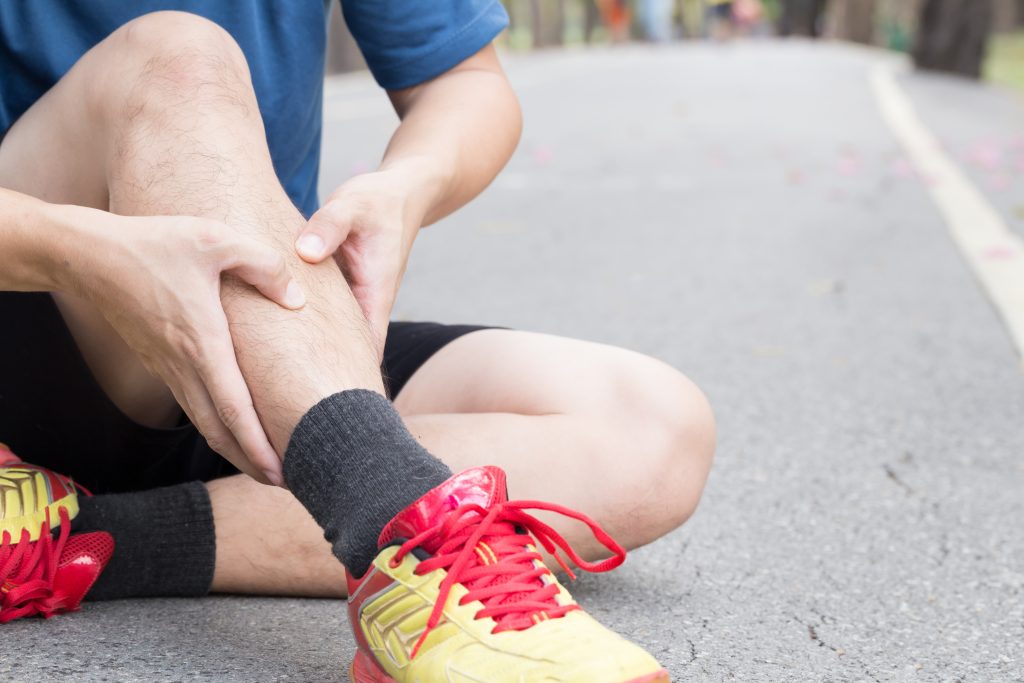
Bone stress injuries usually develop gradually. Many runners may first notice mild shin pain and assume it is just normal soreness or shin splints, but repeated stress can continue to weaken the bone and eventually lead to a more serious injury.
That’s why it’s important to pay attention to early warning signs. A key difference between a bone stress injury and a soft tissue problem is that bone pain is often noticeable when pressing directly on the painful area. If touching a specific spot with a finger causes clear pain, it may be a sign that the issue involves the bone rather than just the surrounding muscles or tissues.
Causes of Bone Stress Injuries
One of the main reasons bone stress injuries are common among beginner runners is overloading the body too quickly. They can also affect experienced runners, especially in high-impact sports, where they make up a significant portion of running-related injuries.
Bones are designed to adapt to increased stress. When you gradually increase your running, the extra load helps your bones become stronger. However, this adaptation takes time.
For new runners, the problem is that fitness can improve faster than bone strength. Your breathing and endurance may improve within a few weeks, making you feel ready to run farther or faster. However, your bones and other parts of your musculoskeletal system need much longer to adapt, usually around three to six months.
This difference between how quickly your cardiovascular fitness improves and how slowly your bones adapt is why increasing training too fast can lead to injury. Building mileage gradually gives your body enough time to become stronger and better prepared for running demands.
Prevention of Bone Stress Injuries
The best way for beginner runners to prevent bone stress injuries is to increase training gradually. A good approach is to change only one training factor at a time, such as running frequency, duration, or intensity. Increasing several factors at once can place too much stress on the body and increase the risk of injury.
It’s important to build your body’s ability to handle running before pushing harder. While improving fitness is exciting, your muscles, bones, and joints also need time to adapt to the demands of training.
Recovery is another key part of injury prevention. Getting enough rest and maintaining proper nutrition help your body repair and become stronger.

Sometimes runners may first notice discomfort in the soft tissues that connect muscles and bones. If these areas become irritated or tender, addressing the problem early with methods like stretching, mobility work, or massage may help prevent it from developing into a more serious bone stress injury.
Treatment of Bone Stress Injuries
Recovery time for a bone stress injury depends on several factors, including the severity, location, type of bone tissue involved, and individual risk factors. A minor injury may heal within a few weeks, while a more serious stress fracture can take much longer.
The grade of the injury is one of the biggest factors. Lower-grade injuries usually require less recovery time than more severe ones. The location also matters, as injuries in areas like the femoral neck near the hip may take longer to heal than injuries in lower-risk areas such as the shin bone. The type of bone tissue involved can also affect healing, with softer spongy bone generally taking longer to recover than dense bone tissue. In addition, factors such as insufficient energy intake or not consuming enough calories can slow recovery and increase injury risk.
For mild bone stress reactions, runners often need around three to six weeks away from running. More serious stress injuries or fractures may require six to eight weeks or longer before returning to training.
What Is Patellofemoral Pain?
Patellofemoral pain, also known as runner’s knee, is a common injury that causes ongoing pain around or behind the kneecap. It can affect many runners, especially those who train frequently.

The patella (kneecap) is a small bone located between the thigh bone and shin bone. When you bend or straighten your knee, the kneecap should move smoothly along its normal path. If the movement becomes uneven due to factors like muscle imbalance, poor alignment, or overuse, it can create extra stress on the joint and lead to pain.
Causes of Patellofemoral Pain
Patellofemoral pain can be caused by several factors, and it is often not the result of a single problem. One common cause is poor kneecap tracking, where the patella does not move smoothly along its normal path during knee movement.
Several factors can contribute to this issue, including:
- Weak hip and glute muscles
- Tight quadriceps or IT band
- Muscle imbalance
- Poor lower-body alignment
For example, when the glute muscles are weak, other muscles may work harder to stabilize the hips. This extra tension can affect the IT band, which connects near the kneecap and may pull on it, causing discomfort.
Patellofemoral pain can also happen when the knees are exposed to too much load too quickly. Running creates a large amount of impact, and the knees absorb forces several times greater than body weight with every step.
Common factors that increase knee stress include:
- A sudden increase in running distance
- Higher training intensity
- More hill running
- Changes in running shoes
Gradually increasing training load and allowing your body time to adapt can help reduce the risk of developing knee pain.
How to Prevent Patellofemoral Pain
Strengthening the muscles around your hips, glutes, and quadriceps is one of the best ways for runners to reduce the risk of patellofemoral pain. Stronger muscles can improve running stability, movement efficiency, and overall performance.
Helpful strength exercises include:
- Glute strengthening exercises
- Hip stability exercises
- Quadriceps strengthening movements
- Hamstring activation exercises
Improving your running form can also help. Two important factors are foot strike and cadence (the number of steps you take per minute).
Increasing cadence slightly can help your foot land more naturally under your body, reducing stress on the knees. A heavy heel strike may increase impact forces and place more pressure on the kneecap area.
However, before changing your running technique, make sure your body has enough flexibility and strength. Pay attention to:
- Flexible quadriceps
- Mobile hip flexors
- Flexible calves
- Proper activation of glutes and hamstrings
Building strength, improving mobility, and making gradual adjustments to your running habits can help keep your knees healthy and reduce the risk of injury.
Train Smarter with a Coospo Heart Rate Monitor
Injury prevention is not only about recovery and strength training. Monitoring your training intensity can also help you progress safely.

The Coospo HW9 Armband Heart Rate Monitor helps runners track heart rate comfortably and accurately, making it easier to control effort, follow training plans, and avoid overtraining.
Whether you’re a beginner or preparing for your next race, the right training tools can help you run smarter and stay consistent.


