





























![[2 Pack] Coospo Breathable Neck Gaiter Face Scarf Mask COOSPO](http://www.coospo.com/cdn/shop/files/106de7b046babc03aa610173af6e31aa_599da3fe-9907-4b1e-8eb0-f08b3032720b.png?v=1720591174&width=1600)


![[4 Pack] Coospo Soft Breathable Chilly Towel, Microfiber Towel COOSPO](http://www.coospo.com/cdn/shop/files/1_904094cc-62ee-40e9-aa21-415effb385b4.png?v=1720527561&width=1600)


¿Así que te interesa crear una rutina de running? ¡Primero, bienvenido!
Ya sea que te estés poniendo tus primeras zapatillas para correr o que retomes la actividad después de un tiempo, establecer una rutina de running constante puede resultar emocionante y a la vez un poco intimidante. Correr es sencillo en teoría —solo hay que poner un pie delante del otro—, pero convertirlo en un hábito duradero requiere intención, paciencia y un poco de autoconciencia. La buena noticia es que, con el enfoque adecuado, correr puede convertirse en una parte constante y placentera de tu vida, que no solo mejora tu forma física, sino también tu confianza y tu bienestar general.
A continuación, se presentan principios clave que te ayudarán a convertir los momentos de motivación puntuales en una constancia duradera.
1. Elige un plan de entrenamiento.
Un plan de entrenamiento le da estructura a tu forma de correr, ayudándote a progresar con un propósito en lugar de hacerlo a ciegas.
Casi todos los corredores siguen algún tipo de plan de entrenamiento, desde principiantes que alternan correr y caminar hasta maratonistas que baten récords. Incluso quienes se inician en este deporte y contratan a un entrenador personal suelen empezar con un plan, afirma Marilyn Faulkner, entrenadora de nivel 1 de la RRCA en Rogue Running.
Seguir un plan de entrenamiento es una de las maneras más fiables de alcanzar una amplia gama de objetivos, ya sea correr tu primer kilómetro y medio sin interrupciones o entrenar para una maratón. Igual de importante es que ayuda a gestionar la carga de trabajo y reduce el riesgo de lesiones al mejorar la condición física de forma gradual.
2. Trabaja con tu horario, no en contra de él.
La vida no es un calendario vacío. Una rutina constante debe ajustarse a tu horario real (familia, trabajo, compromisos sociales y sueño); de lo contrario, se convierte en un experimento efímero.

Si intentas correr en momentos que nunca funcionan —demasiado temprano, demasiado tarde o cuando siempre estás agotado— estás luchando contra tu propio ritmo de vida.
Pregúntate:
- ¿En qué momentos del día tengo energía?
- ¿Cuándo es el momento en que mi horario se ve menos interrumpido?
- ¿Hay días que sé que siempre estarán ocupados?
Ejemplo de enfoque:
- Si eres una persona madrugadora, programa tus carreras antes de que los correos electrónicos o las reuniones puedan trastocar tus planes.
- Si las tardes son una opción más realista, elige horarios que no coincidan con la cena o tus planes sociales.
Recuerda, la constancia es más importante que la perfección. Una carrera de 30 minutos que realmente realices es mejor que un plan de 60 minutos que luego abandones.
3. Empiece con un enfoque basado en el esfuerzo.
Cuando estás empezando, no te presiones para correr más rápido o más lejos. En cambio, concéntrate en el esfuerzo en lugar del ritmo o la distancia. En las carreras suaves, intenta mantener un ritmo que te permita conversar y respirar con comodidad. Para ayudarte a establecer una base de condición física, Marilyn Faulkner, entrenadora de nivel 1 de la RRCA en Rogue Running, recomienda usar intervalos basados en el esfuerzo al principio: corre hasta que empieces a sentirte incómodo, luego descansa hasta que te sientas recuperado y listo para continuar. Repite este ciclo tres o cuatro veces, según el entrenamiento. A medida que progreses en tu entrenamiento, puedes aumentar gradualmente la velocidad, extender los intervalos de carrera o acortar el tiempo de recuperación, lo que permitirá que tu condición física mejore de forma controlada y sostenible.

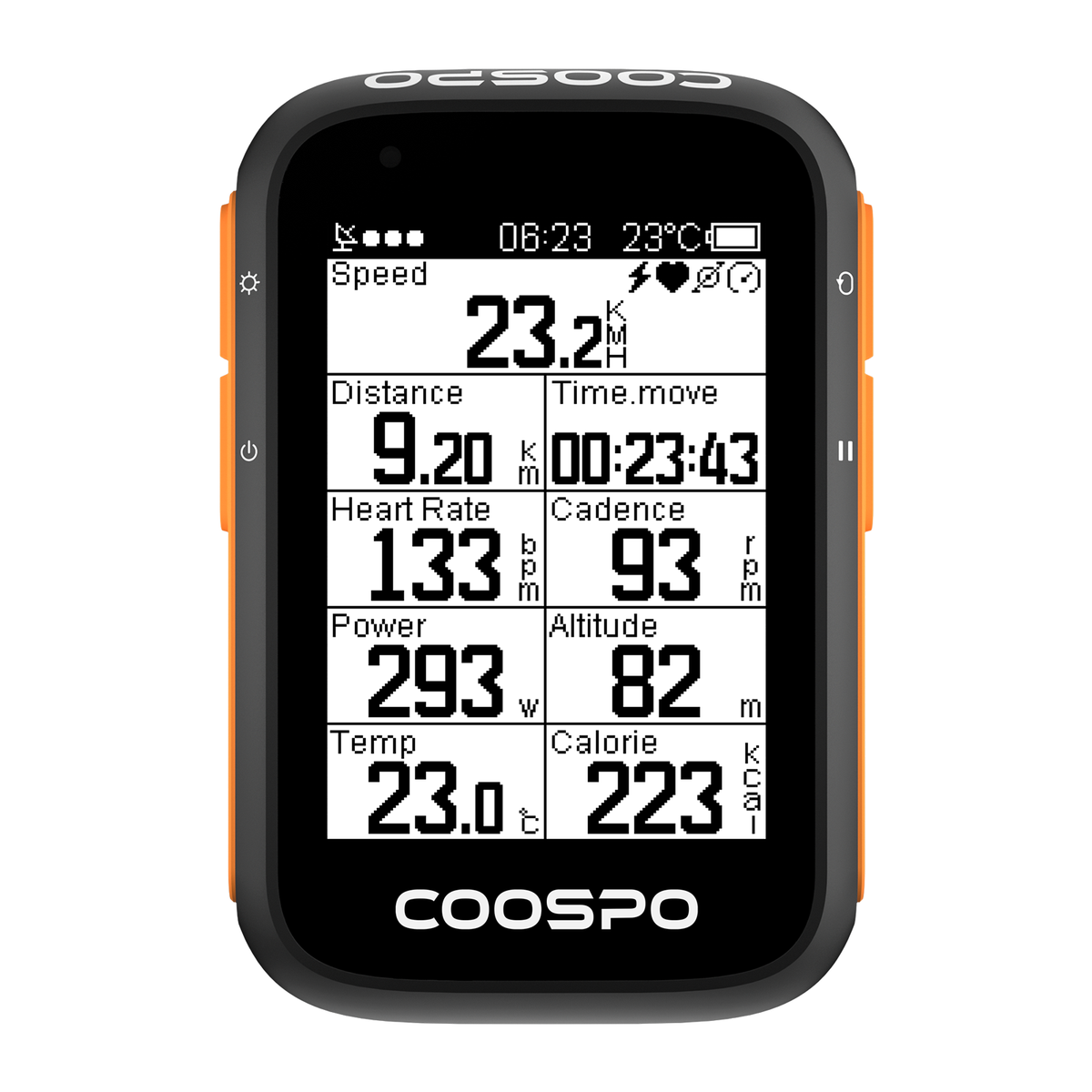
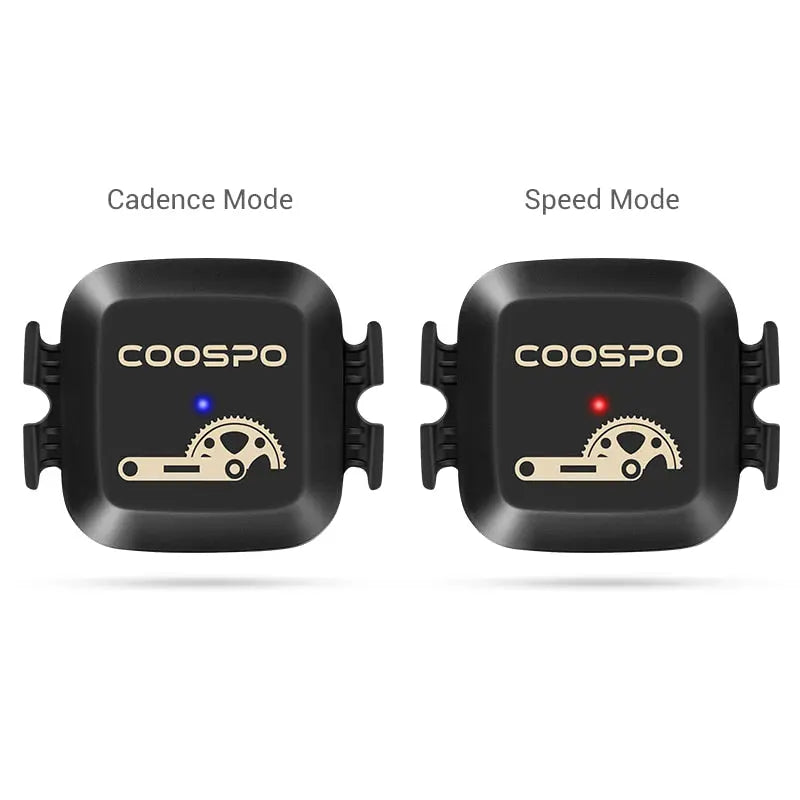
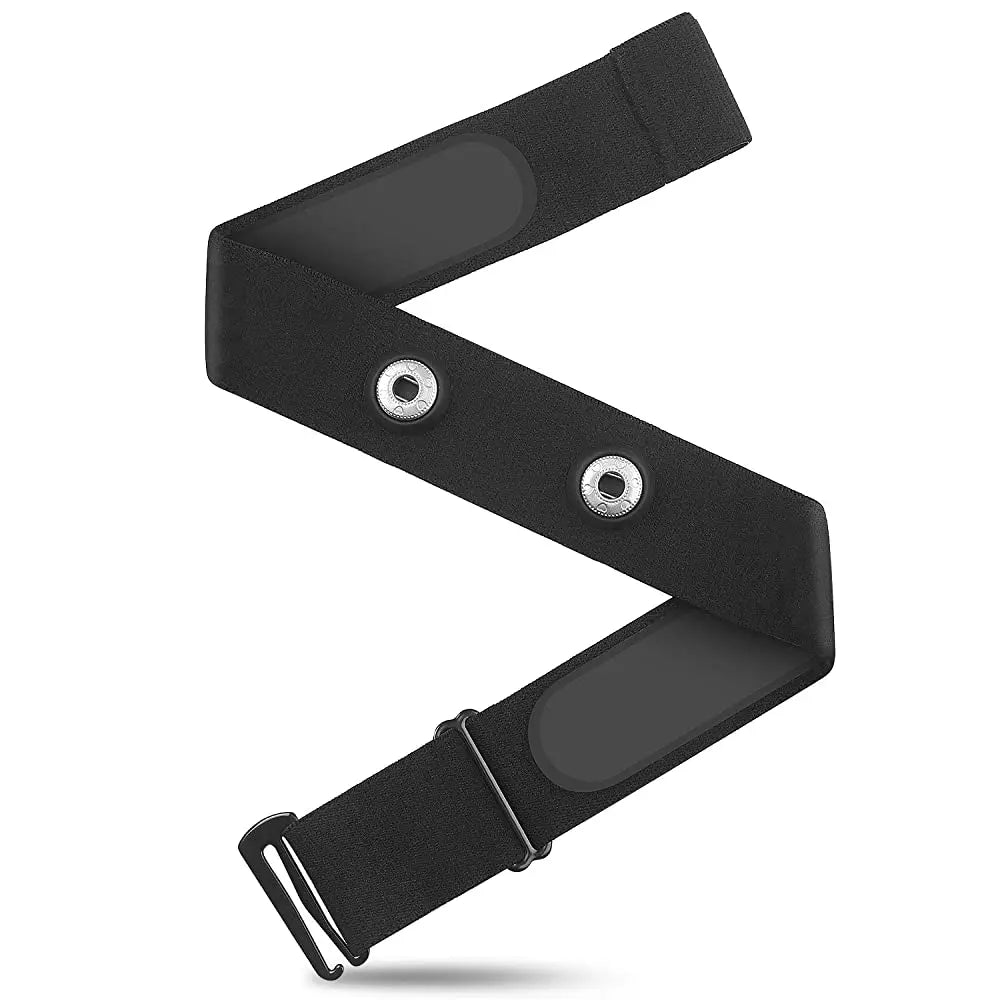
Para los corredores que desean una forma más precisa de medir el esfuerzo y mantenerse en las zonas de entrenamiento adecuadas, un monitor de frecuencia cardíaca de calidad puede ser una gran herramienta. Dispositivos como el
Centrarse en el esfuerzo ayuda mucho a tener confianza, porque así tú tienes el control. Tú decides cómo quieres que sea tu esfuerzo.
4.Intenta correr tres veces por semana.
La constancia se basa en una frecuencia regular y manejable. Para la mayoría de los corredores, desde principiantes hasta intermedios, tres carreras por semana Logra un equilibrio entre progreso y recuperación.
¿Por qué tres?
- Correr todos los días (especialmente al principio) aumenta el riesgo de lesiones.
- Correr solo una o dos veces limita la adaptación y el crecimiento.
- Tres sesiones permiten un ritmo natural: correr-descansar-correr-descansar-correr-descansar.
Este enfoque cuenta con el respaldo de muchos entrenadores y filosofías de entrenamiento. Jeff Galloway, reconocido entrenador de corredores, aboga por carreras frecuentes pero más cortas, intercaladas con descansos o caminatas para desarrollar fuerza y resistencia sin sobreesfuerzo.
Aquí tienes una estructura de entrenamiento semanal sencilla:
| Día | Actividad |
|---|---|
| Lunes | Carrera fácil |
| Martes | Descansar o realizar entrenamiento cruzado |
| Miércoles | Carrera moderada |
| Jueves | Descansar o realizar entrenamiento cruzado |
| Viernes | Carrera suave o trote más corto opcional. |
| Fin de semana | Opcional: recorrido más largo cuando esté listo. |
Este tipo de rutina le da tiempo a tu cuerpo para adaptarse y recuperarse, que es donde se producen las verdaderas mejoras en la forma física.
5. Tu “kit de herramientas de bienestar” debe incluir la comunidad.
Correr no es solo un hábito físico, sino también social.
Los seres humanos estamos programados para conectar con los demás, y tener a otras personas involucradas facilita el cumplimiento de las rutinas. Correr con otros (incluso virtualmente) añade responsabilidad, motivación compartida y disfrute.

Formas de crear tu comunidad de corredores:
- Únete a un grupo o club de corredores local.
- Participa en carreras grupales en parques o senderos locales.
- Utiliza aplicaciones sociales donde los corredores comparten su progreso y se dan ánimos mutuamente.
- Busca a alguien con quien rendir cuentas: alguien con quien comunicarte semanalmente.
No hace falta formar parte de una comunidad grande. Incluso un solo compañero de carrera puede marcar una gran diferencia.
6. Observa cómo correr mejora tu vida.
Si bien para muchos corredores las marcas personales y los resultados en las carreras son importantes, también lo es establecer metas que no tengan nada que ver con números o métricas externas. Quizás notes que duermes mejor, te sientes con más energía o simplemente más feliz en tu día a día. Si correr te ayuda a hacer nuevos amigos o a sentirte más conectado con una comunidad, eso también es un logro significativo. Enfocar el running como una práctica que enriquece tu vida más allá del deporte te permite reconocer su impacto de una manera más amplia y humana.
Una vez que correr se convierta en parte habitual de tu rutina, tómate un tiempo para reflexionar sobre cómo influye en otras áreas de tu vida. Reflexiona sobre la amplia gama de beneficios que van más allá del simple ejercicio físico. ¿Qué regalo te has hecho al comprometerte con este entrenamiento? Ya sea claridad mental, confianza, resiliencia o equilibrio, estas pequeñas ventajas suelen ser tan importantes como cualquier tiempo de llegada.
7. Sí, será difícil... al principio.
Correr no es fácil, sobre todo al principio. Empezar cualquier rutina nueva resulta incómodo porque el cuerpo necesita tiempo para adaptarse. Marilyn Faulkner señala que pueden pasar hasta seis semanas de entrenamiento constante antes de que empieces a sentirte bien. Y si estás entrenando para una carrera, la mayoría de los planes duran entre 12 y 16 semanas, así que la recompensa de cruzar la meta puede parecer muy lejana al principio.
Por eso es útil encontrar pequeñas recompensas en el camino. Observa tu progreso, aunque sea sutil. El simple hecho de ir, aprender cómo responde tu cuerpo y crear un nuevo hábito son importantes. A veces, salir de casa ya es un logro.
De adultos, no solemos darnos espacio para crecer de esta manera. Correr puede ser un reto, pero también es profundamente gratificante. Con el tiempo, te recuerda que la constancia y la paciencia pueden conducir a un cambio real, tanto en el running como en la vida.


1 comentario
Jen’s Get Fit Group
The article provides beginners and experienced runners with useful advice on establishing their workout schedules and measuring their performance and maintaining their mental drive.
Deja un comentario
Este sitio está protegido por hCaptcha y se aplican la Política de privacidad de hCaptcha y los Términos del servicio.