


Como recuperar pernas cansadas após andar de bicicleta
Você se esforçou bastante naquele longo percurso com subidas. Suas pernas estavam fortes enquanto você pedalava, mas agora estão pesadas e cansadas. Elas precisam de tempo para se recuperar, mas existem maneiras de usar esse tempo de descanso de forma inteligente e até mesmo se sentir melhor mais rápido.
Neste artigo, vamos explorar por que suas pernas ficam cansadas, analisar cinco maneiras comprovadas de acelerar a recuperação, descrever o que evitar quando a fadiga aparece e considerar estratégias proativas para prevenir o cansaço nas pernas — tudo com base na ciência e na opinião de especialistas.
Por que suas pernas estão cansadas?
Os músculos das pernas podem ficar cansados, pesados ou doloridos após um treino intenso ou vários exercícios seguidos devido a pequenas lesões. Quando usamos nossos músculos para empurrar ou puxar, criamos microlesões nas fibras musculares.
Ao se exercitar, pequenas rupturas ocorrem nos seus músculos. Essas rupturas são importantes porque seus músculos se regeneram, tornando-se mais fortes e maiores. A recuperação pode ser desconfortável e, se você estiver muito cansado ou dolorido, isso pode dificultar o treino.
Seu corpo também reage ao trabalho árduo com fadiga e, às vezes, cãibras musculares, que são sinais de que você precisa descansar e repor as energias.
5 maneiras de acelerar a recuperação de pernas cansadas
1. Reabasteça e reidrate-se para repor as energias e reparar os órgãos.
Consuma carboidratos logo após andar de bicicleta.
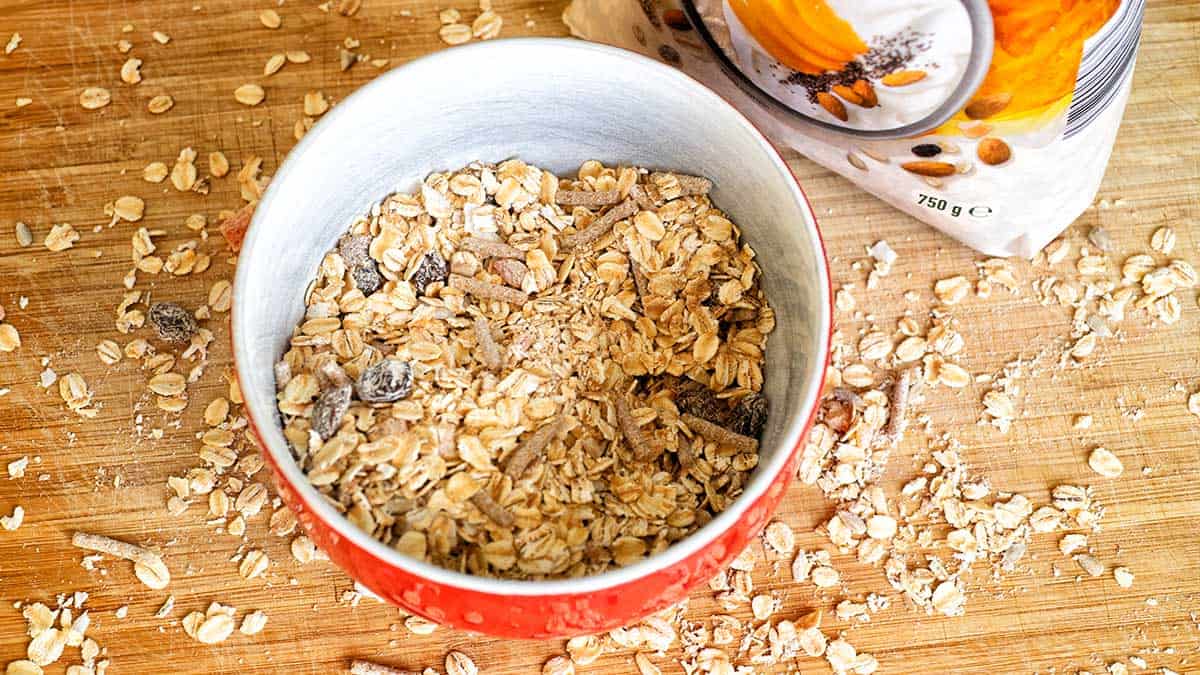
O glicogênio muscular — a forma de armazenamento de carboidratos — começa a ser reposto imediatamente após você parar de pedalar. Procure consumir um lanche rico em carboidratos dentro de 30 minutos após terminar o exercício. Uma proporção de aproximadamente 3:1 carboidratos para proteína É frequentemente recomendado para recuperação de resistência.
Exemplos:
- Iogurte grego com mel e frutos silvestres
- Leite com chocolate (sim, sério — um dos favoritos na nutrição esportiva)
- Uma tigela de arroz com proteína magra e vegetais.
Os carboidratos ajudam a repor o glicogênio, e as proteínas fornecem os aminoácidos que seus músculos precisam para se reconstruir.
Reidrate-se com eletrólitos.
Você perde água e eletrólitos pelo suor, e beber apenas água pura pode não ser suficiente para repor o equilíbrio eletrolítico após um longo treino. Considere uma bebida esportiva com sódio, potássio e magnésio, ou use comprimidos de eletrólitos se preferir opções com menos calorias.
Dica: Pese-se antes e depois do treino. Para cada meio quilo perdido, beba cerca de 500 a 600 ml de líquido — mais se estiver calor.
A nutricionista esportiva Nancy Clark enfatiza que a "janela de oportunidade" para a reposição de glicogênio é maior na primeira hora após o exercício, tornando a nutrição oportuna um dos impulsionadores de desempenho mais fáceis de implementar.
2. Continue se movendo — suavemente
Descansar pode parecer não fazer nada, mas recuperação ativa É um meio-termo mágico entre o repouso total e o treinamento intenso.
Experimente pedalar levemente ou caminhar.
Uma pedalada leve de 10 a 20 minutos em um percurso suave e com baixa resistência pode ajudar a circular o sangue pelos músculos cansados, o que favorece o fornecimento de nutrientes e a eliminação de resíduos.
Caminhar, nadar levemente ou praticar ioga suave também são considerados formas de recuperação ativa. Esses movimentos de baixo impacto ajudam a manter a circulação sanguínea sem aumentar o estresse.
Por que funciona
A recuperação ativa aumenta o fluxo sanguíneo para as fibras musculares fatigadas, o que acelera a eliminação de subprodutos metabólicos como o lactato e favorece uma reparação tecidual mais rápida.
Um estudo de 2018 em Revista de Pesquisa em Força e Condicionamento Descobriu-se que atividades leves após exercícios extenuantes melhoravam a sensação de recuperação e reduziam a dor muscular de forma mais eficaz do que o repouso completo.⁴
3.Aproveite a compressão
Usar uma peça de compressão ou um dispositivo de compressão como as botas NormaTec pode ajudar a revitalizar as pernas cansadas. A compressão facilita a circulação sanguínea e impede o acúmulo de líquidos nas pernas. Estudos sugerem que essas peças, geralmente baratas e fáceis de usar, também podem reduzir a dor muscular que surge um ou dois dias após o exercício.

A pesquisa sobre o uso de roupas de compressão como auxílio na recuperação apresenta resultados mistos, de acordo com uma revisão de 2022. Medicina Esportiva. Elas podem ajudar a reduzir a dor muscular após o exercício, mas nem sempre melhoram a recuperação ou o desempenho no dia seguinte. No geral, se você se sente bem com elas e acha que ajudam, não há problema em usá-las depois do treino!
4. Eleve as partes exaustas
Na maior parte do tempo, a gravidade age contra nossos músculos. Como nossos pés estão sempre abaixo de nós, eles sempre sentem essa força descendente. Quando ficamos parados, o sangue tende a se acumular nos pés porque os vasos sanguíneos precisam trabalhar mais para impulsioná-lo de volta ao coração.
Levantar os pés ou fazer a postura de ioga chamada "pernas para cima na parede" (mostrada acima) ajuda a combater a gravidade. Isso permite que o sangue retorne ao coração com mais facilidade, o que pode ajudar na melhor circulação pelo corpo.
5. Role para aliviar as dores
O uso do rolo de espuma, também chamado de liberação miofascial, pode ajudar a melhorar o fluxo sanguíneo e relaxar os músculos. Ele atua no sistema nervoso e pode aliviar a sensação de pernas cansadas.
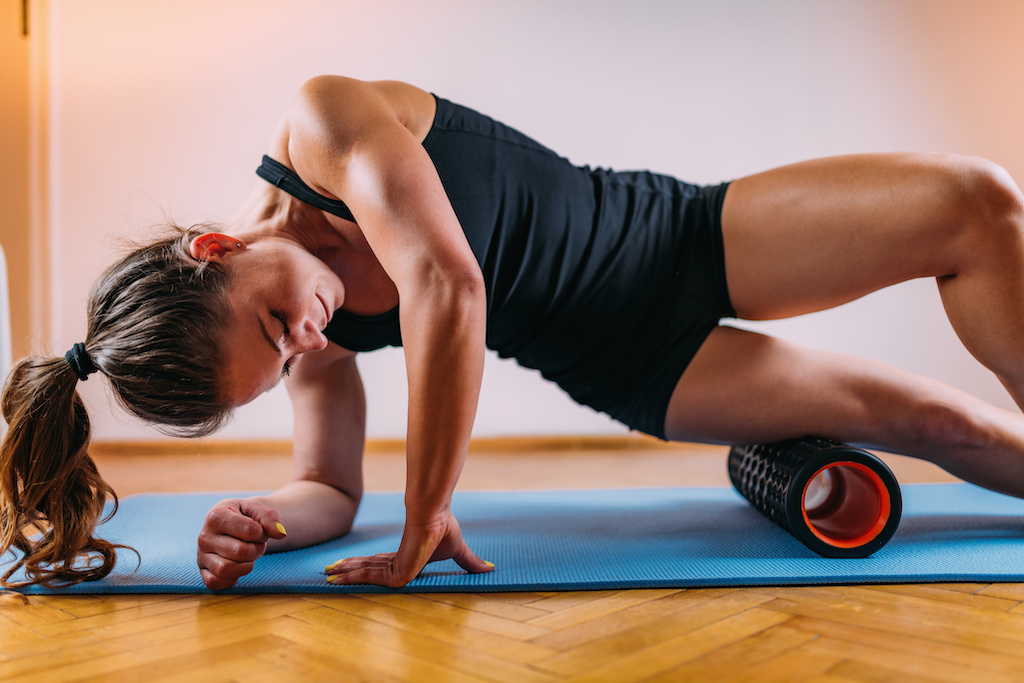
Funciona pressionando um músculo que está tenso. Isso envia uma mensagem ao cérebro dizendo: “Este músculo está tenso. Talvez eu deva deixá-lo relaxar”. Então o músculo relaxa. Isso pode ajudar pessoas que sentem dores ou rigidez após o exercício.
O que evitar quando suas pernas estiverem cansadas
É fácil presumir que tudo que proporciona prazer ajudará na recuperação, mas Weller alerta que alguns métodos populares não são eficazes. Por exemplo, passar muito tempo em uma banheira de hidromassagem pode ser arriscado — pode causar desidratação, especialmente se você estiver consumindo álcool, e não contribui para a recuperação muscular.
A sauna apresenta um risco semelhante. O calor pode ajudar na circulação sanguínea, mas a transpiração pode causar perda excessiva de líquidos, especialmente após exercícios físicos.
Banhos de imersão em água fria e terapia de contraste podem ajudar a melhorar o fluxo sanguíneo, mas se você realmente não gosta de banhos de gelo ou duchas frias, Duppler permite que você os dispense.
A parte mais importante da recuperação é ajudar o seu sistema nervoso a se recuperar também. Para algumas pessoas, banhos de gelo podem ser um grande choque para o sistema nervoso. Se você gosta de banhos de gelo, vá em frente. Se você acha que são horríveis, não precisa fazê-los.
Como Prevenir o Cansaço nas Pernas
Assim como uma boa alimentação e a hidratação adequada ajudam na recuperação muscular, também contribuem para prevenir e reduzir a fadiga muscular. Dormir bem e em quantidade suficiente também é fundamental, pois o sistema nervoso precisa de tempo para se reparar e se recuperar.

Ao treinar, preste atenção à frequência, à intensidade e à força dos seus exercícios. Concentre-se em melhorar um ou dois desses aspectos por vez. Tentar melhorar os três simultaneamente pode levar ao cansaço e à sensação de pernas pesadas. Utilize um Monitor de frequência cardíaca Coospo Pode ajudar você a monitorar seu esforço e evitar o excesso de treinamento, facilitando encontrar o equilíbrio certo para uma melhora gradual.
Além disso, não tente compensar os treinos perdidos se esforçando demais. Se você perder um treino, retome as atividades aos poucos. O treinamento adequado funciona melhor quando você aumenta o esforço gradualmente, permitindo que seu corpo se adapte a uma fadiga moderada, e não ao cansaço extremo.


