













![[2 Pack] Coospo Breathable Neck Gaiter Face Scarf Mask COOSPO](http://www.coospo.com/cdn/shop/files/106de7b046babc03aa610173af6e31aa_599da3fe-9907-4b1e-8eb0-f08b3032720b.png?v=1720591174&width=1600)


![[4 Pack] Coospo Soft Breathable Chilly Towel, Microfiber Towel COOSPO](http://www.coospo.com/cdn/shop/files/1_904094cc-62ee-40e9-aa21-415effb385b4.png?v=1720527561&width=1600)

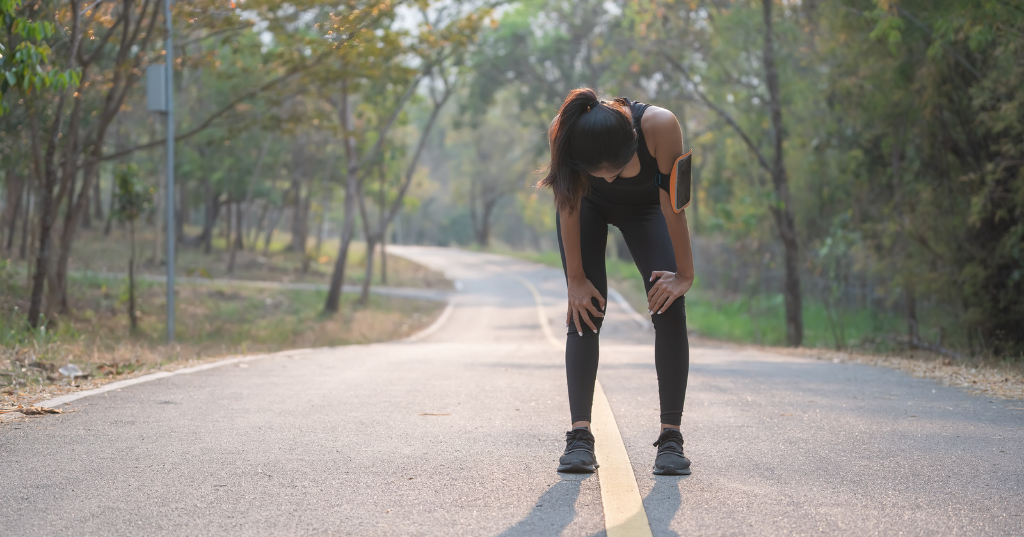
Après une longue course, la tentation de s'effondrer sur le canapé ou de se remettre immédiatement au travail est forte. L'entraînement est terminé, il n'y a donc plus rien à faire, n'est-ce pas ? Eh bien non.
Ce que vous faites juste après une longue course fait partie intégrante de votre entraînement. Une bonne récupération vous permet de gagner en vitesse et en endurance. Si vous la négligez, vous risquez d'avoir des courbatures et d'être épuisé pendant plusieurs jours.
Nous allons détailler ci-dessous certains des pièges les plus courants et vous expliquer ce que vous devriez faire à la place.
En supposant que vos signaux de faim soient exacts
L'une des erreurs les plus fréquentes après une course est de croire que l'absence de faim signifie qu'on n'a pas besoin de s'alimenter. Les diététiciens avertissent que les coureurs perdent souvent l'appétit après un effort prolongé, même si leurs réserves de glycogène sont physiologiquement épuisées et que les protéines sont nécessaires pour amorcer la réparation des tissus.
Selon la diététicienne sportive Ashley Leone, l'absence de faim n'est pas un indicateur fiable : « Beaucoup de coureurs n'ont pas faim après une longue course… Mais il faut quand même se ravitailler pour amorcer le processus de récupération. »
De même, Carol-Ann Rolle souligne que trop de coureurs se concentrent uniquement sur les protéines (e.g. , un shake protéiné) et évitez complètement les glucides — malgré les recherches suggérant qu'un mélange équilibré de glucides et de protéines pendant une période de récupération maximise la restauration du glycogène et la réparation musculaire.

N'attendez pas d'avoir faim. Prenez une collation équilibrée (visez un ratio glucides/protéines d'environ 3:1 ou 4:1) dans les 30 à 60 minutes suivant votre course pour une récupération optimale. L'alimentation après l'effort se déroule en deux phases : la première concerne les glucides. Votre corps vient de puiser dans ses réserves de glucides et vos réserves de glycogène doivent être reconstituées. La seconde phase consiste à consommer des protéines.
Perte de temps avant le ravitaillement
Ignorer la faim est étroitement lié au fait d'attendre trop longtemps avant de manger. Nombreux sont les coureurs qui terminent leur course, prennent une douche, consultent leurs courriels ou parcourent les réseaux sociaux, et des heures s'écoulent avant qu'ils ne mangent enfin.
Le timing est crucial, car les cellules musculaires sont particulièrement réceptives aux nutriments juste après l'effort. Attendre trop longtemps permet au corps de sortir de cet état anabolique, ralentissant la récupération et augmentant les courbatures par la suite.
Carol-Ann Rolle souligne que le chronomètre se déclenche à l'arrêt de la course, et non au moment où l'on franchit la porte. Elle explique : « Une fois la course terminée, notre corps cherche immédiatement à reconstituer ses réserves de glycogène. »
Que faire à la place : Préparez une collation à l’avance pour après votre course, ou prévoyez de consommer quelque chose immédiatement après votre marche de récupération. Des fraises et du yaourt grec, un smoothie, ou même un simple lait chocolaté peuvent vous apporter l’équilibre en glucides et en protéines dont votre corps a besoin.
Rester sur le canapé le reste de la journée
Si votre entraînement est équilibré et s'intègre bien à votre mode de vie, vous devriez pouvoir poursuivre vos activités quotidiennes habituelles, comme voir des amis, jouer au parc avec vos enfants ou vos chiens, ou faire une promenade. Si vous vous sentez incapable de bouger après une longue course, revoyez votre programme de récupération ou votre charge d'entraînement afin de pouvoir continuer à gérer votre quotidien et profiter de vos activités après l'effort.
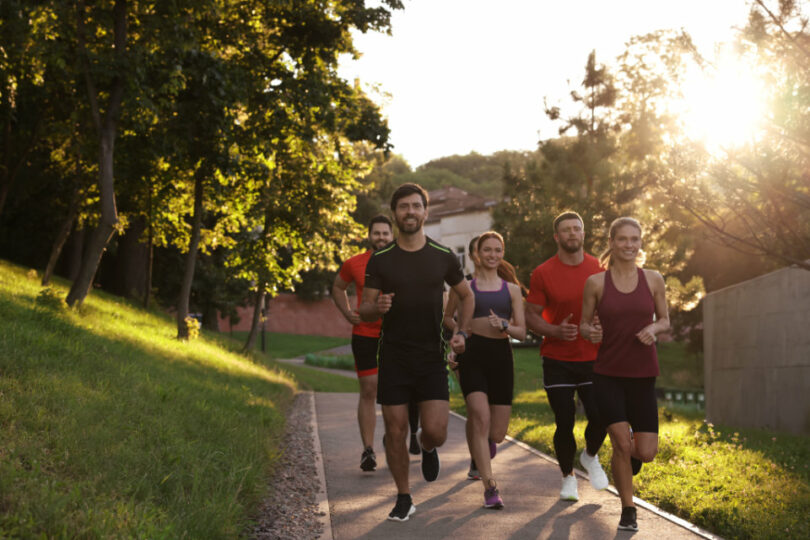
Vos sorties les plus longues et les plus difficiles sont l'exception : après une course ou votre sortie la plus longue et la plus intense à ce jour, vous aurez peut-être besoin d'un peu de repos. Mais si chaque sortie longue vous épuise pour le reste de la journée, vous vous entraînez probablement trop intensément et devriez revoir votre plan d'entraînement ou réduire l'intensité de ces sorties longues.
Boire de l'eau à grandes gorgées et oublier de s'hydrater ensuite
Après une longue course, de nombreux coureurs rentrent à l'intérieur et se mettent à boire de l'eau glacée à grandes gorgées, surtout par temps chaud. Or, le corps absorbe mieux les liquides lorsqu'on les boit progressivement plutôt que d'un seul coup ; il est donc préférable de boire lentement, par petites gorgées.
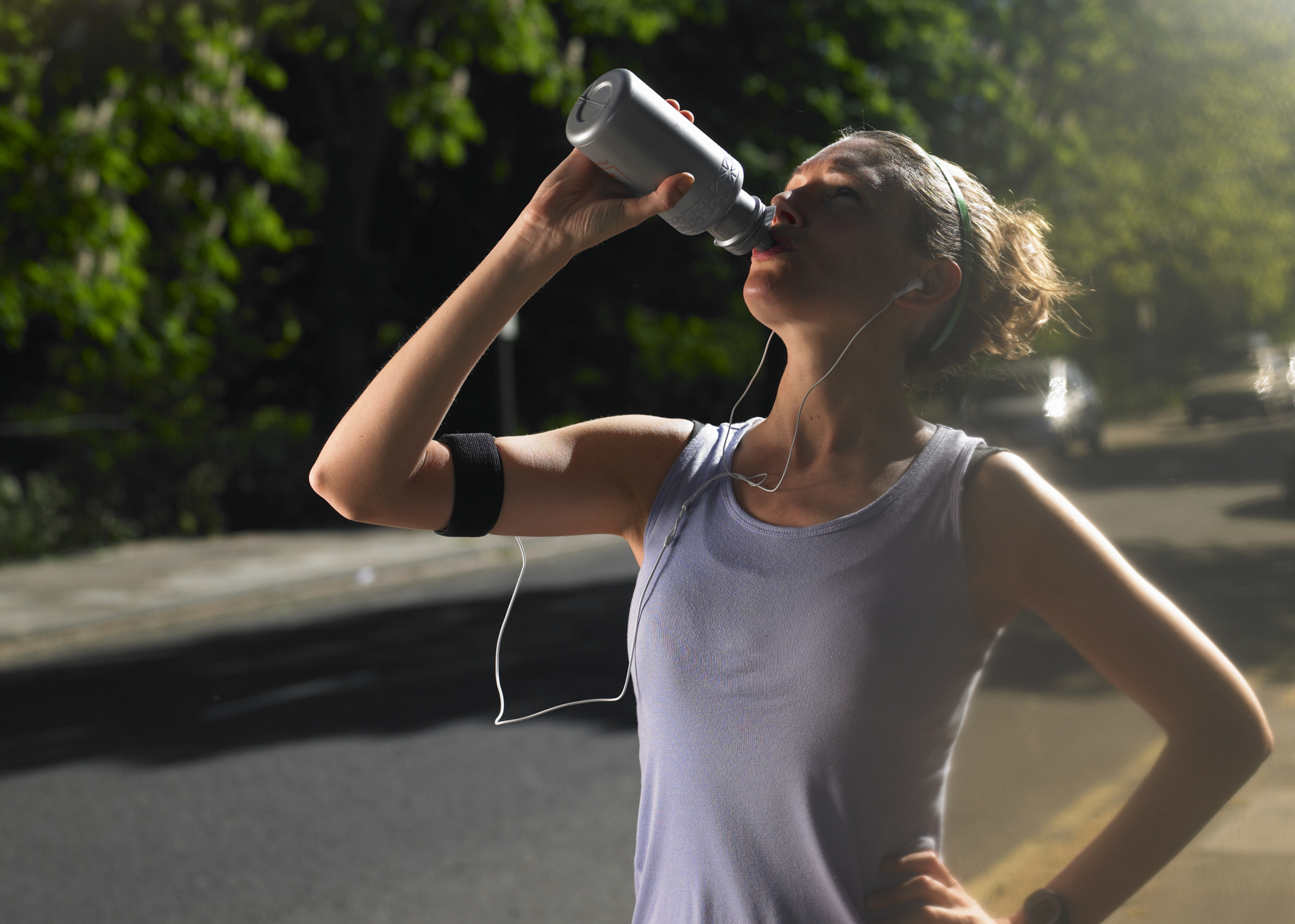
La plupart des gens ne peuvent absorber qu'environ un litre d'eau par heure. Ainsi, si vous buvez plusieurs verres d'eau glacée après une course, votre corps sera moins capable de l'absorber et plus susceptible de l'éliminer par l'urine, car il ne peut pas traiter une telle quantité aussi rapidement.
Si vous buvez beaucoup d'eau juste après votre course, vous risquez d'être trop rassasié pour consommer les glucides et les protéines dont votre corps a besoin. Si vous ressentez souvent le besoin de boire abondamment immédiatement après, cela signifie probablement que vous devriez boire davantage pendant vos courses.
Le problème, c'est que votre corps continue à assimiler les nutriments et les liquides tout au long de la journée ; vous risquez donc de vous déshydrater plus tard, le temps qu'il rattrape son retard. Commencez par un grand verre d'eau, puis buvez régulièrement pendant les deux à quatre heures qui suivent votre course.
Plonger directement dans un bain de glace
Les bains de glace sont depuis longtemps un outil de récupération populaire, mais leur utilisation — surtout juste après une course — est plus compliquée que la plupart des gens ne le pensent.
Les preuves solides que l'immersion en eau froide accélère la récupération après des épreuves d'endurance sont limitées. Certaines recherches suggèrent même que l'application fréquente de glace pourrait atténuer d'importants processus inflammatoires qui aident les muscles à s'adapter et à se renforcer.
L’entraîneur de cross-country Alex Ullman ne mâche pas ses mots : « Je ne suis pas fan des bains de glace… ils peuvent procurer une sensation agréable sur le moment, mais appliquer de la glace juste après une course intense interrompt l’inflammation dont le corps a besoin pour se renforcer. »
Meilleure pratique : Si vous appréciez la thérapie par le froid, réservez-la pour plus tard dans votre processus de rétablissement (e.g. , Plus tard dans la soirée ou le lendemain). Privilégiez d'abord les mouvements doux, une alimentation saine et une bonne hydratation.
S'offrir une « bière de récupération »
C'est regrettable, mais boire une bière après la course ou sous la douche n'est pas une bonne idée. L'alcool peut augmenter le taux de cortisol et perturber la synthèse des protéines musculaires, ce qui peut ralentir la récupération.
La malbouffe n'est pas toujours un problème, mais si vous optez pour des beignets et négligez les protéines, vous aurez peut-être l'impression d'être rassasié(e) sans pour autant bénéficier de l'énergie nécessaire à la récupération. Même si l'envie de se faire plaisir après l'effort est compréhensible, vos muscles ont besoin de glucides complexes et de protéines pendant cette fenêtre de 60 minutes cruciale pour entamer leur réparation.
Accompagnez ce beignet d'un shake protéiné pour un repas de récupération plus équilibré, et attendez d'être réhydraté et d'avoir consommé à la fois des glucides et des protéines avant de boire de la bière.
Retour immédiat au travail/à la vie
L'une des erreurs les plus fréquentes consiste à caser une course à pied dans une journée déjà chargée, puis à se replonger immédiatement dans le travail, les corvées ou les courses sans se donner le temps de récupérer.
Le kinésiologue agréé Peter Glassford souligne qu'après un exercice prolongé, même une courte pause peut aider le système nerveux à se détendre.
Même si vous ne pouvez pas faire une longue pause, prévoyez un bref moment de détente, une collation rapide et quelques minutes de calme avant de vous replonger dans des tâches exigeantes mentalement ou émotionnellement.
Quelques étirements, un peu de rangement, une réhydratation et quelques respirations conscientes peuvent aider votre corps et votre système nerveux à se ressourcer avant d'assumer d'autres responsabilités.

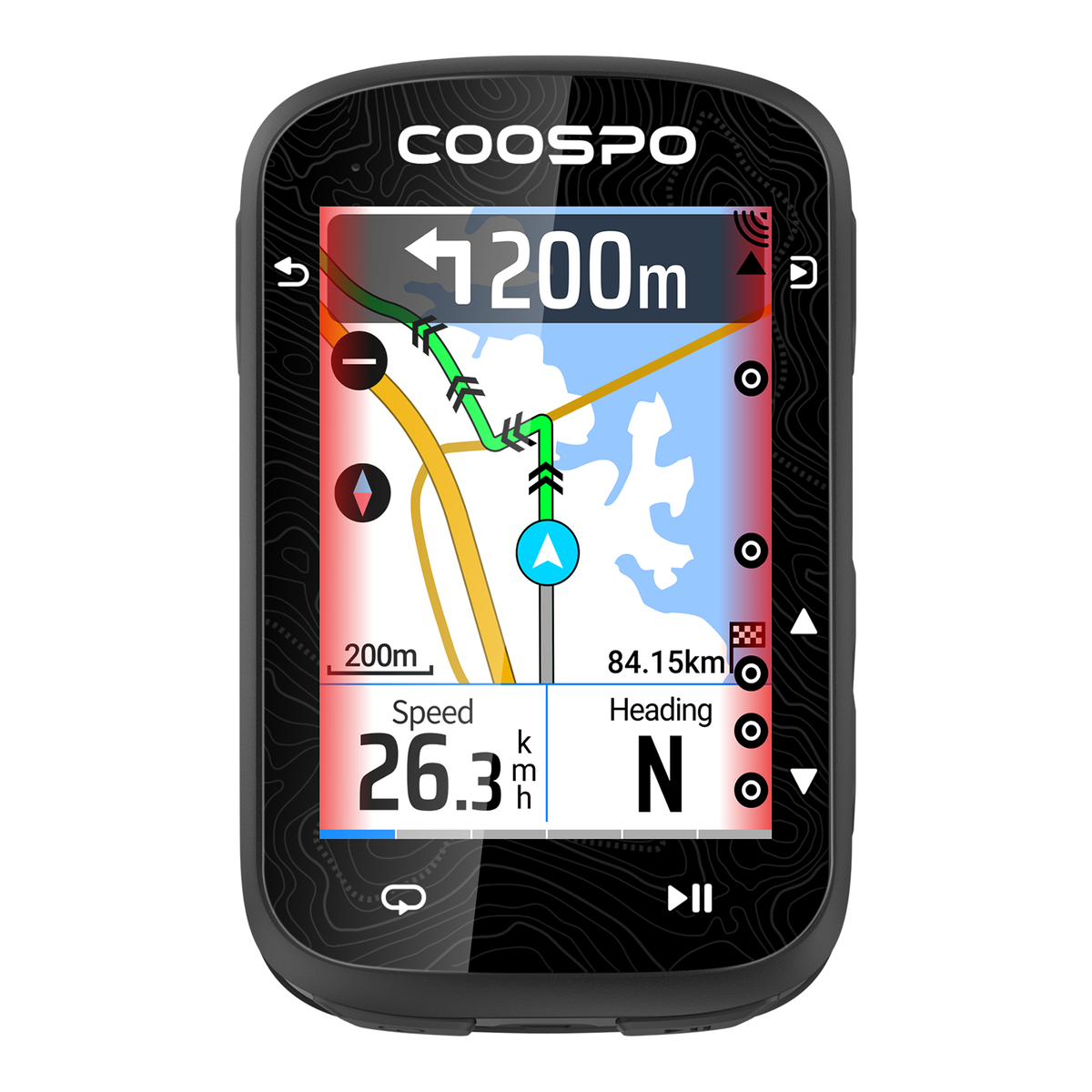
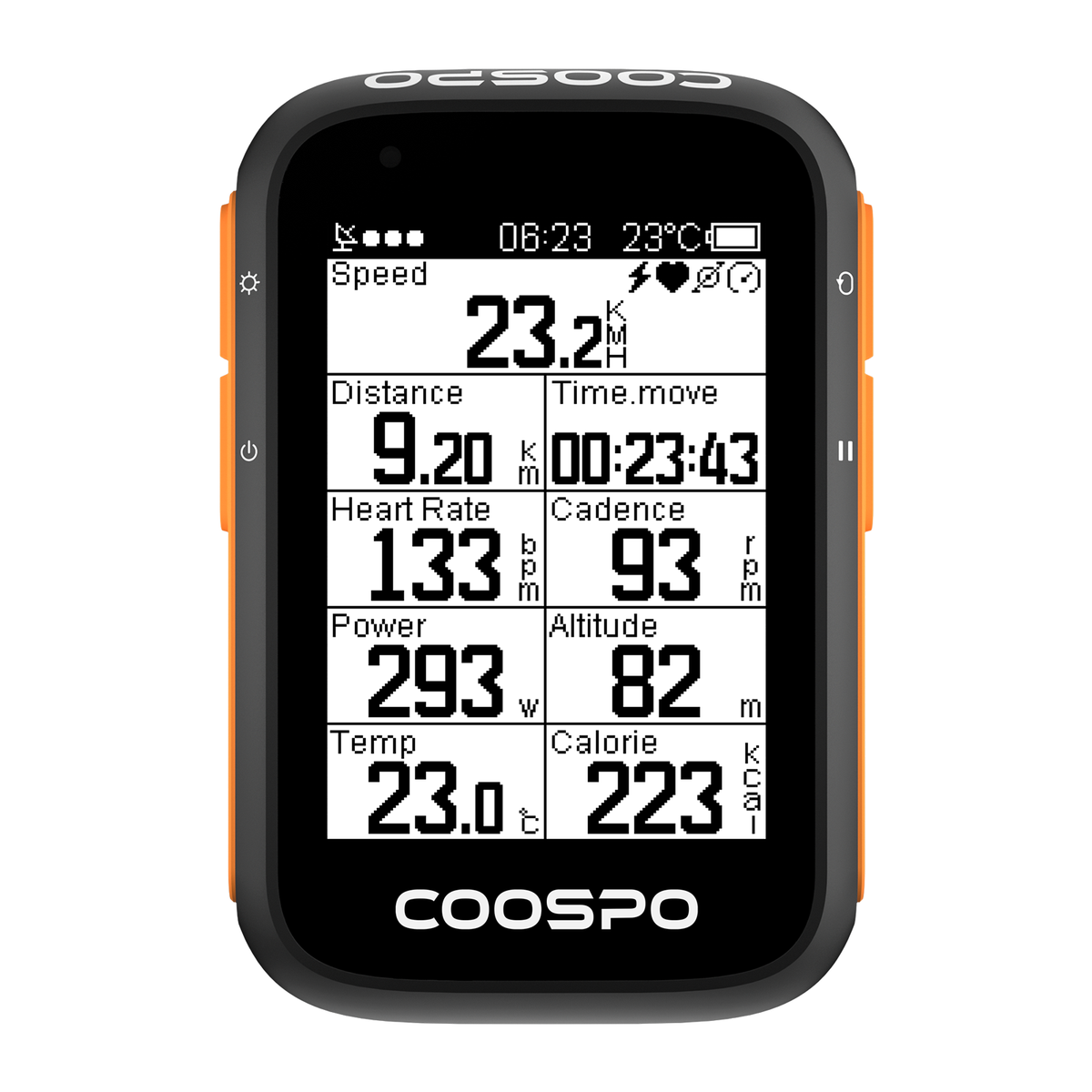
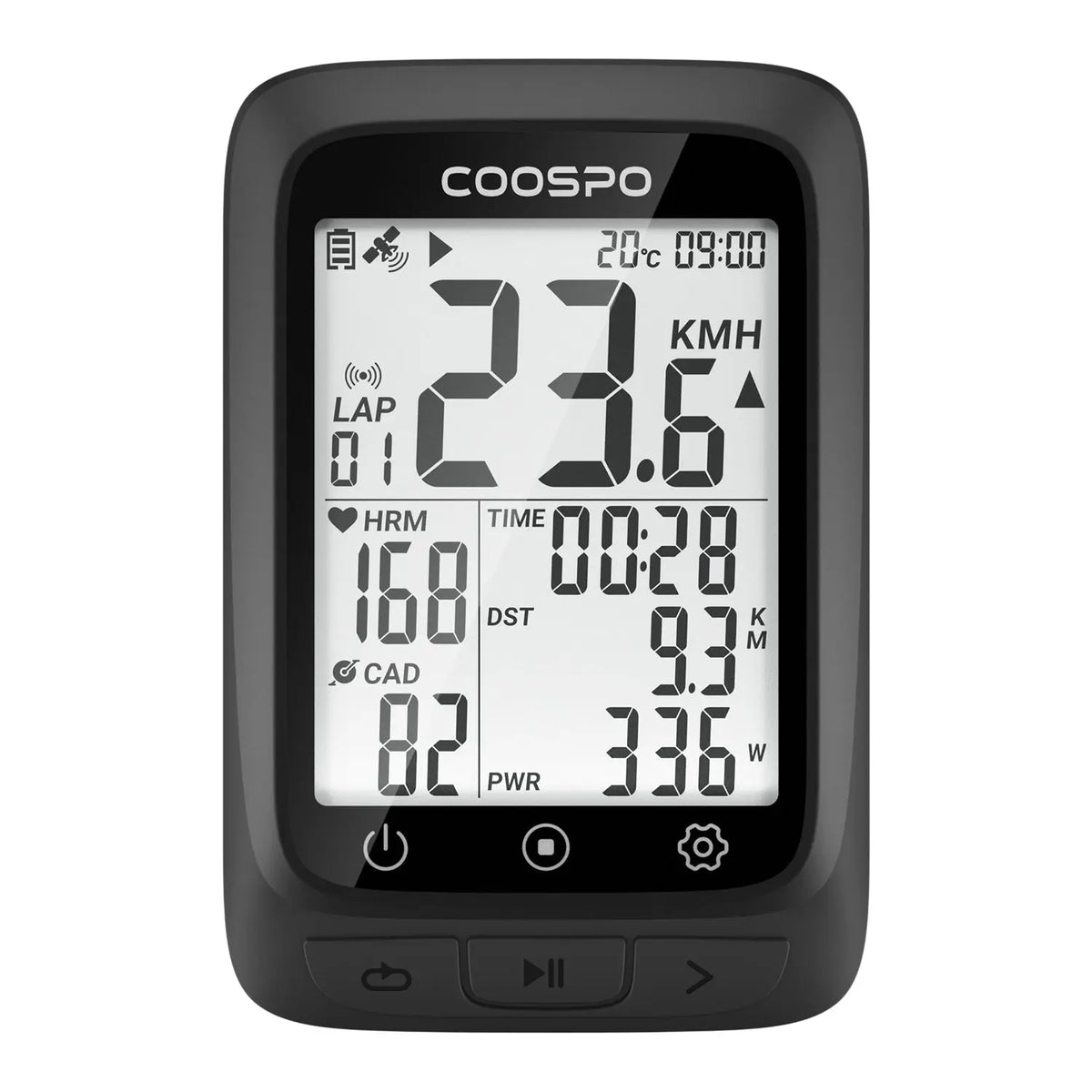
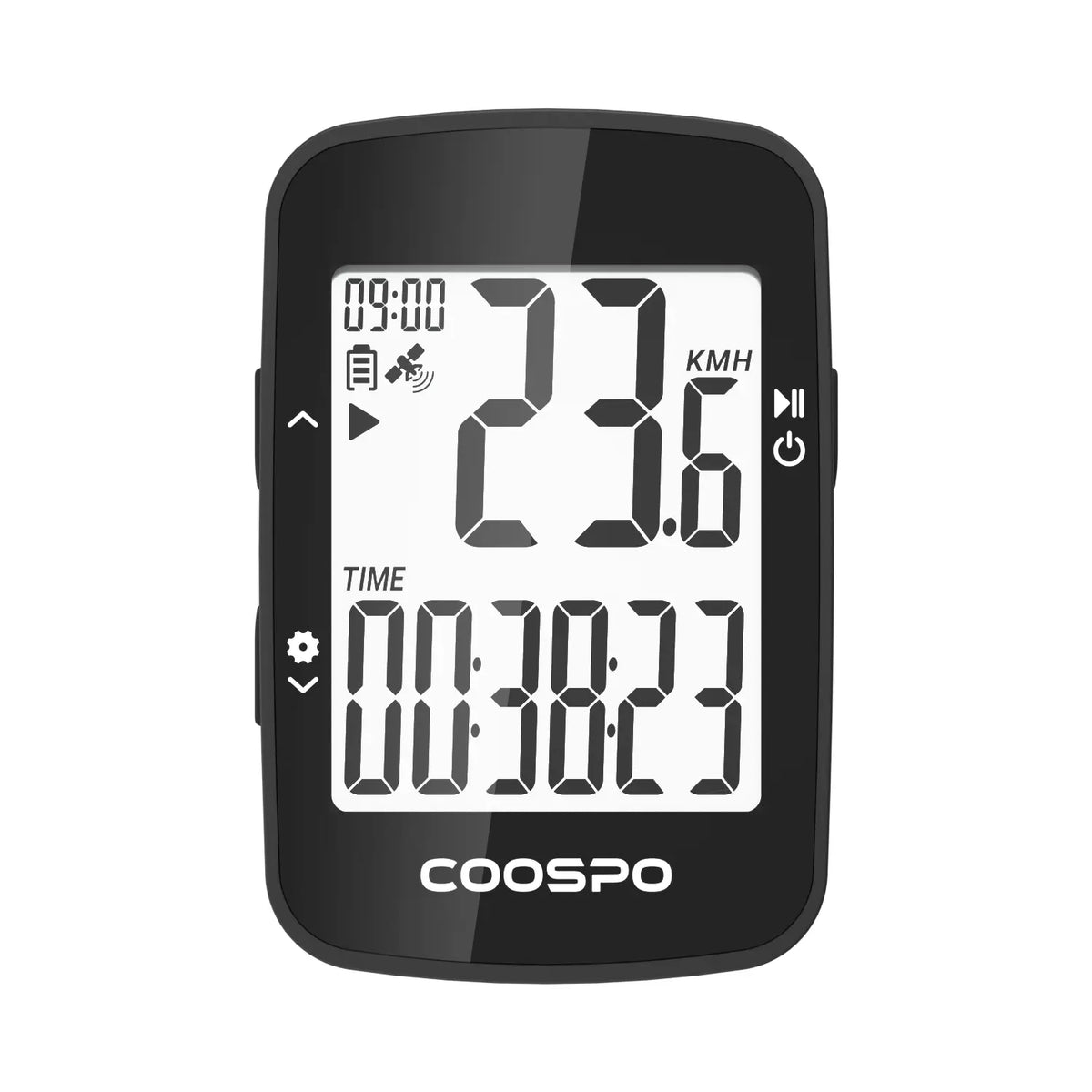
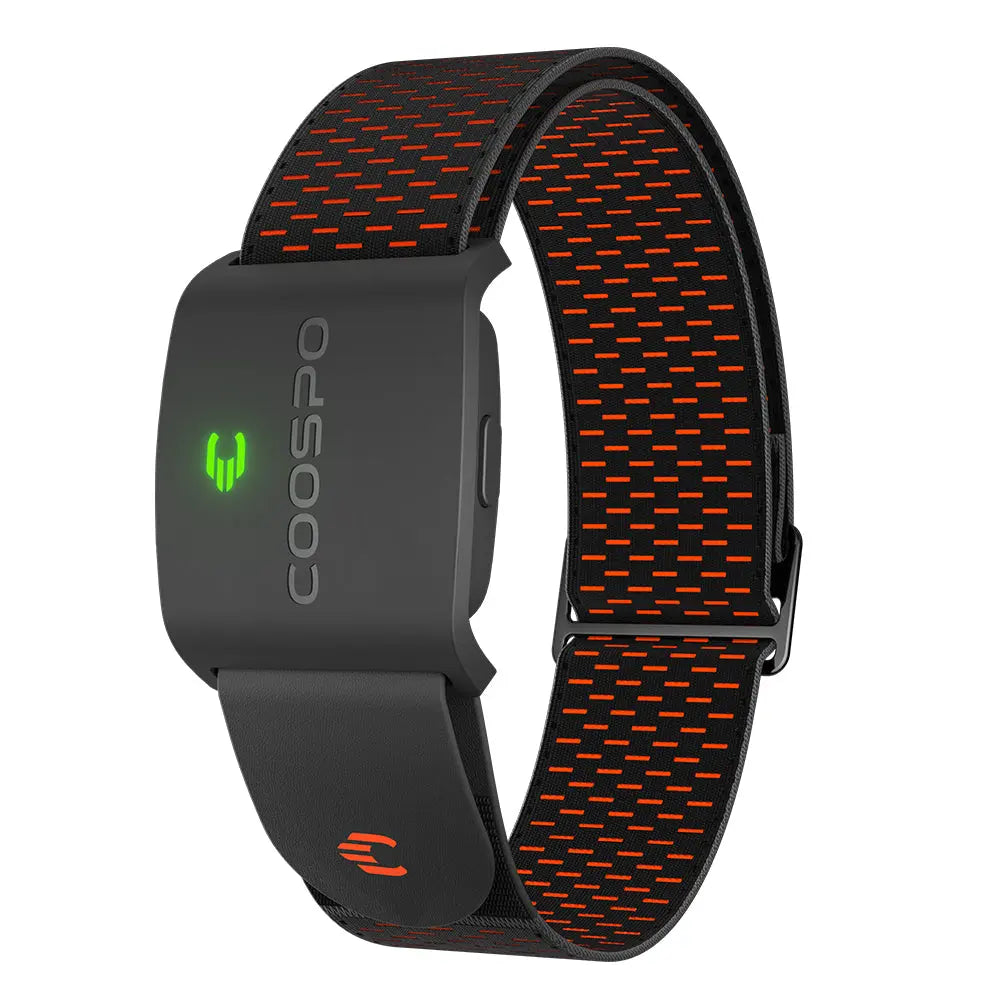
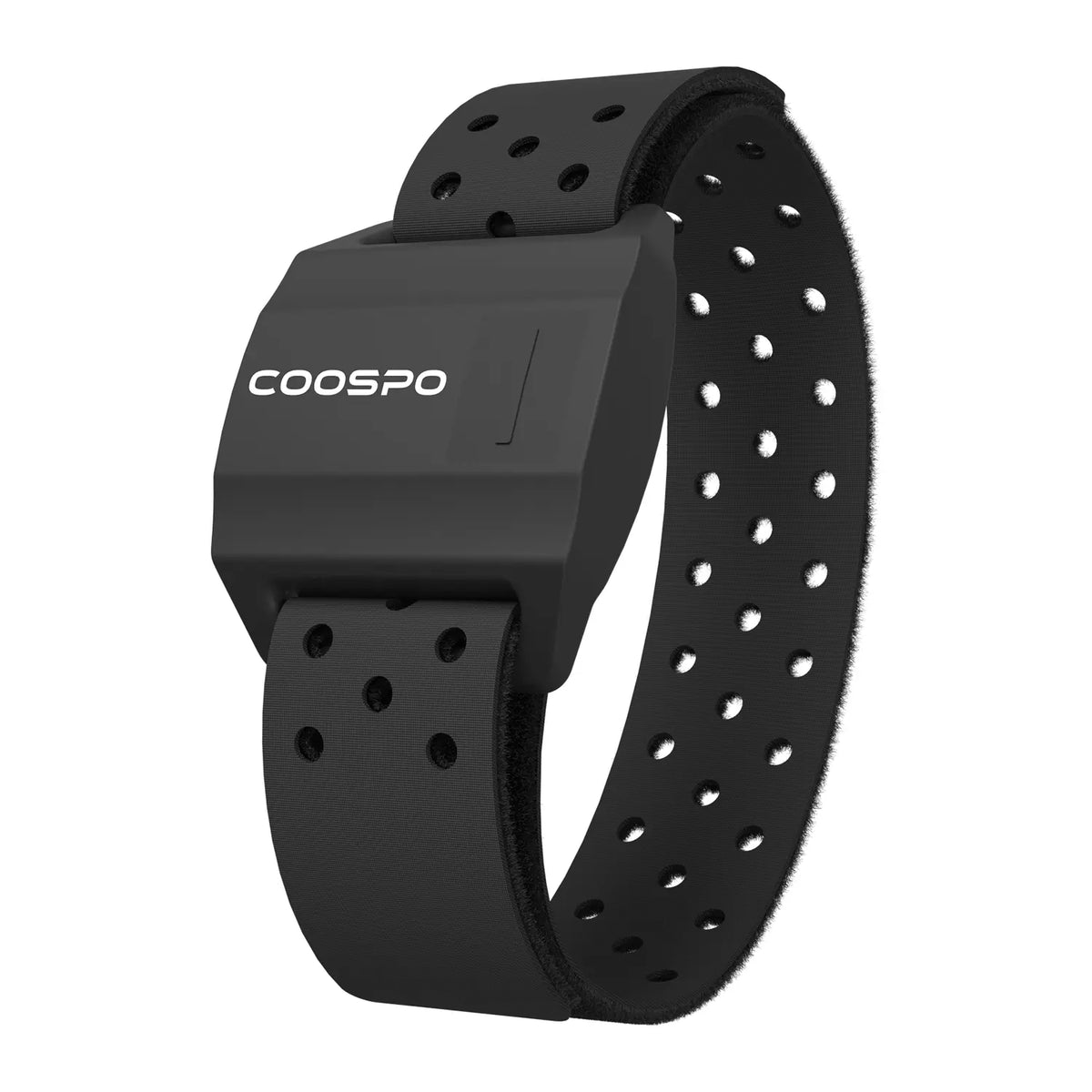
Après une longue course, prendre soin de son corps ne se limite pas à s'hydrater et à s'étirer. Suivre sa fréquence cardiaque permet de mieux comprendre l'effort fourni, de savoir quand le corps a réellement récupéré et d'optimiser sa prochaine sortie. Des appareils comme le


Laisser un commentaire
Ce site est protégé par hCaptcha, et la Politique de confidentialité et les Conditions de service de hCaptcha s’appliquent.