




























![[2 Pack] Coospo Breathable Neck Gaiter Face Scarf Mask COOSPO](http://www.coospo.com/cdn/shop/files/106de7b046babc03aa610173af6e31aa_599da3fe-9907-4b1e-8eb0-f08b3032720b.png?v=1720591174&width=1600)


![[4 Pack] Coospo Soft Breathable Chilly Towel, Microfiber Towel COOSPO](http://www.coospo.com/cdn/shop/files/1_904094cc-62ee-40e9-aa21-415effb385b4.png?v=1720527561&width=1600)

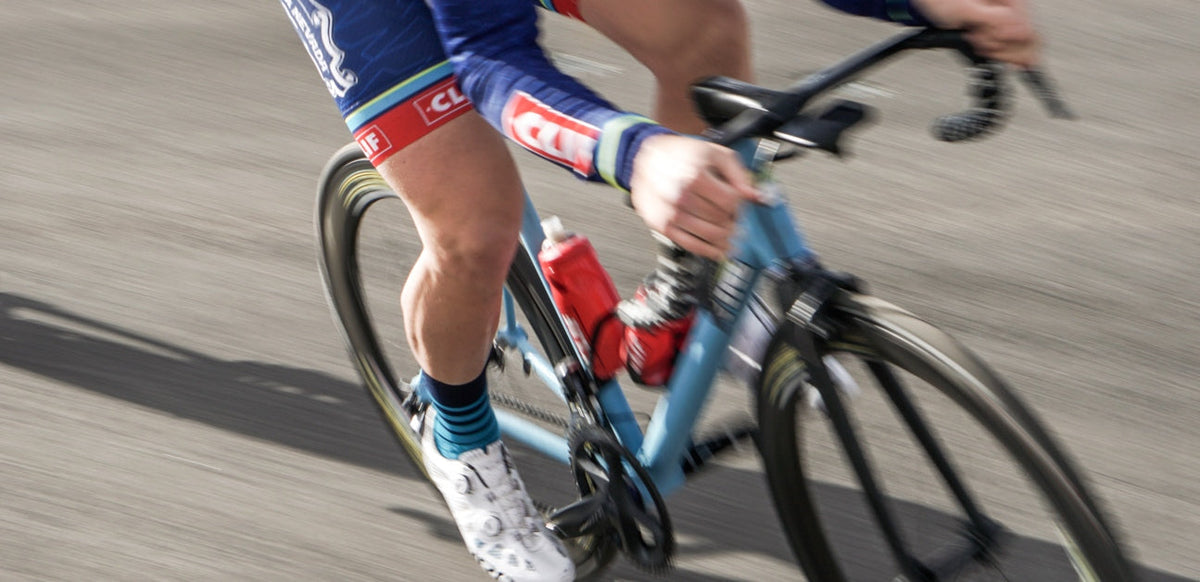
On qualifie souvent le cyclisme d'activité « uniquement cardio », un exercice pour l'endurance, la perte de poids ou une balade paisible au lever du soleil. Mais il suffit de regarder les jambes des cyclistes sur piste de haut niveau pour que cette idée reçue commence à vaciller. Alors, qu'en est-il vraiment ?
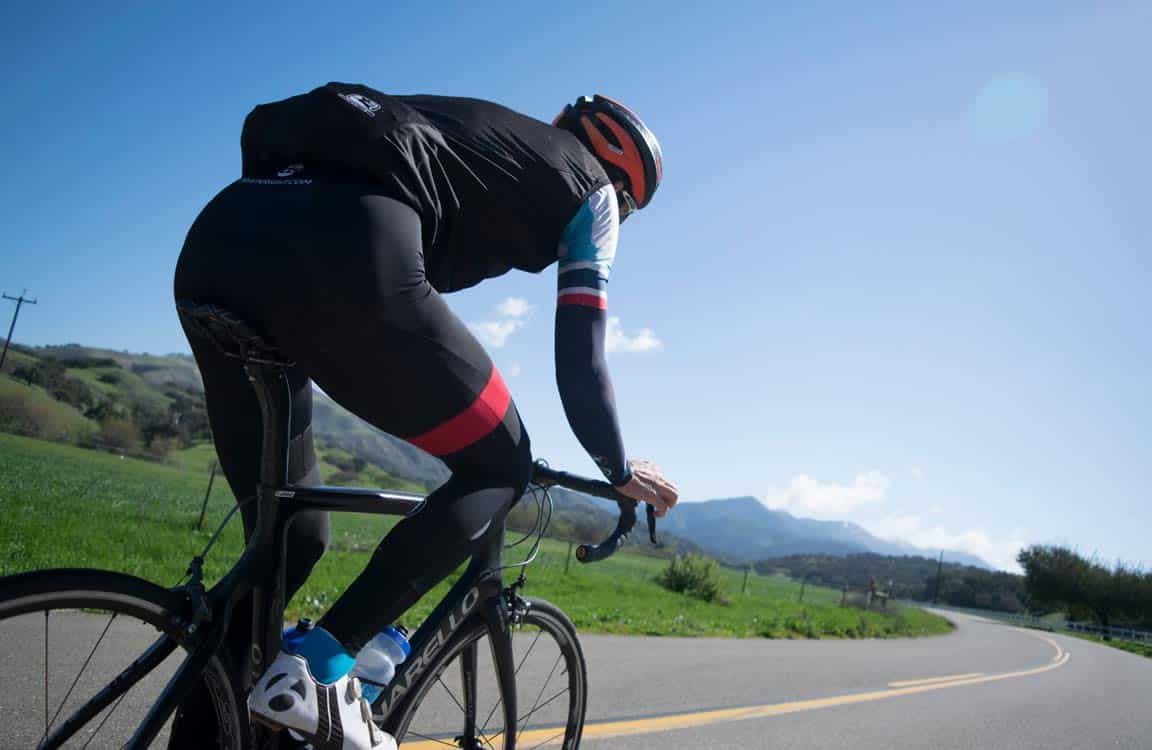
Le cyclisme permet-il réellement de développer les muscles ?
La réponse est un oui nuancé. Le cyclisme permet de développer les muscles, mais pas toujours comme on l'imagine. Pour comprendre pourquoi, il faut examiner le mécanisme de la croissance musculaire, le rôle du cyclisme dans ce processus et les stratégies que les cyclistes peuvent adopter pour optimiser leurs résultats.
Pourquoi les cyclistes devraient se soucier de développer leurs muscles et leur force
Des recherches récentes et des conseils d'entraînement montrent que l'ajout d'exercices de musculation à la pratique du cyclisme peut augmenter votre puissance de 4 à 7 % sans vous alourdir. Ce gain de performance est comparable à un coup de pouce invisible.
L'entraînement musculaire peut vous rendre plus performant à vélo en sollicitant des muscles que vous n'utilisez pas habituellement. Notre corps a évolué pour économiser de l'énergie ; il est donc inutile de conserver des muscles en excès. Si vous ne les utilisez pas, c'est comme un vieux manteau qui traîne au fond de votre placard : votre corps oublie de s'en servir.
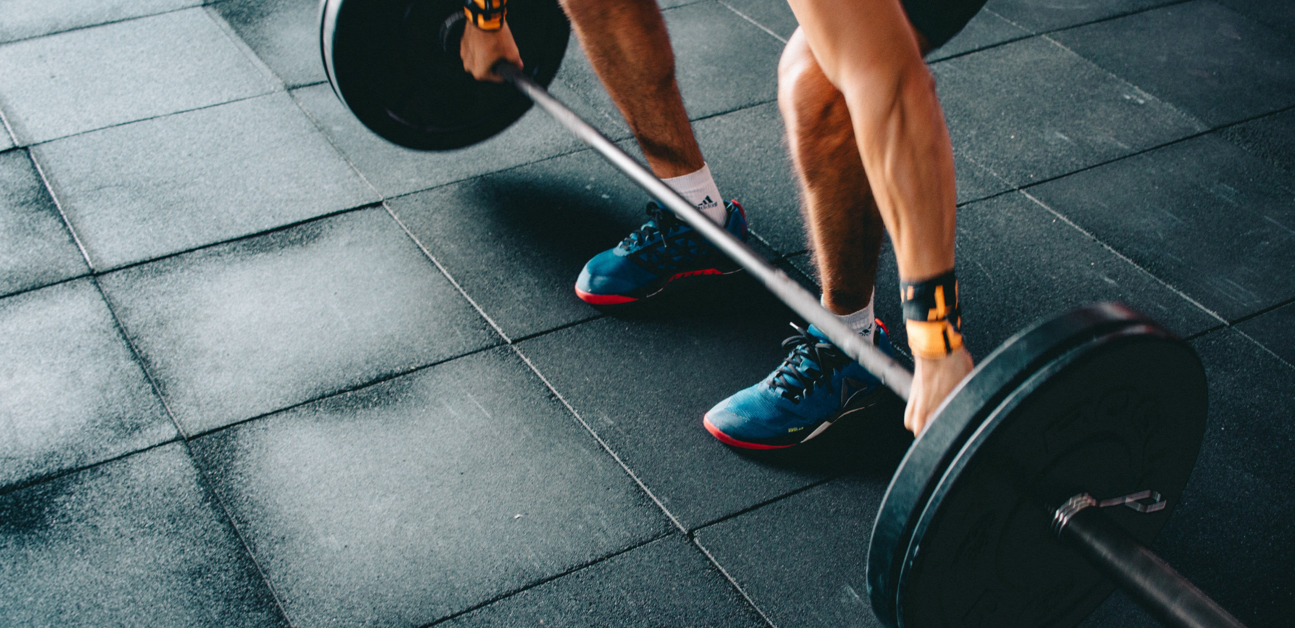
Soulever des poids sollicite vos muscles, et cet effort porte ses fruits lorsque vous gravissez une côte abrupte ou que vous sprintez. Plus vous sollicitez vos muscles, plus votre corps les utilise efficacement et plus il continuera à les utiliser.
Développer ses muscles vs développer sa force
Avant d'aborder l'impact du cyclisme sur vos muscles, il est utile de comprendre la différence entre développer sa masse musculaire et développer sa force. Ces deux notions ne sont pas totalement distinctes : en général, si vous vous concentrez sur le développement musculaire, vous gagnerez aussi en force, et inversement. Toutefois, il existe des différences importantes.
En général, des muscles plus développés permettent d'appliquer une force plus importante, mais ce n'est pas toujours le cas. Par exemple, un culturiste peut paraître très musclé, mais il n'est pas forcément plus fort qu'un haltérophile.
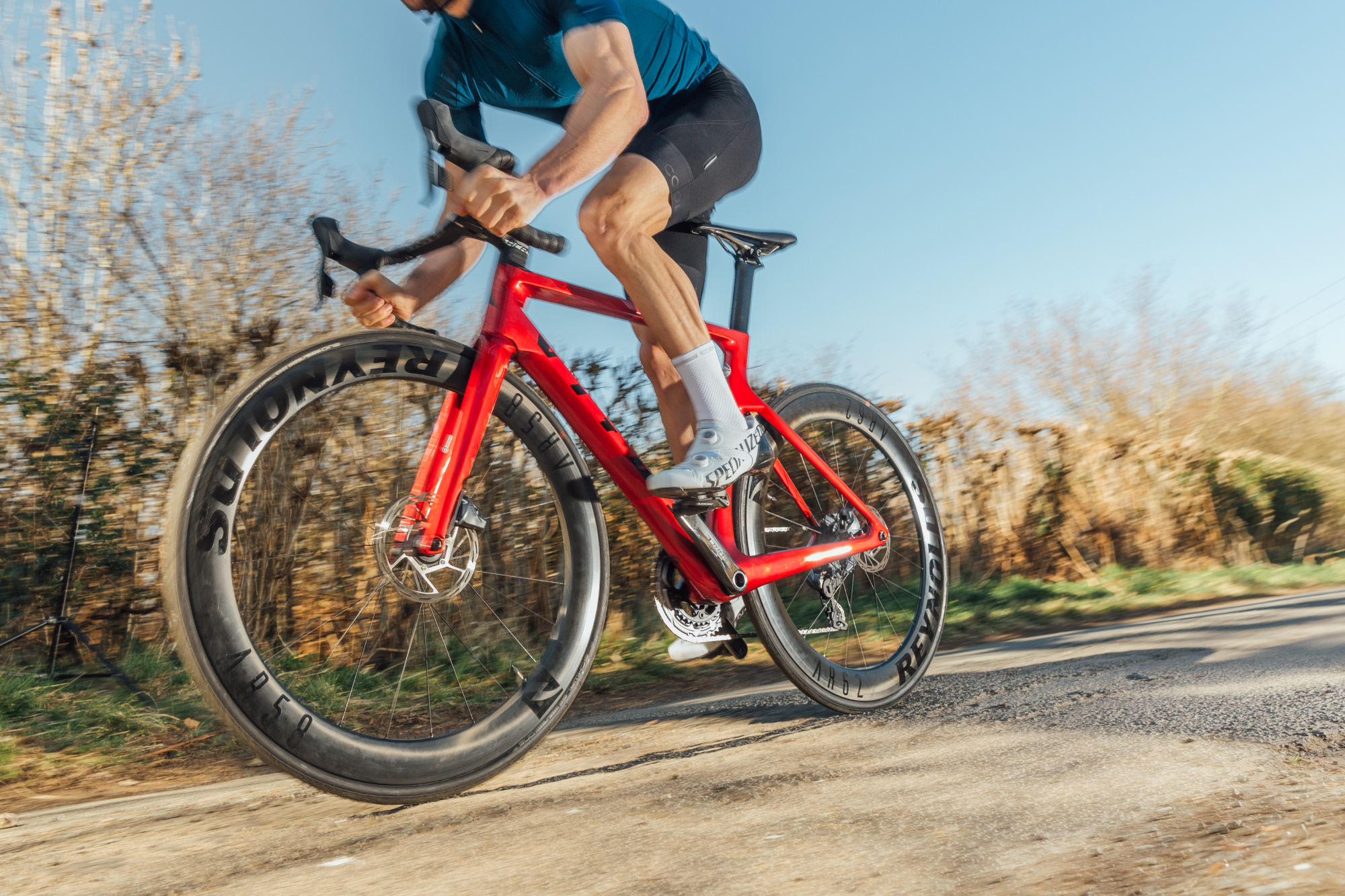
Si votre objectif est de développer votre masse musculaire (hypertrophie), soulevez la charge la plus lourde possible et effectuez 8 à 15 répétitions. En revanche, si vous travaillez votre force, c'est-à-dire la force que vous pouvez produire, concentrez-vous sur le fait de soulever la charge la plus lourde possible et d'effectuer 1 à 5 répétitions.
Si votre objectif est de développer votre puissance avec moins d'effort (et si vous lisez ceci, c'est probablement le cas), concentrez-vous sur le développement de votre force plutôt que sur l'augmentation de votre masse musculaire. L'entraînement de force est plus bénéfique aux athlètes d'endurance que l'entraînement d'hypertrophie, destiné aux culturistes.
Comment le cyclisme peut vous aider à développer vos muscles
Reconnaissons les mérites du cyclisme. Il peut tout à fait développer les muscles dans les bonnes conditions.
1. Il active les principaux groupes musculaires du bas du corps.
Le cyclisme est un véritable orchestre de muscles des jambes travaillant en rythme :
- Les quadriceps sont à l'origine du mouvement descendant.
- Les ischio-jambiers et les fléchisseurs de la hanche participent au mouvement ascendant.
- Les fessiers fournissent de la puissance
- Les mollets stabilisent et participent au mouvement
Cet engagement continu favorise le développement musculaire, notamment au niveau du bas du corps.
2. L'équitation à haute résistance stimule la croissance
Tous les cyclistes ne se valent pas.
Rouler à faible intensité sur des routes plates, c'est comme murmurer à ses muscles. Ils répondent poliment, mais ils ne se développent pas.
Cependant, lorsque vous :
- Gravir des collines
- Sprint
- Utiliser une haute résistance
- Effectuez un entraînement par intervalles
Vous créez ainsi la tension musculaire nécessaire à la croissance. Les efforts de haute intensité sollicitent davantage les systèmes énergétiques anaérobiques lors du cyclisme, lesquels sont plus étroitement associés aux stimuli favorisant la construction musculaire.
3.Des preuves scientifiques confirment l'hypertrophie induite par le cyclisme
Des recherches montrent que le cyclisme peut effectivement entraîner une hypertrophie musculaire. Une étude publiée dans Acta Physiologica Hungarica Il a été constaté que l'entraînement cycliste peut induire une croissance musculaire grâce à un meilleur équilibre des protéines musculaires.
Cela signifie que votre corps construit plus de protéines musculaires qu'il n'en dégrade, condition essentielle à la croissance.
4. Les débutants et les adultes plus âgés constatent de plus grands progrès.
Il est intéressant de noter que la croissance musculaire liée au cyclisme tend à être plus prononcée chez :
- Débutants
- Les personnes âgées
Pourquoi ? Parce que leur organisme est moins adapté, et même un effort cycliste modéré peut donc fortement stimuler leur croissance.
Pourquoi le cyclisme n'est pas le meilleur moyen de devenir plus fort ou de développer ses muscles
Si vous voulez que le cyclisme fasse plus qu'améliorer l'endurance, il faut revoir la recette.
1. Ajouter un entraînement de force
Il s'agit de la mise à niveau la plus efficace.
Des études montrent que combiner l'entraînement de résistance avec le cyclisme permet une meilleure croissance musculaire et des gains de force supérieurs à ceux obtenus avec le cyclisme seul.
Se concentrer sur:
- Squats
- Soulevés de terre
- Fentes
- Marches
Même une ou deux séances par semaine peuvent améliorer significativement les performances.
2. Utilisez l'entraînement par intervalles à haute intensité (HIIT)
Remplacez certains trajets réguliers par :
- Intervalles de sprint
- Hill répète
- Efforts à faible cadence et à haute résistance
Ces éléments créent la tension musculaire nécessaire à la croissance.
3. Augmenter la fréquence d'entraînement (de manière stratégique)
Les experts suggèrent de s'entraîner 3 à 4 fois par semaine avec des efforts soutenus pour stimuler le développement musculaire.
Mais l'équilibre est essentiel. Le surentraînement peut freiner les progrès plus vite qu'un pneu crevé.
4. Consommez suffisamment de protéines et de calories.
La croissance musculaire ne se produit pas sans carburant.
Prioriser :
- apport en protéines
- Apport calorique adéquat
- Nutrition de récupération après l'effort
Sans cela, votre corps risque de privilégier l'adaptation à l'endurance plutôt que la croissance musculaire.
5. Surcharge progressive du vélo
Oui, même à vélo, on peut appliquer une surcharge progressive :
- Augmenter la résistance
- Ajouter plus d'intervalles
- Prolonger la durée de haute intensité
Vos muscles ont besoin d'une raison pour s'adapter.
6. Ne négligez pas le rétablissement
Les muscles se développent pendant la récupération, pas pendant l'effort.
Le sommeil, les jours de repos et une bonne alimentation sont tout aussi importants que l'intensité de l'entraînement.
Comment optimiser les effets du cyclisme sur la prise de masse musculaire
Pour améliorer vos performances à vélo, effectuez des ascensions courtes et intenses ainsi que des sprints. Ces exercices sollicitent vos fibres musculaires à contraction rapide (type II).
Commencez par un échauffement à vélo facile. Trouvez ensuite une côte très raide et effectuez des sprints. Donnez tout pendant 10 à 15 secondes, en visant une cadence de 60 à 80 coups de pédale par minute (tr/min). Après chaque sprint, reposez-vous 3 à 5 minutes. Répétez l'exercice trois fois de plus, pour un total de quatre sprints.
Le temps de récupération entre les intervalles peut paraître long, mais c'est normal. L'objectif est de développer la force, pas de s'épuiser. Laisser à votre corps le temps de récupérer pleinement vous permet d'aborder l'intervalle suivant avec le même niveau d'effort, ce qui favorise le renforcement musculaire. Sans cette récupération, vous surchargez surtout votre système cardiorespiratoire.
L'élément principal à surveiller est votre niveau d'effort perçu (RPE), qui devrait être de 10 sur 10 – soit un effort maximal. Les intervalles courts sont trop brefs pour que votre fréquence cardiaque s'adapte ; essayer d'atteindre une zone de puissance spécifique pourrait donc vous empêcher de fournir un effort aussi intense que vous le pourriez.
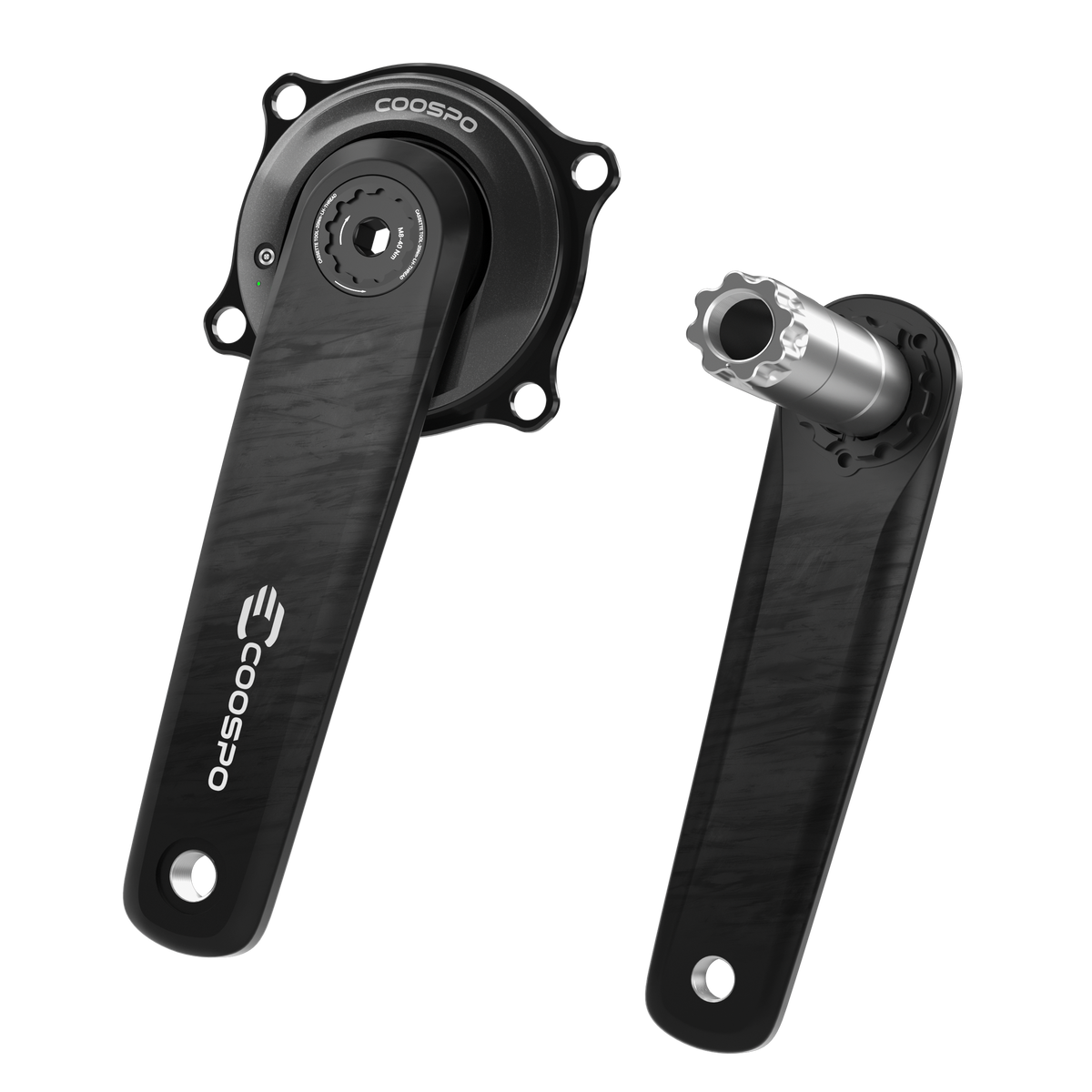
C’est là qu’un wattmètre devient particulièrement utile. Des appareils comme le

Même un entraînement intensif ne vous permettra pas de développer vos muscles si vous ne mangez pas suffisamment. Il est donc essentiel de consommer beaucoup de protéines. Sans un apport suffisant en protéines, votre corps puisera dans ses réserves d'autres nutriments, ce qui n'est pas souhaitable.




Laisser un commentaire
Ce site est protégé par hCaptcha, et la Politique de confidentialité et les Conditions de service de hCaptcha s’appliquent.