













![[2 Pack] Coospo Breathable Neck Gaiter Face Scarf Mask COOSPO](http://www.coospo.com/cdn/shop/files/106de7b046babc03aa610173af6e31aa_599da3fe-9907-4b1e-8eb0-f08b3032720b.png?v=1720591174&width=1600)


![[4 Pack] Coospo Soft Breathable Chilly Towel, Microfiber Towel COOSPO](http://www.coospo.com/cdn/shop/files/1_904094cc-62ee-40e9-aa21-415effb385b4.png?v=1720527561&width=1600)

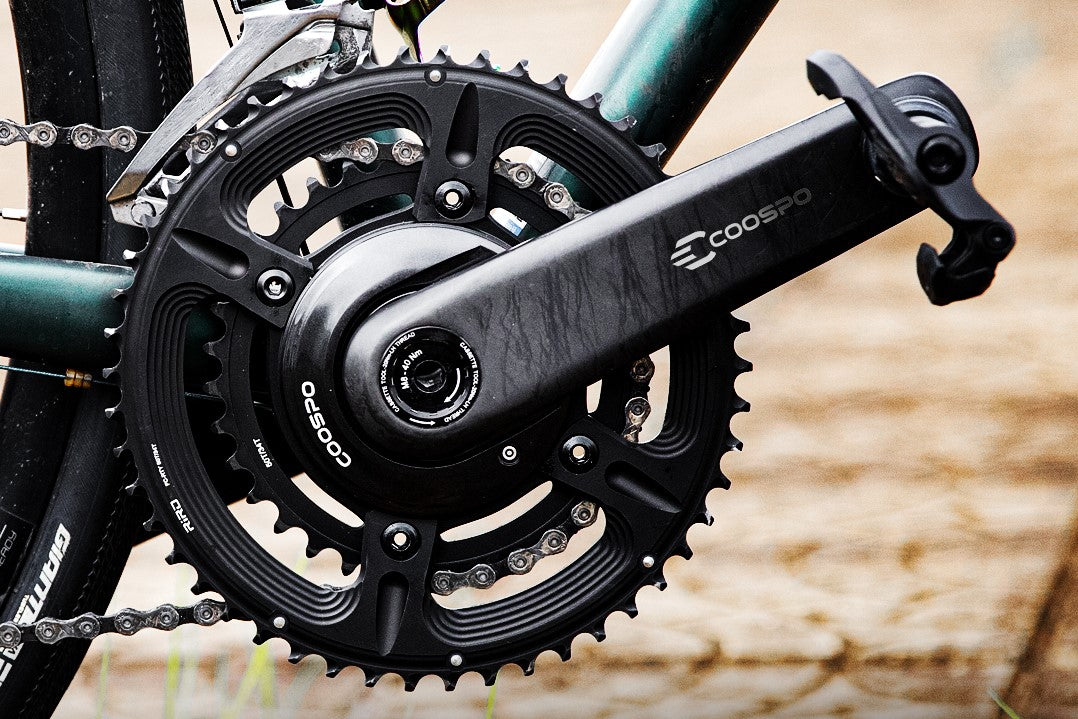
Les capteurs de puissance ont révolutionné le cyclisme moderne. Autrefois réservée aux équipes professionnelles et aux laboratoires de recherche, cette méthode d'entraînement est désormais accessible à presque tous les cyclistes, du cyclotouriste du dimanche au compétiteur de haut niveau. S'entraîner avec un capteur de puissance permet aux athlètes de mesurer objectivement leur charge de travail, de gérer leurs efforts avec plus de précision et de suivre l'évolution de leurs performances. Pourtant, nombreux sont les cyclistes qui achètent un capteur de puissance sans bien comprendre son fonctionnement ni comment interpréter les données recueillies.

Un capteur de puissance n'est pas un simple appareil affichant des watts sur un écran. C'est un outil de mesure qui reflète l'interaction entre le cycliste, le vélo et l'environnement. Comprendre les principes de la mesure de la puissance est essentiel pour s'entraîner efficacement sans se laisser submerger par les chiffres.
Qu'est-ce que le « vrai pouvoir » ?
La « puissance réelle » désigne la puissance que vous produisez réellement en fonction de votre effort. En cyclisme, on la mesure en watts, qui décrivent le travail effectué par unité de temps. Un watt équivaut à un joule par seconde, et un joule est l'énergie nécessaire pour qu'une force d'un newton déplace un objet d'un mètre.
À vélo, la puissance se calcule en multipliant la force exercée sur les pédales par la cadence de rotation des manivelles. Autrement dit, c'est la force de pédalage multipliée par la cadence.
En pratique, mesurer la puissance d'un cycliste à vélo est plus complexe qu'il n'y paraît, car de nombreux facteurs influencent la valeur affichée. Le lieu de mesure, l'équipement lui-même et les conditions de pratique peuvent tous avoir un impact sur le résultat. Même au sein d'un même appareil de mesure, les différences entre les jauges de contrainte et les algorithmes de conversion de leurs signaux en watts peuvent modifier la précision avec laquelle l'appareil reflète la puissance réelle.
La cohérence est plus importante que l'exactitude.
L'une des plus grandes idées fausses en matière de technologie cycliste est que la précision absolue est primordiale. Les cyclistes comparent souvent les appareils de manière obsessionnelle :
« Mon home trainer indique 250 watts. » « Mes pédales indiquent 257 watts. » « Laquelle est correcte ? »
En termes de formation pratique, cette différence importe très peu.
Un capteur de puissance qui affiche systématiquement une valeur supérieure de 3 % reste extrêmement utile car les zones d'entraînement du cycliste demeurent stables. Si les intervalles au seuil, les sorties d'endurance et l'allure de compétition sont tous basés sur le même système de mesure, la progression peut être suivie efficacement.
Lorsque vous souhaitez comparer les données de plusieurs capteurs de puissance, des problèmes peuvent survenir. Ce phénomène est fréquent chez les cyclistes qui s'entraînent en extérieur et utilisent un home trainer. Si vous constatez une différence significative entre les mesures du capteur de puissance de votre vélo et celles de votre home trainer, vous pouvez utiliser les deux appareils simultanément lors d'un entraînement en intérieur afin de confirmer ou d'infirmer rapidement vos soupçons.
Les conditions météorologiques peuvent avoir une incidence significative sur certains compteurs d'énergie.
Les cyclistes pensent parfois que les capteurs de puissance sont insensibles aux conditions environnementales, mais les jauges de contrainte sont des instruments sensibles. Les variations de température peuvent influencer la dilatation et la contraction des matériaux, ce qui affecte la mesure de la force.
Les capteurs de puissance de première génération étaient particulièrement sensibles aux variations de température. Les cyclistes constataient souvent des pics de puissance irréalistes ou des variations des valeurs de référence lors de longues sorties. Les systèmes modernes intègrent désormais une compensation automatique de la température, mais les conditions météorologiques restent un facteur important.
Les systèmes à pédales sont naturellement plus exposés aux chocs et aux contraintes environnementales que les systèmes à axe ou à araignée. La boue, l'eau et les débris routiers peuvent compliquer davantage le fonctionnement des capteurs externes.
Cela ne signifie pas que les données extérieures sont peu fiables. Cela signifie simplement que les cyclistes doivent comprendre que les conditions environnementales font partie intégrante du processus de mesure.Les bonnes pratiques comprennent :
permettre au capteur de puissance de s'adapter à la température extérieure avant de rouler
mise à jour régulière du firmware
vérification de l'état de la batterie
étalonnage périodique du zéro
Des données fiables commencent par des conditions de fonctionnement stables.
Emplacement de la mesure de puissance
Le lieu où la puissance est mesurée modifie à la fois l'expérience de conduite et les caractéristiques des données elles-mêmes.
Capteurs de puissance intégrés aux pédales Ces capteurs mesurent la force au plus près des pieds du cycliste. De ce fait, ils sont souvent privilégiés par les cyclistes intéressés par l'analyse de l'équilibre gauche-droite ou par ceux qui utilisent fréquemment des capteurs de puissance sur plusieurs vélos.
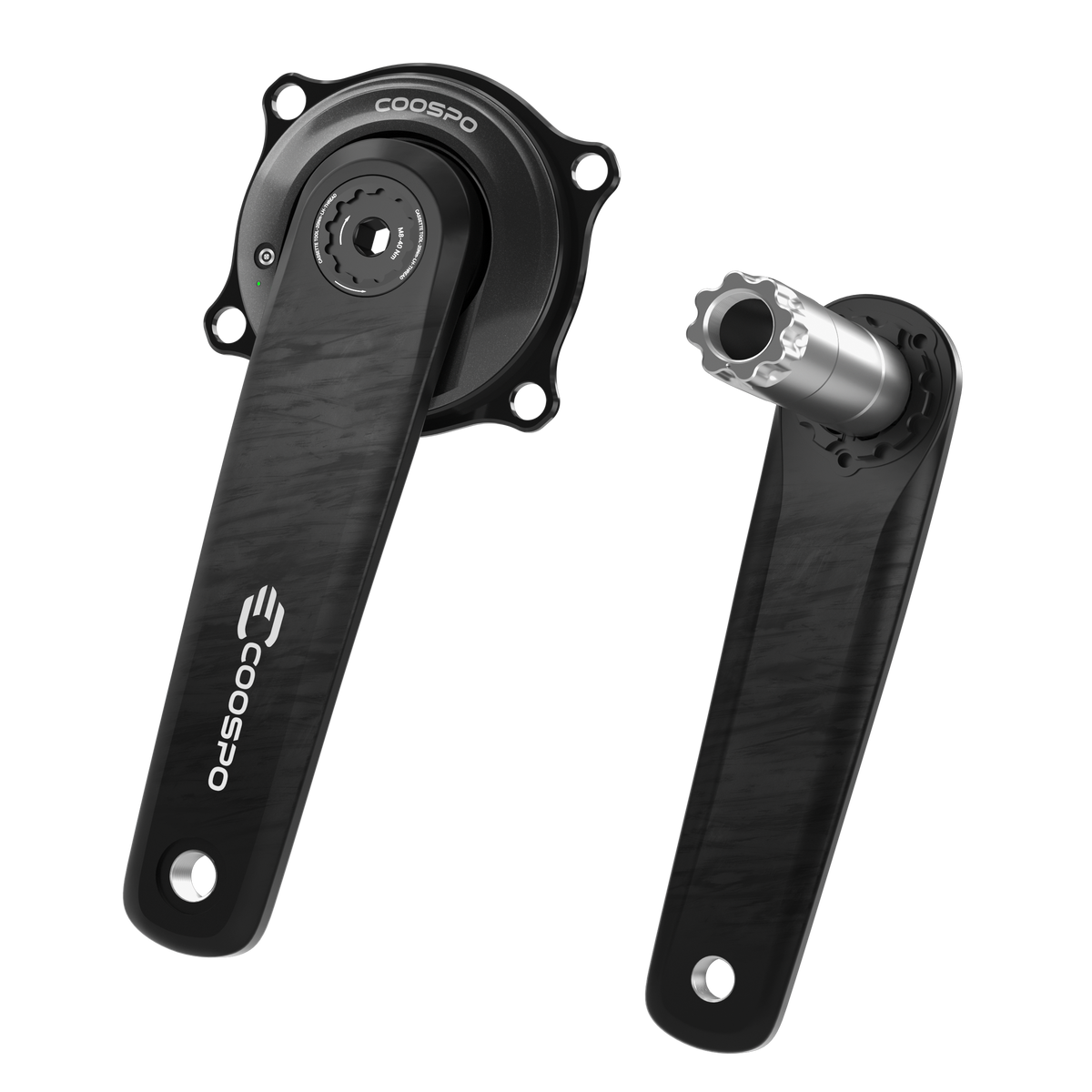
Manivelle Ces systèmes placent les jauges de contrainte directement sur le bras de manivelle. Les versions unilatérales sont particulièrement appréciées car elles sont légères, abordables et relativement faciles à installer.
À base de broche Ces systèmes intègrent l'électronique à l'intérieur de l'axe du pédalier. Ces conceptions offrent souvent une excellente protection contre les intempéries et les chocs, tout en conservant une apparence soignée.
basé sur les araignées Ces systèmes mesurent la force au point de jonction des manivelles et des plateaux. À cet endroit, la force des deux jambes se combine naturellement avant d'être transmise à la transmission. Comme la mesure intervient après la convergence des forces, les systèmes à étoile sont souvent appréciés pour leur constance et leur stabilité, quelles que soient les conditions de pratique.

Un bon exemple en est le
Les capteurs de puissance intégrés aux moyeux mesurent la force exercée sur la roue arrière après les pertes de transmission. Bien que moins courants aujourd'hui, ces systèmes ont historiquement acquis une solide réputation de fiabilité et de constance.
Le meilleur capteur de puissance n'est pas forcément celui qui affiche la plus grande précision. C'est celui qui correspond le mieux aux besoins d'entraînement et aux habitudes de pratique du cycliste.
Simple face ou double face
Le débat entre les capteurs de puissance unilatéraux et bilatéraux reste l'un des sujets les plus discutés dans le domaine de la technologie cycliste.
Les systèmes unilatéraux mesurent la puissance d'une seule jambe, puis doublent la valeur pour estimer la puissance totale. Pour de nombreux cyclistes, cette méthode fonctionne étonnamment bien car la symétrie du pédalage lors d'efforts constants est souvent relativement stable.
Le principal avantage des systèmes unilatéraux réside dans leur prix abordable. Ils constituent un investissement plus facile pour les cyclistes débutant un entraînement basé sur la puissance, tout en fournissant des données très utiles pour des séances d'entraînement structurées.
Cependant, le corps humain est rarement parfaitement symétrique. Les systèmes bilatéraux mesurent chaque jambe indépendamment, ce qui permet d'obtenir une représentation plus précise de la puissance totale ainsi que des données supplémentaires relatives à l'équilibre et à l'efficacité du pédalage.
Pour la plupart des cyclistes, la régularité et un entraînement structuré sont bien plus importants qu'une analyse d'équilibre parfaite. Un système unilatéral fiable est largement suffisant pour un entraînement d'endurance efficace dans la majorité des situations.
Étalonnage et étalonnage du zéro
L'étalonnage est l'un des aspects les moins glamour, mais aussi les plus importants, d'une utilisation correcte d'un capteur de puissance.
La plupart des systèmes nécessitent un étalonnage périodique du décalage zéro, souvent appelé « mise à zéro ». Ce processus établit la mesure de référence qui indique au capteur de puissance à quoi ressemble la force nulle avant le début du pédalage.
Sans un étalonnage correct, les mesures peuvent dériver car l'appareil perd son point de référence.
Heureusement, les compteurs de vélo modernes rendent le calibrage relativement simple.Dans la plupart des cas, les cyclistes n'ont besoin que de quelques secondes avant le départ pour terminer la procédure.
L'étalonnage devient particulièrement important après :
Changements importants de température, transport du vélo, remplacement des batteries, réinstallation des pédales ou des manivelles, mises à jour du micrologiciel
Les cyclistes qui négligent totalement l'étalonnage créent souvent, sans s'en rendre compte, des incohérences inutiles dans leurs données d'entraînement.
La puissance est-elle un indicateur fiable ?
La puissance est souvent un indicateur fiable, mais elle n'est pas parfaite. Si vous avez besoin d'une référence absolue, un capteur de puissance présente des limites, notamment pour comparer des données entre différents vélos ou entre des sorties en intérieur et en extérieur.
La puissance est l'une des mesures d'entraînement les plus objectives, mais elle n'est pertinente que lorsqu'on compare des sorties enregistrées avec le même capteur de puissance. Si vous comparez vos fichiers avec ceux de vos amis, les chiffres exacts importent beaucoup moins, car chaque appareil peut mesurer la puissance réelle de manière légèrement différente.
Lorsque les cyclistes tentent d'évaluer leur forme actuelle en la comparant à d'anciennes sorties enregistrées avec un capteur de puissance différent, les résultats peuvent être difficiles à comparer après une période d'inactivité et un changement de matériel. Si l'on ne s'y attend pas, ce décalage peut être décourageant.
Les données relatives à la fréquence cardiaque conservent toute leur valeur.
Les données de fréquence cardiaque restent très utiles aujourd'hui. Les variations quotidiennes du sommeil, de l'alimentation, du stress et de la charge d'entraînement cumulée peuvent toutes affecter la puissance d'un cycliste à vélo, et la fréquence cardiaque permet de mieux comprendre ces fluctuations.
Analyser la puissance en parallèle de la fréquence cardiaque permet d'obtenir une image plus complète de la performance. Si votre puissance reste constante d'un jour à l'autre tandis que votre fréquence cardiaque varie considérablement, cela suggère que l'effort fourni par votre corps pour produire cette puissance a également changé.
Lorsque vous êtes fatigué, déshydraté ou soumis à un stress important, votre fréquence cardiaque en est généralement le reflet : elle réagit plus lentement aux variations d’effort et reste plus élevée que la normale. Cela n’affecte pas la puissance que vous développez, mais fournit un contexte utile et permet d’ajuster votre entraînement de manière plus pertinente et basée sur les données.

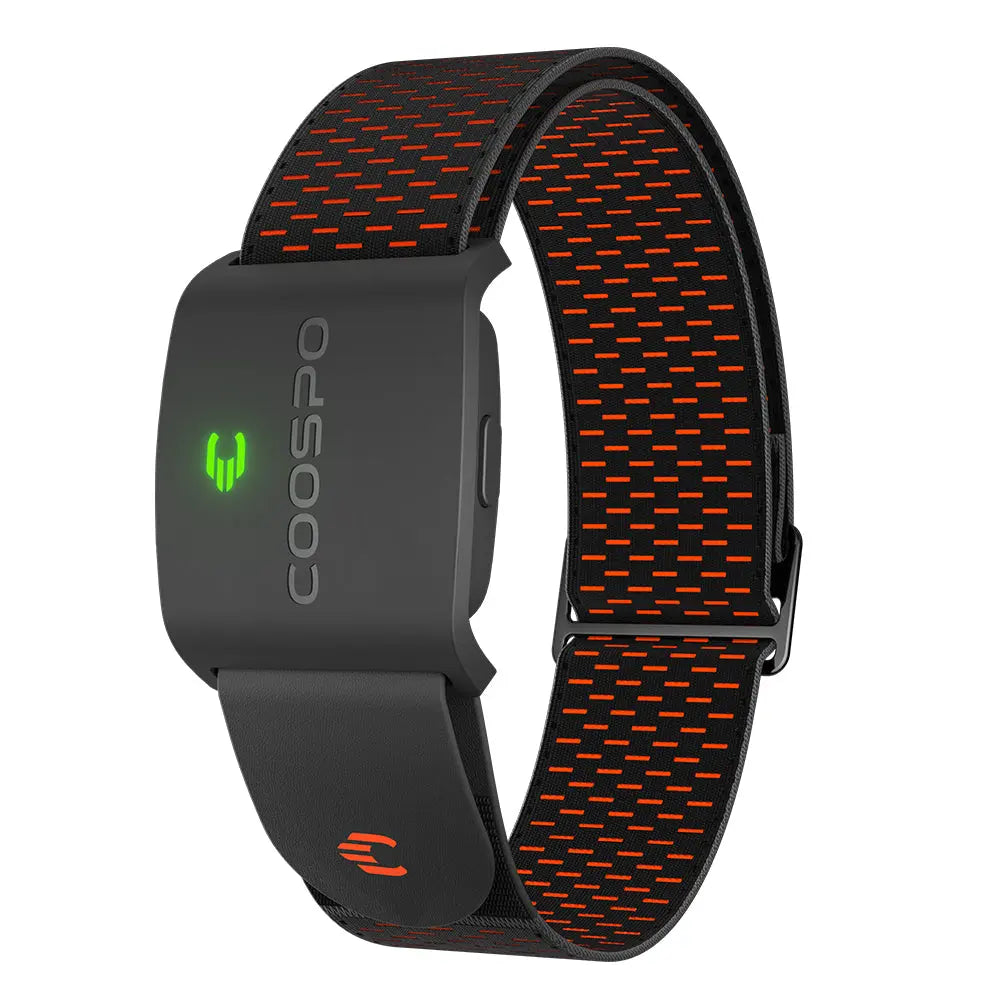
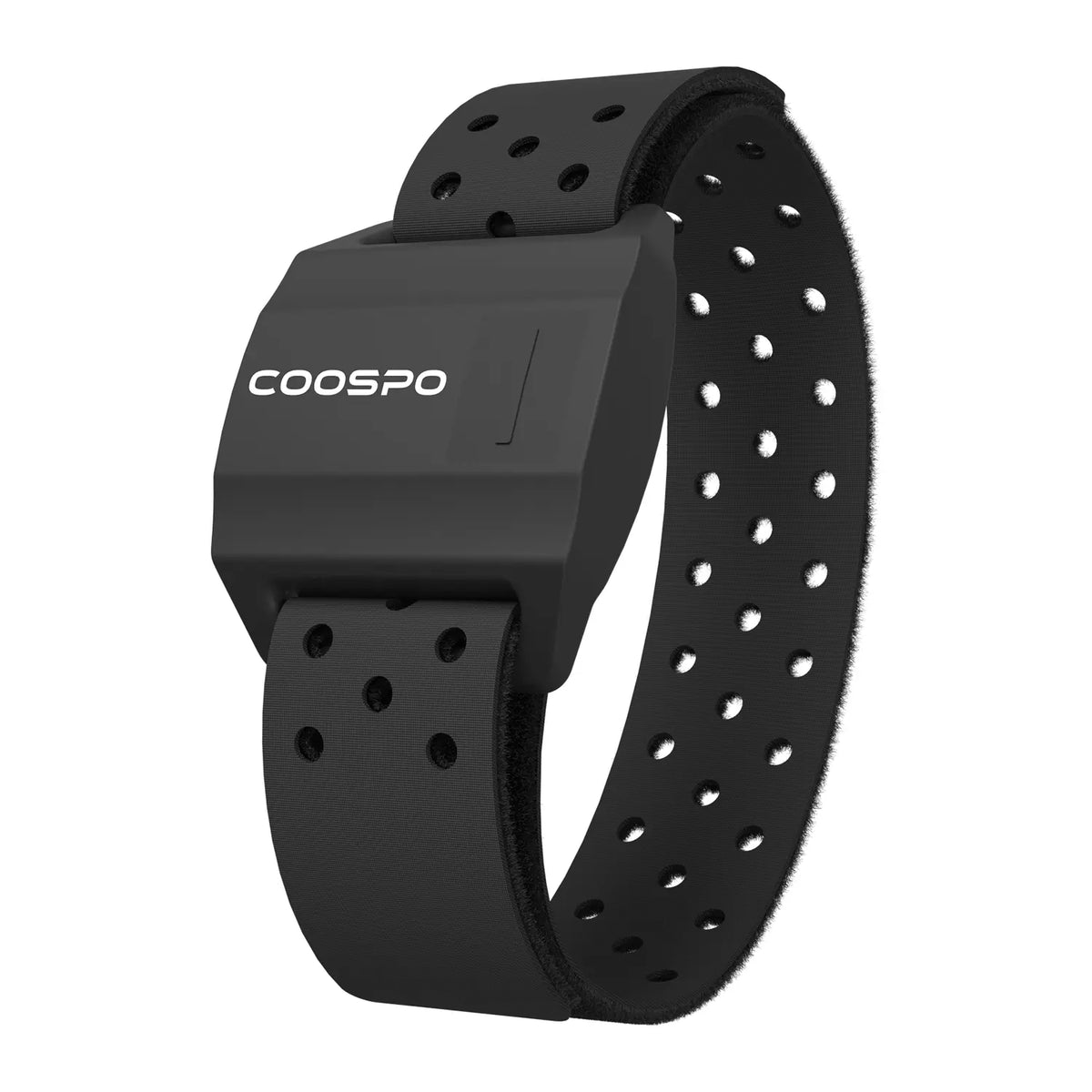
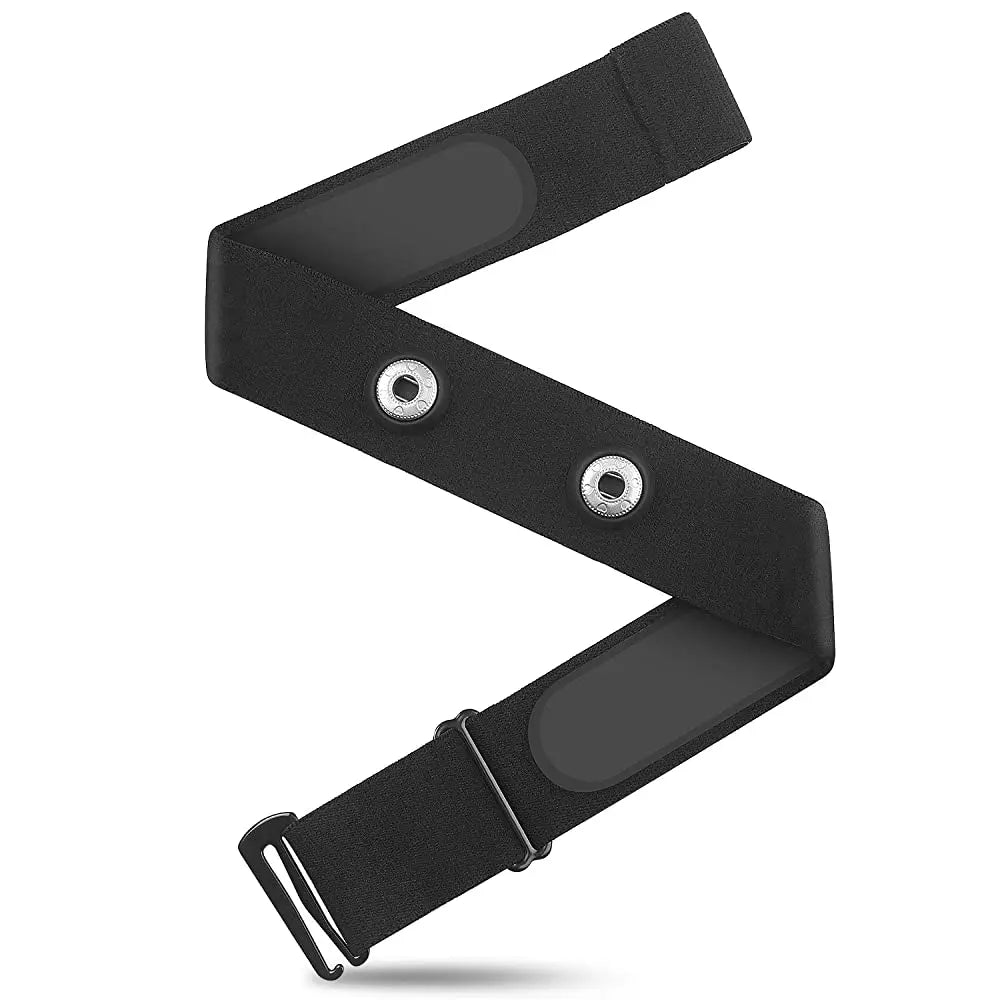
C’est pourquoi de nombreux entraîneurs recommandent d’associer un capteur de puissance à un cardiofréquencemètre fiable. Des appareils tels que…



Laisser un commentaire
Ce site est protégé par hCaptcha, et la Politique de confidentialité et les Conditions de service de hCaptcha s’appliquent.