
























![[2 Pack] Coospo Breathable Neck Gaiter Face Scarf Mask COOSPO](http://www.coospo.com/cdn/shop/files/106de7b046babc03aa610173af6e31aa_599da3fe-9907-4b1e-8eb0-f08b3032720b.png?v=1720591174&width=1600)


![[4 Pack] Coospo Soft Breathable Chilly Towel, Microfiber Towel COOSPO](http://www.coospo.com/cdn/shop/files/1_904094cc-62ee-40e9-aa21-415effb385b4.png?v=1720527561&width=1600)


Pourquoi moins de pas, une marche plus rapide et la musculation sont plus importants pour une vie plus longue
Depuis des années, la marche est présentée comme un remède quasi miraculeux. Et à juste titre. Ce mouvement simple et naturel favorise le contrôle du poids, stimule le métabolisme, renforce le cœur et les poumons et contribue à la santé des os, des articulations et des muscles.

Les recherches montrent de façon constante que la marche régulière réduit le risque de démence, de diabète de type 2, de maladies cardiovasculaires et de plusieurs types de cancer. Elle améliore l'humeur, diminue l'anxiété, favorise la qualité du sommeil et stimule même la créativité. Selon l'ancien directeur des CDC, le Dr Tom Frieden, la marche est « ce qui se rapproche le plus d'un médicament miracle ».
Même les personnes ayant une prédisposition génétique à un poids corporel plus élevé en tirent profit. Des études menées à Harvard ont démontré que la marche peut contribuer à lutter contre la prise de poids, indépendamment des facteurs génétiques.
Mais si la marche est indéniablement puissante, une idée répandue à son sujet mérite un examen plus approfondi : le fameux objectif de 10 000 pas par jour.
D'où viennent les 10 000 marches ?
Ce chiffre paraît scientifique, précis et motivant. En réalité, ses origines sont bien plus commerciales que médicales.
L'objectif des 10 000 pas remonte aux années 1960 au Japon. En prévision des Jeux olympiques de Tokyo de 1964, la société Yamasa a lancé l'un des premiers podomètres au monde. Manpo-kei, Ce qui se traduit par « compteur de 10 000 pas ». Le nombre était accrocheur, rond et facile à commercialiser. Certains pensent que le caractère japonais pour 10 000 ressemble à une personne qui marche.
Des recherches ultérieures ont suggéré que marcher 10 000 pas par jour permet de brûler environ 300 calories, ce qui est bénéfique pour la santé cardiaque. Au fil du temps, les objets connectés et les organismes de santé publique ont contribué à ancrer ce chiffre comme norme mondiale. Aujourd’hui encore, il s’agit de l’objectif par défaut de nombreux traqueurs d’activité.
Mais la science moderne brosse un tableau plus nuancé.
Le point idéal : environ 7 500 marches
Des études à grande échelle montrent désormais que les bienfaits de la marche sur la santé augmentent rapidement au début, puis se stabilisent progressivement.
Une étude de la faculté de médecine de Harvard a révélé que les taux de mortalité diminuent à mesure que le nombre de pas quotidiens augmente, mais que les bénéfices commencent à se stabiliser autour de 7 500 pas par jour. Au-delà de ce point, des mesures supplémentaires restent utiles, mais les gains sont moindres.
Plus frappant encore, marcher simplement 4 400 pas par jour était associé à un risque de décès réduit de 41 % par rapport à des niveaux d'activité très faibles. D'autres études mondiales analysant des données provenant de plus de 200 000 personnes ont constaté des bienfaits significatifs pour la santé dès de faibles niveaux d'activité. 2 300 à 4 000 pas par jour, notamment pour la santé cardiaque.
En résumé :
-
Faire entre 7 500 et 8 800 pas par jour semble être un excellent objectif pour la longévité.
-
Même un nombre réduit d'étapes vaut bien mieux que rien.
-
Faire plus de pas reste bénéfique si vous aimez marcher ou si vous souhaitez perdre du poids.
Marcher plus vite est plus important que marcher plus longtemps.
Le nombre de pas n'est qu'un élément du problème. vitesse de marche joue un rôle crucial dans la santé à long terme.
Une étude de l'Université de Leicester, menée auprès de près d'un demi-million de participants, a montré que les personnes qui marchent à un rythme soutenu d'environ 6,5 km/h Les personnes qui marchent lentement vivent nettement plus longtemps. Les femmes gagnent jusqu'à 15 ans d'espérance de vie et les hommes jusqu'à 20 ans.

Les scientifiques ne savent pas exactement si la marche rapide est la cause directe de ces bienfaits ou si elle reflète simplement une meilleure santé générale. Quoi qu'il en soit, augmenter son rythme de marche apporte indéniablement un avantage cardiovasculaire significatif.
Concrètement, marcher d'un pas rapide signifie respirer plus fort, avoir chaud et être incapable de chanter confortablement en marchant, tout en étant capable de parler par phrases courtes.
Bougez tout au long de la journée, pas seulement une fois.
Atteindre un objectif de pas quotidien est utile, mais quand et comment Vos actions ont tout autant d'importance.
De nos jours, la plupart des gens passent entre 50 et 70 % de leur journée assis. La position assise prolongée est liée à une augmentation considérable des maladies cardiovasculaires et du risque de mortalité globale.
Des études montrent que le fait d'interrompre les périodes passées assis par de courtes pauses actives peut réduire considérablement ces risques. Même une 10 minutes de marche peut améliorer la fonction des vaisseaux sanguins et la circulation. Les chercheurs ont constaté que trois minutes de mouvement modéré par heure en position assise peut réduire le risque de décès prématuré jusqu'à 30 %.

Le message est clair : ne concentrez pas toute votre énergie sur une seule promenade. Levez-vous, étirez-vous, marchez et bougez fréquemment tout au long de la journée.
Augmentez l'intensité pour la santé du cœur et des poumons
La marche offre de nombreux bienfaits pour la santé, mais elle ne sollicite pas pleinement le cœur et les poumons à moins d'être d'une intensité élevée.
Pour améliorer votre condition cardiovasculaire, vous devez augmenter votre fréquence cardiaque. Des activités comme le vélo, la course à pied ou l'entraînement fractionné sont particulièrement efficaces. L'entraînement fractionné de haute intensité, pratiqué à 85 à 95 % de la fréquence cardiaque maximale, Il a été démontré que cela améliore l'absorption d'oxygène, la pression artérielle, le contrôle de la glycémie, la composition corporelle et la fréquence cardiaque au repos.
Une étude publiée dans le British Journal of Sports Medicine montre que même de courts intervalles de 30 à 60 secondes, pratiqués deux à trois fois par semaine, peuvent apporter des améliorations majeures en matière de santé.

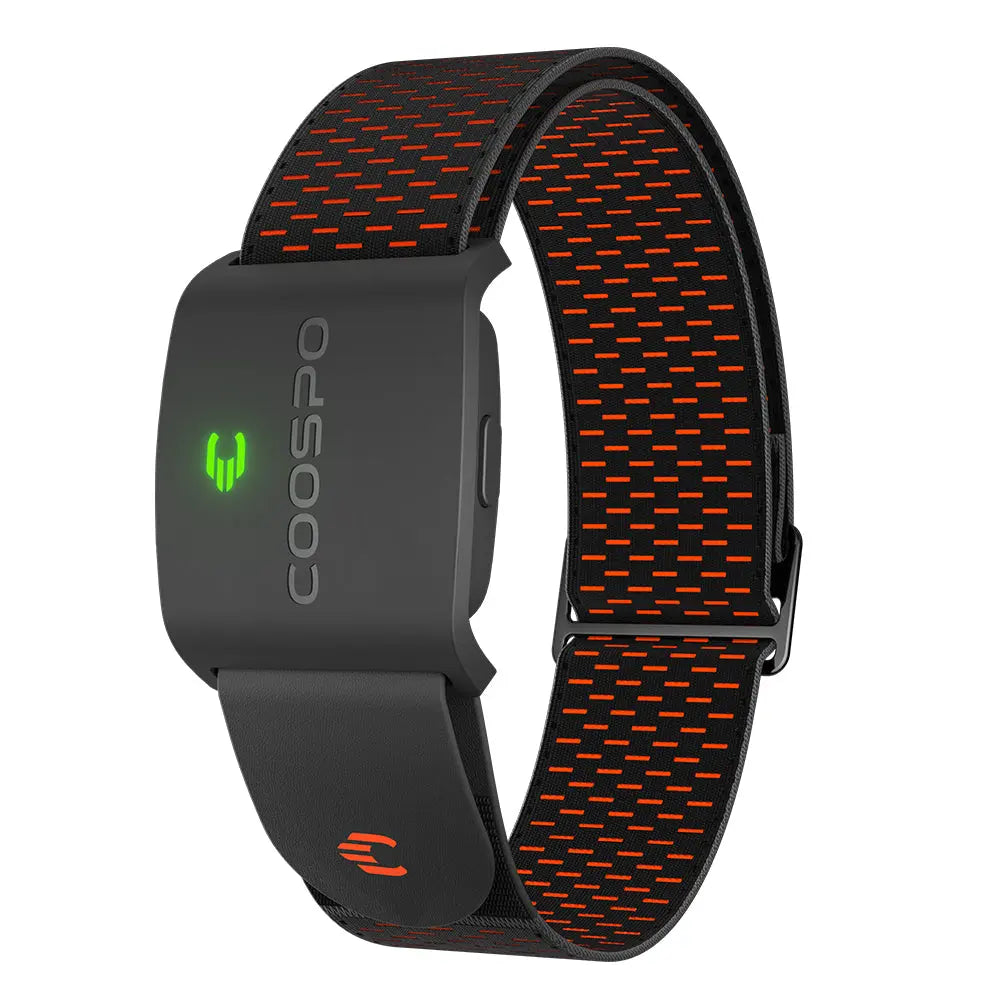
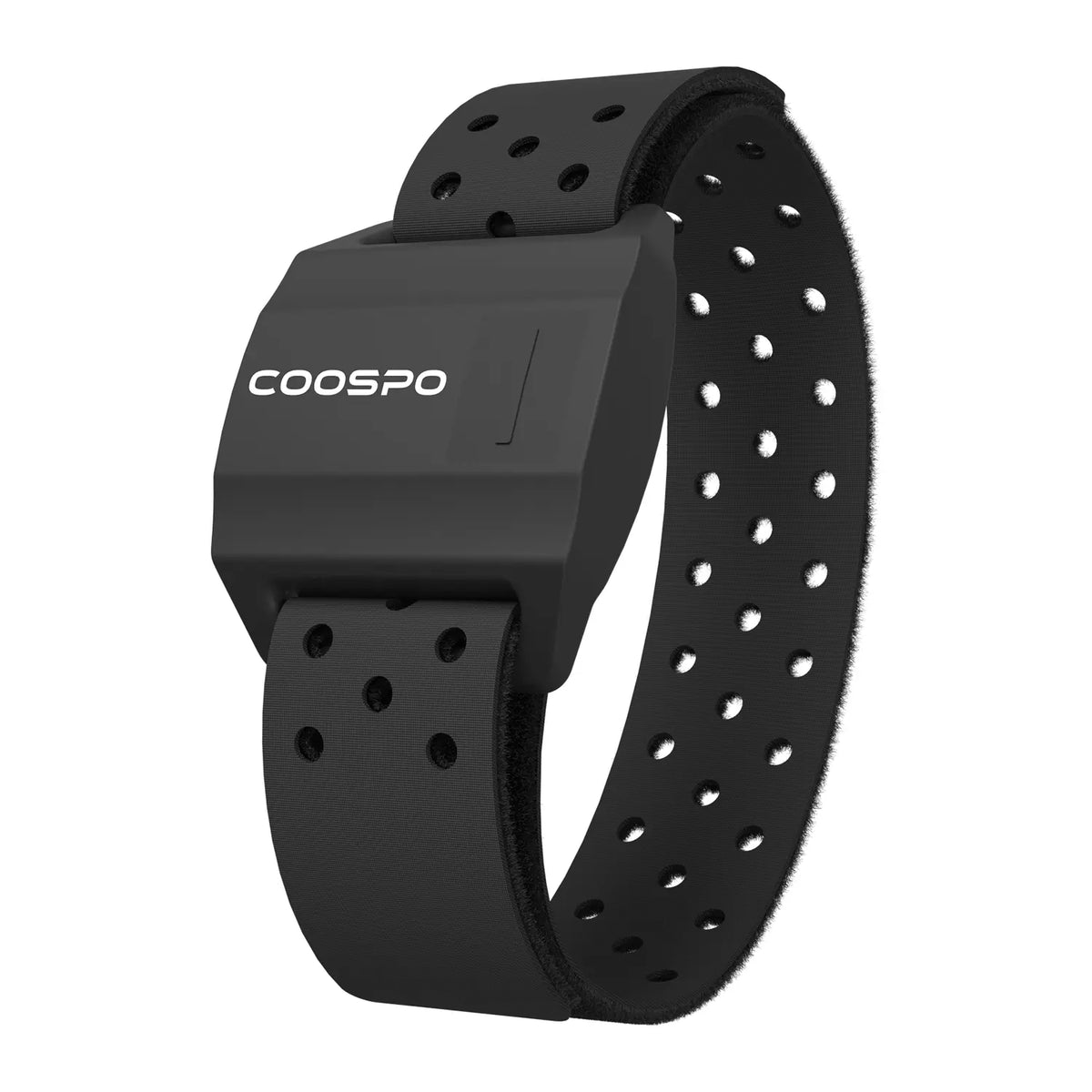
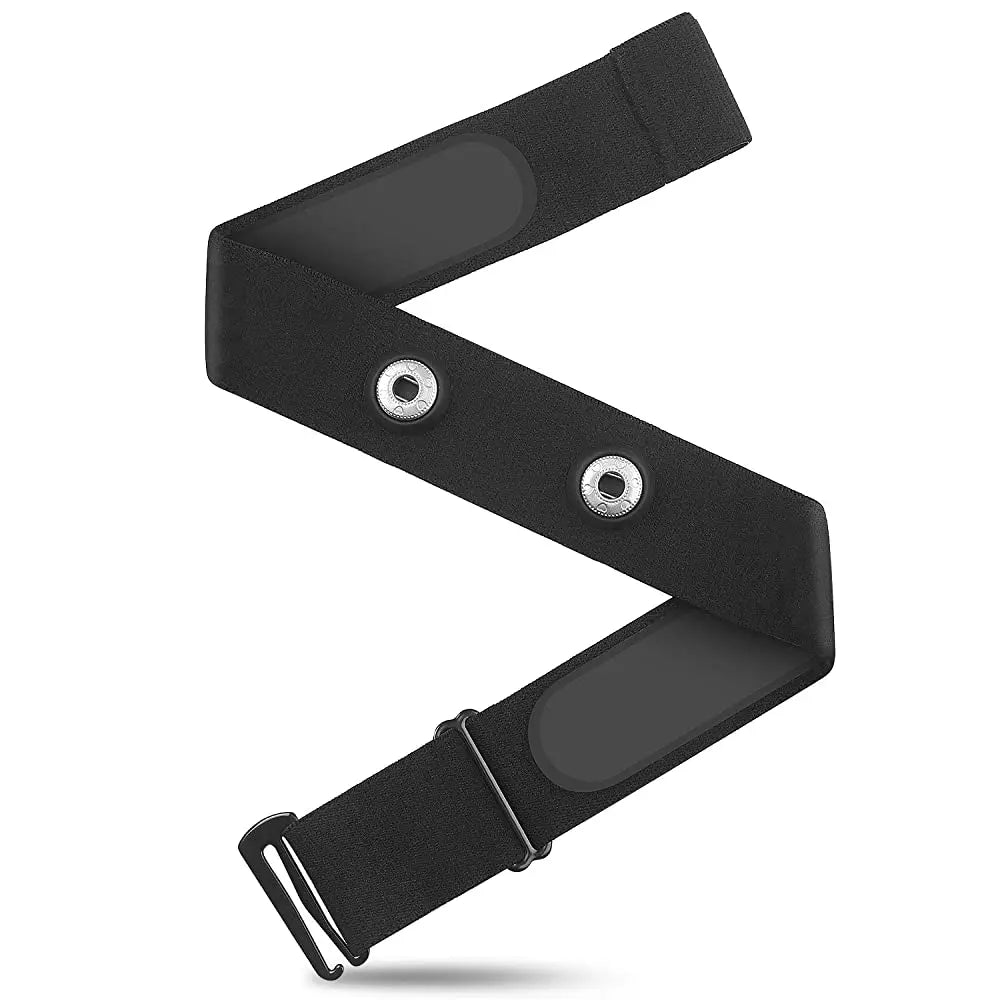
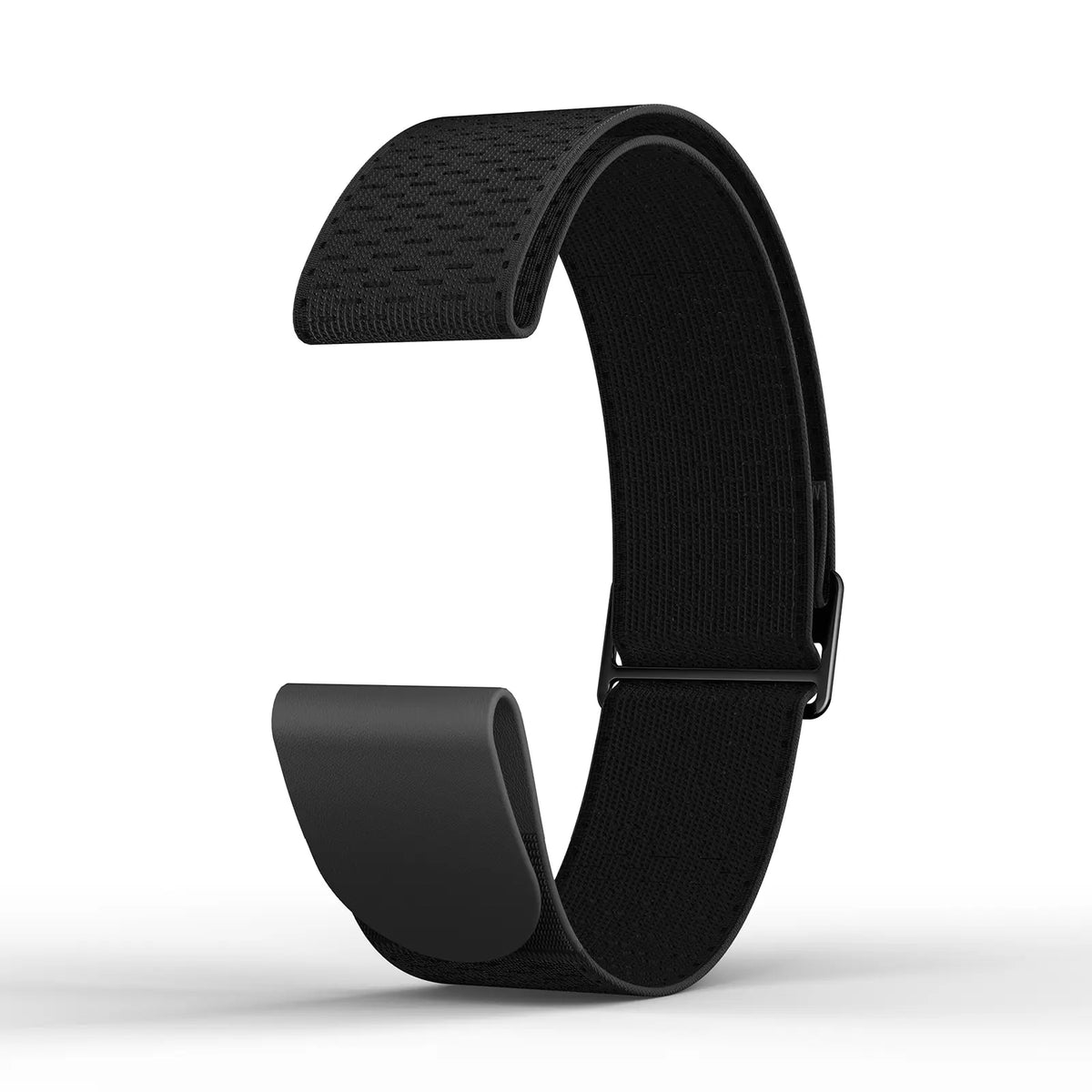
Pour tirer le meilleur parti de ces séances, il est important de surveiller l'intensité de l'entraînement. Utiliser un
La marche peut rester votre base, mais l'ajout de quelques séances d'entraînement stimulantes chaque semaine améliore considérablement la santé et les performances à long terme.
L'entraînement musculaire est non négociable.
Avec l'âge, nous perdons naturellement de la masse musculaire, un processus appelé sarcopénie. Cette perte affecte le métabolisme, l'équilibre, la mobilité et le risque de blessure.
L’entraînement musculaire, qu’il utilise des haltères ou des exercices au poids du corps, contrecarre ce déclin. Il augmente la masse musculaire, améliore la densité osseuse, stimule le métabolisme, réduit l’inflammation et favorise la stabilité articulaire.
Une étude de l'université Penn State a révélé que les adultes qui pratiquaient la musculation au moins deux fois par semaine présentaient un Risque de décès toutes causes confondues réduit de 46 %. D'autres recherches montrent que deux séances par semaine suffisent à préserver la santé musculaire et osseuse sur le long terme.
La marche vous permet de rester actif, mais la musculation vous permet de rester fort.
En résumé
La marche est sans conteste l'un des outils les plus efficaces et accessibles pour la santé et la longévité. Mais la vieille règle des 10 000 pas par jour n'a rien de magique.
Ce qui compte le plus, c'est la régularité, le mouvement tout au long de la journée, la marche à un rythme soutenu, l'ajout d'exercices plus intenses et le maintien de la force musculaire.
Que vous fassiez 4 000 ou 12 000 pas, chaque pas compte. L’important est de marcher d’un pas assuré, de bouger régulièrement, de solliciter votre corps et de préserver votre force en vieillissant. Ces efforts supplémentaires peuvent s’avérer bien plus importants que de courir après un chiffre rond sur un écran.




1 commentaire
Zavin Clark
This is a refreshing take on longevity—quality movement really does matter more than just hitting step counts. Faster walking and strength training build real resilience. Pairing these habits with tools like CONNEQT Health Coupons can support smarter, proactive heart health tracking and overall wellness.
Laisser un commentaire
Ce site est protégé par hCaptcha, et la Politique de confidentialité et les Conditions de service de hCaptcha s’appliquent.