


















![[2 Pack] Coospo Breathable Neck Gaiter Face Scarf Mask COOSPO](http://www.coospo.com/cdn/shop/files/106de7b046babc03aa610173af6e31aa_599da3fe-9907-4b1e-8eb0-f08b3032720b.png?v=1720591174&width=1600)


![[4 Pack] Coospo Soft Breathable Chilly Towel, Microfiber Towel COOSPO](http://www.coospo.com/cdn/shop/files/1_904094cc-62ee-40e9-aa21-415effb385b4.png?v=1720527561&width=1600)


Running later in life isn’t just about getting fit; it’s about getting back your movement, confidence, energy, and strength. For many people in their 50s, 60s, and beyond, starting to run might feel daunting. But it can also be one of the most rewarding activities for your body and mind. Studies show that even people who start running later in life can enjoy real health benefits, like better heart health, a lower risk of chronic diseases, and improved mental well-being.

If you’re ready to lace up but want a smart, safe, and motivating roadmap, here’s how to start running in your 50s and beyond — step by thoughtful step.
Step 1: Focus on your health and your feet
Before you start making your heart work harder than it has in recent years, it’s important to get a check-up. This will make sure you don’t have hidden issues like a heart murmur, high or low blood pressure, or other conditions that running could make worse.

Many coaches won’t start training someone until they have medical clearance. This check should not only look at your heart but also include blood tests to make sure your iron and vitamin D levels are healthy. Low iron and vitamin D can affect even top runners and are especially common in women.
Before you start running, one important thing is to get a good pair of running shoes. There’s a shoe for every type of runner—you just need to find the right one. Visit a local running store to try different shoes, and most stores even let you run in them to see how they feel.
Step 2: Strength train for a few weeks
A common mistake new runners make is jumping straight into long runs without preparing their bodies. After 50, building strength is even more important.
Start with exercises that improve your running and full-body strength, like squats and reverse lunges. Make sure to focus on strengthening your core, as it's really important.
Besides working on your legs, it’s important to strengthen your upper body too. A 2019 study in the journal Sports found that a tired upper body and a weak core can make running harder. When your upper body and core are stronger, your legs can run more efficiently.

The American College of Sports Medicine recommends doing strength training two to three times a week. You can use free weights, machines, or resistance bands. If you're new to strength training, it’s a good idea to start with bodyweight exercises to learn proper form. Once you're comfortable, you can add weights. Aim for eight to ten exercises to work your main muscle groups.
Step 3: Pick a plan or find a coach
While you could start running on your own, but hopes you won’t—for a very practical reason. Not everyone wants to stick to a running schedule, but one benefit of a program is that it gives you parameters and protects you from doing too much, too soon. This protects you from injury and burnout.

You could start running on your own, but it’s better not to—for a practical reason. Not everyone wants to follow a running schedule, but a program gives you clear limits and helps you avoid doing too much too soon. This keeps you from getting hurt or burned out.
A good plan for older beginners is to start with 30 minutes of walking, then slowly add running, until you can run for 30 minutes without stopping.
When choosing a plan, you should also make sure it includes rest days and cross-training because an older athlete should expect their bodies to take longer to recover from runs. That’s why you also want to run on non-consecutive days.
Cross-training, which means doing workouts other than running, helps improve your overall fitness without putting extra strain on the muscles and joints used in running. The best cross-training exercises are those that closely mimic running and activate the same muscles. The elliptical and StairMaster are great options because they keep your body upright, your hips forward, and work your arms, core, quads, and glutes.
When learning something new, it can help to work with a running coach. A coach can watch how you run, answer your questions, create a training plan just for you, and make sure you’re improving safely and reaching your goals.
Step 4: Make sure you have the fuel you need to move more
Make sure you have some calories in your stomach before running. If you’re not running within an hour or two after a meal, eat a small snack with simple carbs, about 100–300 calories, at least 30 minutes before your run.
After you run, you’ll want to eat something. It will boost your mood and give back the energy you used. Eating carbs is good, and having some protein helps your muscles recover.
Some of the most important nutrients for older runners are protein (to keep muscles strong), fiber (to support a healthy gut), and vitamins and minerals that help overall health. These include calcium, vitamin D, vitamin B12, potassium, omega-3 fatty acids, and iron.

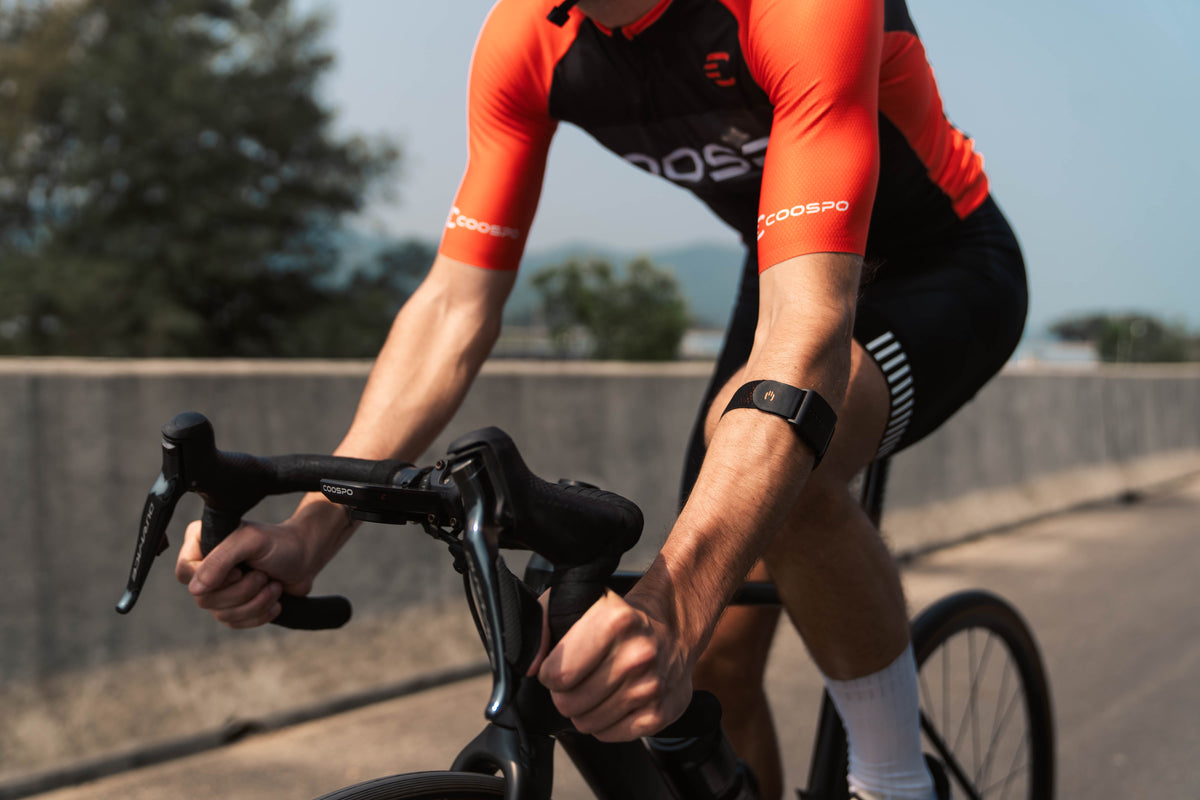
For runners in their 50s and beyond, heart rate is one of the most reliable ways to understand how hard the body is working. Unlike pace, which can vary with terrain and weather, heart rate reflects internal effort — especially important as recovery and cardiovascular response change with age.
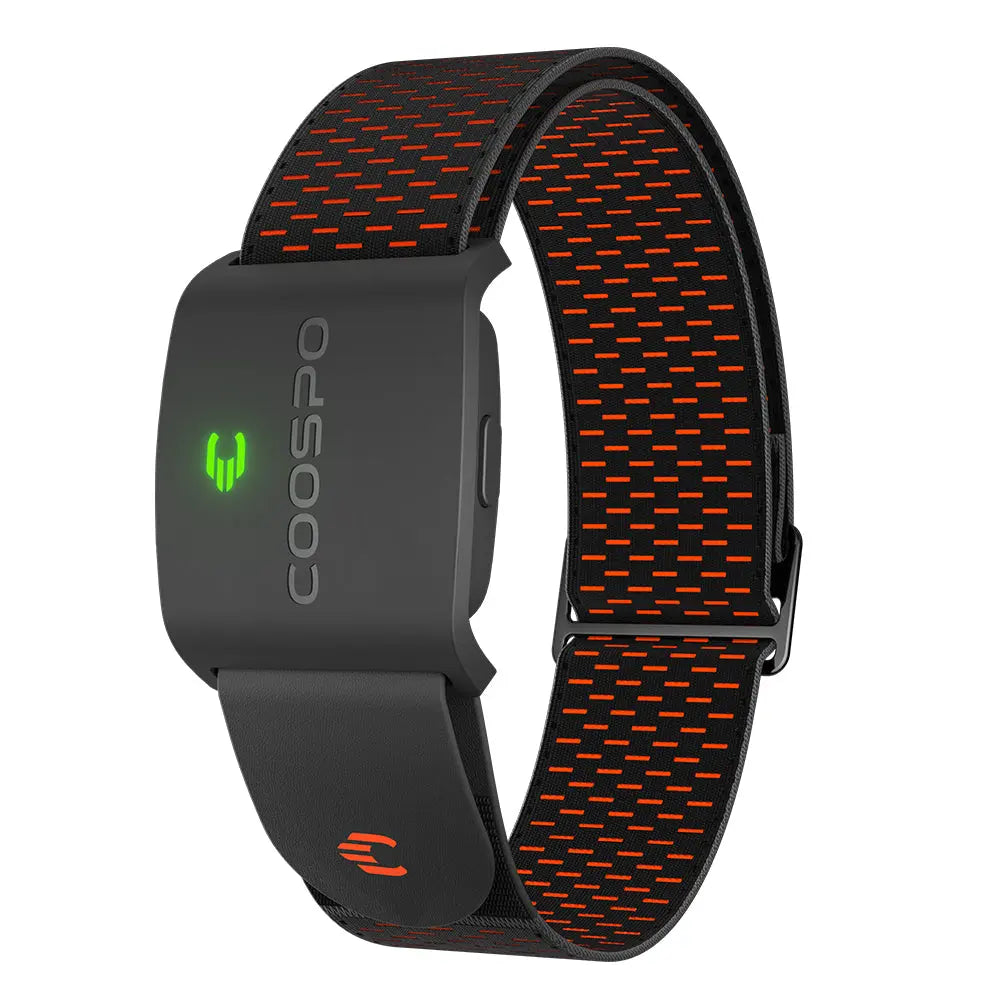
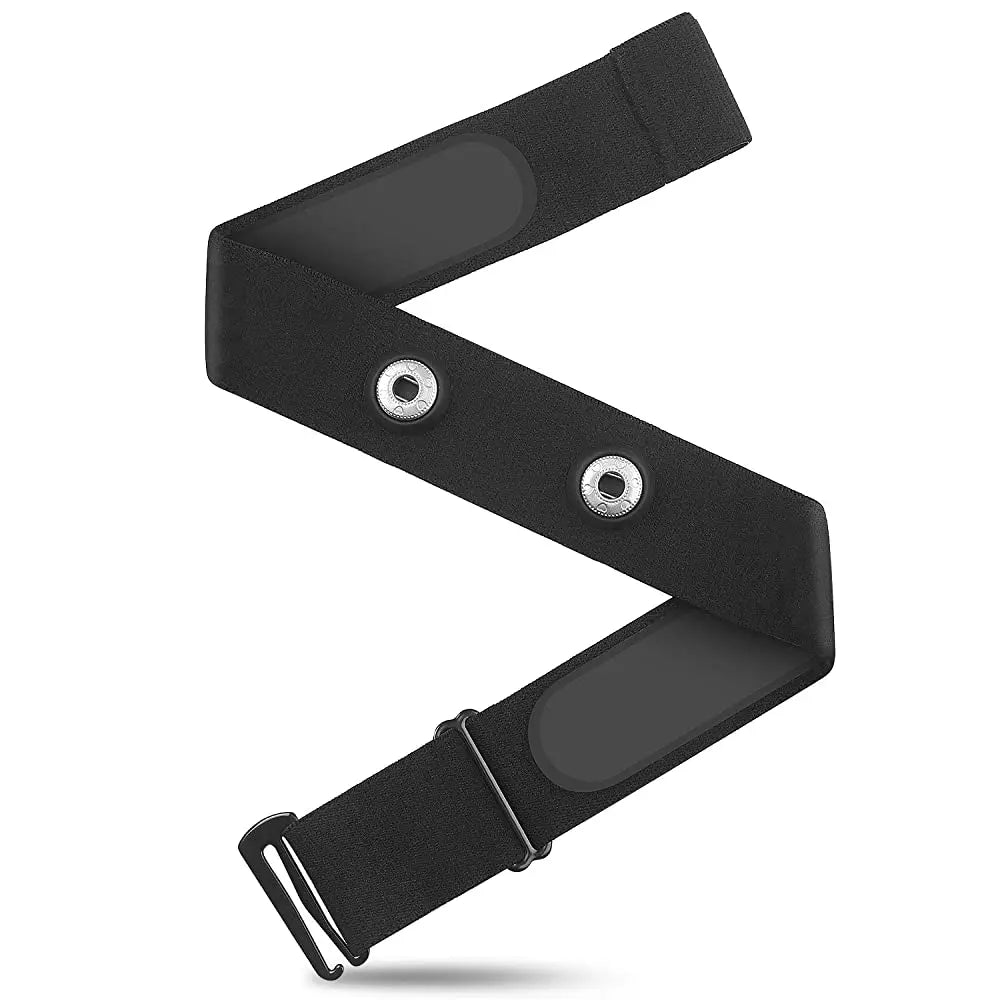
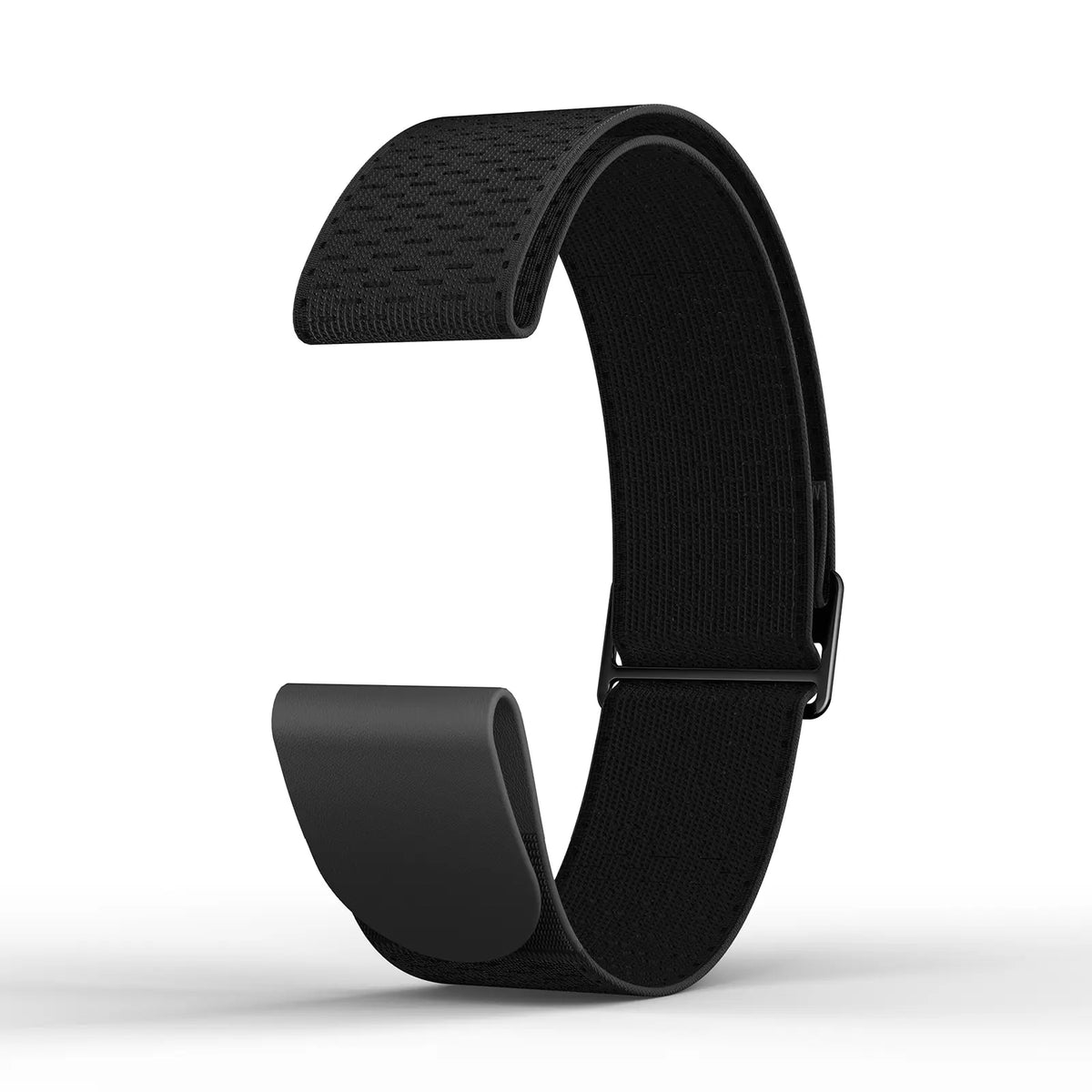
Many beginner runners choose simple heart rate monitors like the Coospo Heart Rate Monitor, which provide accurate, real-time data without distraction. This allows runners to stay in an aerobic zone, avoid overexertion, and build endurance safely.
Step 5: Find your people
Running should feel good, not isolating.
The Power of Community
Research consistently shows that social connection enhances physical activity adherence and enjoyment.5 When you’re surrounded by supportive runners, training becomes fun, motivating, and sustainable.
Ways to find your people:
Running Groups
- Local running clubs
- Meetup groups
- Beginner-friendly runs
Online Communities
- Facebook groups for older runners
- Strava challenges
- Reddit running communities
Workout Buddies
Even one consistent partner turns running into a duo adventure.
Benefits of Running Friends
- Better consistency
- More encouragement on tough days
- Shared learning
- Increased safety
Running with others transforms a task into a shared journey.
Step 6: Get your mind in the game
Whether you want to break world records at 100 or just run two miles comfortably, having clear, challenging but achievable goals helps you stay motivated. Don’t think about running a half marathon right away—start with smaller goals, like running a mile or a 5K.
As an older runner, you might be used to knowing a lot or being the expert in a group. Try to approach running with a “beginner’s mind.” Be patient, start small, and give yourself enough time to train. Following a training plan and reaching small goals go well together.
Starting to run later in life can make you feel young again, both physically and mentally. Running is a simple, joyful activity, and with some planning, anyone can enjoy it at any age.
When picking a training plan, make sure it includes rest days and cross-training. Older athletes need more recovery time, so don’t run on back-to-back days. Cross-training means doing other exercises that help your overall fitness and give your running muscles and joints a break. The best options are exercises that copy running movements, like using an elliptical machine or StairMaster. These keep your posture upright and work your core, arms, quads, and glutes—all important muscles for running.



Leave a comment
This site is protected by hCaptcha and the hCaptcha Privacy Policy and Terms of Service apply.