














![[2 Pack] Coospo Breathable Neck Gaiter Face Scarf Mask COOSPO](http://www.coospo.com/cdn/shop/files/106de7b046babc03aa610173af6e31aa_599da3fe-9907-4b1e-8eb0-f08b3032720b.png?v=1720591174&width=1600)


![[4 Pack] Coospo Soft Breathable Chilly Towel, Microfiber Towel COOSPO](http://www.coospo.com/cdn/shop/files/1_904094cc-62ee-40e9-aa21-415effb385b4.png?v=1720527561&width=1600)

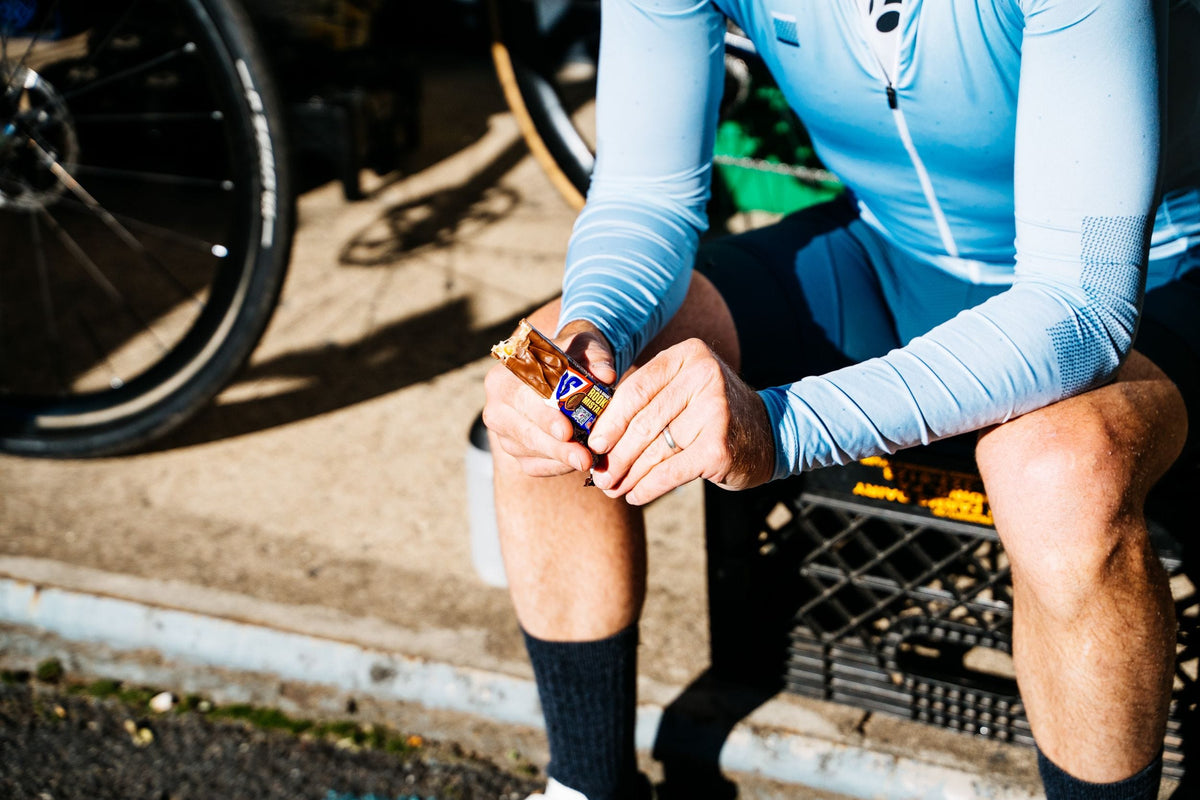
Whether you’re training for a big event, trying to PR on Strava, or simply aiming to enjoy every ride without crashing, there’s one factor that too many cyclists overlook: fueling yourself adequately. Underfueling isn’t just about feeling hungry — it has real, measurable consequences on performance, recovery, and long-term health.
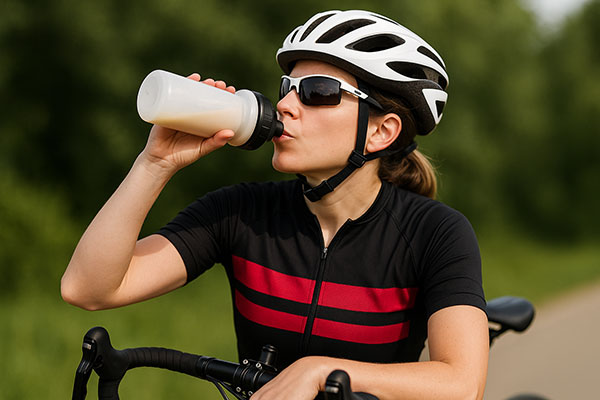
What you eat really matters, more than you might realize. Many riders over 40 don’t get enough fuel. Often, it’s not on purpose—it can happen because life gets busy or we forget to keep quick snacks handy.
In this article, we break down why underfueling matters, how to figure out what you actually need, and how to create a fueling strategy that keeps your energy sustained before, during, and after every ride.
The Performance Costs of Underfueling
Think of your body like a finely tuned engine. If you put low-octane gas in a high-performance car, it sputters — and eventually breaks down. The same thing happens when you ride without enough calories and carbs to support your effort.
It can also slow down recovery, make you feel less motivated, and hurt your thinking skills. You might feel like you’re losing fitness, when really you’re just not eating enough for your rides.
Not eating enough can affect your thyroid and other hormone systems. The body slows down non-essential functions to save energy for vital processes. This can cause issues like RED-S, muscle loss (sarcopenia), missed periods (amenorrhea), and weaker bones (osteopenia).
You might notice that your heart rate changes less between beats, your resting heart rate goes up, you feel very tired, and your usual rides feel much more difficult.
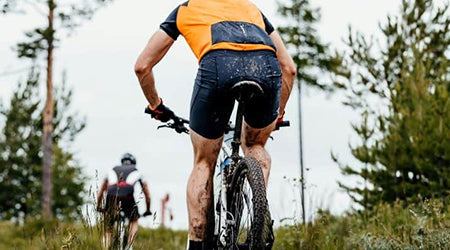
If you get on your bike without enough fuel, especially if this happens often, riding at your usual easy pace (zone 2) can feel like a hard effort (zone 4). Keeping up with your group on climbs becomes very difficult, and you end up getting dropped.

A power meter makes this even clearer. On days when you’re underfueled, you may see lower wattage at the same perceived effort or heart rate. You might struggle to hold your normal zone 2 power, even though it “should” feel easy. When your numbers drop without a clear training reason, fueling is often the missing piece.
You should always train and race after eating, not on an empty stomach. Eating beforehand gives your body the fuel it needs to stay healthy and avoid injuries. When your blood sugar and glycogen stores are full, your performance improves and your body adapts better to training.
Determine Your BMR
Your Basal Metabolic Rate (BMR) is the number of calories your body needs just to keep the lights on — breathing, pumping blood, maintaining body temperature — at rest.
Why does this matter? Because total daily energy expenditure (TDEE) is built on top of your BMR. If you don’t know your baseline needs, you have no solid starting point for fueling rides or recovery.
How to estimate BMR
There are many formulas, but one of the most widely used is the Mifflin-St. Jeor Equation:
-
For men:
BMR = 10 × weight (kg) + 6.25 × height (cm) − 5 × age (years) + 5
-
For women:
BMR = 10 × weight (kg) + 6.25 × height (cm) − 5 × age (years) − 161
This gives you a starting point. To estimate your TDEE, multiply your BMR by an activity factor:
- Light activity : × 1.4
- Moderate training (3–5 days/week): × 1.55
- Heavy training (6–7 days/week): × 1.725
- Very heavy training (twice a day / high volume): × 1.9
For example, a 70 kg rider with frequent training may need a TDEE of 2500–3000+ calories per day just to maintain weight — and that’s before factoring in the calories burned during longer rides.
A good place to start is with at least 1-2 servings of whole grain carbohydrates like rice, cereal, or quinoa, and about one palm sized portion of lean protein with each meal, together with 1-2 servings of colorful veggies or fruit to boost micronutrients and satisfy fat needs.
Steady fueling throughout the day eliminates the possibility of low energy availability
Eating regularly throughout the day prevents low energy, which can happen if you skip breakfast or miss lunch. This can make you extremely hungry and cause overeating later at home.
1. Optimize Your Pre-ride Snack
A good pre-ride snack should be mostly carbohydrates with a small amount of protein, eaten about 1–3 hours before you head out.

Examples of Effective Pre-ride Snacks
- A banana + Greek yogurt
- Toast with honey or jam
- Oatmeal with fruit
- Energy bar with a 3:1 carb-to-protein ratio
Avoid foods high in fat or fiber right before a ride — they slow digestion and can lead to discomfort.
The goal is to fill your glycogen stores so you have energy from start to finish. About 1 g of simple carbs per kg of body weight one hour before training works well. For example, a 150-pound person would need around 68 g of carbs to fuel their workout.
2. Create a Fueling Plan for Every Ride
Plan your fuel for each training session. Think about how long your ride or race will take, and bring enough simple sugars to eat every 30 minutes. This will help keep your energy steady and give your muscles and brain a constant boost.
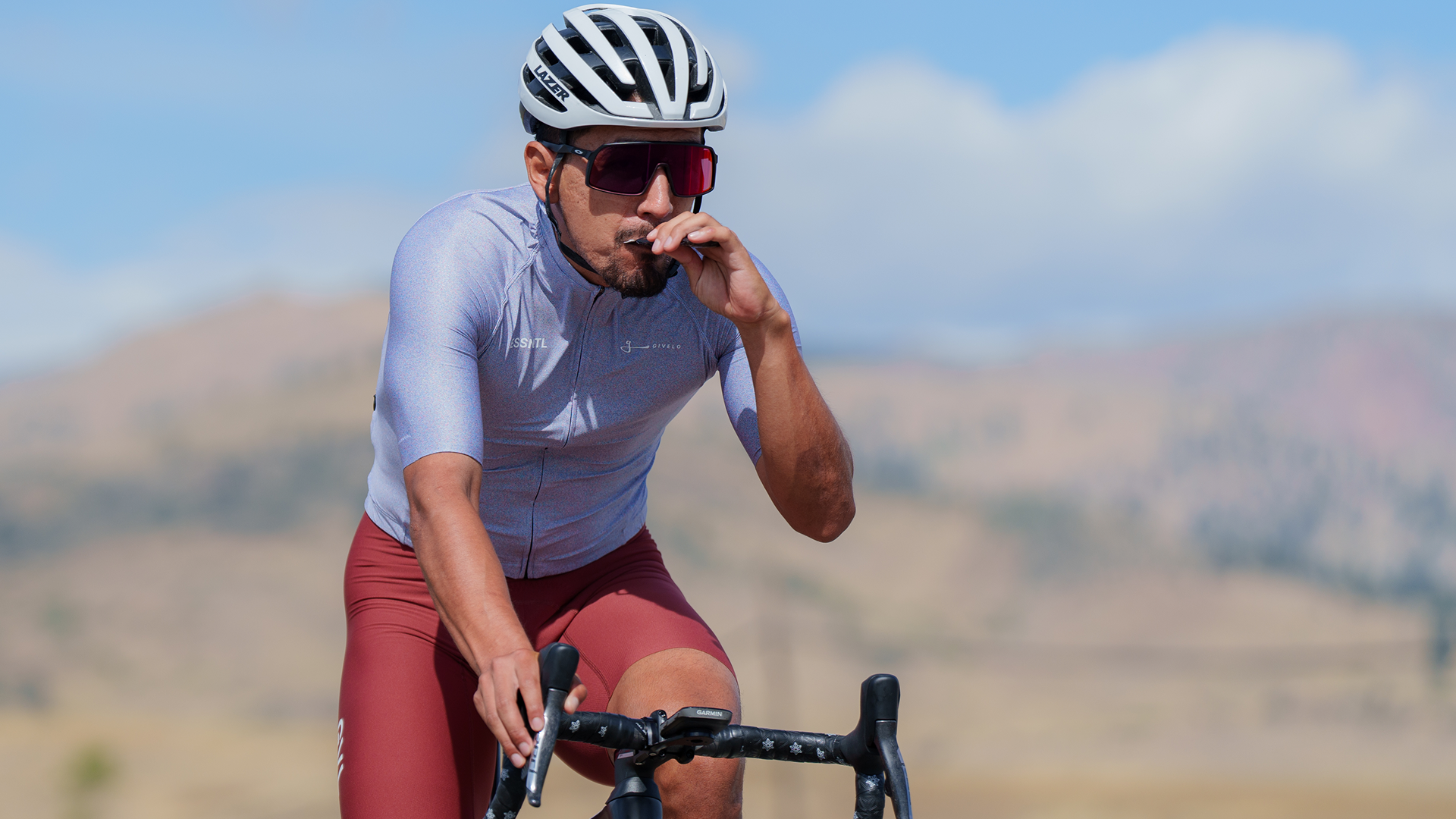
To optimize your performance, the ACSM recommends 30g-60g of carbohydrates per hour for sessions up to 2.5 hours long; and 90g of carbs per hour for rides lasting longer than that.
Focus on recovery by having a meal to help rebuild muscle
Your ride doesn’t end at the finish — recovery begins the moment you stop pedaling.
The window after exercise (often called the “anabolic window”) is a prime time for:
- Glycogen replenishment
- Muscle repair
- Inflammation control
A recovery meal or snack within 30–60 minutes after riding should include:
A mix of carbohydrates + protein
- Carbs help refill depleted glycogen stores.
- Protein provides amino acids to rebuild and strengthen muscle.
Aim for roughly 3:1 or 4:1 carbs to protein.
Recovery meal examples
- Chocolate milk + fruit
- Rice bowl with chicken and veggies
- Smoothie with yogurt, banana, oats, and berries
- Tuna sandwich with a piece of fruit
Studies show that this ratio accelerates glycogen restoration and increases protein synthesis more effectively than carbs or protein alone.
And don’t forget hydration — water plus electrolytes help your body recover faster and reduce soreness.


Leave a comment
This site is protected by hCaptcha and the hCaptcha Privacy Policy and Terms of Service apply.