













![[2 Pack] Coospo Breathable Neck Gaiter Face Scarf Mask COOSPO](http://www.coospo.com/cdn/shop/files/106de7b046babc03aa610173af6e31aa_599da3fe-9907-4b1e-8eb0-f08b3032720b.png?v=1720591174&width=1600)


![[4 Pack] Coospo Soft Breathable Chilly Towel, Microfiber Towel COOSPO](http://www.coospo.com/cdn/shop/files/1_904094cc-62ee-40e9-aa21-415effb385b4.png?v=1720527561&width=1600)

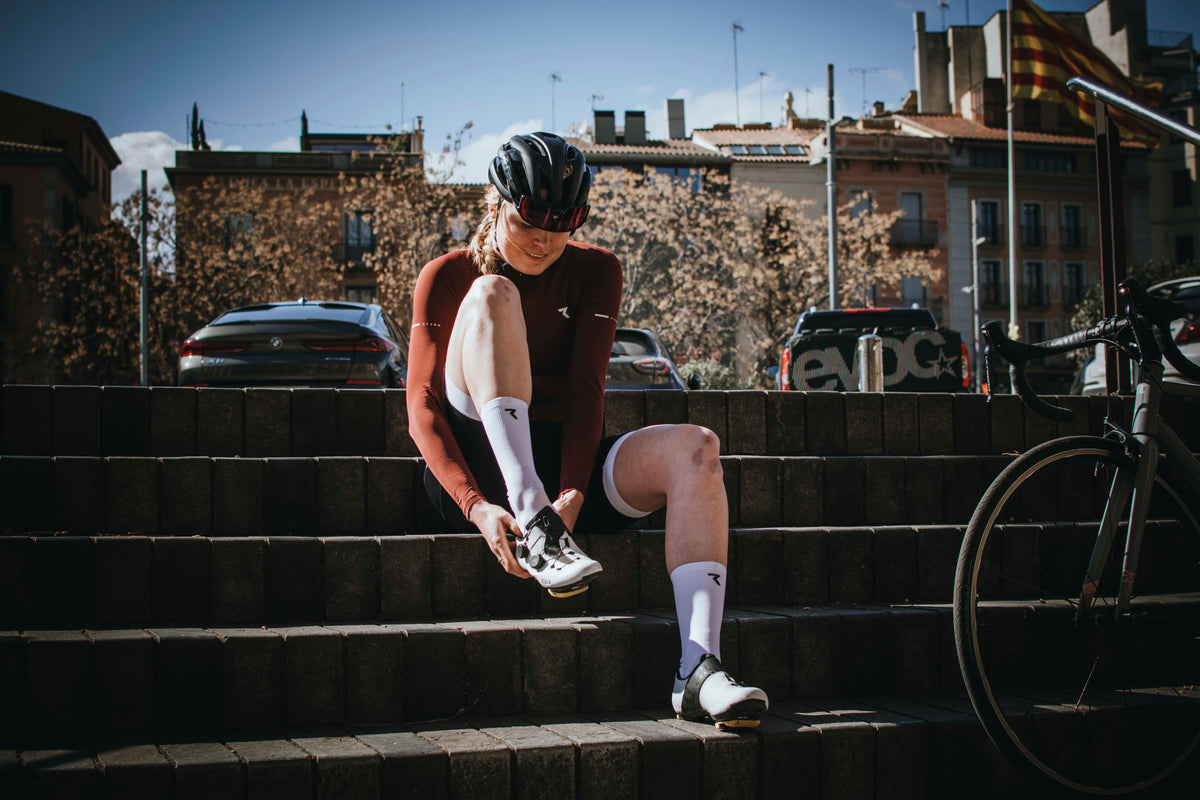
Cycling should be about movement, speed, and joy — not tingling, burning, or outright numbness in your toes. Yet for many riders, numb feet and toes during or after rides are all too familiar. It’s distracting at best and performance‑limiting at worst.
Many cyclists can ease numb feet by wiggling their toes, but for some, this doesn’t always help. The numbness can last for most of the ride—or even after it ends.
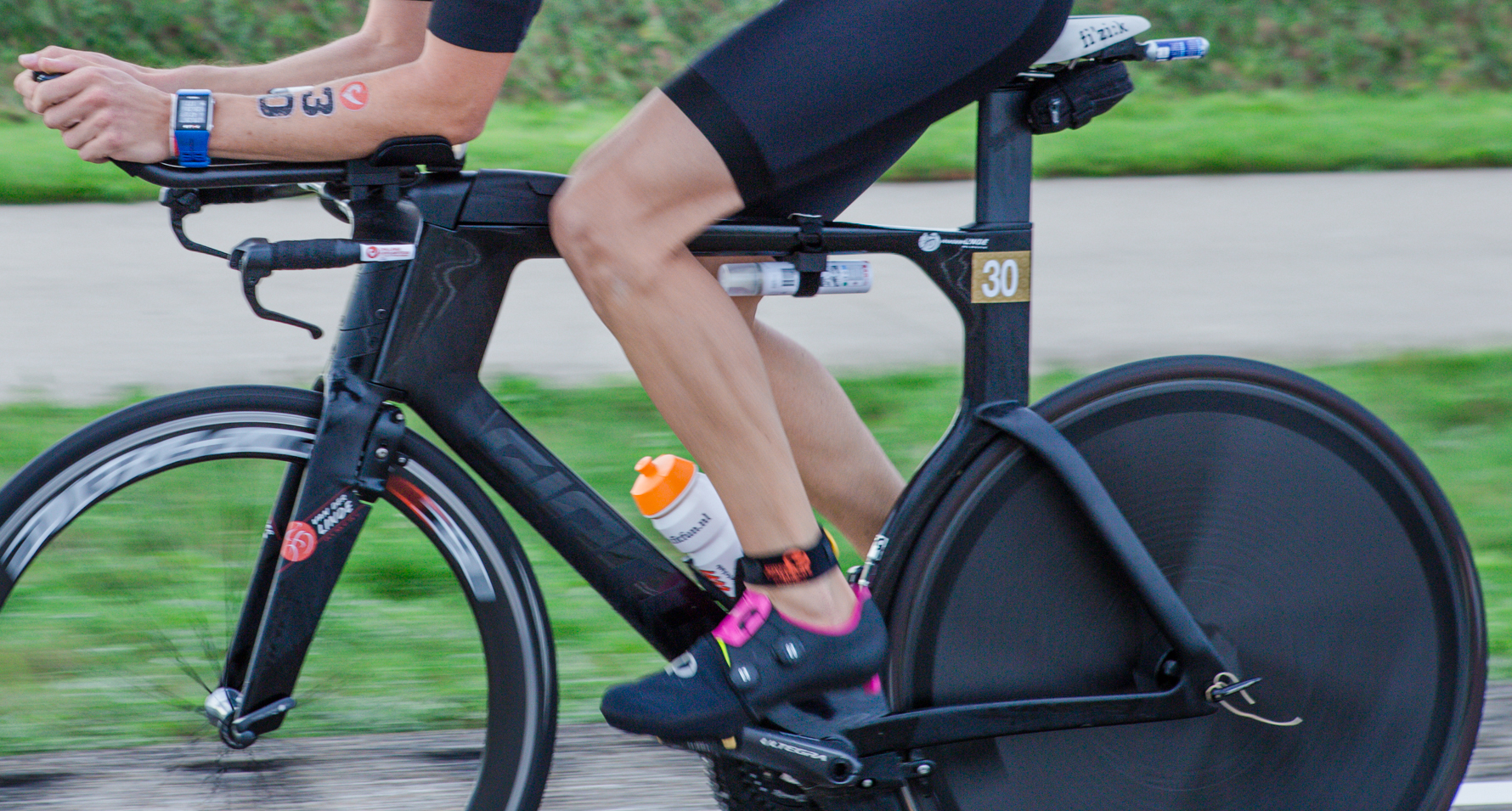
If you’ve ever noticed your feet going numb while cycling, you’re not the only one. Numb toes are a very common problem for cyclists, and they can happen to anyone, no matter how experienced.
Here’s the good news: numb toes while cycling have a clear cause, and there are proven ways to fix and prevent it. Let’s take a closer look.
What causes numb feet while wearing cycling shoes?
Two things typically cause numb feet and toes: nerve compression or blood circulation restriction.
Nerve compression can happen due to several reasons, such as wrong cleat placement, improper arch support (either too much or too little), shoes that are too tight or narrow, and having the wrong pedal stance width.
Your cycling posture can also cause numb or tingly feet. If you sit or pedal incorrectly, you might feel foot pain or numbness. Being on the bike puts stress on your lower back and pelvis, and some cyclists develop foot numbness because nerves in the back get pinched.
Wearing narrow shoes can make your feet or toes feel numb. Luckily, this can be fixed by using small pads called metatarsal buttons. You put them in your shoes under the ball of your foot.
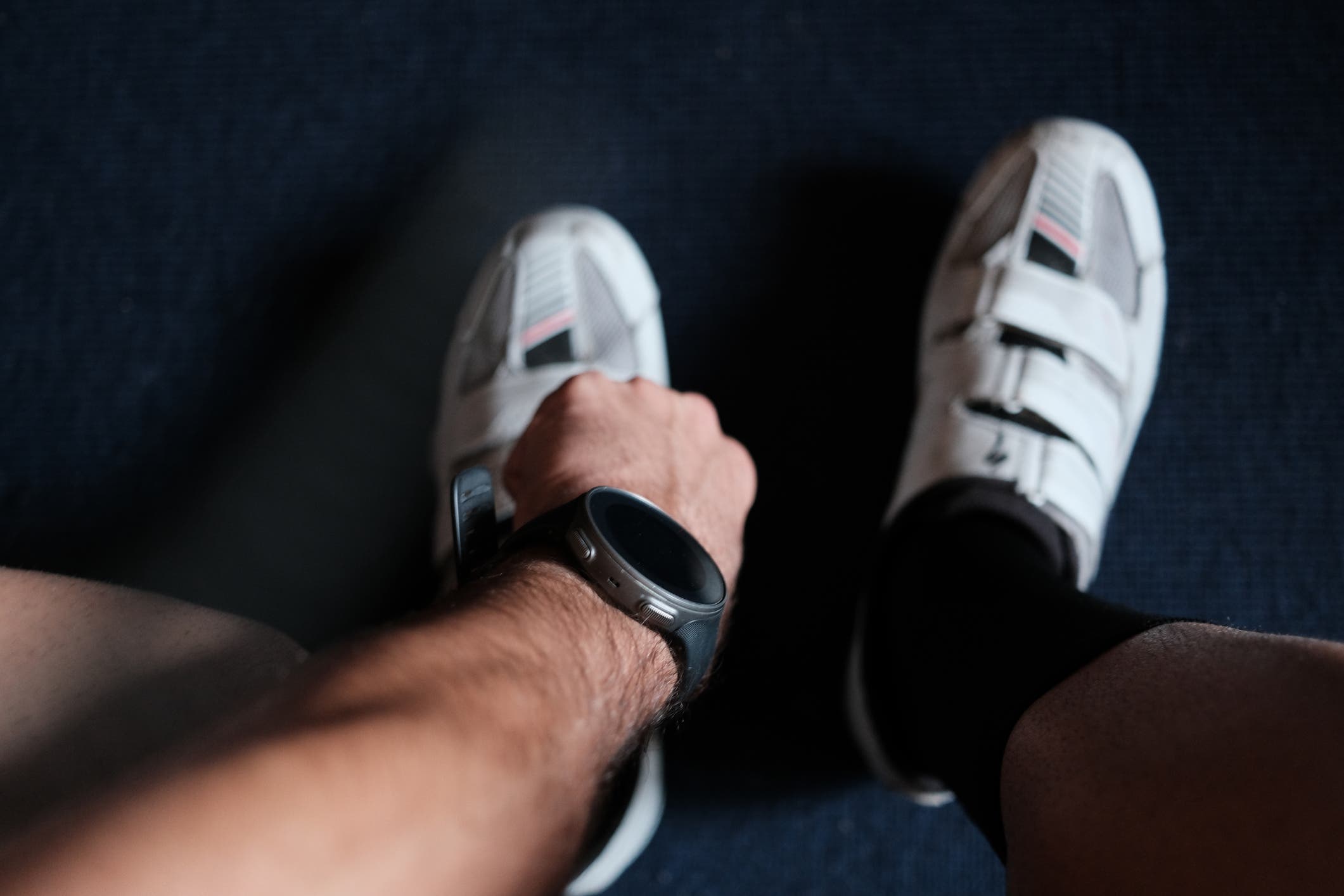
Wearing shoes that don’t fit well can cause your feet and toes to feel numb or tingly because they can block blood flow. That’s why it’s important to get shoes that fit properly and, if possible, try them out before buying. Changing your shoes or adjusting how you sit on the bike, even for a short time, can often help you figure out why your feet feel numb.
Finally, cold weather, can cause numbness because the feet are often the first part of the body affected by cold temps on a bike.
You can ignore numbness for a while, but it’s better to find out what’s causing it to avoid long-term nerve damage.
How Can You Address Numb Toes Mid‑Ride?
When numbness strikes mid‑ride, your first instinct might be to grit your teeth and push through it. But there are immediate actions you can take to reduce discomfort and protect your feet.
Here’s what works:
1. Stop and Adjust Your Shoes
It sounds simple, but loosening the straps on your cycling shoes by even one notch can relieve nerve compression immediately.
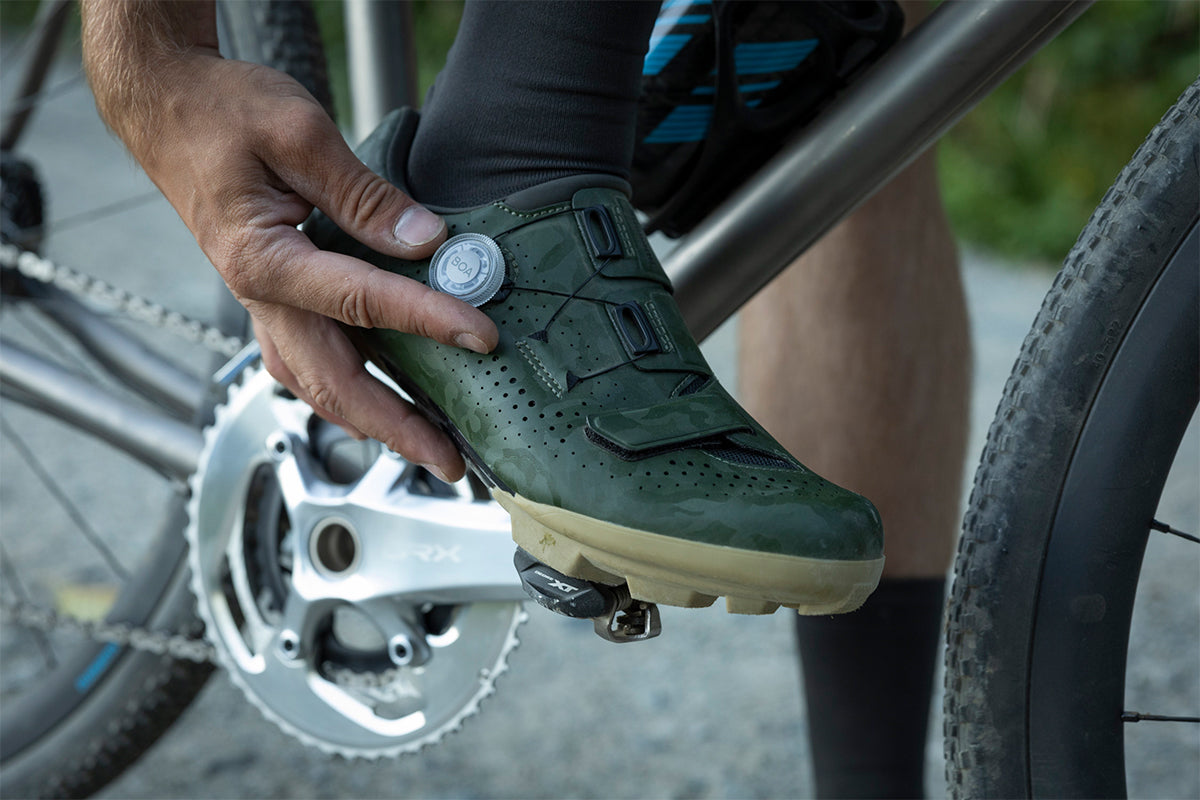
This is especially effective if you've ridden a long climb or a stretch where your feet swelled slightly.
2. Wiggle Your Toes and Pedal Smoothly
Take a few moments to slow your cadence and focus on smooth, circular pedaling. Wiggle your toes and gently flex your ankle. This helps promote circulation and reduces nerve pinch points.
Many riders find that increasing their cadence temporarily (spinning faster with lower resistance) brings blood flow back into the foot.
3. Take a Short Break Off the Bike
If possible, step off and stand with your feet flat on the ground. Shake your feet, roll your ankles, and take a few deep breaths. Standing helps redistribute blood flow and eases nerve stress.
Most numbness that’s purely from compression and circulation improves within 5–10 minutes of stopping and adjusting.
4. Loosen Sock Layers
Heavy, thick, or poorly ventilated socks can trap heat and squeeze the foot. If you have a thinner pair in your gear, switch into them.
How can you prevent numb toes and feet in the long term?
There are three key tips for preventing your feet and toes from going numb. However, numbness while riding is not a one-size-fits-all solution so you might even want to go to your local bike shop to experiment with different equipment.
1. Make Sure Your Shoes Fit
This is the #1 preventer of numb toes.
Good cycling shoes should:
✔ Have a snug heel and midfoot
✔ Provide enough room for toes to wiggle slightly
✔ Distribute pressure evenly under the forefoot
✔ Not compress the top of the foot or arch
Think of your shoe like a cast: too tight and circulation suffers; too loose and your foot slides and rubs.
Sizing Tips:
- With your pedal shoes on and clipped out of the pedals, stand. Your longest toe should be about a thumbnail’s width from the front of the shoe.
- If your toes feel squashed even before you start riding, they are squashed.
- Consider wider or performance‑fit models if you have a broader foot shape.
According to cyclist and biomechanics expert Dr. Irene Davis, footwear that doesn’t respect individual foot shape is one of the biggest contributors to nerve compression and forefoot pain in athletes.
2. Support Your Arches
Many cycling shoes let you try different arch supports, or you can swap the whole insole for an over-the-counter option like SOLE moldable insoles. Replacing the thin stock insole in most cycling shoes helps keep your arches in a natural, neutral position.
Footbeds help keep your arches from collapsing, which can make walking or running easier. They also spread pressure across your whole foot, reducing pressure points that can hurt nerves or affect blood flow.
The way your foot works when cycling is different from walking or running. Whether you need orthotics depends on the specific problems you have. Sometimes they can help reduce numbness or tingling, but insoles are not a fix for everyone. It’s best to work with a professional or a podiatrist to find what works for you.
3. Get a Professional Bike Fit
It’s difficult for a beginner cyclist to notice small problems with how they sit on their bike. A certified bike fitter can check your posture, body movements, and foot structure to find out what’s causing pain or issues in your feet and toes.
If your saddle is too high or too low, or if one of your legs is slightly longer than the other without you knowing, it can strain your back and hips, pinch nerves, and cause numbness or tingling.
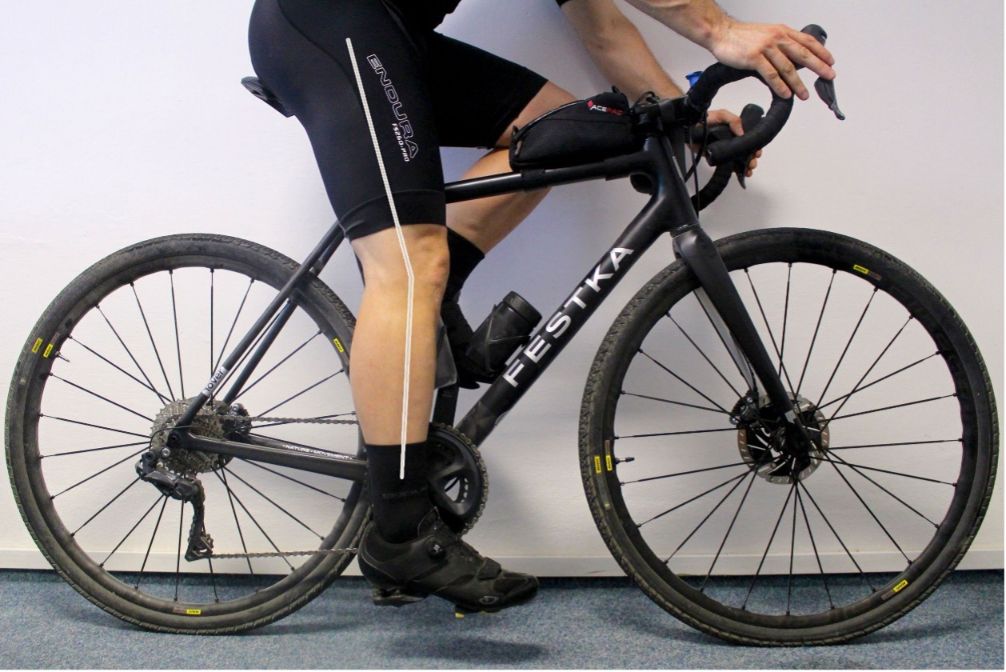
A professional bike fit usually checks other things that can cause numbness, like cleat position, stance width, and posture. It typically costs between $200 and $500, depending on the shop, the fitter, and how customized the fit is.


Leave a comment
This site is protected by hCaptcha and the hCaptcha Privacy Policy and Terms of Service apply.