













![[2 Pack] Coospo Breathable Neck Gaiter Face Scarf Mask COOSPO](http://www.coospo.com/cdn/shop/files/106de7b046babc03aa610173af6e31aa_599da3fe-9907-4b1e-8eb0-f08b3032720b.png?v=1720591174&width=1600)


![[4 Pack] Coospo Soft Breathable Chilly Towel, Microfiber Towel COOSPO](http://www.coospo.com/cdn/shop/files/1_904094cc-62ee-40e9-aa21-415effb385b4.png?v=1720527561&width=1600)

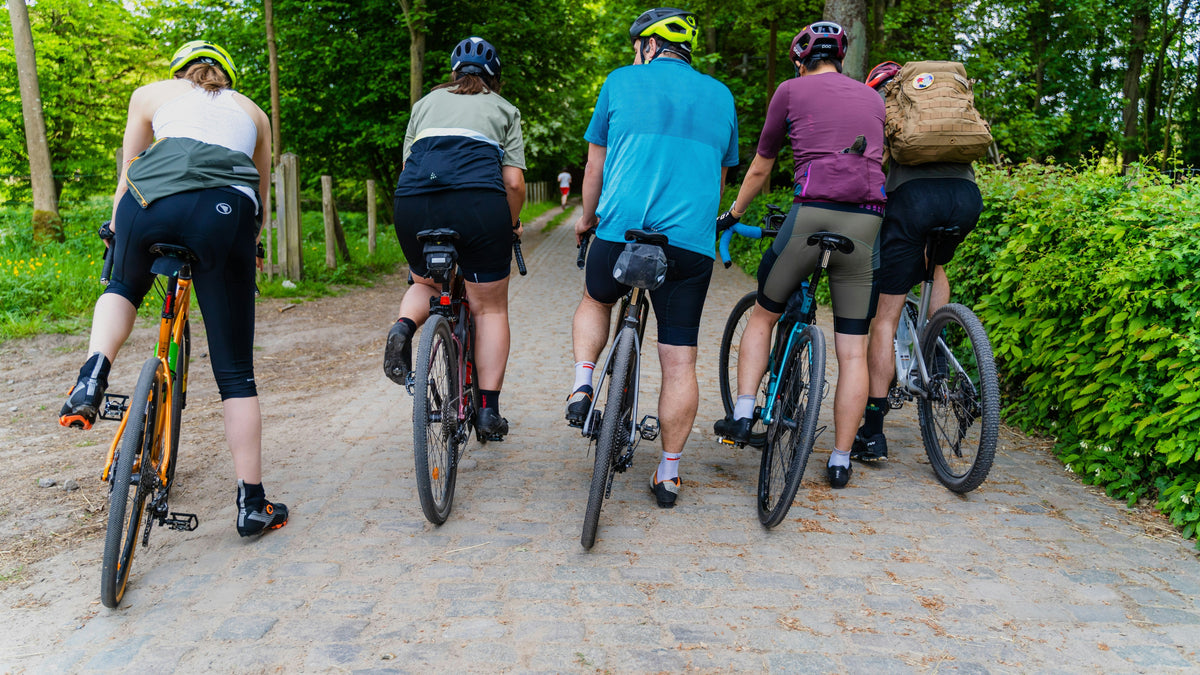
¿Alguna vez has estado pedaleando por una carretera de asfalto lisa e interminable, solo para descubrir de repente un misterioso camino de tierra que se adentra en el bosque? En ese instante, tus pensamientos divagan, preguntándote adónde lleva ese camino, qué hay a la vuelta de la esquina. Pero tu bicicleta, sus delgadas ruedas, y el mapa y la navegación de tu ordenador te indican que sigas por el camino original. Y así lo haces.
Ahora, imagina una experiencia ciclista diferente. Ves el camino y, sin dudarlo, te lanzas a él. Esa es la esencia del ciclismo de grava. No es solo un tipo de bicicleta; es un pasaporte a la exploración. Una idea cada vez más extendida en el mundo del ciclismo es que las aventuras más emocionantes no siempre se desarrollan por rutas preestablecidas.
Paso 1: Utiliza lo que ya tienes (no necesitas una bicicleta nueva).
¿Lo mejor de empezar a montar en bicicleta de gravel? Probablemente ya tengas una bicicleta adecuada. Revisa tu garaje:
Bicicleta de montaña: El comienzo más fácil
Simplemente adelante. Los neumáticos anchos y la geometría estable permiten afrontar terrenos variados con facilidad.
Consejo profesional: Reduzca la presión de los neumáticos a 35-45 PSI para mayor comodidad y agarre.
Bicicleta de carretera: una aventura ligera en las afueras de la ciudad.
Comprueba tus neumáticos: si admiten 28c o Si el terreno es más ancho, considere la posibilidad de cambiar a neumáticos para grava resistentes a los pinchazos.
Empiece por caminos de tierra compactos y bien mantenidos, sin piedras afiladas.
Bicicleta híbrida/urbana: El placer de pedalear más despacio.
Adapta tus expectativas de velocidad y disfruta de paisajes diferentes.
Asegúrese de que sus frenos estén en buen estado de funcionamiento.
La regla de oro: Para tus primeros paseos, usa la bicicleta que ya tienes. La experiencia real te dará más información sobre posibles mejoras que cualquier investigación en línea.

Paso 2: Encuentra tu primera ruta de grava
En los alrededores de la mayoría de las zonas urbanas existen auténticas joyas para ciclistas. Encontrar tu primera ruta es más sencillo de lo que imaginas:
La búsqueda del tesoro del mapa satelital
Abre Google Maps o tu aplicación de mapas local y cambia a la vista de satélite.
Buscar pistas lineales de color gris o marrón claro más allá de tus zonas de conducción habituales.
Elige tramos cortos (de 5 a 10 km) que conecten dos carreteras asfaltadas que ya conozcas.
Learn de Local Riders
Busca en aplicaciones como Strava, Komoot o Trailforks las palabras clave: "grava", "sin pavimentar", "camino de tierra".
Consulta las rutas de fin de semana que organizan los clubes ciclistas locales.
La mayoría de las regiones cuentan con rutas clásicas para principiantes, a menudo antiguos caminos forestales, senderos rurales o vías férreas reconvertidas en senderos.

La seguridad es lo primero en tu primer viaje. — Parámetros recomendados:
Distancia total inferior a 30 km.
Horas de luz con buen tiempo.
Dile a alguien tu ruta general y la hora estimada de regreso.

Paso 3:Preparación mínima del equipo
Olvídate de las listas de equipaje complicadas. Tu primera aventura solo necesita:
Equipo de seguridad esencial
Casco (no negociable)
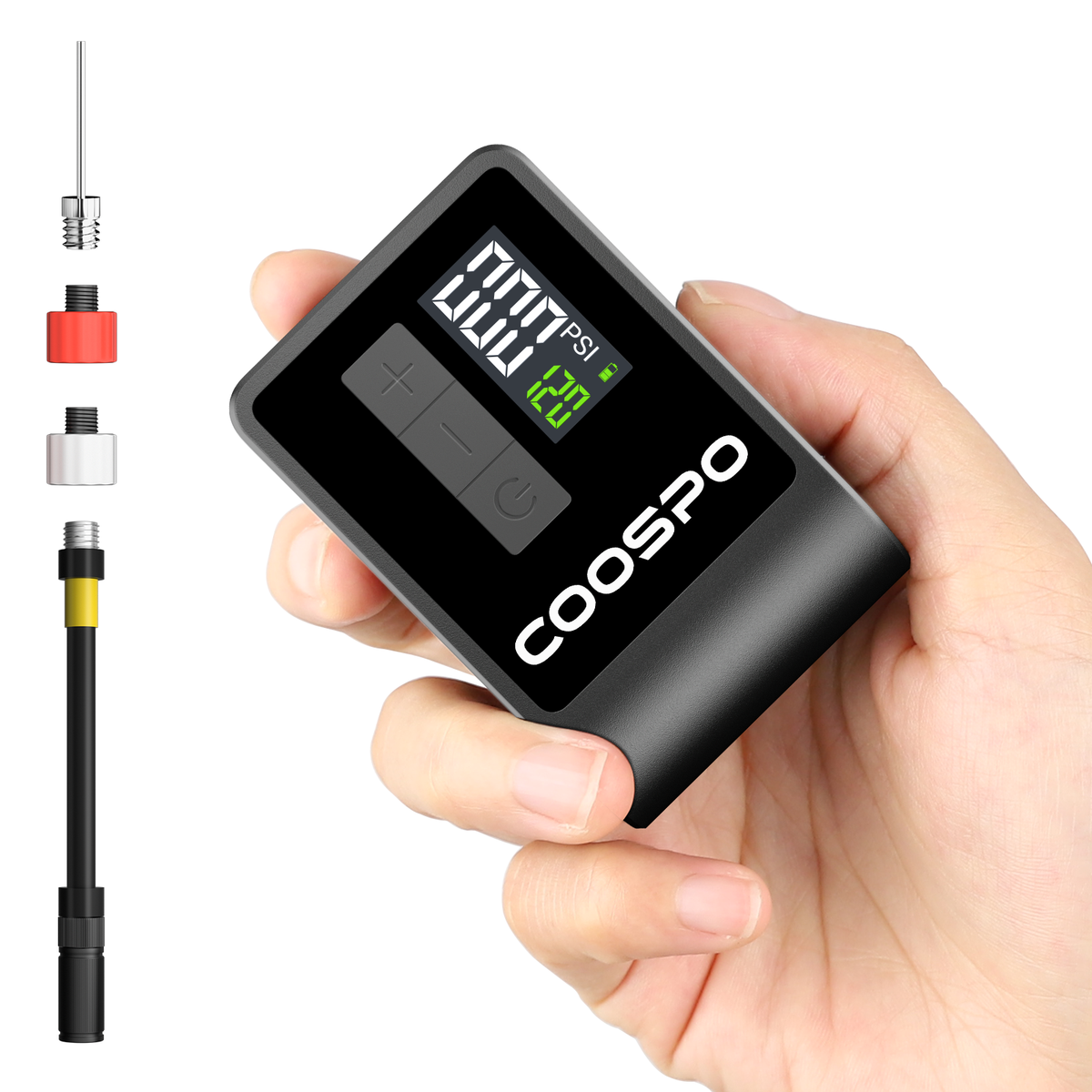
Minibomba + kit básico de reparación (incluye palancas para neumáticos, kit de parches y multiherramienta)
Teléfono + cargador portátil (para navegación y emergencias)
Agua y refrigerios (lleva un 50% más de lo habitual en tus rutas en bicicleta).
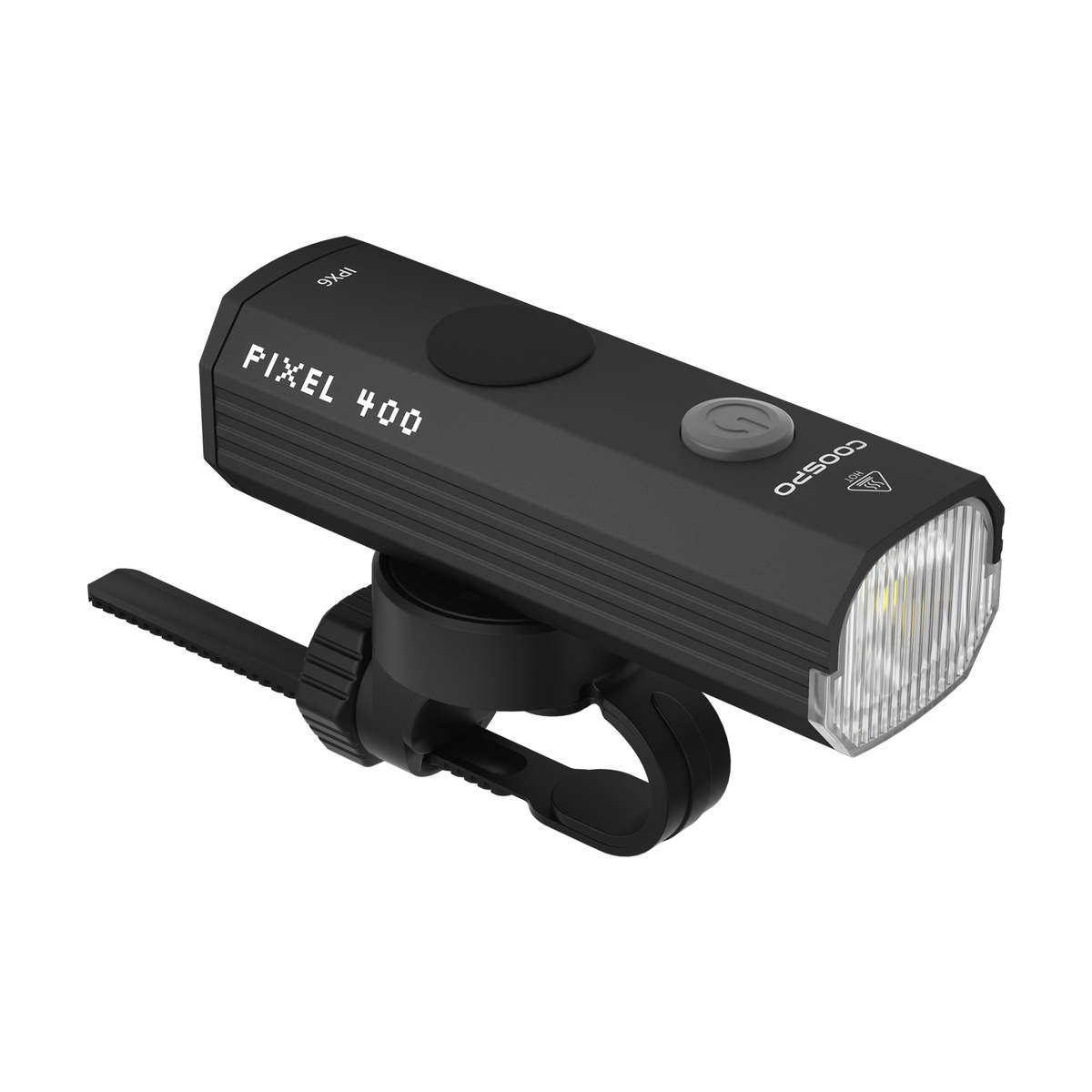
Luz delantera + luz trasera (Iluminan la carretera y te hacen visible para otros vehículos o personas).
Considere estas mejoras (en orden de prioridad)
Después de 3 a 5 recorridos exitosos, es posible que desee:
Guantes de ciclismo acolchados (para amortiguar las vibraciones).
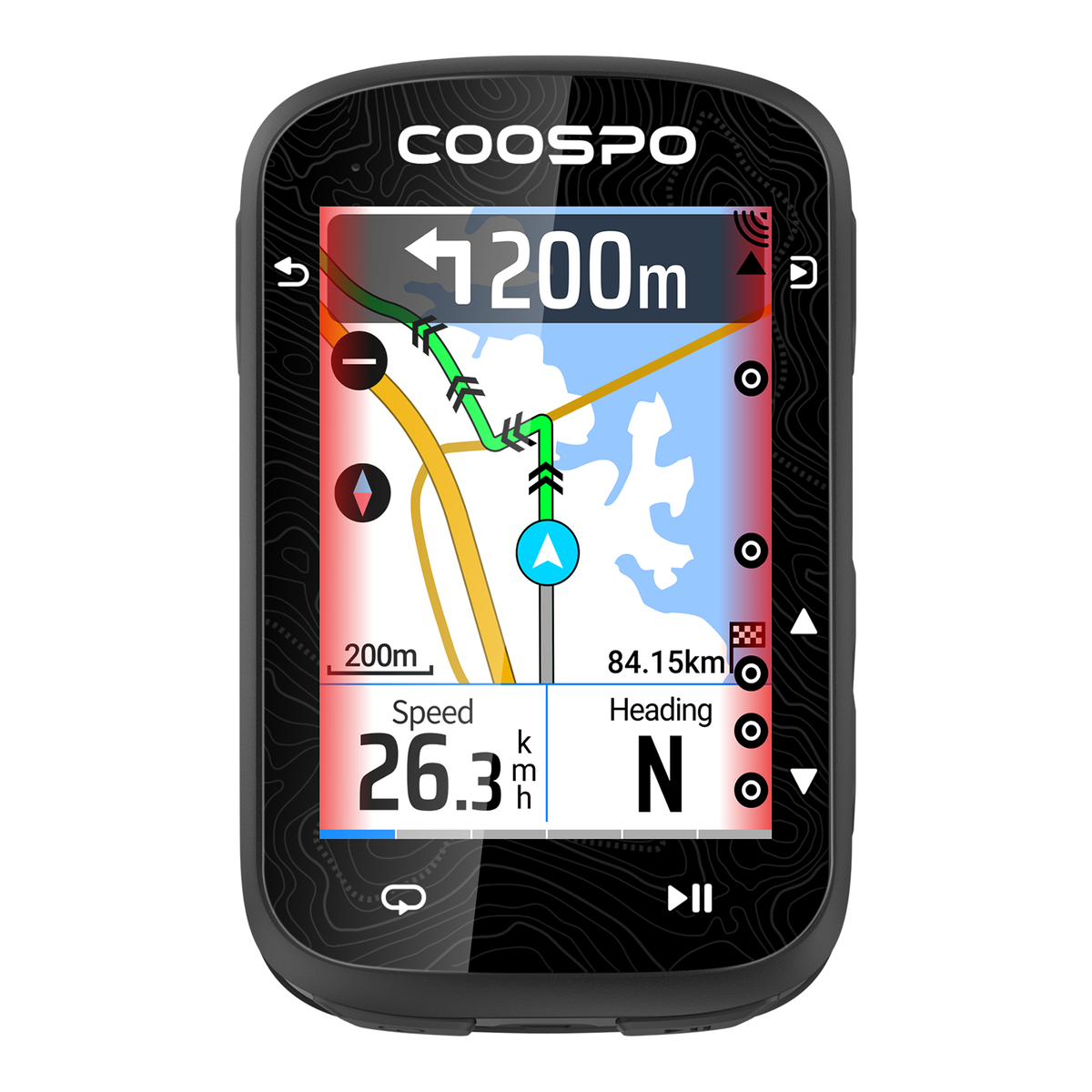
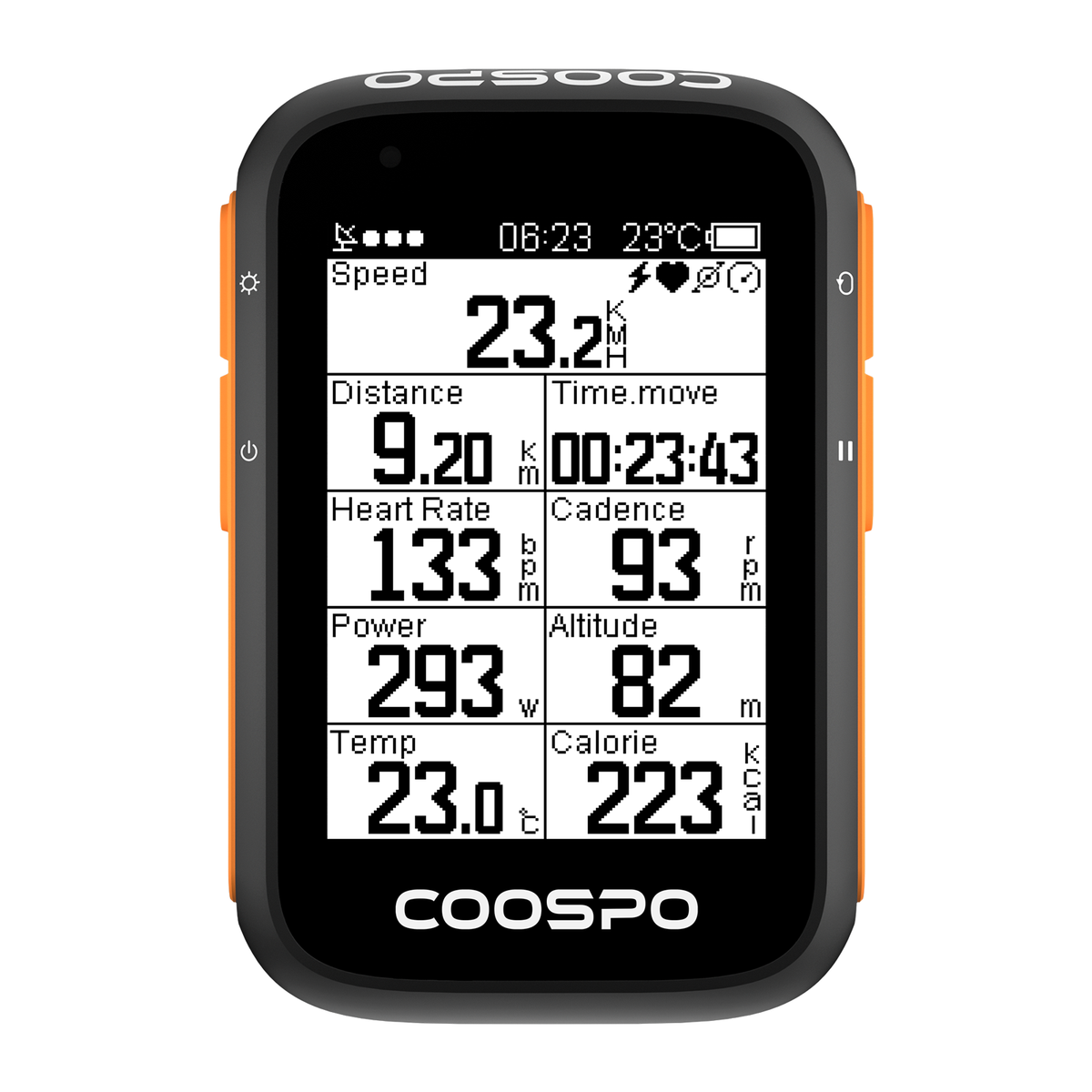
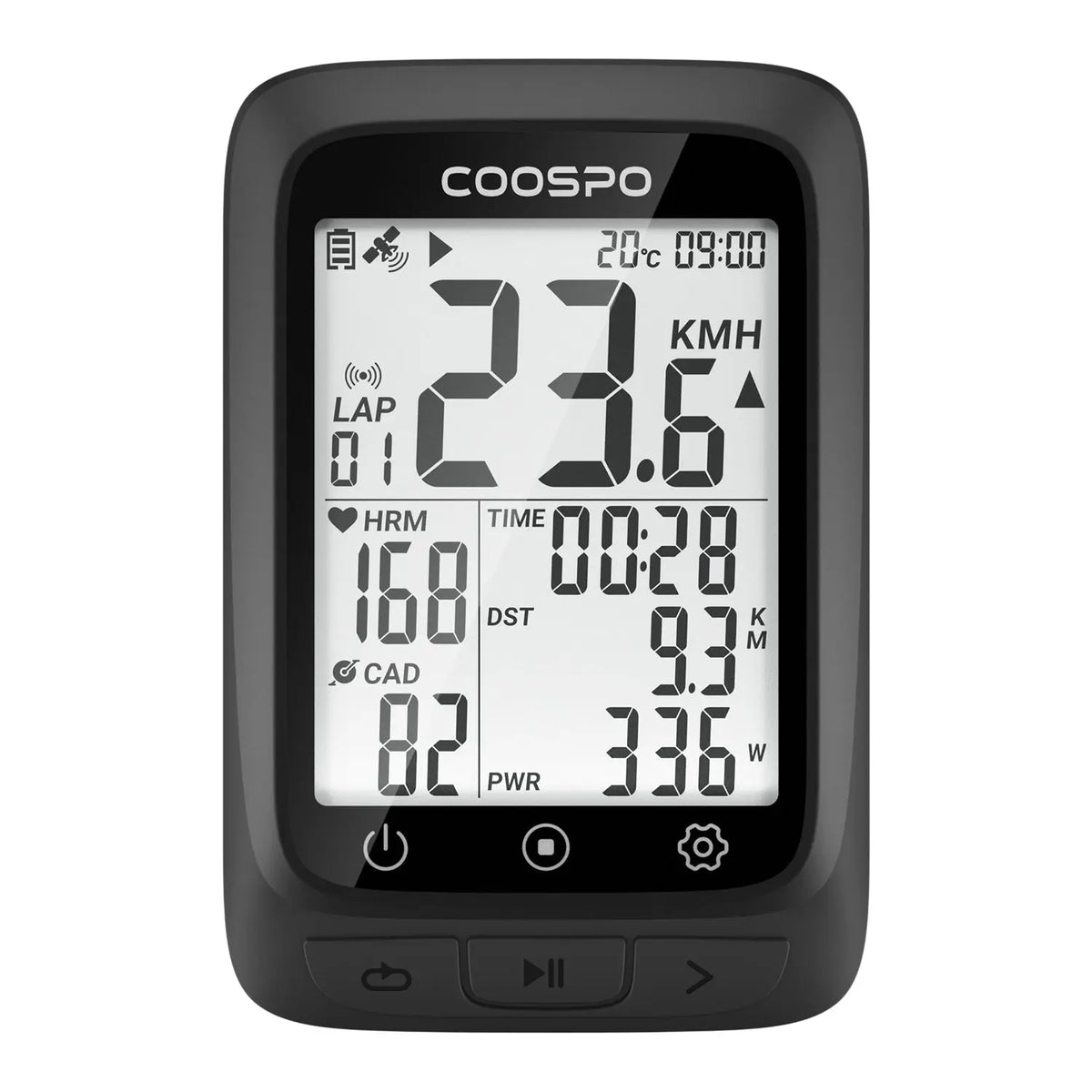
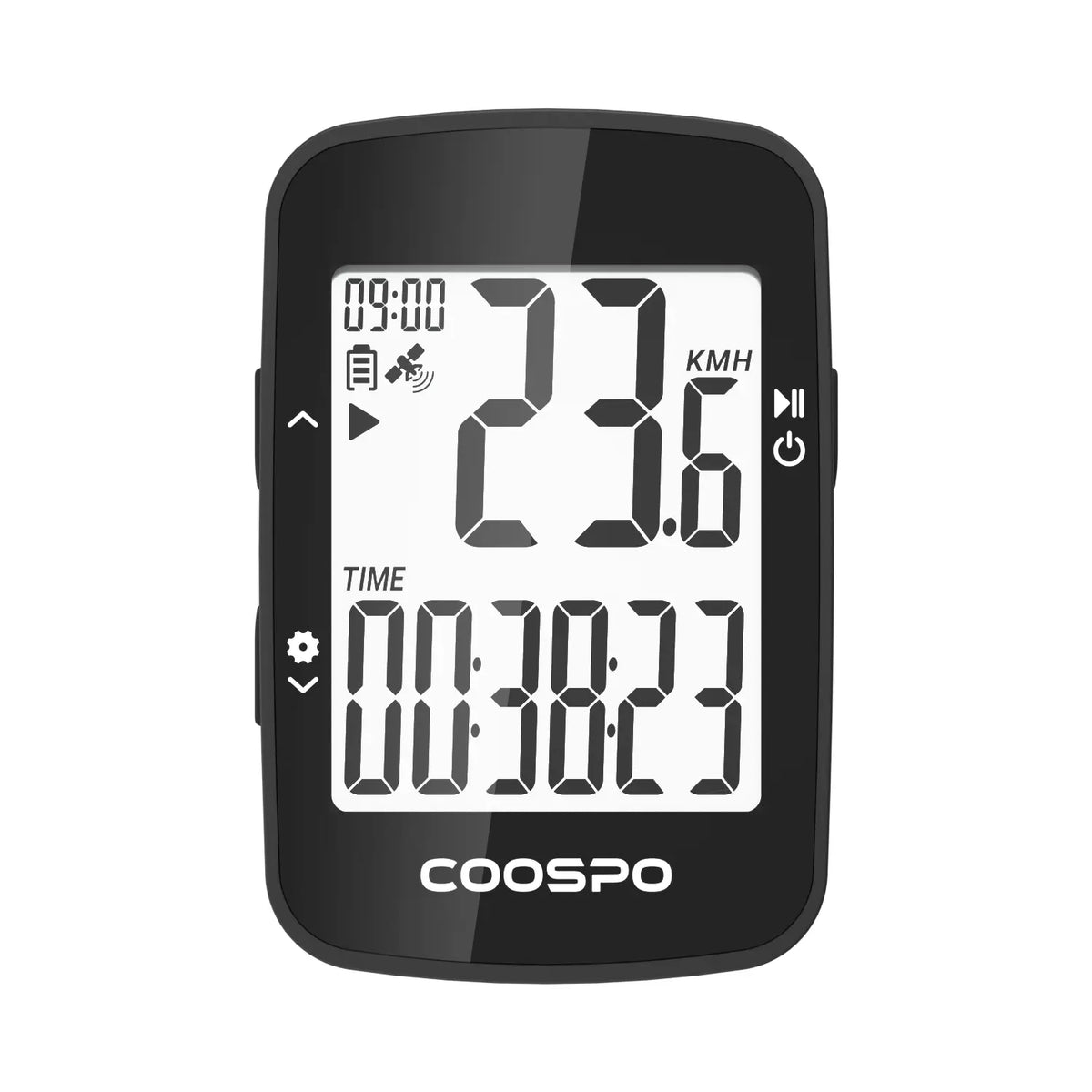
Un ordenador GPS fiable: cuando empieces a explorar más allá, el dispositivo Proporciona una navegación precisa y una duración de batería excepcional, eliminando la "ansiedad por la batería del teléfono"..
Bolsa para el manillar o bolsa para el cuadro (para transportar equipo sin mochila).

Paso 4: Ajustes de mentalidad y habilidades básicas
Montar en bicicleta de grava no se trata de competir, sino de apreciar el hermoso paisaje y experimentar la alegría que brinda la naturaleza.
Ajustar las expectativas de velocidad
Las superficies sin pavimentar suelen reducir la velocidad entre un 30% y un 50% en comparación con las carreteras pavimentadas.
Esto no significa que seas "lento", sino más bien que estás experimentando más.
Recomendación: En los primeros recorridos, ignore por completo los datos de velocidad.
Técnicas básicas de manejo
Brazos relajados: Deja que tus brazos cuelguen de forma natural; evita la rigidez de los codos.
Observa con antelación: Examina la ruta entre 3 y 5 metros por delante y elige el mejor camino.
Desplaza el peso hacia atrás: En descensos o tramos irregulares, desplaza ligeramente las caderas hacia atrás.
Dirección suave: Evite giros bruscos en superficies blandas.

Consejo práctico: Cuando te encuentres con terreno irregular, desmontar y empujar es la opción más profesional.
Paso 5: Después de tu primer paseo, ¿qué sigue?
Después de tu primera ruta en caminos de grava, tendrás una idea más clara:
Si sientes: "Esto es divertido, pero aún no estoy obsesionado", doContinúe utilizando su bicicleta actual para paseos ocasionales por caminos sin pavimentar. Céntrate en explorar rutas, no en mejorar tu equipo.
Si eres completamente "adicto", doConsidere las siguientes opciones de actualización:
Primero, los neumáticos: Un buen neumático para grava (como el WTB Acertijo o Panaracer GravelKing) marcará la diferencia más significativa.
Considera la posibilidad de comprar una bicicleta específica para gravel: si montas en bicicleta de gravel 2 o 3 veces al mes, una bicicleta de gravel adecuada puede hacer que cada salida sea más agradable.
Para quienes empiezan desde cero y no tienen bicicleta, aquí les mostramos cómo hacer una primera compra inteligente:
Si aún no tienes bicicleta y quieres empezar con una específica para gravel, considerar las marcas chinas en rápido crecimiento es una opción inteligente y económica. En comparación con las marcas internacionales de alta gama, los principales fabricantes chinos ofrecen ahora geometrías de cuadro diseñadas para terrenos mixtos, cuadros fiables de fibra de carbono o aluminio, y sistemas de transmisión y frenado modernos, todo a precios más asequibles.
Para principiantes, marcas como SAVA y JAVA Son excelentes puntos de partida, ya que ofrecen líneas de bicicletas de gravel bien establecidas que abarcan una amplia gama de cuadros de aluminio o fibra de carbono, desde modelos básicos hasta avanzados.
Al elegir una bicicleta, prioriza la comodidad del cuadro y el espacio para los neumáticos: asegúrate de que el cuadro admita neumáticos de al menos 40 mm de ancho y que ofrezca una posición de conducción cómoda y sencilla. Recomendamos comprarla en tiendas de bicicletas locales que ofrezcan pruebas o a través de canales oficiales en línea para garantizar un servicio posventa fiable.
Una bicicleta de gravel china bien elegida, combinada con accesorios de marcas como


Profundizando: Cuando estés listo para explorar más
Después de 5 a 10 recorridos básicos por caminos de grava, podrías considerar lo siguiente:
Excursiones de un día (60-100 km)
Aprende a planificar rutas con Komoot o RideWithGPS..
Reparaciones de campo maestras. (correcciones planas, problemas de cadena)
Lleva contigo alimentos y agua suficientes.. (Plan de reabastecimiento cada 30 km).
Microaventuras de una noche (1-2 días)
Comience con un camping ya establecido.s.
Experimenta con equipo ligero para cicloturismo..
Ten siempre planes de respaldo para casos de mal tiempo, fatiga o emergencias..
Comunidad local de grava
Busca en redes sociales grupos regionales de senderismo en grava..
Únete a las excursiones grupales de fin de semana..
Descubrirás que los ciclistas de gravel suelen ser los más acogedores y los menos obsesionados con el equipamiento..
Reflexiones finales: ¿Merece la pena probar el ciclismo de grava?
Si tienes curiosidad por el ciclismo de grava, el mejor consejo es sencillo: Pruébalo.
No necesitas un equipo perfecto, habilidades de experto ni un nivel de condición física específico. Busca un camino de grava tranquilo, baja tus expectativas de velocidad y concéntrate en disfrutar del paseo.
Para muchos principiantes, el ciclismo de grava se convierte en una alternativa refrescante, o incluso en un sustituto, del ciclismo de carretera tradicional.
No se trata de ser más rápido o más fuerte. Se trata de libertad, exploración y de disfrutar del viaje.
Y esa es precisamente la razón por la que tanta gente se enamora de él.
La verdadera transformación no ocurre cuando compras una bicicleta nueva, sino cuando... Primero, gira las ruedas hacia un camino sin pavimentar.. Ese giro es a la vez un final y un comienzo: el fin de la indecisión ante lo desconocido y el inicio de una exploración sin fin.



Deja un comentario
Este sitio está protegido por hCaptcha y se aplican la Política de privacidad de hCaptcha y los Términos del servicio.