













![[2 Pack] Coospo Breathable Neck Gaiter Face Scarf Mask COOSPO](http://www.coospo.com/cdn/shop/files/106de7b046babc03aa610173af6e31aa_599da3fe-9907-4b1e-8eb0-f08b3032720b.png?v=1720591174&width=1600)

![[4 Pack] Coospo Soft Breathable Chilly Towel, Microfiber Towel COOSPO](http://www.coospo.com/cdn/shop/files/1_904094cc-62ee-40e9-aa21-415effb385b4.png?v=1720527561&width=1600)
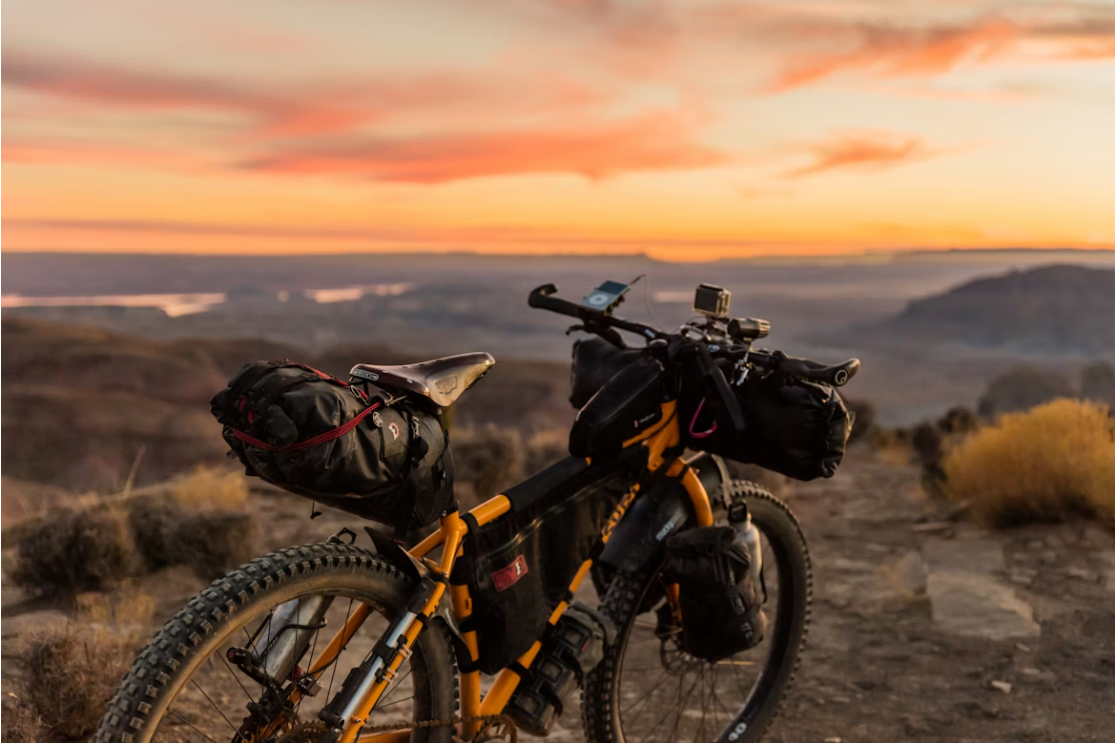
¿Alguna vez has visto esas fotos de cicloturismo en las redes sociales bajo las estrellas y alrededor de fogatas, sintiendo envidia pero preguntándote: "Eso es genial, pero ¿cómo se supone que voy a meter todo esto en una bicicleta?"
No te preocupes, ese proceso de empaquetado que parece tan complicado es solo el comienzo de la diversión en el cicloturismo. Este artículo no te dará una lista de la compra aburrida., En cambio, te guiará en la construcción de un sistema de ciclismo equilibrado, fiable y verdaderamente personalizado. Iremos paso a paso, para que comiences tu primer viaje nocturno en bicicleta con un plan claro, no con una montaña. de ansiedad.

Paso 1: Comprender el triángulo de carga
Antes de colgar nada en tu bicicleta, dediquemos un minuto a comprender un concepto fundamental: Tél Load Ttriángulo.
Imagina tu bicicleta como una balanza. La forma en que se distribuye el peso determina directamente si se comporta de forma estable o inestable.
Este triángulo tiene tres áreas clave:
Triángulo del manillar: Afecta al control de la dirección. Adecuado para objetos voluminosos pero ligeros (como una tienda de campaña o una colchoneta).
Triángulo del cuadro: Este es el núcleo del centro de gravedad de la bicicleta. Es ideal para transportar los objetos más pesados (herramientas, comida, agua), ya que proporciona la máxima estabilidad.
Triángulo del sillín: Afecta a la tracción y estabilidad de la rueda trasera. Adecuado para objetos esponjosos pero algo pesados (como un saco de dormir), pero evite sobrecargarlo, de lo contrario, experimentará una sensación de derrape.
Recuerda este triángulo, Es la base de todas nuestras decisiones de empaque.

Paso 2: Creación del sistema de tres paquetes más razonable
La mayoría de las configuraciones de cicloturismo minimalistas se basan en estas tres bolsas. Cada una tiene su propia función y funciona de forma independiente.
1. Bolsa para el cuadro
Qué es: Una bolsa que cuelga dentro del triángulo del marco.
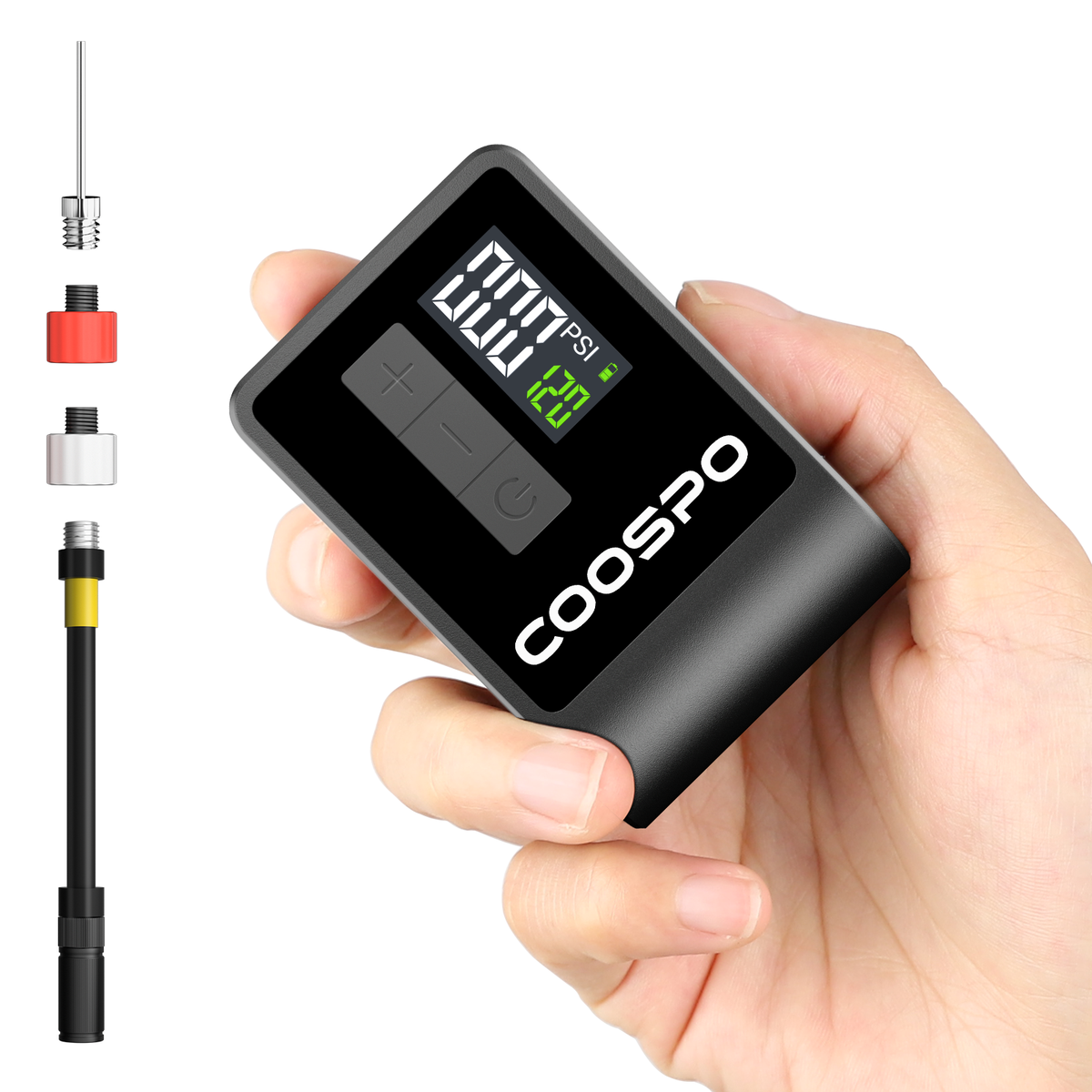
Contenido: Todo tu equipo pesado. Tus herramientas, rueda de repuesto, bomba de aire portátil, refrigerios para el camino y batería externa. Concentrar el peso en el centro de la bicicleta la hace más estable para conducir.
Consejo de instalación: Después de instalarla, levántese y sacuda la bicicleta para comprobar si hay piezas sueltas o ruidos extraños. Asegúrese de que no roce con los muslos al pedalear.
2. Bolsa trasera
Qué es: Una mochila elástica que se cuelga debajo del sillín.
Contenido: Artículos esenciales para dormir. Saco de dormir, colchoneta y ropa de abrigo para la noche. Estos artículos son mullidos, pero el peso está relativamente concentrado.
Consejo de instalación: ¡Este es el lugar donde es más probable que la rueda trasera roce! Después de la instalación, presione firmemente la suspensión trasera (o baje la bicicleta) para asegurarse de que el neumático no roce con la bolsa al pasar por baches. Una luz trasera con radar inteligente se puede instalar discretamente debajo de la tija del sillín o la correa de la bolsa, ahorrando espacio y mejorando su seguridad en la carretera.
3. Bolsa para el manillar
Qué es: Una bolsa enrollable o rígida que se cuelga del manillar.
Contenido: Artículos ligeros y de uso frecuente. Una chaqueta cortavientos, tentempiés para el camino, una cámara o tela para la tienda de campaña (si los postes están en la bolsa trasera). Es muy práctico poder sacar una chaqueta fácilmente cuando hace frío por la mañana.
Consejos de instalación: Asegúrese de dejar espacio para el faro y ciclocomputadora! Planifica tu espacio cuidadosamente, No permita que la bolsa bloquee el alcance de iluminación del faro ni obstruya la ciclocomputadora pantalla. Organice ligeramente los cables con bridas para evitar que se enreden.

Paso 3: Distribución y equilibrio del peso
¿Todas las alforjas están colocadas? Ahora llega el paso más crucial: familiarizarse con la bicicleta.
Levanta la bicicleta con ambas manos y muévela suavemente. ¿Sientes que la parte delantera se va a estrellar contra el suelo, o la parte trasera es tan pesada que cuesta levantarla? Lo ideal es que esté equilibrada entre la parte delantera y la trasera, con un ligero peso hacia atrás (esto proporciona mayor estabilidad en los descensos).
Recuerda estas reglas de oro:
Coloca los objetos pesados lo más abajo y en el centro posible (por ejemplo, coloca las herramientas en el fondo de la bolsa del cuadro).
El agua contribuye significativamente al peso. Usar un portabotellas dentro del cuadro (centro de gravedad bajo) es mucho más cómodo que llevarlo en una mochila (centro de gravedad alto).
Mantén la simetría. No amontones un montón de baterías en un lado de la bolsa del cuadro.
Ahora, lo más importante: ¡prueba la bicicleta! Antes de salir, da unas vueltas con la bicicleta cargada por tu barrio o en el aparcamiento. Frena bruscamente, practica las curvas a baja velocidad y nota los cambios en el manejo. Descubrirás que la bolsa trasera, que antes parecía ir bien, ahora se siente un poco lenta en las curvas; esto es fundamental para hacer ajustes.
Paso 4: Integración de tus dispositivos electrónicos
En el cicloturismo moderno, tu equipo electrónico es tu guía y tu motor de seguridad, y debe estar correctamente integrado.
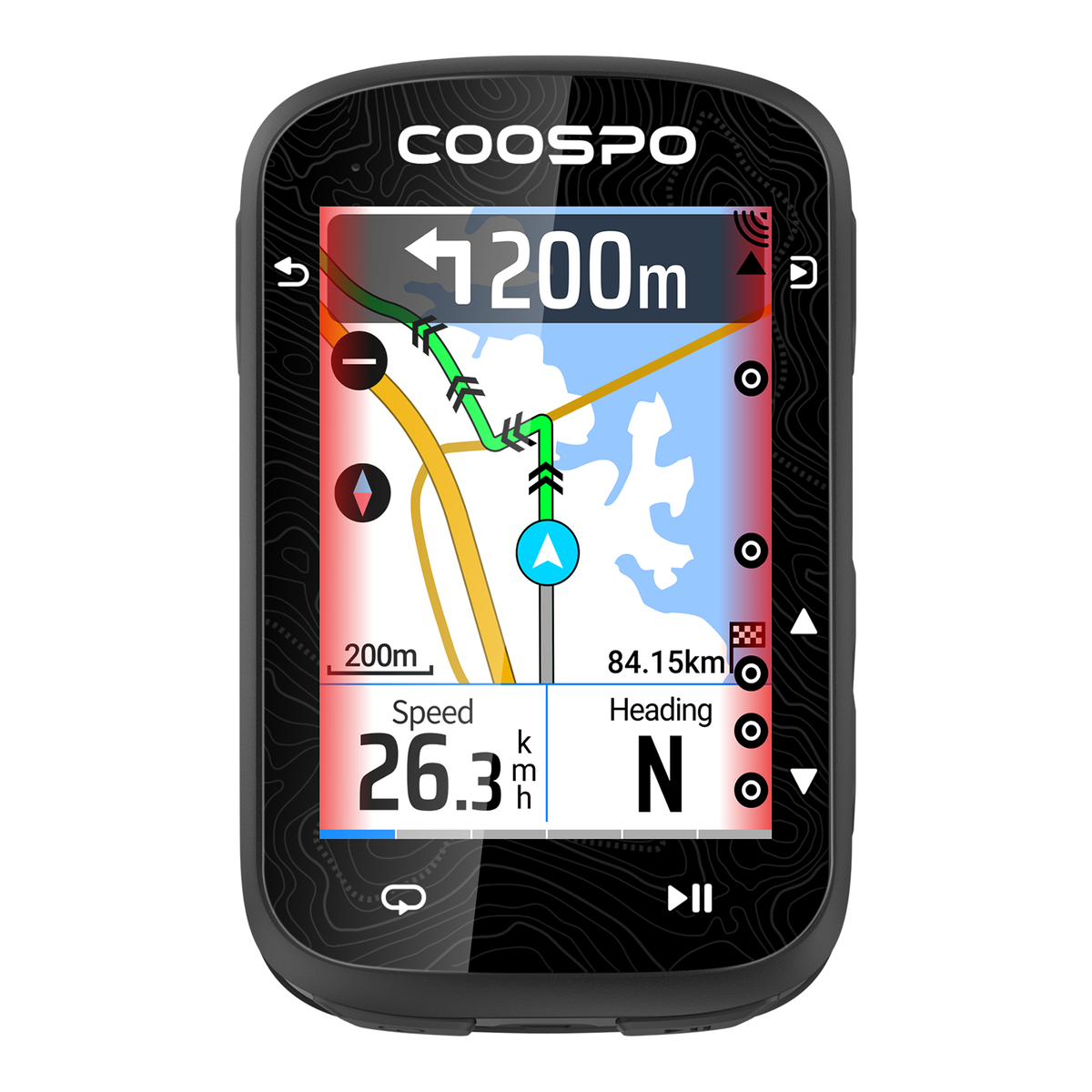
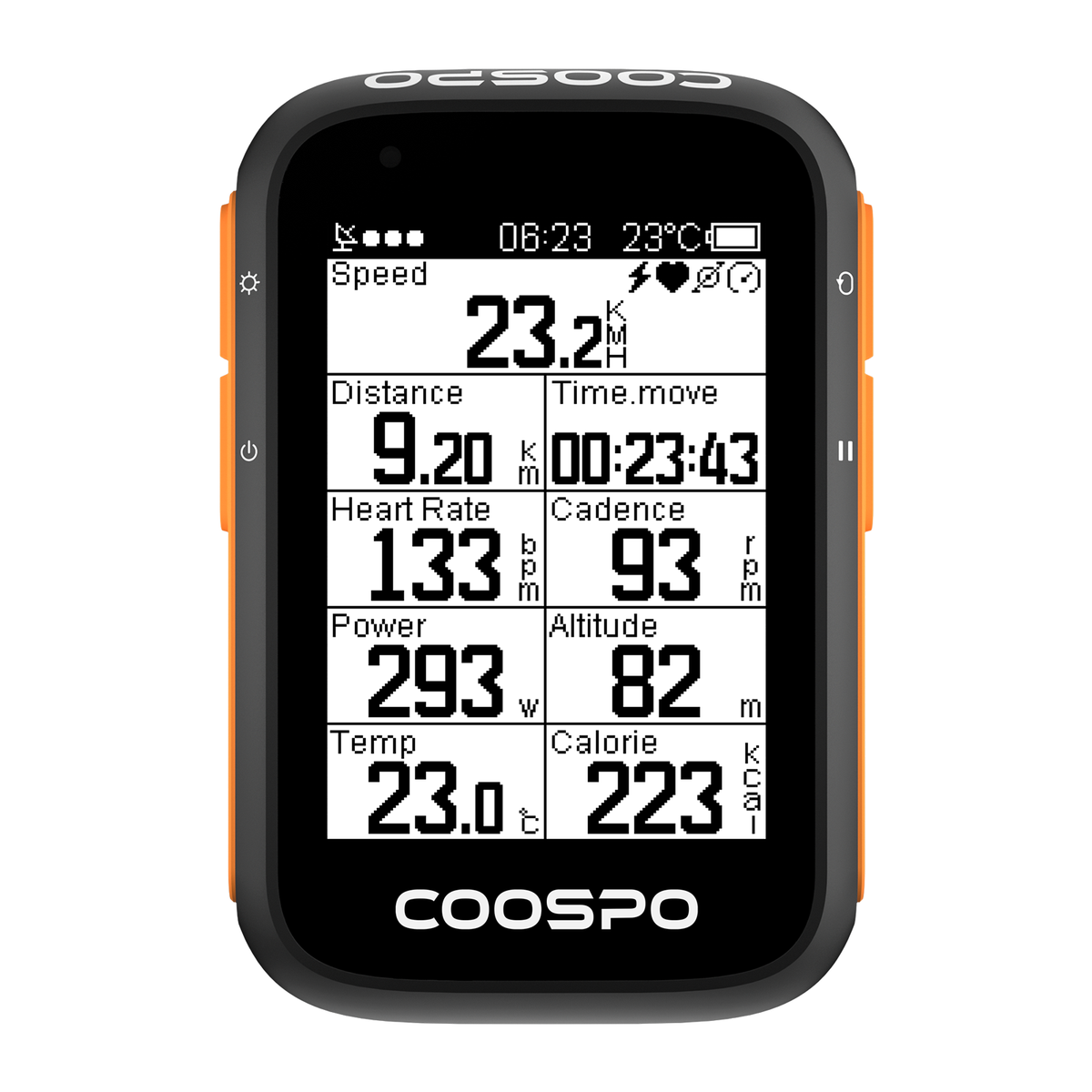
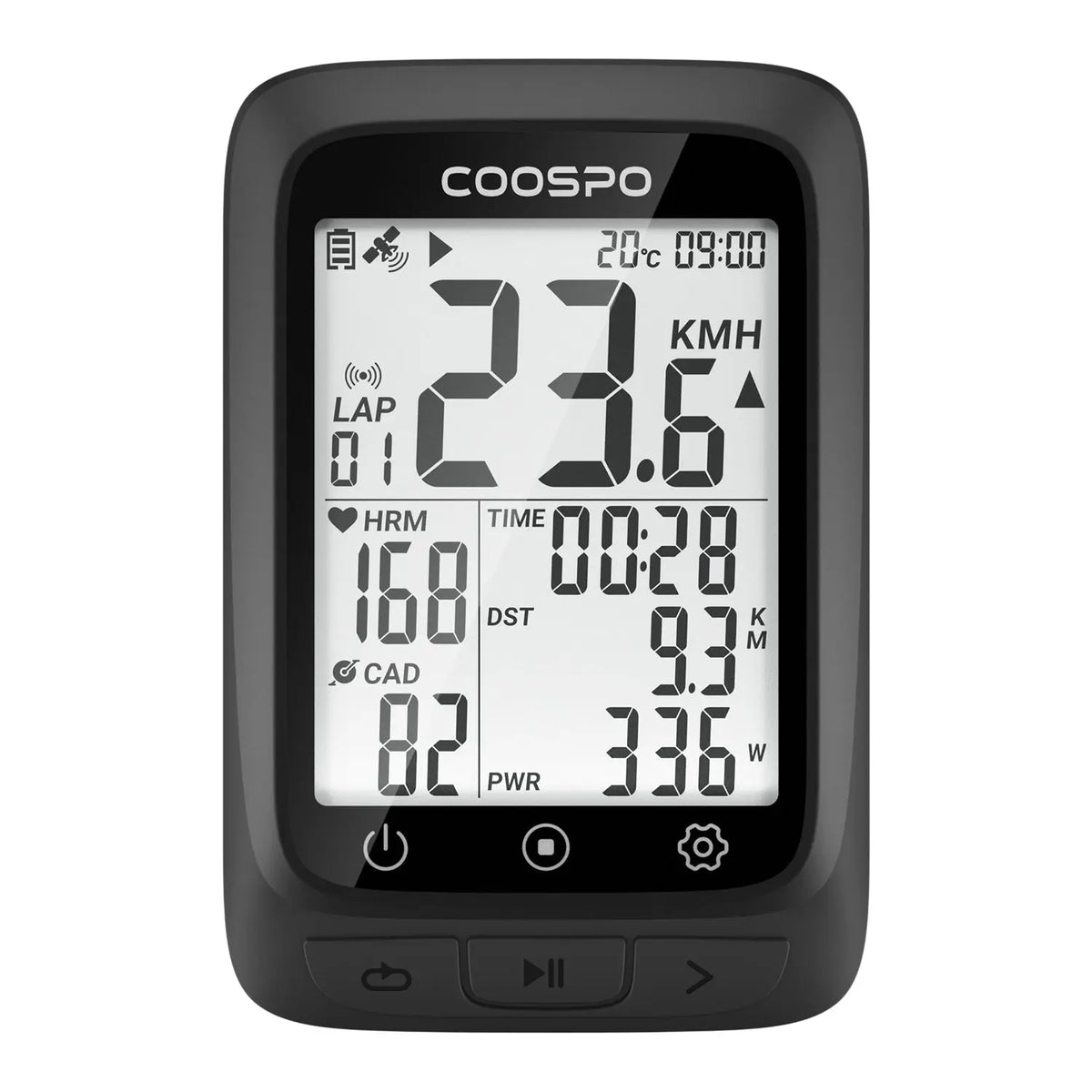
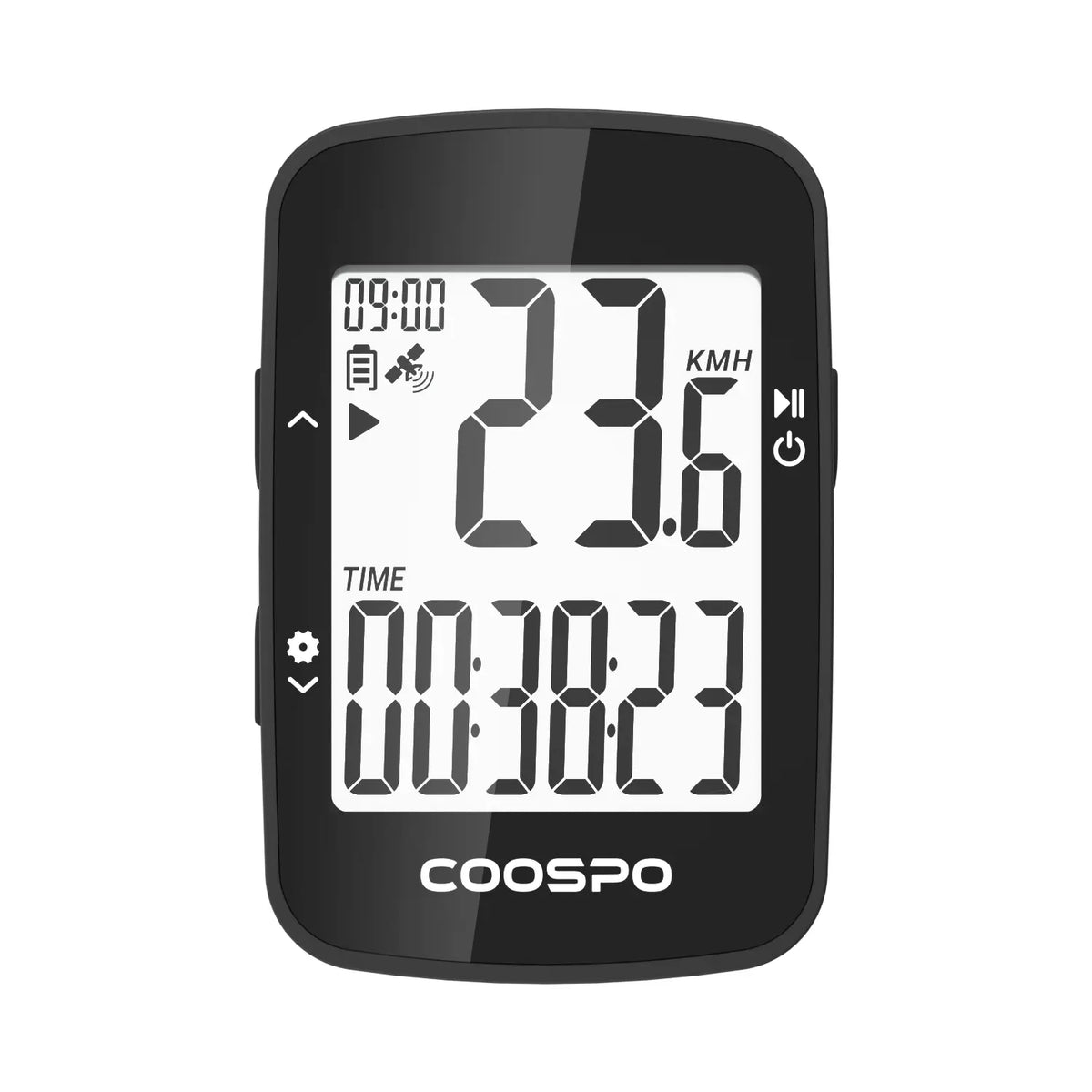
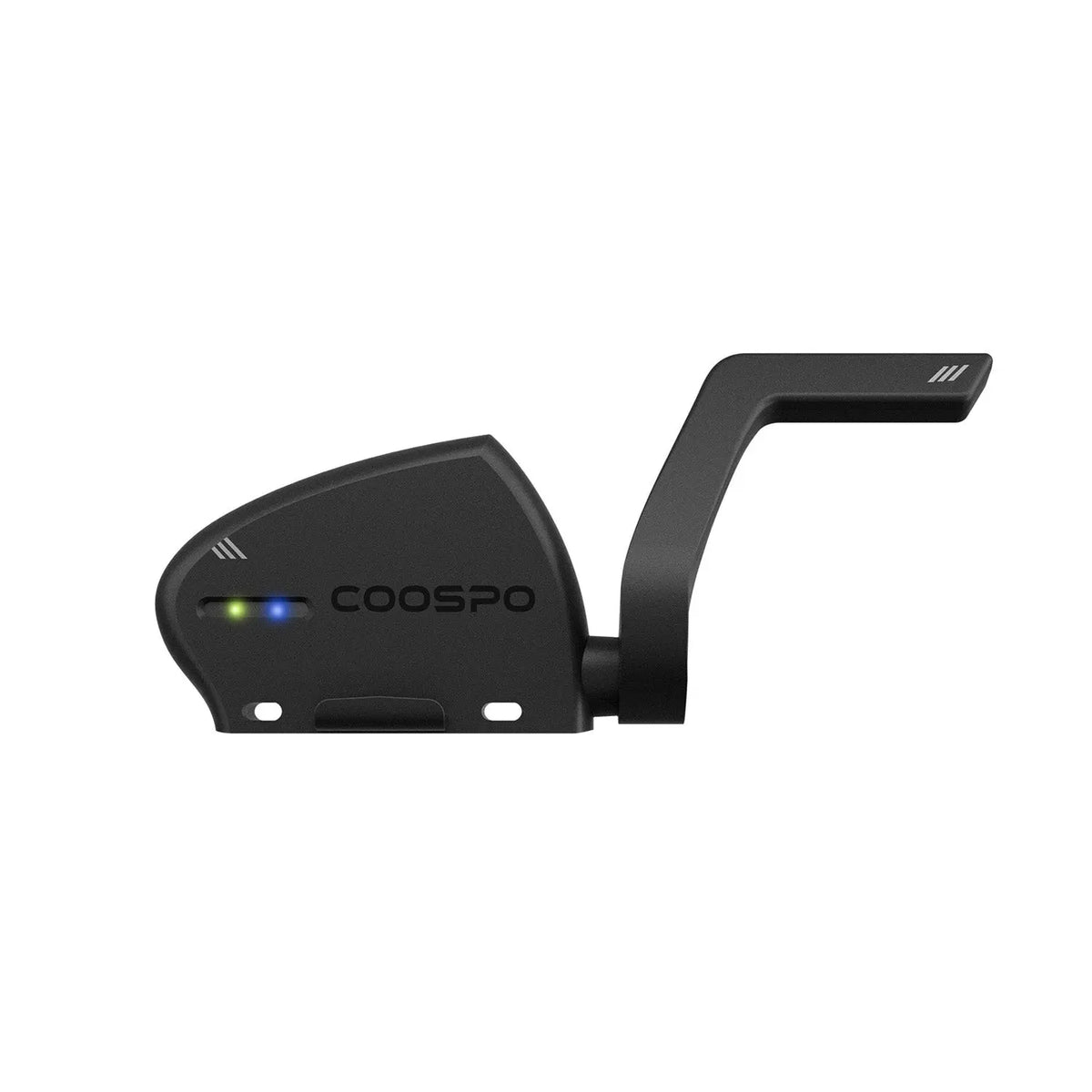
Navegación: Instala tu ciclocomputador GPS en un lugar bien visible. Imagina que vas en bicicleta por un sendero solitario al anochecer y tu teléfono se queda sin batería; un ciclocomputador con pantalla nítida y de larga duración te salvaría el viaje. Asegúrate de descargar con antelación la ruta y los mapas sin conexión. A veces, al circular por zonas montañosas remotas, el ciclocomputador puede perder la señal, por lo que los mapas sin conexión son especialmente importantes.
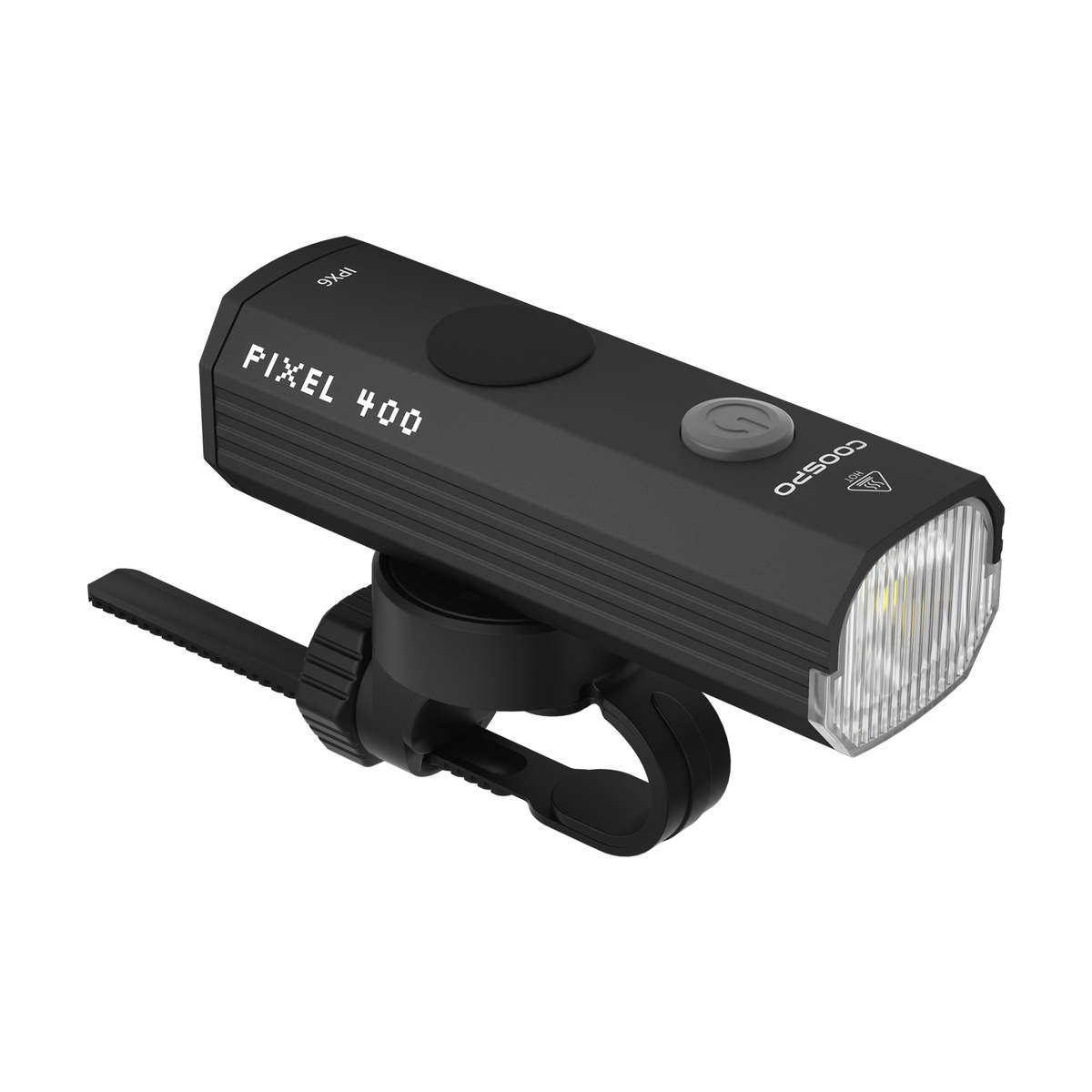
Sistema de iluminación: Un faro delantero no solo sirve para iluminar la carretera de noche, sino también para sobrevivir en caso de lluvia intensa y niebla. Fíjelo firmemente al manillar o al portaequipajes, asegurándose de que el haz de luz no quede obstruido por la voluminosa bolsa del manillar. No olvide que, en carreteras largas y poco transitadas, una luz trasera con radar que detecta los vehículos que vienen detrás no solo proporciona iluminación, sino también una advertencia adicional.
Fuente de alimentación: Planifica las rutas de carga para tu batería externa, luces y ciclocomputador. Utiliza bolsas impermeables y bridas para cables para guardar el exceso de cables.
Paso 5: Lista de verificación previa al viaje
Antes de subirte a los pedales con entusiasmo, echa un último vistazo a esta lista:
Bicicleta y carga:
¿La presión de los neumáticos es la adecuada para la carga?
¿Los frenos responden bien? Una mayor inercia con carga aumentará la distancia de frenado.
¿Están todas las correas y hebillas bien ajustadas? ¿Hay alguna correa suelta o algún ruido inusual?
¿Los pedales chocarán con la bolsa del cuadro al girar? (¡Este es un error común!)
Equipamiento y seguridad:
Todos los dispositivos electrónicos están completamente cargados y los mapas sin conexión están descargados.
Las luces funcionan correctamente y el ángulo del haz es el adecuado.
Comparte tu ruta detallada y la hora estimada de regreso con al menos un amigo.
Mantén las herramientas, la rueda de repuesto y el kit de reparación rápida de neumáticos en lugares de fácil acceso.
Conclusión: Acepta la imperfección, empieza con la victoria.
No existe una solución perfecta para el cicloturismo, al igual que no hay dos viajes iguales. Tu primer sistema podría llevarte a casa y darte cuenta de que "no necesitaba traer eso" o "La próxima vez, debería guardar esto en otro sitio".
Estas experiencias son las mayores ventajas.
La alegría de viajar en bicicleta no reside solo en el destino, sino también en el proceso de construirla y optimizarla continuamente. Te ayuda a comprender mejor tu bicicleta, tus necesidades y, en definitiva, a comprenderte mejor a ti mismo.
Así que deja de esperar el equipo o el clima perfectos. Usa lo que ya tienes, sigue esta guía para armar tu sistema básico y luego sal a la aventura, aunque solo sea para pasar la noche en un parque a las afueras de la ciudad.
Los paisajes más hermosos no están en la primera página de la guía, sino al final de tu recorrido. ¡Ahora, empieza a construir!



Deja un comentario
Este sitio está protegido por hCaptcha y se aplican la Política de privacidad de hCaptcha y los Términos del servicio.