














![[2 Pack] Coospo Breathable Neck Gaiter Face Scarf Mask COOSPO](http://www.coospo.com/cdn/shop/files/106de7b046babc03aa610173af6e31aa_599da3fe-9907-4b1e-8eb0-f08b3032720b.png?v=1720591174&width=1600)


![[4 Pack] Coospo Soft Breathable Chilly Towel, Microfiber Towel COOSPO](http://www.coospo.com/cdn/shop/files/1_904094cc-62ee-40e9-aa21-415effb385b4.png?v=1720527561&width=1600)

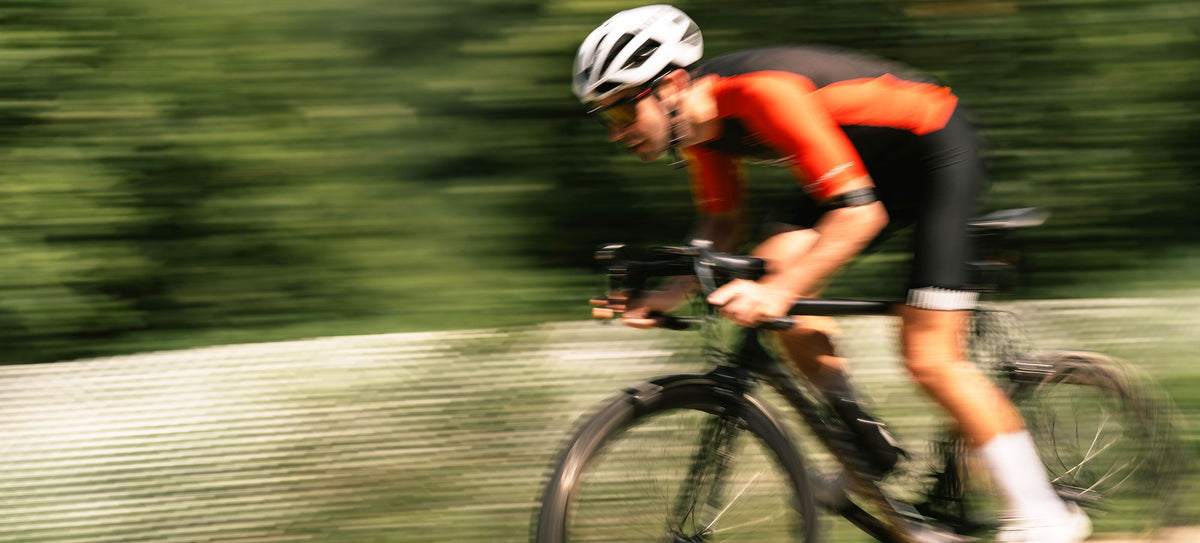
No cycling fan doesn’t reflect and try to take their performance to the next level at the start of a new season. Don’t rush yourself. To improve, keep this in mind: usually, when you should go slowly, you don’t go slow enough, and when you should go fast, you don’t go fast enough.

Often, to improve, we look for a new training method or make small changes to what we already do. But the key might actually be in the pre-season. The start of your training is the most important phase of the year and will set the tone for the rest of the season. You’ve probably asked yourself these questions before—here are some answers to help you.
1. Have I been training all year, or would it have been better to take a break?
Without a doubt: it’s better to take a break. In fact, a short vacation should be included in any proper training plan. A training macrocycle is made up of four periods. The last one is called the transition period, which acts as a pause between seasons. If you don’t rest, there’s a risk of hitting a plateau or losing fitness at some point in the next season.
Besides being psychologically beneficial, resting also helps recharge your body physically. Of course, there’s a difference between a cyclist who trains hard and participates in sportives or competitions, and a recreational cyclist who rides a few days a week at low to moderate intensity. The more wear and tear you have, the more beneficial the rest. But a vacation is always a good idea.
2. If I’m going to rest… should I stop suddenly, and how much rest is recommended?
Once you finish your last activities of the season, it’s recommended to gradually reduce your training days, volume, and intensity.
Usually, this reduction lasts about three weeks, followed by three weeks of vacation during the transition period. Studies suggest this is the approximate time needed for full recovery. When you return to training, you’ll have lost some physiological adaptations, but this is expected. Don’t worry—despite the rest, each year you’ll start at a higher level. As the saying goes: “What you once had, you retain.”
3. Is using a trainer useful, or just pointless suffering?
We could say it’s the “hidden gem” in cycling training. If you compare the efficiency of a trainer session to a ride outdoors, you might be surprised.
The Functional Threshold Power (FTP) index, which can be used as a reference, might be the same or even higher on the trainer than outdoors. You could say that all the time spent on the trainer is “pure training.” In contrast, when riding outside—unless you live in a completely empty area—roundabouts, traffic lights, traffic, drafting, and other interruptions significantly reduce effective training time. By the end of the ride, if you remove all that lost time, it’s often close to what you could have done on a trainer.

Of course, 45 minutes on a trainer isn’t the same as a two-hour outdoor ride. But… who said you can only do 45 minutes? This is a common myth. With good ventilation and hydration, you can double that time. Doing two or three trainer sessions of 1–1.5 hours during the week, plus one or two outdoor rides on the weekend, is more than enough to achieve excellent fitness.
4. Is it worth joining a gym?
Gym training is highly recommended during the winter preparation period. Besides strengthening tendons, ligaments, and joints, it also provides many muscular benefits. It’s an important part of training and should be included in the general conditioning phase.

With a well-planned training program suited to your level, you’ll increase your strength in multiple ways. You’ll be able to generate more power with each pedal stroke, and it might even help prevent cramps and muscle injuries throughout the season.
5. Should I change my eating habits now that I’m burning fewer calories, or is it okay to gain a couple of kilos?
Here we follow the saying: “What goes in must come out.” If you eat the same but burn less, you’ll gain weight. Whether gaining a little weight is okay depends on your current body fat percentage. Generally, most of us have a higher body fat percentage than professional cyclists.
If you have extra weight, a good option is to adjust your food intake to avoid gaining more, so you’re ready when the new season starts.
For example, if your goal is to lose a couple of kilos for the next season, but you gain two kilos now, you’ll have to lose double the weight later—the two kilos you gained plus the two kilos you originally wanted to lose. Also, gaining weight (if it’s fat) will reduce your maximum oxygen consumption (VO₂ max).
6. What other sports can I do that will benefit me for the next season?
Any sport that provides cardiovascular and aerobic benefits is suitable. The most notable ones include cross-country skiing, skating, swimming, or running.
Some of these sports can even improve your aerobic adaptations, as they engage more muscle mass. However, you need to be careful with running because it can be muscle-incompatible with cycling, and improper practice can lead to injuries. Make sure to use shoes suited to your foot type (pronator, supinator, or neutral), keep your runs under 60–70 minutes, and avoid asphalt as much as possible. These tips will make running less harmful.
If you run several days a week, try to compensate with leg strength exercises to maintain the specific muscle tone needed for cycling.

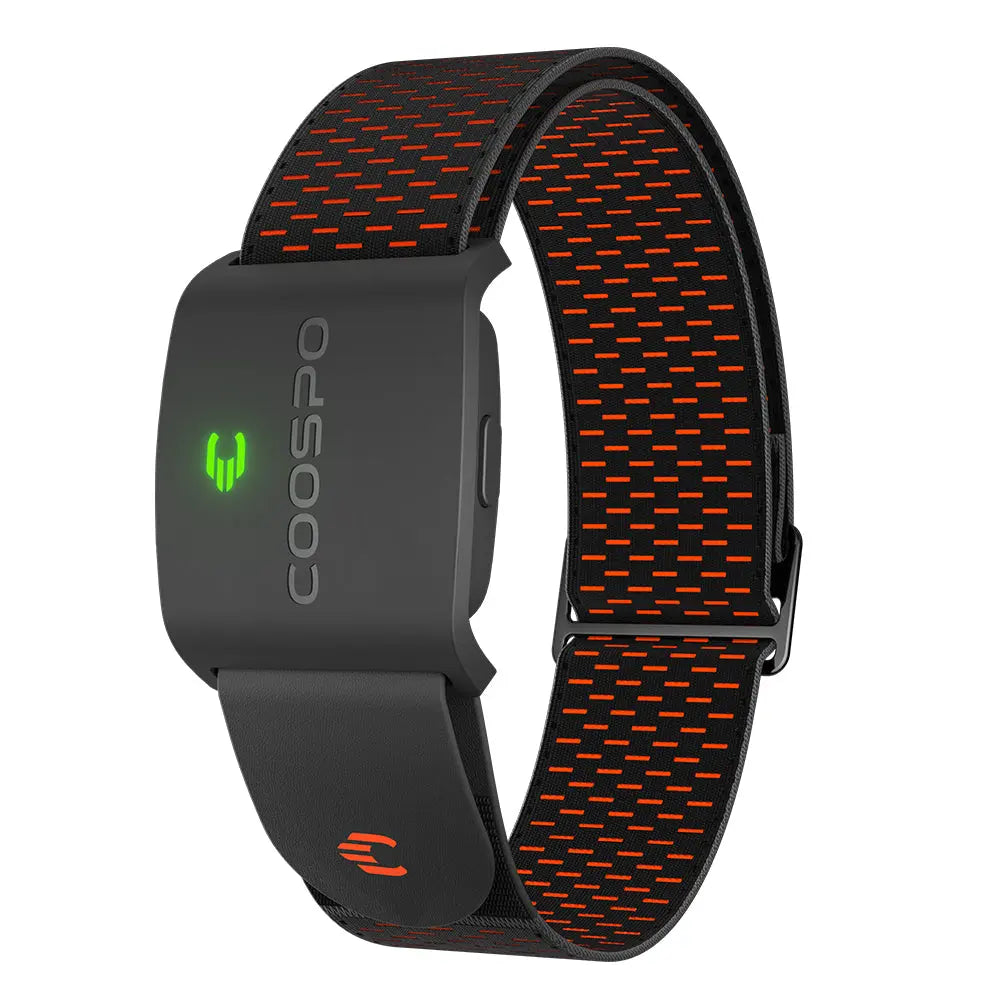
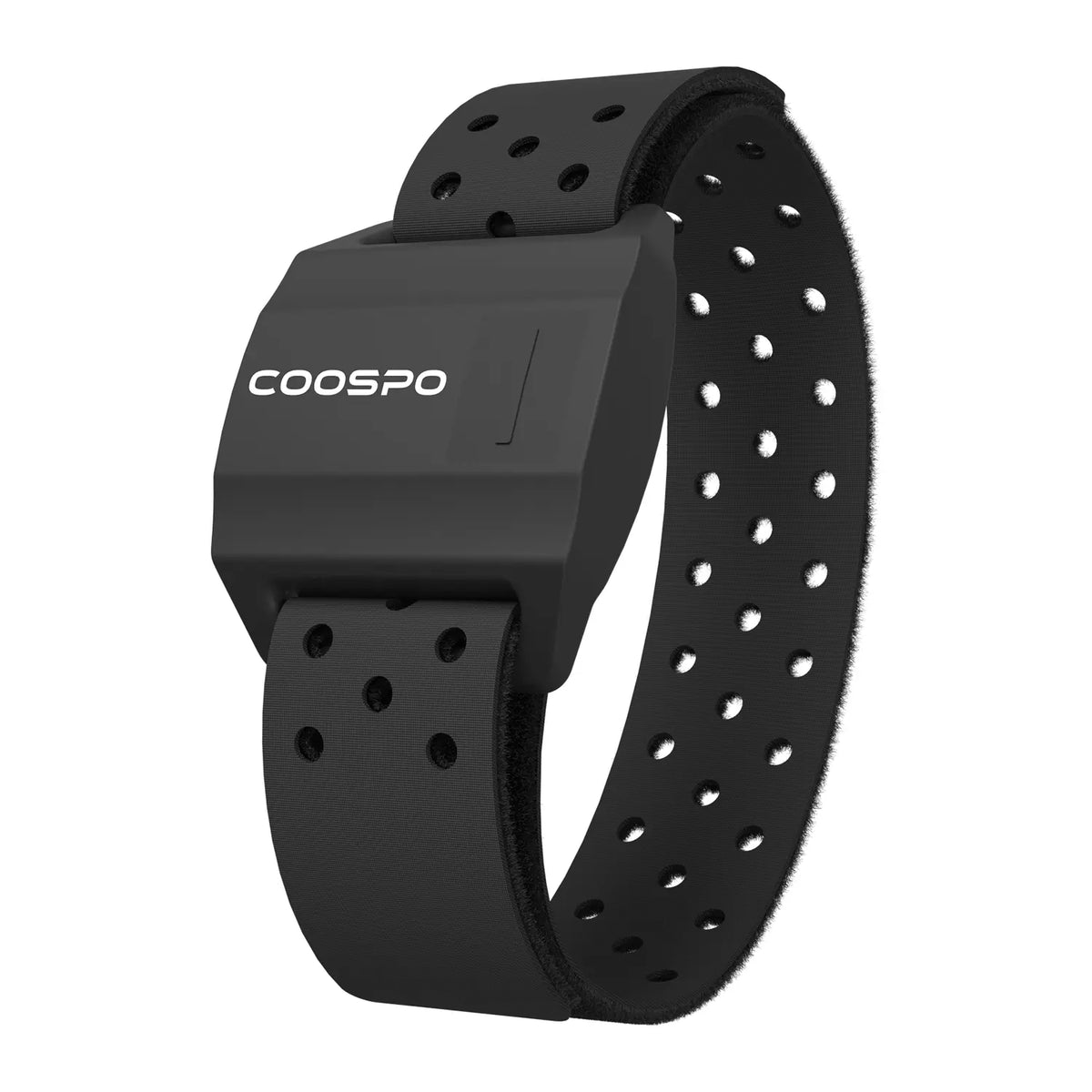
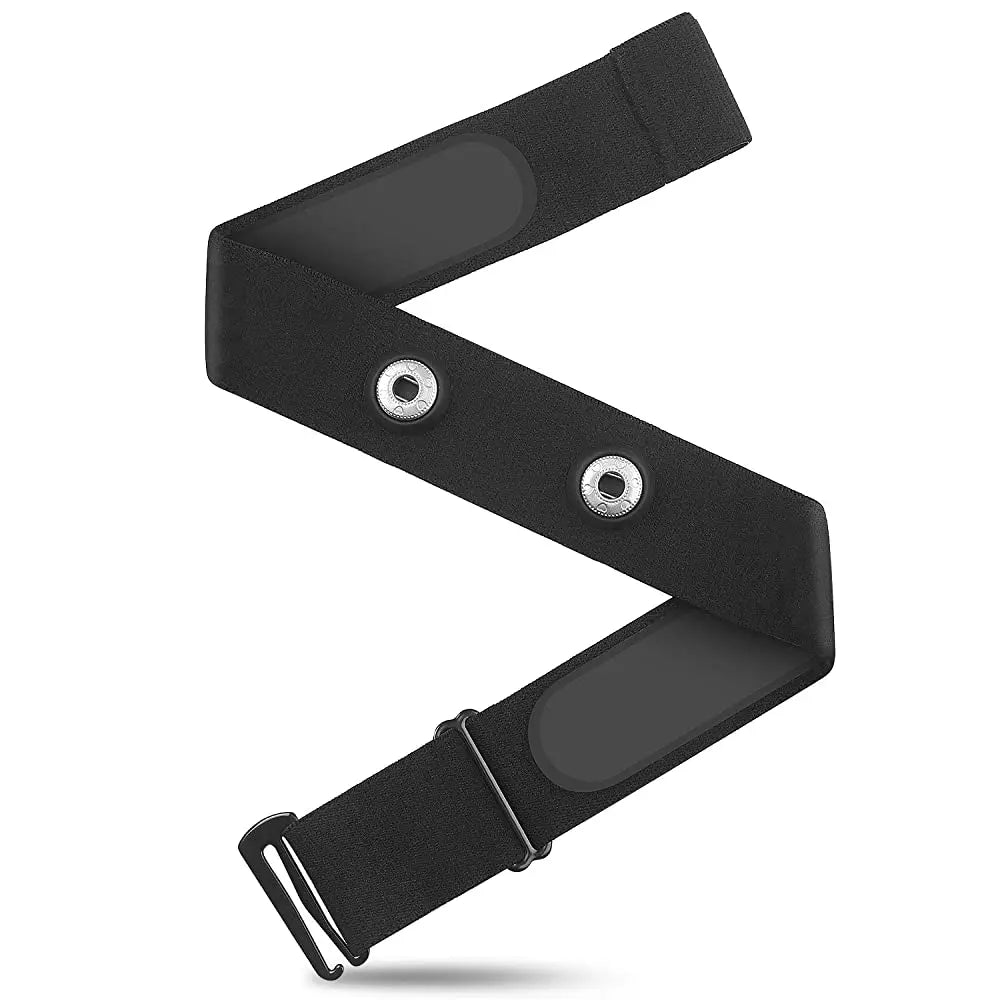
All these “winter” alternatives are compatible with cycling preparation and can help maintain fitness for the season ahead. To make the most of these sessions, using a reliable heart rate monitor can be a big advantage. A Coospo heart rate monitor helps you track intensity accurately across different sports, ensuring you stay in the right training zones whether you’re skiing, swimming, running, or cross-training. It’s a simple way to train smarter and carry solid aerobic fitness into the next cycling season.
7. Is going by how I feel enough, or should I get a coach or follow a training plan?
Riding just by feel is very different from following a structured training plan. Rides should be based on training principles that define volume and intensity for each stage.
Relying only on sensations can make you think you’ve reached your peak, but this is often a false sense of fitness. Generally, cyclists who train on their own may hit a plateau, see slow progress, or burn out from not taking proper rest.

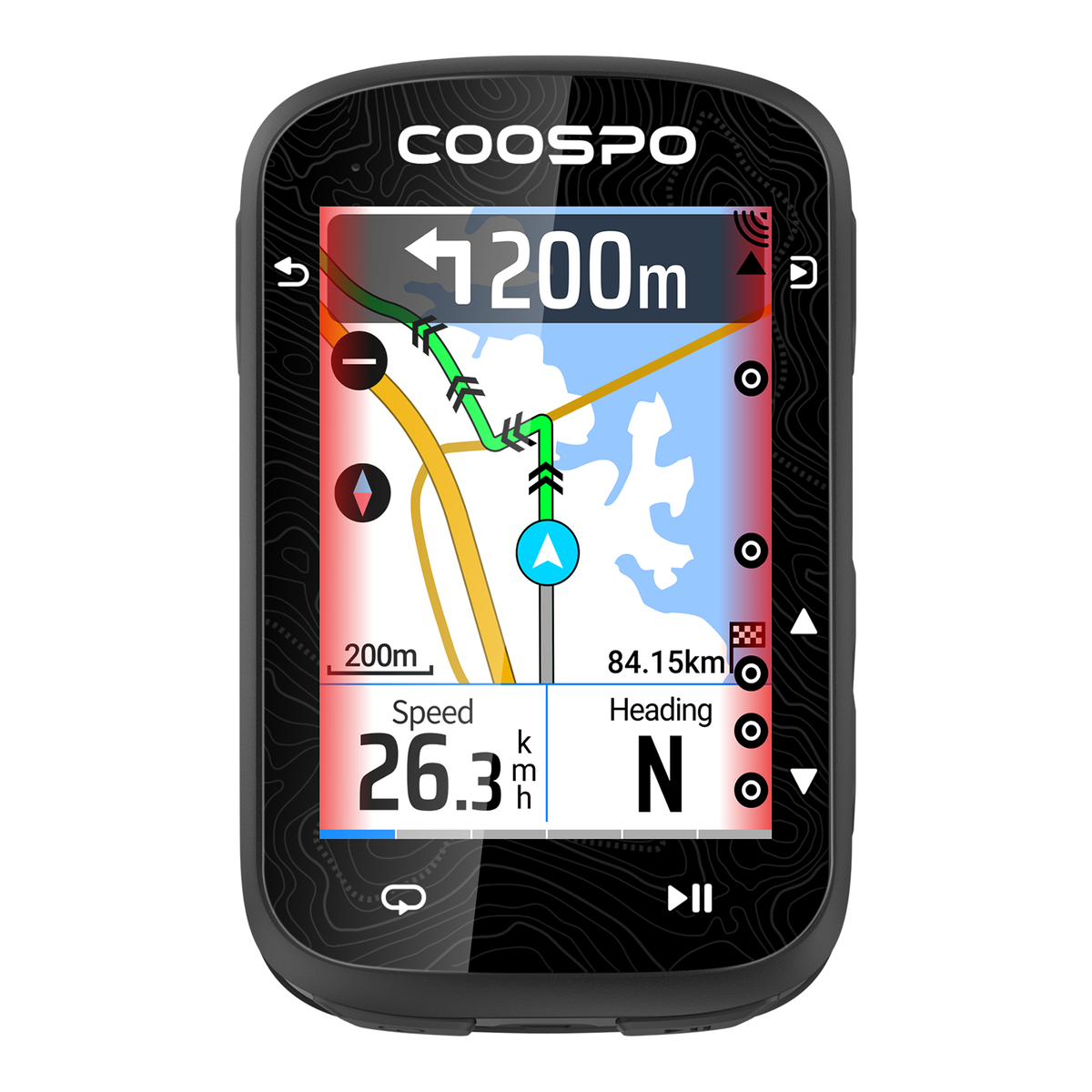
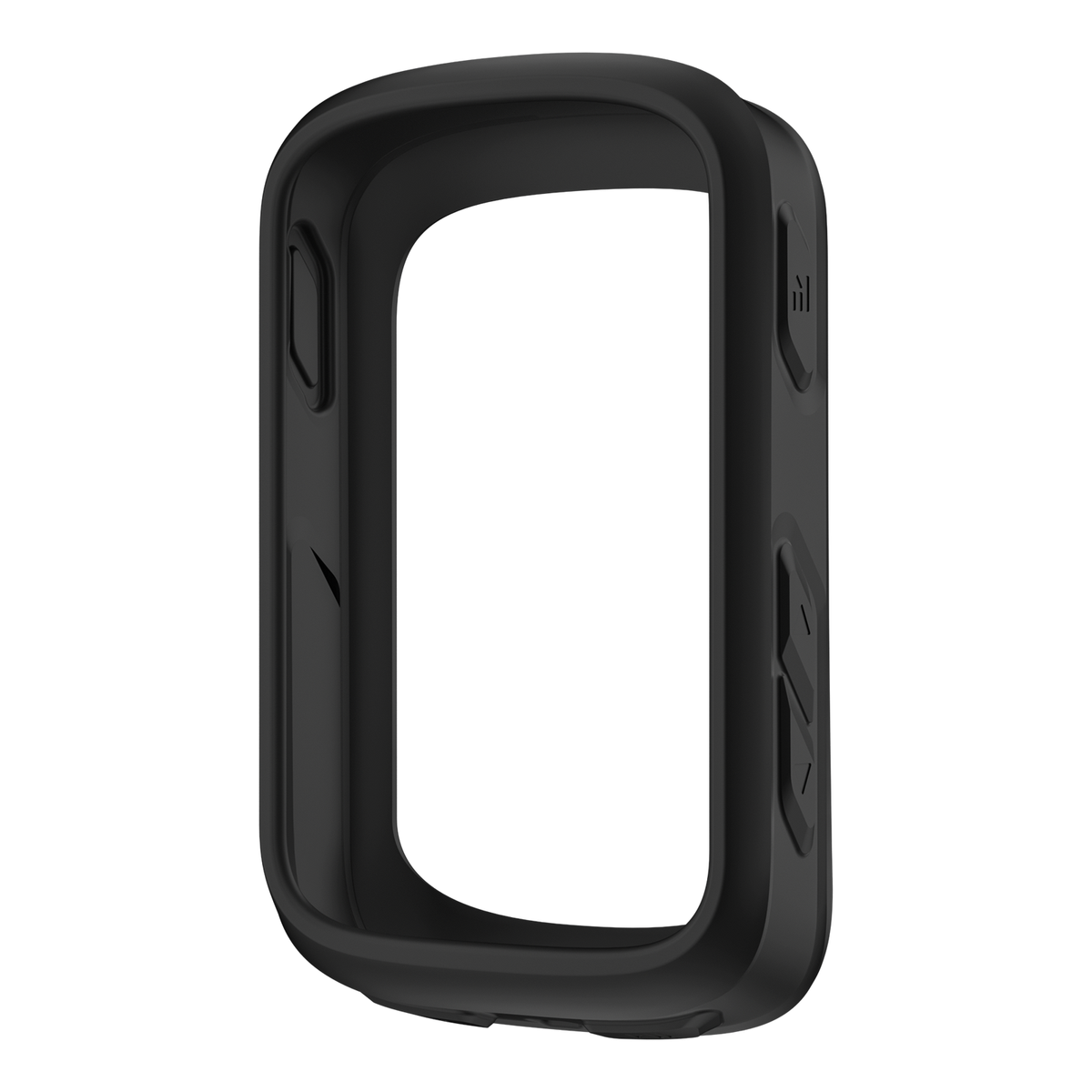
These problems are much less likely if you work with a professional coach or follow a well-designed training plan. The Coospo CS600 bike computer supports structured training plans, making it easier to follow planned workouts and avoid training only by feel.
8. When I start training, should I be careful about anything that could harm my progress?
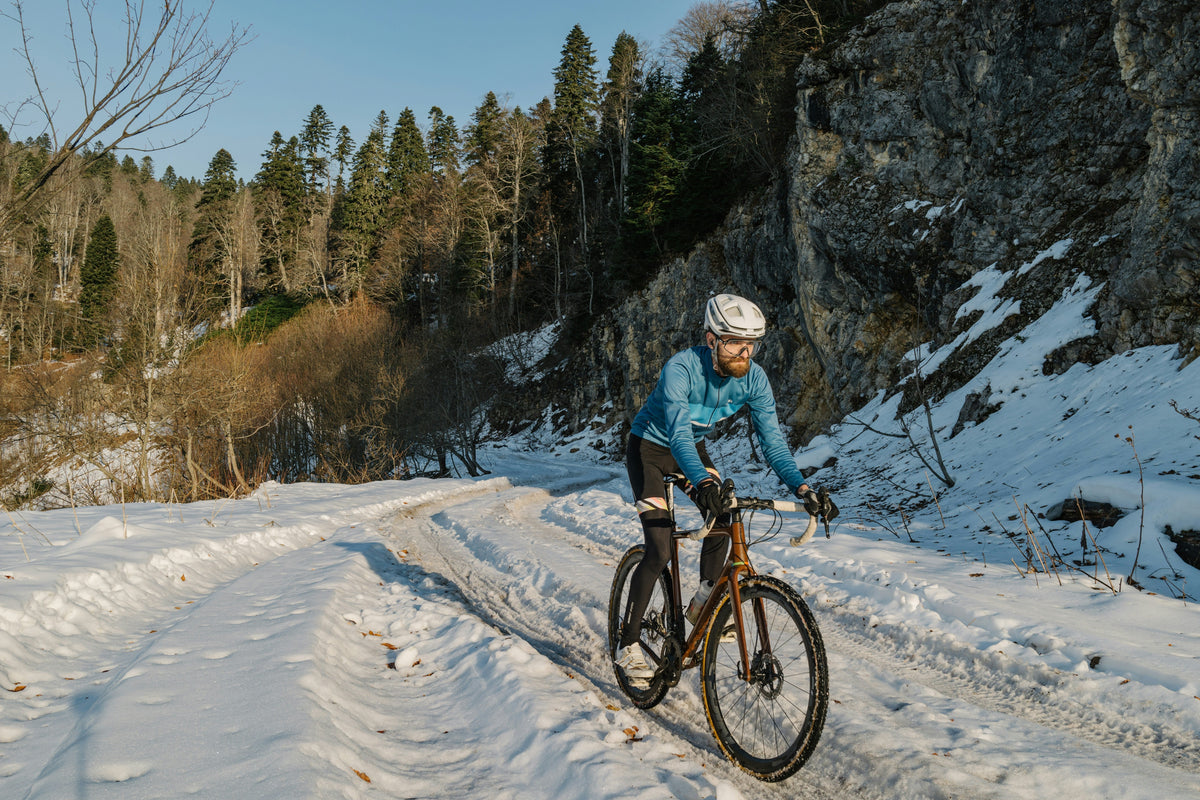
The general conditioning period lays the foundation for the rest of the season. It’s the base of your entire year. The thing you must pay most attention to is intensity, especially not exceeding it.
You know how weekend group rides usually end: “the last one pays.” That’s very different from relaxed summer rides.
It’s better to pace yourself and maybe “sacrifice” a bit—like paying for lunch for everyone—if it means you can ride only within the limits that keep your heart healthy. In the long run, your body will thank you, even if your friends grumble.



Leave a comment
This site is protected by hCaptcha and the hCaptcha Privacy Policy and Terms of Service apply.