













![[2 Pack] Coospo Breathable Neck Gaiter Face Scarf Mask COOSPO](http://www.coospo.com/cdn/shop/files/106de7b046babc03aa610173af6e31aa_599da3fe-9907-4b1e-8eb0-f08b3032720b.png?v=1720591174&width=1600)


![[4 Pack] Coospo Soft Breathable Chilly Towel, Microfiber Towel COOSPO](http://www.coospo.com/cdn/shop/files/1_904094cc-62ee-40e9-aa21-415effb385b4.png?v=1720527561&width=1600)

Running your first 5K—or even your fifth—can be thrilling, nerve-wracking, and full of anticipation. There’s something magical about lining up at the starting line, surrounded by runners of all shapes, sizes, and paces, all sharing the same goal: crossing the finish line feeling accomplished. While race day adrenaline can carry you a long way, proper preparation is what ensures you finish strong, feel good, and maybe even want to sign up for another race.
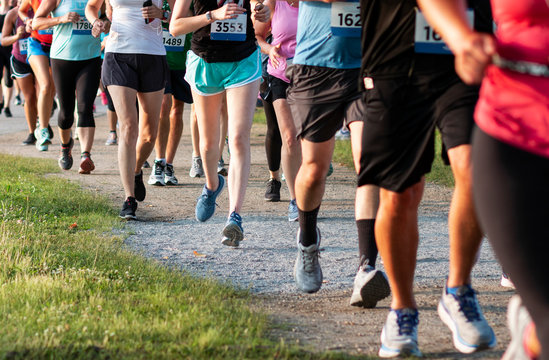
Luckily, there are simple race tips you can follow to feel calm, healthy, and ready on race day. These tips show you how to prepare for a 5K, but they work for any race. We also explain the steps to recover quickly after you cross the finish line.
1. How to Prepare for a Race: The Week Before
Stop stressing
Runners can be very competitive, and it’s easy to focus on how fast we want to run, where we want to place, or who we want to beat. But remember, 5Ks and 10Ks are fun community events. You get to spend a morning challenging yourself while others cheer you on. If you worry about finishing last (we’ve all been there), don’t stress—people of all fitness levels take part, and many just walk the whole race for fun.
Know the course
Checking out the course ahead of time can really help. Look at the map online, and if you can, run or walk parts of it. Knowing where the hills, water stations, and changes in terrain are will help you avoid surprises on race day. Picture yourself running the route at a steady pace—mental preparation is just as important as physical training.
Eat what you normally eat
Race week isn’t the time to experiment with new foods. Stick to meals your body is familiar with. Introducing a new protein bar, spice, or smoothie the night before or morning of the race can backfire. Opt for balanced meals with a mix of carbohydrates, protein, and healthy fats to keep your energy levels stable. For example, grilled chicken with rice and steamed vegetables or oatmeal with fruit and nuts works well for most runners.
Get ready the night before

Lay out your running clothes, bib, safety pins, socks, shoes, and any gadgets you need. Set your alarm early so you have plenty of time in the morning. Being organized ahead of time helps you feel less stressed and gives you a few extra calm minutes before the race.
2. How to Prepare for a Race: A Couple Days Before
Don’t do anything new
Two days before the race, don’t try new workouts or big changes to your routine. Race week is not the time for new shoes, food, drinks, or gear—only use things you’ve already tested. Keep your activity familiar and moderate so your legs stay fresh. The idea of “race week tapering” is simple: do less and easier exercise to save energy.
Graze, don’t chow down
Rather than gorging on pasta the night before the race, which could upset your stomach, focus on eating well-balanced meals throughout the day before the race. Foods like bananas, yogurt, or a handful of nuts can keep energy levels steady without leaving you feeling bloated.
Put your hands on your bib
If your race allows you to pick up your bib ahead of time, do it. Secure your race number to your shirt and double-check the attachment method. This simple step prevents last-minute chaos on race morning. If your bib is provided on the morning of the race, still plan how you’ll pin it and maybe even practice once at home.
3. How to Prepare for a Race: Race Day Morning
Limit your sipping

You need to stay hydrated, but don’t drink a lot right before the race. If your mouth feels dry or it’s very hot, take small sips. Some athletes just take a sip, swish it in their mouth, and spit it out. The best approach is to drink enough water in the days before the race. If your race is in the morning, have some water after you wake up. For an evening race, drink regularly during the day—but don’t overdo it.
Fuel smart
Don’t eat anything heavy within two hours of the race. While different meals work for different runners, as a general rule of thumb, your meal should contain mostly carbs, a little protein, and a limited amount of fiber and fat. A few tried-and-true prerace meals: a toasted bagel with peanut butter and a banana; an energy bar with a cup of fruit; or oatmeal topped with berries and a handful of nuts.
Identify yourself
Check if your bib needs additional identification or timing chips and ensure your details are accurate. If you’re part of a running group, locate your friends or teammates before the race to enjoy a sense of camaraderie.
Don’t overdress
It might be cool at first, but don’t wear too many clothes. Dress as if it’s 20 degrees warmer than it really is. To stay warm at the start, you can bring extra clothes to take off once you heat up. Also, bring a trash bag—it can keep you dry if it rains and can be used as a seat on wet grass.
Set at least two goals
Going into the race with a goal in mind can be a huge motivator to perform to your potential. While aiming for the sky is commendable, it’s also important to stay realistic.

You should set two goals: one for a perfect race and another as a backup in case the weather is bad or things don’t go as planned. It’s also good to have a third goal that isn’t about your time. This could be something like finishing the race, running up the hills instead of walking, or eating and drinking properly to avoid stomach problems.
Start slow, and stay even
Excitement at the starting line often causes runners to sprint too fast in the first mile. Instead, start at a comfortable pace, then gradually build your speed. Even pacing ensures you don’t burn out early and allows you to finish feeling strong. Remember, it’s better to finish strong than to start fast and struggle in the last half mile.

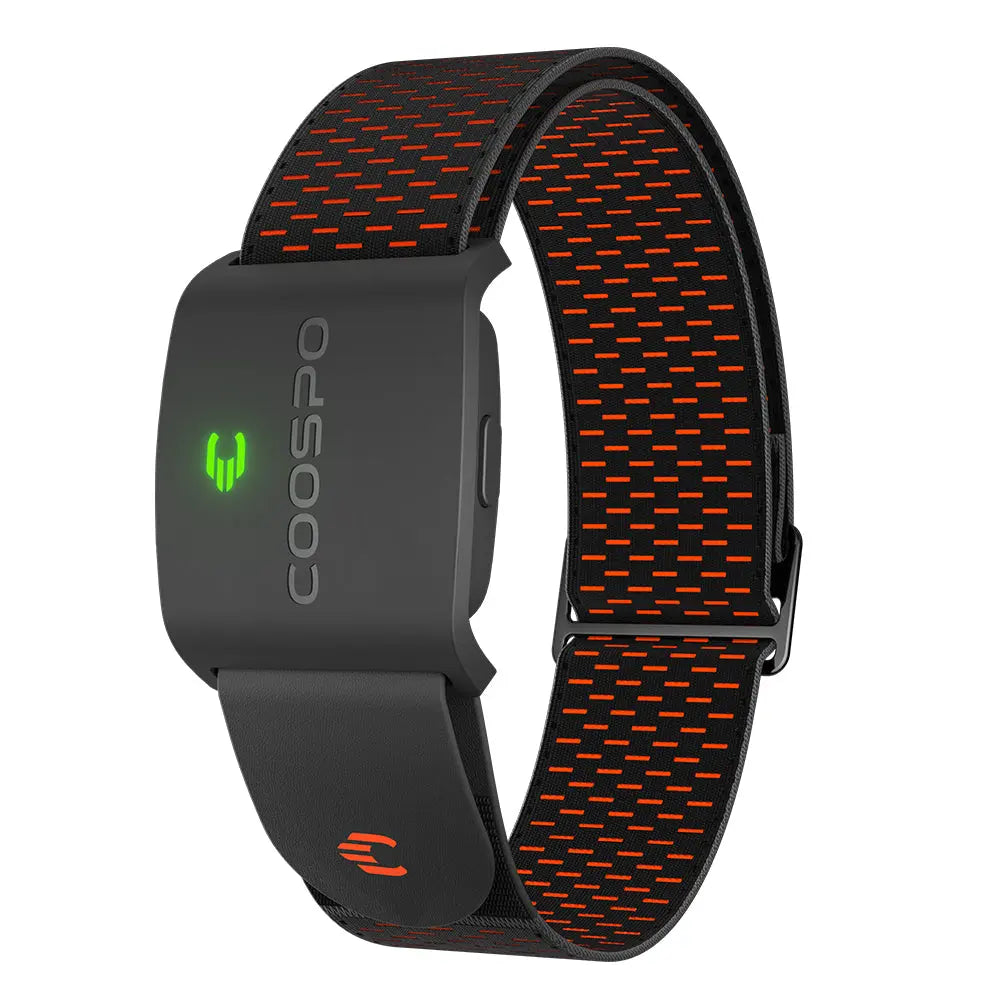
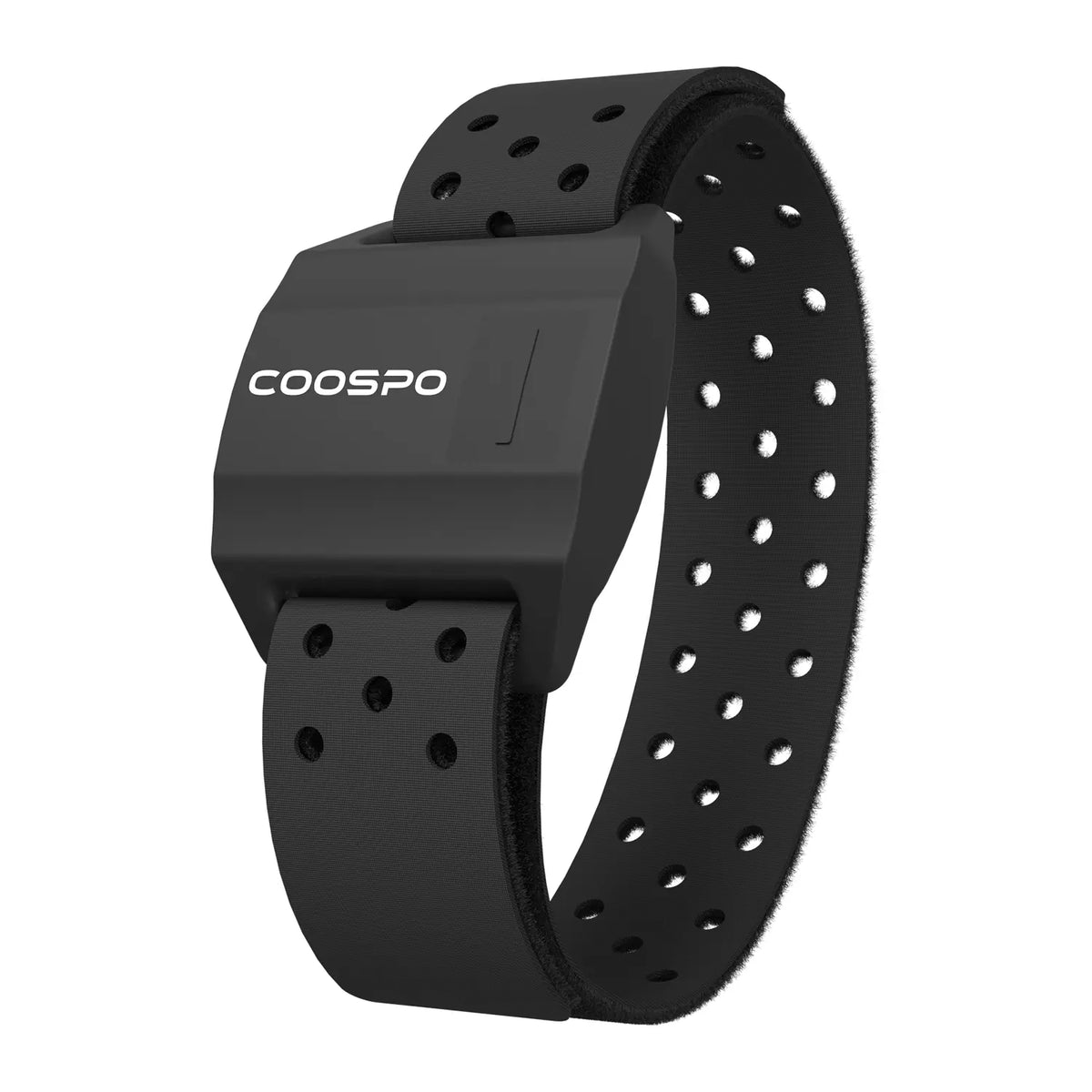
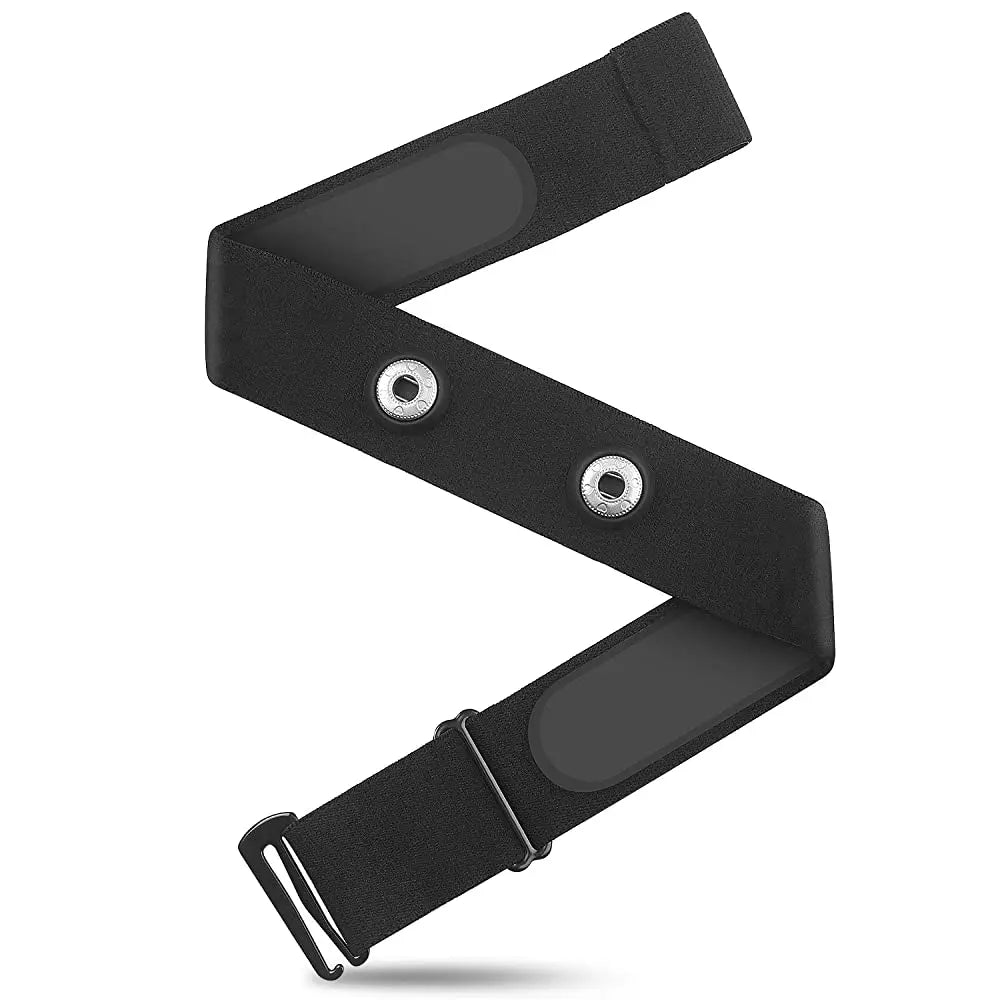
Tip: Using a Coospo heart rate monitor can help you find and hold your ideal pace from the very start. By keeping your heart rate in the right zone, you avoid burning out early and finish feeling strong.
4. What to Do After Your Finish Your First Race
Keep moving
Crossing the finish line is exhilarating, but stopping abruptly can lead to dizziness or muscle stiffness. Walk for five to ten minutes to help your heart rate return to normal and prevent blood pooling in your legs. A gentle cool-down also reduces post-race soreness.
Refuel
Within 30–60 minutes, replenish your energy stores with a combination of carbohydrates and protein. A banana and a small protein shake or a granola bar with yogurt works well. Rehydration is equally important, so continue to sip water or electrolyte beverages.
Dry off
Change into clean, dry clothes as soon as you can. After finishing, your body will start to cool down quickly. Wearing sweaty clothes can make you cold, especially if it’s chilly outside, and may also make your muscles tighter, causing more soreness later.
Shake out the next day
Muscles might feel sore the day after a race, especially if it’s your first 5K. Engage in gentle movement like walking, easy cycling, or stretching. This promotes blood flow, reduces stiffness, and helps you recover faster.


Leave a comment
This site is protected by hCaptcha and the hCaptcha Privacy Policy and Terms of Service apply.