


































![[2 Pack] Coospo Breathable Neck Gaiter Face Scarf Mask COOSPO](http://www.coospo.com/cdn/shop/files/106de7b046babc03aa610173af6e31aa_599da3fe-9907-4b1e-8eb0-f08b3032720b.png?v=1720591174&width=1600)


![[4 Pack] Coospo Soft Breathable Chilly Towel, Microfiber Towel COOSPO](http://www.coospo.com/cdn/shop/files/1_904094cc-62ee-40e9-aa21-415effb385b4.png?v=1720527561&width=1600)


Anyone who’s run a marathon knows it entails a lot more than just putting one foot in front of the other. There’s training, hydration, nutrition, picking the right clothes, planning a strategy, sticking to that strategy, and myriad other considerations.
But inside your body, an even more complex process is going on—one most marathoners know little about.
The marathon, after all, takes a toll. Even after months of training, running 26.2 miles straight causes some major changes in your system. It’s cool, in a gruesome kind of way.
Understanding what happens to your body when you run a marathon—what your insides are experiencing, and why you feel the way you do at each stage—can help you appreciate the effort, manage the discomfort, and maybe even run a smarter race.
1. The Pre-Race Adrenaline Surge
Long before your legs start moving, your body is already sprinting.
At the start line, your brain hits a switch. The excitement, noise, and nerves trigger a rush of adrenaline and cortisol. This fight-or-flight response helps you focus, raises your heart rate, and releases energy before you even start running.

Sports scientists often describe this as a sympathetic nervous system activation, priming the body for prolonged exertion. You may feel jittery, unusually warm, or even slightly nauseous. That’s not weakness. That’s your body revving its engines like a race car at the starting line.
But here’s the catch: this early hormonal spike can also burn through energy faster than you’d like if you don’t pace yourself. The race has already begun… internally.
2. Your Heart Goes into Overdrive
Once you start running, your heart transforms into a high-performance pump.
During a marathon, heart rate can climb to 70–90% of maximum and stay there for hours. Elite runners operate even closer to their physiological ceiling. The heart increases cardiac output dramatically to deliver oxygen-rich blood to working muscles.
A review of marathon physiology notes that the cardiovascular system is placed under “high stress to meet metabolic demands” during endurance running .
This isn’t just about speed. It’s about survival. Your muscles are demanding oxygen at a rate far above normal, and your heart responds by beating faster and more forcefully.
Interestingly, temporary changes in cardiac biomarkers are often observed after marathons, mimicking signs of cardiac stress. The good news? For most healthy runners, these changes normalize within days.

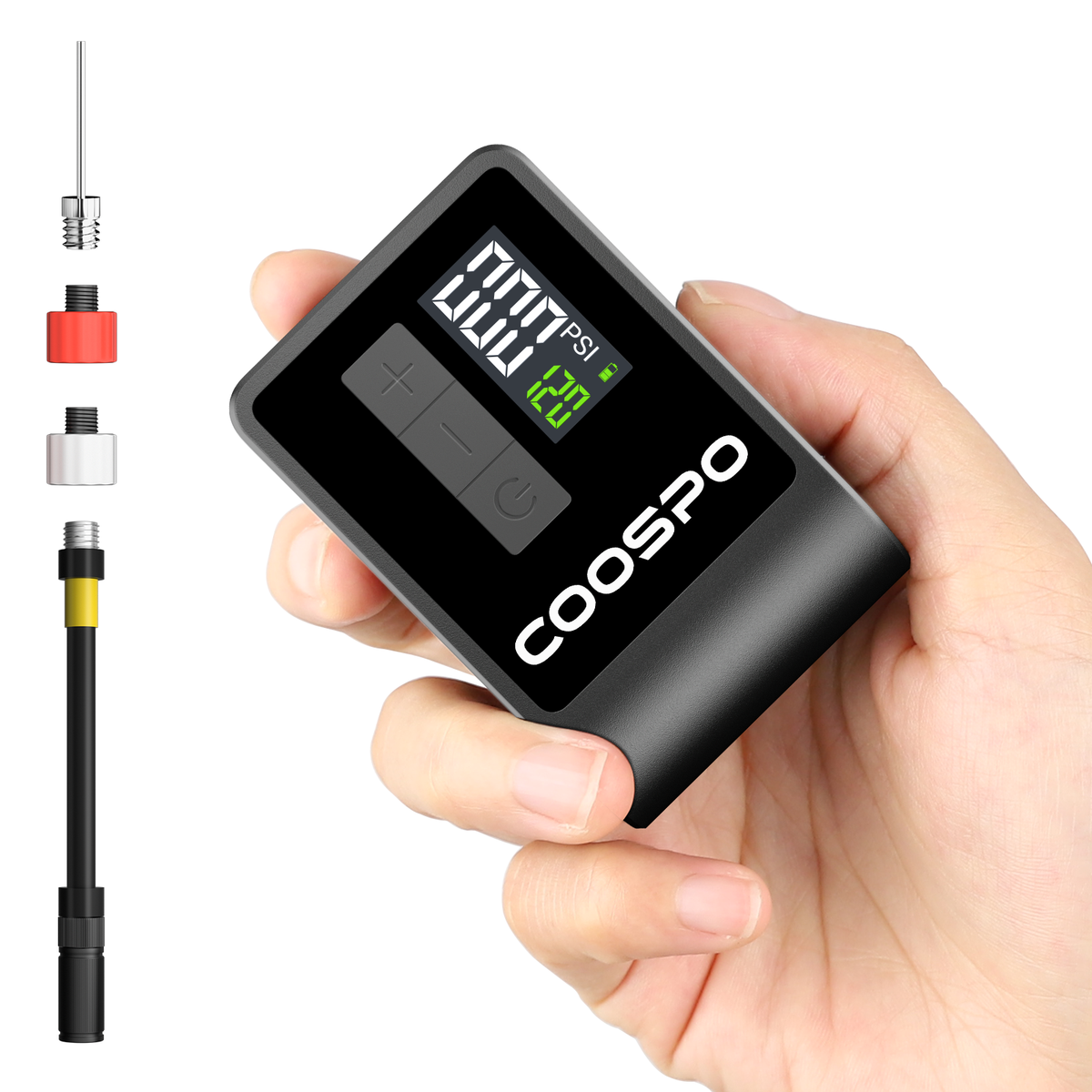
This is also why many runners rely on a heart rate monitor during training and racing. Devices like the Coospo Heart Rate Monitor provide real-time heart rate data, helping runners stay within optimal zones instead of pushing too hard too early.
3. The Blood Flow Balancing Act
Meanwhile, your body also has to work with a limited blood supply. That blood can’t be everywhere at once, because trying to send it to every system simultaneously would be like turning on too many faucets at the same time.
During exercise, especially in a marathon, keeping your blood pressure stable is crucial. It ensures enough blood reaches working muscles and, most importantly, the brain, helping you stay conscious and avoid fainting.
That’s why adrenaline matters in the pre-race fight-or-flight stage. But it fades fast. With a half-life of about five minutes, it’s largely gone within 20 minutes.
To compensate, the sympathetic branch of your autonomic nervous system takes over, signaling blood vessels to tighten.
But you do not want every blood vessel to tighten, especially those supplying the legs. So the body relies on another mechanism, called functional sympatholysis, to counteract the sympathetic nervous system where needed.
This shift is triggered by what’s happening inside the muscles doing the most work: low oxygen, a buildup of metabolic waste, and elevated carbon dioxide from sustained aerobic effort.
In practice, this means blood is redirected to the tissues that need it most while overall blood pressure stays steady. Areas with high demand send a strong metabolic cue that keeps vessels open, while less-active areas receive a nervous-system signal that constricts vessels.
4. Your Gut and Kidneys Get Less Love
One downside of this blood-flow shift is that the digestive system becomes a much lower priority.
According to Beat Knechtle, a Swiss primary care doctor and exercise physiology researcher who has completed 530 marathons, 330 long-distance triathlons, and over 60 ultramarathons, blood flow to the gut can drop by as much as 80 percent.
When less blood reaches the intestines, nutrient absorption becomes harder, and gut bacteria can be disrupted. This may lead to sudden urges to use the toilet. The constant bouncing and vibration from running can also irritate the intestines, making GI issues worse.
Still, it’s a reminder that your body is constantly making trade-offs. Running 42.195 km is not neutral. It is a carefully negotiated compromise between your body’s systems.
5. Sometimes, You’ll Hit “The Wall”
This is where the marathon turns philosophical.
“The wall” isn’t just fatigue. It’s a metabolic reckoning.
Your body stores energy primarily as glycogen in muscles and the liver. But those reserves are limited. Once they run low, your body is forced to rely more heavily on fat, which is slower to convert into usable energy.

Research shows that many runners experience glycogen depletion around mile 21 (about 33–34 km) . Another study estimates that over two-fifths of marathoners experience severe carbohydrate depletion .
When that happens, pace drops, legs feel like concrete, and even basic movement becomes a negotiation.
Runners call it “bonking.” Scientists call it energy substrate depletion. Either way, it feels like your body quietly pulling the emergency brake.
6. Energy Systems Switch On and Off
Your muscles adjust to the demands placed on them. In the first 5–10 seconds, they use stored energy called phosphocreatine, which powers short efforts like a 100-meter sprint but plays little role in long events like a marathon. Like adrenaline, it can make you push too hard too early, feeling like “free energy.”
For efforts lasting 10 to 90 seconds, the body mainly uses the anaerobic energy system, important for events like the 400m and 800m. Once phosphocreatine stores run out, the aerobic system gradually takes over to fuel the rest of the activity.
The bottom line, is a runner can burst from the starting line for about 5 or 6 seconds, then settle down to a much slower pace for the next couple of minutes (to limit anaerobic fatigue), then let oxygen do its thing.
In brief, a runner can accelerate from the start for roughly 5–6 seconds, then transition to a significantly slower pace over the next few minutes to limit anaerobic fatigue, giving the aerobic energy system time to take over.
7. Cumulative Fatigue Wreaks Havoc
Even if you avoid hitting the dreaded wall, your body is beginning to feel the strain, and you may encounter other marathon-related challenges.
Some people experience muscle cramps, ranging from mild to severe. Around 18% of marathon runners get cramps in one race, and 30-50% will have them at least once in their careers.
Runners and coaches often blame dehydration or electrolyte imbalance, but research shows cramps usually result from fatigue in heavily used muscles, not from electrolytes.
In the final stages of a race, athletes often have uneven, gasping breaths. This is not due to a lack of oxygen, but excess carbon dioxide in the blood, which triggers the urge to breathe.
The Aftermath: Recovery and Repair
Crossing the finish line doesn’t mean the story ends. It means the repair phase begins.
After a marathon, your body enters a state of controlled chaos:
Inflammation spikes Immune function temporarily drops Hormones fluctuate (cortisol up, testosterone down) Muscle damage markers rise
Researchers note that many of these changes resemble a temporary stress response across multiple organ systems, including cardiovascular, renal, and immune systems .

You might feel euphoric one moment and exhausted the next. Sleep may be disrupted. Appetite may swing wildly.
And yet, remarkably, most of these disturbances resolve within a few days to a week.
Your body rebuilds. Muscles repair. Systems recalibrate.




Leave a comment
This site is protected by hCaptcha and the hCaptcha Privacy Policy and Terms of Service apply.