













![[2 Pack] Coospo Breathable Neck Gaiter Face Scarf Mask COOSPO](http://www.coospo.com/cdn/shop/files/106de7b046babc03aa610173af6e31aa_599da3fe-9907-4b1e-8eb0-f08b3032720b.png?v=1720591174&width=1600)


![[4 Pack] Coospo Soft Breathable Chilly Towel, Microfiber Towel COOSPO](http://www.coospo.com/cdn/shop/files/1_904094cc-62ee-40e9-aa21-415effb385b4.png?v=1720527561&width=1600)

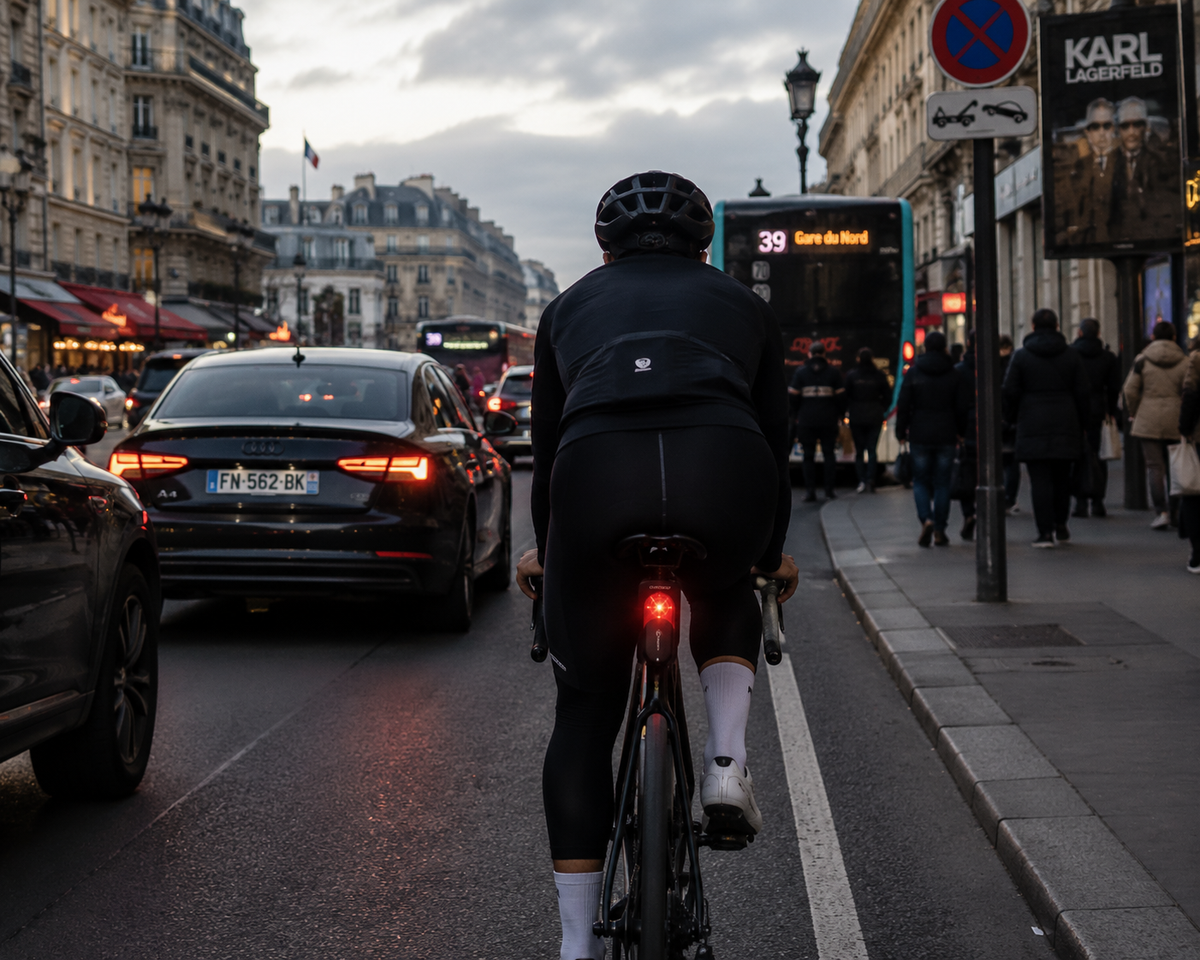
If you've ever spent time riding on busy roads, you've probably noticed yourself doing it over and over again: looking back.
Whether you're commuting through city traffic, riding on country roads, or training on a weekend route, checking behind you becomes a natural habit. Many cyclists turn their heads dozens, or even hundreds, of times during a single ride. Most riders don't even realize how often they do it.
Looking back is a normal part of cycling. It helps riders check for approaching vehicles, prepare for lane changes, and stay aware of their surroundings. But while shoulder checks are important, constantly looking behind can also create new challenges. So why do cyclists keep looking back so often? And is there a better way to stay aware of what's happening behind you?
Let's take a closer look.
Why Cyclists Look Back So Often
The simple answer is awareness.
Unlike drivers, cyclists usually don't have large rearview mirrors or advanced safety systems. The only way to know what's happening behind them is to either listen for approaching vehicles or turn around and look.
Most riders perform shoulder checks for several reasons:
* Checking for approaching cars
* Preparing to change road position
* Entering traffic lanes
* Navigating intersections
* Avoiding parked vehicles
* Turning left or right
* Riding on unfamiliar roads
In many situations, looking back is the safest thing to do. The problem is not shoulder checking itself. The problem is how often riders feel they need to do it.
Many cyclists develop a habit of checking behind every few seconds, especially when riding on roads with frequent traffic. Over time, this constant monitoring can become mentally exhausting.
The Hidden Cost of Constant Shoulder Checks
Looking back may seem like a small movement, but it affects more than most riders realize.
When you turn your head, your attention briefly leaves the road ahead.
For a second or two, you are no longer focused on:
* Road surface conditions
* Potholes
* Pedestrians
* Traffic lights
* Other cyclists
* Unexpected obstacles
Most of the time, nothing happens. But cycling is full of situations where a few seconds can make a difference.
A pedestrian may step into a bike lane.
A vehicle may brake suddenly.
A pothole may appear in front of you.
The more often riders divide their attention, the more mentally demanding the ride becomes. This is especially true during long rides or daily commutes where traffic conditions are constantly changing.
Looking Back Can Affect Bike Control
Another challenge is stability. Many cyclists unintentionally change their riding line when they turn their head. This is particularly common among newer riders.
When looking over a shoulder, some cyclists:
* Drift slightly left or right
* Move closer to traffic
* Leave the bike lane
* Make small steering corrections
These movements are often subtle. In most cases, they go unnoticed. But on narrow roads or busy streets, even small changes in position can create unnecessary risk.
Experienced riders usually become better at maintaining a straight line while looking back. However, even skilled cyclists can experience moments where frequent shoulder checks affect riding smoothness and confidence.
Why Traffic Makes Riders Check More Often
Traffic volume plays a major role in rider behavior. Imagine riding on a quiet road with very few vehicles.You might only look behind occasionally.
Now imagine riding through a busy city during rush hour.
Cars are constantly approaching from behind.
Vehicles are changing lanes.
Buses are stopping and pulling away.
Drivers are overtaking at different speeds.
In this environment, many cyclists feel the need to check behind far more frequently. The result is increased mental workload.
Instead of focusing primarily on riding, cyclists are continuously gathering information about rear traffic. This is one reason why many riders describe city commuting as mentally tiring, even when the distance itself is relatively short.

The Challenge of Country Roads
Interestingly, country roads create a different type of problem.
Traffic may be lighter, but vehicles often travel much faster. A rider may spend several minutes without seeing a car, only to have a vehicle suddenly approach from behind at high speed. Because traffic is less predictable, many cyclists become even more cautious. They may perform frequent shoulder checks simply because they are unsure when the next vehicle will appear. In this situation, awareness becomes less about traffic volume and more about reaction time. The earlier riders know a vehicle is approaching, the more time they have to prepare.

How Radar Changes the Experience
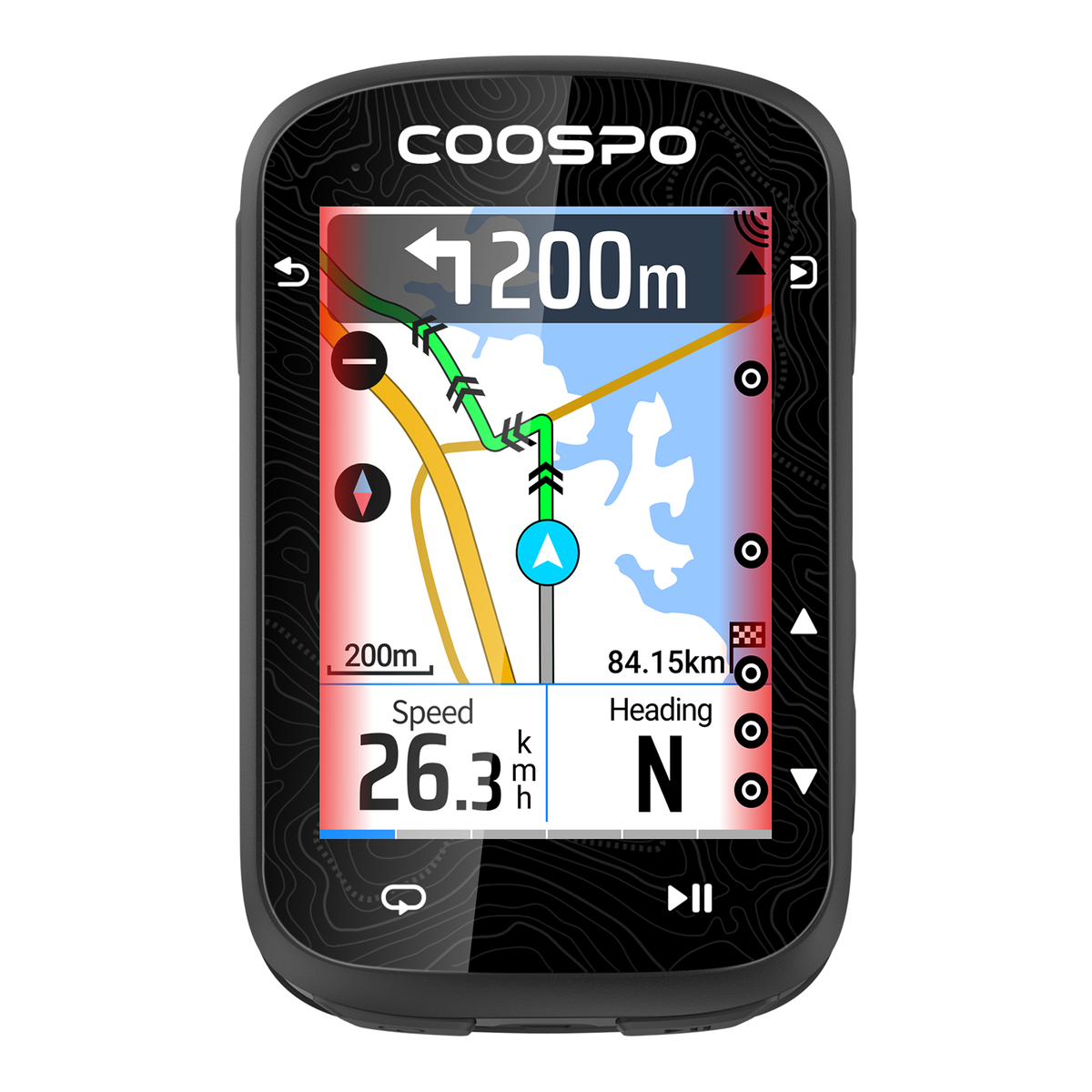
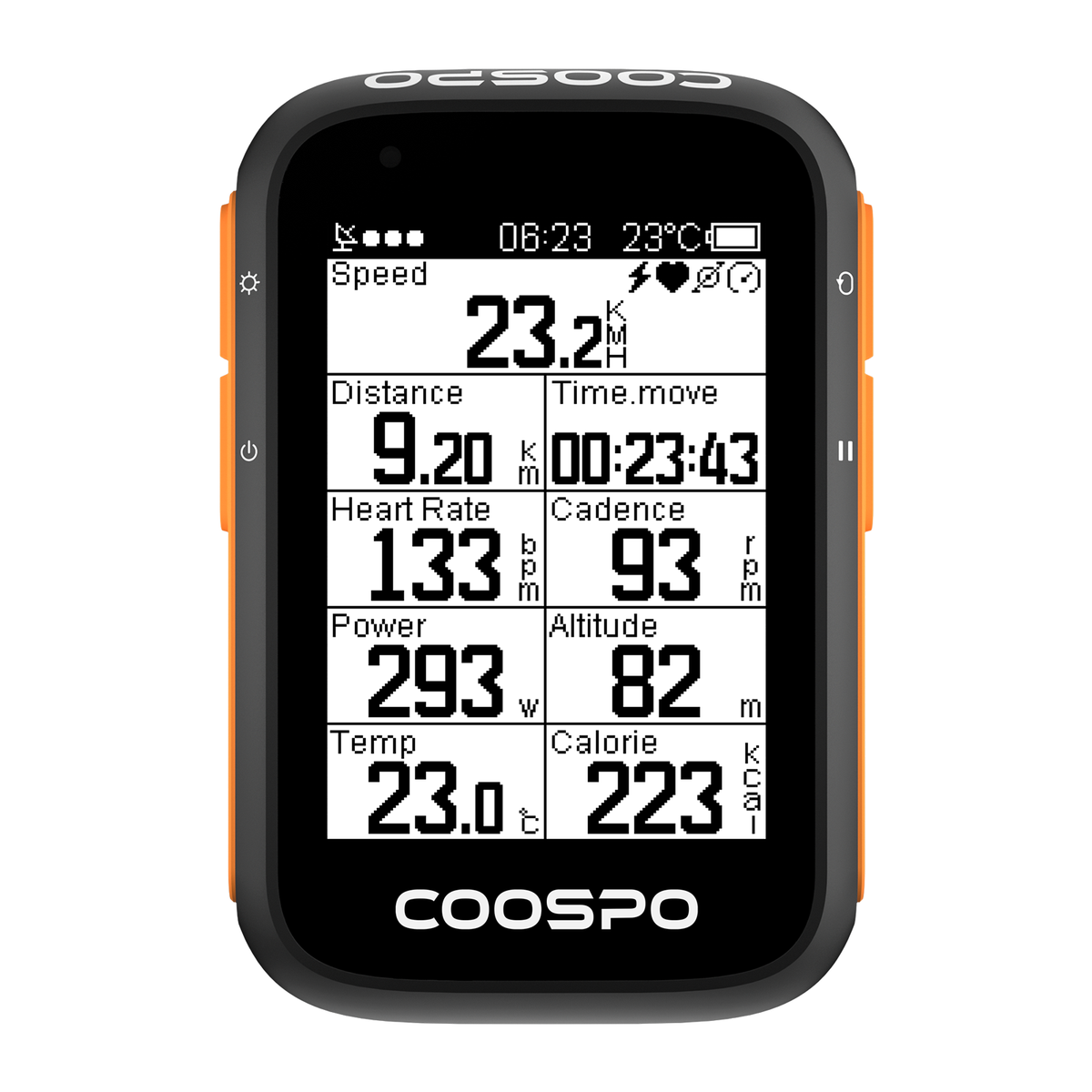
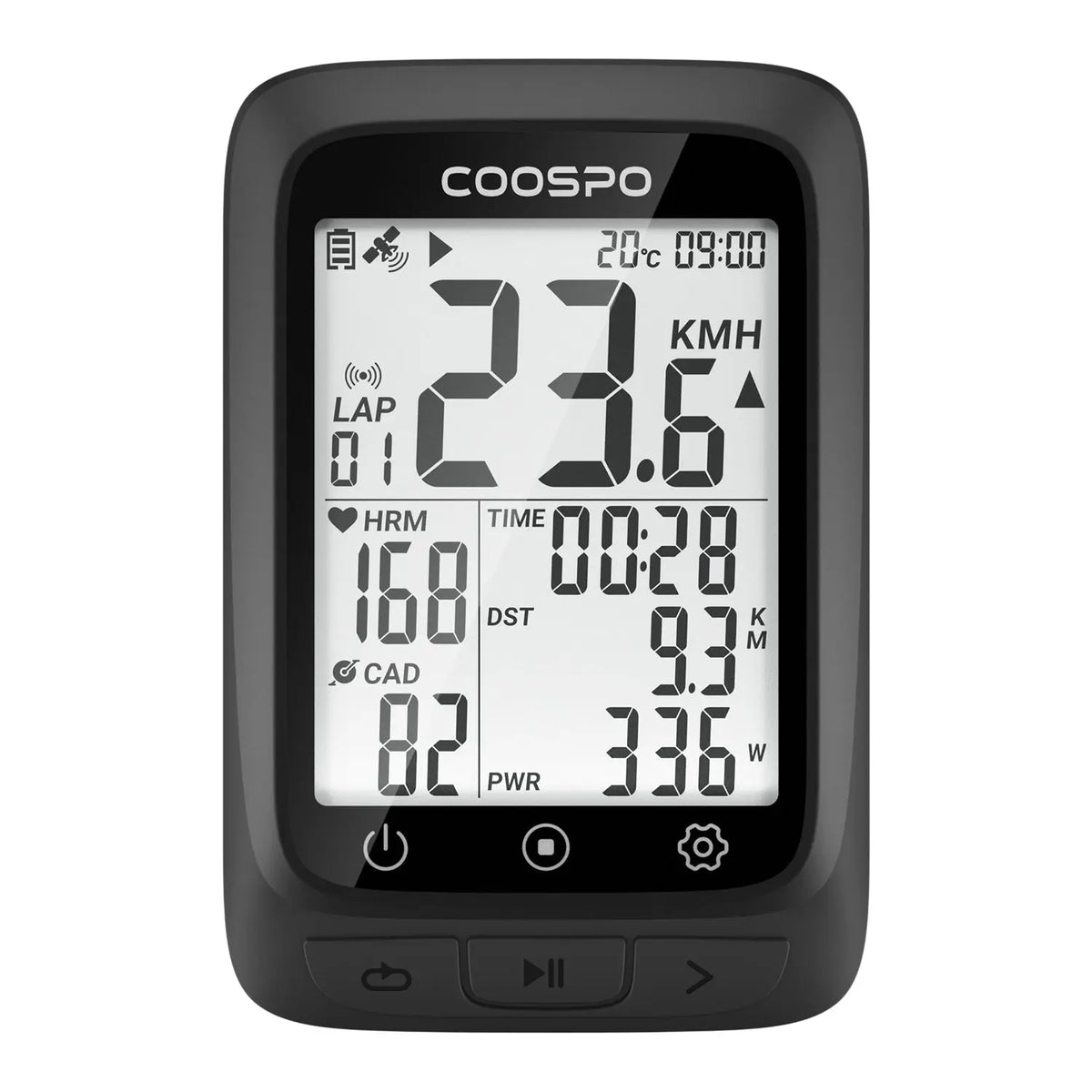
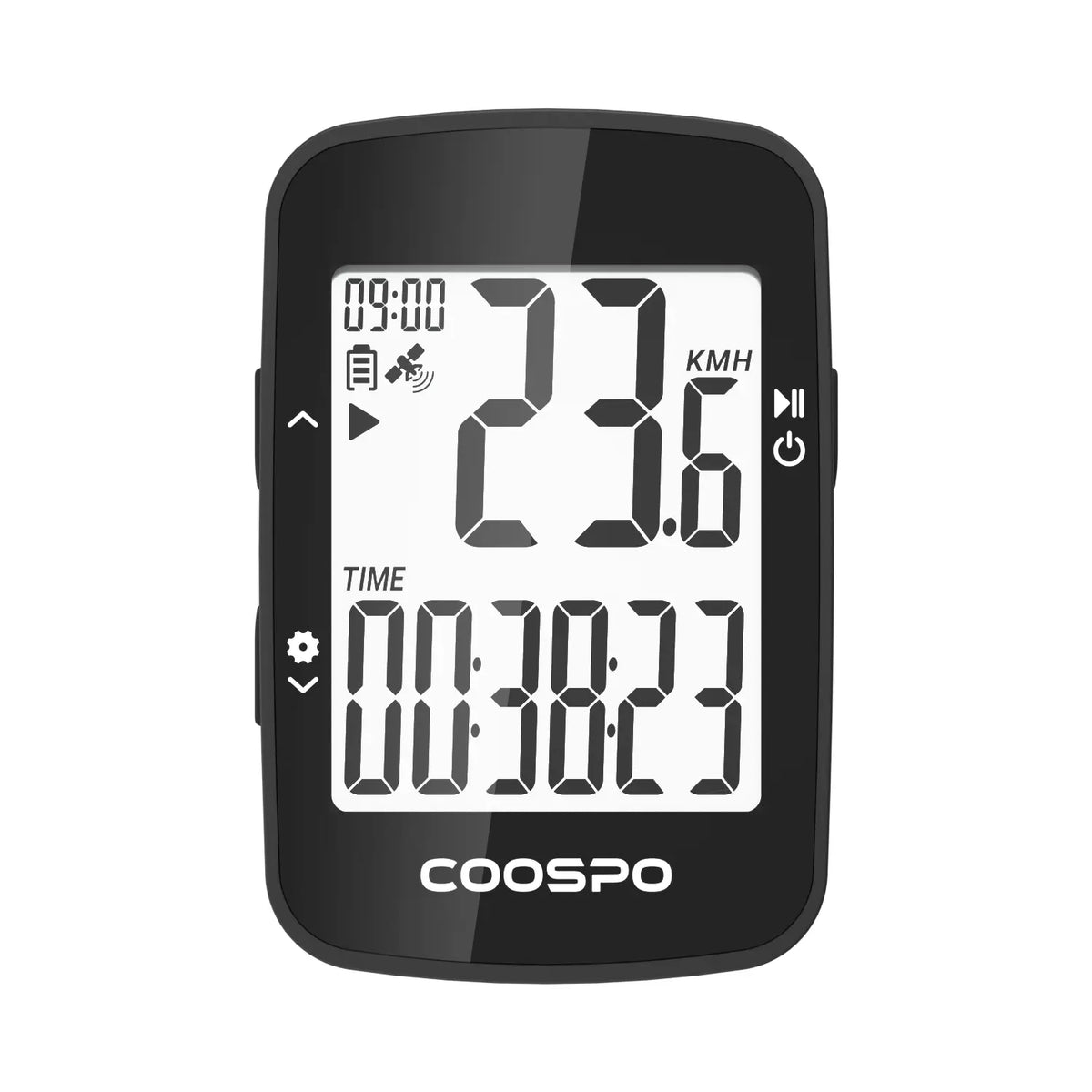
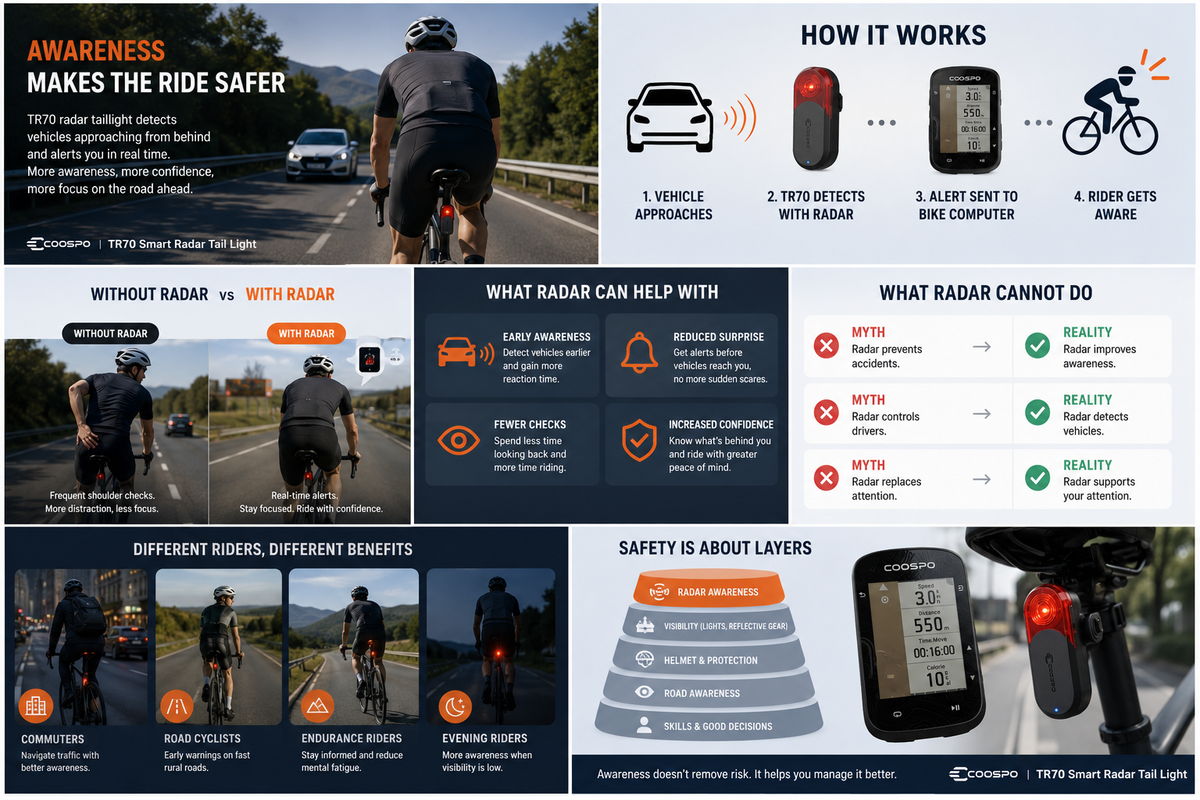
This is where radar technology can make a difference. A radar taillight is designed to detect approaching vehicles from behind and provide alerts to the rider through a compatible bike computer or display device. Instead of constantly wondering whether a vehicle is approaching, riders receive information when traffic is detected. The goal is not to eliminate shoulder checks completely. The goal is to reduce unnecessary ones.
For example, if no vehicles are approaching, riders may feel less pressure to repeatedly check behind.
When a vehicle does appear, the radar alert provides advance awareness before the vehicle reaches the rider. This creates a riding experience that feels calmer and more predictable. Rather than constantly searching for information, cyclists receive information when it matters.
More Awareness, Less Guessing
One of the biggest advantages of radar is confidence.
Many cyclists describe riding with radar as feeling less uncertain. Without radar, riders often ask themselves questions like:
Is there a car behind me?
How close is it?
Is another vehicle coming?
Should I move over now?
These questions lead to frequent shoulder checks. With radar awareness, riders spend less time guessing. They can focus more on maintaining a steady line and paying attention to the road ahead. This becomes especially useful during:
Daily commuting
Long-distance road rides
Fast descents
Early morning rides
Evening rides
Rural routes with limited traffic
The benefit is not only physical awareness but also reduced mental stress.

Radar Does Not Replace Safe Riding Habits
It's important to understand that radar is not a replacement for good cycling habits.
Riders should still:
Stay alert
Check surroundings when necessary
Follow traffic laws
Use proper hand signals
Ride predictably
A radar taillight is an awareness tool, not an autopilot system. Think of it as an additional source of information. Just as a bike computer helps riders monitor speed and navigation, radar helps riders monitor rear traffic. The rider remains responsible for making safe decisions.
Final Thoughts
Looking back is a normal and important part of cycling. Every rider performs shoulder checks, and they remain an essential skill for safe riding.
However, constantly checking behind can increase mental workload, divide attention, and sometimes affect riding stability. Whether you're navigating busy city streets or riding on quiet country roads, staying aware of approaching traffic is one of the most important parts of cycling safely.
Radar technology doesn't eliminate the need to look behind. What it does is provide another layer of awareness. By reducing uncertainty and helping riders know when vehicles are approaching, radar can make rides feel smoother, more confident, and less stressful. Sometimes the goal isn't to stop looking back.It's simply to stop wondering what's behind you.


Leave a comment
This site is protected by hCaptcha and the hCaptcha Privacy Policy and Terms of Service apply.