













![[2 Pack] Coospo Breathable Neck Gaiter Face Scarf Mask COOSPO](http://www.coospo.com/cdn/shop/files/106de7b046babc03aa610173af6e31aa_599da3fe-9907-4b1e-8eb0-f08b3032720b.png?v=1720591174&width=1600)


![[4 Pack] Coospo Soft Breathable Chilly Towel, Microfiber Towel COOSPO](http://www.coospo.com/cdn/shop/files/1_904094cc-62ee-40e9-aa21-415effb385b4.png?v=1720527561&width=1600)

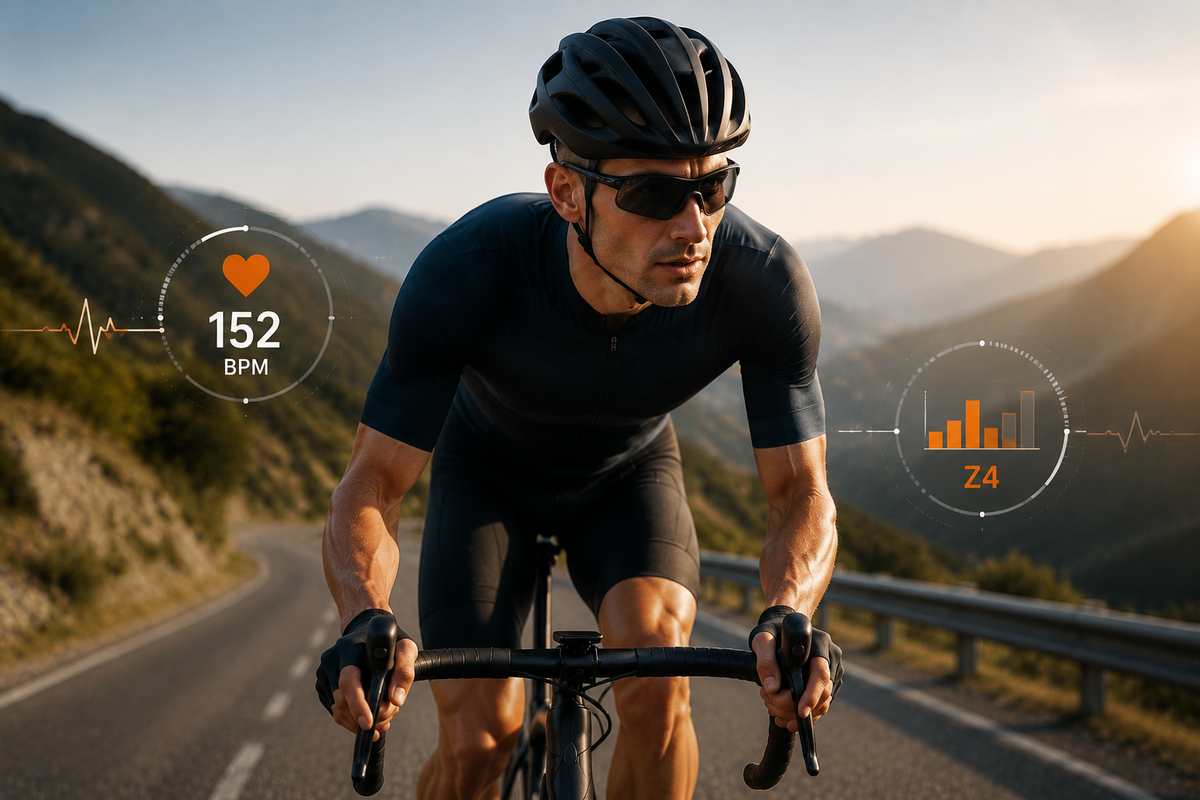
Understanding the Difference Between Heart Rate and Power Data
For decades, cyclists trained using one simple question:
"How hard does this ride feel?"
Then heart rate monitors changed cycling training by allowing riders to measure their body's response.
Today, power meters have introduced another level of precision by showing exactly how much effort a cyclist is producing. This creates one of the most common questions among modern cyclists: Should I train with heart rate or power? The answer depends on your goals, experience, and training style.
Heart rate and power measure different things:
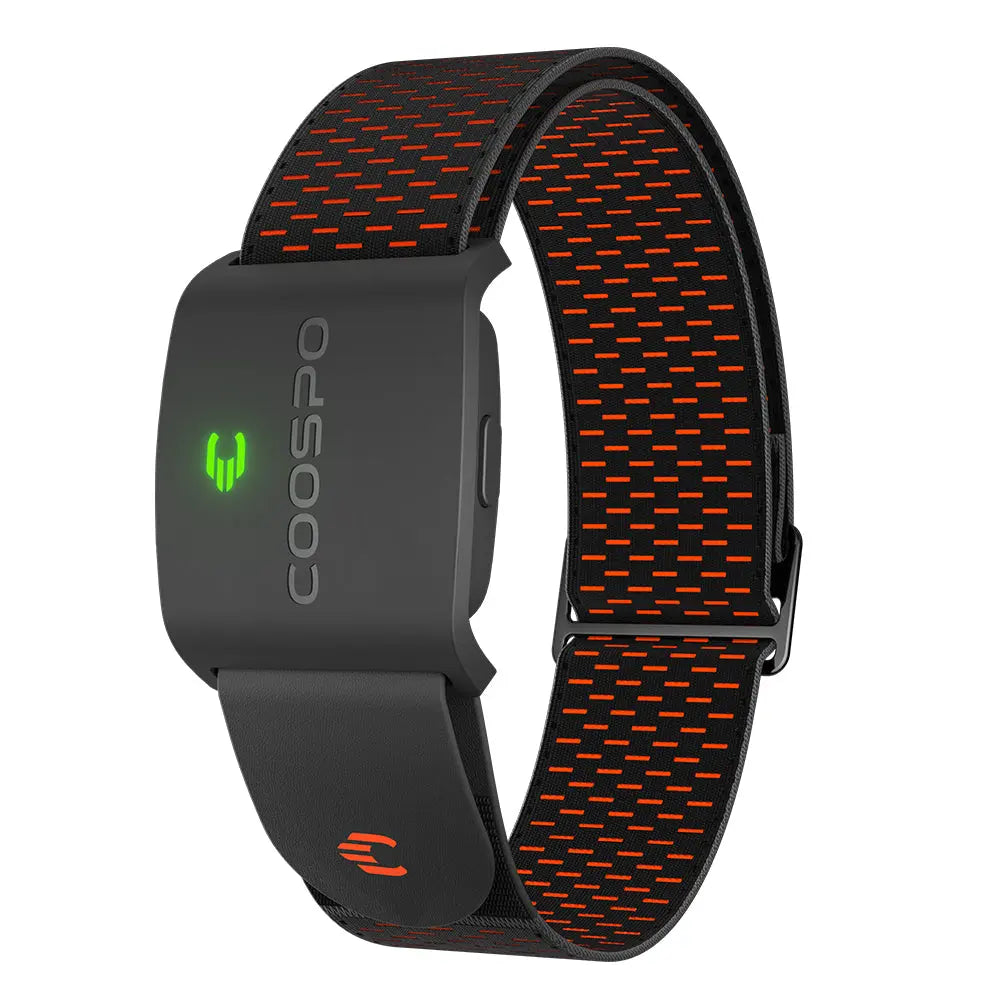
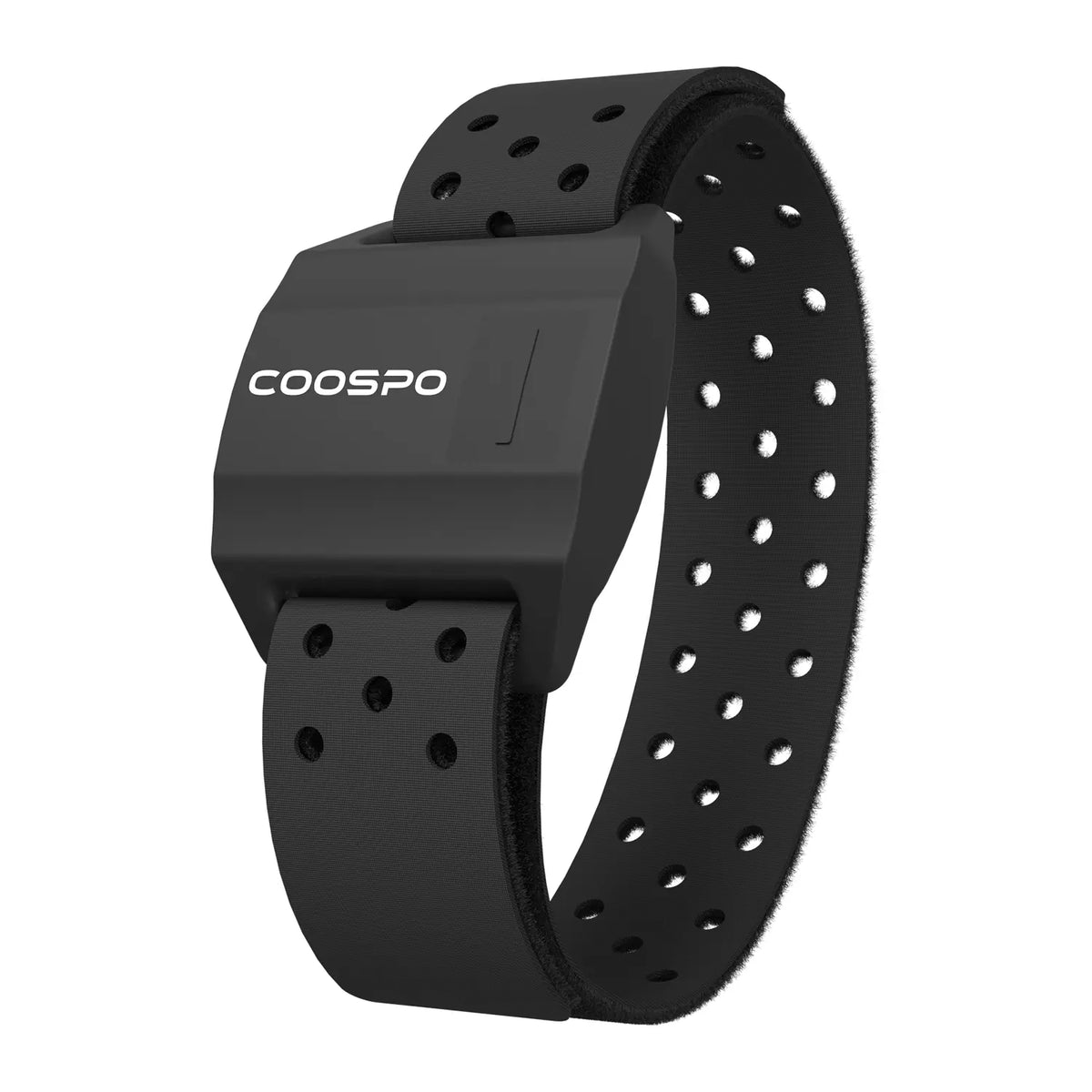
Heart rate shows how your body is responding.
Power shows how much work your body is producing.
Understanding the difference can help you train smarter and get more from every ride.
What Does Heart Rate Tell Cyclists?
Heart rate is one of the most accessible training metrics. A heart rate monitor measures how fast your heart is beating, usually displayed as beats per minute (BPM). When you increase your cycling intensity:
Your muscles demand more oxygen.
Your heart pumps faster.
Your heart rate rises.
Because of this relationship, heart rate can provide a good estimate of your effort level.
For example:
Easy endurance ride → lower heart rate
Hard intervals → higher heart rate
Recovery ride → controlled heart rate
This makes heart rate training especially useful for beginners.

Advantages of Heart Rate Training
1. Affordable and Easy to Understand
One of the biggest advantages of heart rate training is accessibility. A heart rate monitor is much cheaper than a power meter, making it a great first training tool.
Many cyclists can immediately understand: "My heart rate is too high, so I should slow down."
2. Measures Your Body's Response
Heart rate tells you how your body is handling the effort. For example, if your normal endurance ride is:
150 watts
130 BPM
but today:
150 watts
150 BPM
something has changed.
Possible reasons:
Heat
Fatigue
Poor recovery
Dehydration
Lack of sleep
Heart rate provides valuable information about your current condition.
3. Great for Endurance Training
For many recreational cyclists, heart rate is enough for improving:
Aerobic fitness
Endurance
Weight management
General health
Zone-based heart rate training is still widely used by cyclists worldwide.
Limitations of Heart Rate Training
Although heart rate is useful, it is not perfect.
Heart rate does not respond instantly. During short intervals, your legs may already be working hard, but your heart rate takes time to increase. This is called heart rate lag.
Heart rate is also affected by external factors:
Temperature
Hot weather increases cardiovascular stress. Your heart rate may be higher even when your effort is unchanged.
Fatigue
After several hard training days, your heart rate response may change.
Stress and Sleep
Your body condition affects your heart rate before you even start riding. This means heart rate is not always a perfect measurement of effort.
What Does Power Tell Cyclists?
Power measures the actual mechanical output you produce while cycling.
It is measured in watts (W). Unlike speed, power is not affected by:
Wind
Hills
Road conditions
Drafting
Weather
For example:
A cyclist producing 250 watts is producing the same effort whether they are:
Riding uphill
Riding into the wind
Riding on a flat road
This makes power one of the most accurate ways to measure cycling performance.

Advantages of Power Training
1. Precise Training Control
Power allows cyclists to train within specific targets.
Instead of saying: "Ride hard for 10 minutes."
A structured workout can say: "Ride at 250 watts for 10 minutes."
This makes training more repeatable and measurable.
2. Instant Feedback
Power responds immediately. If you increase your effort: your watts increase instantly. This makes power especially useful for:
Intervals
Racing
Climbing
Structured training plans
3. Track Real Progress
Speed can change because of weather. Power is more consistent.
If your FTP improves from:
200W → 240W
you have clear evidence that your cycling ability has improved.
Limitations of Power Training
Power meters are extremely useful, but they also have some limitations.
Higher Cost: power meters are more expensive than heart rate monitors.
More Data Requires More Understanding
Power numbers are only useful when you understand:
FTP
Training zones
Recovery
Workout structure
A beginner may not need all this information immediately.
Heart Rate vs Power: Which One Should You Choose?
The answer depends on your cycling goals.
|
Rider Type |
Better Choice |
|
Beginner cyclist |
Heart rate |
|
Fitness-focused rider |
Heart rate |
|
Long-distance cyclist |
Heart rate + Power |
|
Structured training |
Power |
|
Racing cyclist |
Power |
|
Performance-focused rider |
Power + Heart rate |
Why Many Cyclists Use Both
The best training setup is often not heart rate or power. It is both. Because they answer different questions.
Power answers: "How much work am I producing?"
Heart rate answers: "How is my body responding to this work?"
Together, they provide a complete picture.
Example:
You are climbing a hill.
Your power: 250W
Your heart rate: Higher than usual
This could mean:
You are improving your power output. Or you are tired today. Or the temperature is affecting your body. Without both metrics, you only see half the story.
How Coospo Supports Data-Driven Cycling
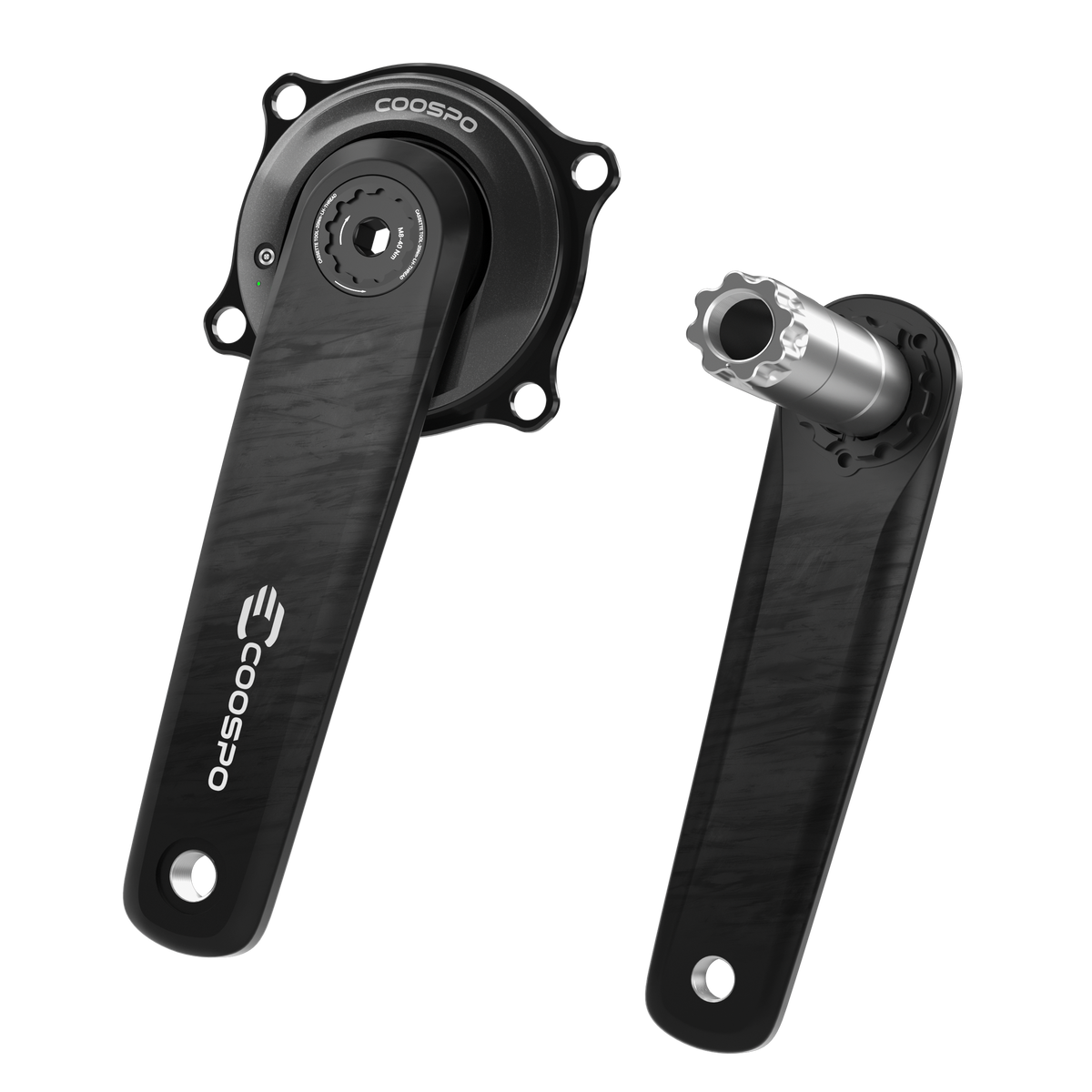
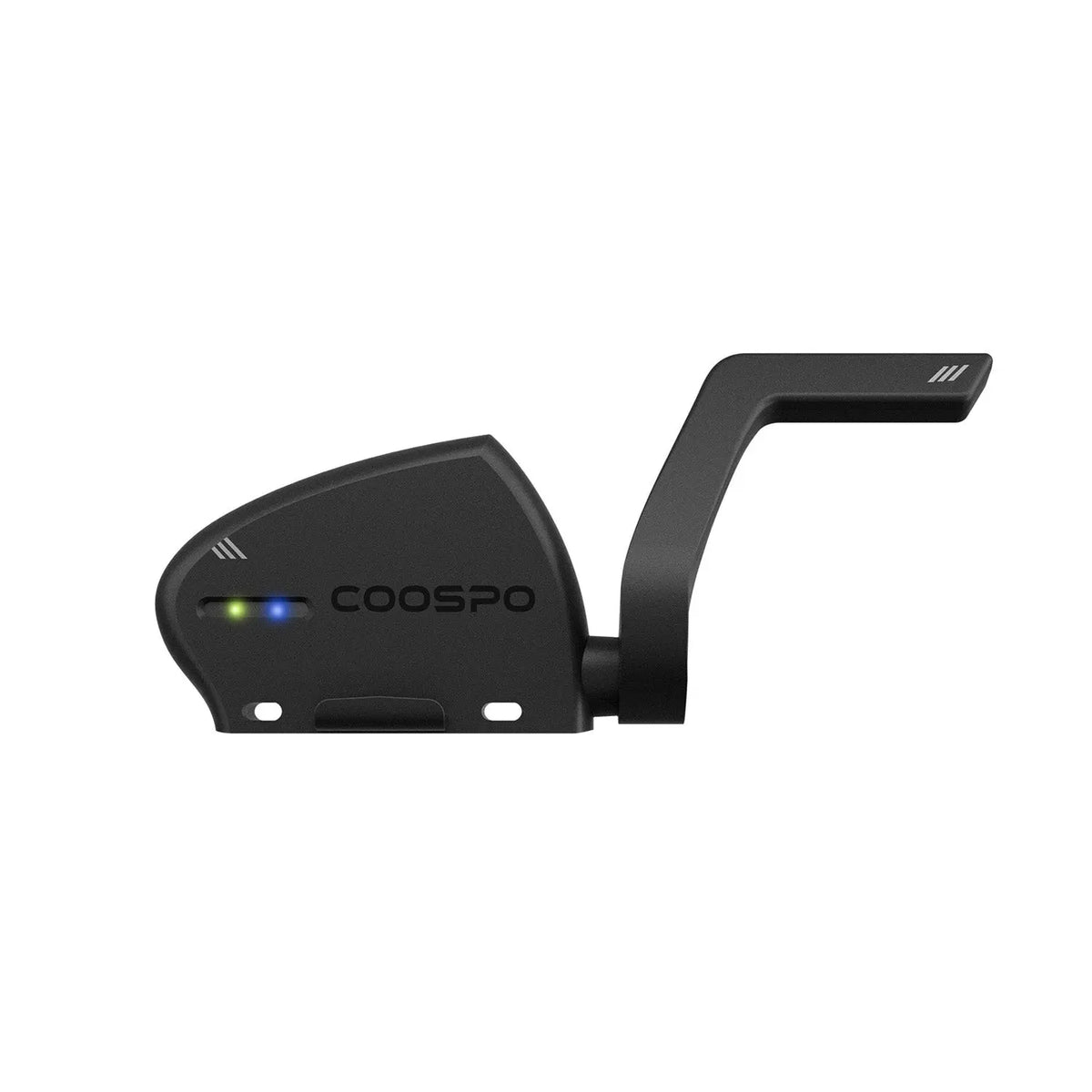
With tools like the Coospo S10 Power Meter, cyclists can measure their actual power output and better understand training intensity.
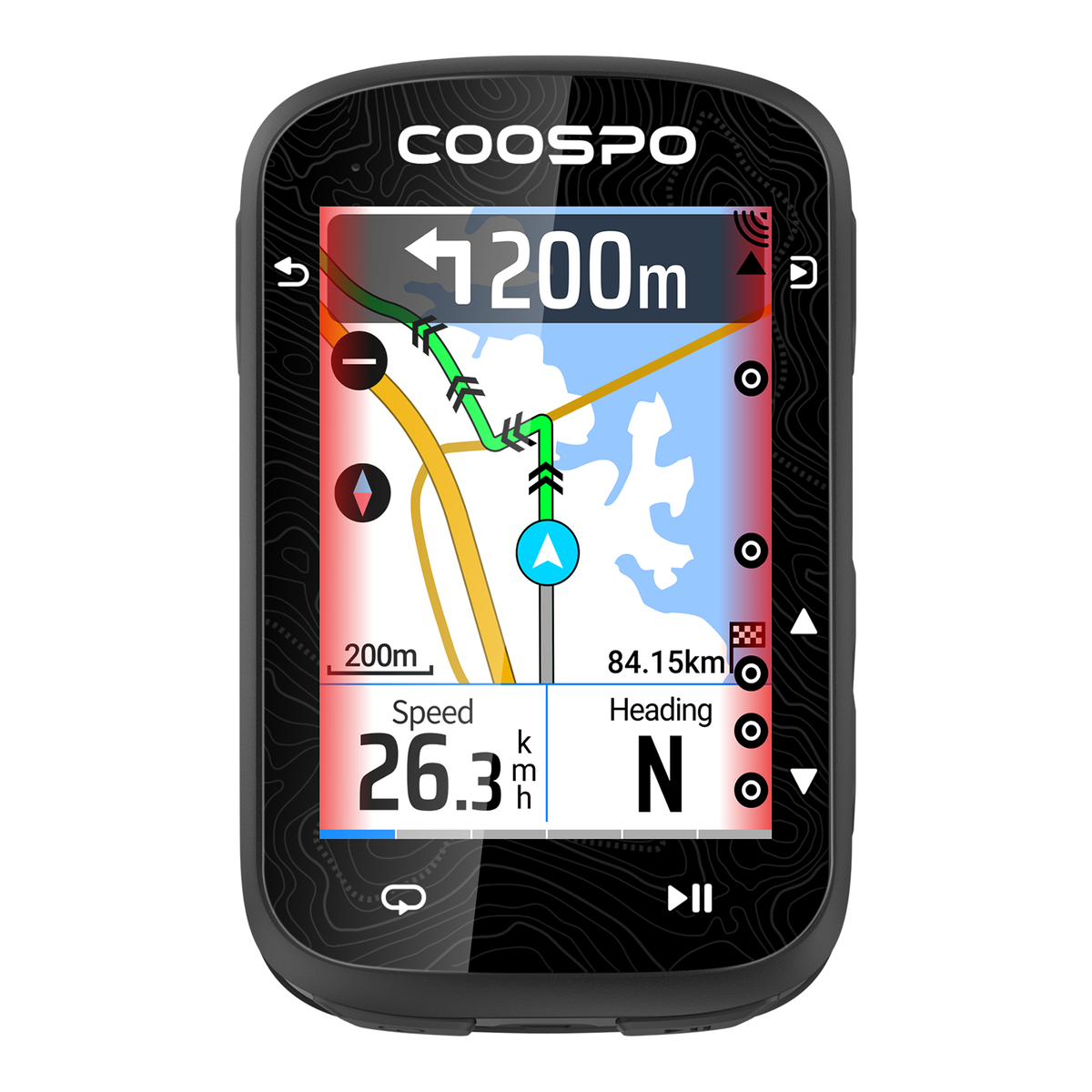
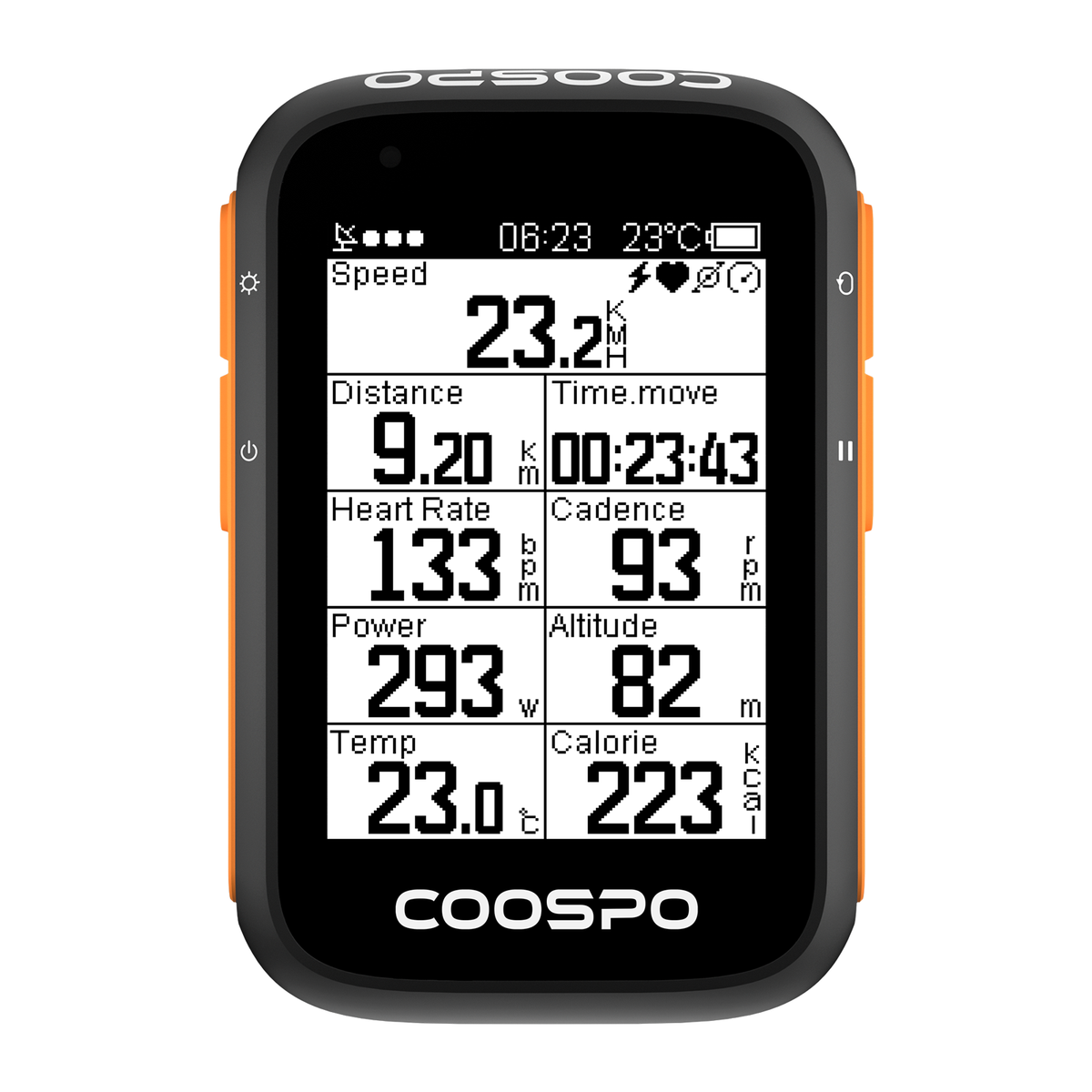
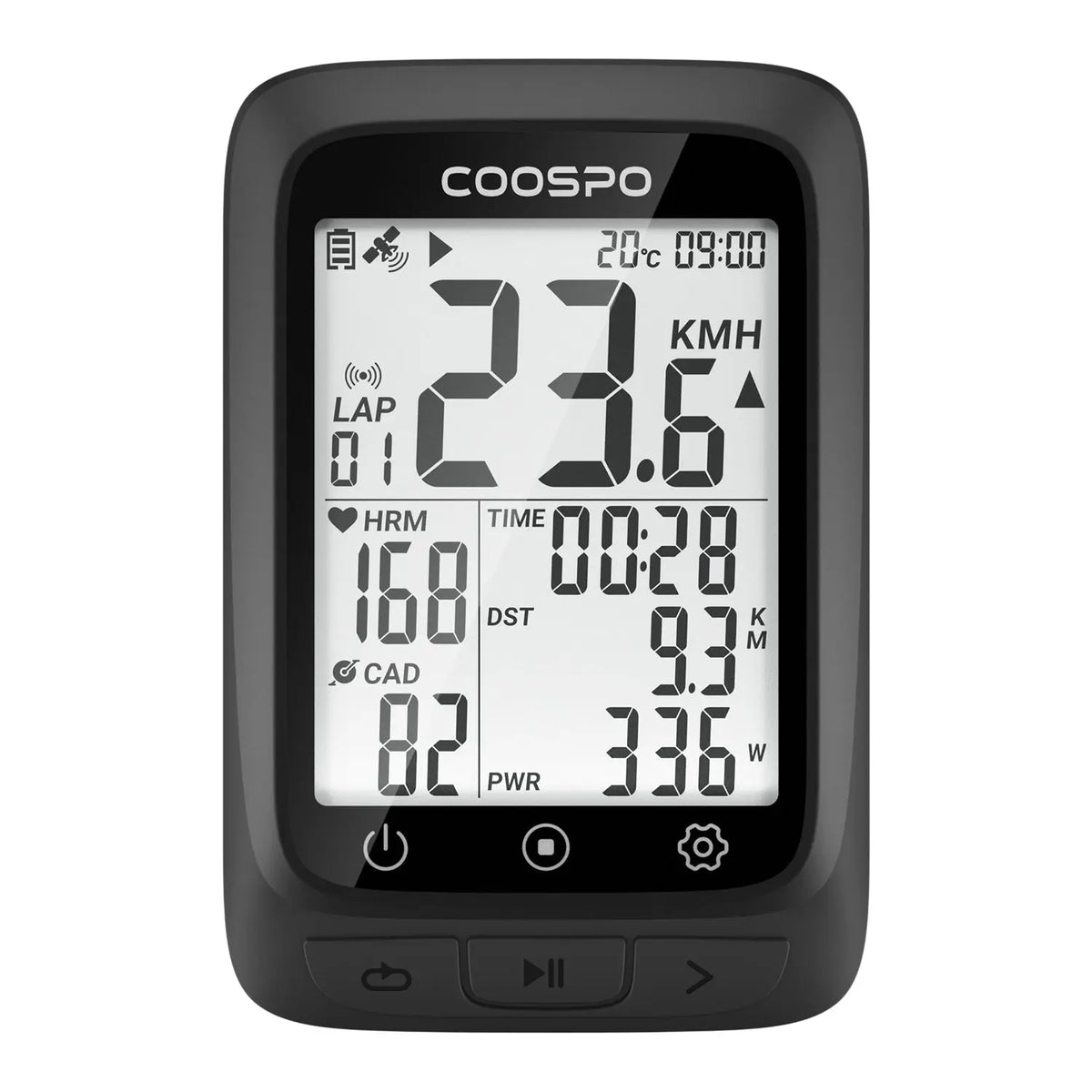
Combined with a bike computer such as the Coospo CS600, riders can view important metrics including:
· Power
· Heart rate
· Speed
· Cadence
· Training data
For cyclists who want to move beyond simply recording rides, understanding both power and heart rate is the key step toward smarter training.
Final Thoughts
Heart rate and power are not competitors. They are different tools designed to answer different questions.
Heart rate tells you about your body's condition. Power tells you about your performance. For casual riders, heart rate may be all you need. For cyclists chasing measurable improvement, combining heart rate and power provides the most complete picture.
The smartest training isn't about collecting more data. It's about understanding the right data.
FAQ
Is power training better than heart rate training?
Power is more precise for structured training, but heart rate remains valuable for understanding your body's response.
Do beginners need a power meter?
Not necessarily. Many beginners can improve significantly using heart rate training first.
Can I use heart rate and power together?
Yes. Many experienced cyclists use both because they provide different information.
Why is my heart rate high but power low?
This can happen due to fatigue, heat, dehydration, stress, or insufficient recovery.




Leave a comment
This site is protected by hCaptcha and the hCaptcha Privacy Policy and Terms of Service apply.