













![[2 Pack] Coospo Breathable Neck Gaiter Face Scarf Mask COOSPO](http://www.coospo.com/cdn/shop/files/106de7b046babc03aa610173af6e31aa_599da3fe-9907-4b1e-8eb0-f08b3032720b.png?v=1720591174&width=1600)


![[4 Pack] Coospo Soft Breathable Chilly Towel, Microfiber Towel COOSPO](http://www.coospo.com/cdn/shop/files/1_904094cc-62ee-40e9-aa21-415effb385b4.png?v=1720527561&width=1600)

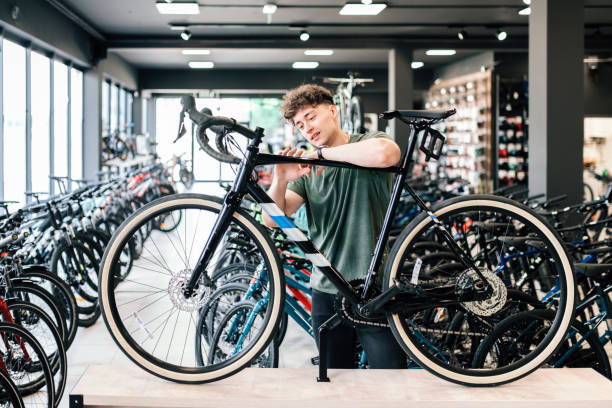
Every year, cycling brands release shiny new bikes with promises of groundbreaking technology, smoother rides, and faster speeds. If you’ve been following the cycling world before, you’ve probably noticed a flood of tempting new models. But before reaching for your wallet, it’s worth asking: do you really need a new bike this year? Here are five reasons why sticking with your current ride might be the smarter choice.
1. Speed Comes from Training, Not a New Frame
Many new bikes promise aerodynamic gains, better suspension, and improved handling, but the reality is simple: no bike will magically make you a faster or more skilled rider overnight. This applies to road bikes, gravel bikes, and mountain bikes alike.
For example, modern aero road bikes may save you only a few watts even if you match professional geometry and components. Real speed gains come from improving your flexibility, riding position, and overall fitness. Adjusting your posture, refining your pedaling technique, or upgrading to aerodynamic clothing will give you a bigger performance boost than buying a brand-new frame.
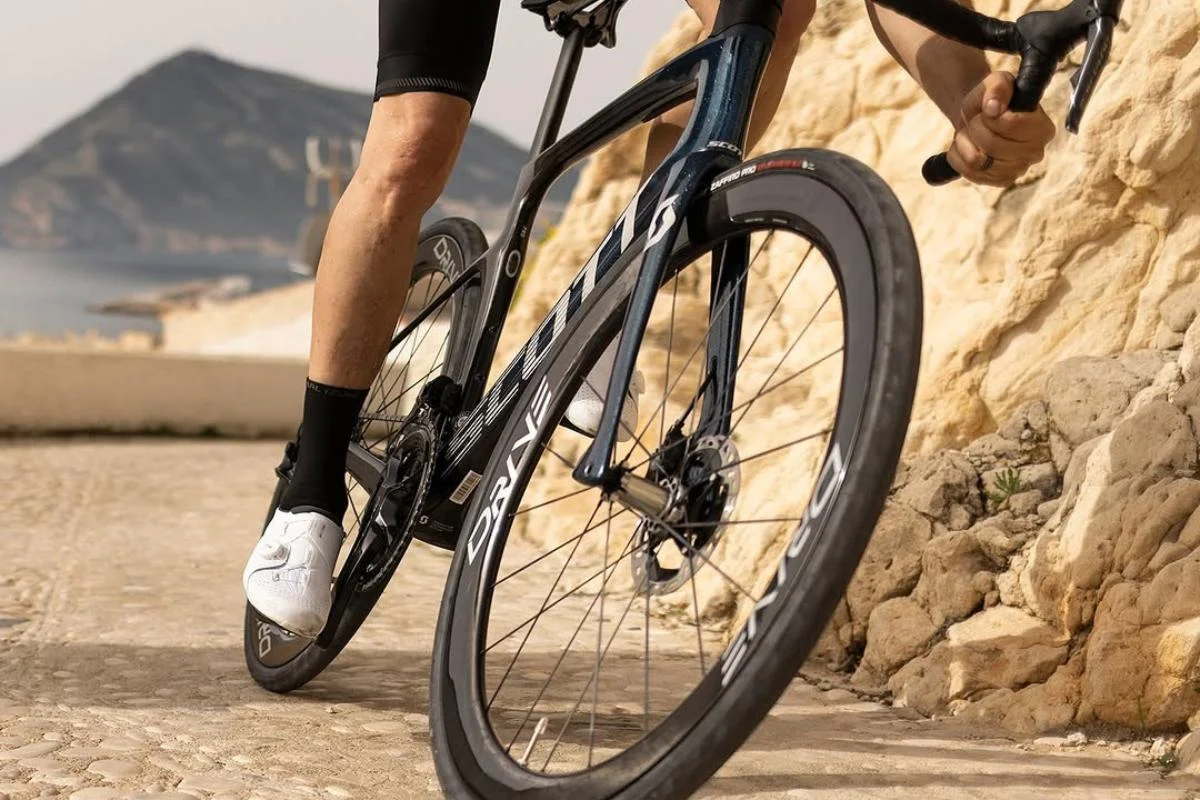
Investing in structured training also offers far better results than spending thousands on a new bike. A well-designed training plan, guided by a coach or through apps, can dramatically improve endurance, speed, and climbing ability. The improvements you make in your own body will always outweigh minor technological gains from a new frame.
2. New Bikes Cost More Than Ever Before
Over the past few years, bicycle prices have risen sharply. What once cost a mid-range bike now costs as much as a high-end model used to. A Shimano Ultegra-equipped road bike today can cost as much as a former Dura-Ace-level bike, and gravel bikes aren’t far behind.
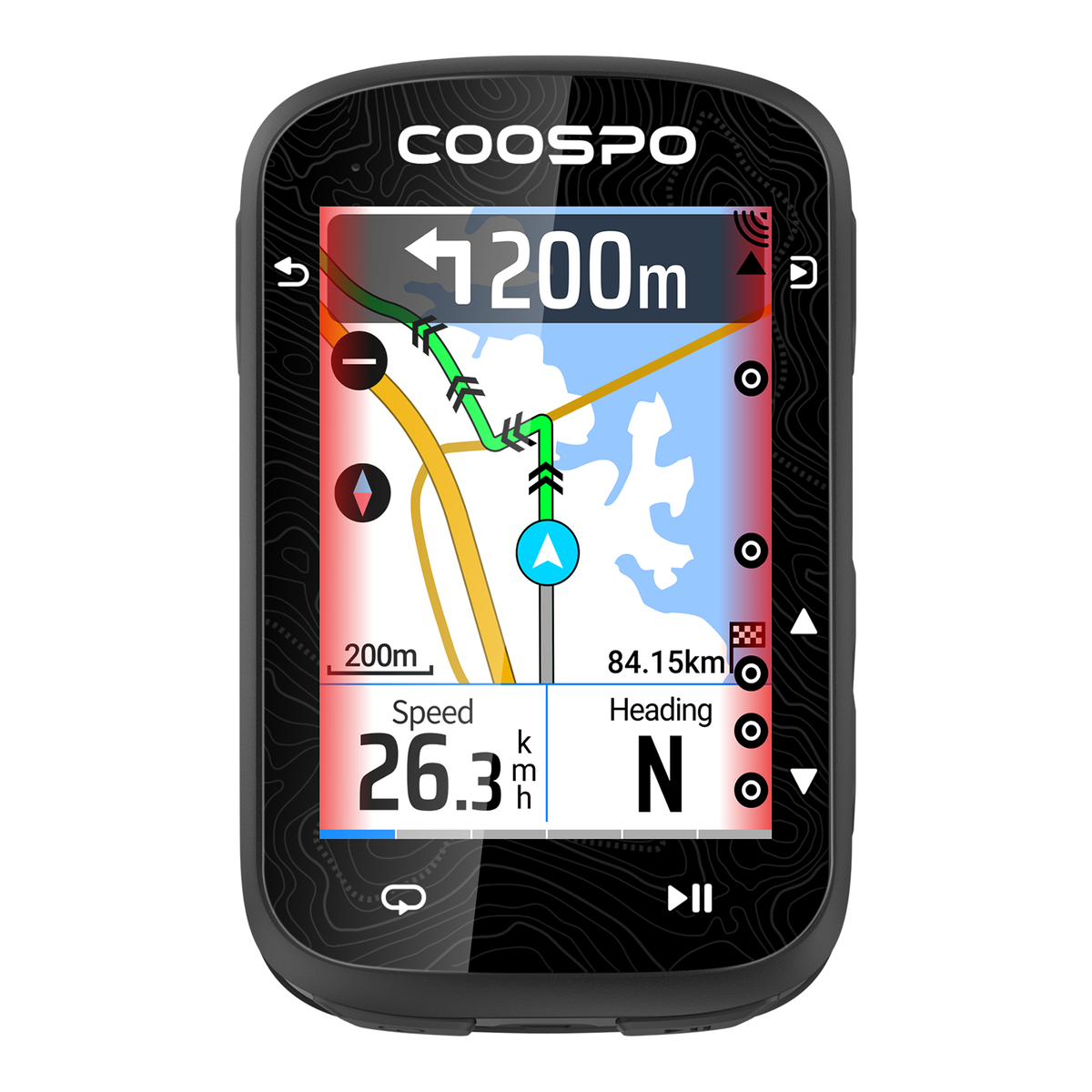
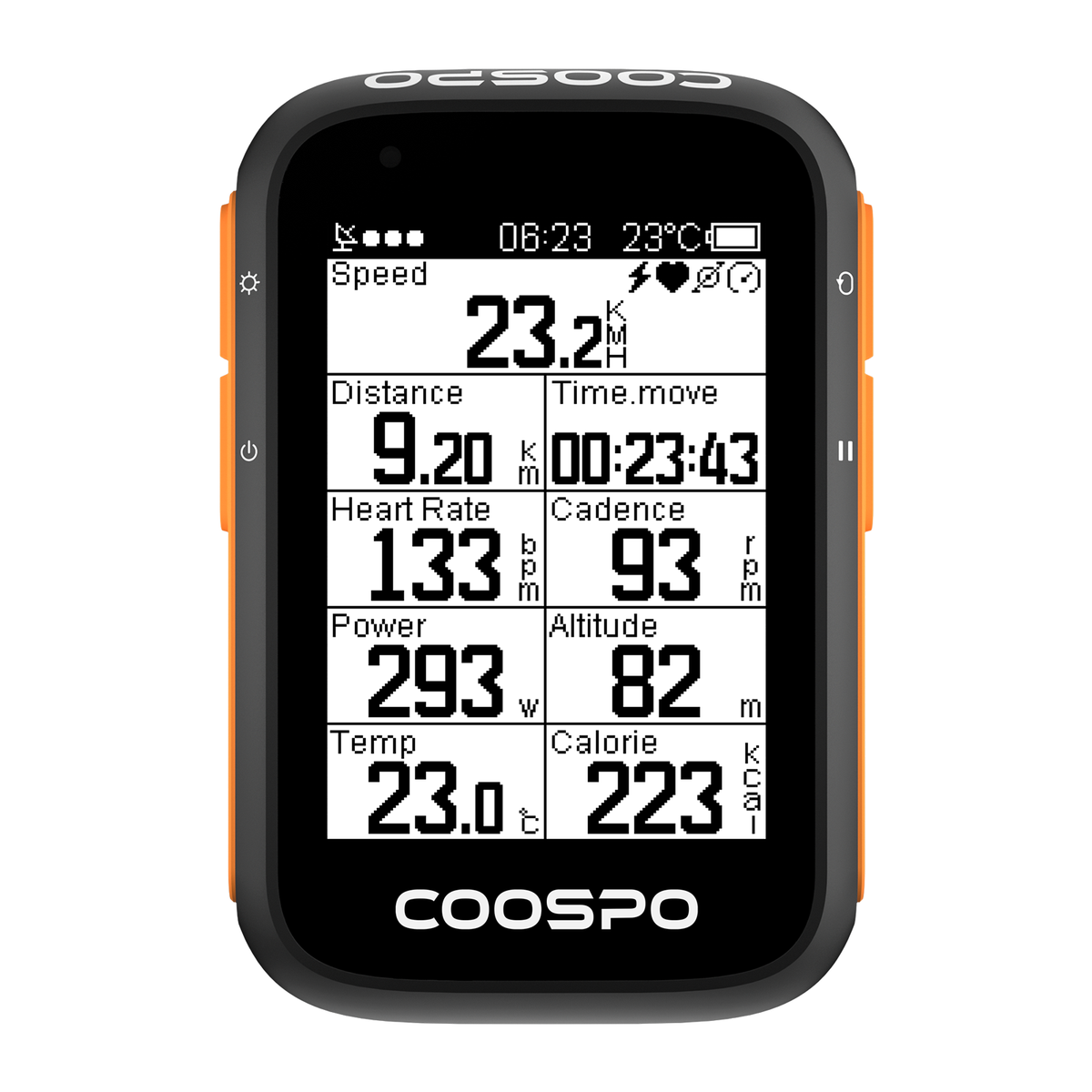
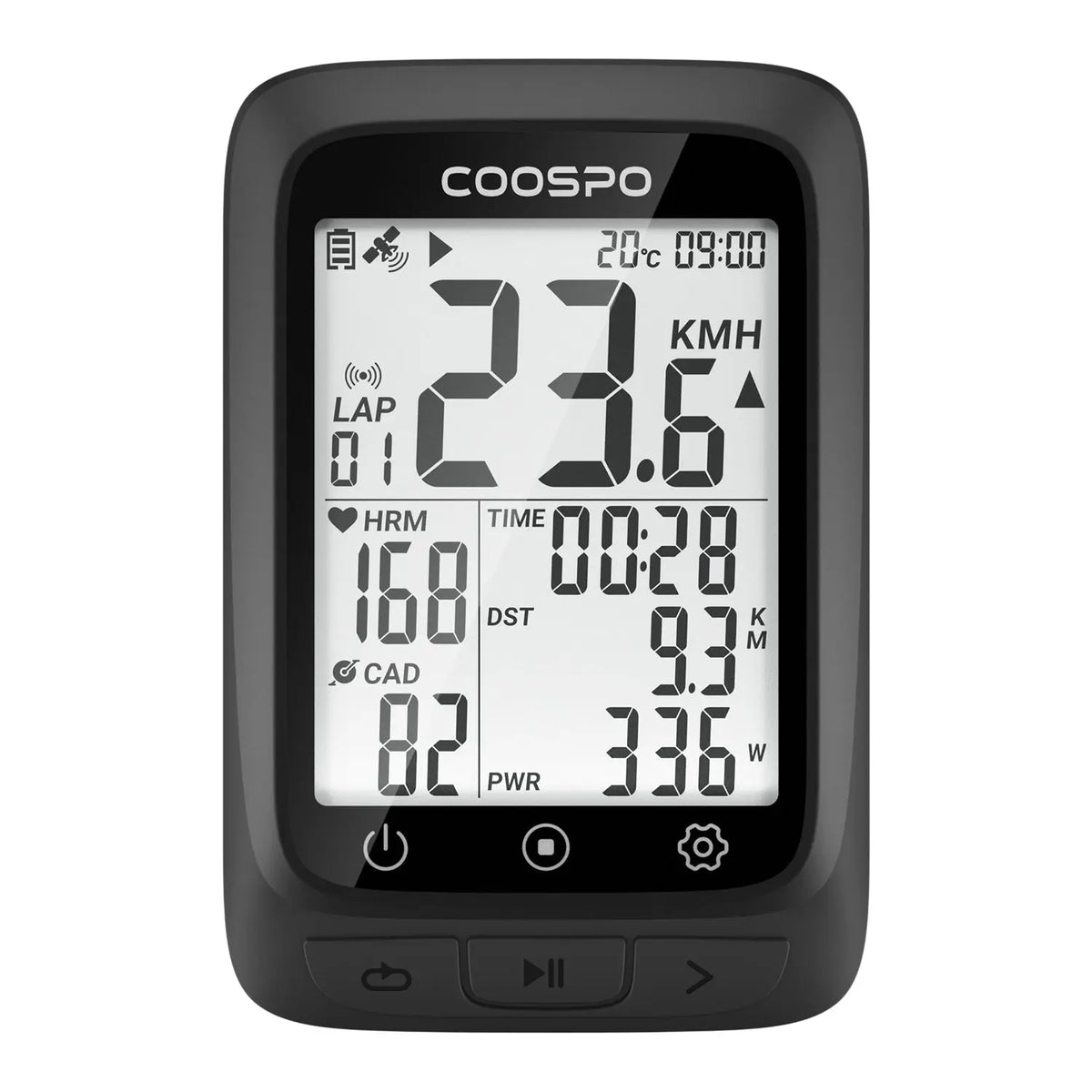
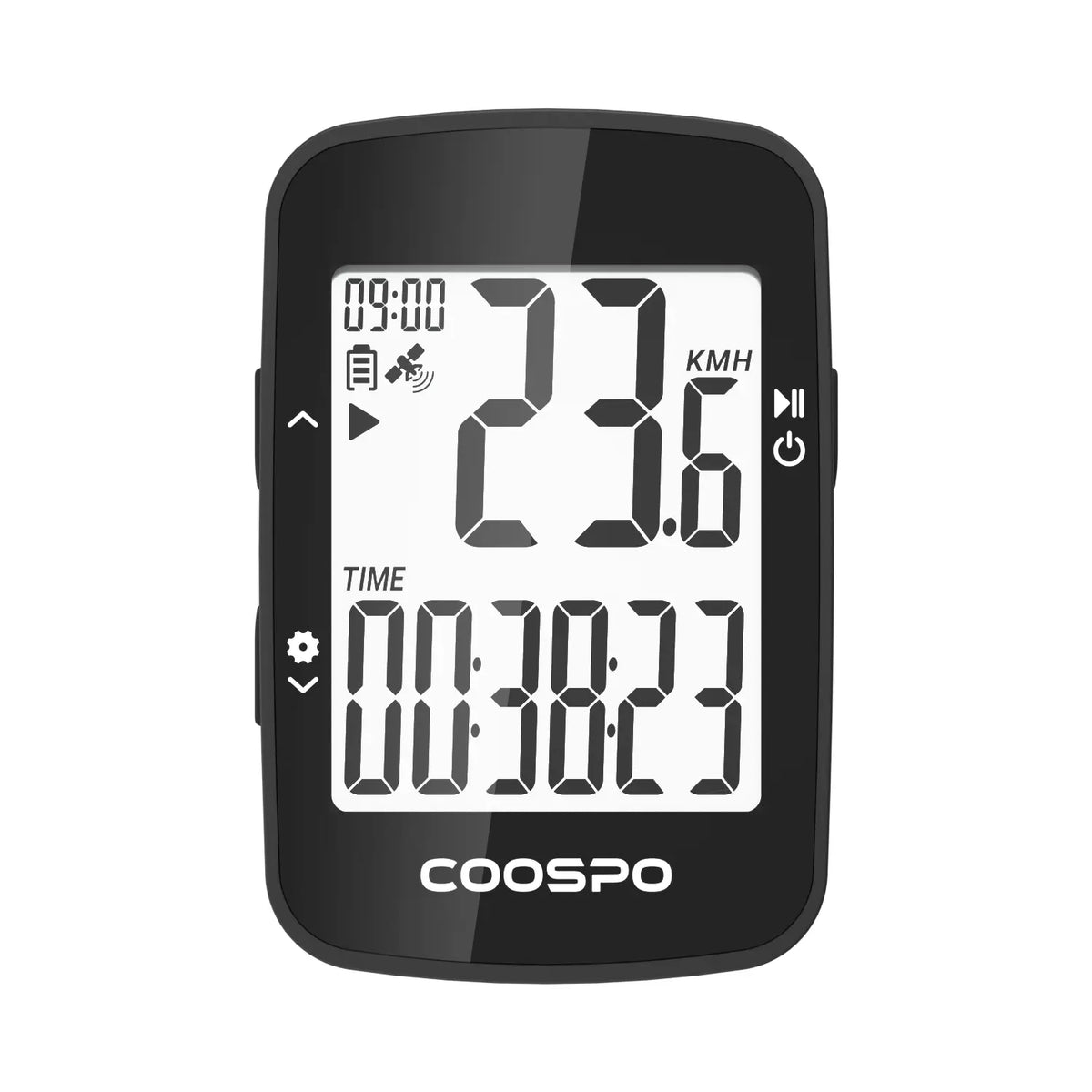
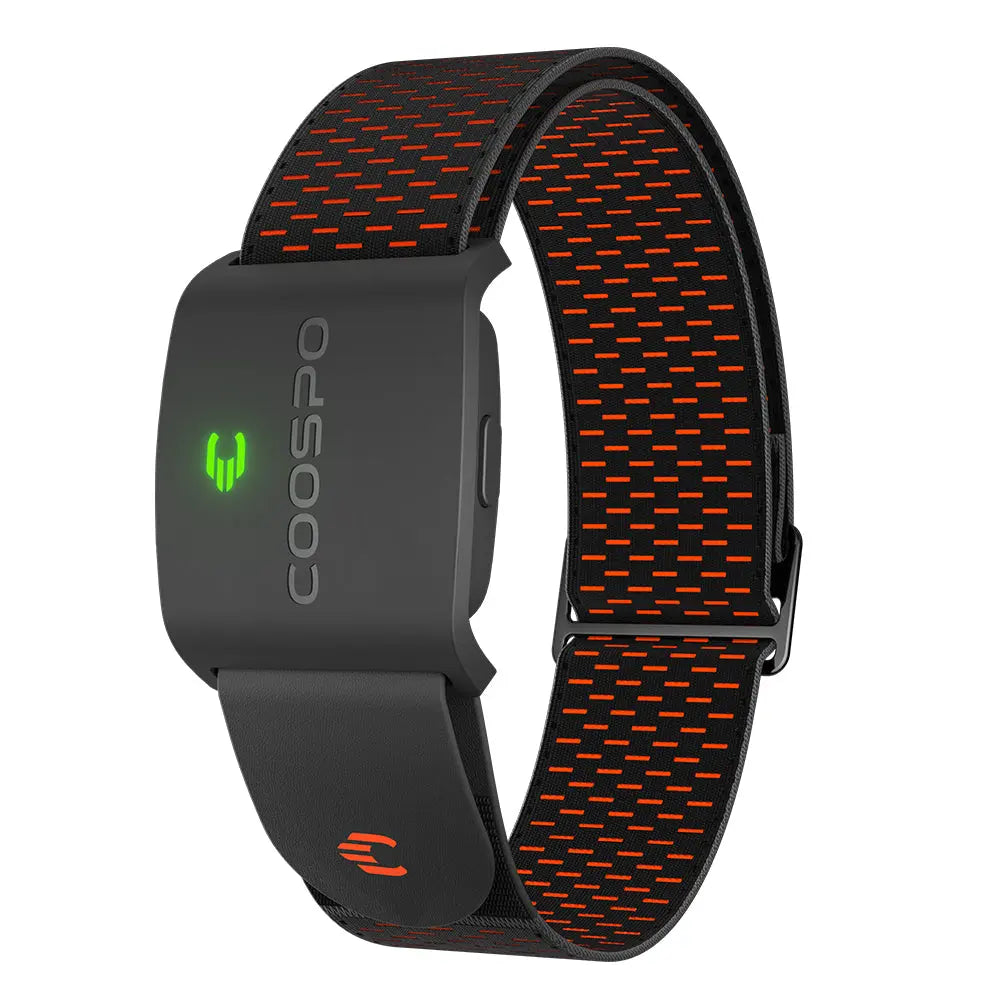
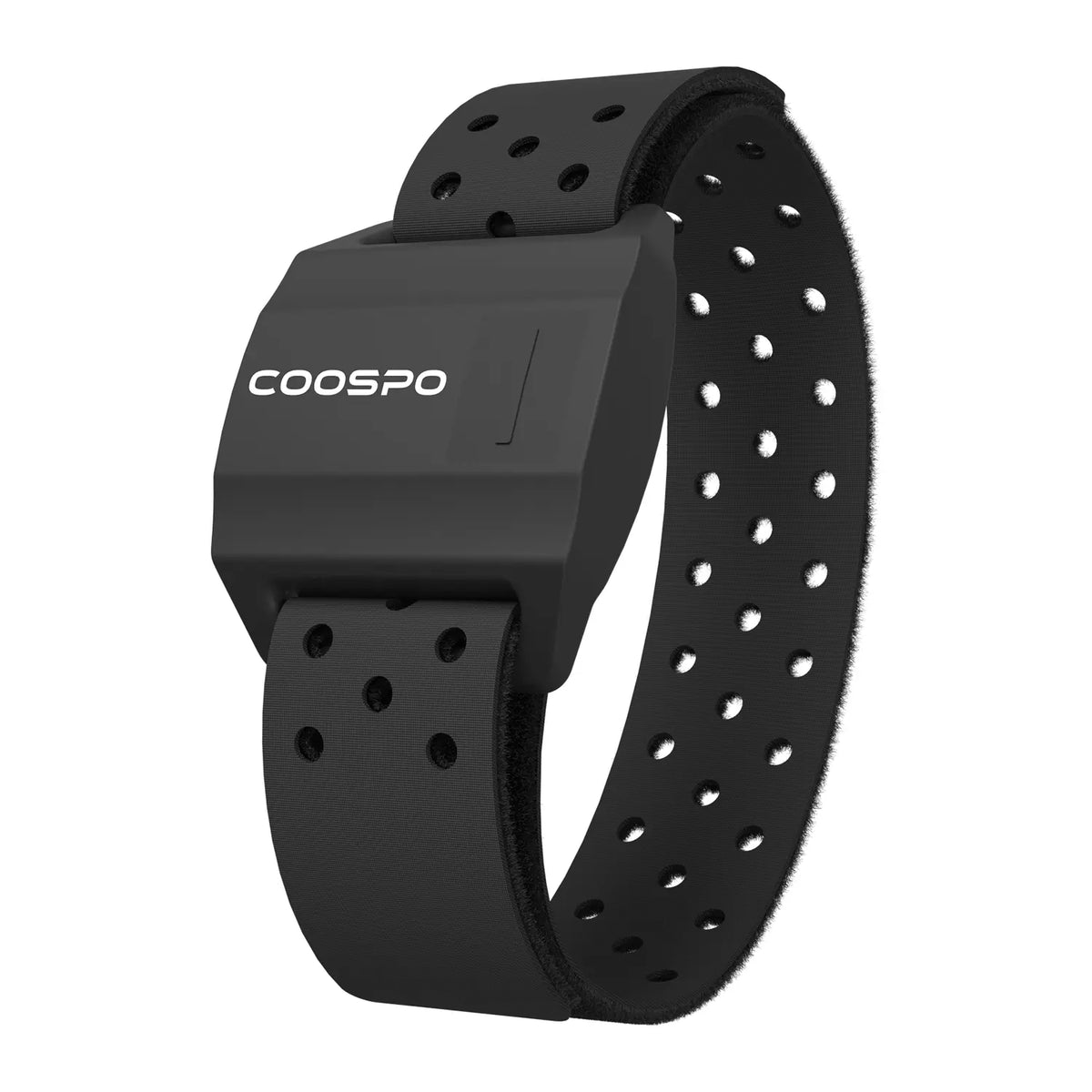
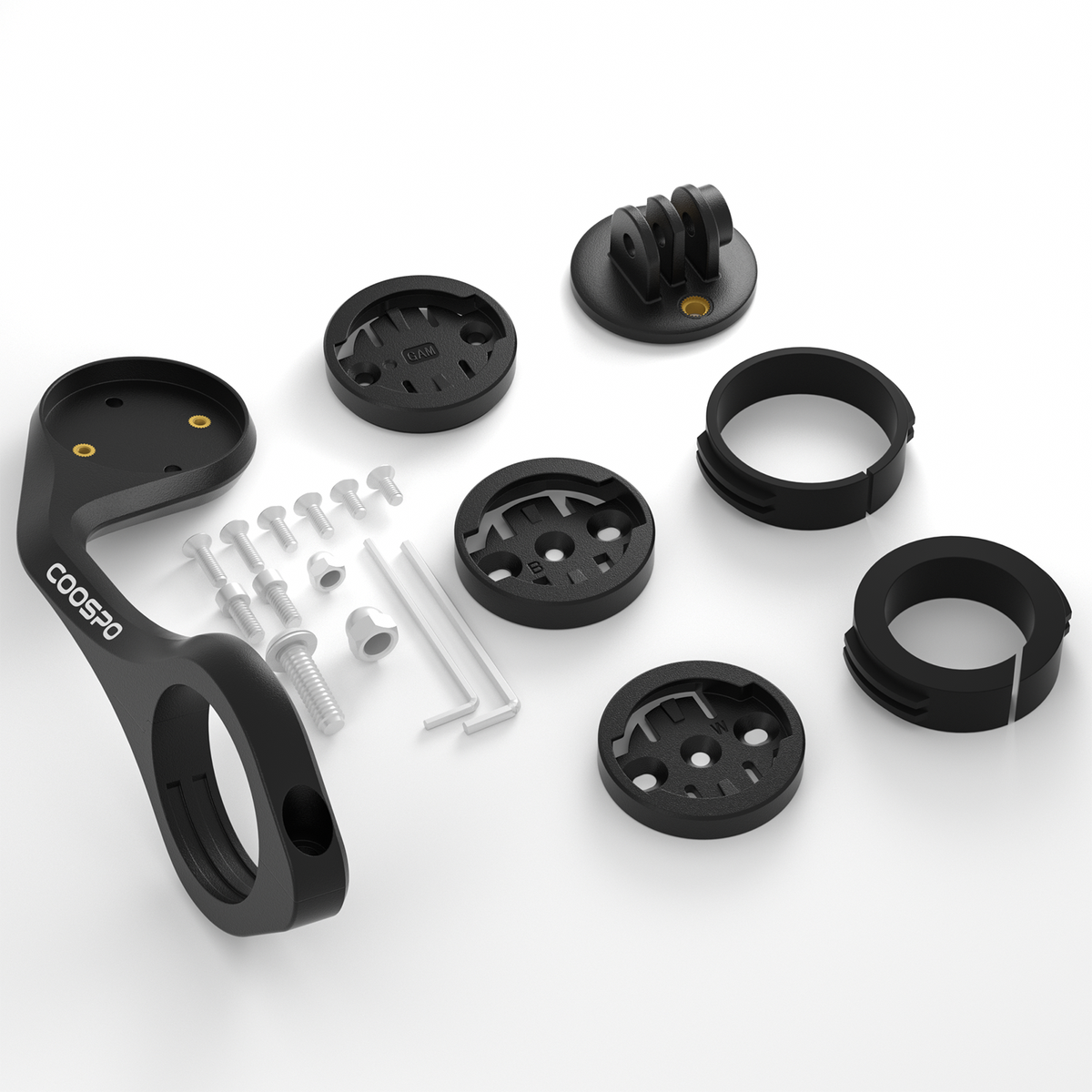
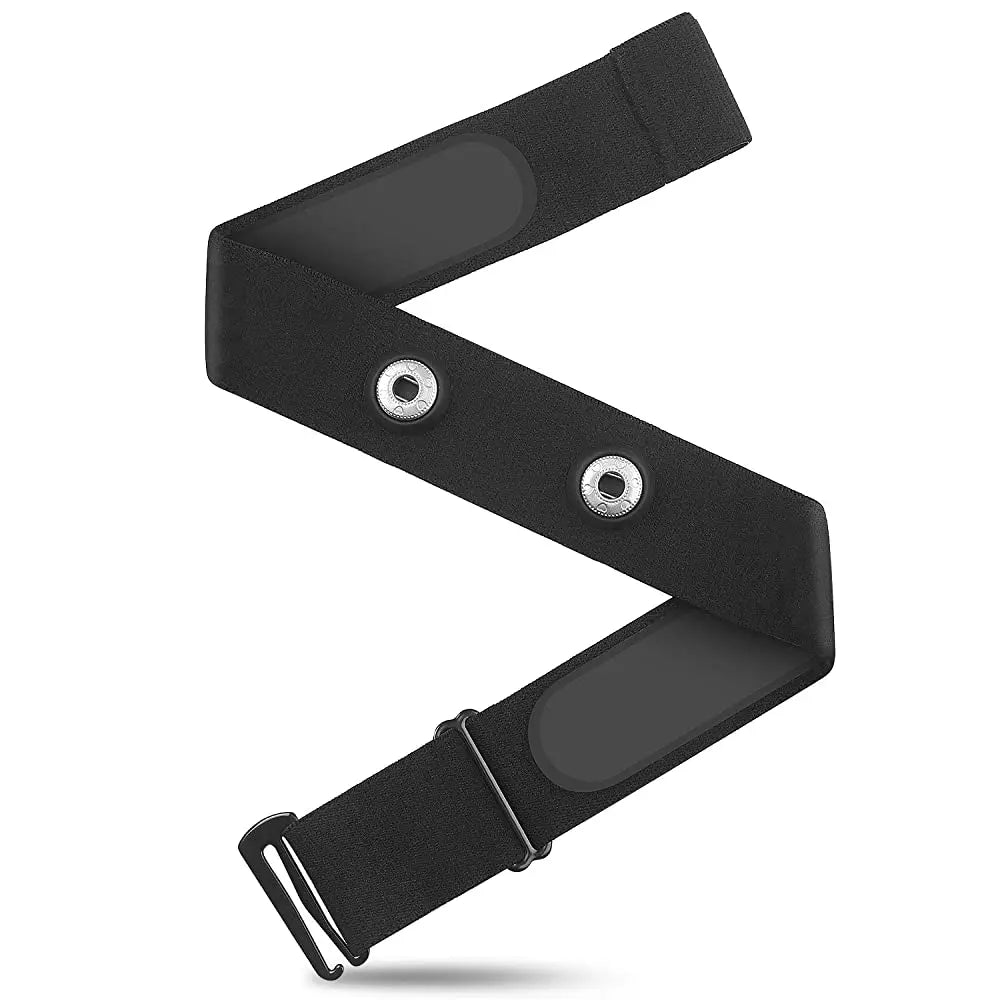
Manufacturers cite higher production costs, tariffs, advanced components, and materials as reasons for price increases, but for many riders, the expense is hard to justify. If your goal is to ride efficiently and enjoyably, investing in a new bike may not provide the best value. Instead of spending thousands on a new bike, you can invest in tools like a Coospo bike computer or heart rate monitor to optimize your current setup and training at a fraction of the cost.

If you are tempted to upgrade, consider the second-hand market. Carefully checked used bikes can deliver excellent performance for a fraction of the new price, especially if you’re willing to swap out worn components.
3. Good Service Can Make Your Old Bike Feel New
A professional tune-up can make an old bike feel almost new. Fresh handlebar tape or grips, new tires, properly adjusted derailleurs, and a thorough cleaning can transform your riding experience without spending thousands.
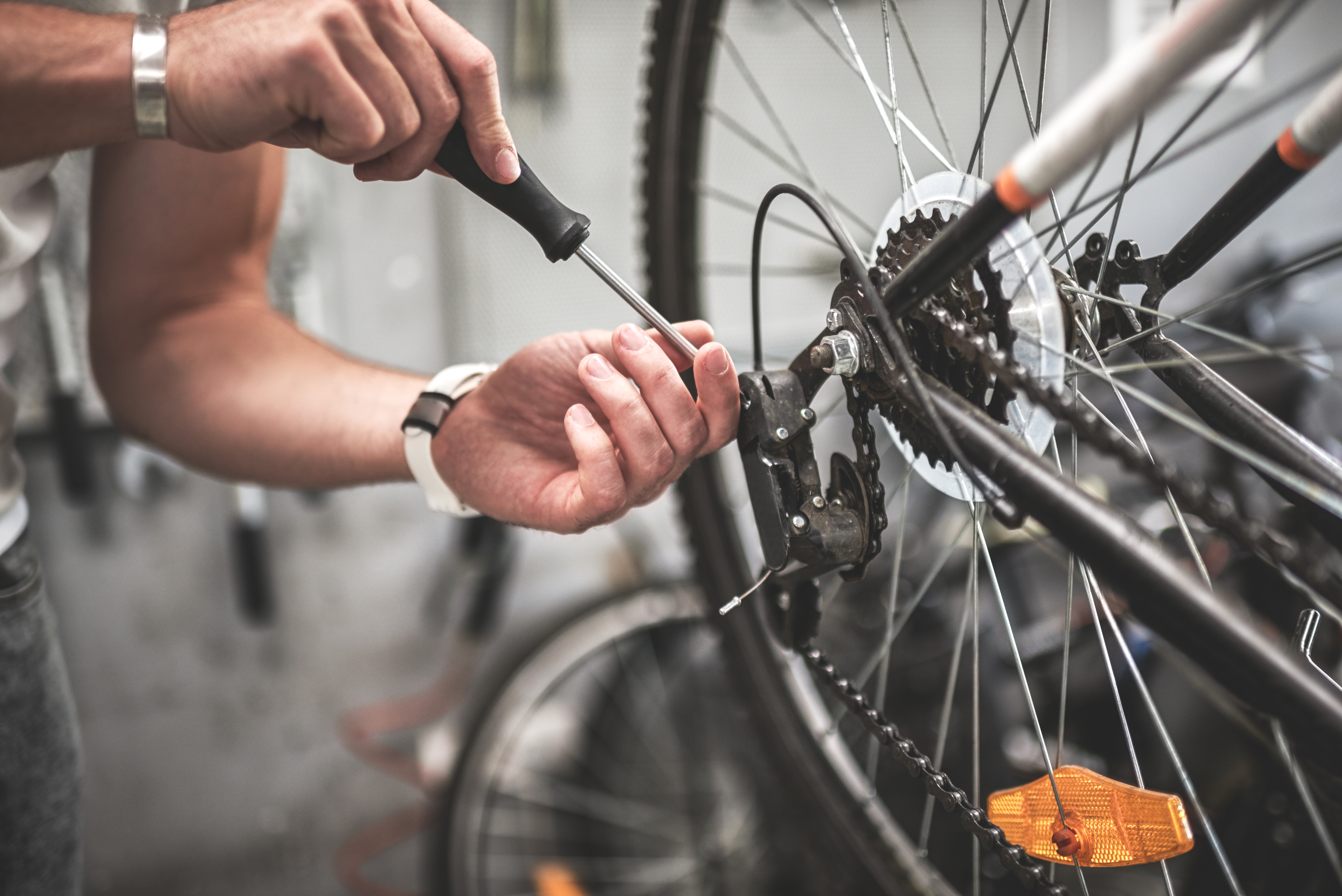
Even small DIY maintenance tasks—lubricating the chain, checking tire pressure, or replacing worn components—can make a big difference in ride quality and bike longevity. Many cyclists find satisfaction in dedicating a Saturday to servicing their bike, knowing that a well-maintained ride performs better, lasts longer, and reduces the risk of costly repairs.
If you plan your maintenance throughout the year, noting what needs attention, you’ll not only save money but also enjoy a bike that feels responsive and reliable.
4. Bike Technology Advances Are Slowing
While mountain bikes continue to evolve quickly with suspension improvements and geometry tweaks, road bike innovation is becoming incremental. Most new models focus on aerodynamics and weight reduction. Pro-level frames hover around the UCI minimum of 6.8 kg, and while the tech looks impressive, the gains for an average rider are marginal.
For most cyclists, these small improvements don’t justify the price of a new bike. The road cycling market is heavily influenced by professional racing trends, which drives demand for ultra-light, aero-focused bikes that offer little advantage for everyday riders.
Unless you compete at a high level or chase every fraction of a second, your current bike can remain highly competitive with proper training and fit adjustments.
5. You Don’t Need Multiple Bikes
Cyclists often joke about the “N+1” rule—the idea that you always need one more bike than you currently own. However, modern bikes are increasingly versatile. Gravel bikes, for example, can handle long road rides and rough terrain, covering much of what used to require separate road and mountain bikes.
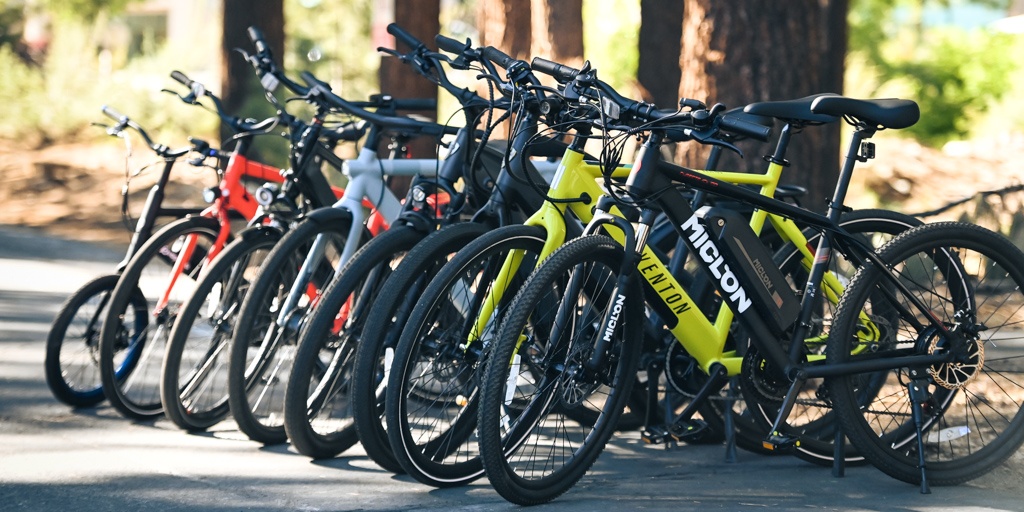
Specialized bikes still make sense if you focus on one discipline exclusively, but for riders who enjoy exploring different surfaces, a single adaptable bike can provide a wide range of experiences. Maintaining one bike is also easier, cheaper, and takes up less space than managing a small fleet.
By upgrading your current bike with wider tires, different pedals, or minor component swaps, you can create a highly versatile setup that meets most of your riding needs.
Smart Alternatives to Buying New
If you’re motivated by performance or enjoyment rather than owning the latest model, there are several ways to enhance your cycling experience without buying a new bike:
- Invest in Training: Structured rides, interval sessions, and endurance training produce real results.
- Upgrade Accessories: Aerodynamic clothing, shoes, or pedals often improve speed more than a new frame.
- Service and Maintenance: A professional tune-up, fresh tires, or a new drivetrain can dramatically change how your bike feels.
- Improve Your Bike Fit: A proper saddle height, handlebar adjustment, and cleat position optimize comfort and efficiency.
- Try New Disciplines: Gravel, cyclocross, or time trials can breathe new life into your riding experience without buying a separate bike.
When a New Bike Makes Sense
Of course, there are situations where a new bike is worth considering:
- Your current bike is damaged beyond economical repair.
- You have very specific performance goals that your current bike cannot meet.
- You want a model designed for a different type of riding you plan to do frequently.
Even then, carefully consider whether second-hand options, upgrades, or accessory investments can meet your needs first.
Conclusion: Ride Smarter, Not Always Newer
The lure of new technology is strong, but for most riders, sticking with your current bike—and making it better through training, maintenance, and small upgrades—is a smarter choice.
A new bike may look stunning in the showroom, but improvements in speed, endurance, and handling come from the rider, not the frame. By focusing on skill development, fit, and long-term care, you can get years of enjoyment from your current ride—and save a significant amount of money in the process.
So before splurging on the latest model, ask yourself: does my bike still serve me well? Could a tune-up, training plan, or small upgrade make more sense? Chances are, the answer is yes—and this year could be your best cycling year yet without spending a dime on a new bike.



Leave a comment
This site is protected by hCaptcha and the hCaptcha Privacy Policy and Terms of Service apply.