















![[2 Pack] Coospo Breathable Neck Gaiter Face Scarf Mask COOSPO](http://www.coospo.com/cdn/shop/files/106de7b046babc03aa610173af6e31aa_599da3fe-9907-4b1e-8eb0-f08b3032720b.png?v=1720591174&width=1600)


![[4 Pack] Coospo Soft Breathable Chilly Towel, Microfiber Towel COOSPO](http://www.coospo.com/cdn/shop/files/1_904094cc-62ee-40e9-aa21-415effb385b4.png?v=1720527561&width=1600)

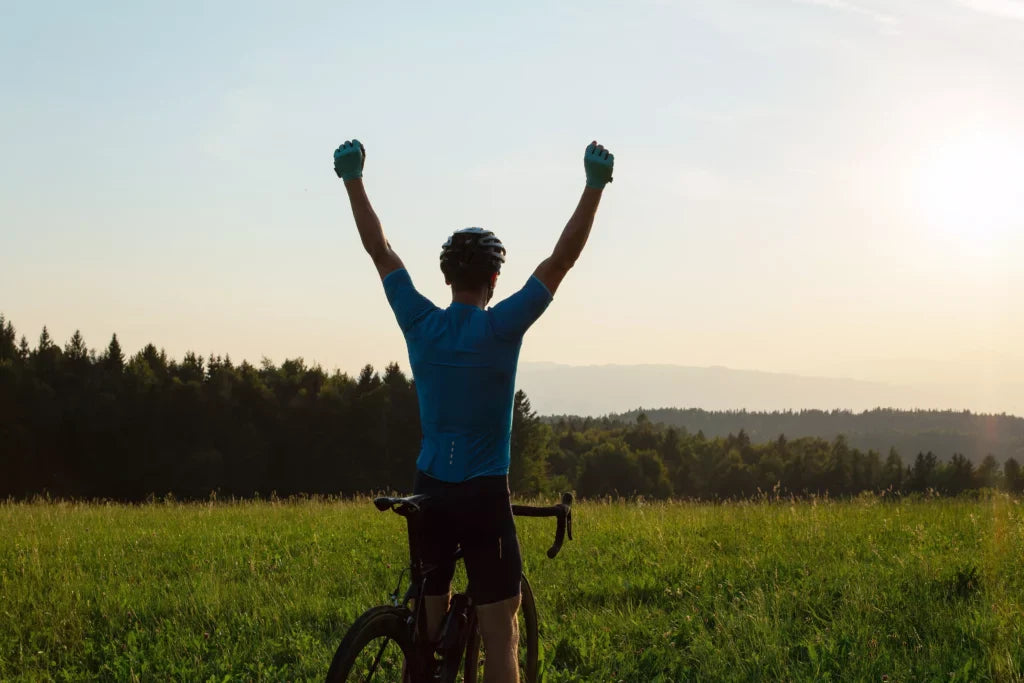
Simple, practical advice for making your rides more consistent, enjoyable, and productive
A new year often brings big plans — and just as often, early disappointments. Cycling resolutions don’t have to be another fleeting idea. With the right approach, your goals can last all season, keeping you motivated, improving your performance, and making each ride meaningful. Here’s a practical guide based on real cyclist experience.
Why Set Cycling Goals?
Resolutions aren’t just a tradition — they give your season structure. They offer something to aim for and, by the end of the year, a sense of accomplishment. Think of goals as a set of smaller targets that together make your 12 months of cycling more successful and rewarding. They’re only the starting point.
The key is balance. A goal must be realistic, yet motivating enough to get you out of bed on cold winter mornings or into your indoor “pain cave.” Miss that balance, and it’s likely your resolution will fade quickly.
1. Improve Your Fitness
The most classic cycling goal is improving fitness. But “getting fit” is vague — how will you know if you achieved it?
Better to define specific targets. For example: complete a certain event, climb a hill within a set time, or increase your maximum daily mileage by a fixed percentage.
Also, consider how you plan to improve. It can be tempting to join every gym class and ride six days a week, but that approach is rarely sustainable. Clear training structure, consistency, and having a concrete event or race in mind are far more effective.
Fitness goals often tie into another common goal: weight loss. Focus on fat loss, not muscle or water loss. Reducing body fat improves climbing, speed, and overall health. Forget trendy diets — the key is sustainable lifestyle changes: more fruits and vegetables, fewer processed foods, and regular cycling.
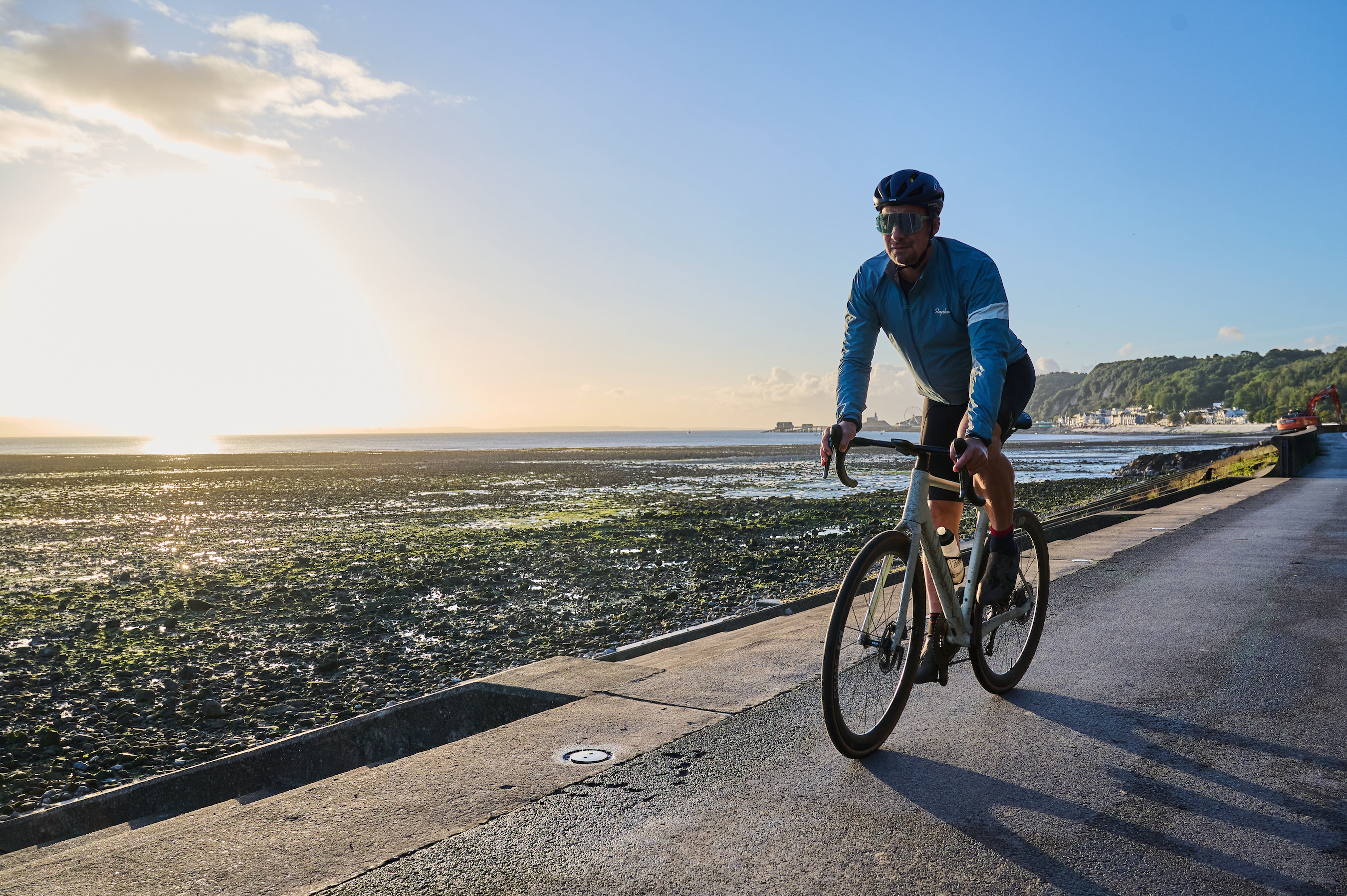
Set realistic targets. A safe and sustainable pace is about one kilogram per week. And always remember: enjoying your rides is as important as meeting targets. Mix training rides with fun rides — those purely for pleasure often determine whether you stick with cycling year-round.
2. Learn to Rest
Life is stressful, so scheduled rest is vital. Proper self-care helps you stay in the saddle while enjoying cycling.
Experiment to find what works for you: meditation, breathing exercises, yoga, or something else entirely. Include rides that aren’t about speed, distance, or heart rate — rides just for the joy of cycling, the sound of wheels, the wind on your face, and the scenery passing by. This positive feedback loop helps cycling remain a stress-relief tool rather than another source of pressure.
3. Maintain Balance with Family and Life
Cycling takes time and commitment. The cost isn’t just money — it’s also hours that could be spent with family or partners.
Open conversations about priorities help create a plan everyone can respect. Decide how many weekends you can dedicate to cycling, what budget is reasonable, and when to be fully available to loved ones.
Fairness matters if planning the season together. Divide responsibilities and free time evenly. If family or friends aren’t cyclists, gently introducing them to cycling can create shared experiences — and more motivation for you.
4. Introduce Someone Else to Cycling
Sharing your passion benefits everyone. Cycling improves physical and mental health, satisfies competitiveness, and offers a sustainable mode of transport.

Whether it’s children, friends, partners, or other adults, bringing someone new to cycling can mean a new riding buddy and shared goals. Riding with friends often boosts performance and motivation, creating a win-win scenario.
5. Try a Different Cycling Discipline
Variety keeps cycling interesting and offers clear benefits. Road cyclists can explore trails, while mountain bikers might ride asphalt climbs.

Other options include gravel, cyclocross, BMX, and pump tracks, each developing unique skills like balance, technique, and core strength. Road cyclists can experiment with time trials or audax rides — time trials build endurance at sustained speeds, while audax rides boost long-distance stamina.
Switching disciplines not only improves fitness and technique but also keeps the sport exciting throughout the year.
6. Take Care of Your Bike
A simple yet important goal: maintain your bike. After muddy rides, wash it to prevent component wear. Schedule periodic servicing or do it yourself.
Even small actions like lubricating the chain or checking tire pressure improve performance, comfort, and the lifespan of your bike. Well-maintained equipment also makes every ride more enjoyable, which keeps motivation high.
7. Conquer Long Endurance Rides
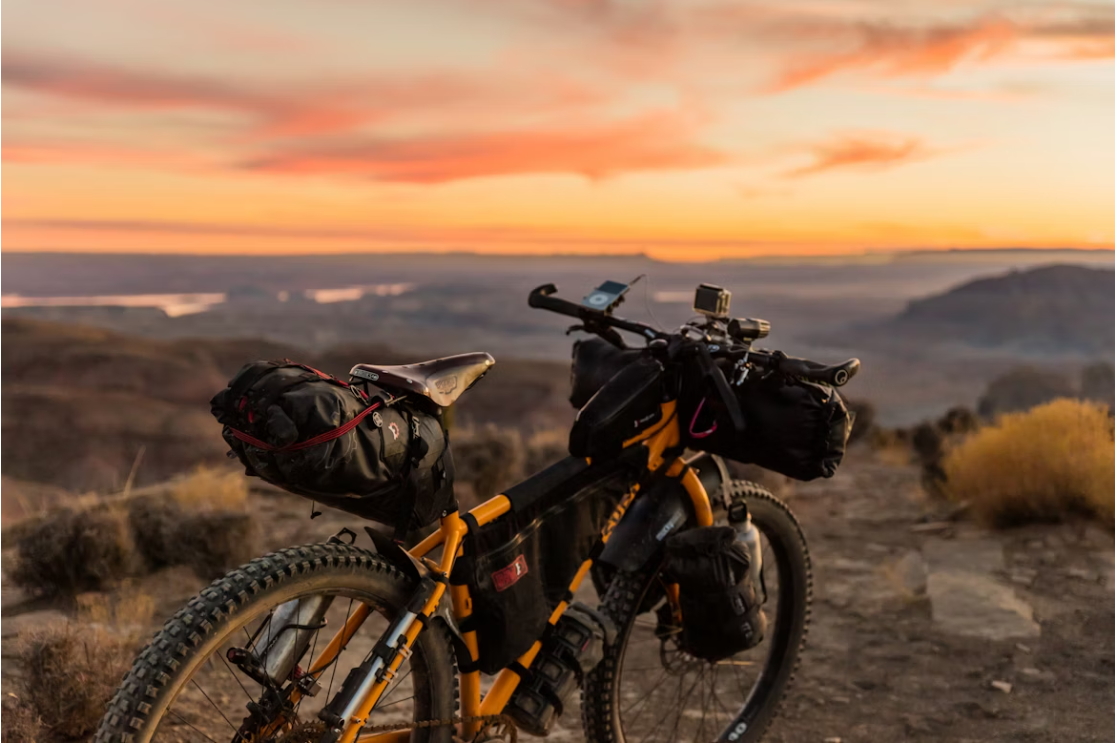
Test your limits with long-distance rides, whether on road, mountain, trekking, or commuting bikes. Long rides teach you endurance, self-sufficiency, and mental resilience.
You don’t need to cross continents — for many, a multi-day loop around their region can be a challenge. Plan a route, pack essentials, and embrace the adventure. These rides reveal how far you can push yourself and how your body responds under fatigue.

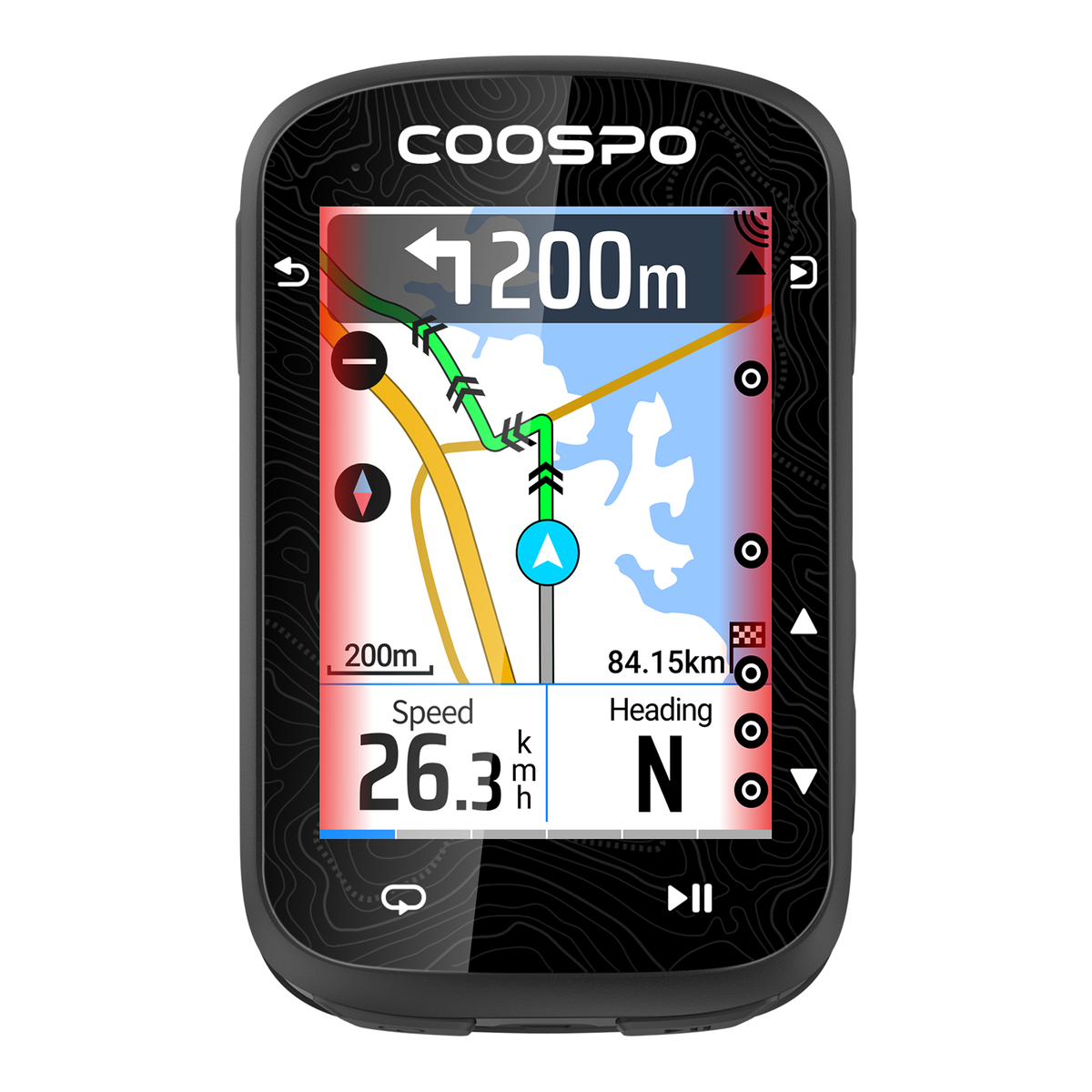
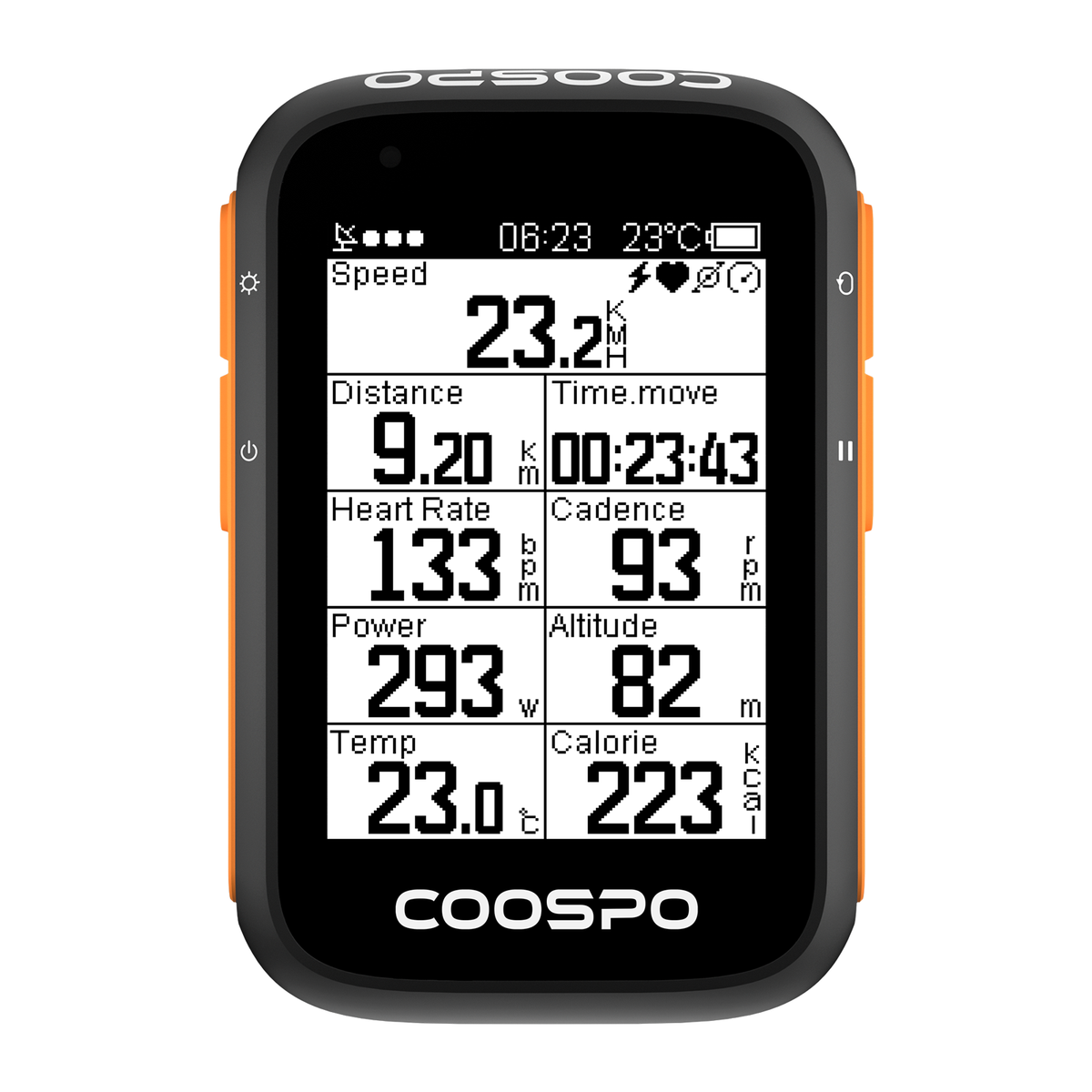
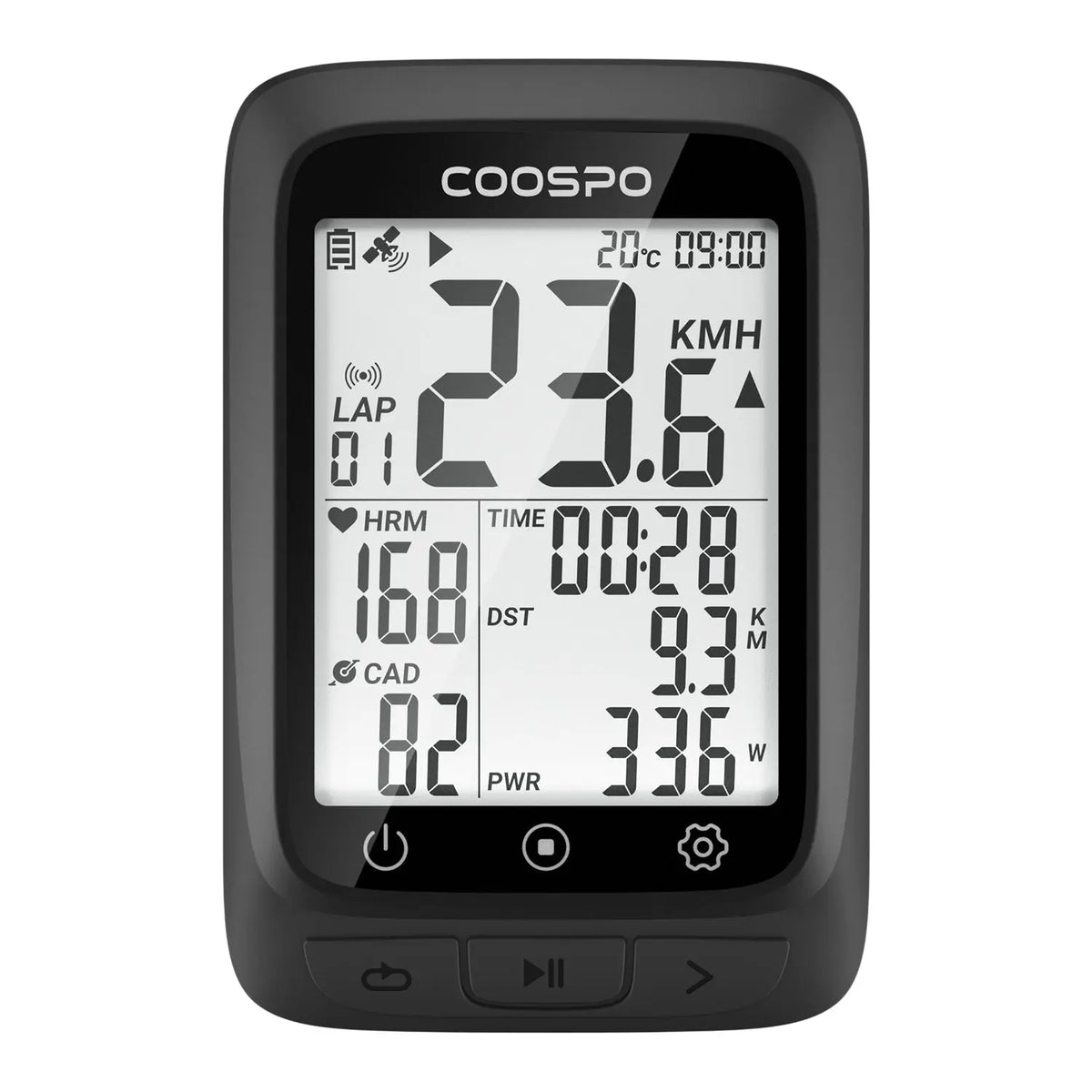
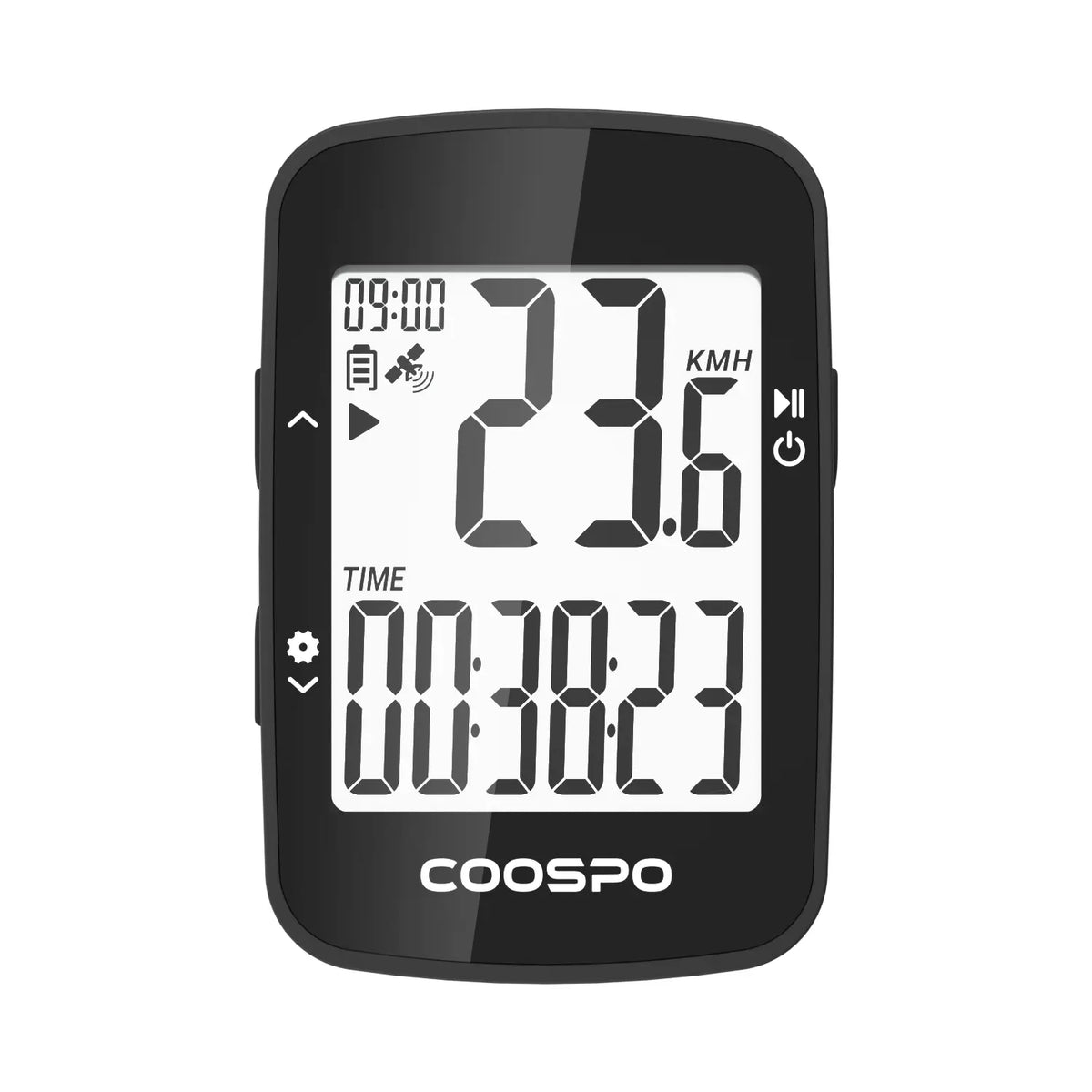
During long endurance rides, using a Coospo bike computer which has a long battery life, lets you track distance, elevation, and pace, while a heart rate monitor helps you maintain sustainable effort for the entire ride.
8. Participate in an Event
If you haven’t tried races or cycling events, consider signing up. Events provide purpose, concrete goals, and deadlines. Training with friends adds motivation and accountability.

Options vary: extreme endurance rides, multi-day mountain races, criteriums, cross-country races, charity rides, or social group rides. Online resources offer guidance on training, nutrition, bike selection, and clothing, making participation accessible and rewarding.
9. Strengthen Your Core
Core and leg exercises outside the saddle improve stability, pedaling efficiency, and injury prevention. Gym sessions can help, but many exercises — squats, planks, lunges — can be done at home effectively. A strong core makes you a stronger, more resilient cyclist.
10. Support Cycling Charities or Volunteers
Give back in ways that go beyond your own rides. Options include donating old bikes, repairing bikes for others, leading group rides, or volunteering with local cycling charities.
If direct involvement isn’t possible, selling unused gear and donating proceeds to organizations that use cycling to help others can make a meaningful impact while promoting the sport.
How Many Goals Should You Set?
There’s no universal answer. It depends on what’s realistic and motivating for you.
- One big goal (e.g., extreme endurance rides) might be enough for the year.
- A series of smaller goals spread throughout the season may be better for gradual improvement or maintaining motivation.
Three common approaches:
- 12 Monthly Goals: Set one target per month — great for steady progress and keeping interest high.
- Three Major Goals: Dedicate four months to each target — suitable for significant achievements.
- One All-Encompassing Goal: For very ambitious challenges, focus on preparation and a structured plan to achieve it in the latter half of the year.
Choosing the Right Goals
Start by writing down all possible goals, big or small, realistic or ambitious. Step back and identify which ones genuinely excite you and are achievable. Consider timing, dependencies between goals, and realistic preparation periods. Keep your original list — it may inspire future goals!


Leave a comment
This site is protected by hCaptcha and the hCaptcha Privacy Policy and Terms of Service apply.