


Common Cycling Training Mistakes That Limit Performance
If you spend enough time around cyclists, whether weekend riders or seasoned racers, you start noticing a pattern: most people don’t fail because they’re lazy or unmotivated. They fail because they repeat the same training mistakes for months, sometimes years, without realizing it.
As one experienced cycling coach often says, “It’s not the lack of training that limits riders, it’s the quality and structure of it.”

Modern sports science strongly supports this idea. Research in endurance performance consistently highlights that adaptation depends on balance: stress, recovery, nutrition, and consistency. When one of these pillars breaks down, progress slows dramatically or stops altogether.
Let’s break down the 7 most common mistakes seen in cyclists everywhere.
Inconsistent training
The single biggest training mistake I see is inconsistency, even though having a coach and the accountability that comes with it should be more than enough to keep you on track.
But real life gets in the way. You’re juggling too much, taking on too many commitments, and most importantly, not sleeping enough.
Everyone misses workouts, even the pros. The real question is how often you miss them.
If you’re missing two or three sessions a week, it’s a deficit you will not be able to make up. Stay around 90% consistent and you will progress well. Drop to 70%, and improvement becomes a long, slow grind.
When a season doesn’t go to plan, riders often look back and assume they lacked hard sessions, but they rarely acknowledge how inconsistent their training actually was.
Doing the wrong workouts regularly is still better than doing the right workouts only sporadically.
Too little emphasis on base training
Base training is where endurance athletes quietly win or lose their season.
Still, plenty of cyclists skip it because it seems “too easy.” Slow rides can feel unproductive, especially next to hard intervals that leave you drained.
But your body says otherwise. Low-intensity aerobic training boosts fat burning, increases capillary density, and helps you hold strong efforts longer with less fatigue. It is the true foundation of endurance performance.
Coaches often call this the “engine-building” phase of cycling. Without it, high-intensity sessions have no stable foundation and can quickly cause burnout or a plateau.
Even top athletes spend much of the season developing aerobic fitness because it is essential for adaptation.
Training too hard, too often
This is probably the most common mistake among ambitious cyclists.
Instead of following a polarized approach (mostly easy, some very hard), many riders live in the “gray zone”: moderately hard rides, repeated too frequently.
The problem? It is hard enough to create fatigue, but not structured enough to create peak adaptation.
Sports science shows that too many hard sessions without recovery leads to accumulated fatigue, reduced performance, and eventually overtraining symptoms.
A typical pattern looks like:
Monday: hard intervals
Tuesday: still tired but ride again hard
Wednesday: “moderate” ride Repeat…

The result is constant fatigue without real progression. One simple way to avoid this is by tracking your effort more objectively. Using a heart rate monitor can help you stay within the right training zones instead of drifting into the “gray zone” too often.
Too much processed food in your diet
Too many athletes who are otherwise dedicated to training still eat a lot of junk and low-quality food. As the saying goes, if you fuel yourself with junk, you’ll get junk results.
It suggests athletes keep about 80% of their diet to three staples: vegetables, fruit, and protein.
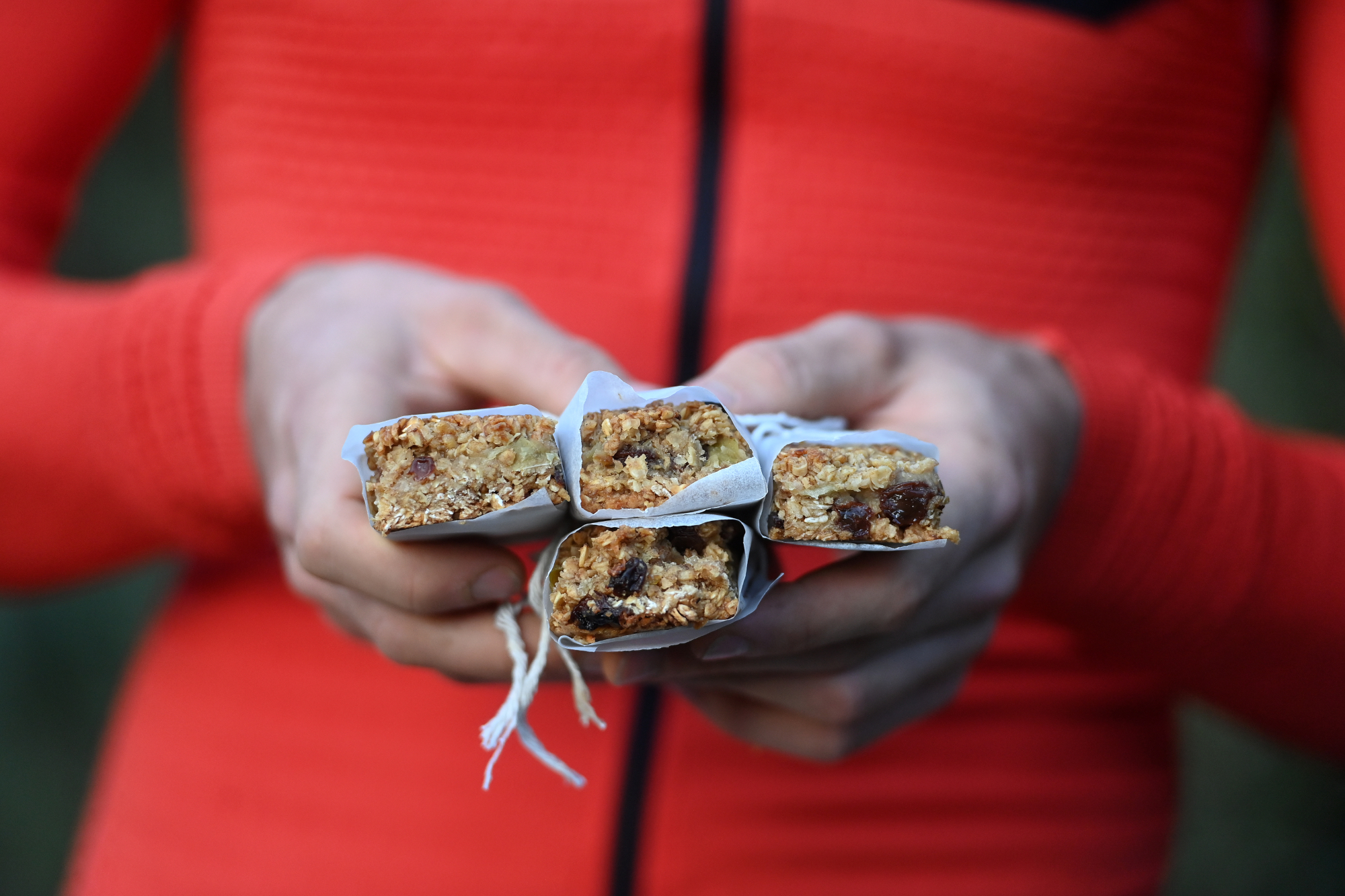
The remaining 20% can include treats like junk food or candy, but 80% should be your limit. Stick to that, and you’ll be fueling yourself with quality calories.
That’s how the pros approach it. They save the junk food for on-the-bike fuel during rides, and keep the rest of their meals high quality.
Using supplements as a crutch
Supplements are often treated like shortcuts to performance.
But they are not foundations, they are marginal tools.
Caffeine, electrolytes, or specific ergogenic aids can enhance performance in targeted contexts, but they cannot fix poor training structure, bad sleep, or inconsistent habits.
Research in sports nutrition consistently shows that supplements are most effective when layered on top of already optimized training and diet—not used to compensate for weaknesses.
The danger is psychological: athletes start relying on supplements instead of fixing fundamentals.
No powder replaces consistency.
Too little sleep
Much of your good work in training can be undone by not getting enough quality sleep.
Sleep is when your training pays off. During sleep, your body releases growth hormone and other repair signals that rebuild muscles and strengthen bones. That recovery work happens while you’re asleep.

If you’re sleeping less, you won’t fully benefit from yesterday’s workout. Sleep runs in roughly 90-minute cycles when much of the recovery work happens, so trimming a couple of hours to make room for other things can mean missing an entire cycle your body needed to get the most from that session.
You should wake up naturally. If an alarm wakes you, that’s cortisol [the ‘stress hormone’] being released into your body.
Not doing workouts at the right time
Whatever your endurance sport, having years of experience doesn’t mean you can skip key training phases or take shortcuts.
Pro cyclists approach each season as a fresh cycle, building gradually through winter and spring, ramping up intensity for key summer events, then easing off into an off-season focused on rest and recovery.
Ideally, your fitness and skill build from one season to the next, but every winter you still need to restart this step-by-step foundation if you want to avoid the worst effects of overtraining.
You don’t begin with intervals, sprints, or hill repeats. You start by building duration with long, [slow] rides.
From there, you increase volume by adding more hours each week, then layer in intensity. Finally, you move into density, where hard efforts show up more often.


