













![[2 Pack] Coospo Breathable Neck Gaiter Face Scarf Mask COOSPO](http://www.coospo.com/cdn/shop/files/106de7b046babc03aa610173af6e31aa_599da3fe-9907-4b1e-8eb0-f08b3032720b.png?v=1720591174&width=1600)


![[4 Pack] Coospo Soft Breathable Chilly Towel, Microfiber Towel COOSPO](http://www.coospo.com/cdn/shop/files/1_904094cc-62ee-40e9-aa21-415effb385b4.png?v=1720527561&width=1600)

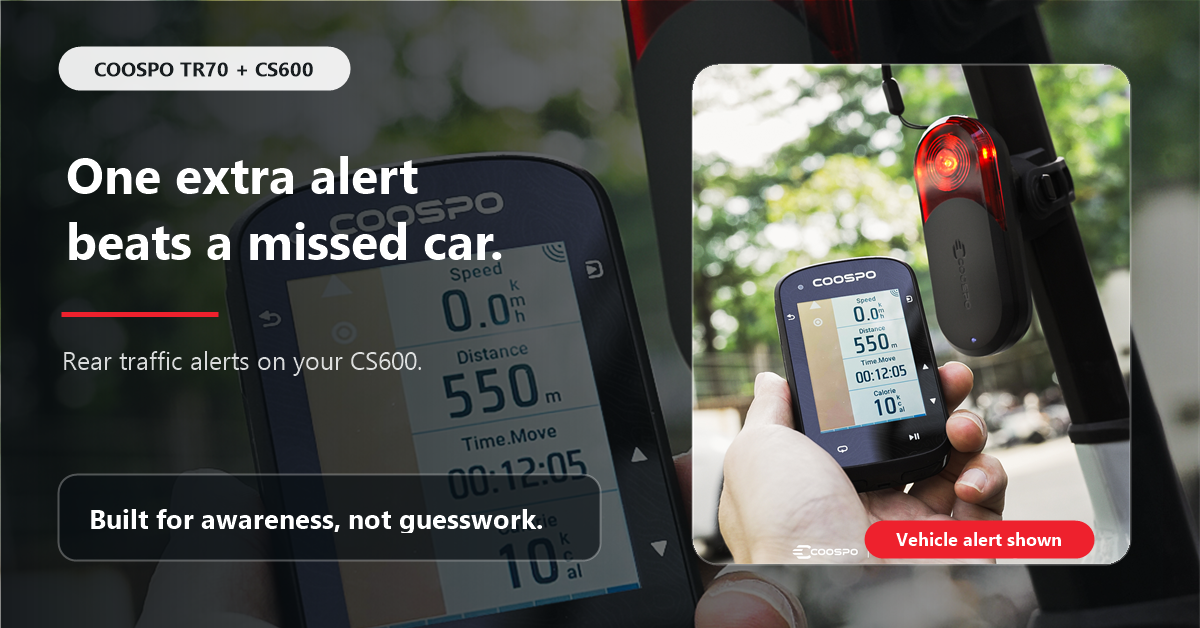
Keine Technologie ist perfekt. Das schließt radargestützte Rücklichter mit ein.
Egal ob Sie ein Fahrradradar für den täglichen Arbeitsweg, das Langstreckentraining oder Wochenendausflüge nutzen, eine Tatsache sollte jeder Radfahrer verstehen:
Radarsysteme sind darauf ausgelegt, die Lageerkennung zu verbessern, können aber keine hundertprozentige, perfekte Erfassung garantieren. Dies führt zu einer interessanten Frage:
Was ist schlimmer, wenn ein Radar einen Fehler macht?
Ein Fehlalarm? Oder ein übersehenes Fahrzeug?
Auf den ersten Blick mag die Antwort offensichtlich erscheinen. Die meisten Fahrer würden wahrscheinlich sagen: „Ein Fahrzeug wurde übersehen.“ Doch die Realität ist differenzierter.
Schauen wir uns das genauer an.
Die zwei Fehlertypen verstehen
Bevor man sie vergleicht, ist es wichtig zu verstehen, was diese Begriffe bedeuten.
Fehlalarm
Ein Fehlalarm entsteht, wenn das Radar ein sich näherndes Fahrzeug anzeigt, aber tatsächlich kein Fahrzeug eine Bedrohung darstellt.
Beispiele hierfür wären:
· Spiegelungen von Objekten am Straßenrand
· Ungewöhnliche Verkehrssituationen
· Fahrzeuge, die sich in unerwartete Richtungen bewegen
· Komplexe Straßenumgebungen
Der Fahrer erhält eine Verwarnung, die sich jedoch als unnötig erweist.
Verpasstes Fahrzeug
Ein verpasstes Fahrzeug liegt vor, wenn ein sich näherndes Fahrzeug nicht erkannt wird. In dieser Situation erhält der Fahrer keine Warnung, obwohl sich ein Fahrzeug in der Nähe befindet.
Diese beiden Situationen bieten Radfahrern ganz unterschiedliche Erlebnisse.
Warum Fehlalarme ärgerlich sind
Die meisten Radfahrer bemerken Fehlalarme sofort.
Das Radar piept.
Der Fahrradcomputer zeigt ein Fahrzeug an.
Der Fahrer schaut nach hinten.
Dort befindet sich nichts Wichtiges.
Der Fahrer denkt:
„Warum hat es mich gewarnt?“
Da Fehlalarme offensichtlich sind, erhalten sie in der Regel viel Aufmerksamkeit. Radfahrer erinnern sich an sie. Sie sprechen online darüber. Sie werden in Rezensionen erwähnt. Ein einzelner Fehlalarm kann frustrierend sein, weil er das Fahrerlebnis unterbricht.
Dies gilt insbesondere dann, wenn:
· Fahren im dichten Verkehr
· Fahren in der Nähe großer Objekte am Straßenrand
· Fahren in städtischen Umgebungen
· Fahren in Gebieten mit ungewöhnlichen Verkehrsmustern
Das Radar scheint „falsch“ zu sein. Zumindest aus der Sicht des Fahrers.

Warum sich verpasste Fahrzeuge anders anfühlen
Übersehene Fahrzeuge fallen oft weniger auf. ICHTatsächlich bemerken viele Fahrer gar nicht, wenn so etwas passiert. Stellen Sie sich vor, ein Fahrzeug nähert sich von hinten.
Das Radar zeigt es nicht an. Ein paar Augenblicke später bemerkt der Fahrer das Fahrzeug ganz natürlich. Der Fahrer kann einfach annehmen:
„Ich habe keine Benachrichtigung erhalten.“ Und fahr weiter. Im Gegensatz zu Fehlalarmen sind verpasste Erkennungen schwieriger zu identifizieren und zu messen. Aus Sicherheitsperspektive können sie jedoch von größerer Bedeutung sein. Der Hauptzweck von Radar besteht darin, Lagebilder zu schaffen. Wird ein Fahrzeug nicht erkannt, verliert der Fahrer diese zusätzliche Informationsquelle.
Warum Radarsysteme manchmal der Empfindlichkeit Priorität einräumen
Dies führt uns zu einer wichtigen Designentscheidung.
Sollte ein Radar empfindlicher oder selektiver sein?
Stellen Sie sich zwei mögliche Radarsysteme vor.
Radar A
Erkennt nahezu jedes sich nähernde Fahrzeug. Gibt gelegentlich zusätzliche Warnmeldungen aus.
Radar B
Erzeugt nur sehr wenige unnötige Warnmeldungen. Übersieht aber gelegentlich ein Fahrzeug.
Die meisten Autofahrer bevorzugen zunächst Radar B. Niemand mag zusätzliche Benachrichtigungen. Niemand mag unnötiges Piepen. Ingenieure sehen die Situation jedoch oft anders.
Aus Sicht der Fahrzeugerkennung gilt das Übersehen eines Fahrzeugs im Allgemeinen als schwerwiegenderes Problem als die Ausgabe einer zusätzlichen Warnung. Daher sind viele Radarsysteme so konzipiert, dass die Verkehrserkennung Priorität hat.
Einfach ausgedrückt:
Sie warnen dich lieber einmal zu oft als einmal zu selten.
Denken Sie an einen Rauchmelder
Ein guter Vergleich ist ein Rauchmelder. Haben Sie beim Kochen schon mal einen Rauchmelder ausgelöst? Den meisten ist das schon passiert. Es ist ärgerlich. Der Alarm ertönt. Man weiß, dass es nicht brennt. Trotzdem geht der Alarm los.
Warum?
Denn die Folgen eines übersehenen Brandes sind viel gravierender als die Unannehmlichkeiten eines Fehlalarms. Radarsysteme folgen oft einer ähnlichen Philosophie.
Eine unnötige Warnung könnte sein frustrating.A Eine übersehene Bedrohung könnte von größerer Bedeutung sein.
Warum sich Fahrer oft auf Fehlalarme konzentrieren
Die menschliche Psychologie spielt hier eine Rolle.
Man erinnert sich an sichtbare Fehler.
Ein Fehlalarm ist offensichtlich. Man hört ihn. Man sieht ihn. Man reagiert darauf.
Ein übersehenes Fahrzeug ist oft unsichtbar.
Manchmal bemerkt man es gar nicht. Daher überschätzen Fahrer mitunter die Auswirkungen von Fehlalarmen und unterschätzen gleichzeitig die Bedeutung einer zuverlässigen Alarmierung. Das heißt aber nicht, dass man Fehlalarme ignorieren sollte.
Es bedeutet lediglich, dass sie im Kontext betrachtet werden müssen.
Das Ziel ist Bewusstsein, nicht Perfektion.
Ein weit verbreitetes Missverständnis ist die Annahme, dass Radarsysteme fehlerfrei funktionieren müssen. In Wirklichkeit ist kein Lageerfassungssystem perfekt.
Selbst die menschlichen Sinne täuschen.
Radfahrer manchmal:
Sich nähernde Fahrzeuge nicht hören
Verkehrsgeschwindigkeit falsch eingeschätzt
Fehlende visuelle Hinweise
Gefahren übersehen
Radar ist da keine Ausnahme. Es liefert zwar zusätzliche Informationen, ist aber dennoch Teil einer umfassenderen Strategie zur Verkehrssicherheit. Deshalb tun verantwortungsbewusste Radfahrer weiterhin Folgendes:
Schulterchecks durchführen
Verkehrslage beachten
Fahre vorhersehbar
Bleibt aufmerksam
Radar unterstützt die Situationswahrnehmung. Es ersetzt sie nicht.
Was Fahrer erwarten sollten
Radarrücklichter sollte man nicht als Entscheidungshilfe, sondern als Informationsgerät betrachten. Sie dienen dazu, die Aufmerksamkeit auf das Geschehen hinter dem Fahrzeug zu lenken. Diese Informationen können mitunter ungenau sein oder Warnungen auslösen, die nicht unbedingt notwendig sind. Ziel ist es jedoch, Fahrer zu informieren, anstatt sie zu überraschen.
Für viele Radfahrer ist dieser Kompromiss lohnenswert.
Die richtige Balance finden
Natürlich ist keines der Extreme ideal. Ein Radar, das ständig sinnlose Warnmeldungen ausgibt, wäre schnell frustrierend.Ebenso würde ein Radar, das Fahrzeuge häufig nicht erfasst, das Vertrauen der Fahrer untergraben. Die Herausforderung für jedes Radarsystem besteht darin, das richtige Gleichgewicht zwischen folgenden Punkten zu finden:
Empfindlichkeit
Zuverlässigkeit
Fahrererfahrung
Dieses Gleichgewicht ist einer der Gründe, warum sich die Radartechnologie ständig weiterentwickelt. Die Hersteller arbeiten kontinuierlich daran, die Erfassungsgenauigkeit zu verbessern und gleichzeitig unnötige Benachrichtigungen zu reduzieren.
Schlussbetrachtung
Fehlalarme und nicht erfasste Fahrzeuge sind zwei sehr unterschiedliche Arten von Radarfehlern. Fehlalarme sind auffällig und mitunter ärgerlich. Nicht erfasste Fahrzeuge sind oft weniger offensichtlich, können aber die Aufmerksamkeit der Fahrer stärker beeinträchtigen.
Unter dem Gesichtspunkt der Sicherheit würden viele Radfahrer und Ingenieure in einem Punkt übereinstimmen:
Eine unnötige Warnung ist in der Regel besser als gar keine Warnung.
Das bedeutet nicht, dass Fahrer Fehlalarme ignorieren sollten.
Das bedeutet, die Ursachen zu verstehen und die damit verbundenen Kompromisse jedes Warnsystems zu erkennen. Denn das oberste Ziel eines Radarrücklichts ist nicht Perfektion. Es geht darum, Fahrern zu helfen, besser zu verstehen, was hinter ihnen passiert.




Hinterlassen Sie einen Kommentar
Diese Website ist durch hCaptcha geschützt und es gelten die allgemeinen Geschäftsbedingungen und Datenschutzbestimmungen von hCaptcha.