













![[2 Pack] Coospo Breathable Neck Gaiter Face Scarf Mask COOSPO](http://www.coospo.com/cdn/shop/files/106de7b046babc03aa610173af6e31aa_599da3fe-9907-4b1e-8eb0-f08b3032720b.png?v=1720591174&width=1600)


![[4 Pack] Coospo Soft Breathable Chilly Towel, Microfiber Towel COOSPO](http://www.coospo.com/cdn/shop/files/1_904094cc-62ee-40e9-aa21-415effb385b4.png?v=1720527561&width=1600)

Com o aumento da popularidade das lanternas traseiras tipo radar entre os ciclistas, uma pergunta surge repetidamente:
As luzes traseiras com radar realmente tornam o ciclismo mais seguro?
É uma pergunta razoável. Afinal, uma lanterna traseira com radar é diferente de uma lanterna traseira tradicional. Ela não torna sua moto mais rápida. Ela não melhora o desempenho da frenagem. Não te protege fisicamente de uma crash.So O que exatamente ele faz? E, mais importante ainda, isso pode fazer uma diferença significativa durante as viagens no mundo real? A resposta é um pouco mais complicada do que um simples "sim" ou "não".
Vamos analisar mais de perto o que a tecnologia de radar pode fazer, o que não pode fazer e como pode ajudar os ciclistas a pedalar com mais confiança e atenção.
Qual a função de uma lanterna traseira com radar?
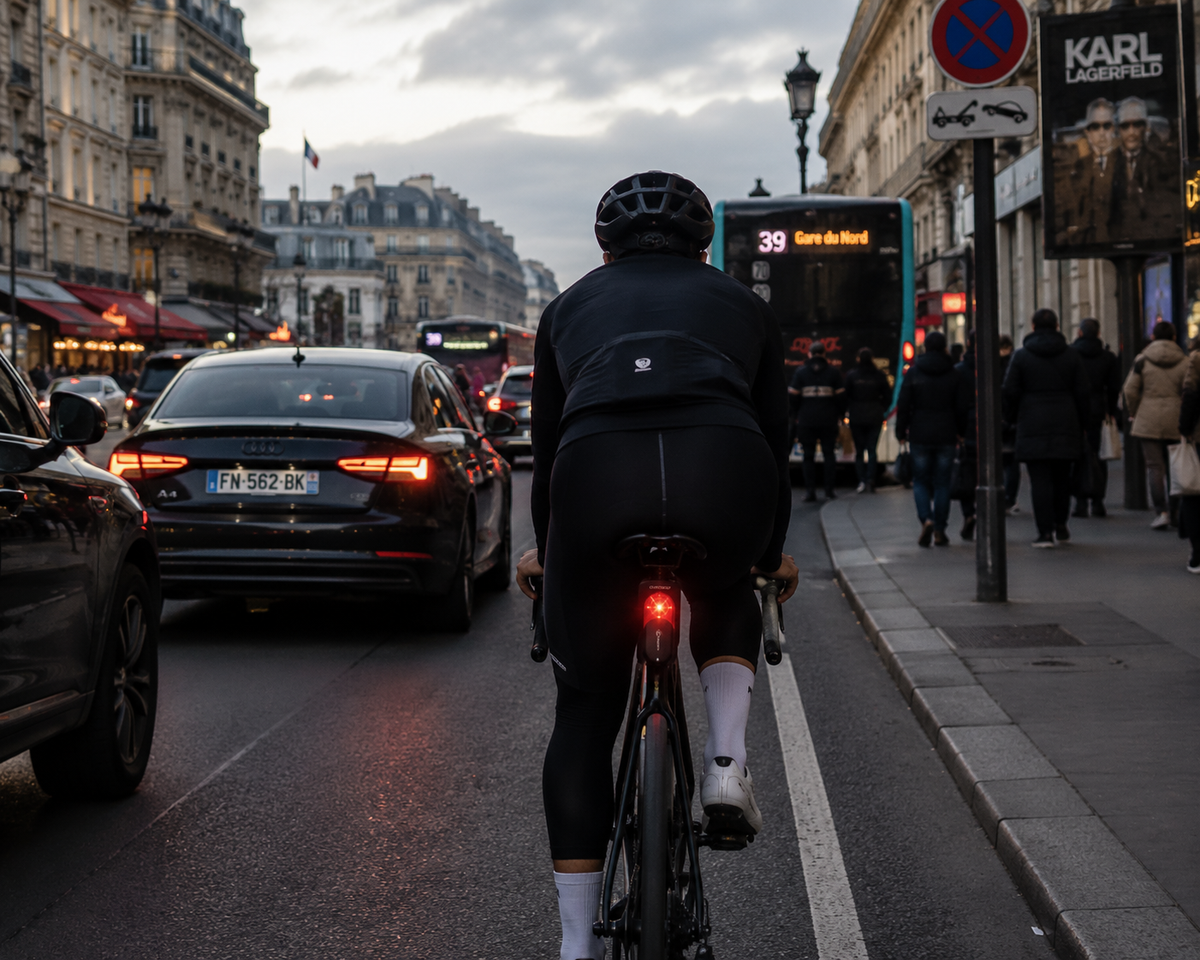
Uma lanterna traseira tradicional tem uma função principal: Ajude os motoristas a te enxergarem. Uma lanterna traseira com radar também faz isso, mas adiciona outra função:
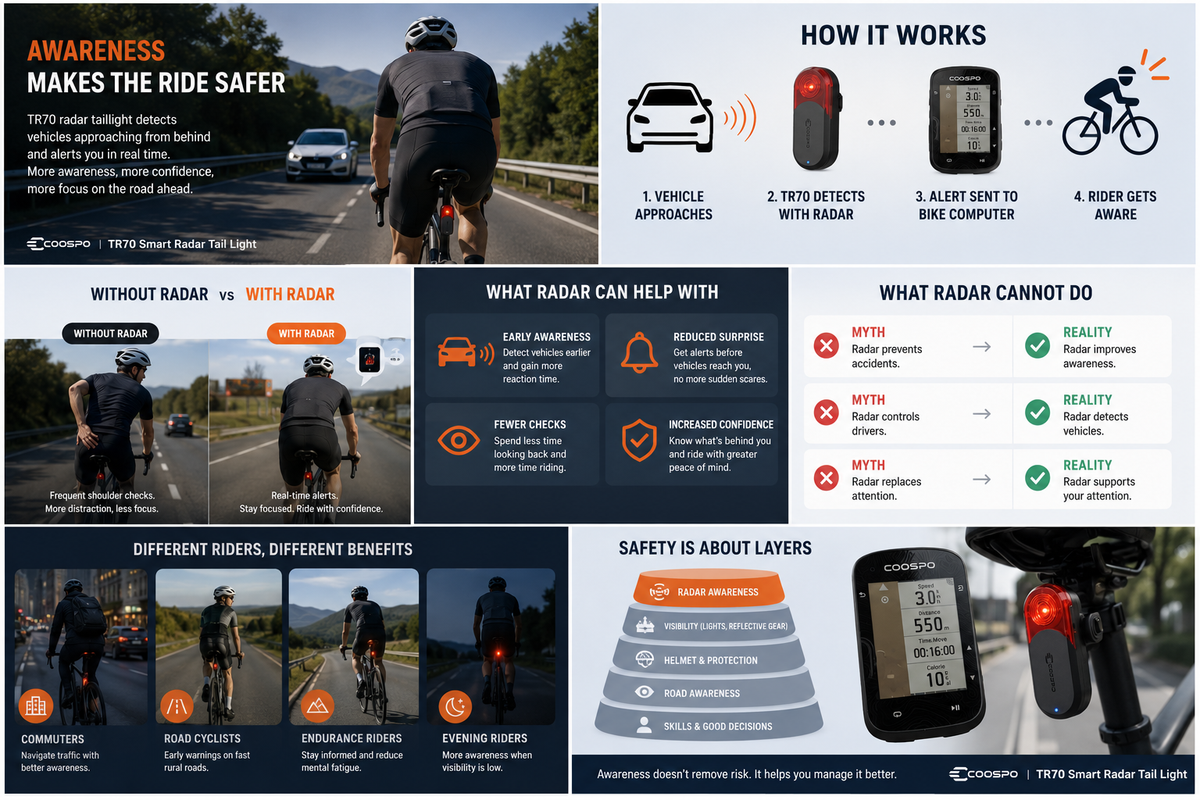
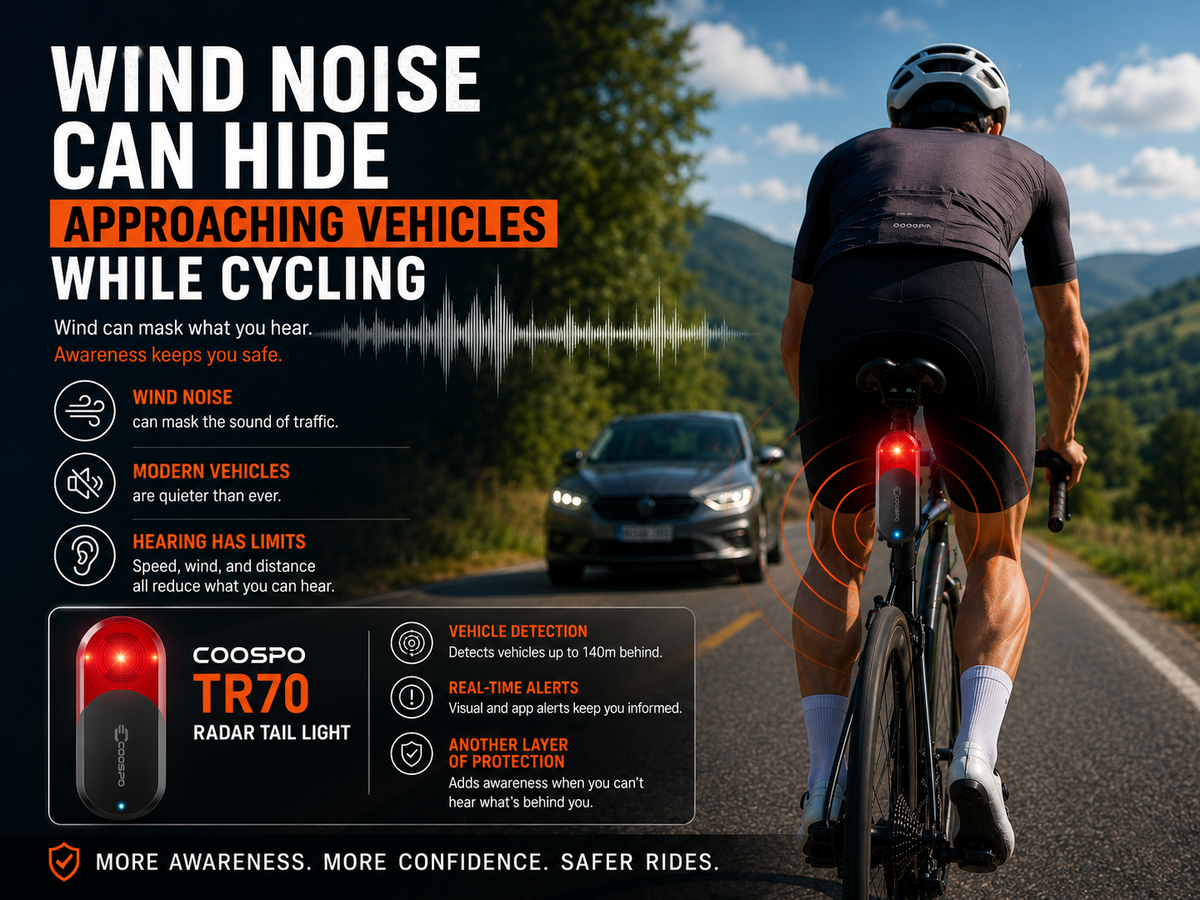
Isso ajuda os motociclistas a perceberem a aproximação de veículos por trás. Utilizando tecnologia de radar, o sistema monitora o tráfego que se aproxima por trás e envia alertas para um ciclocomputador ou dispositivo de exibição compatível. Em vez de depender apenas do som do trânsito ou de olhar repetidamente por cima do ombro, os motociclistas recebem informações sobre os veículos que estão se aproximando por trás deles. Isso cria um novo nível de consciência durante o passeio. Mas consciência e segurança não são exatamente a mesma coisa. Para entender a diferença, precisamos analisar em que o radar pode realmente ajudar.
A conscientização é o primeiro passo para uma condução mais segura.
A maioria dos acidentes de ciclismo não acontece porque os ciclistas tomam decisões ruins intencionalmente. Muitos casos ocorrem devido à falta de informação.
Por exemplo:
* Um motociclista não percebe que um carro está se aproximando.
* Um ciclista se desloca para a esquerda sem perceber o tráfego atrás.
* Um motociclista é surpreendido por uma ultrapassagem rápida.
* Um ciclista se distrai ao olhar constantemente por cima do ombro.
Nessas situações, a consciência é fundamental. Quanto mais informações os motociclistas tiverem sobre o ambiente ao seu redor, melhores serão suas decisões. É aí que a tecnologia de radar agrega valor. Em vez de terem que adivinhar o que está acontecendo atrás deles, os ciclistas recebem alertas quando veículos estão se aproximando. Essa informação pode ajudar os motociclistas:
* Adote uma linha de pilotagem mais previsível
* Prepare-se para veículos que estão ultrapassando
* Evite movimentos bruscos
* Sintam-se mais confiantes ao se posicionarem na estrada
Em muitos casos, o radar não altera o traçado da estrada. Isso altera o nível de informação que o motociclista sente.
Em que o radar pode ajudar?
Uma lanterna traseira com radar pode melhorar diversos aspectos da experiência de pilotagem.
Conscientização precoce
Uma das maiores vantagens do radar é a notificação antecipada. Em vez de descobrirem um veículo no último momento, os passageiros recebem alertas antes que o veículo chegue até eles. Essa maior consciência pode proporcionar um tempo de reação valioso.
Surpresa reduzida
Muitos ciclistas não gostam de ser surpreendidos por veículos que aparecem repentinamente atrás deles. Isso é especialmente comum em estradas tranquilas, onde o tráfego é pouco frequente. Os alertas de radar ajudam a reduzir essas surpresas, fornecendo um aviso prévio.

Menos verificações desnecessárias nos ombros
Muitos motociclistas olham para trás com frequência porque simplesmente não sabem se há trânsito se aproximando. O radar fornece informações que podem reduzir parte dessa incerteza. Isso permite que os motociclistas passem mais tempo se concentrando na estrada à frente.
Aumento da confiança ao andar a cavalo
Para muitos ciclistas, a confiança é um dos maiores benefícios do radar. Saber o que está acontecendo atrás de você pode tornar a pilotagem mais tranquila e previsível, especialmente em estradas desconhecidas.
O que o radar não consegue fazer
É aqui que começam muitos equívocos. Uma lanterna traseira com radar é uma ferramenta útil, mas tem limitações. É importante entender essas limitações.
O radar não consegue controlar os motoristas.
Mesmo que um motociclista saiba que um veículo está se aproximando, o radar não pode influenciar o comportamento do motorista. Não pode obrigar os condutores a reduzir a velocidade. Não pode obrigar os condutores a ultrapassar em segurança. Não pode impedir que outros tomem decisões ruins na estrada.
O radar não pode prevenir todos os acidentes.
Algumas pessoas presumem erroneamente que radar é sinônimo de segurança. A realidade é mais complexa.
A segurança ao andar de bicicleta depende de muitos fatores:
* Conscientização do motociclista
* Condições da estrada
* Visibilidade
* Comportamento do tráfego
* Clima
* Velocidade
* Experiência
O radar contribui para a conscientização, mas é apenas uma parte de um quadro maior.
O radar não pode substituir a atenção.
Os ciclistas devem continuar alertas. Eles ainda devem observar as condições do trânsito, seguir as regras de trânsito e dirigir com responsabilidade. Uma lanterna traseira tipo radar nunca deve ser vista como um substituto para hábitos de condução seguros. Considere-o como um assistente, e não como um substituto.
Por que muitos ciclistas se sentem mais seguros com o radar?
Embora o radar não elimine completamente os riscos, muitos motociclistas relatam se sentir mais seguros ao utilizá-lo.
Por que?
Porque a incerteza gera estresse. Quando os motociclistas não sabem o que está acontecendo atrás deles, muitas vezes se tornam mais cautelosos, mais distraído ou mais nervoso.
Isso é especialmente verdade durante:
Longos percursos de estrada
Deslocamentos intensos
Rotas rurais para ciclismo
Descidas rápidas
Passeios noturnos
O radar ajuda a reduzir parte dessa incerteza. Em vez de ficarem constantemente se perguntando se há trânsito se aproximando, os motociclistas recebem informações quando elas são importantes. Essa consciência geralmente leva a uma experiência de pilotagem mais tranquila. E quando os motociclistas se sentem menos estressados, podem concentrar mais atenção na estrada à frente.

Pilotos diferentes, benefícios diferentes
Nem todos os ciclistas se beneficiarão da tecnologia de radar da mesma forma. Para alguns, a maior vantagem é a confiança.
Para outros, é uma questão de conveniência.
Para quem usa transporte público, isso pode significar maior atenção ao trânsito.
Para ciclistas de estrada, isso pode representar um alerta precoce em vias rurais movimentadas.
Para os ciclistas de resistência, pode ser simplesmente uma redução da fadiga mental durante longas horas no selim.
O valor depende de onde, quando e como você pedala. Mas o tema comum permanece o mesmo:
O radar fornece informações que os motociclistas não teriam de outra forma.
Segurança é uma questão de camadas.
Uma das melhores maneiras de pensar na segurança ao andar de bicicleta é como um conjunto de camadas. Nenhum produto isolado pode tornar o ciclismo completamente seguro.Em vez disso, os motociclistas desenvolvem segurança por meio de diversas ferramentas e hábitos.
Essas camadas podem incluir:
Um capacete que se ajuste corretamente.
Luzes dianteiras e traseiras brilhantes
Roupas refletoras
Comportamento de condução previsível
Bom planejamento de rotas
Consciência do ambiente
Técnicas de pilotagem defensiva
A tecnologia de radar se torna mais uma camada dentro desse sistema. Ela não substitui as outras, mas as fortalece. Assim como um capacete ajuda a proteger a cabeça e os faróis melhoram a visibilidade, o radar ajuda a aumentar a percepção do ambiente. Cada camada contribui para uma experiência de pilotagem mais segura como um todo.

Então, uma lanterna traseira com radar realmente torna o ciclismo mais seguro?
A resposta mais honesta é esta:
Uma lanterna traseira com radar não garante segurança. Nenhum produto para ciclismo pode fazer essa promessa. No entanto, o radar pode aumentar a percepção, reduzir a incerteza e ajudar os ciclistas a entender melhor o que está acontecendo atrás deles. Para muitos ciclistas, essa percepção adicional leva a melhores decisões e maior confiança na estrada. O radar não substitui o bom senso. Não substitui hábitos de pilotagem seguros. E não elimina todos os riscos. Mas, ao fornecer informações oportunas sobre o tráfego que se aproxima, pode ajudar os ciclistas a se sentirem mais preparados e informados durante cada pedalada. E quando se trata de ciclismo, a percepção é frequentemente uma das ferramentas de segurança mais valiosas.


Leave a comment
Este site está protegido pela Política de privacidade da hCaptcha e da hCaptcha e aplicam-se os Termos de serviço das mesmas.