













![[2 Pack] Coospo Breathable Neck Gaiter Face Scarf Mask COOSPO](http://www.coospo.com/cdn/shop/files/106de7b046babc03aa610173af6e31aa_599da3fe-9907-4b1e-8eb0-f08b3032720b.png?v=1720591174&width=1600)


![[4 Pack] Coospo Soft Breathable Chilly Towel, Microfiber Towel COOSPO](http://www.coospo.com/cdn/shop/files/1_904094cc-62ee-40e9-aa21-415effb385b4.png?v=1720527561&width=1600)

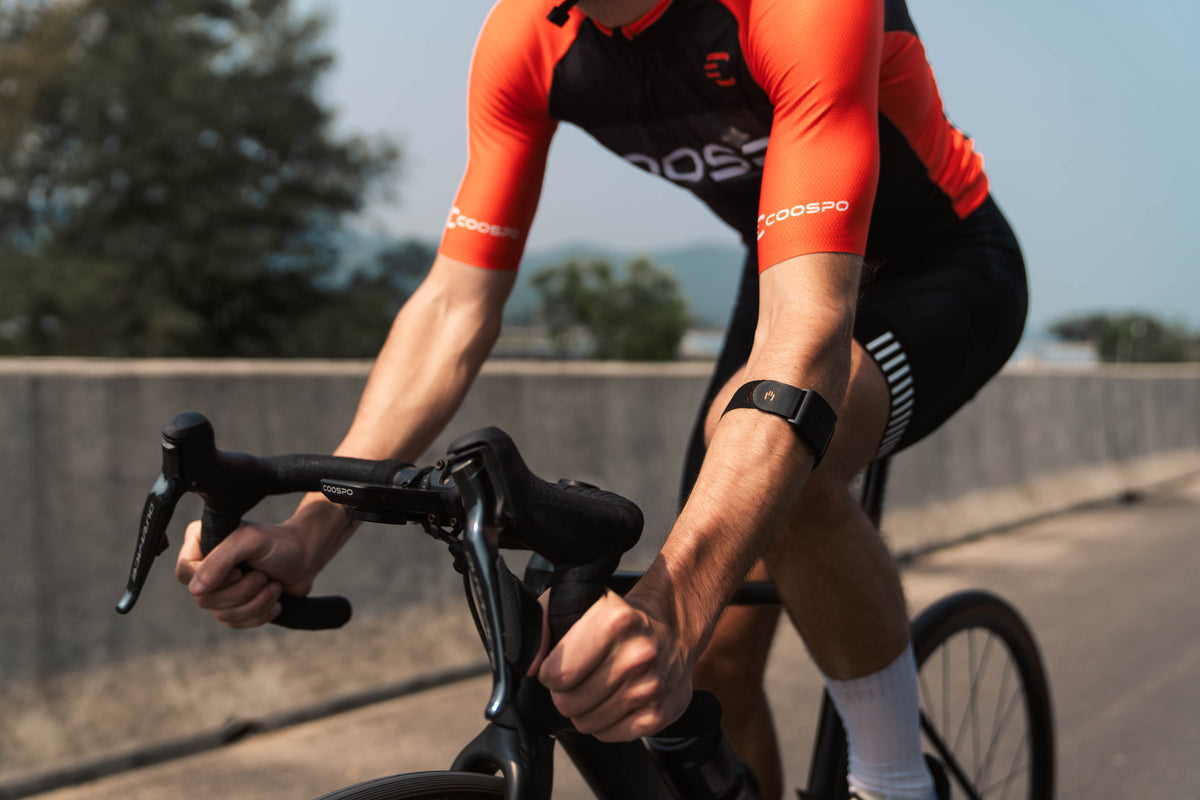
Contrairement à votre fréquence cardiaque au repos, que vous pouvez mesurer facilement avec un simple chronomètre et votre doigt, le suivi de la variabilité de la fréquence cardiaque (VFC) est un peu plus complexe. Auparavant, cela nécessitait un électrocardiogramme (ECG) chez le médecin. Désormais, les montres connectées et autres objets connectés facilitent le suivi de la VFC, et de nombreux athlètes et entraîneurs de haut niveau l'utilisent pour adapter leurs entraînements.

La VFC est une autre donnée qui pourrait s'avérer utile, mais son interprétation peut aussi être complexe car elle est influencée par de nombreux facteurs. Contrairement à la fréquence cardiaque ou aux cycles du sommeil, elle est plus difficile à comprendre et la raison d'une variation de la VFC n'est pas toujours évidente.
La variabilité de la fréquence cardiaque (VFC) est complexe et la plupart des médecins, même les cardiologues, ne s'y fient pas pour prescrire un traitement. Faut-il donc la surveiller ou s'agit-il simplement d'une fonctionnalité supplémentaire de votre montre connectée dont vous pouvez vous passer ?
Tout ce que vous devez savoir sur la variabilité de la fréquence cardiaque, pourquoi elle peut être complexe et comment une analyse approfondie de vos propres données peut vous aider à améliorer vos performances à vélo.
Qu’est-ce que la variabilité de la fréquence cardiaque et quelle devrait-elle être ?
Vous savez probablement que la fréquence cardiaque correspond au nombre de battements de votre cœur par minute. Votre fréquence cardiaque au repos est le nombre de battements lorsque vous êtes complètement détendu, généralement mesuré juste après votre réveil, le matin, avant même de vous lever. La variabilité de la fréquence cardiaque (VFC) analyse plus finement les variations de temps entre chaque battement.
La physiologie sous-jacente à la VRC
La VFC reflète l'équilibre entre le système nerveux sympathique (SNS) — votre réaction de combat ou de fuite — et le système nerveux parasympathique (SNP) — votre mode de repos et de digestion.
La dominance du système sympathique (après un entraînement intense, du stress, de la caféine, un manque de sommeil) tend à diminuer la VFC.
La dominance parasympathique (bonne récupération, état détendu) tend à augmenter la VFC.
En général, une VFC élevée est préférable et indique que votre corps est en bonne santé, en forme et prêt pour l'entraînement. Une VFC basse signifie généralement que votre corps est soumis à un stress, physique ou mental. Ce stress peut avoir de nombreuses causes, comme un rhume, la consommation d'alcool, un manque de sommeil ou de l'anxiété liée au travail. Il a été démontré que le stress quotidien diminue la VFC. Comme la VFC augmente lorsque votre corps est en mode « repos et digestion », elle est sensible au stress, qui a tendance à la faire baisser.
Que devrait être la VRC ?
La variabilité de la fréquence cardiaque (VFC) évolue naturellement au fil du temps ; c’est ce que signifie le terme « variabilité ». Ces fluctuations normales ne sont généralement pas le signe de problèmes cardiaques. Cependant, certains troubles du rythme cardiaque peuvent entraîner des modifications soudaines de la VFC.
La question de la valeur idéale de votre VFC est bien plus complexe. Tout d'abord, une large fourchette de valeurs est considérée comme acceptable : chez un adulte, le score peut se situer entre moins de 20 et plus de 200 et être considéré comme normal.
Comment suivez-vous la variabilité de votre fréquence cardiaque ?
Auparavant, le suivi de la VFC impliquait de se faire poser des électrodes d'ECG chez le médecin. Certaines ceintures pectorales utilisent encore ces électrodes et permettent une mesure très précise de la fréquence cardiaque, mais elles sont inconfortables à porter pendant le sommeil. C'est pourquoi d'autres appareils, comme les montres et bagues connectées, sont plus adaptés au suivi de la VFC. Au lieu d'électrodes, ces objets connectés utilisent une technologie basée sur la lumière pour recueillir les données de VFC.
1. Objets connectés et capteurs
La plupart des cyclistes utilisent l'un des modèles suivants :
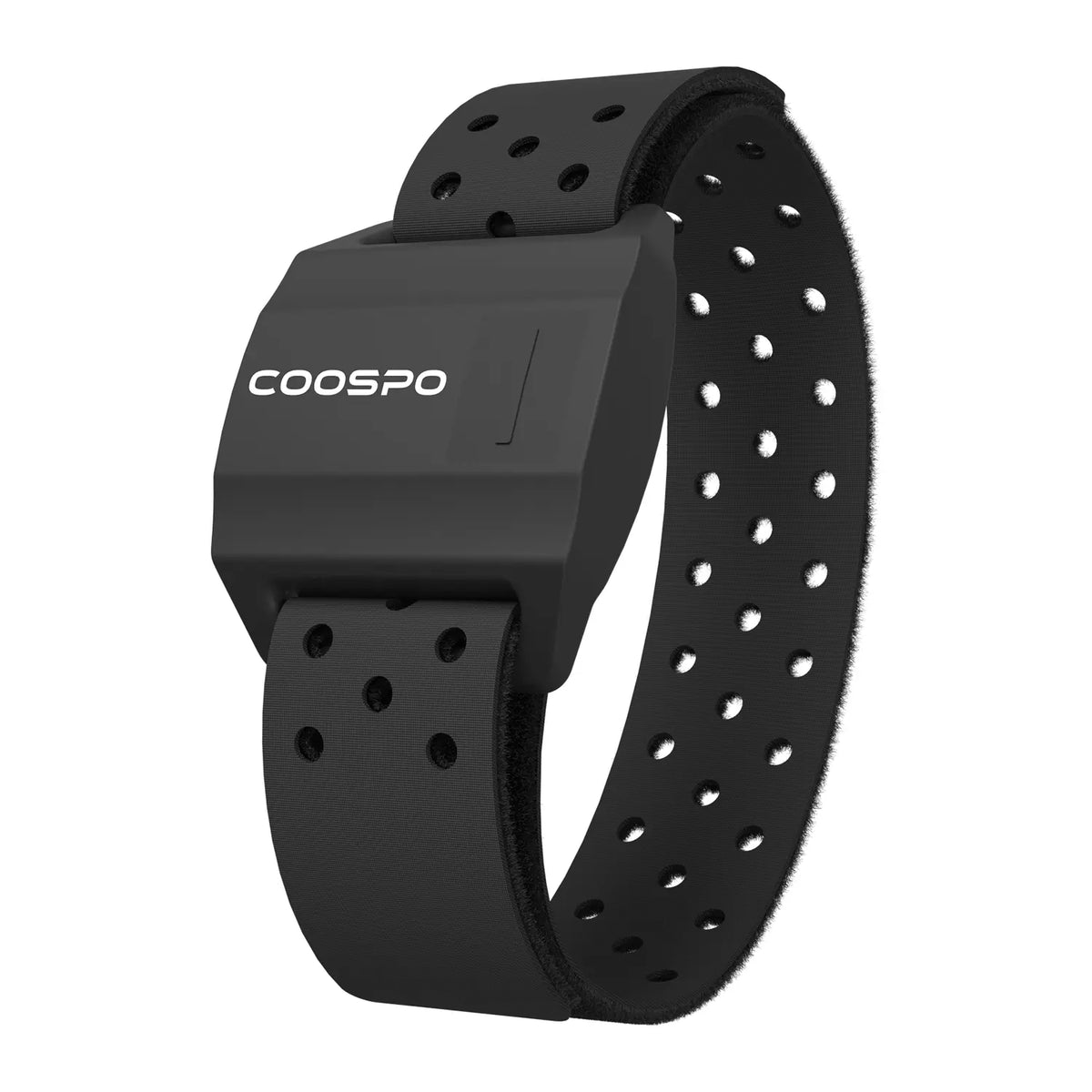
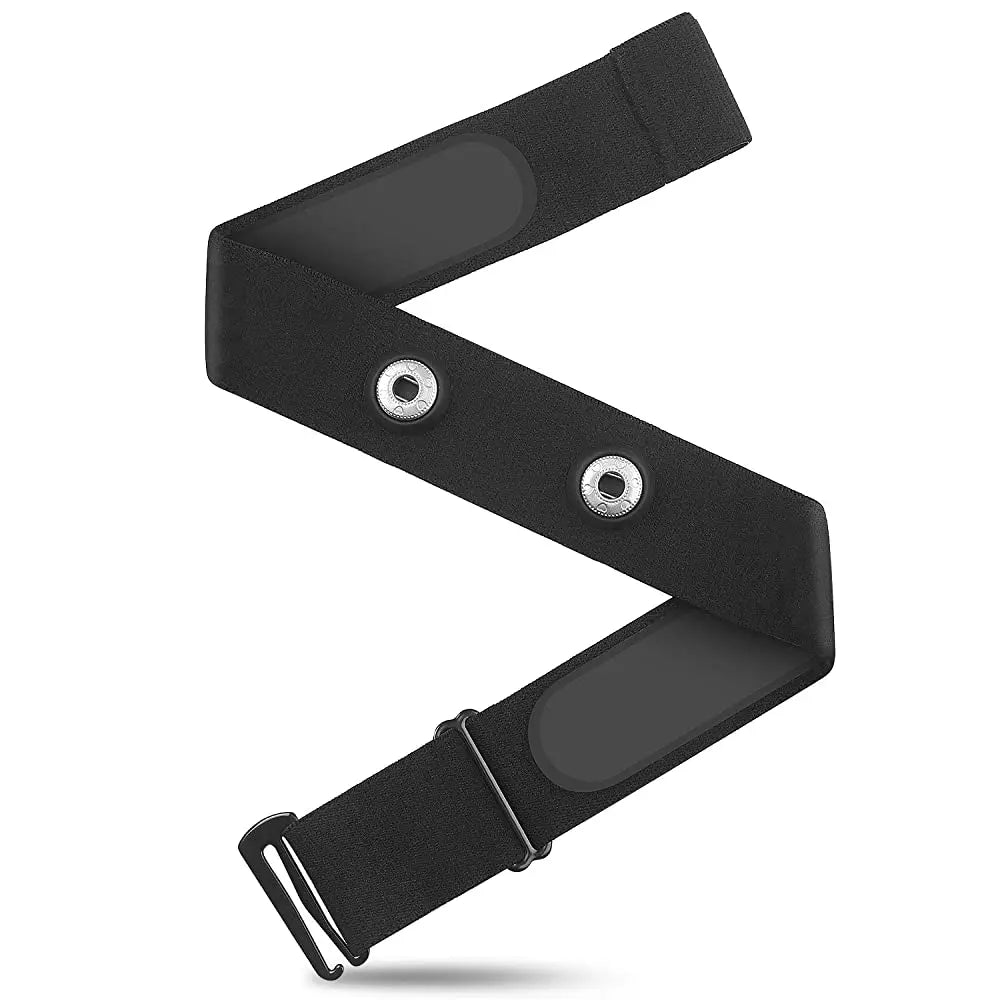
Moniteurs de fréquence cardiaque à ceinture pectorale/brassard

Les appareils comme le Polar H10 sont considérés comme la référence en matière de VFC car ils mesurent directement les intervalles RR (temps entre deux battements cardiaques). Une autre excellente option est
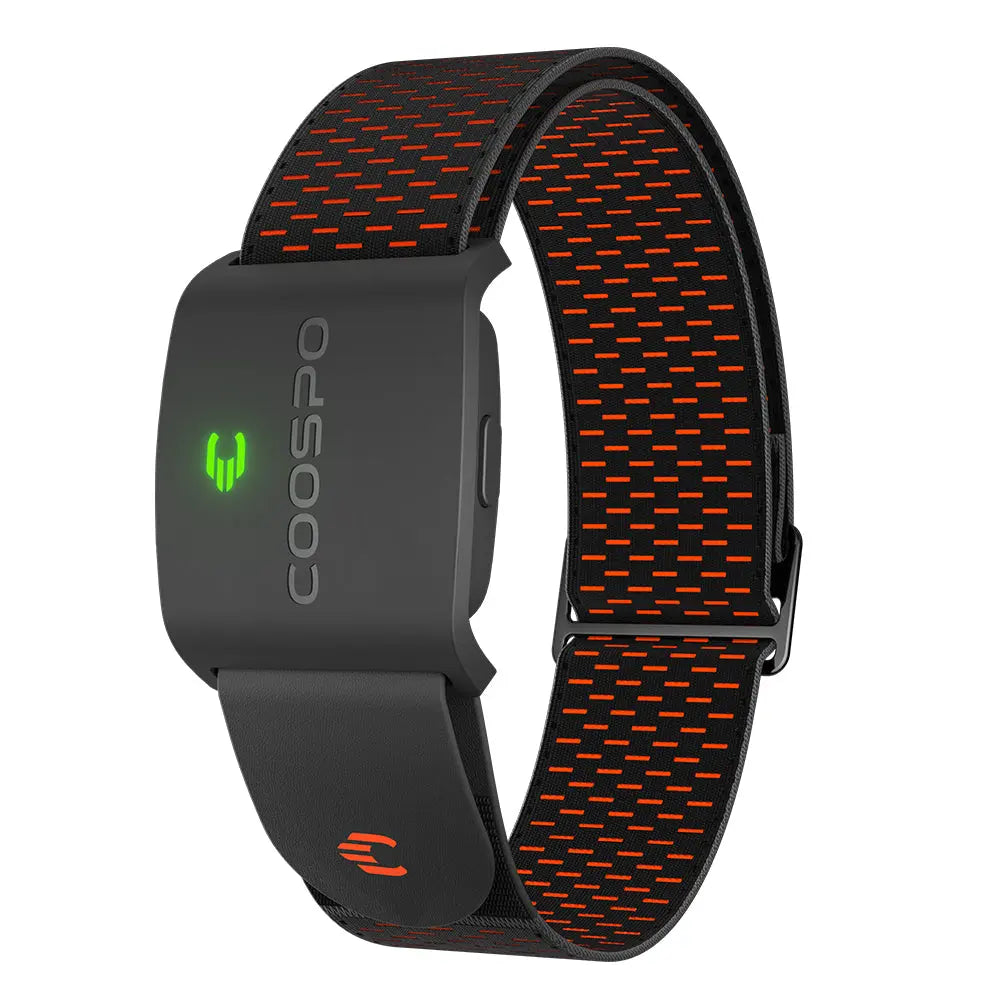
Dispositifs portés au poignet
Garmin, WHOOP, Oura Ring, Apple Watch et Fitbit peuvent fournir des données sur la VFC, bien que la précision varie selon l'appareil et le contexte de mesure.
2. Où et quand mesurer
Le timing est essentiel :
- Mesures du matin — généralement effectuées juste après le réveil — sont les plus régulières.
- Les mesures doivent être prises dans un état de repos, Idéalement en position couchée sur le dos, en respirant naturellement.
Des mesures régulières effectuées à des moments incohérents ou pendant des périodes de stress, de consommation de caféine ou après un entraînement peuvent fausser les tendances.
Le calcul de la VFC peut varier d'un appareil à l'autre. Certains la mesurent la nuit, d'autres au réveil, ce qui peut entraîner de légères différences. C'est pourquoi il est difficile de comparer sa VFC à celle d'une autre personne.
Il est préférable de suivre votre VFC pendant au moins quatre à huit semaines avant d'essayer de l'interpréter. Ne vous contentez pas de regarder le chiffre sur votre poignet chaque matin. Pendant que vous déterminez votre VFC de base, tenez également un journal. Notez tout ce qui pourrait influencer votre VFC : votre consommation de caféine, votre sommeil, votre hydratation, etc. Après cette période de suivi et la prise en compte de ces facteurs, vous pourrez commencer à comprendre et à utiliser votre VFC plus efficacement.
Pourquoi la variabilité de la fréquence cardiaque est-elle importante pour les cyclistes, et comment peut-elle influencer votre entraînement ?
La VFC peut être très utile à l'entraînement, car une VFC élevée indique généralement une bonne condition physique. Par exemple, si vous constatez que votre VFC est proche de la moyenne, vous pouvez augmenter l'intensité ou la durée de votre prochaine séance.
Si votre fréquence cardiaque est inférieure à la normale pendant plus d'une journée, cela peut indiquer que vous vous entraînez trop intensément et qu'il est nécessaire de ralentir. Le suivi de ces indicateurs peut vous aider à éviter les blessures ou le surentraînement, car une VFC (variabilité de la fréquence cardiaque) constamment basse peut constituer un signe avant-coureur. Cela peut signaler à vous ou à votre entraîneur qu'il est temps d'adapter votre entraînement.
D'autres facteurs, comme la déshydratation ou la fatigue, peuvent aussi faire baisser vos performances ; il ne s'agit donc pas toujours de surentraînement. Il est néanmoins conseillé de vérifier votre programme et de voir si vous devez ralentir.
Les athlètes et entraîneurs de haut niveau utilisent désormais la VFC (variabilité de la fréquence cardiaque) pour orienter leur entraînement. En effet, une étude de 2018 menée par… Revue internationale de physiologie et de performance sportives Il a été constaté que la planification des entraînements quotidiens en fonction de la VFC permet d'améliorer davantage la puissance maximale que le suivi d'un plan d'entraînement périodisé traditionnel.

Les athlètes de haut niveau sont constamment à l'affût du moindre avantage, c'est pourquoi certains entraîneurs de renom utilisent ces données. Pour la plupart des gens, l'utilisation de la VFC de cette manière dépend de l'importance qu'ils accordent à l'impact de leurs choix quotidiens sur leur VFC, et de leur capacité à adapter leurs entraînements en fonction des variations de leur VFC par rapport à leur niveau habituel.
Là encore, il ne s'agit que d'une ligne directrice et elle varie considérablement d'un jour à l'autre ; il est donc probablement plus judicieux de l'utiliser pour observer les tendances plutôt que pour suivre les changements quotidiens d'un programme d'entraînement.



Laisser un commentaire
Ce site est protégé par hCaptcha, et la Politique de confidentialité et les Conditions de service de hCaptcha s’appliquent.