













![[2 Pack] Coospo Breathable Neck Gaiter Face Scarf Mask COOSPO](http://www.coospo.com/cdn/shop/files/106de7b046babc03aa610173af6e31aa_599da3fe-9907-4b1e-8eb0-f08b3032720b.png?v=1720591174&width=1600)


![[4 Pack] Coospo Soft Breathable Chilly Towel, Microfiber Towel COOSPO](http://www.coospo.com/cdn/shop/files/1_904094cc-62ee-40e9-aa21-415effb385b4.png?v=1720527561&width=1600)


Conclusiones clave
- El ejercicio cardiovascular en la zona 2 es un ejercicio de intensidad baja a moderada que favorece la salud del corazón, la resistencia, el metabolismo y el uso eficiente de las grasas.
- Puedes entrenar en la Zona 2 mediante actividades como caminar a paso ligero, trotar o montar en bicicleta, normalmente a una intensidad de entre el 60 y el 70 % de tu frecuencia cardíaca máxima.
- Intenta hacer ejercicio entre 30 y 45 minutos, de tres a cuatro veces por semana, aumentando gradualmente la duración a medida que mejore tu condición física.
El cardio en la Zona 2 es un ejercicio de intensidad baja a moderada que se centra en mejorar la capacidad aeróbica. Puede contribuir a la salud cardiovascular, mejorar la resistencia, promover el metabolismo y entrenar al cuerpo para que utilice la grasa de forma más eficiente como fuente de energía. Para la mayoría de las personas, puede ser una manera sencilla y sostenible de incorporar más cardio a su rutina semanal.
Por qué la Zona 2 es buena para la salud de tu corazón.
El ejercicio cardiovascular en la zona 2 es una forma de ejercicio de intensidad baja a moderada que ofrece importantes beneficios cardiovasculares. A esta intensidad, el cuerpo depende principalmente del metabolismo aeróbico y utiliza la grasa como principal fuente de energía.
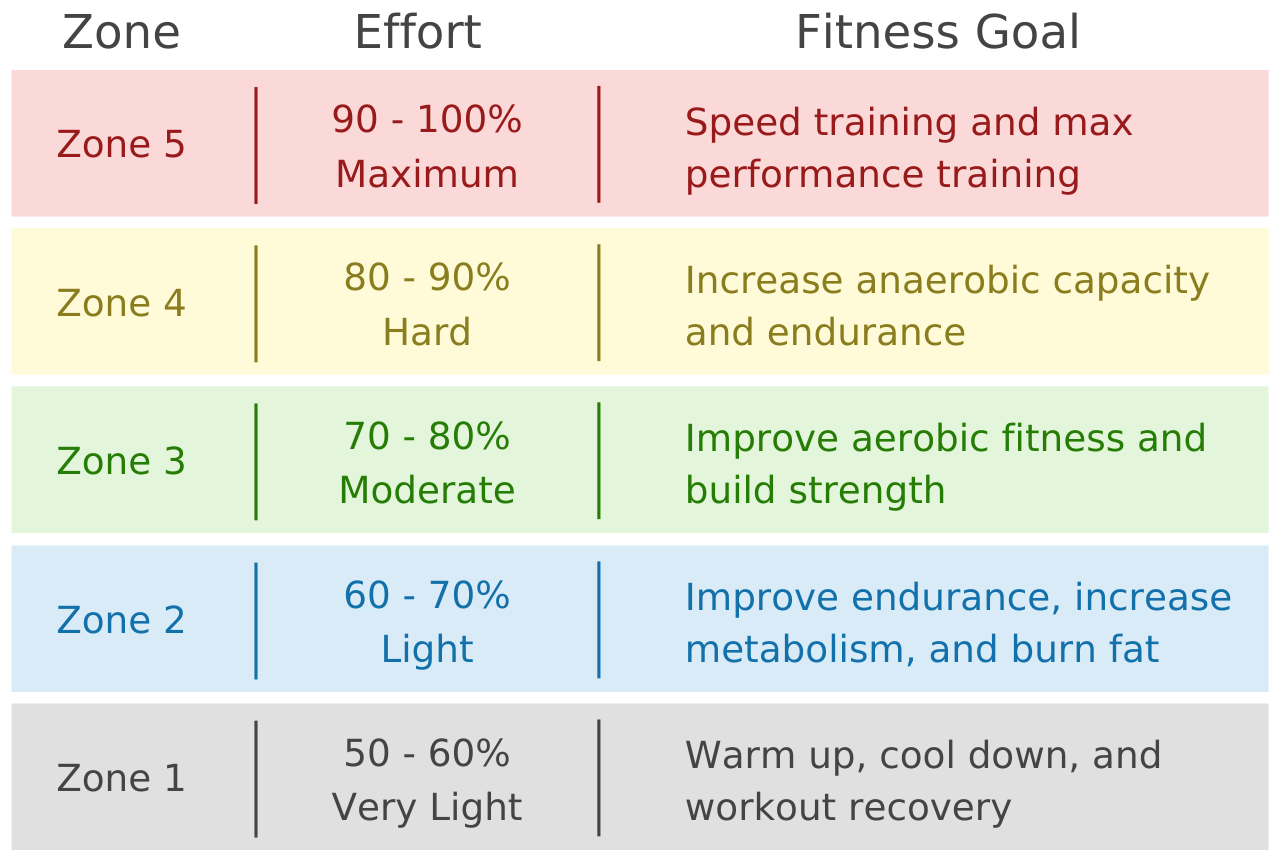
La zona 2 se realiza generalmente en el primer umbral de lactato (LT1) o ligeramente por debajo de él, cuando los niveles de lactato en sangre comienzan a elevarse por encima de los niveles de reposo. Dado que la producción y la eliminación de lactato se mantienen relativamente equilibradas, se puede mantener este esfuerzo durante períodos más prolongados sin fatiga significativa.
Para la salud del corazón, el entrenamiento en la Zona 2 puede ayudar a fortalecer el sistema cardiovascular con un estrés relativamente bajo para el cuerpo. El entrenamiento regular puede mejorar el volumen sistólico, lo que permite que el corazón bombee más sangre con cada latido y funcione de manera más eficiente durante el ejercicio y las actividades cotidianas.
En términos generales, el ejercicio aeróbico regular puede favorecer la aptitud cardiorrespiratoria, una presión arterial saludable, la regulación del azúcar en sangre y otros factores de salud cardiovascular. Por lo tanto, la Zona 2 es una opción útil para establecer una rutina cardiovascular constante.
Cómo saber si estás en la Zona 2
Durante el entrenamiento en la Zona 2, la frecuencia cardíaca suele estar entre el 60 y el 70 % de la frecuencia cardíaca máxima, aunque el rango ideal puede variar entre personas y dispositivos.
Una de las maneras más sencillas de comprobar tu intensidad es la prueba del habla. Deberías poder hablar en frases cortas y completas mientras te ejercitas, pero cantar una canción entera debería resultarte difícil. Si te cuesta hablar, es posible que estés entrenando por encima de la Zona 2.
Tampoco necesitas un gimnasio ni un entrenamiento especializado para entrenar en la Zona 2. Actividades como caminar a paso ligero, trotar suavemente, andar en bicicleta, nadar y remar a un ritmo constante son efectivas si se realizan con la intensidad adecuada. Dado que la Zona 2 exige relativamente poco al cuerpo, es más fácil mantenerla de forma constante a largo plazo.
Para las personas que hacen ejercicio con regularidad, la Zona 2 puede constituir una parte importante de su entrenamiento aeróbico, proporcionando una forma práctica de desarrollar la resistencia y favorecer una buena forma física a largo plazo.
Controla tu frecuencia cardíaca más fácilmente
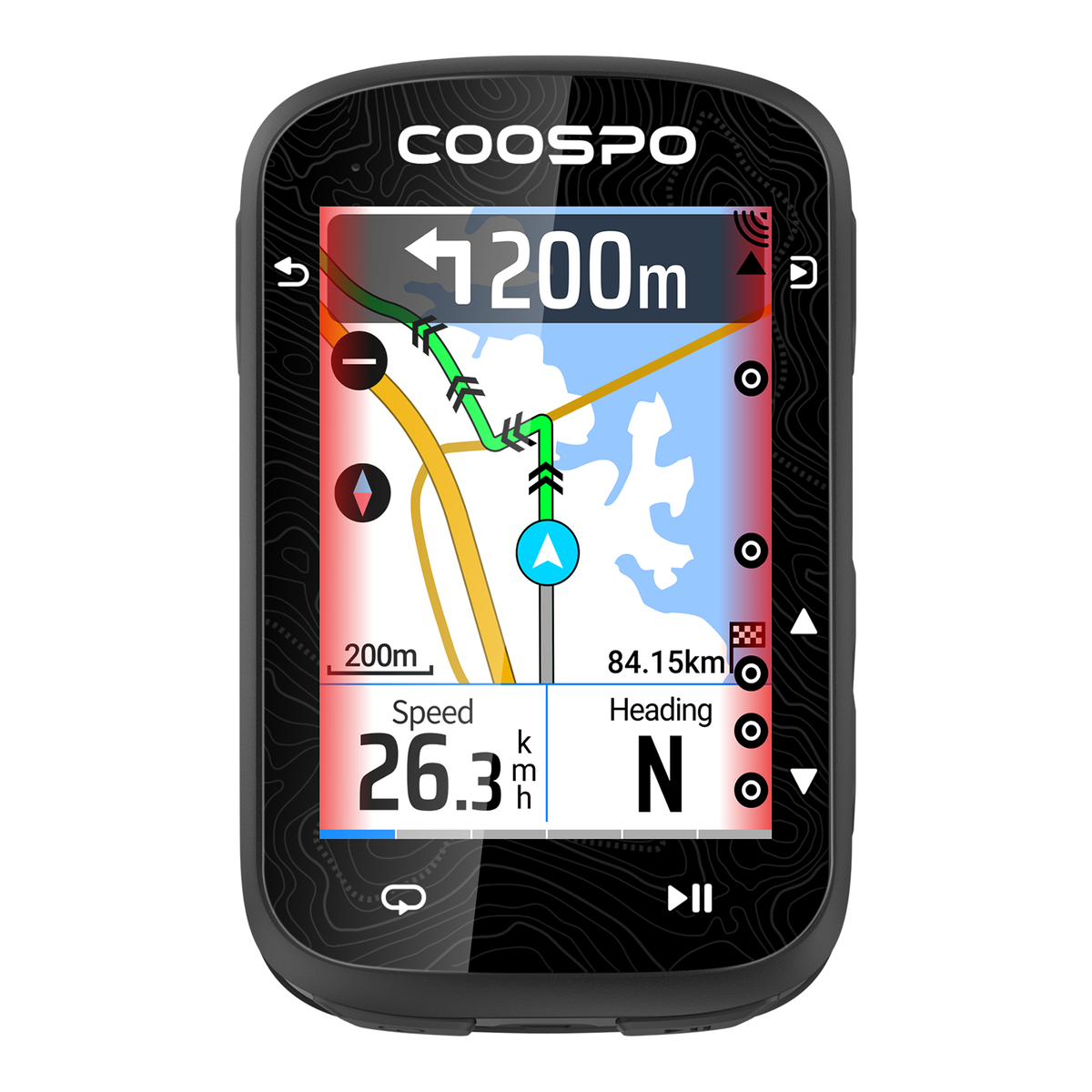
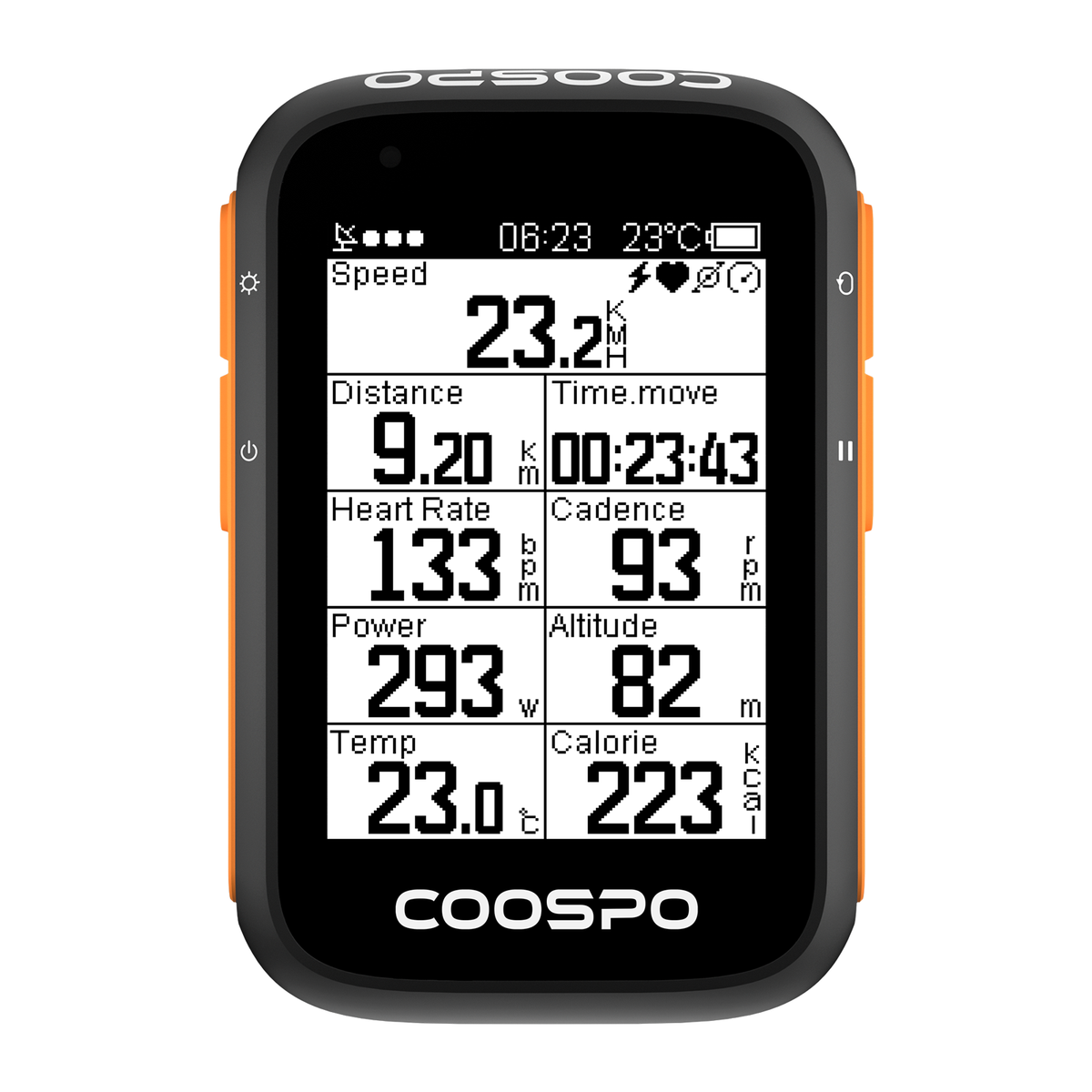
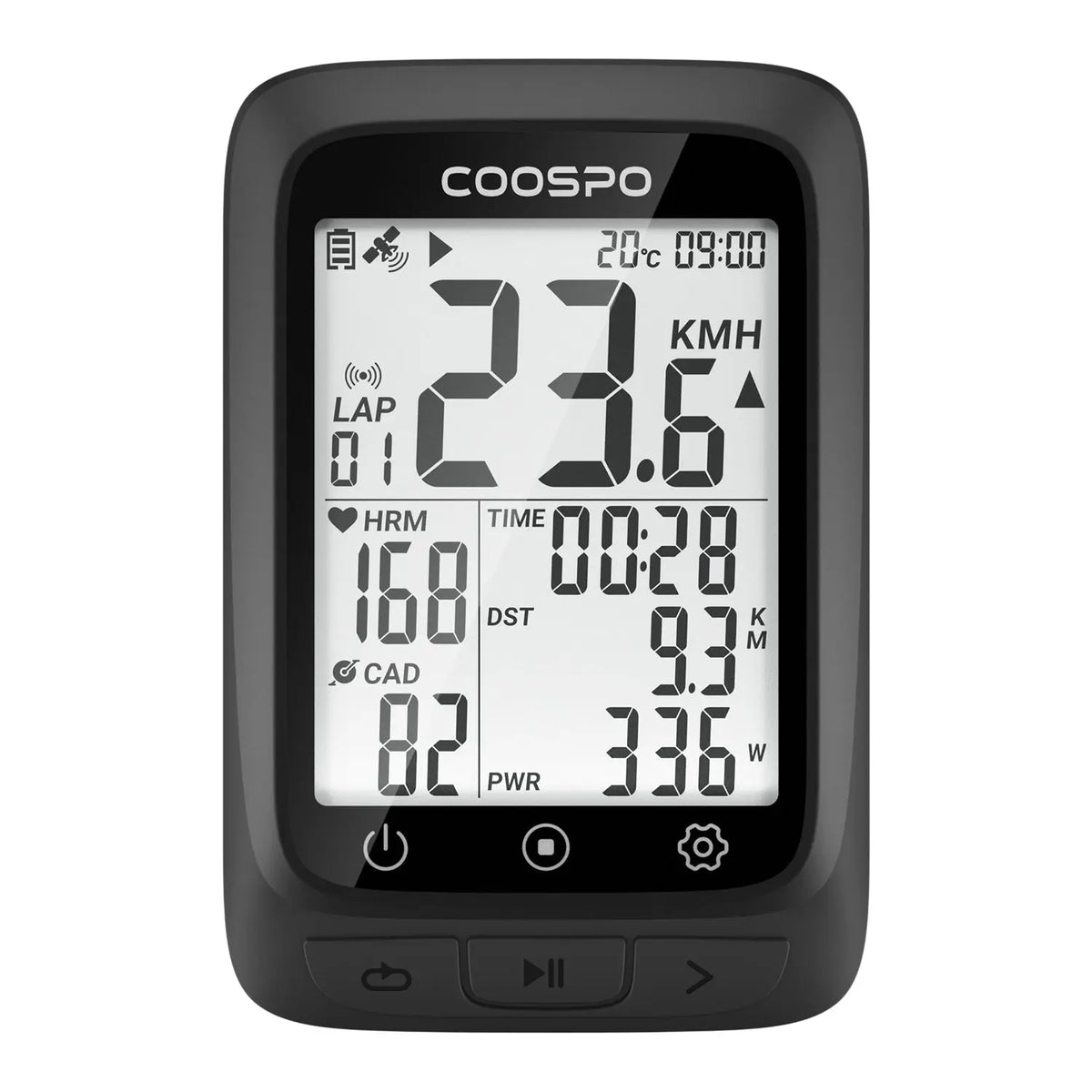
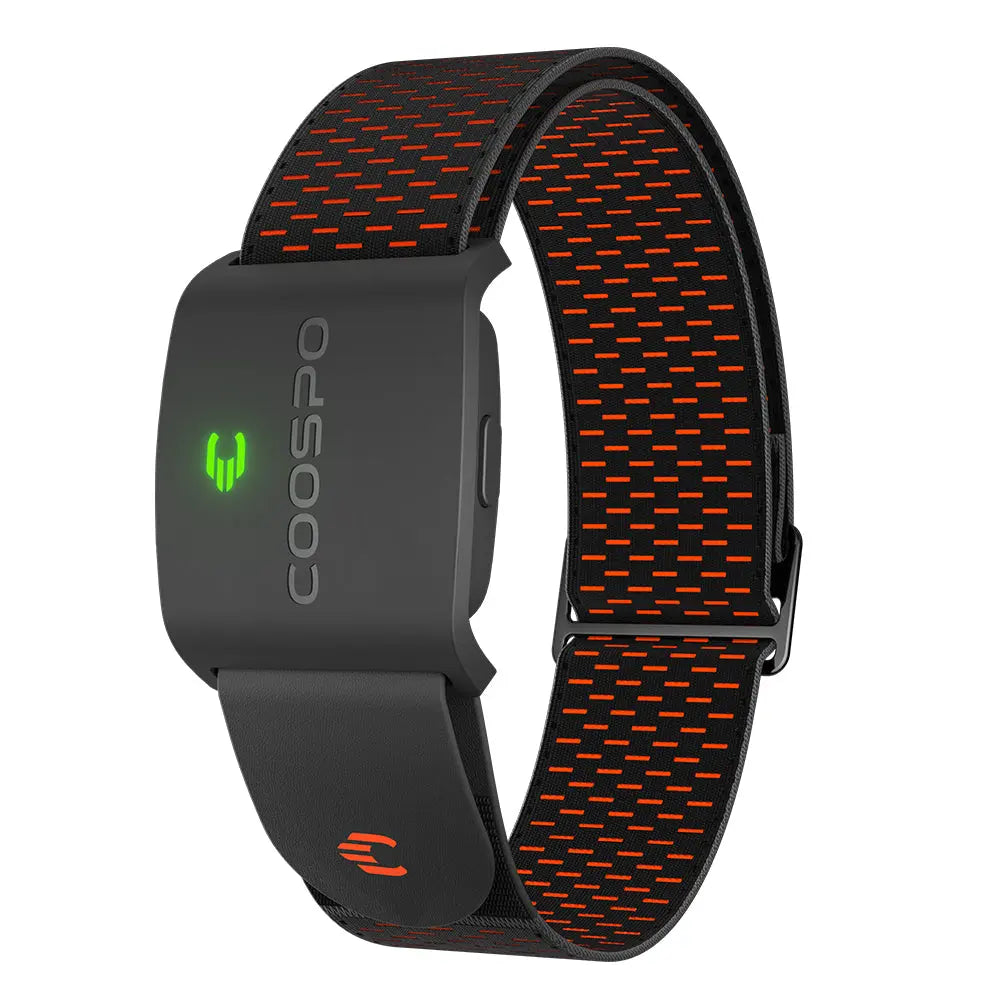
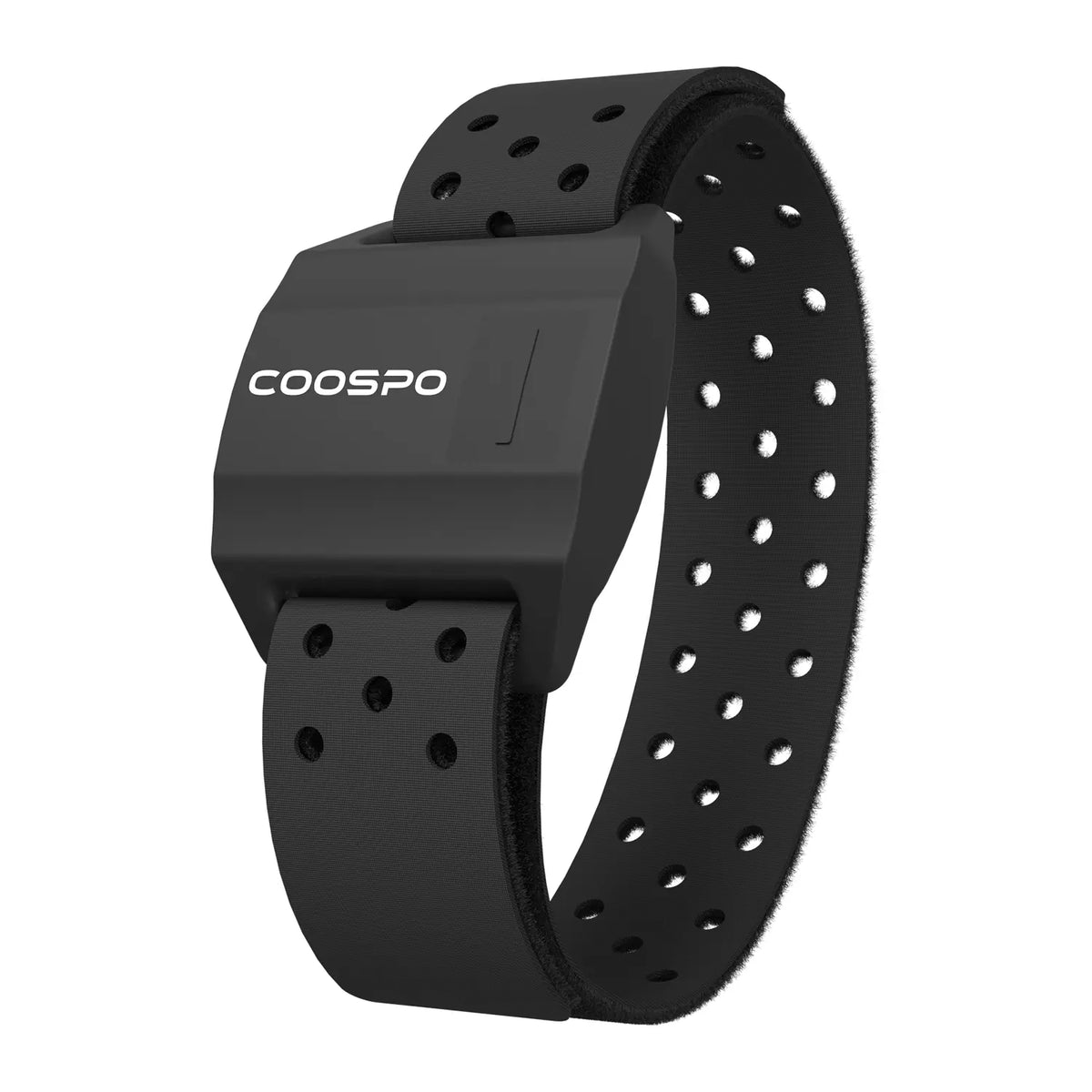
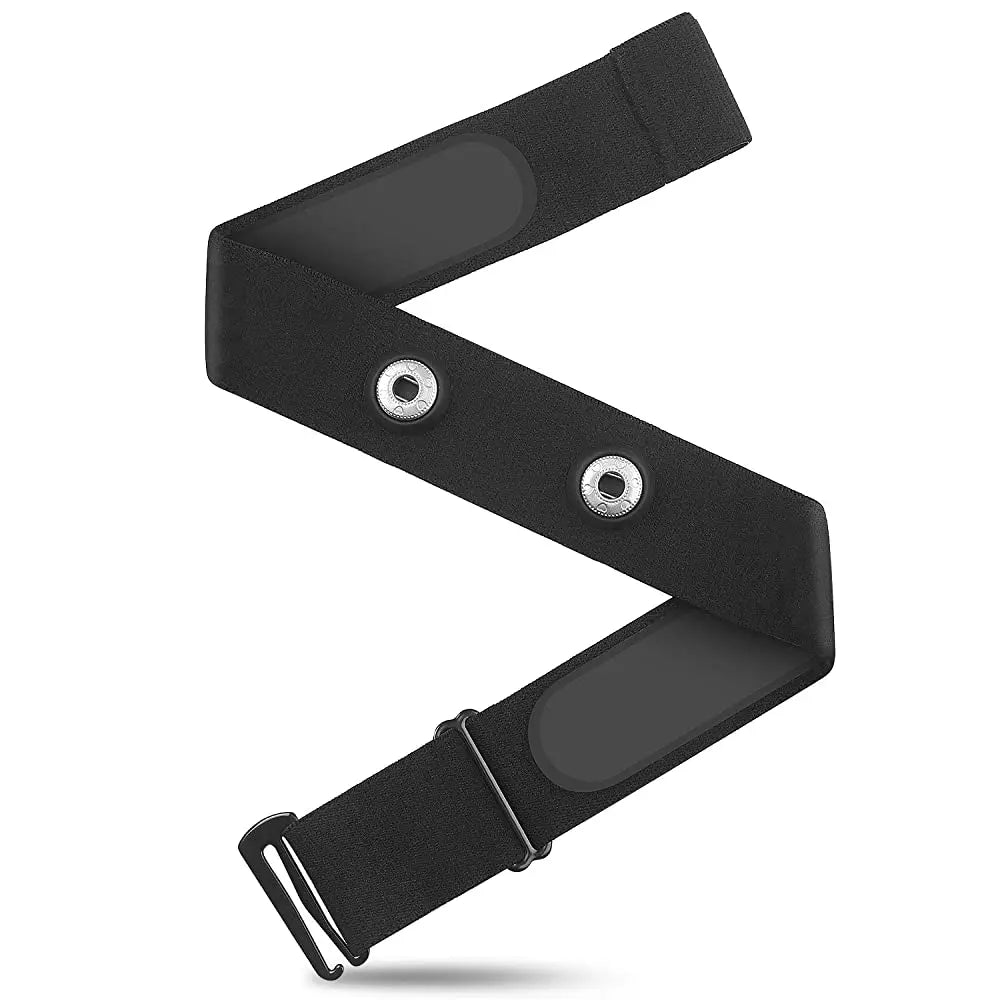
La frecuencia cardíaca es una de las formas más útiles de comprobar si te mantienes en la intensidad adecuada de la Zona 2. En lugar de basarte únicamente en cómo te sientes durante el entrenamiento, un monitor de frecuencia cardíaca te proporciona datos en tiempo real para ayudarte a ajustar tu esfuerzo y mantenerte en el objetivo.

El
Para los ciclistas que entrenan habitualmente guiándose por la frecuencia cardíaca, disponer de estos datos puede facilitarles mucho el control de la intensidad, especialmente durante las rutas más largas en la Zona 2.
¿La Zona 2 es lo mismo que el ejercicio fácil?
El entrenamiento en la Zona 2 suele describirse como "fácil", pero eso no significa que debas ir lo más despacio posible. El objetivo es encontrar una intensidad que sea cómoda pero que a la vez proporcione un estímulo aeróbico significativo.
Si el esfuerzo es demasiado suave, es posible que te encuentres cerca de la zona 1 de recuperación. Si aumentas demasiado la intensidad, tu respiración y ritmo cardíaco se elevarán y podrías entrar en una zona de entrenamiento superior. La clave está en encontrar un esfuerzo constante que puedas mantener durante un tiempo relativamente prolongado sin fatigarte en exceso.
Para los corredores, la Zona 2 puede significar mantener un ritmo relajado, conversacional, donde se puedan decir frases cortas sin quedarse sin aliento. El ritmo puede variar según las pendientes, el clima y el terreno, así que concéntrese en mantener un esfuerzo constante en lugar de perseguir un ritmo específico.
Para los ciclistas, esto puede significar rodar a un ritmo cómodo en terreno llano, usar una marcha más baja en una subida gradual o ajustar la velocidad para mantener la frecuencia cardíaca dentro del rango objetivo. El ritmo o la potencia pueden variar según el terreno y las condiciones, por lo que la frecuencia cardíaca, el esfuerzo percibido y la prueba del habla pueden ser útiles en conjunto, en lugar de basarse únicamente en un solo valor.
También es importante recordar que la Zona 2 no es el único tipo de entrenamiento necesario. Los entrenamientos de mayor intensidad pueden ayudar a desarrollar la velocidad y la condición física óptima, mientras que la Zona 2 proporciona una forma sostenible de fortalecer la base aeróbica. Un plan de entrenamiento equilibrado puede utilizar diferentes intensidades para diferentes objetivos.
¿Cuánto tiempo necesitas hacer cardio en la Zona 2?
Para la mayoría de las personas, de 30 a 45 minutos de ejercicio continuo en la Zona 2 es un buen punto de partida. A medida que mejore su condición física y la Zona 2 se convierta en parte habitual de su rutina, puede extender gradualmente las sesiones a 60 o 90 minutos para seguir mejorando la capacidad aeróbica, la salud cardiovascular y el metabolismo de las grasas.

Si combinas el entrenamiento en Zona 2 con ejercicios de mayor intensidad en la misma sesión, realizar primero la parte de Zona 2 puede ayudarte a mantener la intensidad deseada. Los esfuerzos intensos aumentan la producción de lactato y hacen que el cuerpo utilice más carbohidratos como fuente de energía, lo que puede dificultar el mantenimiento de un verdadero esfuerzo en Zona 2 posteriormente.
Para mantener una rutina de entrenamiento constante, intenta incluir ejercicios cardiovasculares de Zona 2 de tres a cuatro veces por semana, ajustando la duración y la frecuencia para que coincidan con tu estado físico actual y tus objetivos de entrenamiento.
Consideraciones de seguridad
Una de las principales ventajas del cardio en la Zona 2 es que, por lo general, conlleva poco riesgo y es fácil de mantener. Puede servir como base para el entrenamiento aeróbico, pero eso no significa necesariamente que sea mejor que un entrenamiento de mayor intensidad. Su valor reside en que es lo suficientemente manejable como para realizarlo de forma constante, a la vez que supone un estrés relativamente bajo para el cuerpo.
Antes de comenzar una nueva rutina cardiovascular, es importante considerar tu nivel de condición física actual y tu salud en general. Si padeces alguna enfermedad cardíaca, trastornos metabólicos u otros problemas de salud complejos, consulta con un profesional de la salud y considera realizarte una evaluación física adecuada antes de iniciar un nuevo programa de ejercicios.
Como con cualquier tipo de ejercicio, comienza con una intensidad cómoda y aumenta gradualmente el volumen de entrenamiento a medida que mejore tu condición física.




Deja un comentario
Este sitio está protegido por hCaptcha y se aplican la Política de privacidad de hCaptcha y los Términos del servicio.