












![[2 Pack] Coospo Breathable Neck Gaiter Face Scarf Mask COOSPO](http://www.coospo.com/cdn/shop/files/106de7b046babc03aa610173af6e31aa_599da3fe-9907-4b1e-8eb0-f08b3032720b.png?v=1720591174&width=1600)


![[4 Pack] Coospo Soft Breathable Chilly Towel, Microfiber Towel COOSPO](http://www.coospo.com/cdn/shop/files/1_904094cc-62ee-40e9-aa21-415effb385b4.png?v=1720527561&width=1600)

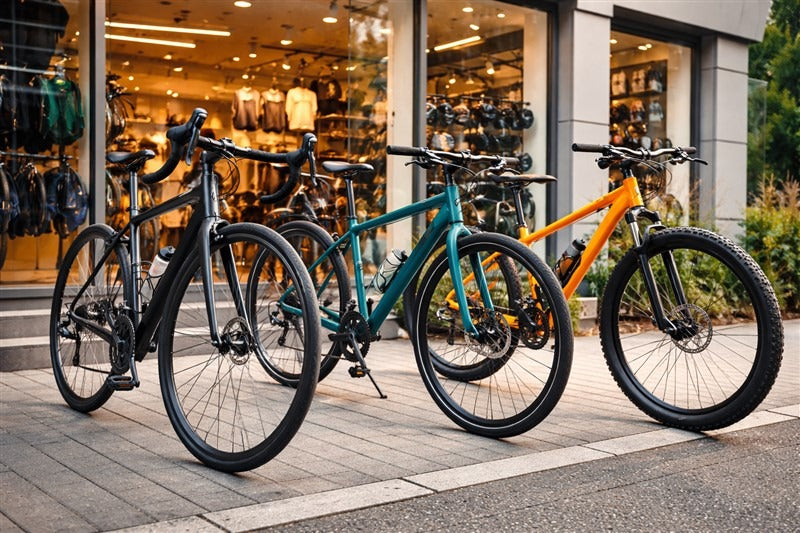
Few things are as enjoyable as riding a bike. But whether your bike is brand new or simply new to you, it will likely need some basic care and adjustments.
If you're new to cycling or getting back on the bike after a break, take some time to get familiar with how it feels and handles. Small adjustments can make a big difference to comfort and performance.
This guide covers what to expect from a new bike, how to improve your riding comfort, and some common mechanical issues you may encounter and how to fix them.
How to Make Your Ride More Comfortable
Getting used to a new bike can take some time, especially if you’re not used to spending long periods on a saddle. Some initial discomfort is normal, but a few simple changes can make your rides much more comfortable.
Padded cycling clothing can help reduce pressure on your hands and seat area. Just as importantly, make sure your bike is properly fitted to your body.
Get Padded Shorts and Gloves
Your hands and seat area are two main contact points with the bike, so adding some padding can make riding more comfortable.

For your seat: Padded cycling shorts with a chamois can reduce friction, manage moisture and provide extra cushioning. If you still experience chafing, chamois cream can help reduce skin irritation.
For your hands: Your hands support much of your upper-body weight while riding, so soreness can develop as you ride longer. Cycling gloves with padded palms can improve comfort. Upgrading your handlebar tape or grips can also provide extra cushioning.
Adjust Your Bike for a Better Fit
A bike that fits your body properly can make a noticeable difference in comfort. Adjusting the saddle and handlebar position can help you find a more natural riding position.

Set the right saddle height: Your knee should have a slight bend when the pedal is at its lowest point. Make small adjustments, as even a small change in saddle height can affect comfort. Adjust the saddle while wearing the cycling shoes and clothing you normally ride in.
Consider changing the saddle: If you continue to feel pressure around the seat area after several rides, your saddle may not suit your body or riding style. More padding isn't always the answer. A saddle with the right shape and width for your anatomy can be more effective.
Adjust your riding position: Hand or wrist discomfort may mean too much weight is being placed on your hands. Changing the stem or handlebar can create a more upright position and reduce pressure on your hands. If you're unsure how to make these changes, consider having a bike shop help with the adjustment.
How to Make Mechanical Adjustments to Your Bike
A new bike may need a few adjustments during the first few rides. As the components settle in, you may notice changes in how the bike shifts, brakes or sounds.
Expect a Break-In Period
During the first several rides, components can settle and may need minor adjustments. You might notice less precise shifting, brake rubbing, loose-feeling brakes, or new squeaks and rattles.
If something feels or sounds unusual, have your bike checked by a qualified bike shop. Riding with poorly adjusted components can affect performance and may lead to more serious or costly damage. Regular adjustments help keep your bike running smoothly and your rides comfortable.
Be Prepared for Common Problems
Even with regular maintenance, some mechanical problems are simply part of cycling. Flat tires, slipped chains and broken chains can happen on almost any bike. Knowing the basics can help you deal with minor issues and know when it's time to get professional help.
Flat tire: A flat is one of the most common problems cyclists encounter. The basic repair process includes removing the wheel, taking out the inner tube, finding what caused the flat, patching or replacing the tube, and reinstalling the wheel. It may feel slow and unfamiliar the first few times, but with some practice, you’ll become much more comfortable handling it on your own.
Slipped chain: A chain can come off after hitting a large bump or if the bike is laid down awkwardly. In many cases, you can put it back by placing the chain onto the chainring teeth and slowly turning the pedals forward. Shifting into a lower gear can make the process easier. If the chain keeps coming off repeatedly, however, there may be an adjustment or drivetrain problem that needs to be checked by a bike shop.
Broken chain: A broken chain is more complicated and usually requires specific tools and some mechanical experience. If you know how to use a chain tool, you may be able to repair or replace it yourself. Otherwise, taking the bike to a professional is the safer option.
Prevent Problems Before They Start
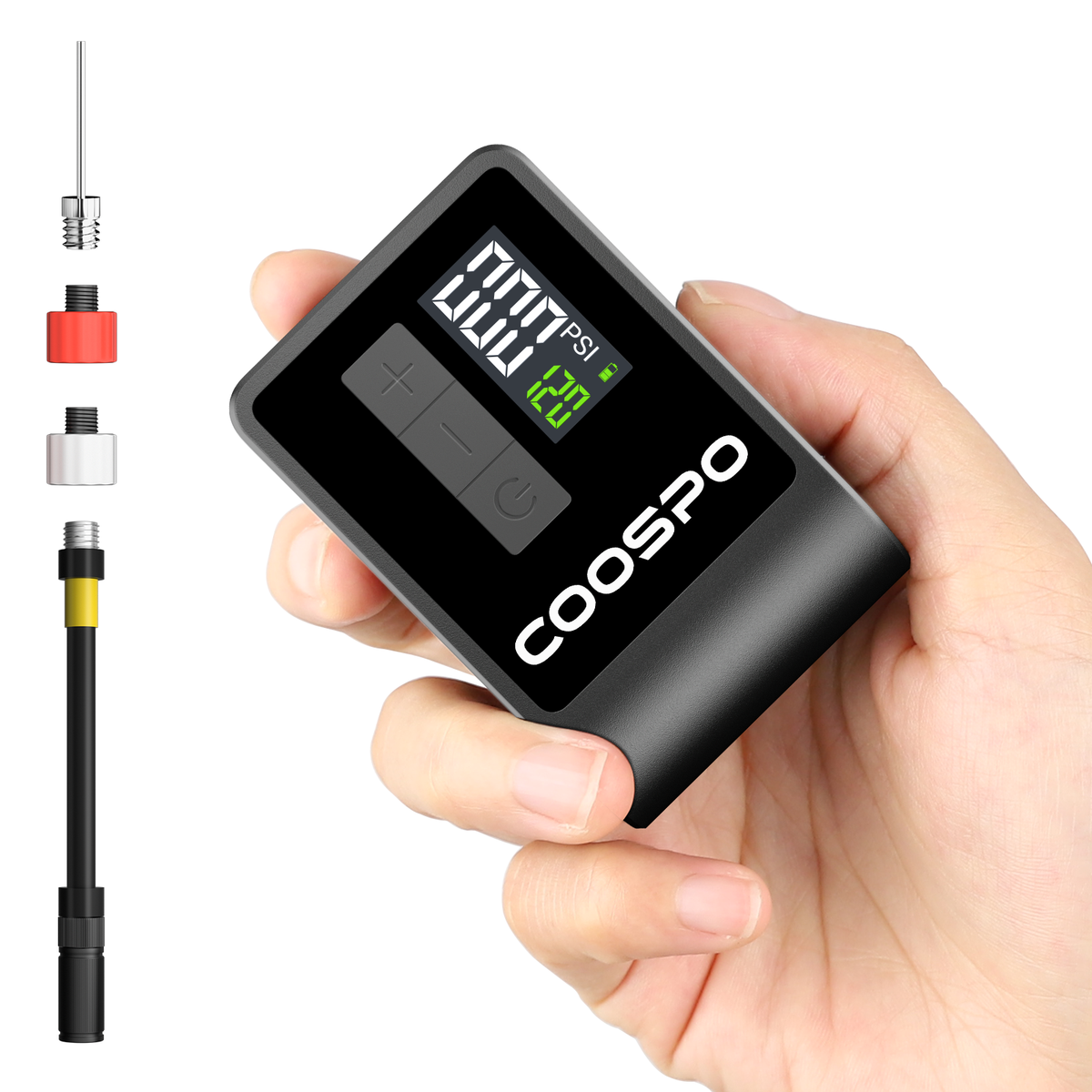
Before every ride, take a few minutes to check your bike. Make sure the tires are properly inflated, the chain is clean and lubricated, and nothing feels loose or unusual. A compact electric pump can also be useful for checking and adjusting tire pressure before heading out or handling a flat during a ride.

The COOSPO X1 Smart Air Pump is a compact option to keep in your riding kit, especially for riders who want a lightweight and portable way to deal with tire pressure on the go.
Other Considerations
Once your bike fits well and you know how to handle basic maintenance, you're almost ready to ride. A few other details can make your rides more convenient, especially when you're carrying gear, traveling with your bike or exploring unfamiliar routes.
How to Carry Your Stuff
For short rides, a cycling jersey with pockets may be enough for essentials such as a spare tube, snacks and a basic repair kit. A water bottle cage can help you stay hydrated, while a phone mount makes navigation easier.
For longer rides, consider using a bike bag, saddle bag or panniers to carry extra food, clothing, tools and other essentials without putting everything in your jersey pockets.
How to Transport Your Bike
If your favorite riding spots are far from home, transporting your bike by car can be a challenge. Trying to fit a bike inside your vehicle can be inconvenient and may risk damaging the bike or car. A suitable bike rack provides a more practical way to transport one or more bikes securely.
Mapping a Route
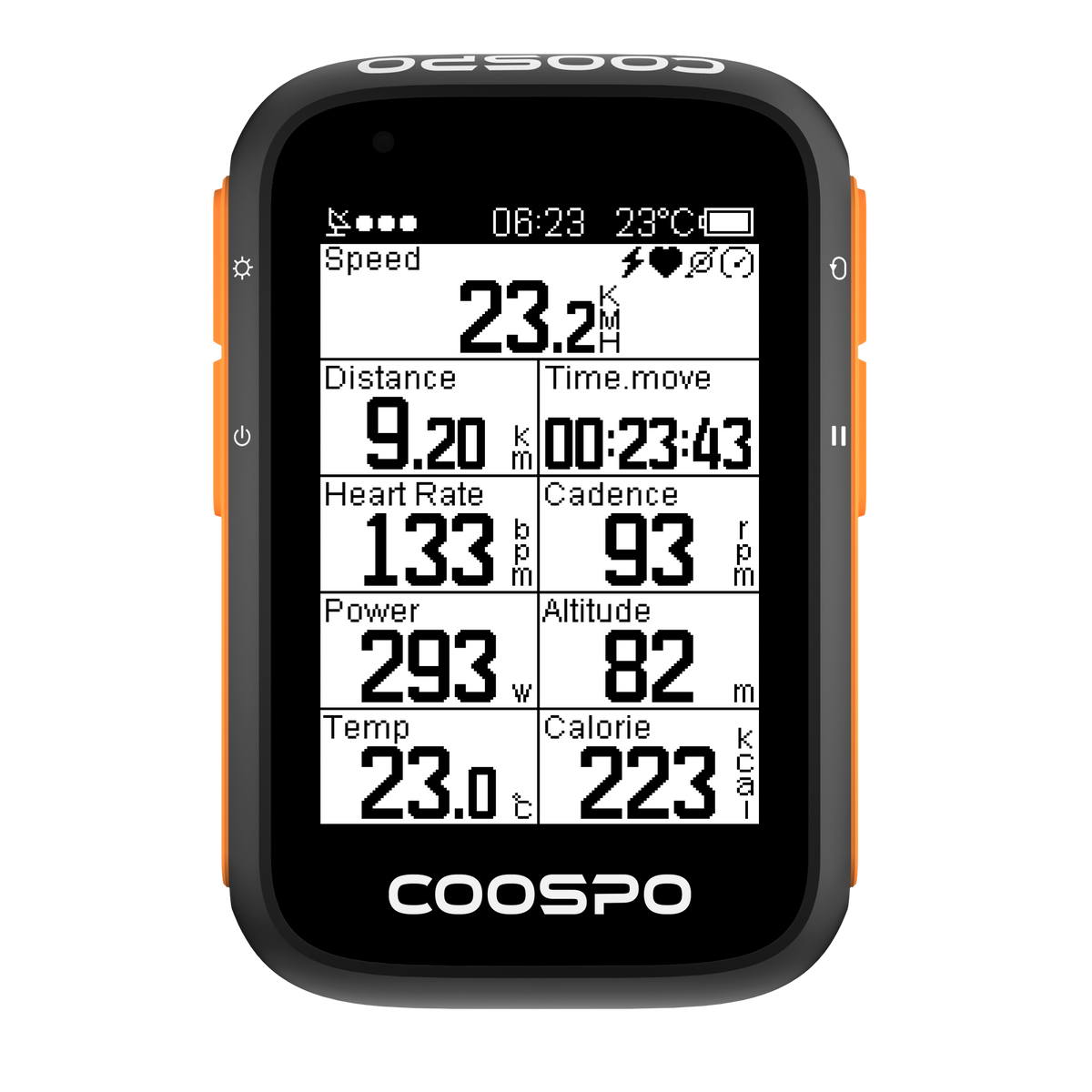
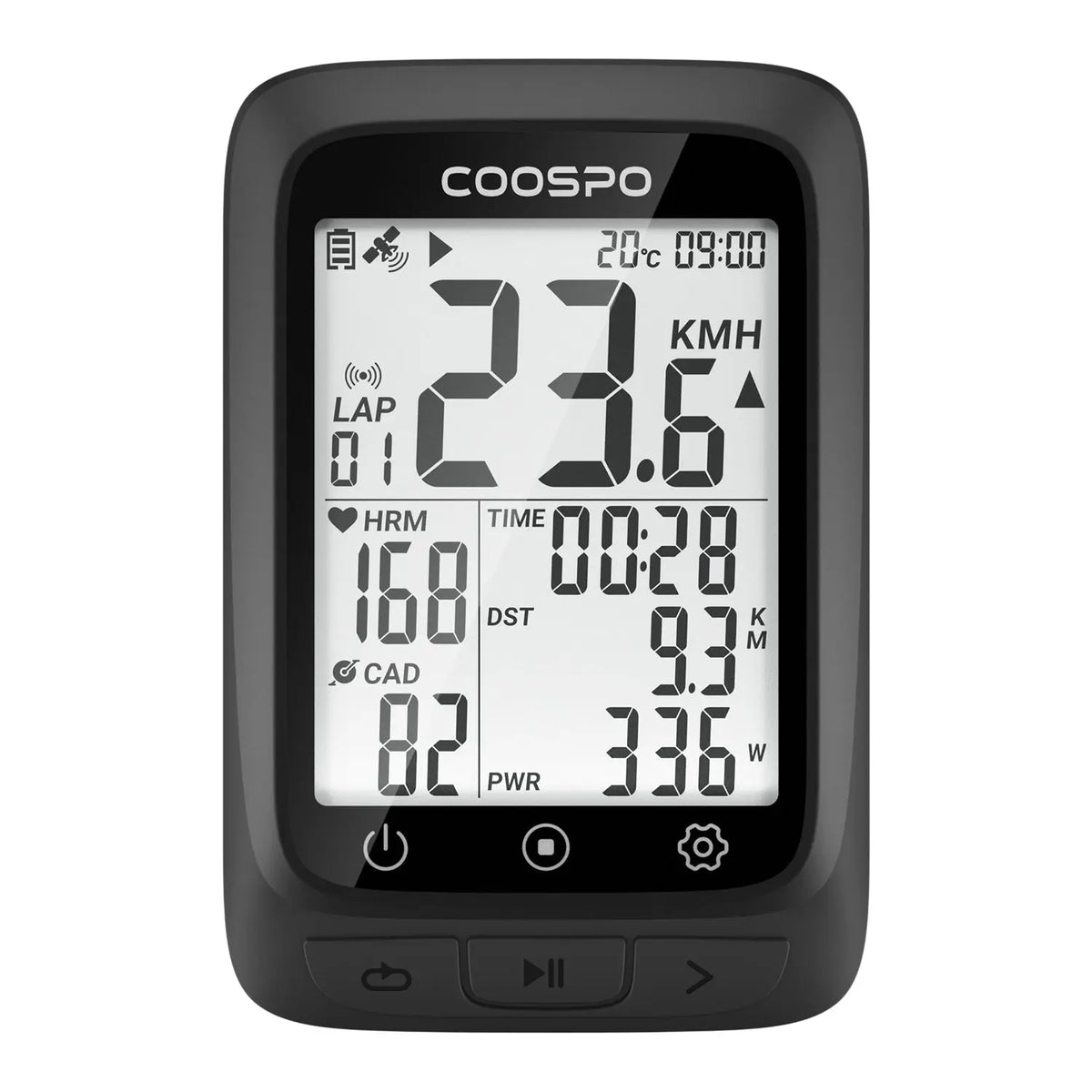
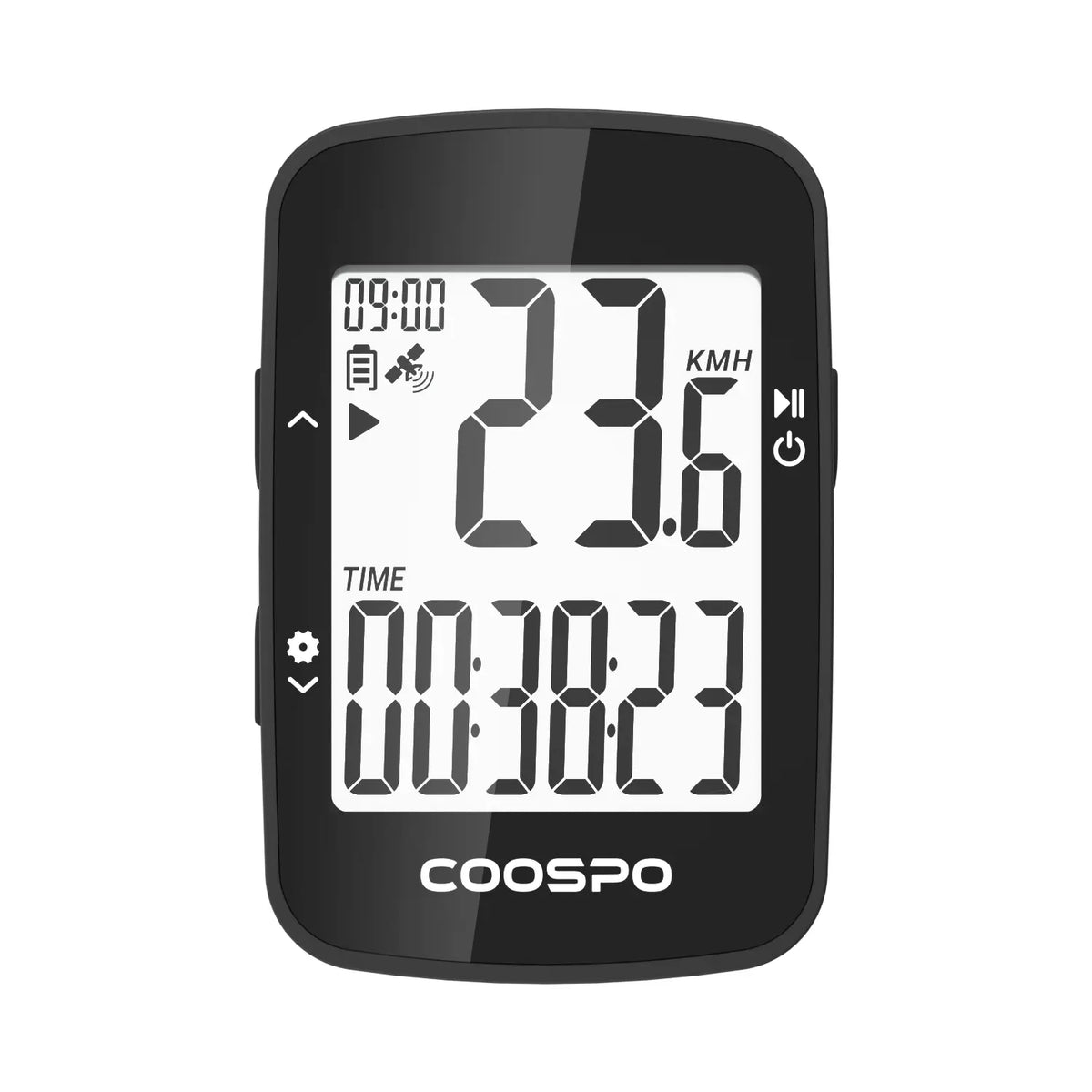
Once your bike is ready, it's time to plan where to ride. Cycling apps and online maps can help you find routes in unfamiliar areas. For a more convenient riding experience, a bike computer can provide navigation, route guidance and real-time ride data without relying on your phone throughout the ride.

A cycling computer such as the COOSPO CS600 can be useful for riders who want navigation, cycling data and route planning in one device. It also helps you keep track of key ride metrics while staying focused on the road.



Deja un comentario
Este sitio está protegido por hCaptcha y se aplican la Política de privacidad de hCaptcha y los Términos del servicio.