

















![[2 Pack] Coospo Breathable Neck Gaiter Face Scarf Mask COOSPO](http://www.coospo.com/cdn/shop/files/106de7b046babc03aa610173af6e31aa_599da3fe-9907-4b1e-8eb0-f08b3032720b.png?v=1720591174&width=1600)


![[4 Pack] Coospo Soft Breathable Chilly Towel, Microfiber Towel COOSPO](http://www.coospo.com/cdn/shop/files/1_904094cc-62ee-40e9-aa21-415effb385b4.png?v=1720527561&width=1600)

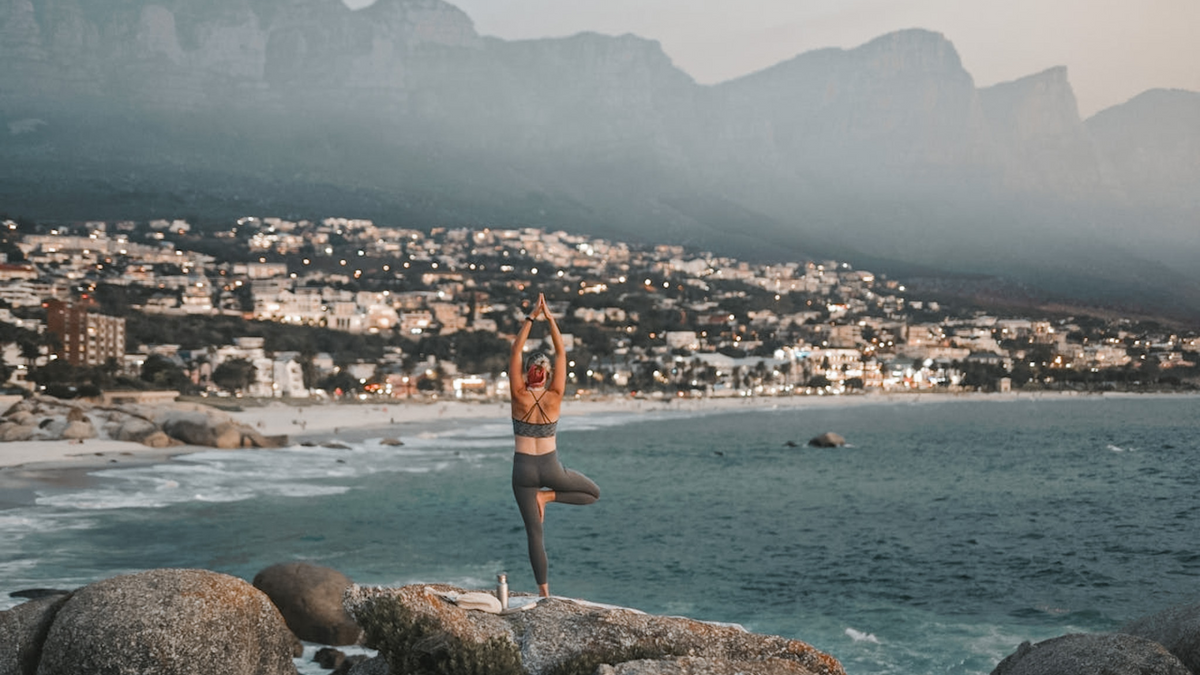
After months of planning a vacation, it can be tempting to put your fitness goals on hold and focus entirely on relaxing. But if you've been training for a marathon, backpacking trip or another active goal, you don't have to completely abandon your routine while traveling.

With a few simple strategies, you can maintain your fitness without letting workouts take over your vacation. These habits can also be useful during regular training, the off-season and recovery periods.
A simple routine built around four basic movements: planks, push-ups, squats and rows can help you stay active almost anywhere, even without equipment.
The Benefits of Staying Fit
Even if you're not preparing for a major race or endurance challenge, staying active during vacation can benefit both your physical and mental well-being. Regular movement can support muscle strength, stability, endurance and mental health, while also helping you maintain a sense of routine.
Travel often involves long flights, extended periods of sitting and changes in your usual environment. Adding some movement to your day can help reduce the effects of these changes and make it easier to return to your normal routine afterward.
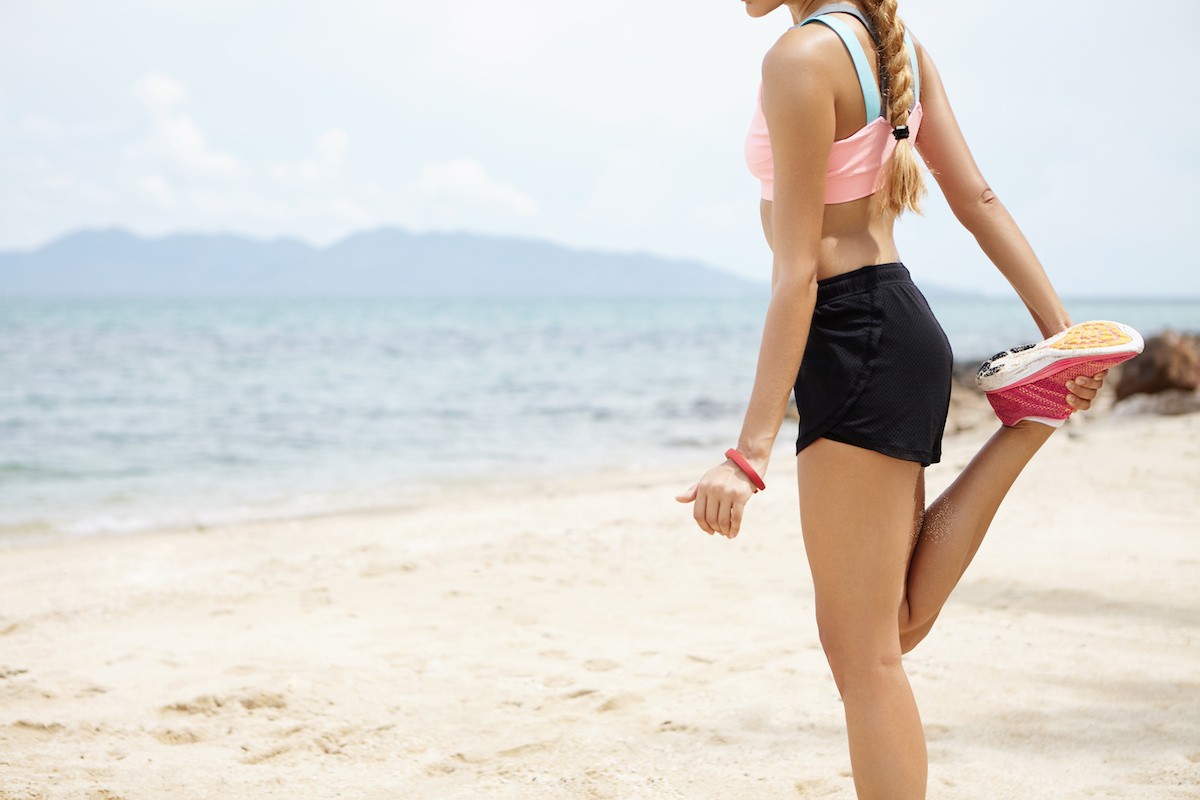
If your vacation already includes activities like hiking, camping, kayaking or climbing, you may not need to follow a structured workout plan. Instead, use the trip as an opportunity to stay active while giving your body a break from intense training.
Even on a relaxing vacation, simple activities such as walking, stretching or short bodyweight workouts can help you stay moving. Research suggests that it can take around two to three weeks of inactivity before noticeable changes in muscle mass or strength occur, so a short break is unlikely to significantly affect your fitness.
Most importantly, don't put pressure on yourself to train at your usual intensity. Vacation is also a chance to recover, relax and enjoy your time away.
Assess Your Vacation Activity Level
Before planning your workouts, consider how much movement your vacation already includes. Fitness isn't limited to gym sessions, long bike rides or intense climbs. Walking, exploring a city, playing with kids and other everyday activities all contribute to your overall activity.
For example, visiting an amusement park or exploring a new city can involve plenty of walking, while kayaking provides an effective upper-body workout. A day spent hiking with family can also provide substantial physical activity.
If your trip already involves lots of walking, hiking or outdoor activities, you may not need to add a full strength workout or long run. Instead, adjust your training based on your schedule and energy levels, saving more demanding sessions for quieter days.
On a more relaxing vacation, plan some activity in advance. Short workouts, evening walks or beach walks can help you stay active without taking much time.
Most importantly, don't aim for a perfect workout schedule. Choose activities that fit your vacation and commit to a realistic routine.
Set Achievable Fitness Goals
Before your vacation, take a moment to define what you want to get from your fitness routine. Your goal might be as simple as staying active, maintaining your current fitness level or avoiding too much time sitting.
Setting clear and realistic goals can make it easier to stay consistent without putting unnecessary pressure on yourself. If you're training for a specific event, such as a marathon or long-distance cycling event, consider what training you actually need to maintain while traveling.
A vacation can also be a good opportunity for a deload or recovery period, when you reduce training intensity and give your body more time to recover. Use this time to focus on mobility, stability, stretching and active recovery rather than trying to maintain your full training load.
The key is to find a balance between staying active and giving yourself enough time to rest and enjoy your vacation.
Create a Plan to Stay Active While Away
How much you need to exercise during vacation depends on your goals and the activities you already have planned. If you're training for a marathon or long-distance cycling event, consider fitting in a few key sessions or scheduling your longer workouts before or after the trip.
For a week-long vacation, a simple routine of two strength sessions and two light cardio sessions can help maintain your fitness without adding too much pressure. The goal is maintenance, not setting personal records.

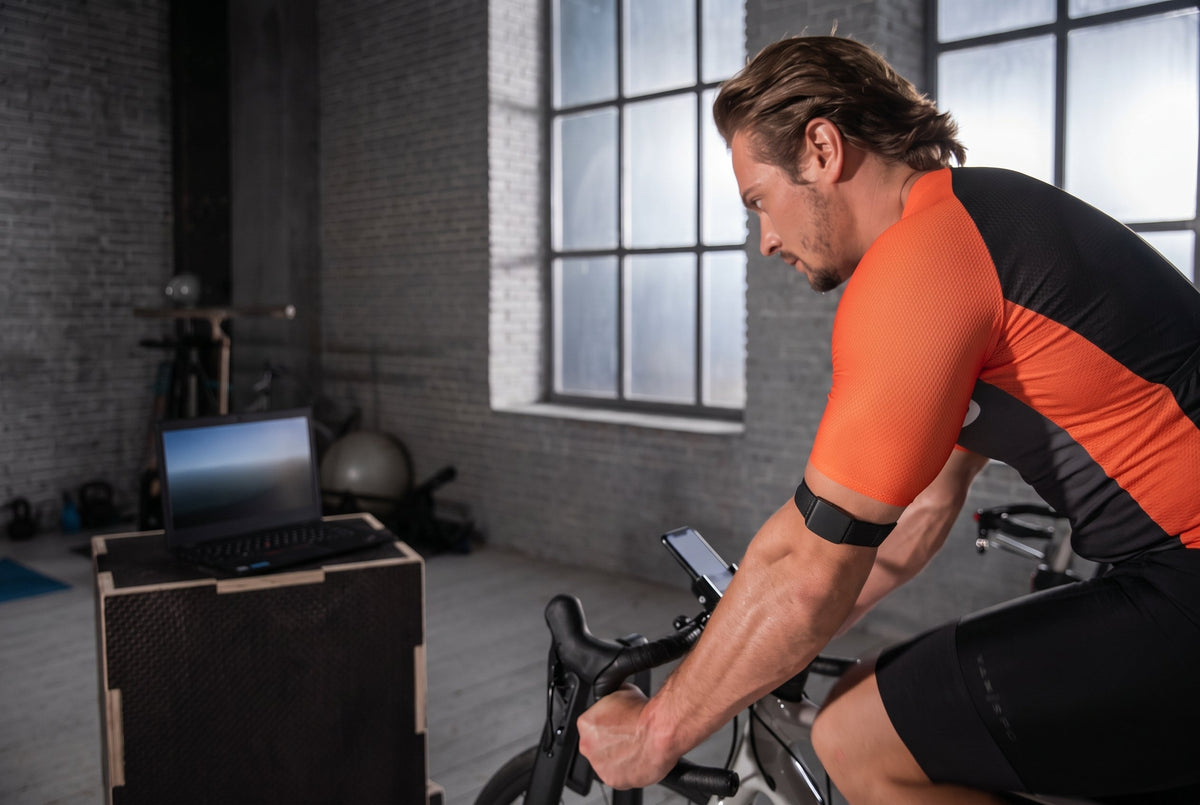
A heart rate monitor can also help you keep track of exercise intensity while traveling. Instead of pushing for maximum effort, monitoring your heart rate can help you keep cardio sessions within an appropriate intensity for your training goals and recovery needs. A lightweight COOSPO heart rate monitor can be a practical option for tracking heart rate during runs, cycling, gym workouts and other activities while away from home.
Research fitness options in advance. Check whether your hotel has a gym, look for nearby fitness studios or running groups, and schedule activities that fit your plans.
Prepare workouts offline. Download workout videos or save simple routines beforehand so you can exercise without relying on an internet connection.
Make everyday movement count. Walking, cycling, swimming, stretching and exploring your destination on foot can all contribute to your activity. Even small movements, such as squats or stretching during the day, can help maintain mobility.
Stay flexible. If a busy day leaves you tired, adjust your workout or take a rest day. Vacation is also a time to relax and recover, so don't feel pressured to follow your usual training schedule perfectly.
Ease Back Into Your Fitness Plan at Home
After vacation, you may feel tired or sluggish, especially if your usual workouts, sleep and eating habits changed. Don't worry about making up for missed workouts. Research suggests that noticeable changes in muscle mass or strength generally take around two to three weeks of inactivity, so a short break is unlikely to have a major impact.
When you return to training, start by checking how your body feels. Try familiar movements such as squats, push-ups or rows, and reduce the intensity if they feel harder than usual.
Instead of immediately returning to your previous training level, start from where you are now and gradually build back up. This gives your body time to readjust and helps you return to your routine comfortably.
Keep Your Fitness Gear Lightweight
You don't need to pack heavy equipment to stay active while traveling. A few lightweight and portable items can be enough for effective workouts.
:max_bytes(150000):strip_icc()/how-to-clean-yoga-mat-getty-0623-1fda4b0532ea4f9787d5f248bbedaf8d.jpg)
Yoga mat: A travel-friendly mat can fit easily in your luggage and provides a comfortable, non-slip surface for yoga, stretching, squats, lunges and planks.
Resistance bands: Lightweight and easy to pack, resistance bands are a convenient option for strength training when you're away from the gym.
Massage or lacrosse ball: These small tools can help release muscle tension and relieve soreness. They're especially useful for tired feet, tight shoulders and upper-back tension after long walks or carrying a backpack.
4 Simple Moves to Do Anywhere
If you don't have a specific training goal and simply want to stay active during vacation, these four simple exercises can be done almost anywhere. They require little or no equipment and can be easily adjusted to different fitness levels.
Squat: Squats are part of everyday movements, such as sitting down in a chair. Add a few extra throughout the day, or try 5–10 squats a couple of times daily to keep your legs active.
Push-up: Push-ups are a simple way to work your upper body. Even everyday tasks, such as placing a bag in an overhead compartment, require similar pushing strength. When you have some space, add a few push-ups to your day.
Plank: Planks can be done almost anywhere, even while others are relaxing. Hold the position with your legs straight or knees down for an easier option. You can also do a standing plank against a wall when you're waiting in line.
Row: Use a resistance band for seated rows by extending your legs, wrapping the band around your feet and pulling it toward you. You can also try canoeing or kayaking to combine rowing movements with some outdoor adventure.


Deja un comentario
Este sitio está protegido por hCaptcha y se aplican la Política de privacidad de hCaptcha y los Términos del servicio.