













![[2 Pack] Coospo Breathable Neck Gaiter Face Scarf Mask COOSPO](http://www.coospo.com/cdn/shop/files/106de7b046babc03aa610173af6e31aa_599da3fe-9907-4b1e-8eb0-f08b3032720b.png?v=1720591174&width=1600)


![[4 Pack] Coospo Soft Breathable Chilly Towel, Microfiber Towel COOSPO](http://www.coospo.com/cdn/shop/files/1_904094cc-62ee-40e9-aa21-415effb385b4.png?v=1720527561&width=1600)


Cyclists love upgrades. Carbon wheels, aero helmets, ceramic bearings, electronic shifting… the industry is full of shiny objects promising “free speed.” But if you ask many experienced coaches what delivers the biggest real-world improvement for most riders, the answer is surprisingly simple: A power meter.

Not because it magically makes you faster overnight, but because it changes how you train. It turns every ride into measurable information instead of educated guesswork. For riders with limited training time, that can be more valuable than any lightweight component.
Yet many cyclists still hesitate. Some think power meters are only for professionals. Others assume they are too expensive or too complicated.
Let’s clear up the myths and look at why a power meter may be the smartest first upgrade any cyclist can make.
Power Meters Aren’t Just for Pros
This is probably the biggest misconception around power meters.
For beginner riders who may not yet be familiar with pacing or how different effort levels feel, a power meter can be extremely helpful for controlling effort during training and events. For instance, when you feel strong at the beginning of a ride, it’s easy to push too hard on a climb and suffer later as a result. A power meter, combined with properly defined training zones, helps prevent this from happening.
Elite athletes are so attuned to their bodies that, even without a power meter, they could likely estimate their current wattage quite accurately at any moment. For the rest of us, however, we don’t have that same sense of effort or pacing, and a power meter offers a shortcut to achieving pro-level pacing precision.
For most non-professional cyclists, time on the bike is limited and valuable. Making sure each workout is as effective as possible is crucial, and a power meter is the most reliable tool for achieving that.
Why Not Just Use a Heart Rate Monitor?
One of the key advantages of a power meter compared to a heart rate monitor is that it provides immediate feedback whenever your riding intensity changes, whereas heart rate data always lags behind. This delay is less problematic during long, steady efforts, but for short intervals and more explosive rides, heart rate simply does not respond quickly enough.
When training, hard intervals shorter than five minutes are extremely difficult to pace accurately using heart rate. If you aim to stay in Zone 5 by heart rate and gradually ramp into it during the first minute or so to account for lag, you’ll likely end up undercooking the effort. On the other hand, if you drive your heart rate up aggressively, you’ll probably fade before the five minutes are complete. With power, you can reliably hold the target wattage from the first pedal stroke to the last.
Heart rate can also be influenced by external factors—a disagreement with your partner, an extra espresso before your ride, pre-event nerves, or even dealing with a surprise flat tire before heading out can all elevate it. It’s also important to remember that illness, hydration levels, air temperature, and altitude all play a role. On the other hand, being particularly fatigued after a hard training block can suppress or flatten your heart rate response.
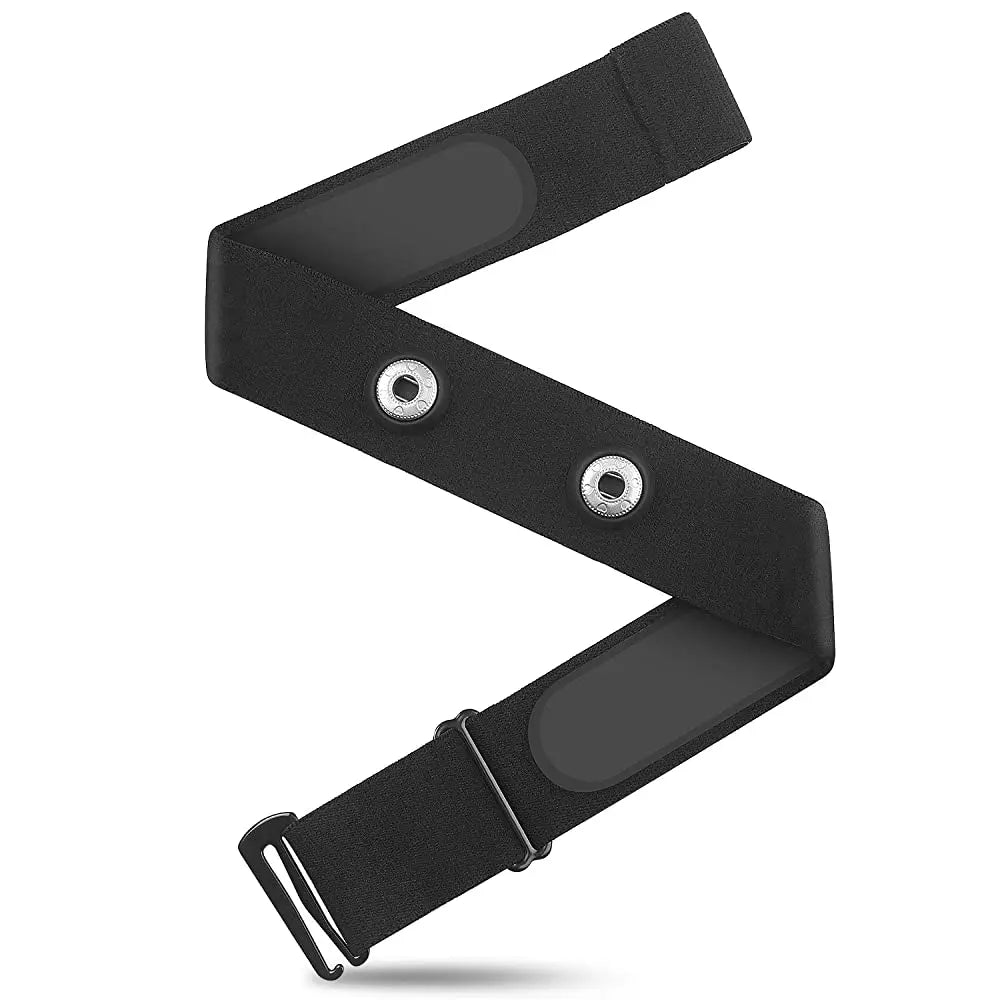
This doesn’t mean you should stop using your heart rate strap. Your power meter shows how much output your body is generating, while your heart rate monitor reflects how your body is responding to that effort. Understanding how these two metrics interact can give you valuable insight into the effects of your training.

For instance, as mentioned earlier, a period of intense training can suppress heart rate. So if you find that your heart rate remains unusually low despite producing high power, while your perceived effort feels relatively hard, it may be a sign that you need to reduce your training load.
Power Meters Don’t Have to Be Expensive
Years ago, this was absolutely true. Early power meters often cost more than an entire mid-range bicycle. Today, the market has changed dramatically.
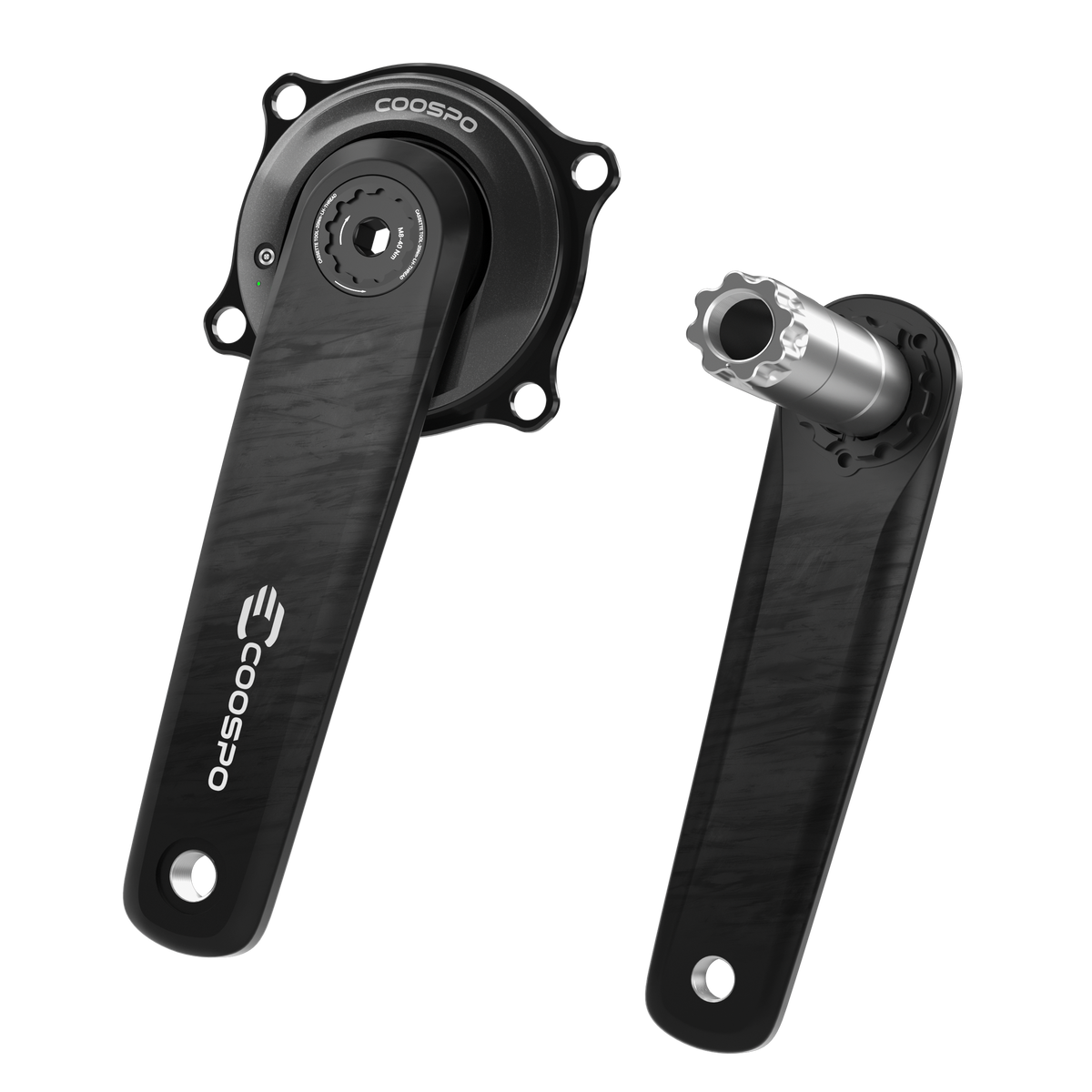
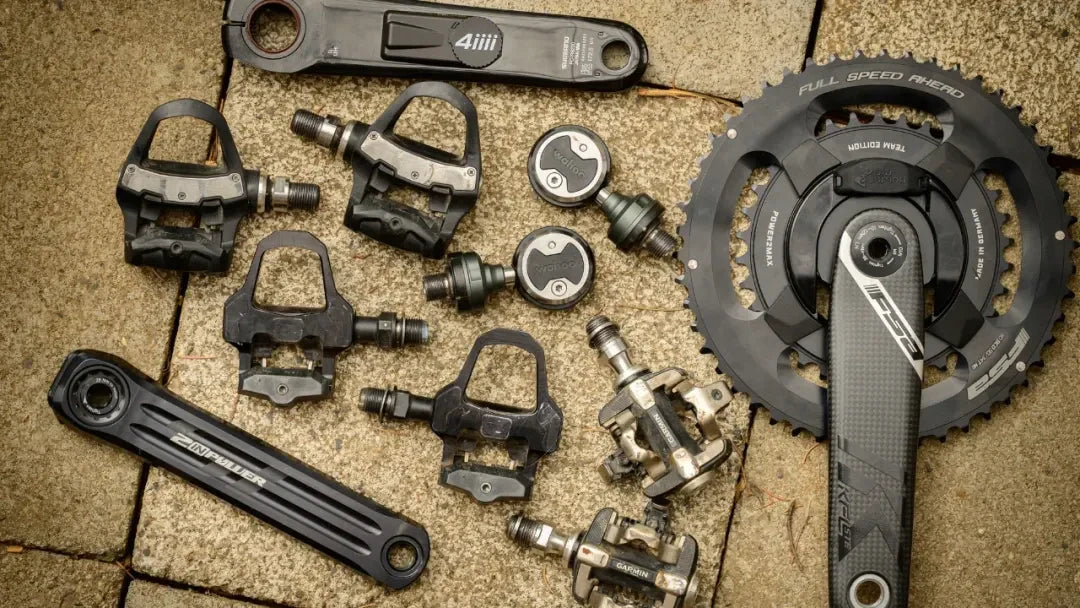
Entry-level single-sided crank arm power meters are now accessible to many everyday riders. Brands have also introduced more affordable spider and pedal systems, making power-based training far less exclusive than before.
A good example is the COOSPO S10 Spider Power Meter. Compared with many traditional spider-based systems, it offers a more affordable option while still delivering stable and accurate power data. The S10 uses a four-beam spider structure with 8 strain gauges to improve measurement consistency during riding, making it a practical choice for cyclists who want reliable training data without paying premium-level prices.

A power meter often provides more long-term performance value than cosmetic or marginal gains elsewhere on the bike. It is also important to remember that power meters are no longer reserved for racing cyclists. Indoor smart trainers, virtual riding platforms, and training apps have normalized power-based training for riders of all levels.
What once felt like laboratory equipment now feels like standard cycling technology.
Power Meters Are Easier to Use Than You Think
At first glance, cycling power data can look intimidating.
FTP. NP. TSS. IF. VO₂ max intervals. Training zones. Giant colorful graphs that resemble stock market charts during a thunderstorm. But the truth is you do not need to understand everything immediately.
Most cyclists only need a few basics to start benefiting from power training:
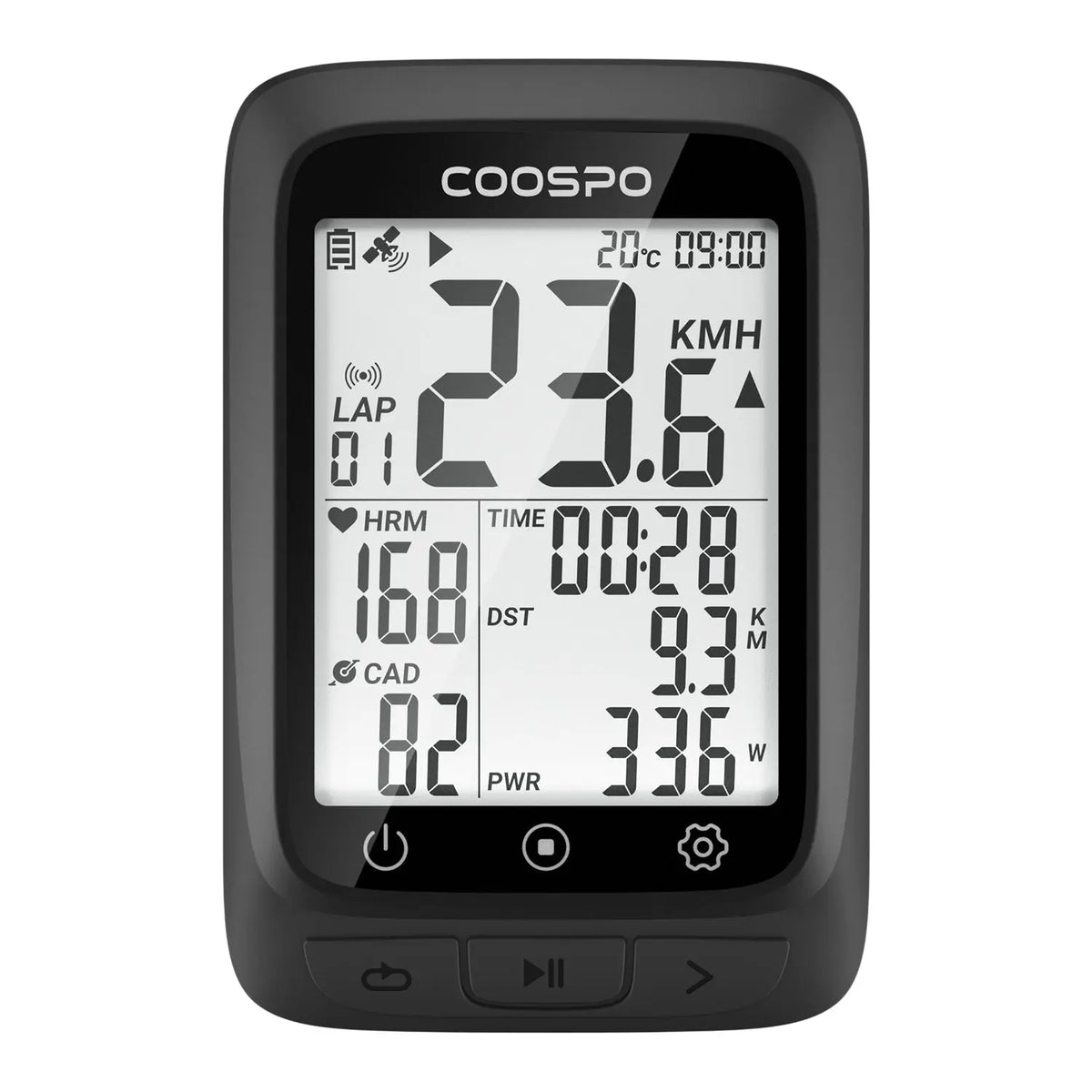
current watts
average watts
FTP
power zones
That alone is enough to structure effective workouts.
Think of it like using a kitchen scale, you do not need to understand advanced chemistry to bake better bread. Measuring accurately already improves the result. The same applies to cycling power.
Over time, many riders naturally become more curious about advanced metrics, but the learning process is gradual.
Modern cycling computers and apps also simplify the experience dramatically. Platforms like TrainerRoad, Zwift, and TrainingPeaks automatically calculate zones, analyze workouts, and guide interval sessions.

In many ways, power training today is easier than ever before.
And perhaps most importantly is power data teaches pacing. Many cyclists discover they were starting climbs too aggressively, riding endurance sessions too hard, or underestimating recovery needs. Once they begin training with power, their efforts become smoother, more controlled, and more sustainable.


Leave a comment
This site is protected by hCaptcha and the hCaptcha Privacy Policy and Terms of Service apply.