













![[2 Pack] Coospo Breathable Neck Gaiter Face Scarf Mask COOSPO](http://www.coospo.com/cdn/shop/files/106de7b046babc03aa610173af6e31aa_599da3fe-9907-4b1e-8eb0-f08b3032720b.png?v=1720591174&width=1600)


![[4 Pack] Coospo Soft Breathable Chilly Towel, Microfiber Towel COOSPO](http://www.coospo.com/cdn/shop/files/1_904094cc-62ee-40e9-aa21-415effb385b4.png?v=1720527561&width=1600)

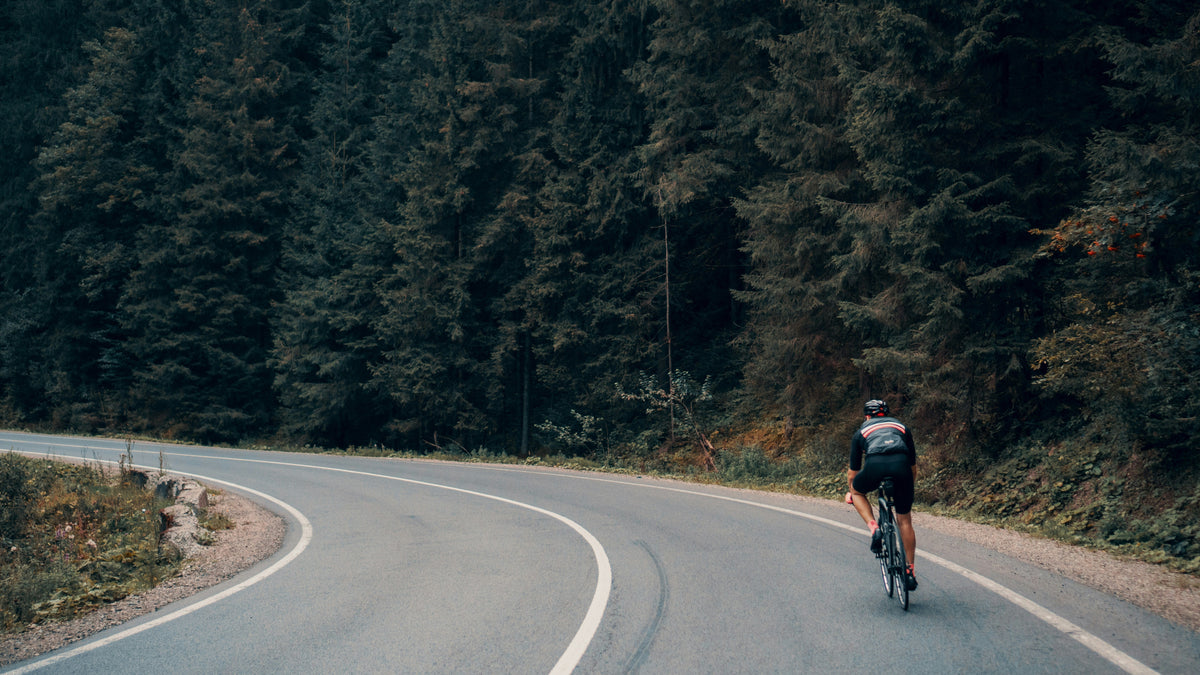
For many cyclists, the new year doesn't begin with a race number or a podium finish. It begins quietly—from the first ride back on the track, breathing in the crisp air, and that familiar question surfacing:
What kind of cyclist do I want to be this year?
Some cyclists want to ride further, some want to ride more regularly, and others simply want to feel stronger and enjoy every ride more than last year.
Setting cycling goals isn't about putting pressure on yourself or striving for perfection; it's about giving your rides direction and discovering small victories along the way.
Why Cycling Goals Work
Most cyclists don’t stop riding because they don’t love it. They stop because life gets busy, motivation fades, or progress feels invisible.
Clear goals help turn riding from something you hope to do into something you choose to do. They give purpose to short rides, structure to long ones, and reassurance when motivation dips.
The best goals are realistic, flexible, and personal — not copied from someone else’s training plan.
Start With the Rider You Are
Before setting numbers or targets, take a moment to reflect on last year:
When did riding feel good?
When did it feel forced?
What kind of rides did you enjoy the most?
From there, most cycling goals naturally fall into a few familiar categories.
Riding More — and More Consistently
For many riders, consistency is the real goal.
That might look like:
Riding two or three times a week
Choosing the bike over the car more often
Keeping rides short but frequent
These goals don’t rely on speed or performance. They’re about building a habit — and habits are what carry you through the year.
Feeling Stronger on the Bike
Some progress is hard to see on the surface. You might still ride the same routes, but they feel easier. Climbs take less effort. Recovery comes faster.
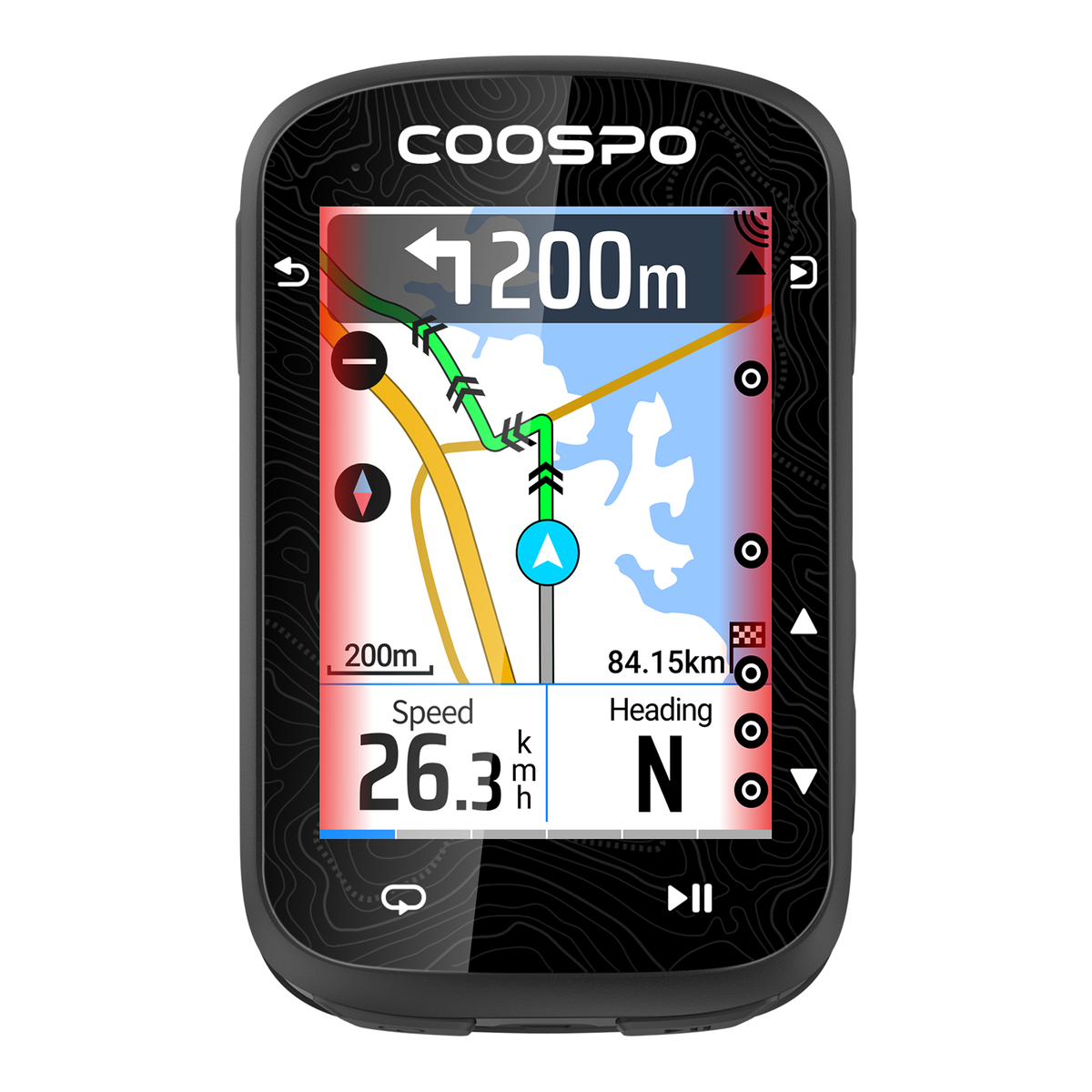
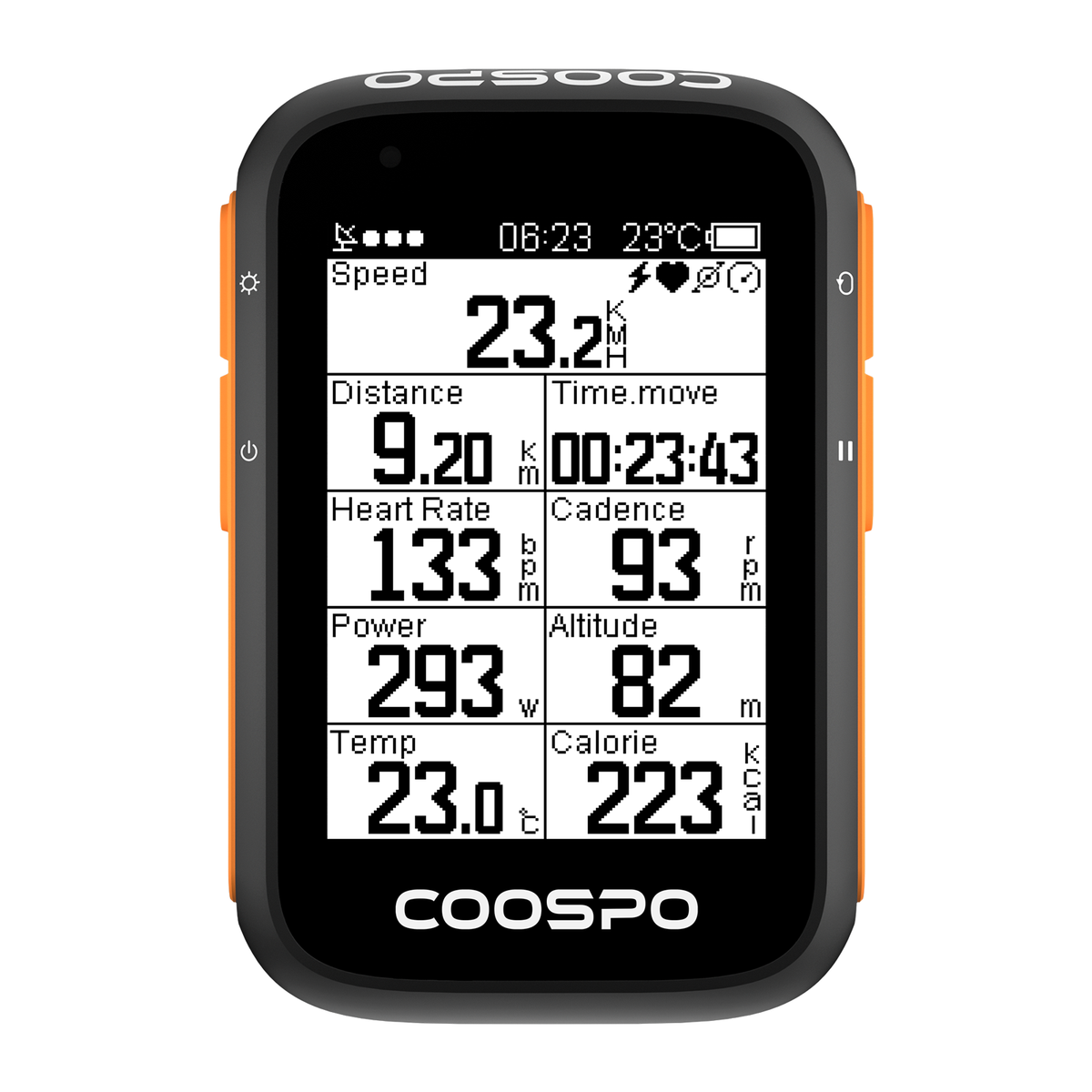
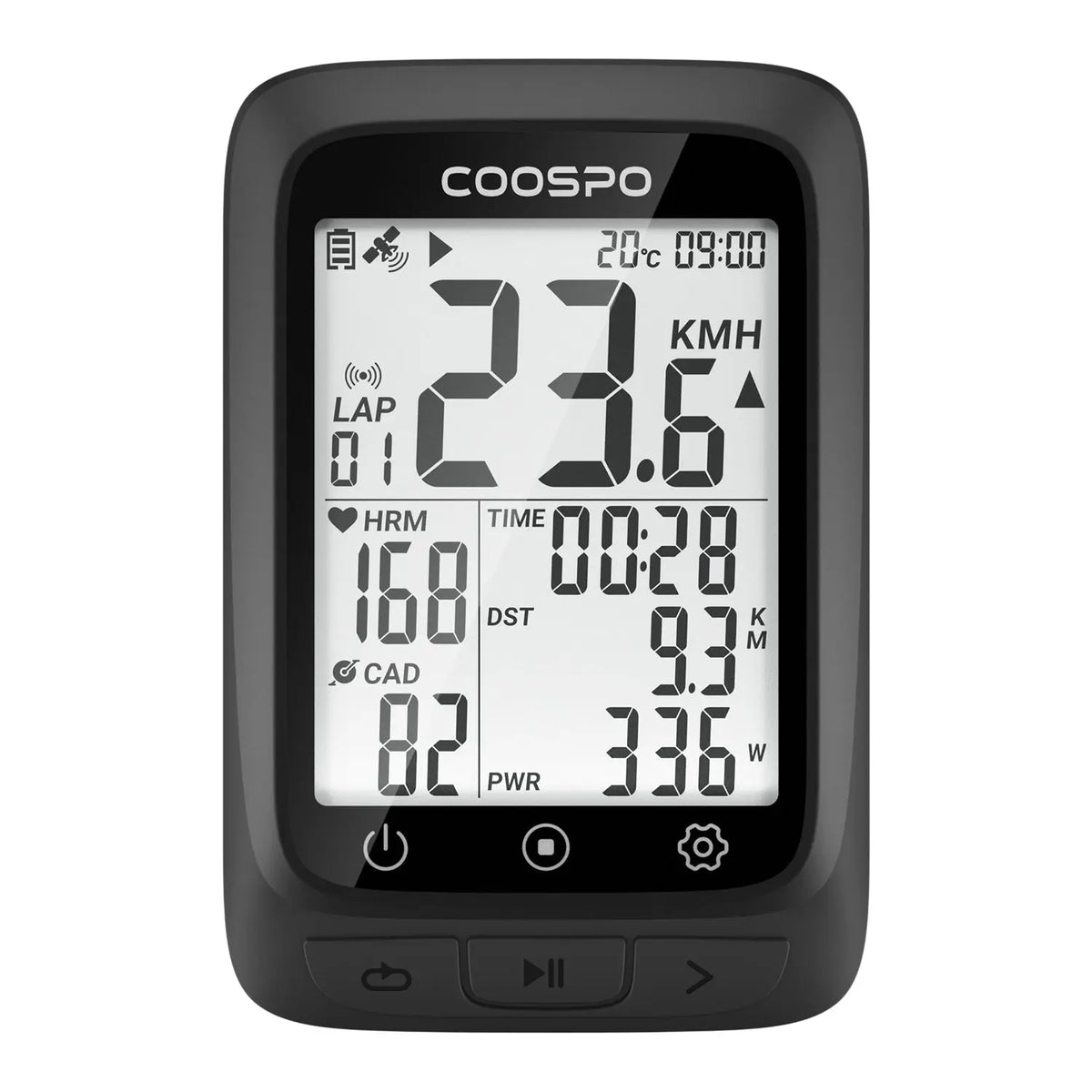
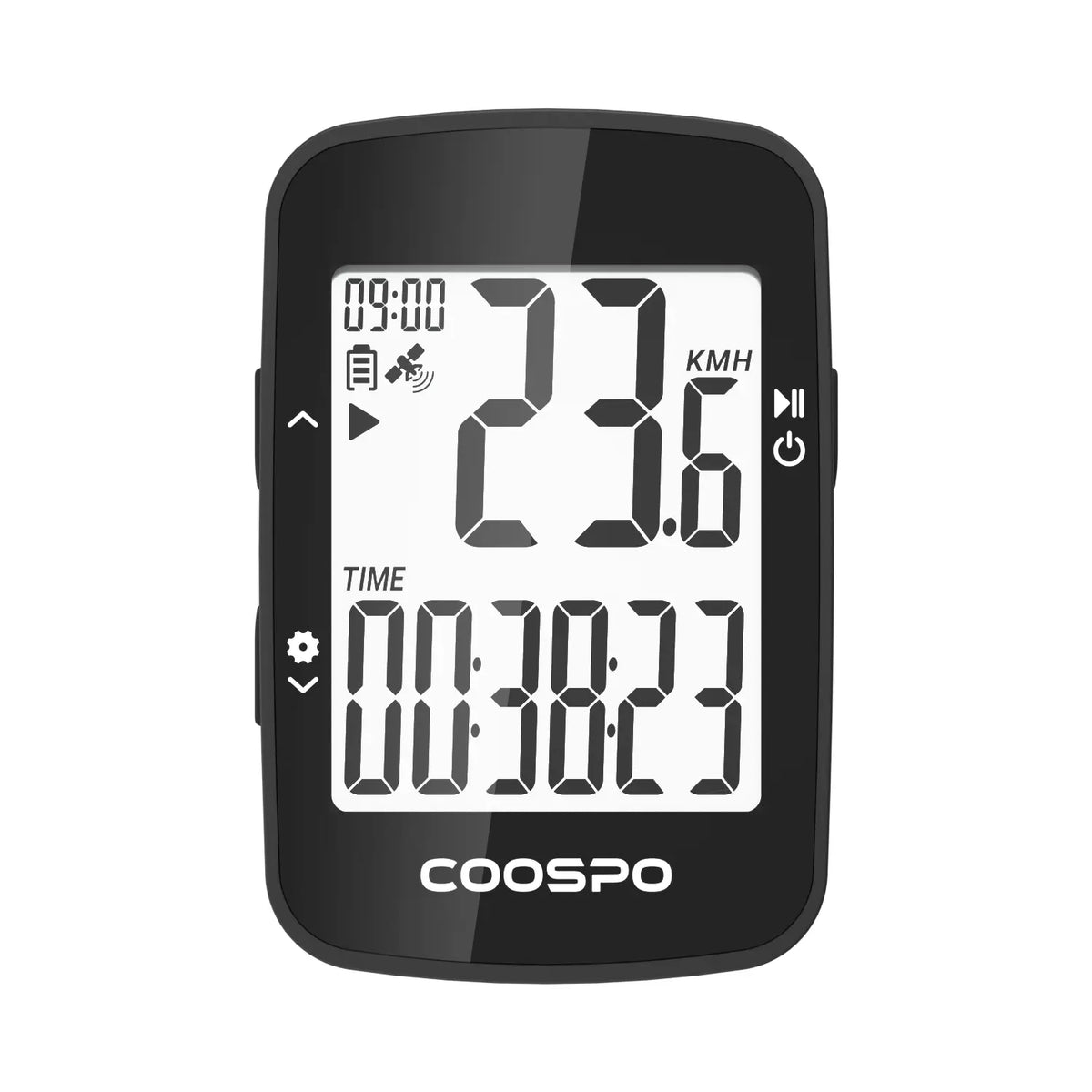
Tracking simple metrics like time, distance, and heart rate can quietly reveal this progress over weeks and months. Not as a competition — just as a way to understand how your body responds to riding.
Purposeful Training
For riders preparing for races or challenging themselves, goals often come with structure—but structure doesn't mean a rigid training plan.
Purposeful training means understanding the purpose of your ride today.
Break large goals down into smaller, more realistic steps to make them easier to achieve:
Take longer rides on weekends to improve endurance.
Train with control during the week.
Learn when to go all out and when to slow down appropriately.
Here are two common areas of focus in training where purposeful training makes a significant difference.
How to Train for Climbing
Climbing ability isn’t built only on steep roads. It’s built through repeated, controlled effort.
Start by identifying a familiar climb — something you can ride regularly without overwhelming fatigue.
A simple climbing-focused session might look like this:
Warm up for 15–20 minutes at an easy pace
Ride the climb at a steady, sustainable effort
Focus on smooth cadence rather than speed
Recover fully on the descent
Repeat 2–4 times depending on fitness level
Over time, progress shows up in subtle ways: lower heart rate at the same effort, smoother pacing, and less fatigue at the top.
Tracking elevation gain, cadence, and heart rate helps you compare efforts week to week — not to chase numbers, but to confirm improvement.

Using Heart Rate to Guide Training
Heart rate training isn't complicated.
Simply put, heart rate can be used as a reference for training intensity:
High-intensity training won't inadvertently turn into over training.
Most cyclists find that dividing training intensity into three broad zones is more beneficial than finer percentages:
Easy: A comfortable, conversational pace for recovery and basic riding.
Moderate: Controlled intensity, sustainable but focused.
High-intensity: Short bursts of high-intensity training where breathing becomes rapid.
By keeping easy riding within the easy zone and limiting high-intensity training to specific training programs, cyclists typically recover better and maintain a stable state for longer.
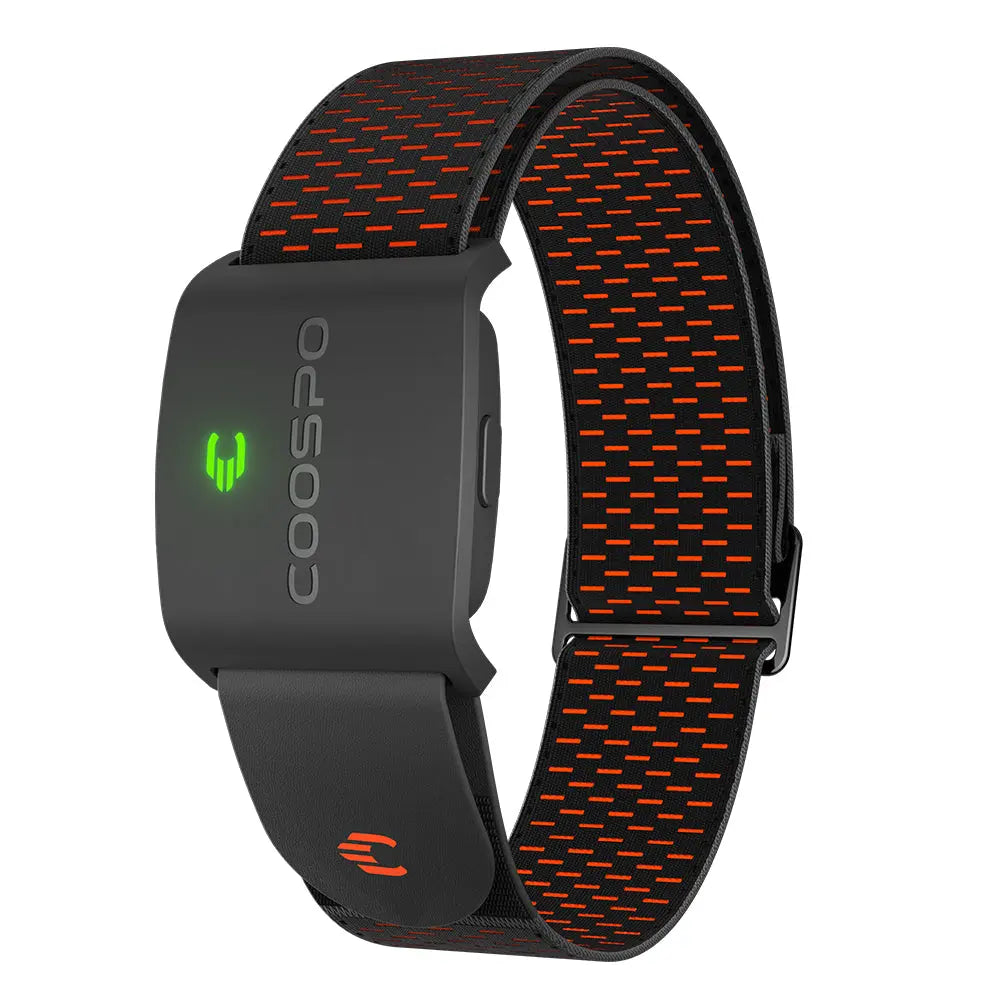
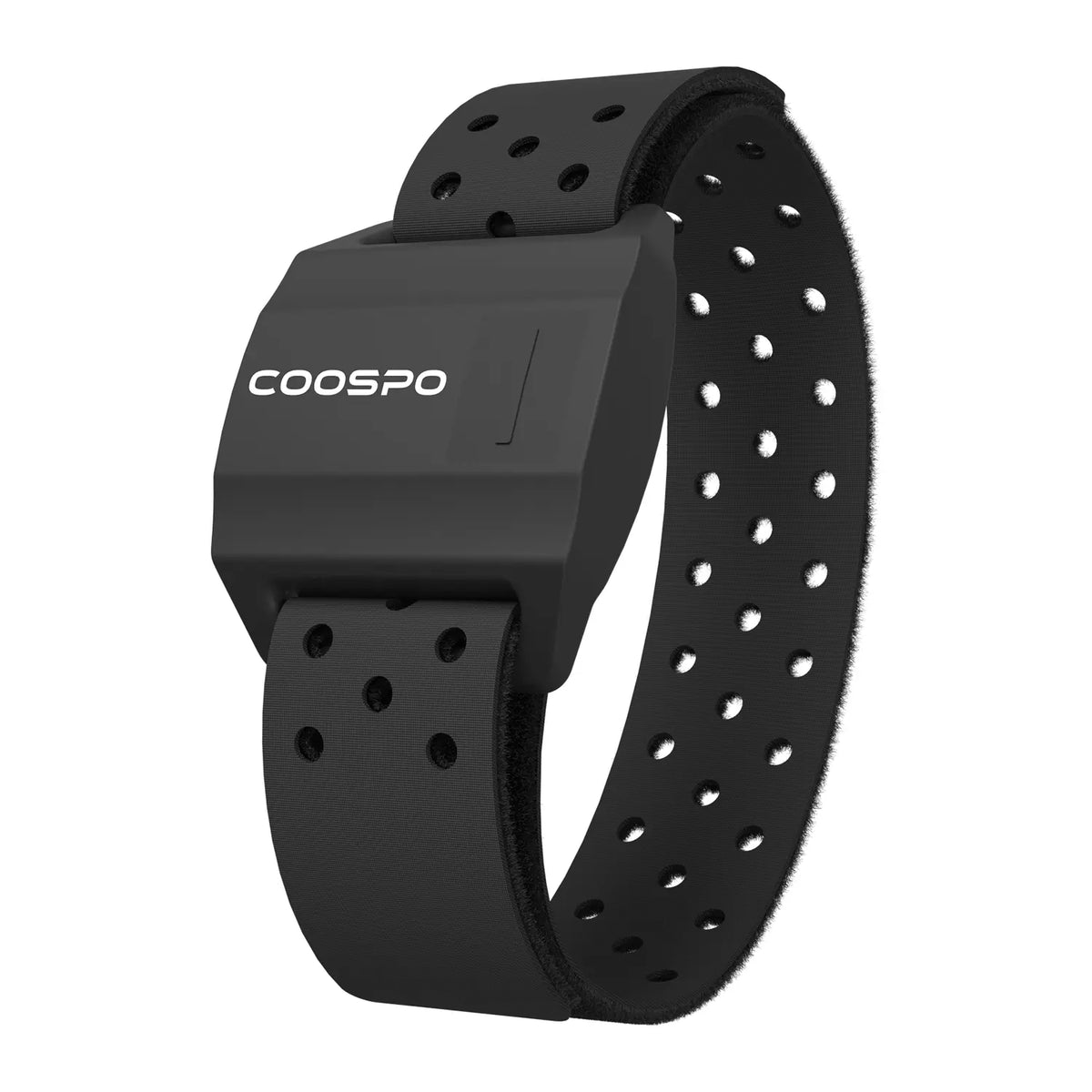
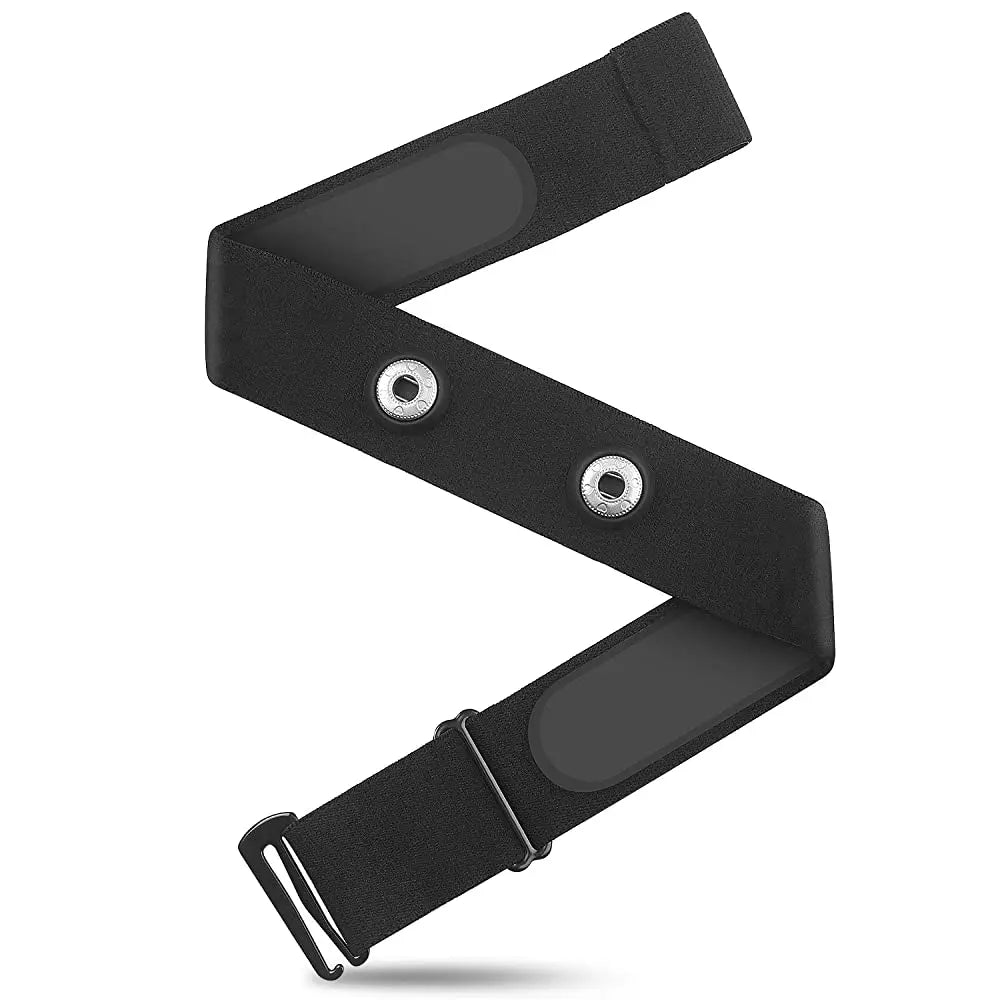
Heart rate monitors, used in conjunction with bike computers, can keep heart rate feedback in the background, silently confirming training intensity without influencing the ride.

Let Progress Be Simple
One of the most common mistakes cyclists make is tracking too much data.
You don't need to record every metric on every ride. Just focus on those that help you achieve your goals:
Distance and time, for maintaining riding consistency.
Heart rate, for assessing exercise intensity and recovery.
Altitude, for climb-focused rides.
Over time, you'll see patterns emerge in your training. Riding will feel smoother, and exercise intensity will be easier to control. That's progress—even if the data doesn't change significantly.

Check In, Not Constantly
Progress isn't a linear process, and it doesn't require daily evaluation.
A quick review every few weeks is sufficient:
Have you increased your cycling frequency?
Do you feel more relaxed than before?
How was your recovery between rides?
If anything feels off, make adjustments. The goal is guidance, not rules.
A Year of Better Rides
The goal of cycling isn't to achieve perfection or turn every ride into a training session, but rather to ride with greater awareness and purpose.
With simple goals and quiet record-keeping, each ride becomes part of a larger blueprint.
By the end of the year, progress often manifests in ways that numbers cannot fully capture—confidence, comfort, and the pure joy that cycling itself brings.
When Motivation Fades (And Why That’s Normal)
Almost every cyclist experiences a period of low motivation throughout the year. Bad weather, busy work schedules, and postponed rides make it incredibly difficult to regain your rhythm.
This is when goals can quietly come into play.
A simple goal, such as riding twice a week at a relaxed pace, focusing on enjoying the ride, acts as a gentle reminder rather than creating invisible pressure. On days when motivation is low, this goal doesn't demand high performance; it simply requires consistency.
Many experienced cyclists will tell you that consistency is far more important than intensity. Missing a ride doesn't mean failure; it simply means the next ride will be even more important.
Small Goals Create Big Momentum
Big, ambitious goals can be exciting, but they can also feel distant.
That’s why breaking a year into smaller chapters often works better:
Monthly distance targets instead of yearly totals
One longer ride each week instead of constant hard sessions
Seasonal focus shifts — endurance in winter, strength in spring, speed later in the year
Every small success boosts confidence. Confidence is the driving force that keeps every cyclist going.
Using Data as a Mirror, Not a Judge
Cycling data should reflect your riding, not control it.
Used well, data offers quiet feedback:
Your heart rate stays lower on familiar climbs
Recovery happens faster after long rides
Effort feels smoother and more controlled
Used poorly, it becomes noise.
The key is intention. Decide before the ride what matters today. Some rides are for numbers. Others are for fresh air and movement. Both count.

Listening to Your Body Throughout the Year
Goals work best when they adapt.
Seasonal fatigue, stress, and life changes all influence how your body responds to training. Paying attention to heart rate trends, perceived effort, and recovery can help you recognize when it’s time to push — and when it’s time to rest.
Many riders discover that the most sustainable progress comes from respecting these signals rather than fighting them.
Riding Into the New Year With Intention
The best cycling experiences aren't perfect; they're what pave the way for your next step forward.
These experiences allow for dealing with bad weather, missed rides, and unexpected detours, both on the road and in life. They remind you that progress is built up with each ride, each season.
Over time, your goals may change. This doesn't mean all your previous efforts were wasted; it's a sign that you're paying attention to your body.
Most importantly, keep cycling—with curiosity, patience, and enjoyment.
Because ultimately, cycling isn't just about numbers; it's about how you integrate it into your life and why you return to it time and time again.


Leave a comment
This site is protected by hCaptcha and the hCaptcha Privacy Policy and Terms of Service apply.