















![[2 Pack] Coospo Breathable Neck Gaiter Face Scarf Mask COOSPO](http://www.coospo.com/cdn/shop/files/106de7b046babc03aa610173af6e31aa_599da3fe-9907-4b1e-8eb0-f08b3032720b.png?v=1720591174&width=1600)


![[4 Pack] Coospo Soft Breathable Chilly Towel, Microfiber Towel COOSPO](http://www.coospo.com/cdn/shop/files/1_904094cc-62ee-40e9-aa21-415effb385b4.png?v=1720527561&width=1600)

Pendant des décennies, les cyclistes sur route ont cru à une règle simple : Les pneus plus petits sont plus rapides.
Les coureurs professionnels utilisaient des pneus étroits. Les vélos légers privilégiaient une résistance au roulement minimale. De nombreux cyclistes considéraient qu'un pneu de 23 ou 25 mm était le choix idéal pour la vitesse. Mais le cyclisme a changé.
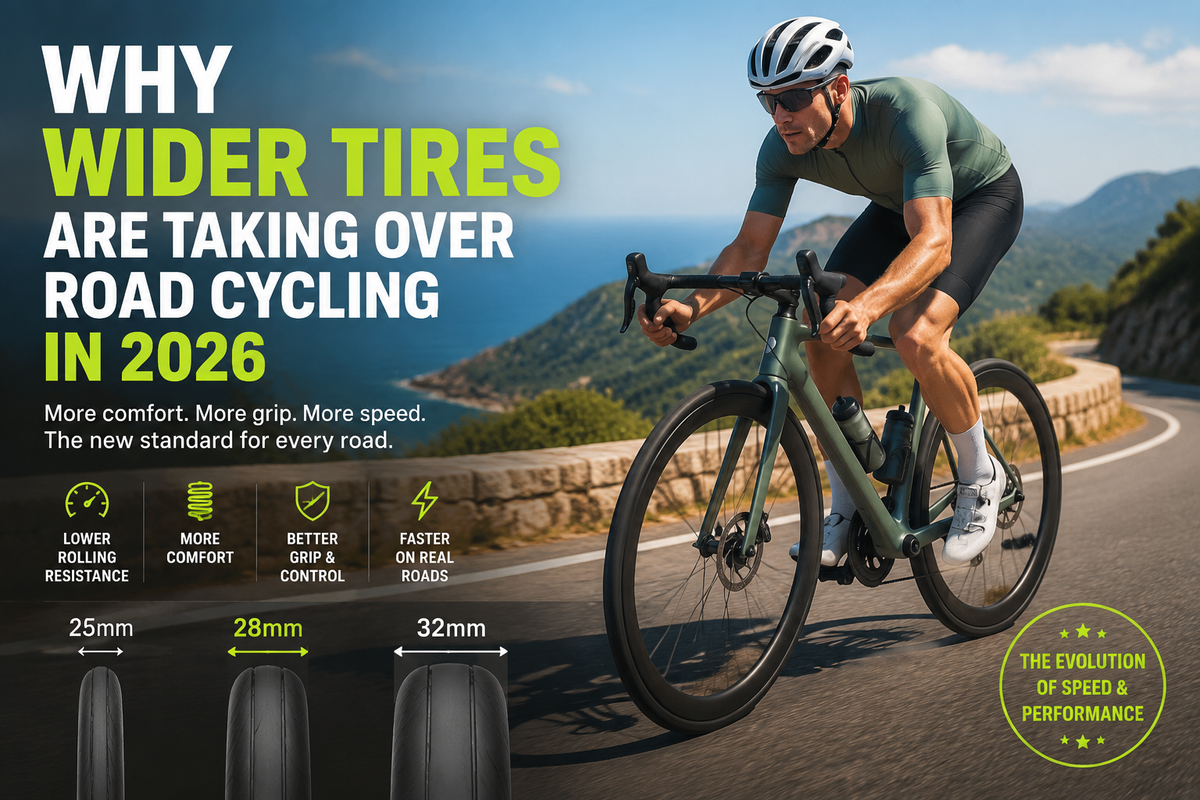
Aujourd'hui, de plus en plus de cyclistes, des professionnels aux amateurs, optent pour des pneus plus larges. Les pneus de 28 mm sont devenus la nouvelle norme pour de nombreux vélos de route, tandis que les configurations de 30 mm et même de 32 mm deviennent de plus en plus courantes. Alors pourquoi les cyclistes choisissent-ils des pneus plus larges ? Les pneus plus larges sont-ils réellement plus rapides ? Ou bien les motards privilégient-ils simplement le confort à la performance ??La réponse est plus intéressante que vous ne le pensez.
L'évolution de la largeur des pneus de vélo de route
Pour comprendre pourquoi les pneus plus larges gagnent en popularité, il est utile d'examiner comment le cyclisme sur route a évolué.
Les années 1990-2000 : les pneus étroits étaient la norme
Pendant de nombreuses années, les cyclistes professionnels sur route ont couramment utilisé :
· 19 mm
· 21 mm
· Pneus de 23 mm


L'idée était simple :
· Moins de caoutchouc signifie moins de poids.
· Une pression plus élevée signifie une déformation moindre.
· Une surface de contact plus petite signifie une résistance au roulement moindre.
Cela se justifiait compte tenu de la technologie disponible à l'époque.
Aujourd'hui : Le secteur a changé
Les recherches modernes et les tests en conditions réelles ont changé la façon dont les cyclistes perçoivent les pneus. Les équipes professionnelles et les fabricants ont découvert que des pneus plus larges pouvaient offrir :
· Résistance au roulement réduite sur les routes réelles
· Meilleure prise en main
· Confort amélioré
· Plus de contrôle dans les virages et les descentes
Le résultat ? Le monde du cyclisme est progressivement passé de :
28mm → 30mm → 35mm → 40mm
Les pneus plus larges sont-ils vraiment plus rapides ?
C'est l'une des questions que se posent le plus souvent les cyclistes. La réponse, surprenante, est : parfois, c'est effectivement le cas.
Des pneus plus larges n'impliquent pas forcément une vitesse supérieure. Cependant, sur des routes en mauvais état, ils offrent souvent de meilleures performances. En effet, les routes réelles ne sont jamais parfaitement lisses : fines fissures, asphalte rugueux et irrégularités de la chaussée perturbent constamment le confort de conduite. Des pneus plus larges absorbent mieux les vibrations et assurent un meilleur contact avec la route, réduisant ainsi les pertes d'énergie.

Résistance au roulement réduite sur routes réelles
De nombreux cyclistes pensent que les pneus étroits sont plus rapides car ils semblent plus aérodynamiques. Mais la résistance au roulement dépend de bien plus que la largeur du pneu.
Il est affecté par :
· Construction des pneus
· Composé de caoutchouc
· Pression des pneus
· Surface de la chaussée
· Poids du cycliste
Un pneu plus large gonflé à la pression correcte peut en fait rouler plus vite qu'un pneu plus étroit surgonflé.
Le confort ne se résume pas au confort.
L'une des raisons pour lesquelles les cyclistes adorent les pneus plus larges est évidente : Ils se sentent mieux. Mais le confort influe aussi sur les performances.
Un trajet plus fluide signifie :
· Moins de vibrations
· Moins de fatigue musculaire
· Meilleure maîtrise du vélo
· Économies d'énergie accrues lors des longs trajets
Lors d'une épreuve d'endurance de 5 heures, la capacité à rester confortable peut influencer directement votre performance finale. Un cycliste qui se sent frais après 100 km peut maintenir sa puissance beaucoup plus longtemps qu'une personne qui lutte contre les vibrations constantes de la route.
Pourquoi les cyclistes professionnels sont passés à des pneus plus larges
Découvrez les professionnels modernes racing.Many Monde Les équipes de tournée utilisent désormais :
· Pneus de 28 mm
· Systèmes sans chambre à air
· Diminuer la pression des pneus
Ce changement est survenu en raison d'une évolution des conditions de course.
Les races modernes comprennent :
· Routes plus accidentées
· Étapes plus longues
· Des descentes plus techniques
· Conditions météorologiques mitigées
Les pilotes professionnels ont besoin d'un équipement qui fonctionne dans des conditions réelles, et pas seulement sur des pistes d'essai parfaites.

Les pneus plus larges transforment l'expérience de conduite au quotidien.
Cette tendance ne se limite pas aux cyclistes professionnels ; un nombre croissant de cyclistes amateurs optent pour des pneus plus larges en raison des avantages concrets qu'ils offrent.
Plus de confiance
Les pneus plus larges offrent une adhérence supérieure, notamment dans des situations telles que :
Surfaces routières glissantes
Angles aigus
Descentes à grande vitesse
De nombreux cyclistes débutants et intermédiaires remarquent immédiatement cette différence.
Une plus grande polyvalence
Avec des pneus de 30 mm ou 32 mm, les cyclistes peuvent explorer une plus grande variété de terrains.
Un seul vélo peut supporter :
Routes lisses et pavées
Rues de ville accidentées
Chemins de gravier clair
Randonnées d'endurance longue distance
Cela explique pourquoi les vélos de route d'endurance modernes présentent généralement un dégagement de pneu plus important que les modèles plus anciens.
28 mm ou 32 mm : lequel choisir ?
Il n'existe pas de largeur de pneu idéale. Le meilleur choix dépend de votre style de conduite.
|
Largeur des pneus |
Idéal pour |
Avantages |
|
25 mm |
Les coureurs axés sur la compétition |
Léger et aérodynamique |
|
28 mm |
La plupart des cyclistes sur route |
Meilleur équilibre entre vitesse et confort |
|
30 mm |
Les cavaliers d'endurance |
Plus de confort et de contrôle |
|
32 mm |
Routes mixtes/aventure |
Polyvalence maximale |
Pour la plupart des cyclistes d'aujourd'hui, 28 mm est le choix le plus sûr et le plus polyvalent.
Il offre :
· Excellente efficacité
· Un confort supérieur aux pneus étroits traditionnels
· Compatibilité avec la plupart des vélos de route modernes
La pression des pneus est plus importante que leur largeur.
Une erreur fréquente chez les cyclistes est de passer à des pneus plus larges tout en conservant les anciennes recommandations de pression. Or, les pneus plus larges offrent généralement de meilleures performances à basse pression. Leurs avantages sont les suivants :
Meilleur contact routier
Plus de confort
Vibrations réduites
Adhérence supérieure
La philosophie moderne du cyclisme s'éloigne de l'idée dépassée selon laquelle « une pression plus élevée équivaut à une vitesse plus élevée ». L'objectif est désormais de trouver la pression optimale en fonction de :
Poids du cycliste
Largeur du pneu
État des routes
Style de conduite
Comment les données vous aident à trouver la configuration idéale
Modifier la largeur des pneus a un impact sur :
Vitesse
Confort
Manutention
Dépenses énergétiques
Cependant, de nombreux cyclistes se fient uniquement à leurs sensations pour évaluer ces changements. Une meilleure approche consiste à analyser les données de leurs sorties.
En analysant :
Puissance de sortie
fréquence cardiaque
vitesse moyenne
Conditions de conduite
Vous pouvez ainsi comparer différentes configurations de manière plus objective. Par exemple : les pneus de 32 mm vous ont-ils réellement ralenti ? Ou vous ont-ils permis de maintenir votre puissance plus longtemps lors d’une longue sortie ?
Les données révèlent la différence.
Pneus larges et technologie cycliste moderne
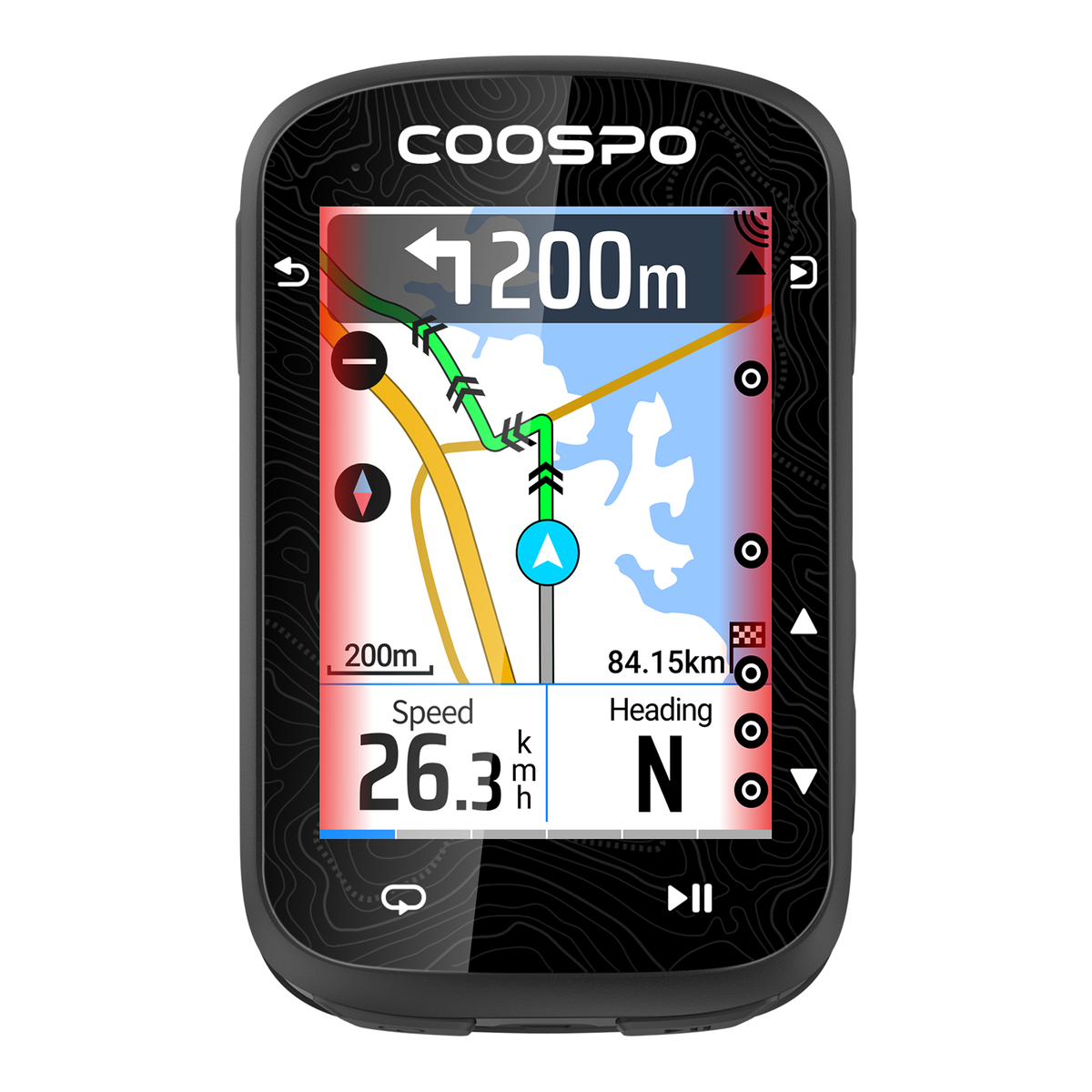
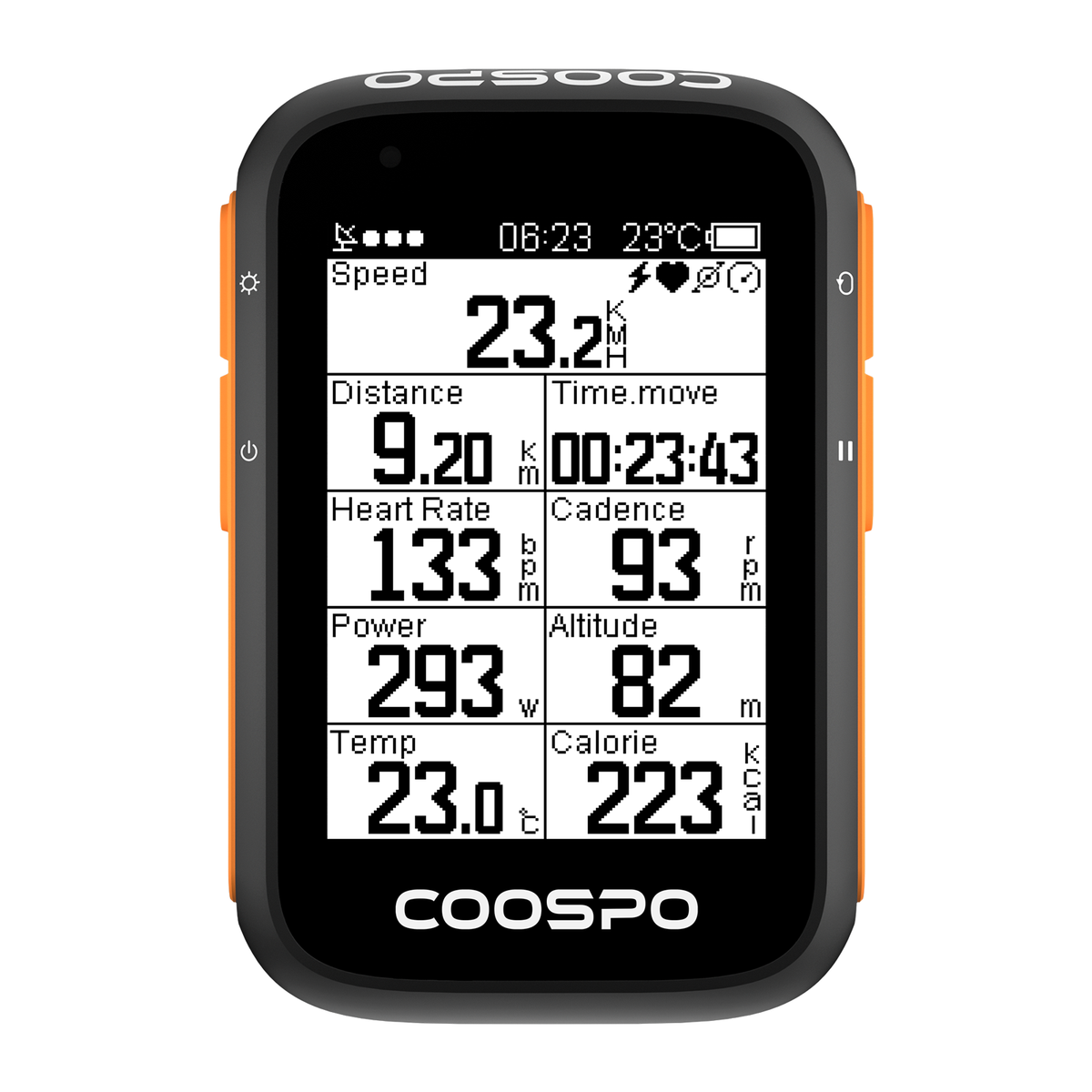
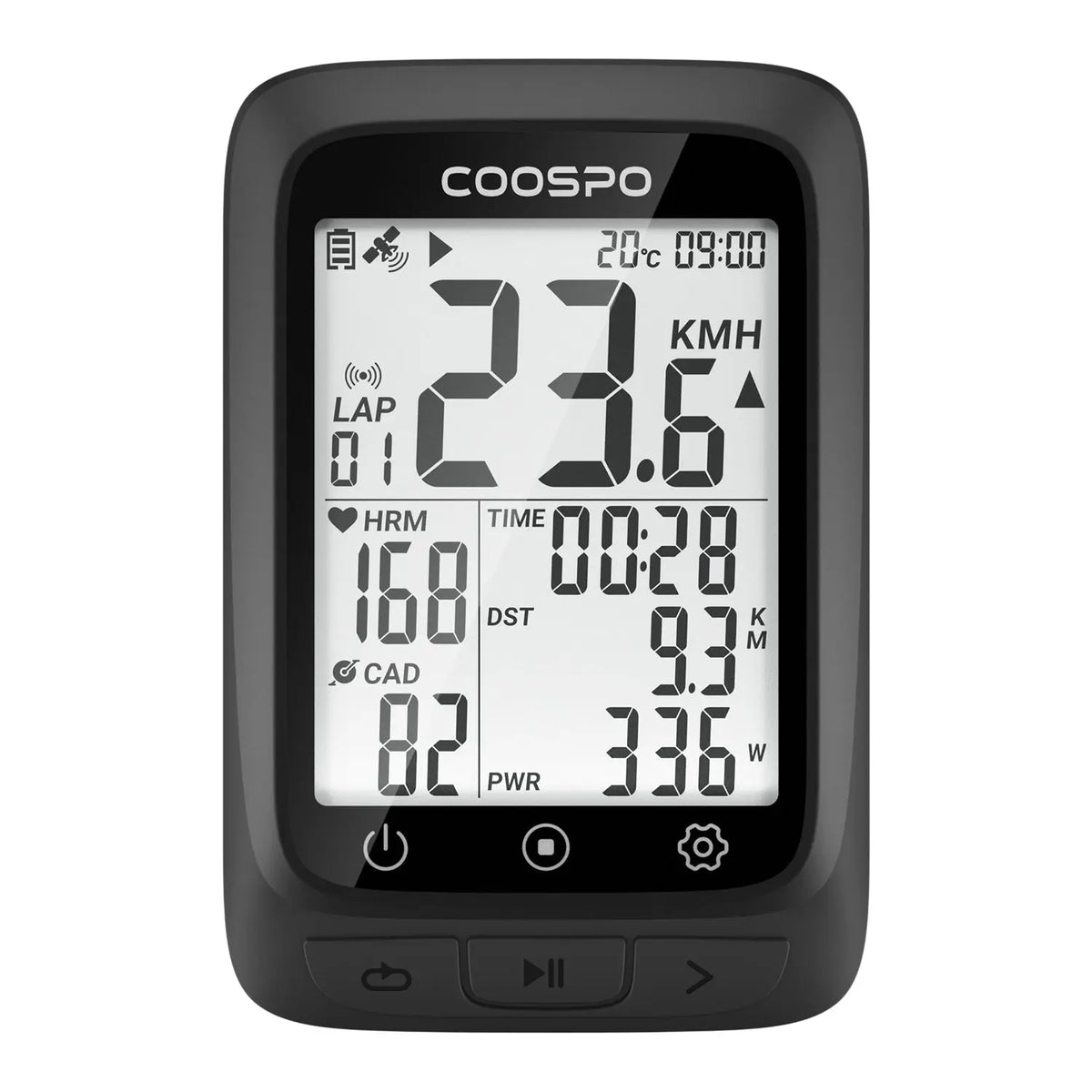
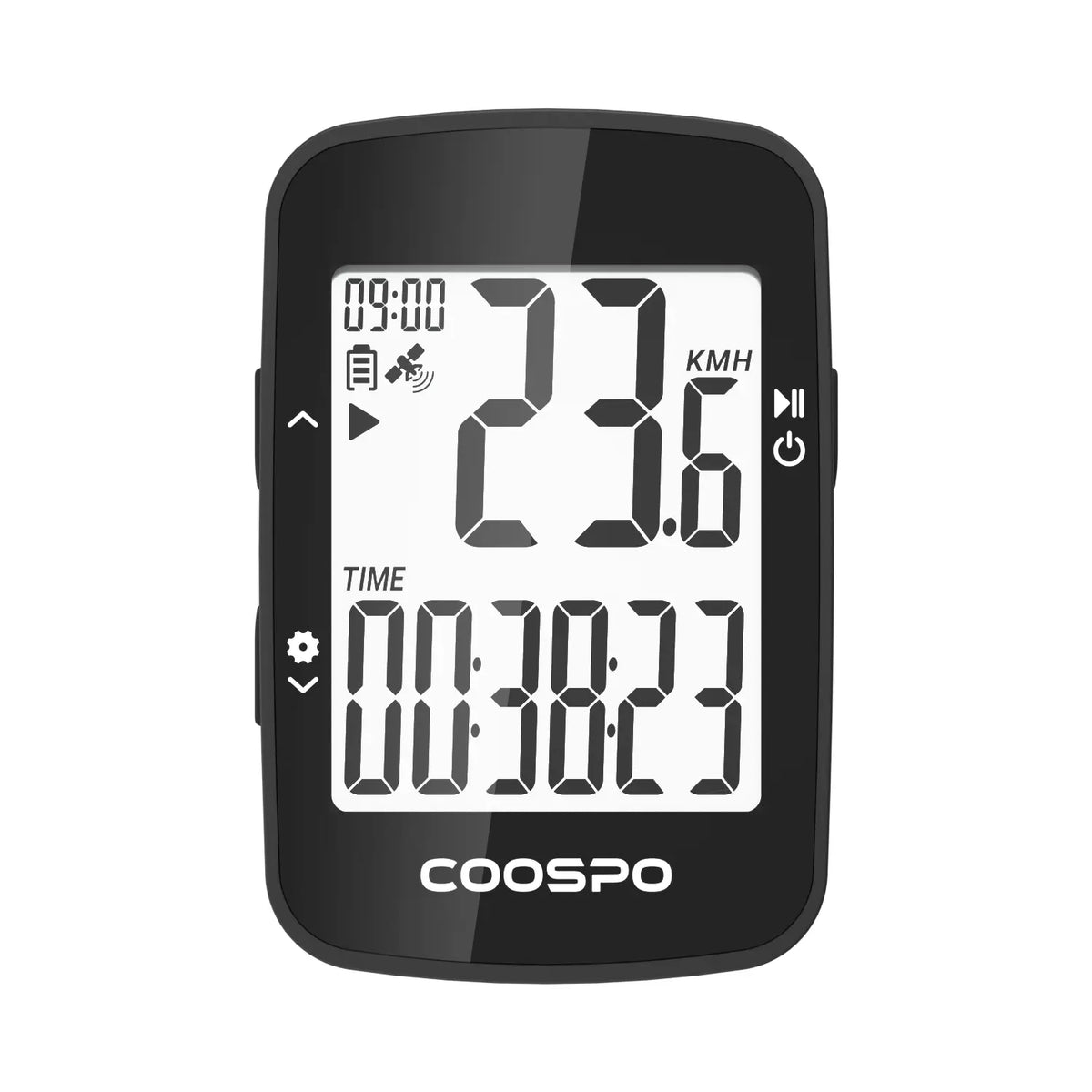
Avec la diversification des capacités des vélos, les cyclistes accordent une importance croissante au suivi précis des données.. Les compteurs GPS pour vélos aident les cyclistes à surveiller :
fluctuations de vitesse
Distance
Élévation
intensité d'entraînement
Les wattmètres offrent des informations encore plus approfondies. Au lieu de vous demander « Pourquoi étais-je plus lent aujourd'hui ? », demandez-vous plutôt « Ai-je produit la même puissance avec moins de fatigue ? ». Cette approche est particulièrement utile lors de tests de modifications d'équipement, comme le changement de pneus ou de roues, ou l'ajustement de votre position de conduite.
Dernières réflexions: Larger Les pneus sont la nouvelle norme
L'essor des pneus larges ne signifie pas que les pneus étroits sont à proscrire ; il reflète simplement l'évolution de la technologie cycliste. Les cyclistes modernes savent que la vitesse ne se résume pas à réduire le poids ou la taille des composants. La véritable performance repose sur un équilibre :
Efficacité
Confort
Manutention
Fiabilité
Pour la plupart des cyclistes en 2026, un vélo équipé de pneus larges offre le compromis idéal. Que ce soit pour la compétition, les trajets quotidiens ou l'exploration de nouveaux itinéraires, la question n'est plus : « Pourquoi les cyclistes optent-ils pour des pneus plus larges ? »
La question qu'il convient de se poser maintenant est la suivante :
« Quelle doit être la largeur de vos pneus ? »




Laisser un commentaire
Ce site est protégé par hCaptcha, et la Politique de confidentialité et les Conditions de service de hCaptcha s’appliquent.