















![[2 Pack] Coospo Breathable Neck Gaiter Face Scarf Mask COOSPO](http://www.coospo.com/cdn/shop/files/106de7b046babc03aa610173af6e31aa_599da3fe-9907-4b1e-8eb0-f08b3032720b.png?v=1720591174&width=1600)


![[4 Pack] Coospo Soft Breathable Chilly Towel, Microfiber Towel COOSPO](http://www.coospo.com/cdn/shop/files/1_904094cc-62ee-40e9-aa21-415effb385b4.png?v=1720527561&width=1600)


Un vélo neuf procure une sensation parfaite dès la première sortie.
Le passage des vitesses est fluide.
Les freins sont mordants.
Les pneus roulent sans effort.
Mais chaque trajet change lentement la donne.
La poussière s'accumule. Les chaînes se salissent. La pression des pneus diminue. Les composants s'usent.
Beaucoup de cyclistes pensent que l'entretien d'un vélo est une affaire qui ne concerne que les mécaniciens expérimentés.
La vérité ?
L'entretien de base de votre vélo est l'un des moyens les plus simples de le rendre plus rapide, plus sûr et plus fiable.. Vous n'avez pas besoin d'un atelier professionnel ni d'outils coûteux pour maintenir votre vélo en excellent état.. Quelques habitudes simples permettent de prévenir la plupart des problèmes avant qu'ils ne surviennent.
Pourquoi l'entretien régulier de votre vélo est important
Un vélo bien entretenu vous offre :
Meilleures performances
Une chaîne propre et des composants correctement réglés réduisent les pertes d'énergie.
Durée de vie des composants prolongée
Remplacer une chaîne usée coûte beaucoup moins cher que de remplacer toute la transmission.
Plus de sécurité
Des problèmes de freins, des pneus usés et des boulons desserrés peuvent devenir de sérieux problèmes lors d'une sortie à vélo.
Plus de confiance
Savoir que votre vélo est prêt vous permet de vous concentrer sur le plaisir de la balade.
1. Vérifiez la pression de vos pneus avant chaque trajet.
La pression des pneus est l'un des aspects les plus négligés du cyclisme. De nombreux cyclistes dépensent des milliers d'euros en roues légères et en composants haut de gamme, mais oublient une chose simple : Leurs pneus sont sous-gonflés.
Une pression de pneu insuffisante peut entraîner :
résistance au roulement plus élevée
Risque accru de crevaison
mauvaise gestion
Usure accrue des pneus
Une pression excessive peut également engendrer des problèmes :
Confort réduit
Moins d'adhérence
Vibrations accrues sur les routes accidentées
La pression idéale dépend de :
Largeur du pneu
Poids du cycliste
État des routes
Type de pneu
Un simple contrôle de la pression avant chaque sortie ne prend que quelques secondes, mais peut améliorer considérablement votre expérience de conduite.
Conseil: Les pneus plus larges fonctionnent généralement mieux à des pressions plus basses que les pneus étroits traditionnels.
2. Nettoyez régulièrement votre transmission.
Votre transmission, c'est là où votre puissance se transforme en mouvement. Il comprend :
Chaîne
Cassette
Plateaux
Dérailleurs
Avec le temps, la saleté et le vieux lubrifiant créent des frottements. Une transmission encrassée peut entraîner :
Changements bruyants
Changements de vitesse médiocres
Usure plus rapide des composants
Une routine simple : unaprès des trajets poussiéreux ou mouillés :
Essuyez la chaîne
Enlever les saletés visibles
Réappliquez du lubrifiant si nécessaire
Toutes les quelques semaines :
Nettoyage en profondeur de la chaîne et de la cassette
Vérifiez l'usure anormale
Une transmission propre n'est pas seulement plus esthétique, elle est aussi plus performante.

3. Inspectez votre système de freinage
Vos freins sont votre élément de sécurité le plus important. Avant les longs trajets, vérifiez :
Freins à disque :
Les rotors sont-ils propres ?
Entendez-vous des bruits inhabituels ?
Le freinage vous semble-t-il constant ?
Freins sur jante :
Les plaquettes de frein sont-elles usées ?
Sont-ils correctement alignés ?
Le contact avec le bord est-il uniforme ?
Si votre distance de freinage augmente, ne l'ignorez pas. De petits problèmes de freins peuvent devenir des problèmes de sécurité majeurs lors de descentes abruptes.

4. Vérifiez l'usure de votre chaîne
Beaucoup de cyclistes attendent que leur chaîne commence à faire du bruit. À ce moment-là, les dégâts seront peut-être déjà en cours.
Une chaîne usée peut accélérer l'usure des éléments suivants :
· Cassette
· Plateaux
· Composants du dérailleur
Un contrôle régulier de la chaîne vous permet de remplacer les pièces avant que des dommages coûteux ne surviennent. Pour les cyclistes qui s'entraînent régulièrement, vérifier l'usure de la chaîne tous les quelques centaines de kilomètres est une bonne habitude.

5. Gardez votre vélo propre
Vous n'avez pas besoin de laver votre vélo après chaque sortie. Mais un nettoyage régulier permet d'éviter les problèmes à long terme.
Portez une attention particulière à Zone de la chaîne, composant de freinage, surfaces des roues et articulations du cadre. Après avoir roulé dans Pluie, boue, routes de gravier poussiéreuses : un nettoyage rapide est fortement recommandé. L'eau et la saleté comptent parmi les plus grands ennemis des composants de vélo.

6. Vérifiez l'état de vos pneus.
Vos pneus sont le seul point de contact entre votre vélo et la route. Avant de monter à bord, vérifiez les points suivants :
· Coupes
· Fissures
· Verre ou pierres incrustées
· Usure excessive
Remplacer les pneus usés avant qu'ils n'éclatent est beaucoup plus sûr que de devoir faire face à une crevaison loin de chez soi.

7. Vérifier les boulons et les connexions
Les vélos modernes utilisent de nombreux composants légers. De petits problèmes peuvent apparaître au fil du temps en raison des vibrations. Vérifiez régulièrement :
· boulons de guidon
· Boulons de tige
· boulons de selle
· boulons de porte-bidon
· Pédales
Cependant, évitez de tout serrer au hasard. Un serrage excessif peut endommager les composants en carbone. L'utilisation d'une clé dynamométrique est recommandée pour les pièces sensibles.

8. Entretenez vos accessoires de cyclisme
Votre vélo n'est pas le seul équipement qui nécessite un entretien. Les cyclistes oublient souvent :
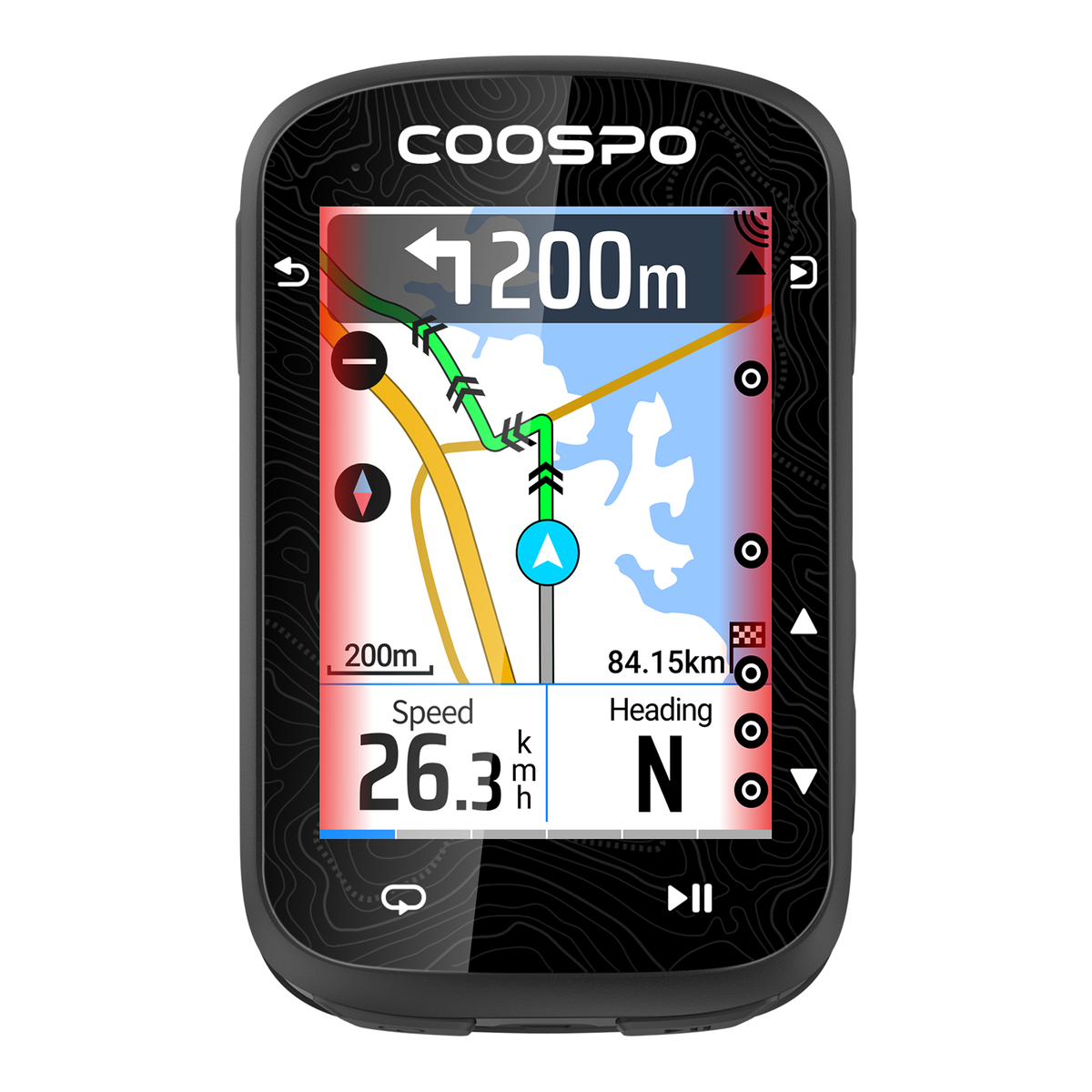
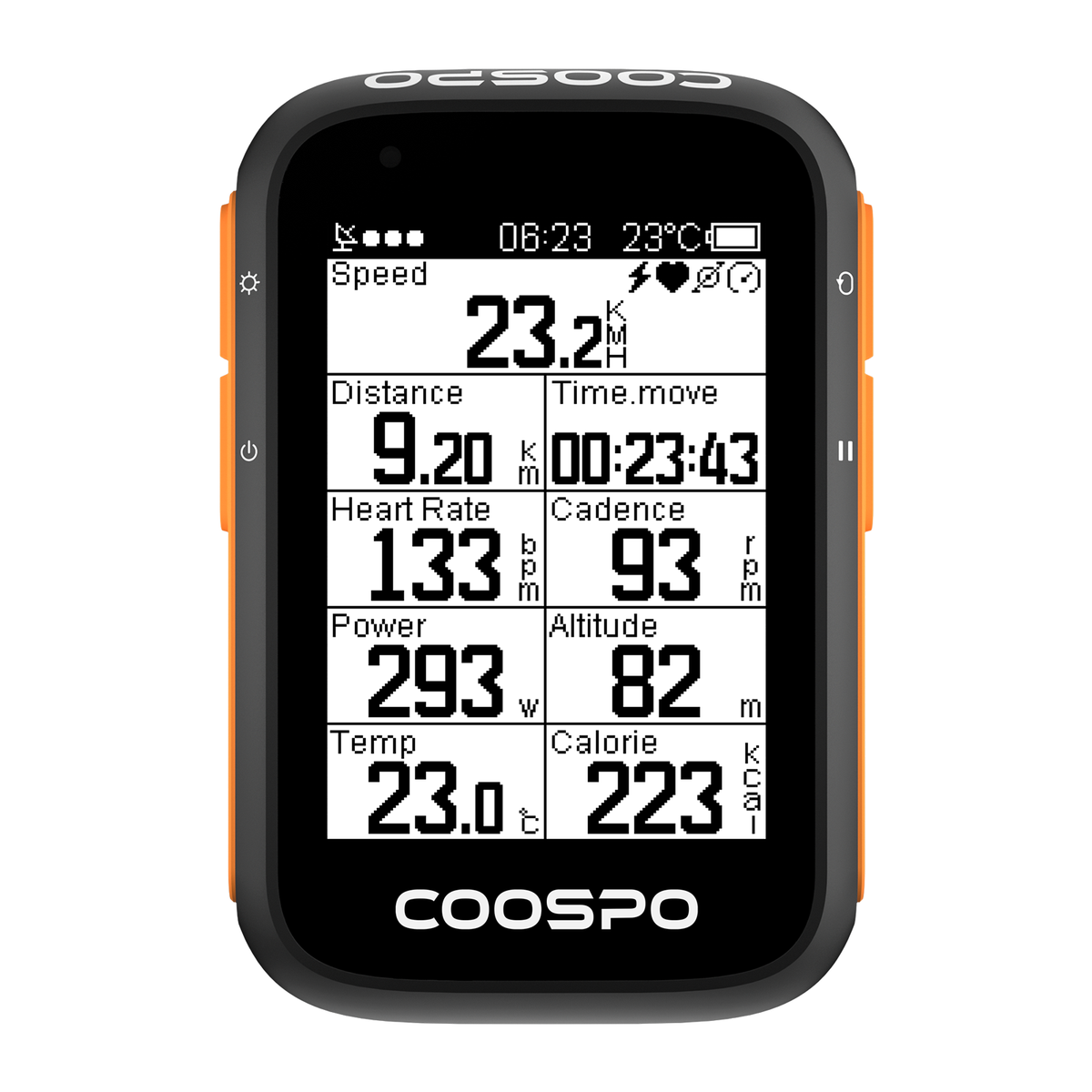
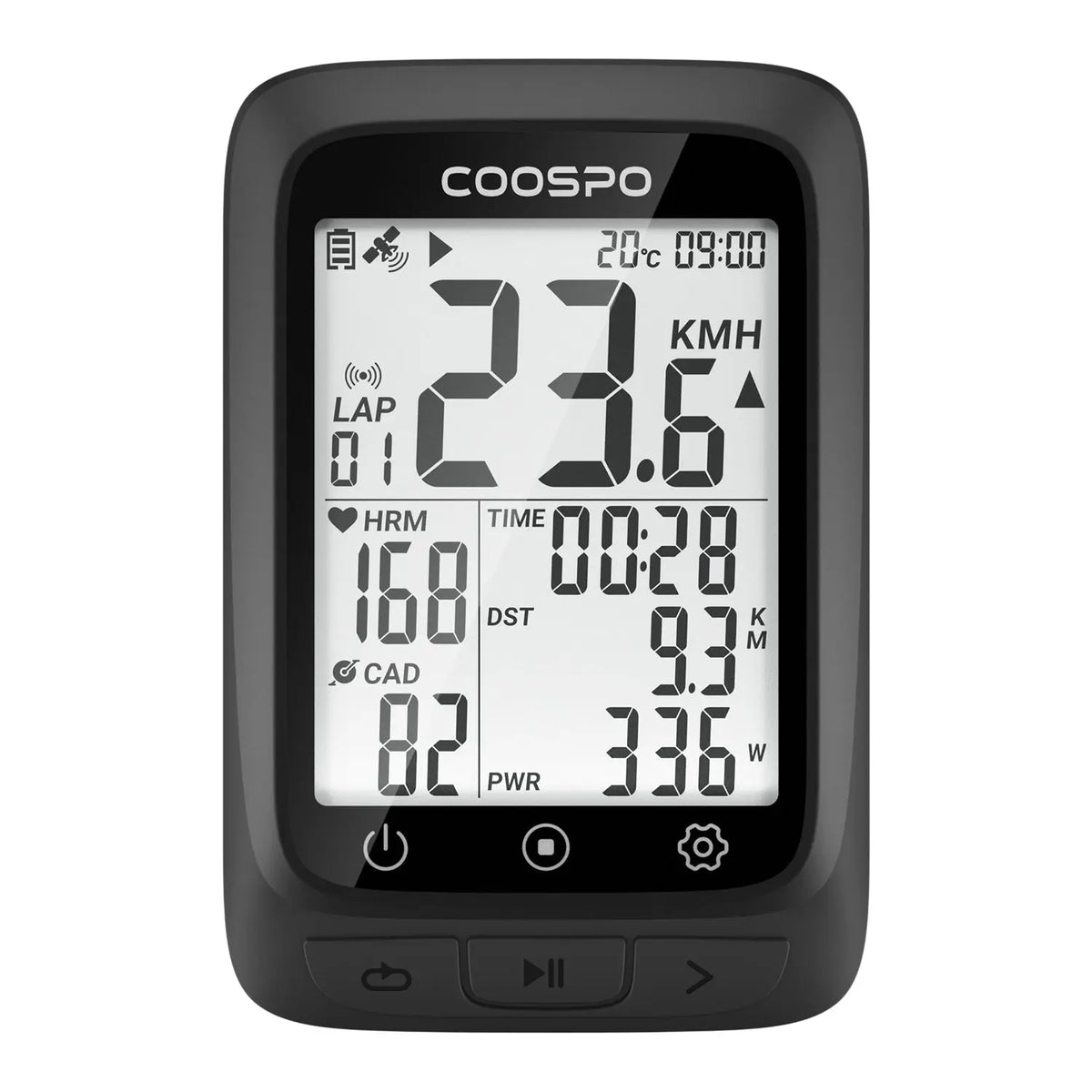
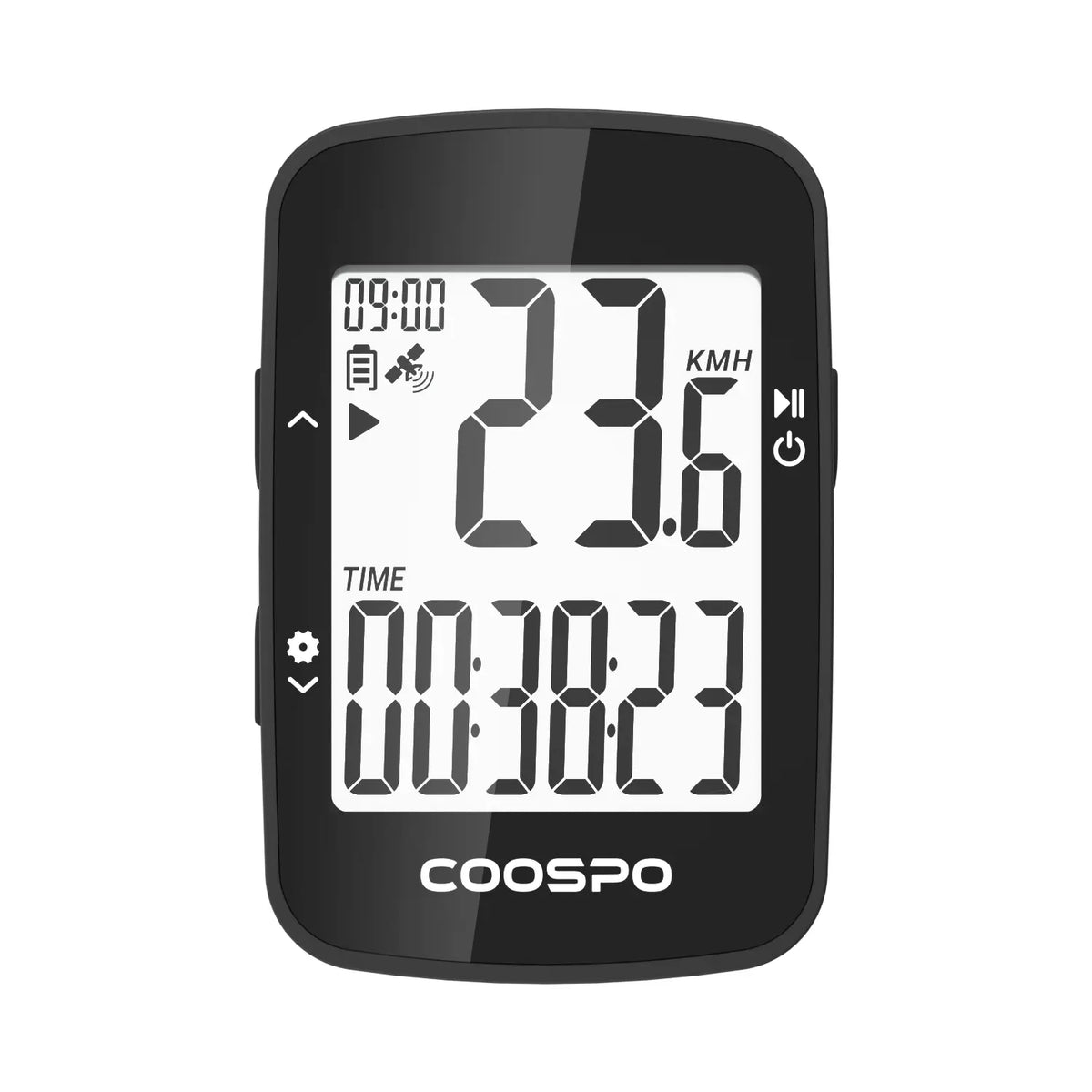
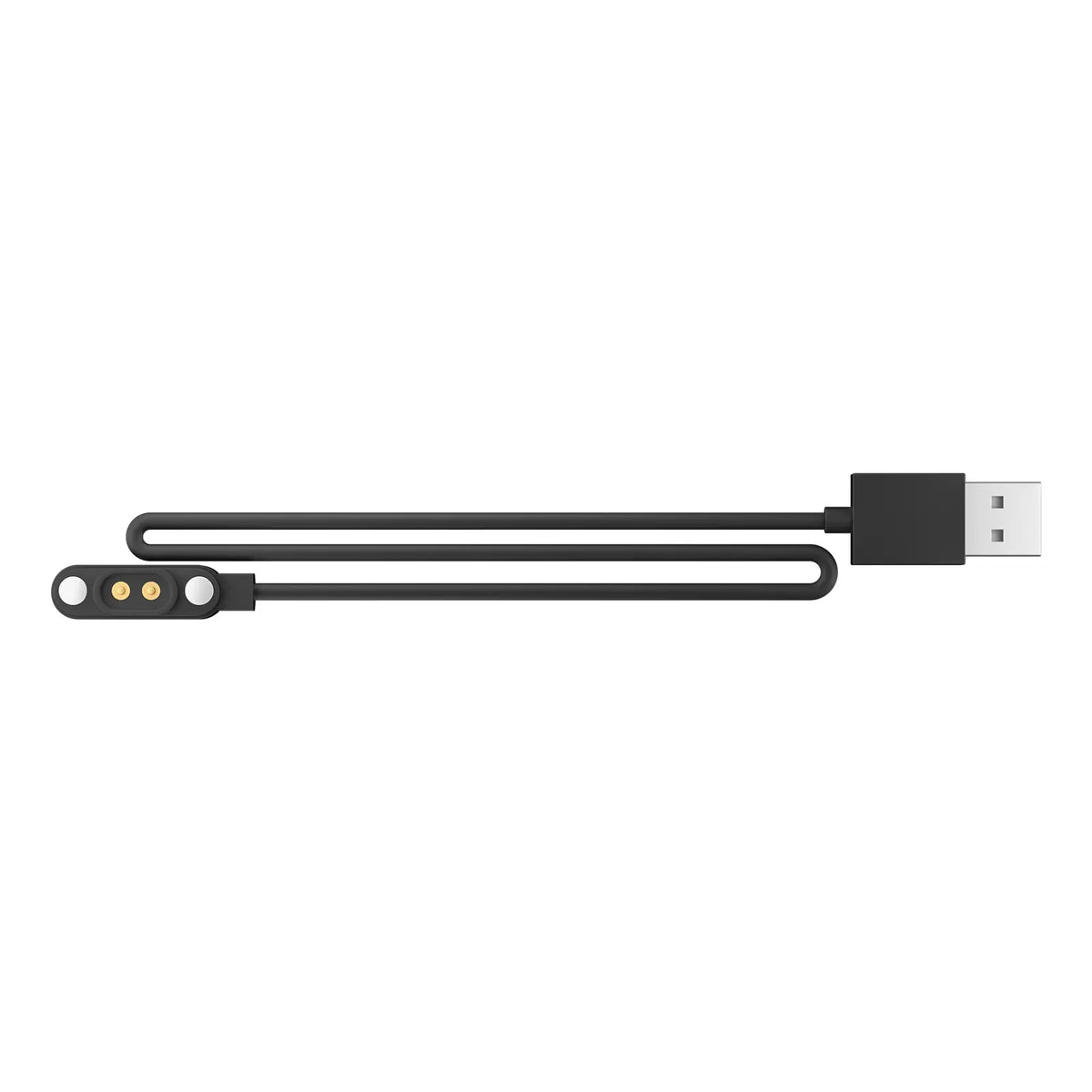
Ordinateur de vélo
Veillez à ce que le port de chargement reste propre et vérifiez régulièrement les mises à jour du micrologiciel.
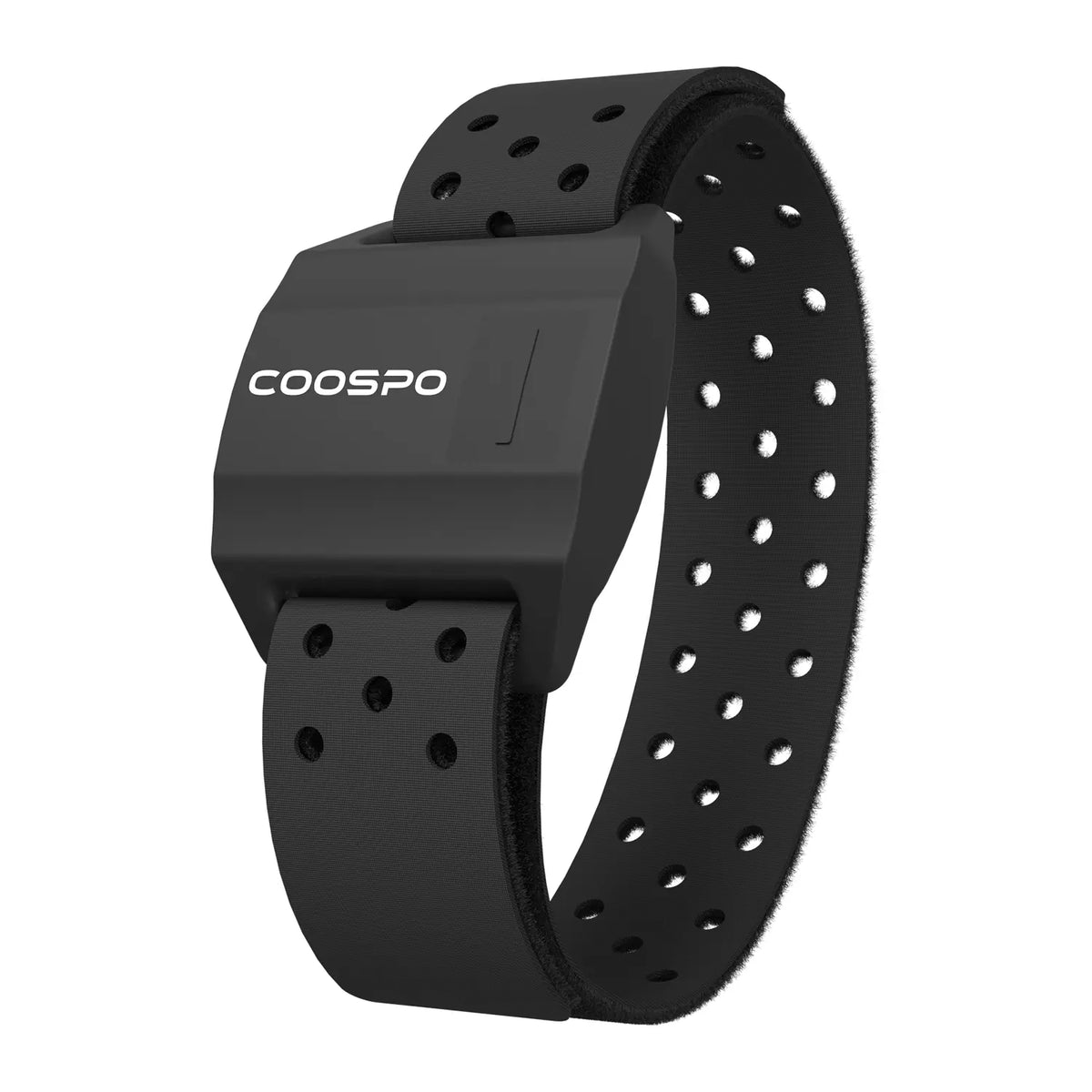
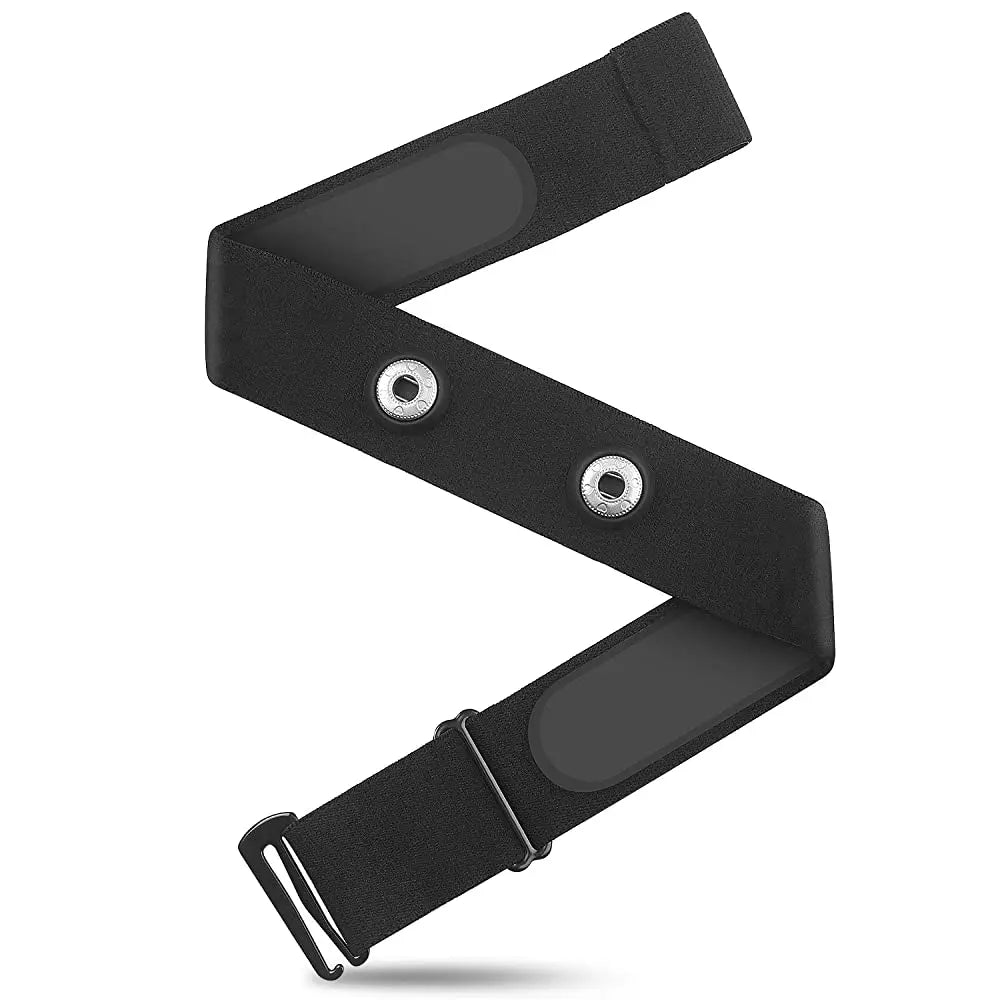
Moniteur de fréquence cardiaque
Nettoyez le capteur après les sorties à vélo intenses et préservez la durée de vie de la batterie.
Feux radar
Vérifiez la stabilité du montage et l'état de charge.
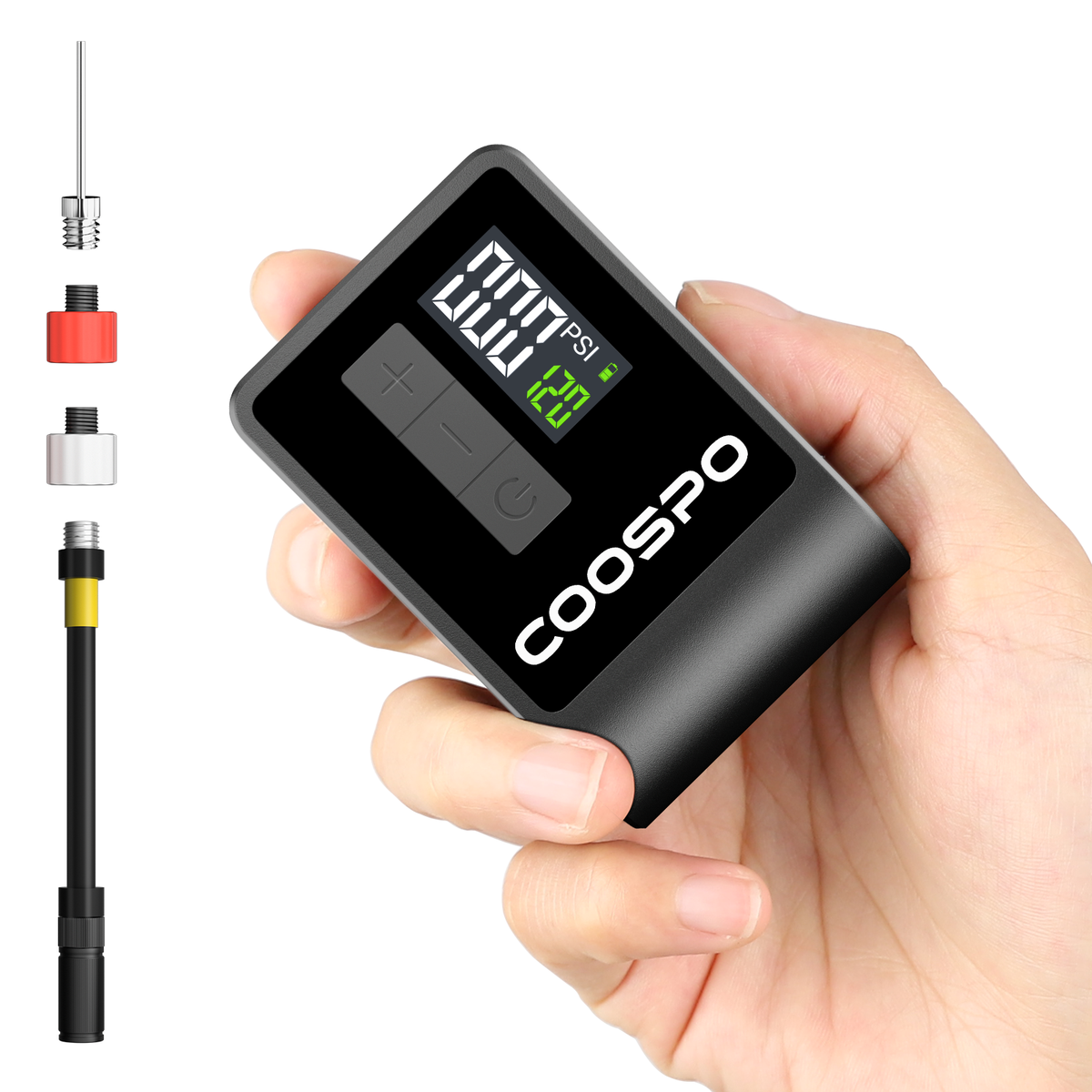
Pompe à vélo
Vérifiez que les joints et les raccords fonctionnent correctement. Les petits accessoires jouent souvent un rôle important dans la sécurité à vélo.
9. Suivez votre calendrier d'entretien
L'un des moyens les plus simples d'entretenir son vélo est de noter quand les interventions ont été effectuées. De nombreux cyclistes oublient :
· Quand ai-je changé ma chaîne pour la dernière fois ?
· Combien de kilomètres ont parcouru mes pneus ?
· Quand ai-je fait réviser mes freins pour la dernière fois ?
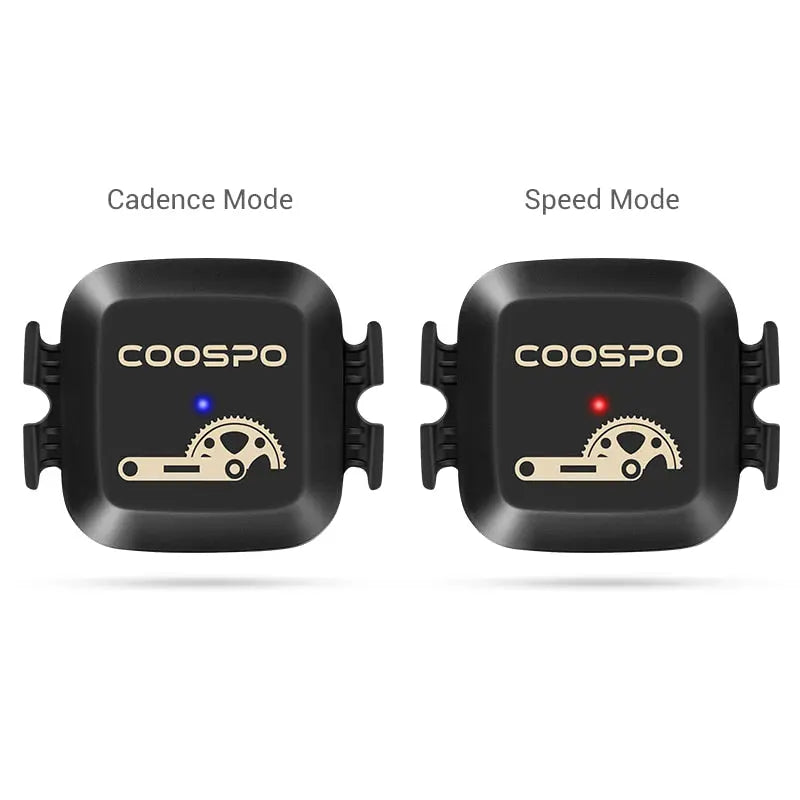
Un compteur de vélo peut vous aider à suivre :
· Kilométrage total
· Fréquence des trajets
· Volume d'entraînement
L'utilisation de vos données de conduite rend la maintenance plus prévisible.
Outils essentiels que tout cycliste devrait posséder
Vous n'avez pas besoin d'un atelier professionnel. Une trousse à outils de base pour la maison devrait comprendre :
outils pour pneus
Pompe
démonte-pneus
chambres à air de rechange ou kit de réparation
outils de nettoyage
Brosse à chaîne
nettoyeur de vélo
chiffon en microfibre
Outils de réglage
Clés hexagonales
Clé dynamométrique
vérificateur de chaîne
Comment la technologie facilite l'entretien des vélos
Les technologies modernes du cyclisme aident les cyclistes à mieux comprendre leur équipement.
Le suivi des données de parcours permet aux cyclistes de :
· Surveiller le kilométrage
· Planifiez les intervalles d'entretien
· Comprendre les habitudes de conduite
· Préparez-vous avant les événements importants
Par exemple: Un cycliste qui sait avoir parcouru 5 000 km avec la même chaîne peut prendre une décision de remplacement plus judicieuse qu’une personne se fiant uniquement à sa mémoire.
Réflexions finales
L'entretien d'un vélo n'a pas besoin d'être compliqué. Vous n'avez pas besoin de devenir mécanicien professionnel. Les habitudes les plus importantes sont simples :
· Vérifiez vos pneus
· Nettoyez votre transmission
· Vérifiez vos freins
· Remplacer les pièces usées prématurément
· Suivez votre kilométrage à vélo
Quelques minutes d'entretien peuvent vous éviter des heures de frustration par la suite. Votre vélo prend soin de vous à chaque trajet. Prenez-en soin en retour.
FAQ
À quelle fréquence dois-je nettoyer mon vélo ?
Pour une utilisation régulière sur route, un nettoyage toutes les deux ou trois semaines suffit généralement. Nettoyez plus fréquemment après la pluie, la boue ou les sorties sur gravier.
À quelle fréquence dois-je vérifier la pression des pneus ?
Idéalement avant chaque sortie.
À quelle fréquence dois-je entretenir mon vélo ?
Cela dépend de l'utilisation. Les utilisateurs fréquents peuvent nécessiter un entretien saisonnier, tandis que les utilisateurs occasionnels peuvent n'avoir besoin que de quelques vérifications par an.
Quelles sont les premières notions d'entretien de vélo que les débutants doivent apprendre ?
Commencez par vérifier la pression des pneus, nettoyer la chaîne, contrôler les freins et effectuer les inspections de base.




Laisser un commentaire
Ce site est protégé par hCaptcha, et la Politique de confidentialité et les Conditions de service de hCaptcha s’appliquent.