













![[2 Pack] Coospo Breathable Neck Gaiter Face Scarf Mask COOSPO](http://www.coospo.com/cdn/shop/files/106de7b046babc03aa610173af6e31aa_599da3fe-9907-4b1e-8eb0-f08b3032720b.png?v=1720591174&width=1600)


![[4 Pack] Coospo Soft Breathable Chilly Towel, Microfiber Towel COOSPO](http://www.coospo.com/cdn/shop/files/1_904094cc-62ee-40e9-aa21-415effb385b4.png?v=1720527561&width=1600)

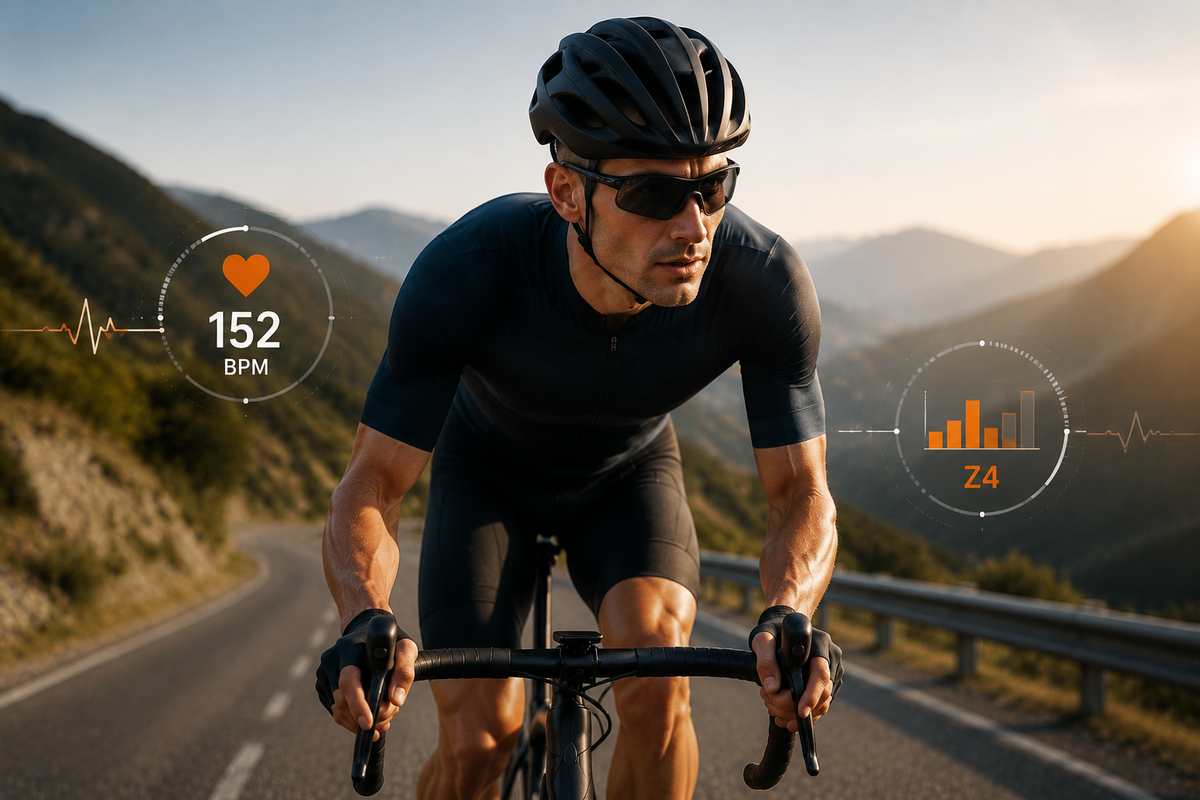
Comprendre la différence entre les données de fréquence cardiaque et de puissance
Pendant des décennies, les cyclistes se sont entraînés en se posant une question simple :
« À quel point ce trajet est-il difficile ? »
Puis, les moniteurs de fréquence cardiaque ont révolutionné l'entraînement cycliste en permettant aux cyclistes de mesurer la réponse de leur corps.
Aujourd'hui, les capteurs de puissance offrent une précision accrue en mesurant exactement l'effort fourni par le cycliste. Ceci soulève une question fréquente chez les cyclistes modernes : faut-il s'entraîner avec la fréquence cardiaque ou la puissance ? La réponse dépend de vos objectifs, de votre expérience et de votre style d'entraînement.
La fréquence cardiaque et la puissance mesurent des choses différentes :
La fréquence cardiaque indique comment votre corps réagit.
La puissance exercée indique la quantité de travail produite par votre corps.
Comprendre cette différence peut vous aider à vous entraîner plus intelligemment et à tirer le meilleur parti de chaque sortie.
Que révèle la fréquence cardiaque aux cyclistes ?
La fréquence cardiaque est l'un des indicateurs d'entraînement les plus accessibles. Un cardiofréquencemètre mesure la vitesse à laquelle votre cœur bat, généralement exprimée en battements par minute (BPM). Lorsque vous augmentez l'intensité de votre effort à vélo :
Vos muscles ont besoin de plus d'oxygène.
Votre cœur bat plus vite.
Votre rythme cardiaque s'accélère.
Grâce à cette relation, la fréquence cardiaque permet d'estimer correctement votre niveau d'effort.
Par exemple:
Sortie d'endurance facile → fréquence cardiaque plus basse
Intervalles intenses → fréquence cardiaque plus élevée
Séance de récupération → fréquence cardiaque contrôlée
Cela rend l'entraînement basé sur la fréquence cardiaque particulièrement utile pour les débutants.

Avantages de l'entraînement de la fréquence cardiaque
1. Abordable et facile à comprendre
L'un des principaux avantages de l'entraînement basé sur la fréquence cardiaque est son accessibilité. Un cardiofréquencemètre est bien moins cher qu'un capteur de puissance, ce qui en fait un excellent outil pour débuter son entraînement.
De nombreux cyclistes comprennent immédiatement : « Mon rythme cardiaque est trop élevé, je dois donc ralentir. »
2. Mesure la réponse de votre corps
Votre fréquence cardiaque vous indique comment votre corps réagit à l'effort. Par exemple, si votre sortie d'endurance habituelle est :
150 watts
130 BPM
mais aujourd'hui :
150 watts
150 BPM
Quelque chose a changé.
Raisons possibles :
Chaleur
Fatigue
Mauvaise récupération
Déshydratation
Manque de sommeil
La fréquence cardiaque fournit des informations précieuses sur votre état actuel.
3. Idéal pour l'entraînement d'endurance
Pour de nombreux cyclistes amateurs, la fréquence cardiaque suffit à améliorer :
Forme aérobique
Endurance
Gestion du poids
Santé générale
L'entraînement par zones de fréquence cardiaque est encore largement utilisé par les cyclistes du monde entier.
Limites de l'entraînement de la fréquence cardiaque
Bien que la fréquence cardiaque soit utile, elle n'est pas parfaite.
La fréquence cardiaque ne réagit pas instantanément. Pendant de courtes périodes, vos jambes peuvent déjà travailler intensément, mais votre fréquence cardiaque met du temps à augmenter. C'est ce qu'on appelle le délai de réponse cardiaque.
La fréquence cardiaque est également influencée par des facteurs externes :
Température
Les fortes chaleurs augmentent le stress cardiovasculaire. Votre fréquence cardiaque peut être plus élevée même si votre effort reste inchangé.
Fatigue
Après plusieurs jours d'entraînement intensif, votre fréquence cardiaque peut changer.
Stress et sommeil
Votre condition physique influence votre fréquence cardiaque avant même de commencer à pédaler. Cela signifie que la fréquence cardiaque n'est pas toujours une mesure parfaite de l'effort.
Que révèle la puissance aux cyclistes ?
La puissance mesure la production mécanique réelle que vous produisez en pédalant.
Elle se mesure en watts (W). Contrairement à la vitesse, la puissance n'est pas affectée par :
Vent
Collines
État des routes
Rédaction
Météo
Par exemple:
Un cycliste produisant 250 watts fournit le même effort, qu'il soit :
Monter la côte
Chevaucher face au vent
Rouler sur une route plate
La puissance est donc l'un des moyens les plus précis de mesurer les performances cyclistes.

Avantages de l'entraînement de puissance
1. Contrôle précis de l'entraînement
La puissance permet aux cyclistes de s'entraîner en fonction d'objectifs spécifiques.
Au lieu de dire : « Roulez à fond pendant 10 minutes. »
Un programme d'entraînement structuré peut indiquer : « Pédalez à 250 watts pendant 10 minutes. »
Cela rend la formation plus reproductible et mesurable.
2. Retour d'information instantané
La puissance réagit instantanément. Si vous augmentez votre effort, votre puissance en watts augmente instantanément. Cela rend la puissance particulièrement utile pour :
Intervalles
Courses
Escalade
Plans de formation structurés
3. Suivre les progrès réels
La vitesse peut varier en fonction des conditions météorologiques. La puissance, quant à elle, est plus constante.
Si votre FTP passe de :
200 W → 240 W
Vous avez la preuve manifeste que vos capacités cyclistes se sont améliorées.
Limites de l'entraînement de la puissance
Les wattmètres sont extrêmement utiles, mais ils ont aussi certaines limites.
Coût plus élevé : les capteurs de puissance sont plus chers que les moniteurs de fréquence cardiaque.
Plus de données nécessitent une meilleure compréhension
Les puissances numériques ne sont utiles que si vous comprenez :
FTP
Zones d'entraînement
Récupération
structure d'entraînement
Un débutant n'aura peut-être pas besoin de toutes ces informations immédiatement.
Fréquence cardiaque ou puissance : laquelle choisir ?
La réponse dépend de vos objectifs cyclistes.
|
Type de cavalier |
Meilleur choix |
|
Cycliste débutant |
fréquence cardiaque |
|
Cavalier axé sur la forme physique |
fréquence cardiaque |
|
Cycliste de longue distance |
Fréquence cardiaque + Puissance |
|
Formation structurée |
Pouvoir |
|
Cycliste de course |
Pouvoir |
|
cycliste axé sur la performance |
Puissance + Fréquence cardiaque |
Pourquoi de nombreux cyclistes utilisent les deux
Le meilleur entraînement ne se base souvent ni sur la fréquence cardiaque ni sur la puissance, mais sur les deux. Car ils répondent à des questions différentes.
Réponses de Power : « Quel est mon rendement ? »
Réponses basées sur la fréquence cardiaque : « Comment mon corps réagit-il à cet effort ? »
Ensemble, ils offrent un tableau complet.
Exemple:
Vous gravissez une colline.
Votre pouvoir : 250 W
Votre fréquence cardiaque : Plus élevé que d'habitude
Cela pourrait signifier :
Vous améliorez votre puissance de sortie. Ou alors vous êtes fatigué(e) aujourd'hui. Ou bien la température affecte votre corps. Sans ces deux indicateurs, vous ne voyez que la moitié de l'histoire.
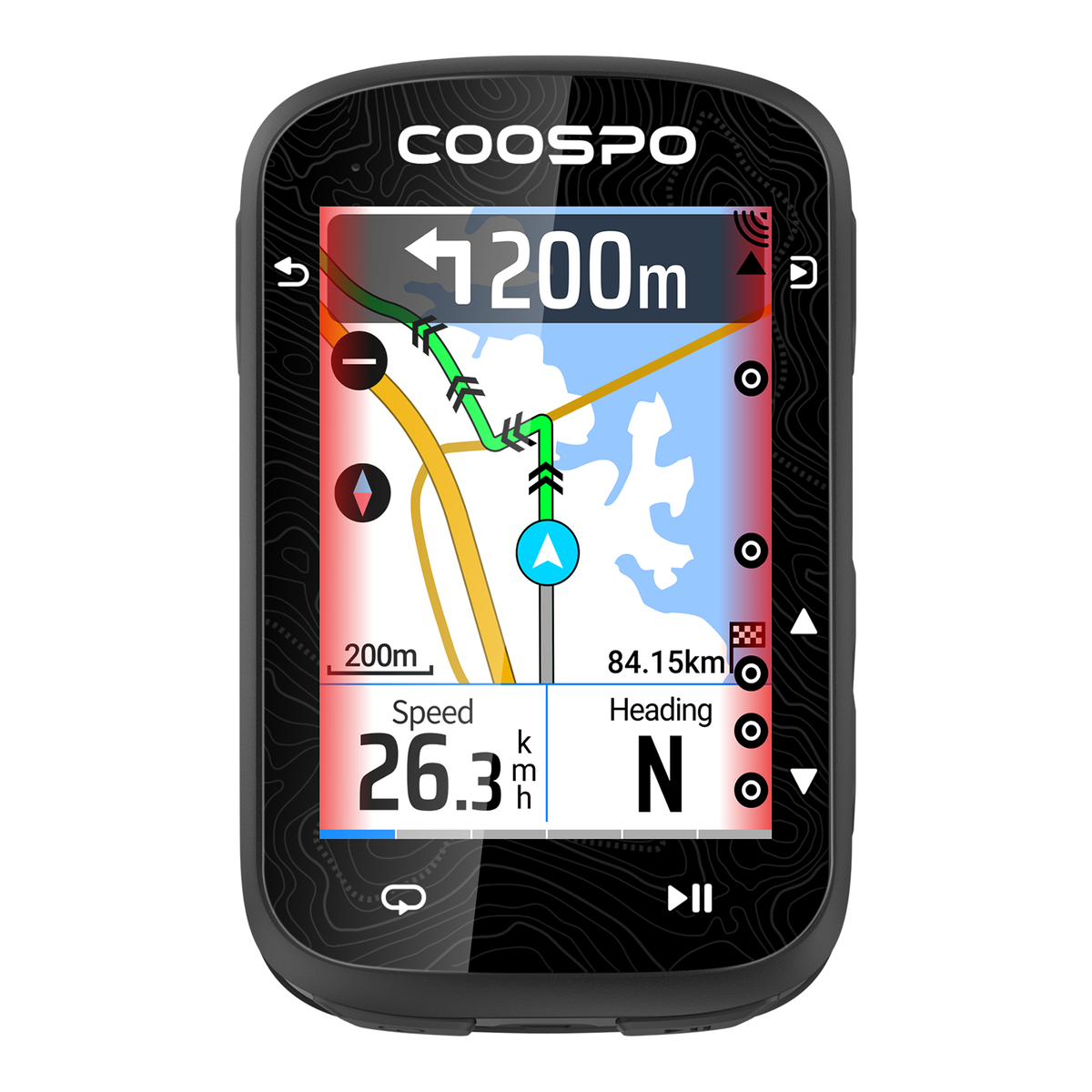
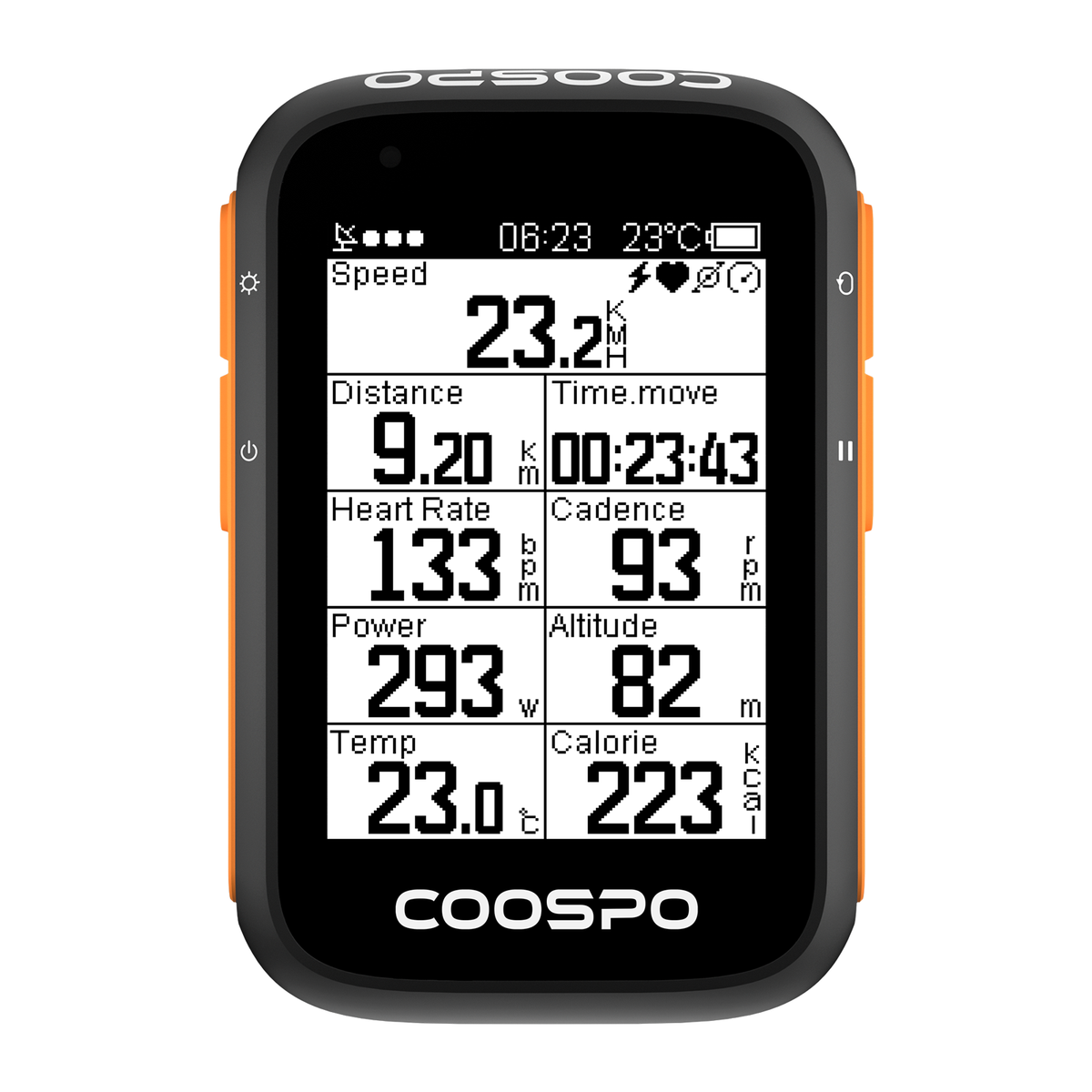
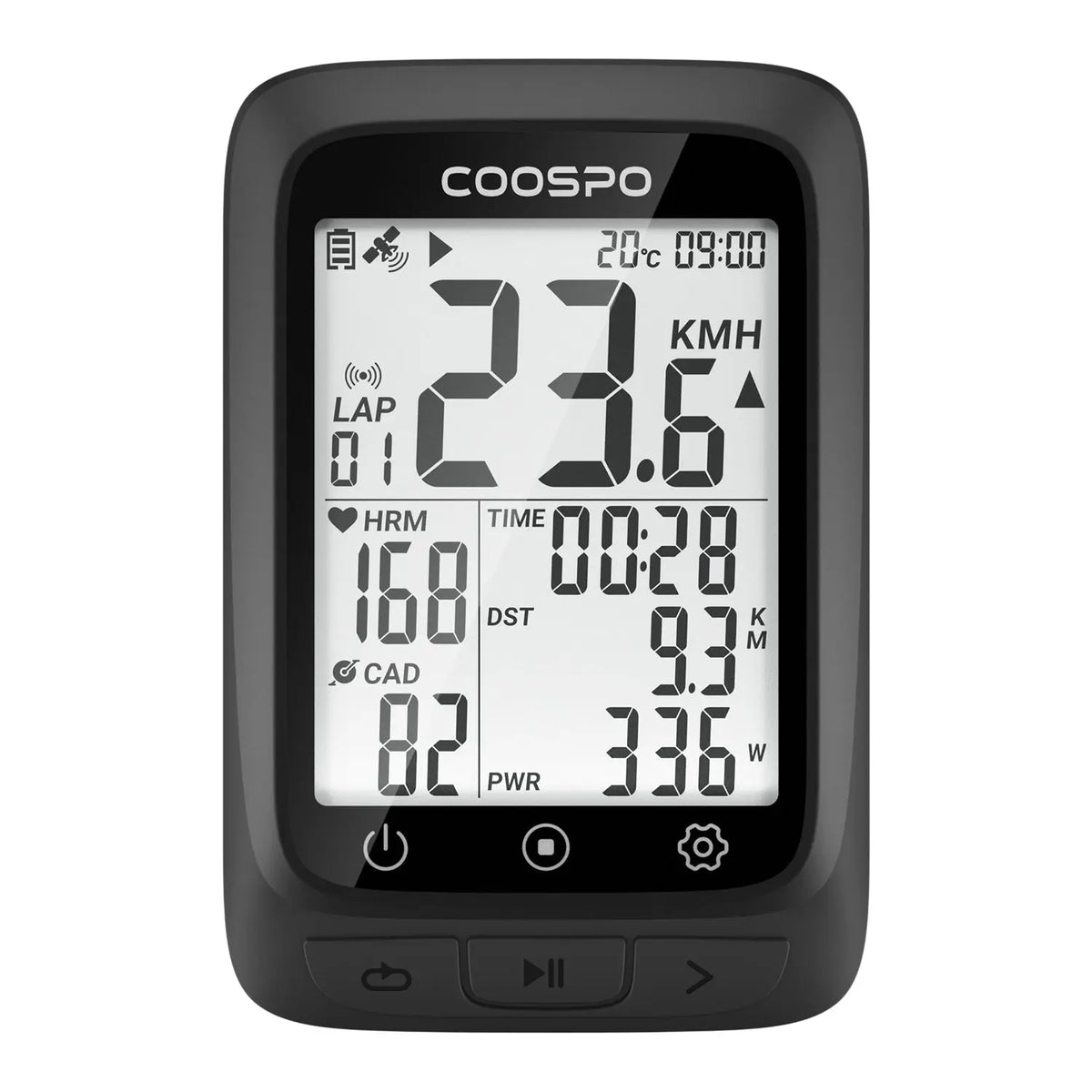
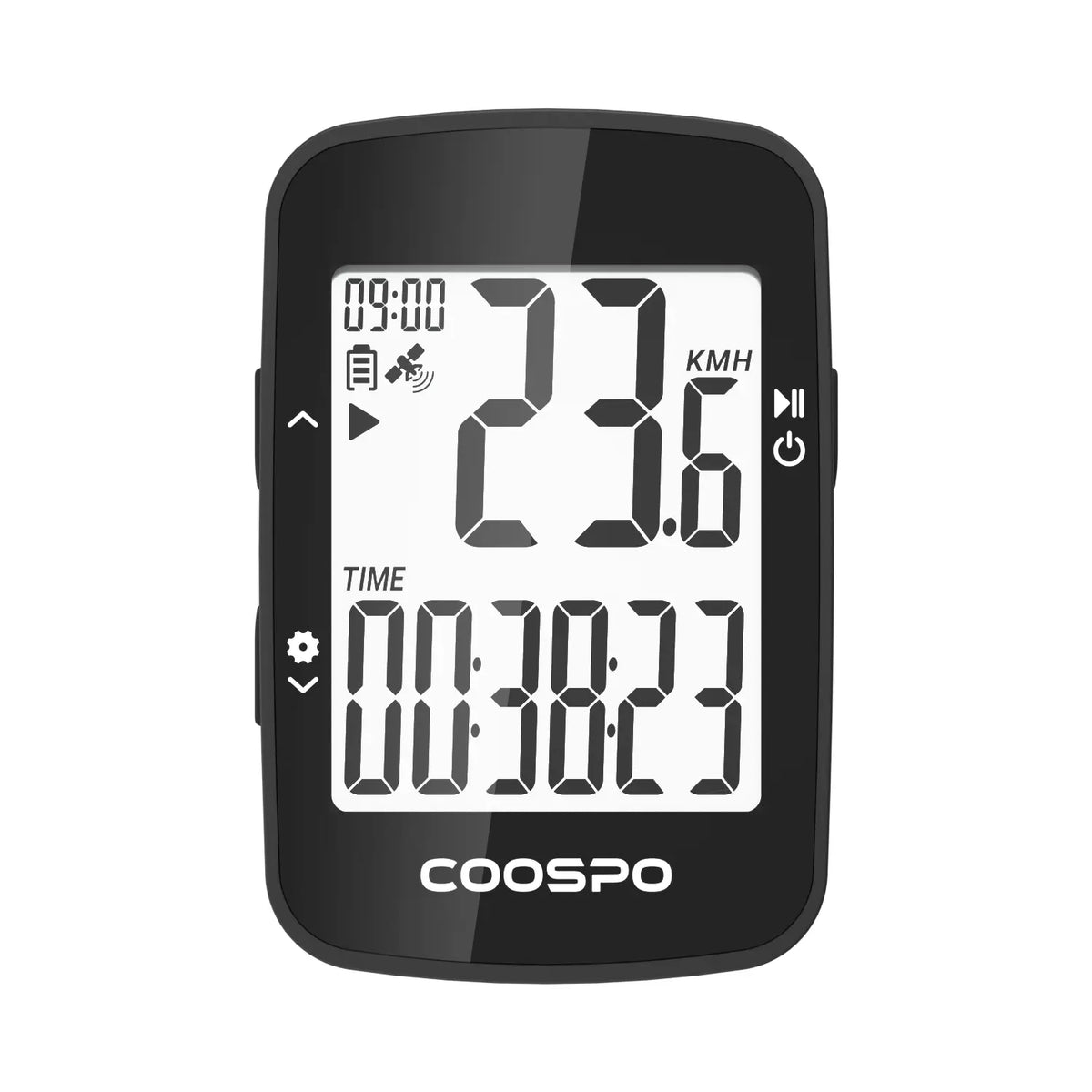
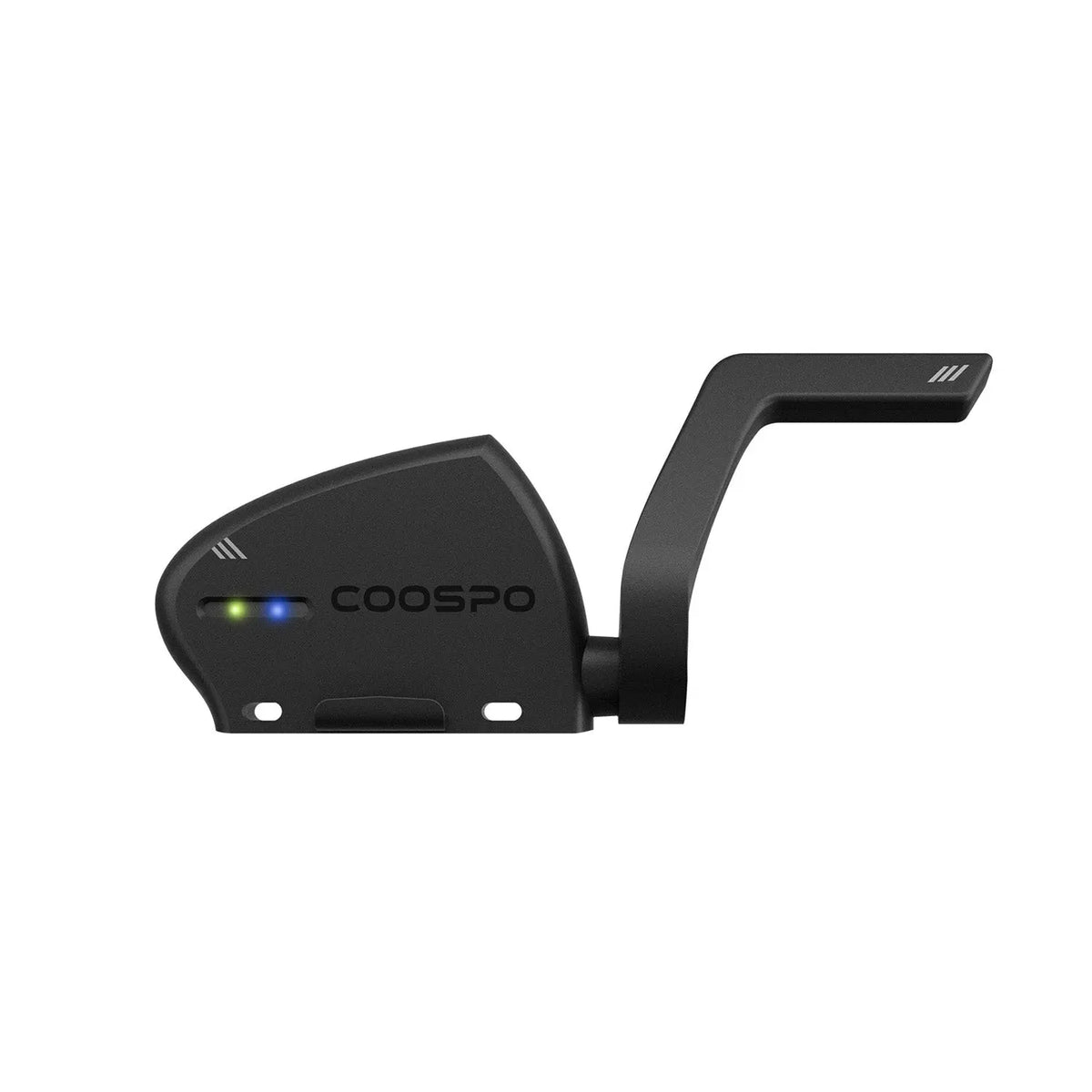
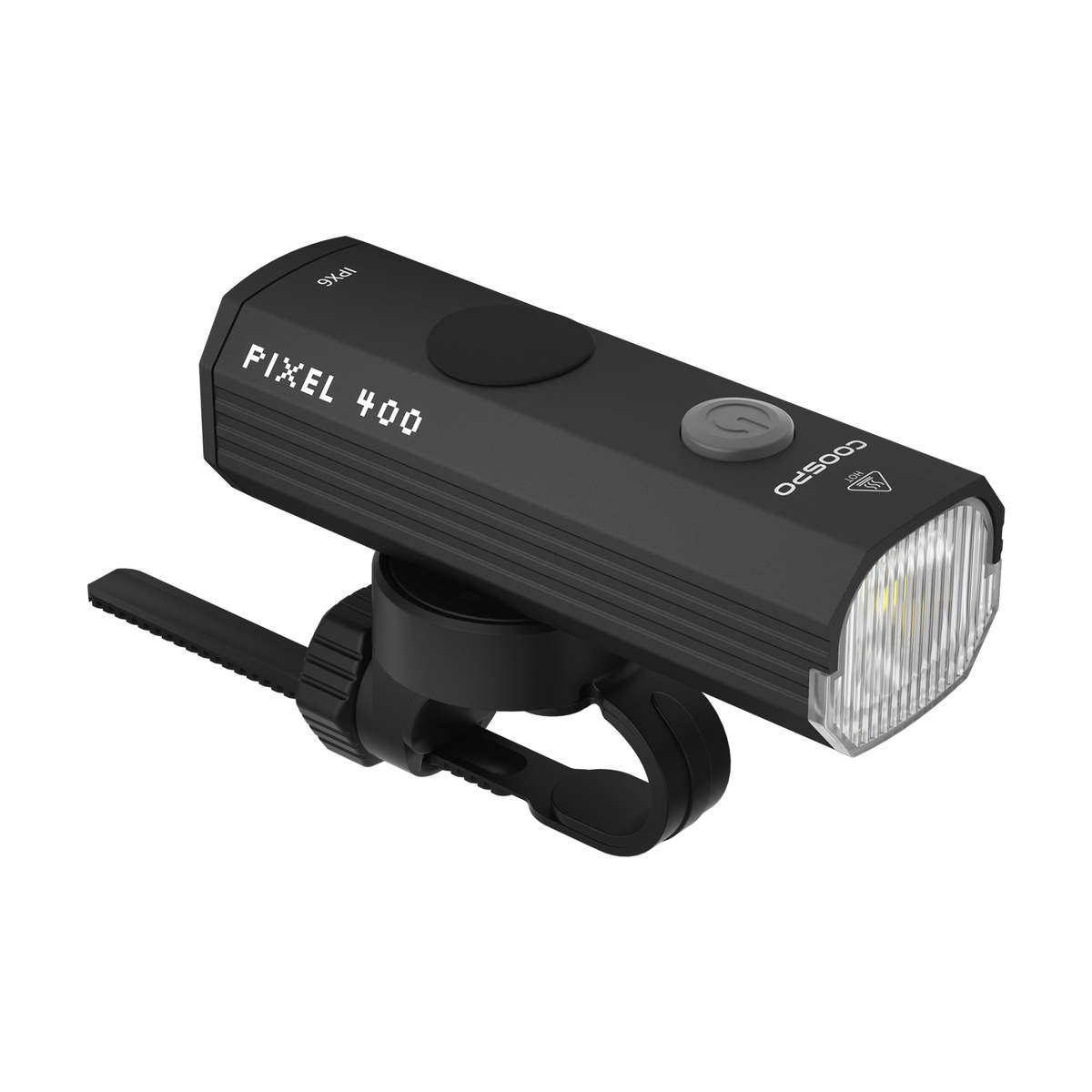
Comment Coospo Soutient le cyclisme basé sur les données
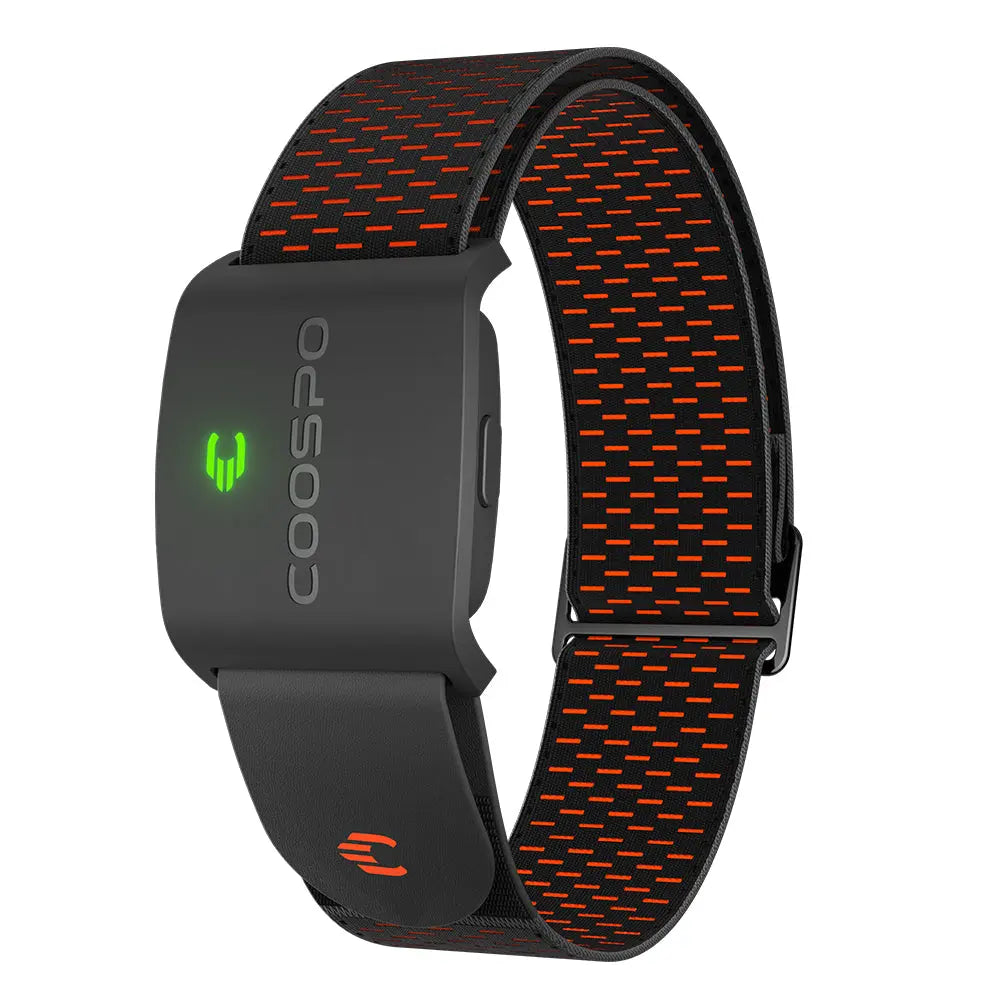
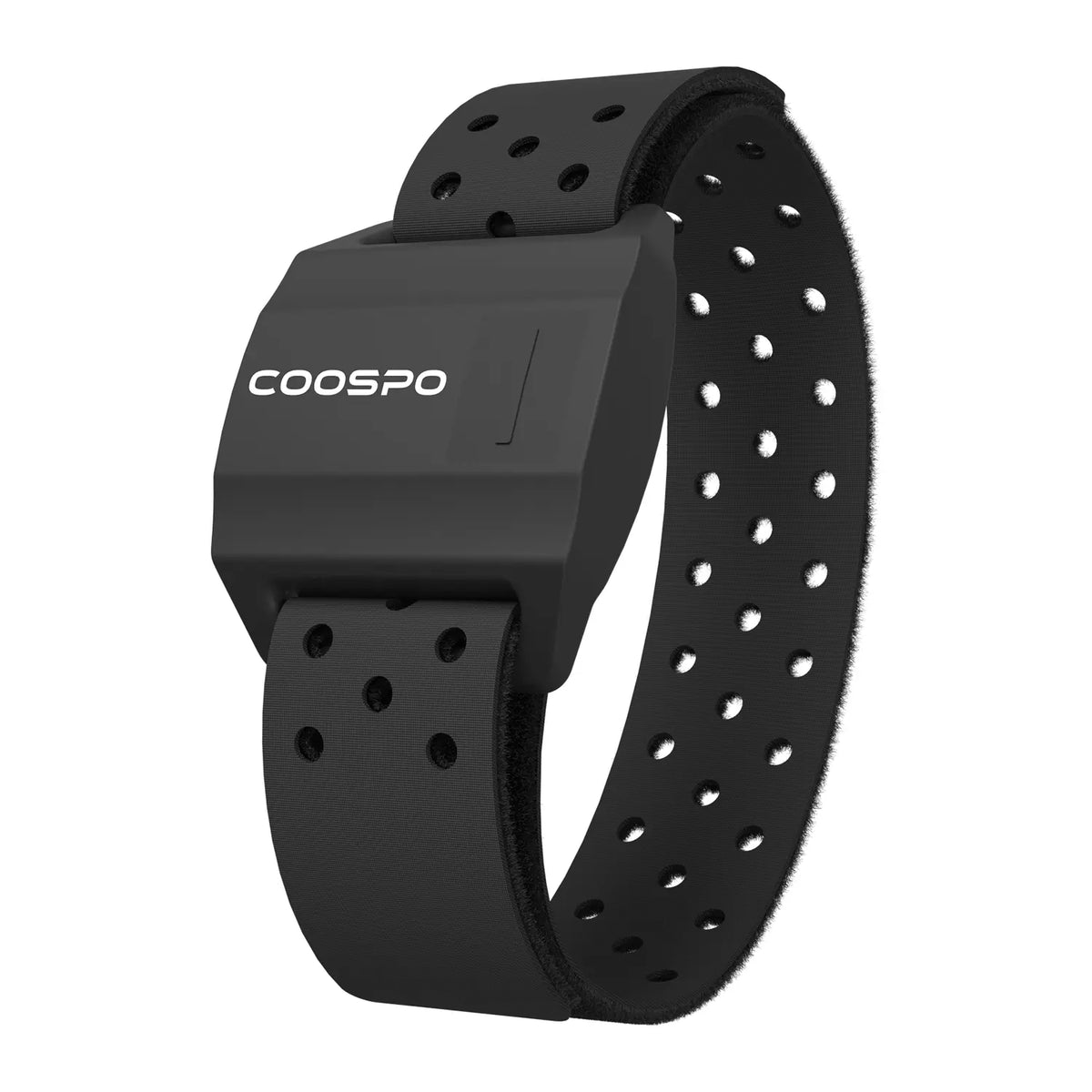
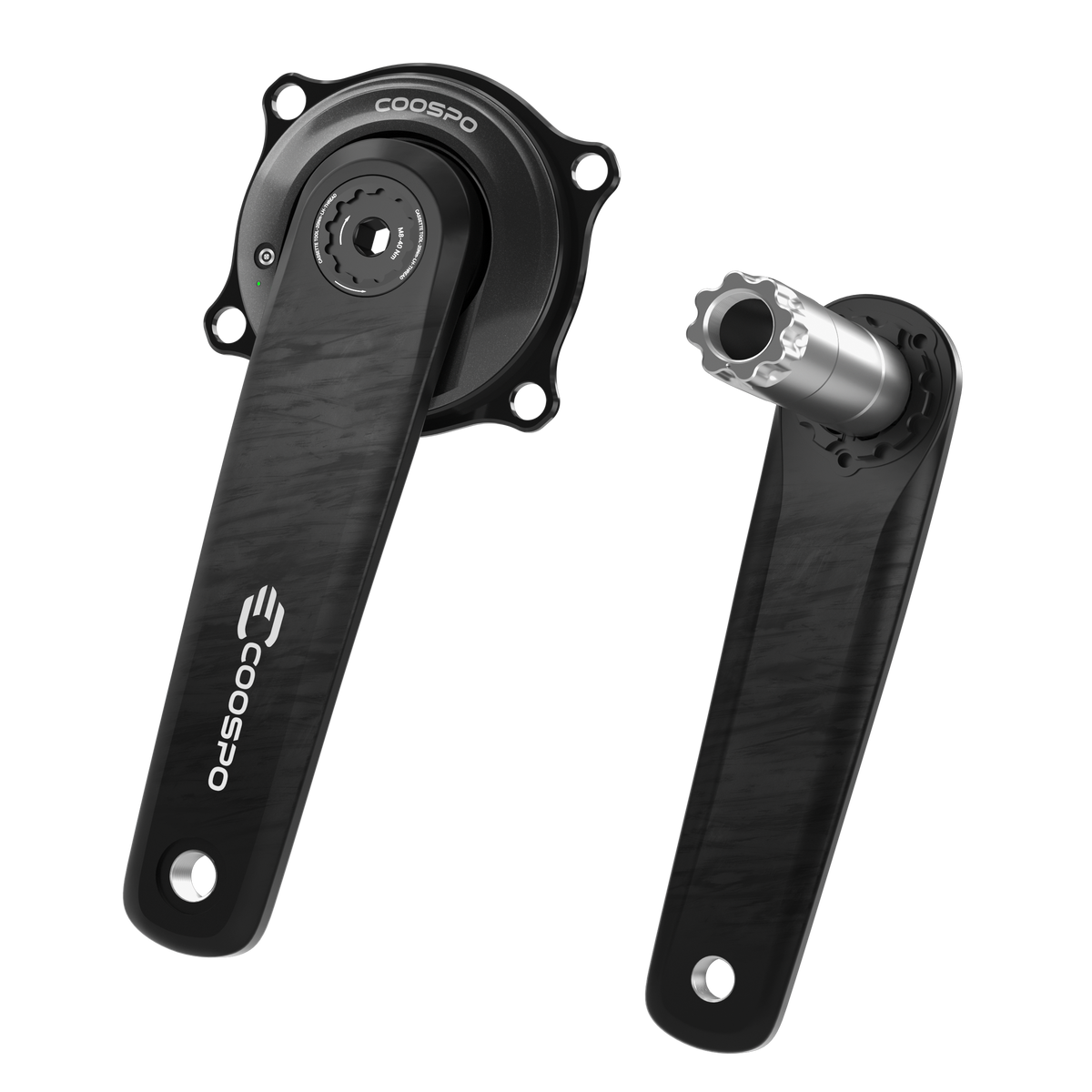
Avec des outils comme le
Combiné avec un vélo ordinateur tel que le
· Pouvoir
· fréquence cardiaque
· Vitesse
· Cadence
· Données d'entraînement
Pour les cyclistes qui souhaitent aller au-delà du simple enregistrement de leurs sorties, la compréhension de la puissance et de la fréquence cardiaque est l'étape clé vers un entraînement plus intelligent.
Réflexions finales
La fréquence cardiaque et la puissance ne sont pas des concurrents. Ce sont des outils différents, conçus pour répondre à des questions différentes.
La fréquence cardiaque vous renseigne sur l'état de votre corps. La puissance vous renseigne sur vos performances. Pour les cyclistes occasionnels, la fréquence cardiaque peut suffire. Pour les cyclistes en quête d'amélioration mesurable, la combinaison de la fréquence cardiaque et de la puissance offre le tableau le plus complet.
La formation la plus intelligente ne consiste pas à collecter plus de données. Il s'agit de comprendre les bonnes données.
FAQ
L'entraînement de la puissance est-il meilleur que l'entraînement de la fréquence cardiaque ?
La puissance est un indicateur plus précis pour un entraînement structuré, mais la fréquence cardiaque reste précieuse pour comprendre la réponse de votre corps.
Les débutants ont-ils besoin d'un wattmètre ?
Pas nécessairement. De nombreux débutants peuvent progresser significativement en commençant par un entraînement basé sur la fréquence cardiaque.
Puis-je utiliser la fréquence cardiaque et la puissance simultanément ?
Oui. De nombreux cyclistes expérimentés utilisent les deux car ils fournissent des informations différentes.
Pourquoi mon rythme cardiaque est-il élevé mais ma force faible ?
Cela peut se produire en raison de la fatigue, de la chaleur, de la déshydratation, du stress ou d'une récupération insuffisante.




Laisser un commentaire
Ce site est protégé par hCaptcha, et la Politique de confidentialité et les Conditions de service de hCaptcha s’appliquent.