













![[2 Pack] Coospo Breathable Neck Gaiter Face Scarf Mask COOSPO](http://www.coospo.com/cdn/shop/files/106de7b046babc03aa610173af6e31aa_599da3fe-9907-4b1e-8eb0-f08b3032720b.png?v=1720591174&width=1600)


![[4 Pack] Coospo Soft Breathable Chilly Towel, Microfiber Towel COOSPO](http://www.coospo.com/cdn/shop/files/1_904094cc-62ee-40e9-aa21-415effb385b4.png?v=1720527561&width=1600)
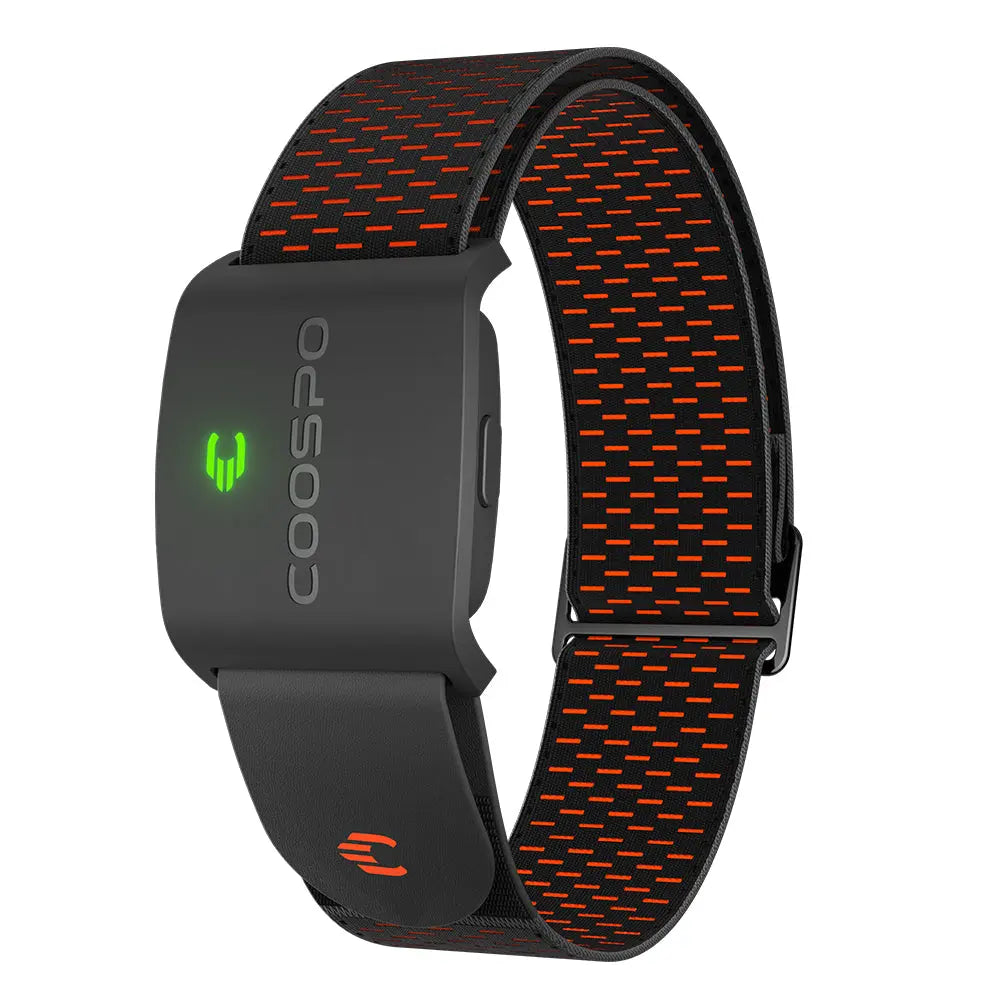
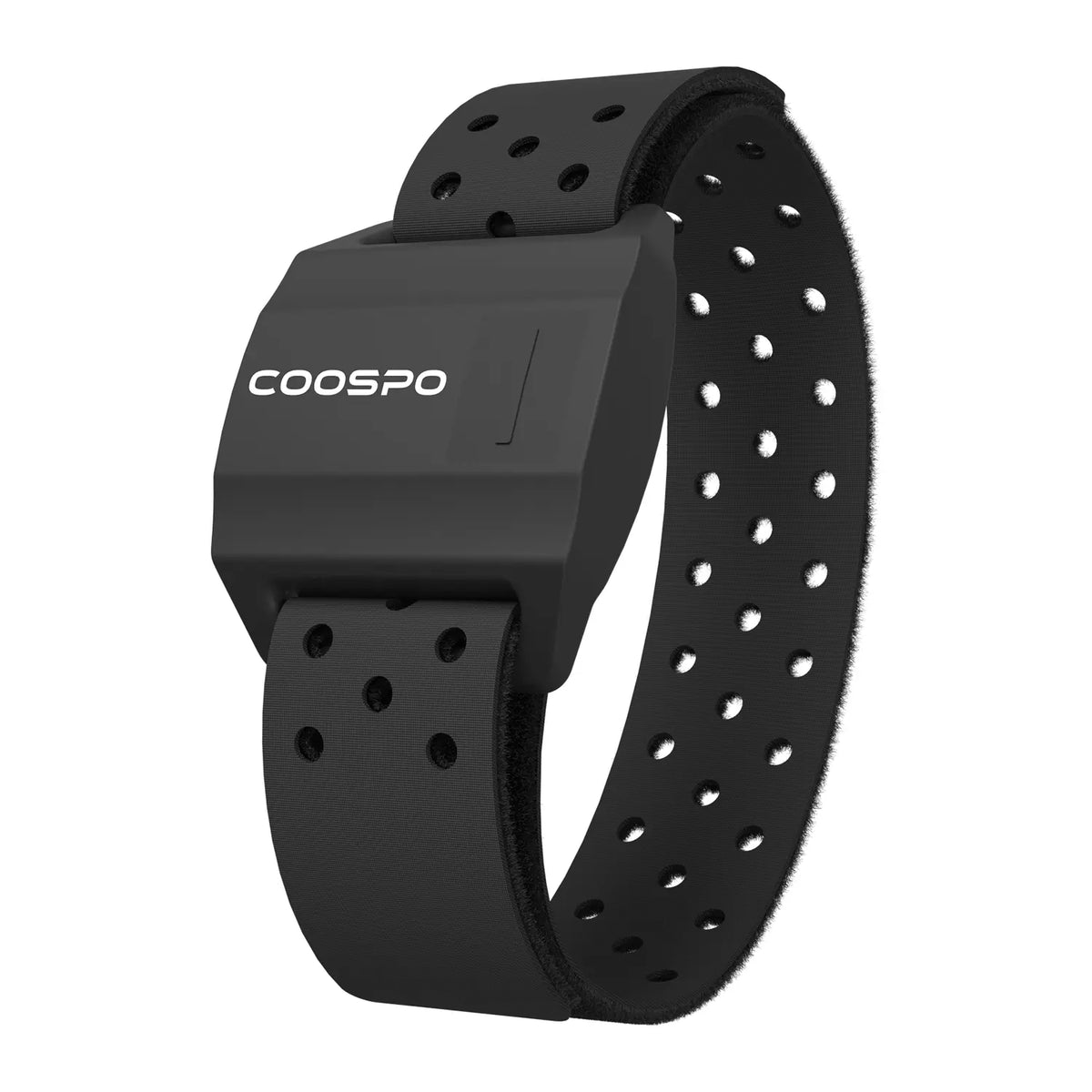
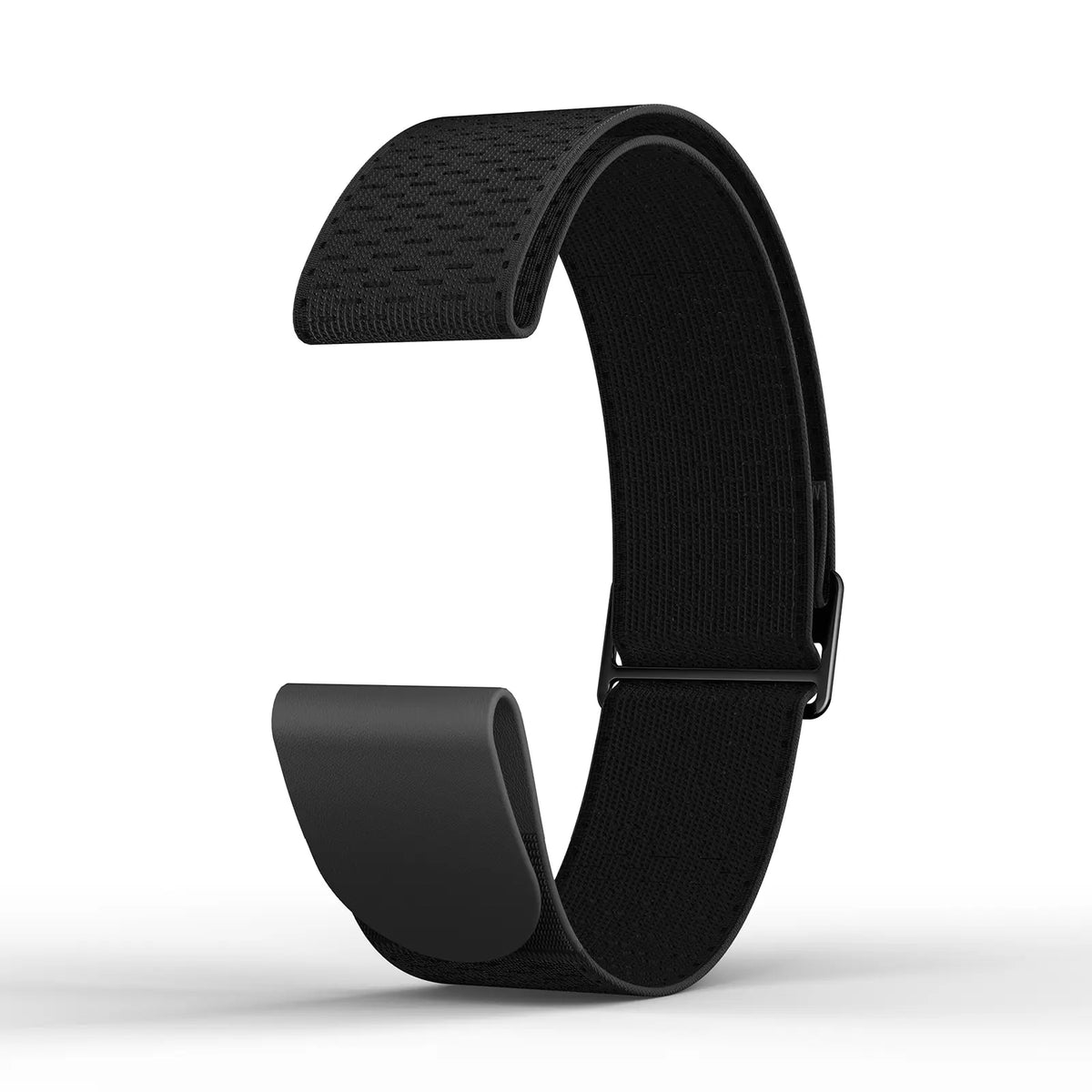
Si recientemente has empezado a usar un monitor de frecuencia cardíaca tipo brazalete, o has cambiado de una banda pectoral a un brazalete, hay una pregunta que quizás no te hayas planteado con detenimiento:
¿Dónde deberías usarlo para obtener la medición más precisa de la frecuencia cardíaca?
Algunas personas lo usan en el antebrazo, otras prefieren que quede por encima del codo, y otras simplemente se lo colocan en la parte superior del brazo y se olvidan de él. Sin embargo, los extensos datos de usuarios y las pruebas en condiciones reales de COOSPO han revelado que la ubicación del brazalete influye mucho más en la precisión de los datos de frecuencia cardíaca de lo que uno podría imaginar.
Tras repetidas verificaciones, nuestra recomendación clara es:
Llévalo en la parte media del brazo..
No se trata de una cuestión de preferencia estética, sino de una conclusión exhaustiva basada en la fisiología del ejercicio, los principios de adquisición de señales y escenarios de ejercicio del mundo real.
I. ¿Cómo funciona un brazalete para medir la frecuencia cardíaca?
El principio de funcionamiento de un brazalete para medir la frecuencia cardíaca no es complicado: capta los cambios periódicos en el flujo sanguíneo subcutáneo mediante un sensor óptico (PPG, fotopletismografía) para calcular la frecuencia cardíaca.
Sin embargo, el problema radica en la estabilidad de la señal de flujo sanguíneo, que depende en gran medida del grado de interferencia del movimiento en la posición de uso, la densidad muscular y la calidad del contacto con la piel.
En otras palabras: si lo usas en una posición relativamente estable, con abundante tejido muscular y poco riesgo de deslizamiento, te proporcionará datos de frecuencia cardíaca precisos y continuos.
Pero si lo usas en una posición frecuentemente doblada con músculos delgados, o incluso con el hueso directamente cerca de la piel, la señal será intermitente o incluso se perderá por completo.
Por eso, la "posición" no es un detalle, sino la cuestión central.

II. Brazo superior vs. antebrazo: Por qué recomendamos el brazo superior
Muchos usuarios usan brazaletes en los antebrazos o las muñecas, principalmente por su comodidad y facilidad de uso. Y para algunos, esto está perfectamente bien. Sin embargo, desde la perspectiva de la calidad de la señal, la parte superior del brazo ofrece varias ventajas para la mayoría de los usuarios.
He aquí por qué recomendamos comenzar por la parte superior del brazo:
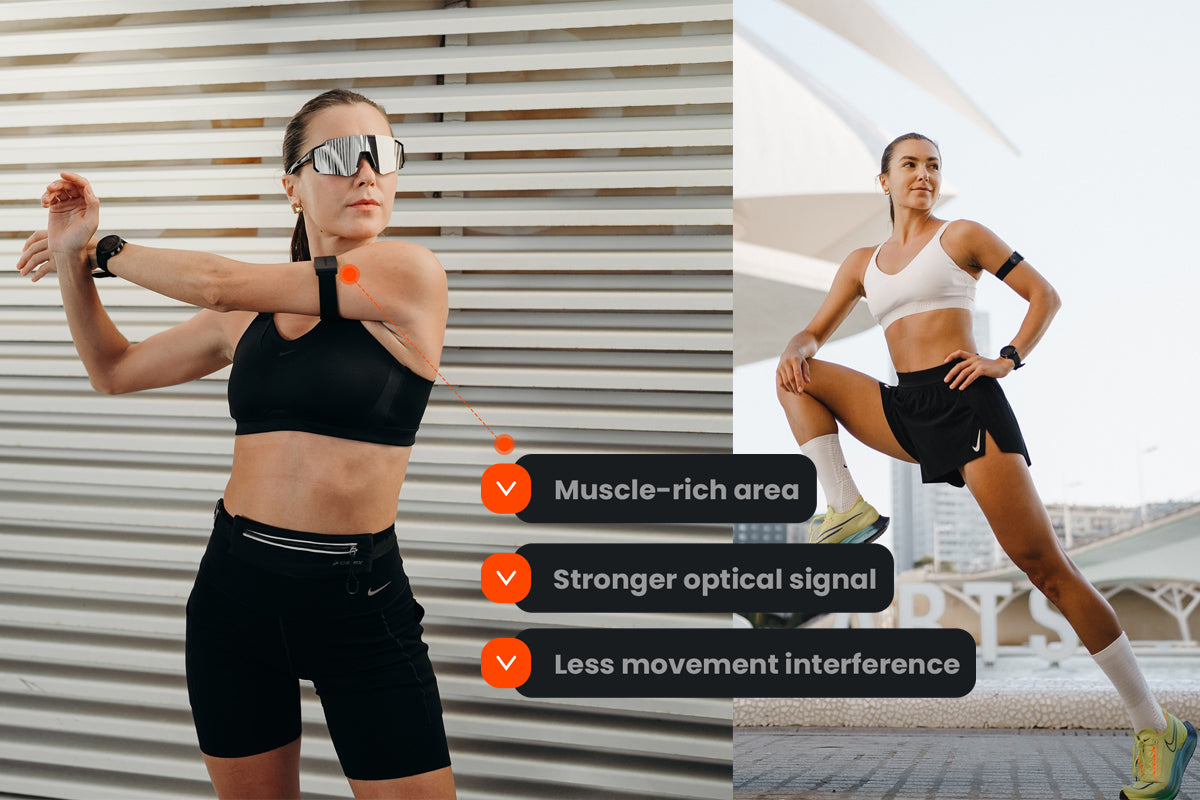
Ventaja 1: Más músculo, señal más fuerte
Las zonas del bíceps y el tríceps del brazo presentan una excelente densidad muscular y perfusión sanguínea. Los sensores ópticos pueden obtener una señal bruta mucho más potente en esta zona que en el antebrazo (donde el cúbito y el radio se encuentran cerca de la piel). Una señal más potente permite al algoritmo procesar mejor el ruido, lo que se traduce en una curva de frecuencia cardíaca más precisa.
Ventaja 2: Menor interferencia de movimiento
Si bien el brazo se balancea hacia adelante y hacia atrás al correr, no experimenta la rotación y el movimiento brusco frecuentes del antebrazo. El desplazamiento relativo entre el sensor y la piel del brazo es mucho menor. Para ejercicios comunes como correr, andar en bicicleta, usar la elíptica, realizar entrenamiento de fuerza y HIIT, el brazo mantiene una mayor estabilidad de contacto.
Ventaja 3: El sudor es un problema menor.
El brazo suele sudar menos que el antebrazo. Además, el sudor fluye hacia abajo con mayor facilidad por efecto de la gravedad, lo que evita su acumulación prolongada en la interfaz entre el sensor y la piel. Esto se traduce en una mayor consistencia de los datos durante entrenamientos prolongados.
Ventaja 4: Sorprendentemente cómodo
Muchos usuarios se preocupan de que "llevarlo en la parte superior del brazo resulte demasiado ajustado o afecte al movimiento". En realidad, siempre que se elija la talla correcta (los brazaletes COOSPO ofrecen varios rangos de ajuste) y se coloque el sensor en la parte exterior del bíceps o justo delante, apenas afecta al movimiento del codo y no se percibe ninguna sensación de cuerpo extraño.
Una nota sobre la variación individual
Queremos ser claros: No estamos diciendo que el antebrazo esté mal. R&Tanto los comentarios como los datos de los usuarios confirman que un pequeño número de personas obtiene una mayor precisión en el antebrazo. Esto podría deberse a diferencias individuales en la distribución vascular, el porcentaje de grasa corporal o los hábitos de uso personales.
Nuestra recomendación: Empieza por la parte superior del brazo. Revisa tus datos. Si todo parece correcto, perfecto. Si no, prueba con el antebrazo. Confía en lo que te funcione mejor.
III. Explicación en tres partes: ¿Por qué el brazo superior es una mejor opción?
Ventaja 1: Músculos más gruesos y red capilar más rica.
Las zonas del bíceps y el tríceps del brazo presentan una excelente densidad muscular y perfusión sanguínea. Los sensores ópticos pueden obtener una señal bruta mucho más potente en esta zona que en el antebrazo. Una señal más potente permite al algoritmo un mayor margen de maniobra para procesar el ruido, lo que se traduce en una curva de frecuencia cardíaca más precisa.
Ventaja 2: Interferencia de movimiento significativamente reducida
Si bien el brazo se balancea hacia adelante y hacia atrás al correr, no experimenta la rotación y el movimiento brusco frecuentes que sí presenta el antebrazo. El desplazamiento relativo entre el sensor y la piel del brazo es mucho menor que en el antebrazo. Para ejercicios comunes como correr, andar en bicicleta, usar la elíptica, realizar entrenamiento de fuerza y HIIT, el brazo mantiene una mayor estabilidad de contacto.
Ventaja 3: Efectos de sudoración más controlables
El brazo suele sudar menos que el antebrazo. Además, el sudor fluye hacia abajo con mayor facilidad por efecto de la gravedad, lo que evita su acumulación prolongada en la interfaz entre el sensor y la piel. Esto significa que, durante el ejercicio prolongado, la consistencia de los datos del brazo es significativamente mejor que la del antebrazo.
Ventaja 4: La comodidad no está nada mal.
Muchos usuarios temen que "llevarlo en la parte superior del brazo quede demasiado ajustado o afecte al movimiento". En realidad, siempre que elijas la talla correcta (los brazaletes COOSPO ofrecen varios rangos de ajuste) y coloques el sensor en la parte exterior del bíceps o justo delante, apenas afectará al movimiento de la articulación del codo y no se notará la presencia de un cuerpo extraño.
Resumen: El brazo superior es superior al antebrazo en tres aspectos: intensidad de la señal, capacidad antiinterferencias y estabilidad a largo plazo.

IV. ¿En qué parte del brazo se debe llevar exactamente el brazalete?
Paso 1: Localice la zona de uso
Ponte de pie de forma natural, con los brazos relajados y colgando hacia abajo.
El tercio inferior de la zona comprendida entre las articulaciones del codo y del hombro.
Ubicación específica: En el lado externo o justo delante de la sección media del bíceps braquial (el músculo que se abulta al doblar el brazo).
Evite la zona justo debajo de la axila y no demasiado cerca de la articulación del codo.
Paso 2: Ajustar la tensión
Demasiado flojo: Puedes girar fácilmente el brazalete con los dedos durante el ejercicio → Necesitas ajustarlo.
Adecuado: Es necesario ejercer poca fuerza para tirar del brazalete y no deja marcas visibles en la piel.
Demasiado ajustado: Se pueden ver líneas en la piel debido a la presión, o se siente una sensación de hormigueo → Es necesario aflojarlo.
Un criterio práctico: cuando el brazo cuelga de forma natural después de ponerse el brazalete, este no debe resbalarse; después de balancear el brazo con fuerza, el desplazamiento no debe exceder 1 cm.
Paso 3: Realice la calibración estática antes del ejercicio.
Tras colocarse el brazalete, permanezca inmóvil durante 15-30 segundos antes de comenzar a hacer ejercicio para que el sensor complete la sincronización inicial de la señal. Este paso suele pasarse por alto, pero mejora significativamente la precisión de los datos, tanto la primera vez que se usa como después de ajustar la posición.

V: Manejo de casos especiales: tatuajes y vello corporal.
Los sensores ópticos de frecuencia cardíaca dependen de la luz que penetra la piel para llegar a los vasos sanguíneos. Cualquier factor que bloquee o interfiera con la luz afectará los datos. La tinta de los tatuajes y el vello corporal denso son dos de las interferencias externas más comunes. Pero la buena noticia es que existen soluciones claras para ambos.
Tatuajes: Impacto significativo, pero evitable.
La tinta de los tatuajes (especialmente el negro intenso, el rojo oscuro y el azul oscuro) absorbe y dispersa la luz emitida por el sensor, lo que provoca una atenuación significativa de la señal reflejada. El sensor no puede detectar cambios en el flujo sanguíneo, lo que resulta en datos inexactos, fluctuaciones o incluso la ausencia total de lecturas.
Un estudio de 2025 publicado en PubMed, Utilizando el brazalete Polar Verity Sense, se encontró lo siguiente:
En reposo, la tasa de error para la piel tatuada fue tan alta como 22,9% (para piel sin tatuajes <5%).
La tasa de error durante la marcha fue de aproximadamente el 7,5%.
La tasa de error durante la ejecución fue de aproximadamente el 5,1%.
Los tatuajes oscuros y de gran tamaño tuvieron un mayor impacto, y una prueba mostró una frecuencia cardíaca de hasta 196 latidos por minuto (lo normal es de aproximadamente 72 latidos por minuto).
Soluciones (en orden recomendado):
|
Solución |
Operación |
Efecto |
|
Cambia al brazo sin tatuajes. |
Si solo tienes un brazo tatuado, simplemente cambia al otro lado. |
La mejor opción, sin costo alguno. |
|
Cambia al antebrazo. |
Si ambos brazos están tatuados, puedes cambiar temporalmente al antebrazo (aunque esto conllevará cierta pérdida de precisión). |
Solución de compromiso. |
|
Utilice una correa pectoral. |
Para tatuajes oscuros o de gran tamaño en ambos brazos, o para aquellos que requieren alta precisión. |
doCompletamente indiferente a los tatuajes. |
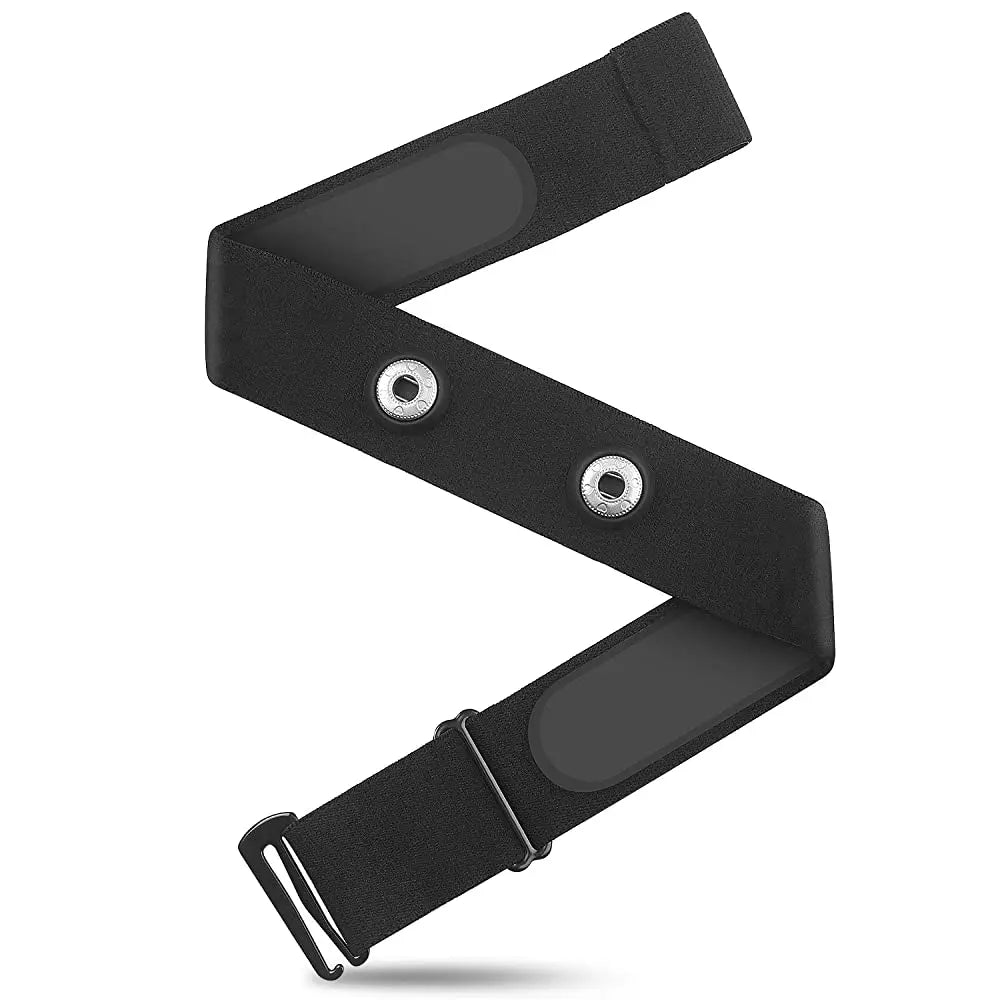
Serie de correas pectorales COOSPO (como H808SUtiliza tecnología de electrocardiograma (ECG), que detecta las señales eléctricas del corazón mediante electrodos. Es totalmente inmune a los tatuajes, por lo que resulta ideal para usuarios con exigencias estrictas en cuanto a la precisión de la frecuencia cardíaca.
Vello corporal: impacto menos severo, fácilmente resuelto.
El vello corporal denso crea espacios físicos entre el sensor y la piel, lo que provoca la dispersión de la luz e impide su penetración efectiva en los vasos sanguíneos. Al mismo tiempo, los pequeños espacios creados por el vello corporal también pueden permitir que la luz LED se filtre.
En comparación con los tatuajes, el impacto del vello corporal suele ser más leve y varía en intensidad:
Vello corporal escaso/fino: Casi ningún impacto
Vello corporal de densidad media: fluctuaciones ocasionales en los datos, que pueden mejorar tras el ejercicio y la sudoración.
Vello corporal denso/grueso: Los datos en reposo pueden ser inestables y, en casos graves, puede resultar en la ausencia de lecturas.
|
Solución |
Operación |
Efecto
|
|
Mover posición |
Mueva el brazalete hacia arriba y hacia abajo entre 1 y 2 cm para encontrar una zona con vello corporal relativamente escaso (la parte exterior del brazo suele tener menos vello que la parte interior). |
El más rápido, sin costo alguno.
|
|
Piel mojada |
Antes de hacer ejercicio, humedezca la zona de la prenda con una toalla húmeda. El agua puede actuar como un "acoplamiento óptico", rellenando pequeños huecos. |
Sencillo y eficaz
|
|
Afeitar una pequeña zona |
Utilice una afeitadora eléctrica para afeitar el vello corporal (del tamaño aproximado de una moneda) en la zona de contacto del sensor. En verano, debe quedar completamente cubierto por mangas cortas. |
Solución única |
|
Cambiar a banda pectoral |
Cuando no quieres afeitarte y otras soluciones no son efectivas. |
Completamente inmune al vello corporal |
Diferencia clave: La interferencia de los tatuajes es permanente (la tinta no desaparece), mientras que la interferencia del vello corporal es removible o evitable. La mayoría de los usuarios pueden solucionar el problema con la Solución 1 o la Solución 2.
VI. Preguntas frecuentes (FAQ)
P1: ¿Existe alguna diferencia entre el brazo izquierdo y el derecho?
No hay diferencia fundamental. Elige el lado que te resulte más cómodo. La mayoría de las personas optarán por el brazo no dominante (las personas diestras eligen el izquierdo y las zurdas el derecho) para reducir el movimiento accidental del brazalete durante las actividades diarias.
P2: ¿Puedo seguir usándolo aunque lleve mangas largas o ropa ajustada en invierno?
Sí, pero se recomienda que el sensor esté en contacto directo con la piel. Si se usa ropa gruesa y ajustada, la señal disminuirá al llevarlo por encima de la ropa. La mejor solución es remangarse y llevarlo pegado a la piel. El diseño elástico del brazalete COOSPO se adapta a la mayoría de las situaciones de uso bajo mangas largas.
P3: ¿Comprimirá los músculos durante el entrenamiento de fuerza?
Siempre que la tensión sea la adecuada, no habrá problema. De hecho, muchos usuarios han comentado que la parte superior del brazo es más "invisible" que el antebrazo durante el entrenamiento de fuerza, y esto no afecta a movimientos como el press de banca, el remo y las flexiones de bíceps.
P4: ¿Cuál es la diferencia entre la frecuencia cardíaca que mide el brazalete COOSPO y la del reloj inteligente?
La frecuencia cardíaca del reloj inteligente se ve más afectada por los movimientos de la muñeca, y el desplazamiento relativo entre el reloj y la piel es más frecuente. Los brazaletes específicos ofrecen una ventaja natural en cuanto al ajuste del sensor y la estabilidad, lo que los hace especialmente adecuados para el entrenamiento de intervalos de alta intensidad y el ejercicio aeróbico prolongado.Muchos usuarios utilizan una combinación de "reloj para la hora y brazalete para medir la frecuencia cardíaca".
P5: ¿Los tatuajes tendrán un mayor impacto al practicar ciclismo?
El mecanismo de impacto es el mismo que al correr, pero existen dos desafíos adicionales:
Q6: ¿Es la parte superior del brazo la única posición correcta para llevarla puesta?
No es la única opción, pero sí la más recomendada. Si la intensidad de tu ejercicio es baja (como caminar o practicar yoga), también puedes usarla en el antebrazo o la muñeca. Sin embargo, si corres, andas en bicicleta, haces entrenamiento de alta intensidad (HIIT) o entrenamiento de fuerza, la fiabilidad de los datos varía notablemente entre la posición del brazo y la del antebrazo.
VII. Resumen: Haz bien este paso, obtén datos precisos en todo momento.
El objetivo de COOSPO con sus brazaletes no es proporcionarte más equipos, sino ayudarte a confiar plenamente en los datos.
Y el punto de partida para obtener datos no son sensores más caros ni algoritmos más complejos, sino la acción más sencilla y que a menudo se pasa por alto: usarlo correctamente.
Si tienes tatuajes o vello corporal, la solución es clara: no se trata de renunciar al brazalete, sino de probar la siguiente prioridad: cambiar de ubicación → humedecer la piel → afeitar una pequeña zona → cambiar el brazalete.
No diremos que "solo el brazo es la única respuesta correcta", porque los hábitos de ejercicio y la condición física de cada persona son diferentes. Pero si quieres lograr la mejora más notable en tus datos de frecuencia cardíaca con ajustes mínimos:
Pruébalo primero en la parte media del brazo, durante tres entrenamientos consecutivos.
Es posible que descubras que esos puntos de datos previamente absurdos, como "saltar repentinamente a 180 y luego volver a caer a 90" En realidad, no se debía a que el brazalete estuviera roto, sino a que no se estaba colocando en la posición correcta.
COOSPO, ayudándote a comprender mejor cada latido de tu corazón.


Deja un comentario
Este sitio está protegido por hCaptcha y se aplican la Política de privacidad de hCaptcha y los Términos del servicio.