












![[2 Pack] Coospo Breathable Neck Gaiter Face Scarf Mask COOSPO](http://www.coospo.com/cdn/shop/files/106de7b046babc03aa610173af6e31aa_599da3fe-9907-4b1e-8eb0-f08b3032720b.png?v=1720591174&width=1600)

![[4 Pack] Coospo Soft Breathable Chilly Towel, Microfiber Towel COOSPO](http://www.coospo.com/cdn/shop/files/1_904094cc-62ee-40e9-aa21-415effb385b4.png?v=1720527561&width=1600)
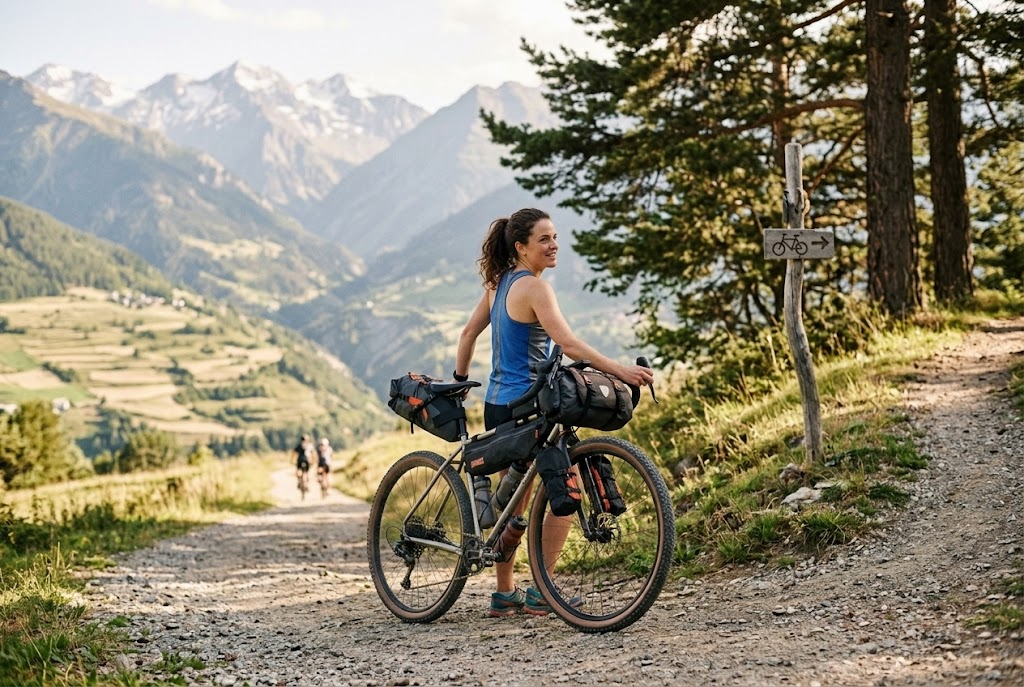
What Is Bikepacking and How Do You Get Started?
What kind of bike should you use? How do you carry your gear? Where should you go for your first bikepacking trip? These are some of the biggest questions for beginners.

At its core, bikepacking combines cycling and overnight travel, from a single night outdoors to much longer adventures. There is no single correct way to do it. Each trip is a chance to learn what works for you, whether that means bringing warmer sleep gear, planning fewer miles per day, or preparing a better fueling strategy.
You also don’t have to be a fan of traditional camping. Staying in hotels is a simple and lightweight way to try bikepacking for the first time. You can ride a full-suspension bike through remote mountain trails with loaded bags, or take a road bike on paved routes and stay in hotels. Both can be bikepacking.
Bikepacking also appeals to experienced racers and cyclists, showing how flexible the activity can be. Some use it for racing and adventure, while others enjoy it as a way to escape everyday routines and spend time outdoors.
The key is to avoid feeling like there is one specific way to “do bikepacking.” Choose a bike, route, gear setup, and trip length that match your experience and comfort level.
Plan Your Bikepacking Route
A bikepacking trip needs more planning than a typical day ride. The farther you travel from towns and services, the more important it is to make sure you have enough food, water, shelter, and warm, dry gear for the end of each day.
Start by studying the route carefully. Use maps and satellite views to understand the roads, trails, and potential stops. Pay close attention to terrain and elevation. Distance alone doesn’t tell the whole story. A flat 50-mile road ride can be very different from a 50-mile route through mountainous singletrack. Gravel and rough surfaces can also take significantly more time and effort than smooth pavement.
Before your trip, create a basic plan covering your daily schedule, food and water stops, gear, and weather conditions. A packing checklist can also help, and you can update it after each trip based on what you actually used.
At the same time, don’t make your itinerary too rigid. Have backup options in case you ride fewer miles than expected, discover a road or bridge is unavailable, or simply decide to spend more time somewhere interesting. A flexible plan can make your first bikepacking trip much less stressful.
Finally, check the weather forecast and your GPS route before setting off, and be prepared to adjust your plans when conditions change.
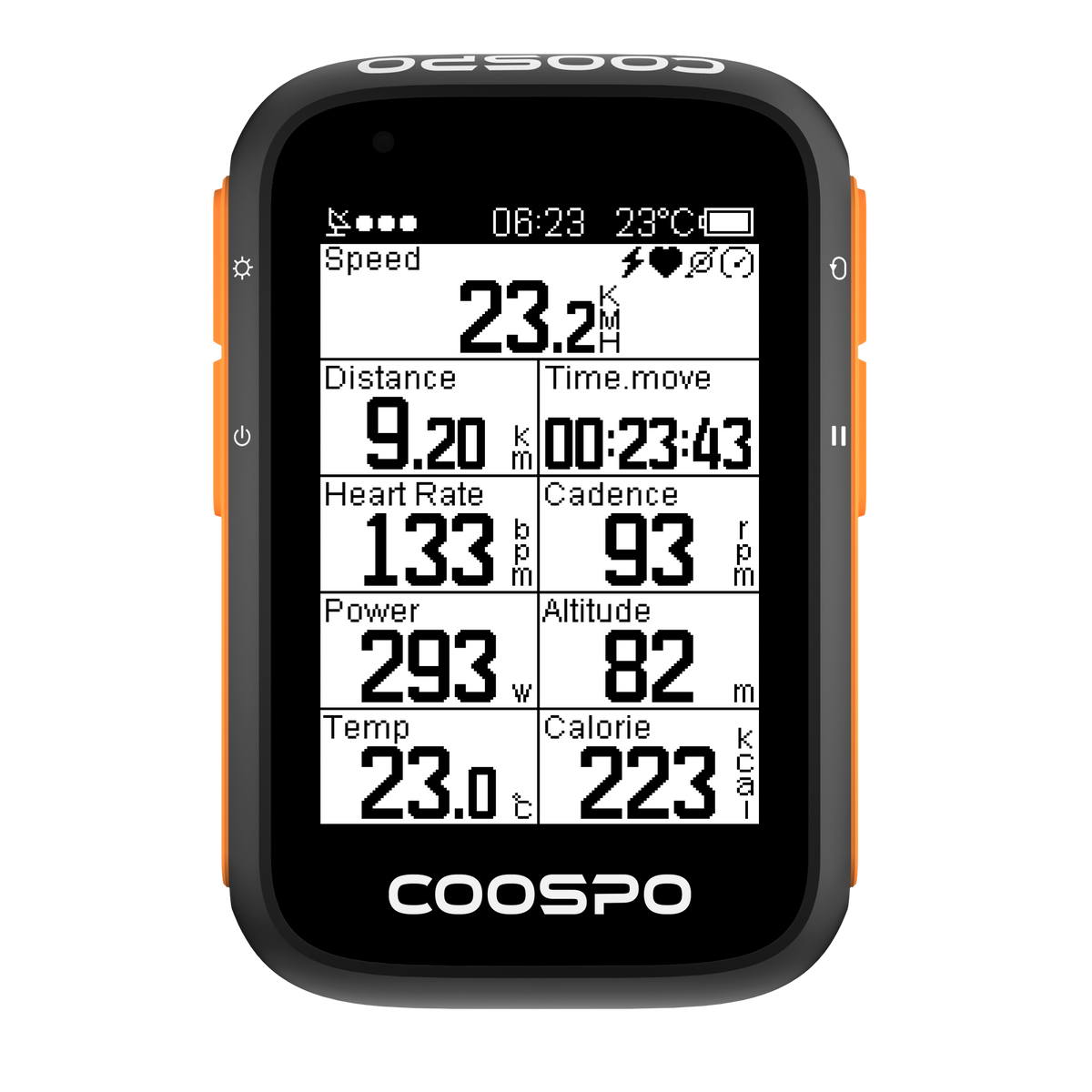
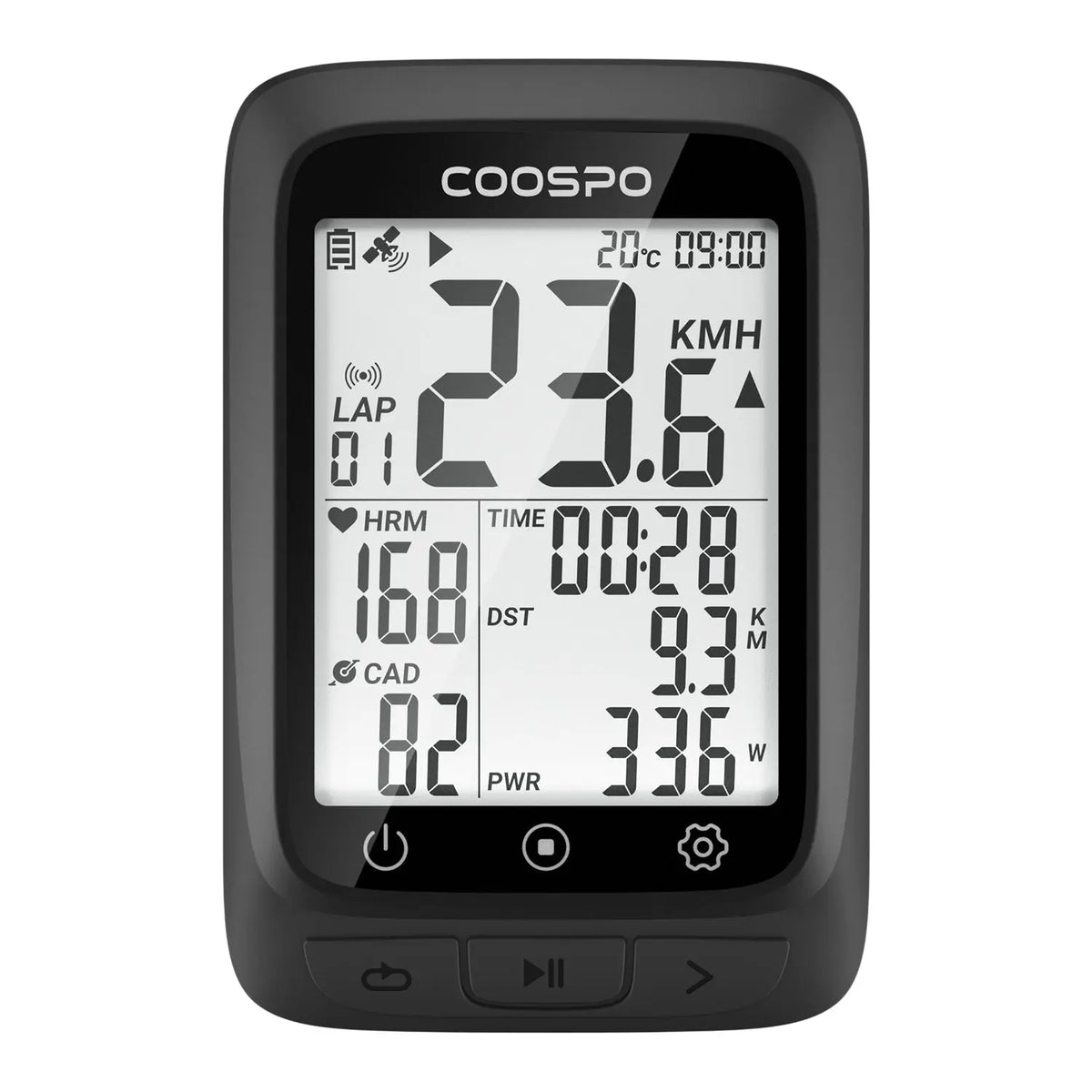
A reliable bike computer can also make route planning easier once you’re on the road. The COOSPO CS600 Bike Computer provides GPS navigation, maps, 36 hours battery, elevation data, and route guidance, making it easier to follow your planned route and keep track of your progress during a bikepacking trip.

For bikepacking routes that include busy roads, the COOSPO TR70 Radar Tail Light can also help you stay aware of approaching vehicles from behind, adding an extra layer of safety to your ride.
Pack for the Trip You’re Taking
Your packing list should match the type of bikepacking trip you’re planning. If you’ll regularly stop in towns or stay in hotels and Airbnbs, you can travel much lighter. If you’re camping in remote areas, you’ll need to carry more food, clothing, and sleeping gear.
Think about the weather and terrain when choosing what to bring. Lightweight layers can work well in warmer conditions, while colder trips may require an insulated jacket that can easily fit inside a frame bag.
For camping, a quilt system can be a versatile and compact alternative to a traditional sleeping bag. If you plan to camp often, a bikepacking-specific tent can also be worth considering because its compact design makes it easier to fit the tent and poles into bike bags.
Comfort items are optional, but a small, lightweight camp chair can be worthwhile after a long day of riding.
One thing you shouldn’t overlook is off-bike clothing. Having something warm and dry to change into at the end of the day is especially important when temperatures drop at night. Keep these clothes in a waterproof bag to protect them from rain and moisture.
Finally, if your route includes stops in towns for food, supplies, or accommodation, remember to bring a bike lock. It’s easy to forget, but it can be essential when you need to leave your bike unattended.
Consider Your Bikepacking Bags
Choosing the right bikepacking bags can make a big difference in comfort and riding efficiency. Bulky bags may seem convenient because they hold more gear, but extra size and weight can slow you down, especially on longer days.
If this is your first bikepacking trip, you don’t need to buy a complete bikepacking bag setup right away. A handlebar bag, small backpack, or simple strapped-on bag can be enough to carry the essentials. Just keep your route shorter, as riding long distances with a heavy backpack can put extra pressure on your sit bones and make the ride less comfortable.
Once you know you enjoy bikepacking, consider investing in purpose-built racks or bags. If possible, try different bag styles before buying. Everyone has different preferences for how they carry gear, and finding the right setup can take some experimenting.
Don’t Forget a Portable Pump

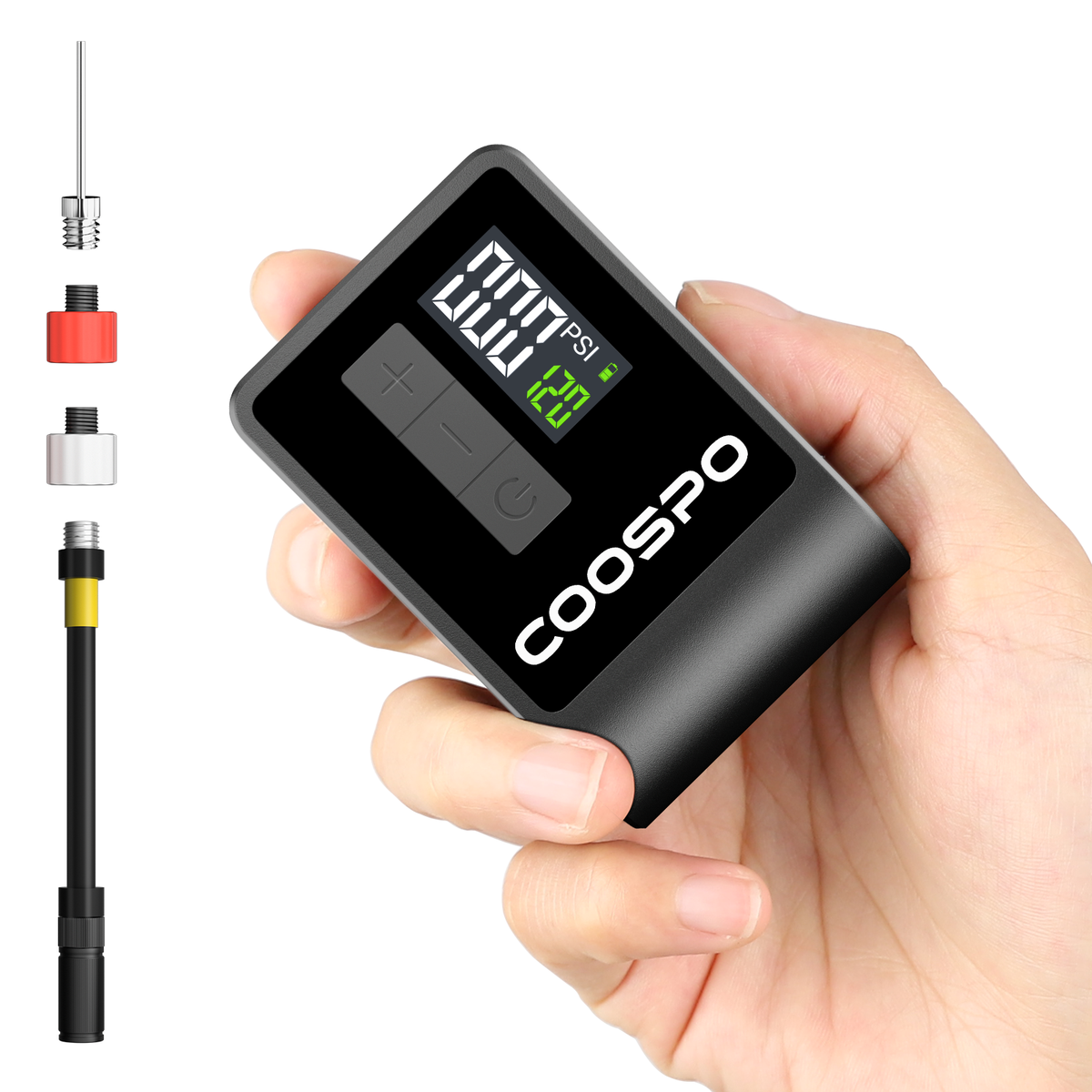
Flat tires and low tire pressure can quickly turn a great bikepacking trip into a long walk. A compact pump is worth carrying even if you’re only planning a short overnight ride. The COOSPO X1 Smart Air Pump is small and lightweight, making it easy to keep in a bikepacking bag and use when you need to adjust your tire pressure on the road.
Start Your Bikepacking Trip Close to Home
For your first bikepacking trip, you don’t need to travel far. Start with a route close to home and explore roads and trails you’ve never ridden before. A local adventure lets you experience bikepacking without the extra cost and logistics of traveling to a distant starting point.
Another useful approach is to test your gear at home first. Load your bike exactly as you would for a real trip, take it for a longer ride, and then set up your tent or camping gear in your backyard. This gives you a chance to check your bags, equipment, and setup before heading somewhere remote.
Once everything works smoothly, you’ll be ready to take your first real bikepacking adventure.
Make Sure to Fuel Up
Proper food and hydration are essential for a successful bikepacking trip, especially on longer rides. You can bring your own food, just as you would for camping, but it’s also helpful to plan your route around places where you can refill water and buy fresh food.
For longer trips, consider adding some fresh options such as fruit and vegetables instead of relying entirely on packaged foods. Local farm stands and small shops can be useful stops for picking up fresh ingredients along the way.
Easy-to-carry homemade snacks can also provide convenient fuel while riding. Energy balls, oatmeal packets with oats, protein powder, seeds, cinnamon, and dried fruit are some simple options that pack well and are easy to prepare.
Most importantly, don’t wait until you’re completely exhausted or thirsty. Keep eating and keep drinking throughout the ride so you can maintain your energy for the miles ahead.
Leave No Trace While Bikepacking
Whether you’re staying at a campsite, camping in the backcountry, or setting up a discreet camp in the woods, always follow the Leave No Trace principle.
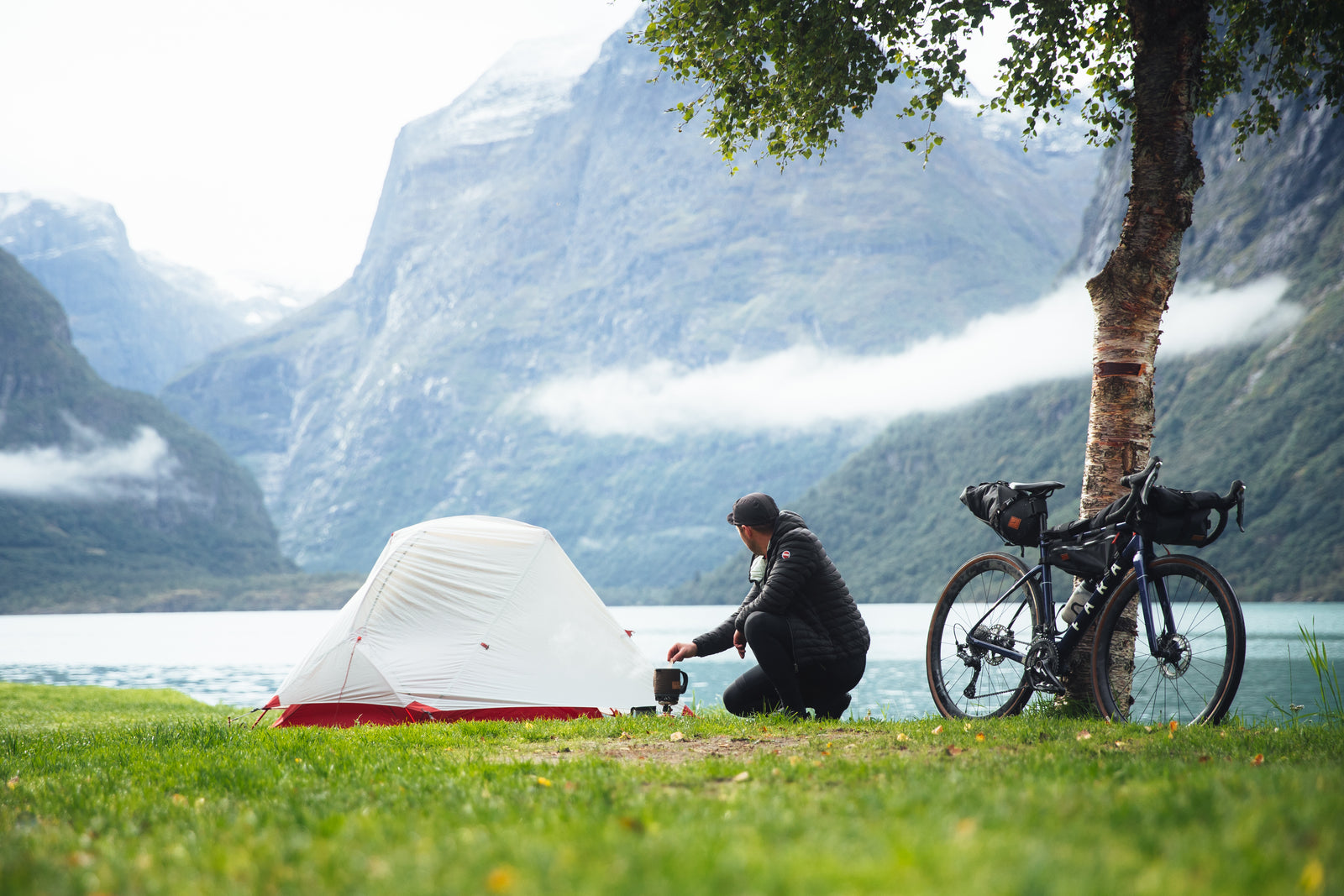
Take all your trash with you, keep food secured overnight to prevent animals from getting into it, and avoid damaging the surrounding area. Be respectful of the land, other campers, and local wildlife.
A good rule is simple: leave the place as clean as, or cleaner than, you found it.


Dejar un comentario
Este sitio está protegido por hCaptcha y se aplican la Política de privacidad de hCaptcha y los Términos del servicio.