













![[2 Pack] Coospo Breathable Neck Gaiter Face Scarf Mask COOSPO](http://www.coospo.com/cdn/shop/files/106de7b046babc03aa610173af6e31aa_599da3fe-9907-4b1e-8eb0-f08b3032720b.png?v=1720591174&width=1600)


![[4 Pack] Coospo Soft Breathable Chilly Towel, Microfiber Towel COOSPO](http://www.coospo.com/cdn/shop/files/1_904094cc-62ee-40e9-aa21-415effb385b4.png?v=1720527561&width=1600)

A medida que las luces traseras con radar se vuelven más populares entre los ciclistas, surge una pregunta una y otra vez:
¿Las luces traseras con radar realmente hacen que andar en bicicleta sea más seguro?
Es una pregunta razonable. Al fin y al cabo, una luz trasera con radar es diferente de una luz trasera tradicional. No hace que tu bicicleta sea más rápida. No mejora el rendimiento de frenado. No te protege físicamente en un crash.So ¿Qué hace exactamente? Y, lo que es más importante, ¿puede marcar una diferencia significativa durante los trayectos en la vida real? La respuesta es un poco más compleja que un simple "sí" o "no".
Analicemos más de cerca qué puede hacer la tecnología de radar, qué no puede hacer y cómo puede ayudar a los ciclistas a pedalear con mayor confianza y atención.
¿Para qué está diseñada una luz trasera con radar?
Una luz trasera tradicional tiene una función principal: Ayuda a que los conductores te vean. Una luz trasera con radar también hace eso, pero además añade otra función:
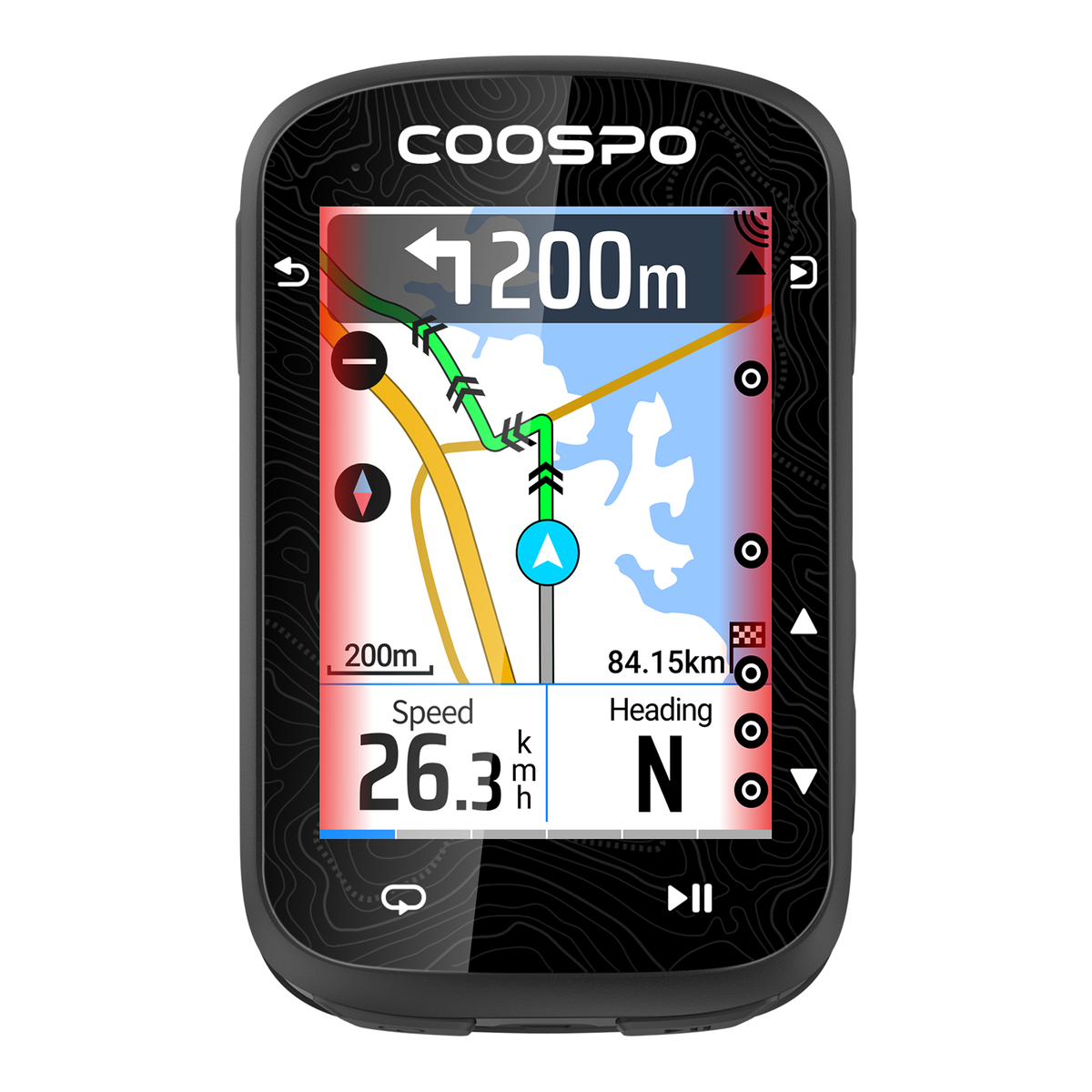
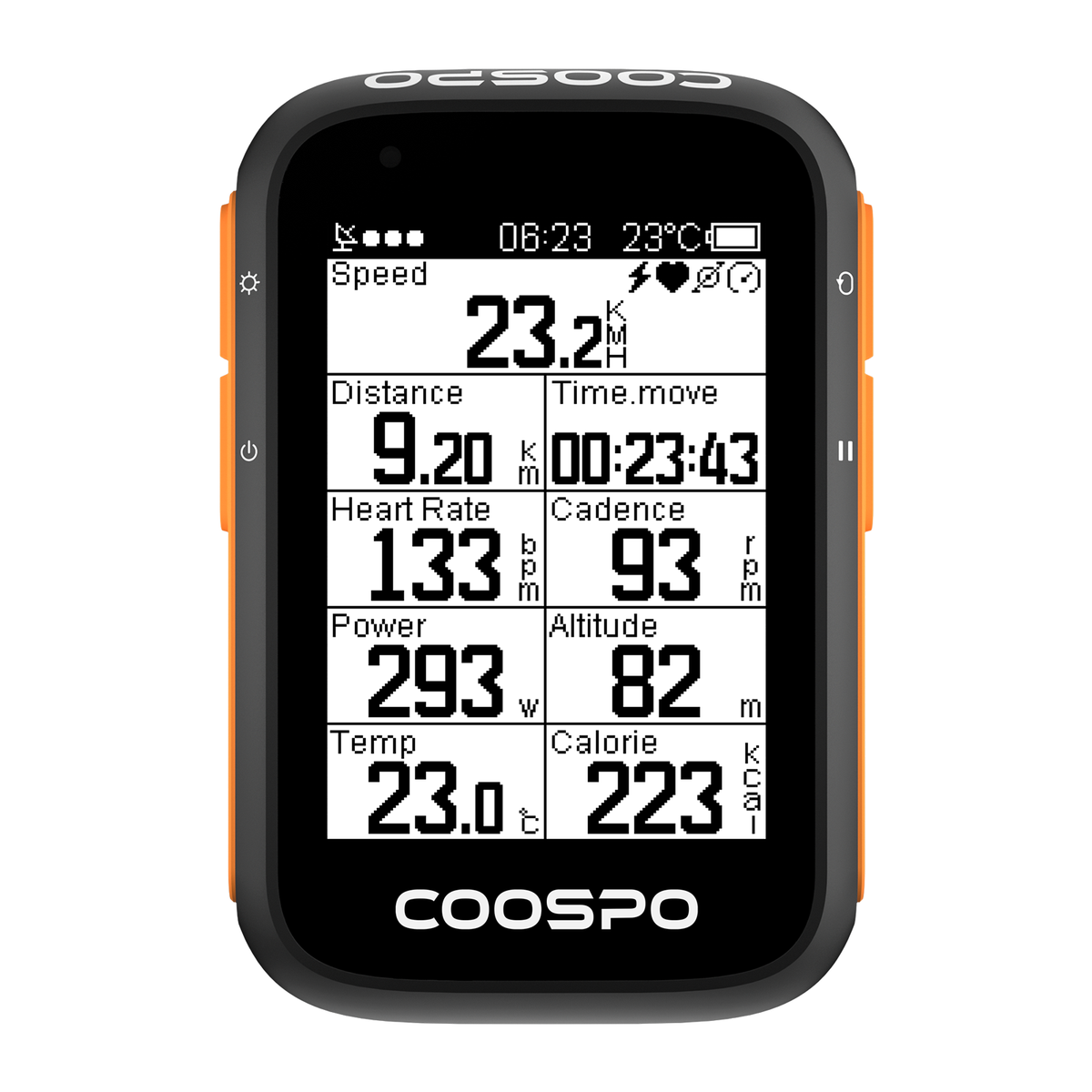
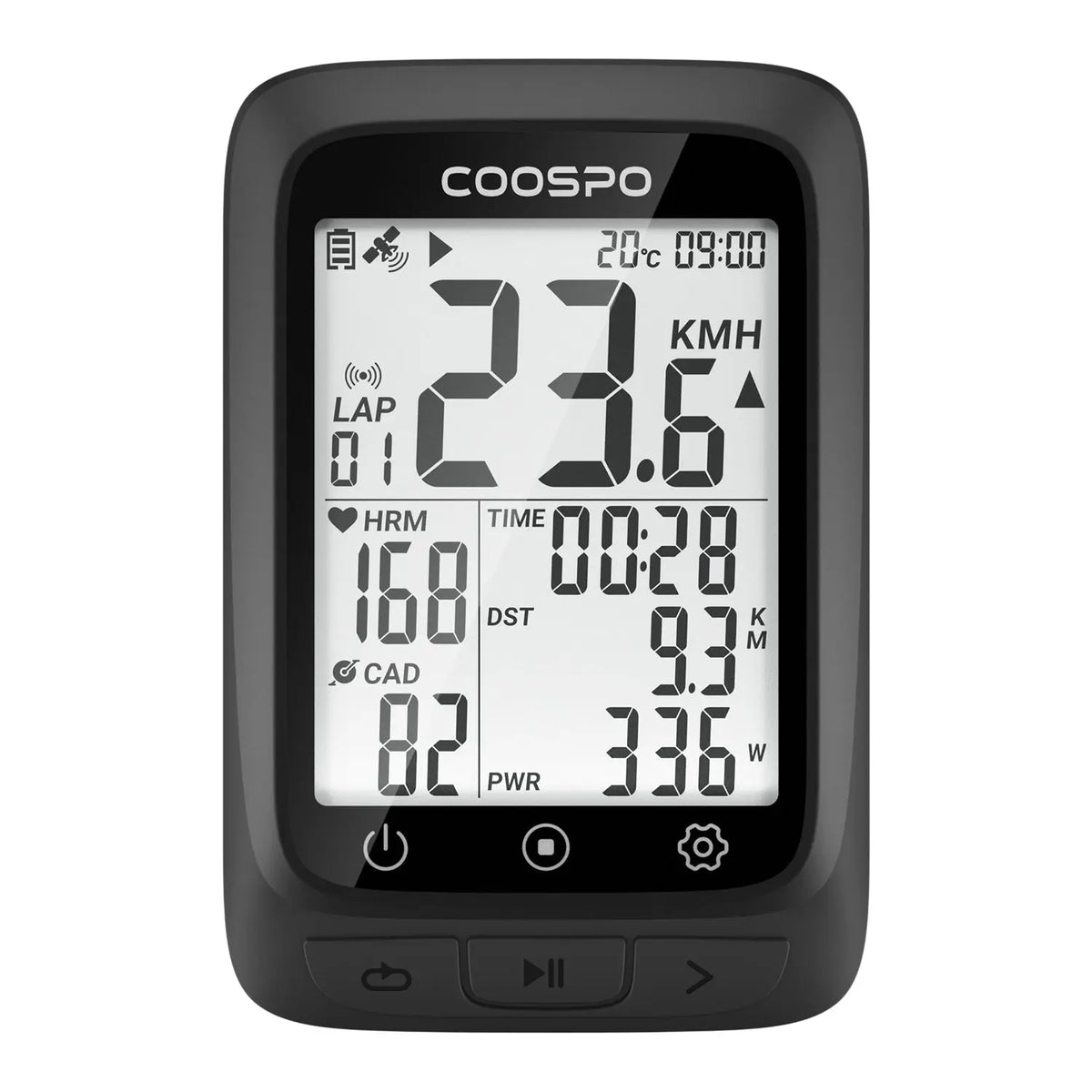
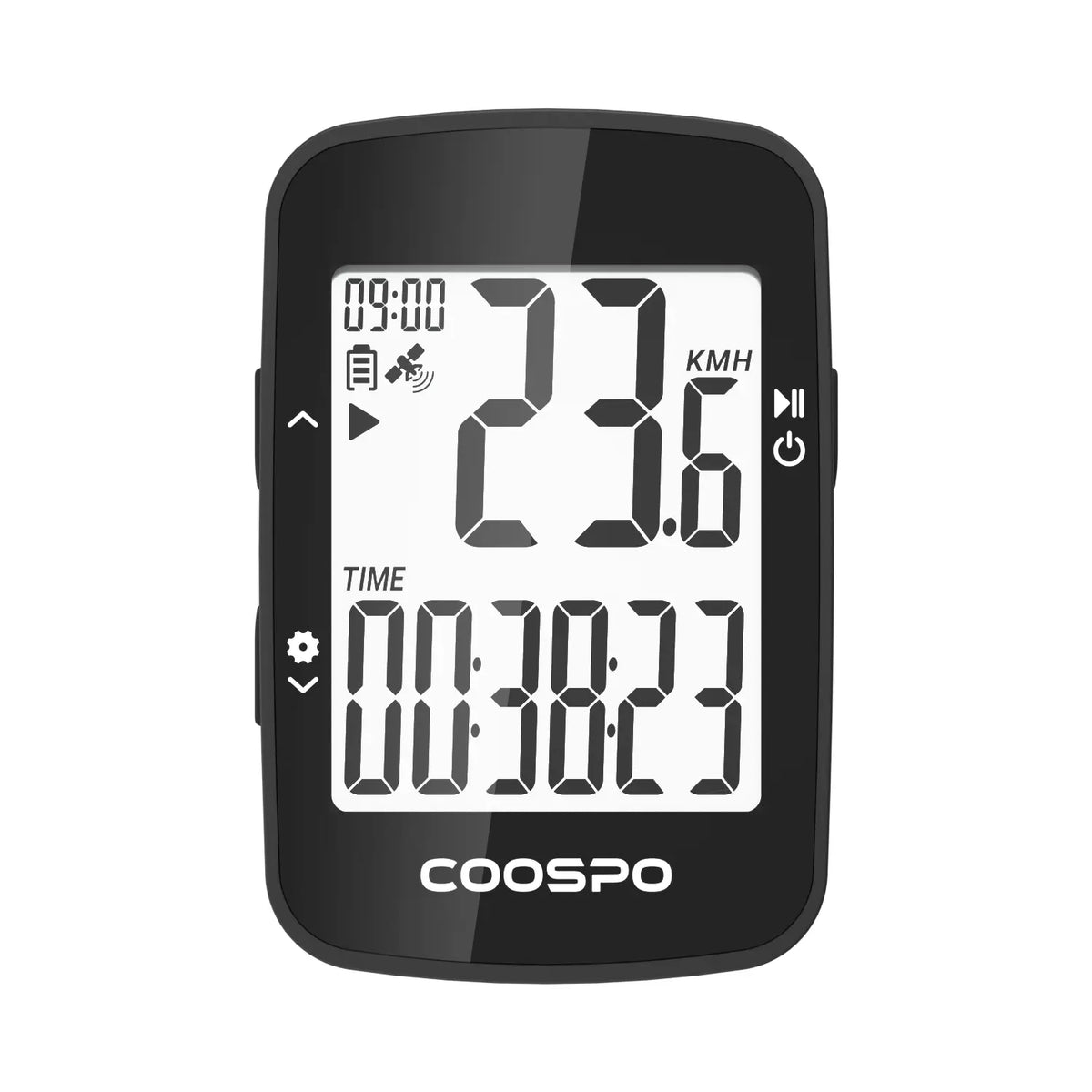
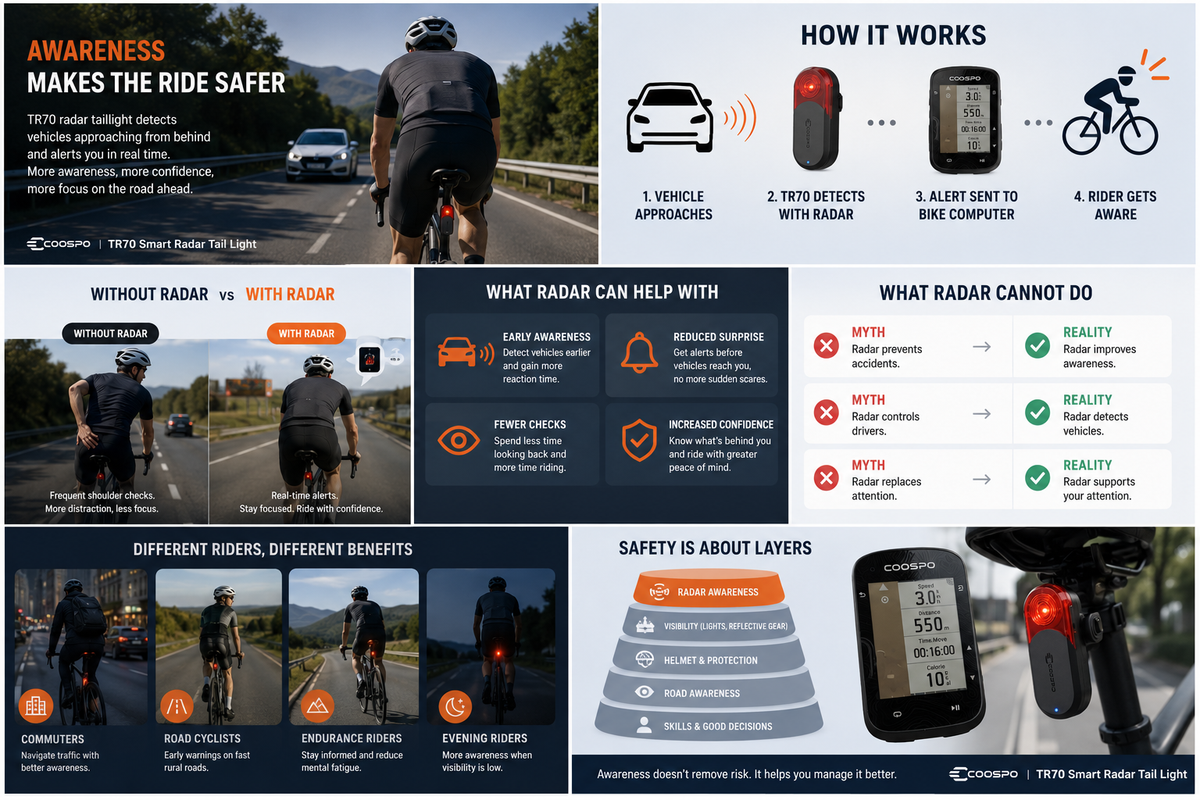
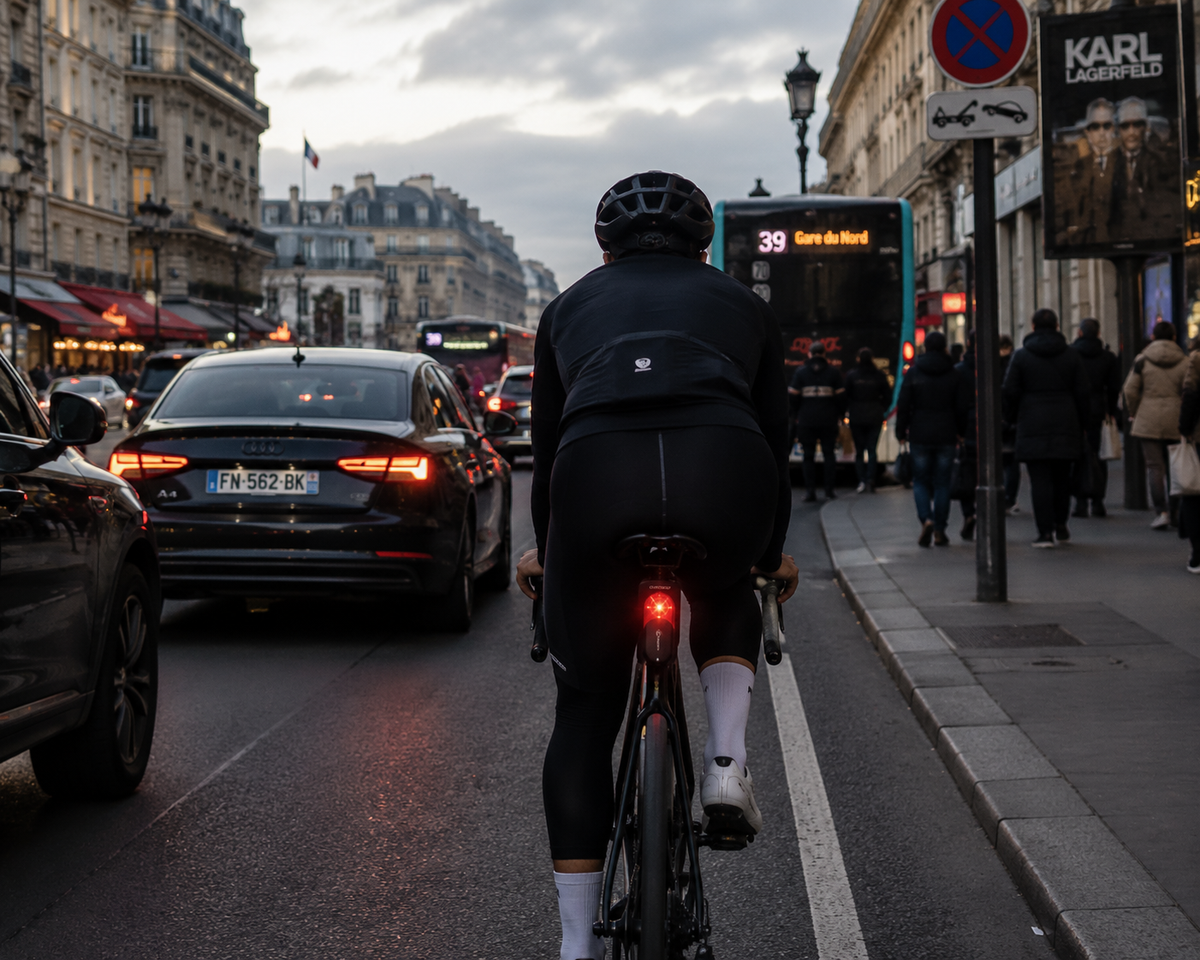
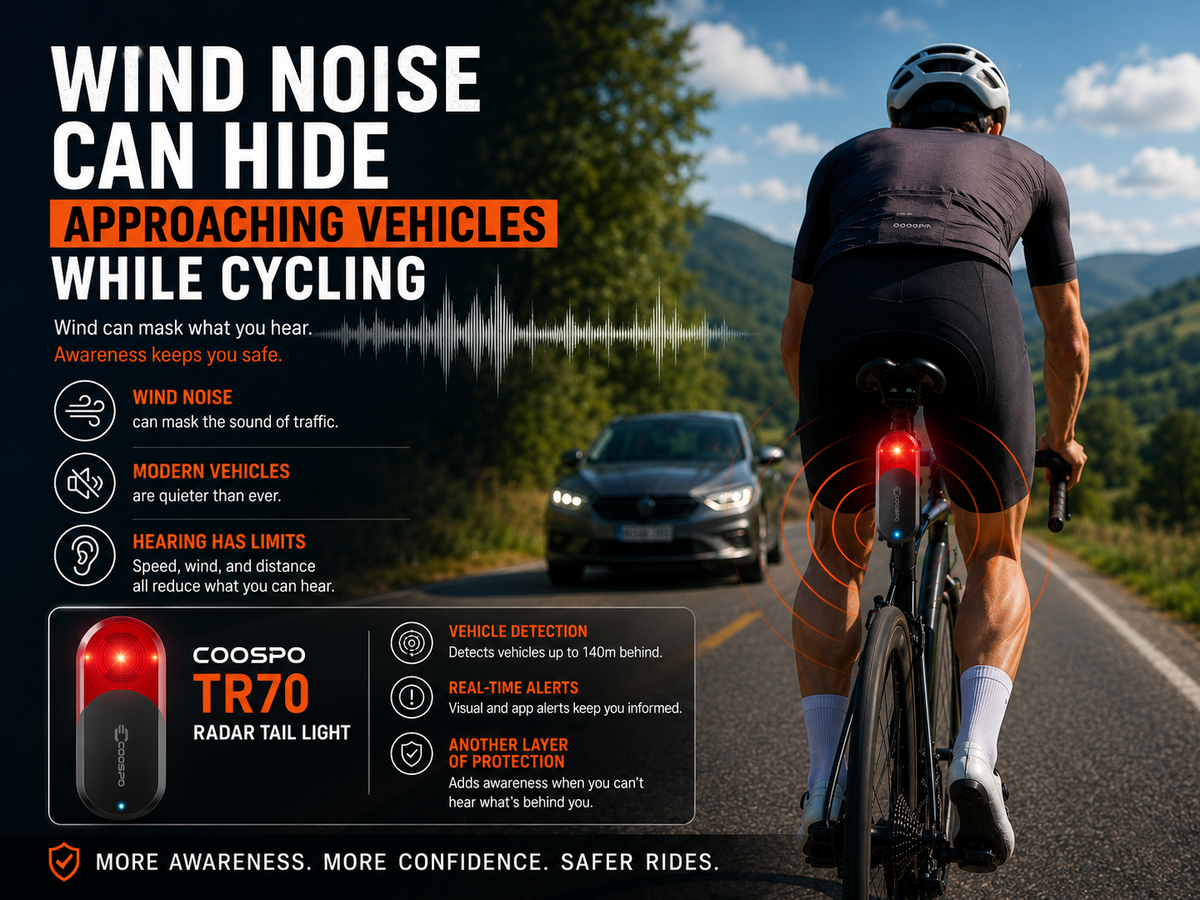
Ayuda a los ciclistas a ser conscientes de los vehículos que se aproximan por detrás. Mediante tecnología de radar, el sistema monitoriza el tráfico que se aproxima por detrás y envía alertas a un ciclocomputador o dispositivo de visualización compatible. En lugar de depender únicamente de escuchar el tráfico o de mirar repetidamente por encima del hombro, los ciclistas reciben información sobre los vehículos que se acercan por detrás. Esto genera un nuevo nivel de atención durante el trayecto. Pero la concienciación y la seguridad no son exactamente lo mismo. Para comprender la diferencia, debemos analizar en qué aspectos reales puede ayudar el radar.
La concienciación es el primer paso hacia una conducción más segura.
La mayoría de los accidentes de bicicleta no ocurren porque los ciclistas tomen malas decisiones intencionadamente. Muchos ocurren por falta de información.
Por ejemplo:
* Un ciclista no se da cuenta de que se acerca un coche.
* Un ciclista gira a la izquierda sin percatarse del tráfico que viene detrás.
* Un motorista es sorprendido por un adelantamiento rápido.
* Un ciclista se distrae mientras mira constantemente por encima del hombro.
En estas situaciones, la información es importante. Cuanta más información tengan los ciclistas sobre su entorno, mejor podrán tomar decisiones. Aquí es donde la tecnología de radar aporta valor. En lugar de tener que adivinar lo que ocurre detrás de ellos, los ciclistas reciben alertas cuando se aproximan vehículos. Esa información puede ayudar a los ciclistas:
* Mantén una trayectoria de conducción más predecible.
* Prepárese para adelantar vehículos
* Evite los movimientos bruscos
* Se sienten más seguros al posicionarse en la carretera.
En muchos casos, el radar no cambia la carretera. Cambia la percepción que tiene el ciclista de estar informado.
¿En qué puede ayudar el radar?
Una luz trasera con radar puede mejorar varios aspectos de la experiencia de conducción.
Concienciación más temprana
Una de las mayores ventajas del radar es la notificación temprana. En lugar de descubrir un vehículo en el último momento, los pasajeros reciben alertas antes de que el vehículo llegue hasta ellos. Esta mayor percepción puede proporcionar un valioso tiempo de reacción.
Sorpresa reducida
A muchos ciclistas les disgusta que los vehículos que aparecen repentinamente detrás de ellos los sobresalten. Esto es especialmente común en carreteras tranquilas donde el tráfico es poco frecuente. Las alertas de radar ayudan a reducir esas sorpresas al proporcionar aviso anticipado.

Menos controles de hombro innecesarios
Muchos ciclistas miran con frecuencia hacia atrás porque simplemente no saben si se acerca algún vehículo. El radar proporciona información que puede reducir parte de esa incertidumbre. Esto permite a los ciclistas dedicar más tiempo a concentrarse en la carretera que tienen por delante.
Mayor confianza al montar a caballo
Para muchos ciclistas, la confianza es una de las mayores ventajas del radar. Saber lo que ocurre detrás de ti puede hacer que la conducción sea más tranquila y predecible, especialmente en carreteras desconocidas.
Lo que el radar no puede hacer
Aquí es donde comienzan muchos conceptos erróneos. Un piloto trasero con radar es una herramienta útil, pero tiene limitaciones. Es importante comprender esas limitaciones.
El radar no puede controlar a los conductores.
Aunque un motorista sepa que se acerca un vehículo, el radar no puede influir en el comportamiento del conductor. No puede obligar a los conductores a reducir la velocidad. No puede obligar a los conductores a adelantar de forma segura. No puede evitar las malas decisiones que toman otros en la carretera.
El radar no puede prevenir todos los accidentes.
Algunas personas asumen erróneamente que el radar equivale a seguridad. La realidad es más compleja.
La seguridad al andar en bicicleta depende de muchos factores:
* Conciencia del ciclista
* Condiciones de la carretera
* Visibilidad
* Comportamiento del tráfico
* Clima
* Velocidad
* Experiencia
El radar contribuye a la concienciación, pero es solo una parte del panorama general.
El radar no puede reemplazar la atención.
Los ciclistas deben permanecer alerta. Deben seguir estando atentos a las condiciones del tráfico, respetar las normas de circulación y conducir de forma responsable. Una luz trasera con radar nunca debe considerarse un sustituto de los hábitos de conducción segura. Piensa en ello como un asistente, no como un sustituto.
¿Por qué muchos ciclistas se sienten más seguros con el radar?
Aunque el radar no puede eliminar el riesgo, muchos motoristas afirman sentirse más seguros al usarlo.
¿Por qué?
Porque la incertidumbre genera estrés. Cuando los ciclistas no saben lo que está sucediendo detrás de ellos, a menudo se vuelven más cautelosos, más... distraído o más nervioso.
Esto es especialmente cierto durante:
Viajes largos por carretera
Desplazamientos diarios concurridos
Rutas ciclistas rurales
Descensos rápidos
paseos nocturnos
El radar ayuda a reducir parte de esa incertidumbre. En lugar de preguntarse constantemente si se acerca tráfico, los motociclistas reciben información cuando es necesario. Esta información suele traducirse en una experiencia de conducción más relajada. Y cuando los motociclistas se sienten menos estresados, pueden concentrarse más en la carretera.

Diferentes usuarios, diferentes beneficios
No todos los ciclistas experimentarán los mismos beneficios de la tecnología de radar. Para algunos, la mayor ventaja es la confianza.
Para otros, es una cuestión de comodidad.
Para los usuarios del transporte público, puede suponer una mayor concienciación en el tráfico.
Para los ciclistas de carretera, puede tratarse de avisos tempranos en carreteras rurales con mucho tráfico.
Para los ciclistas de resistencia, puede tratarse simplemente de una menor fatiga mental durante las largas horas sobre la bicicleta.
El valor depende de dónde, cuándo y cómo se monta. Pero el tema común sigue siendo el mismo:
El radar proporciona información que los ciclistas no tendrían de otro modo.
La seguridad se basa en la protección por capas.
Una de las mejores maneras de entender la seguridad en el ciclismo es como un conjunto de capas. Ningún producto por sí solo puede garantizar la seguridad total al practicar este deporte.En cambio, los ciclistas fomentan la seguridad mediante diversas herramientas y hábitos.
Estas capas pueden incluir:
Un casco que le quede bien
Luces delanteras y traseras brillantes
Ropa reflectante
Comportamiento de conducción predecible
Buena planificación de rutas
Conciencia del entorno
Técnicas de conducción defensiva
La tecnología de radar se convierte en una capa más dentro de ese sistema. No reemplaza a las demás, sino que las refuerza. Así como un casco ayuda a proteger la cabeza y las luces mejoran la visibilidad, el radar ayuda a mejorar la percepción del entorno. Cada capa contribuye a una experiencia de conducción más segura en general.

Entonces, ¿una luz trasera con radar realmente hace que andar en bicicleta sea más seguro?
La respuesta más honesta es esta:
Una luz trasera con radar no garantiza la seguridad. Ningún producto para ciclistas puede prometer eso. Sin embargo, el radar puede mejorar la percepción del entorno, reducir la incertidumbre y ayudar a los ciclistas a comprender mejor lo que sucede detrás de ellos. Para muchos ciclistas, esta mayor percepción se traduce en una mejor toma de decisiones y una mayor confianza en la carretera. El radar no sustituye el buen juicio, ni los hábitos de conducción segura, ni elimina todos los riesgos. Pero al proporcionar información oportuna sobre el tráfico que se aproxima, puede ayudar a los ciclistas a sentirse más preparados e informados en cada trayecto. Y en el ciclismo, la percepción del entorno suele ser una de las herramientas de seguridad más valiosas.


Deja un comentario
Este sitio está protegido por hCaptcha y se aplican la Política de privacidad de hCaptcha y los Términos del servicio.