


















![[2 Pack] Coospo Breathable Neck Gaiter Face Scarf Mask COOSPO](http://www.coospo.com/cdn/shop/files/106de7b046babc03aa610173af6e31aa_599da3fe-9907-4b1e-8eb0-f08b3032720b.png?v=1720591174&width=1600)


![[4 Pack] Coospo Soft Breathable Chilly Towel, Microfiber Towel COOSPO](http://www.coospo.com/cdn/shop/files/1_904094cc-62ee-40e9-aa21-415effb385b4.png?v=1720527561&width=1600)

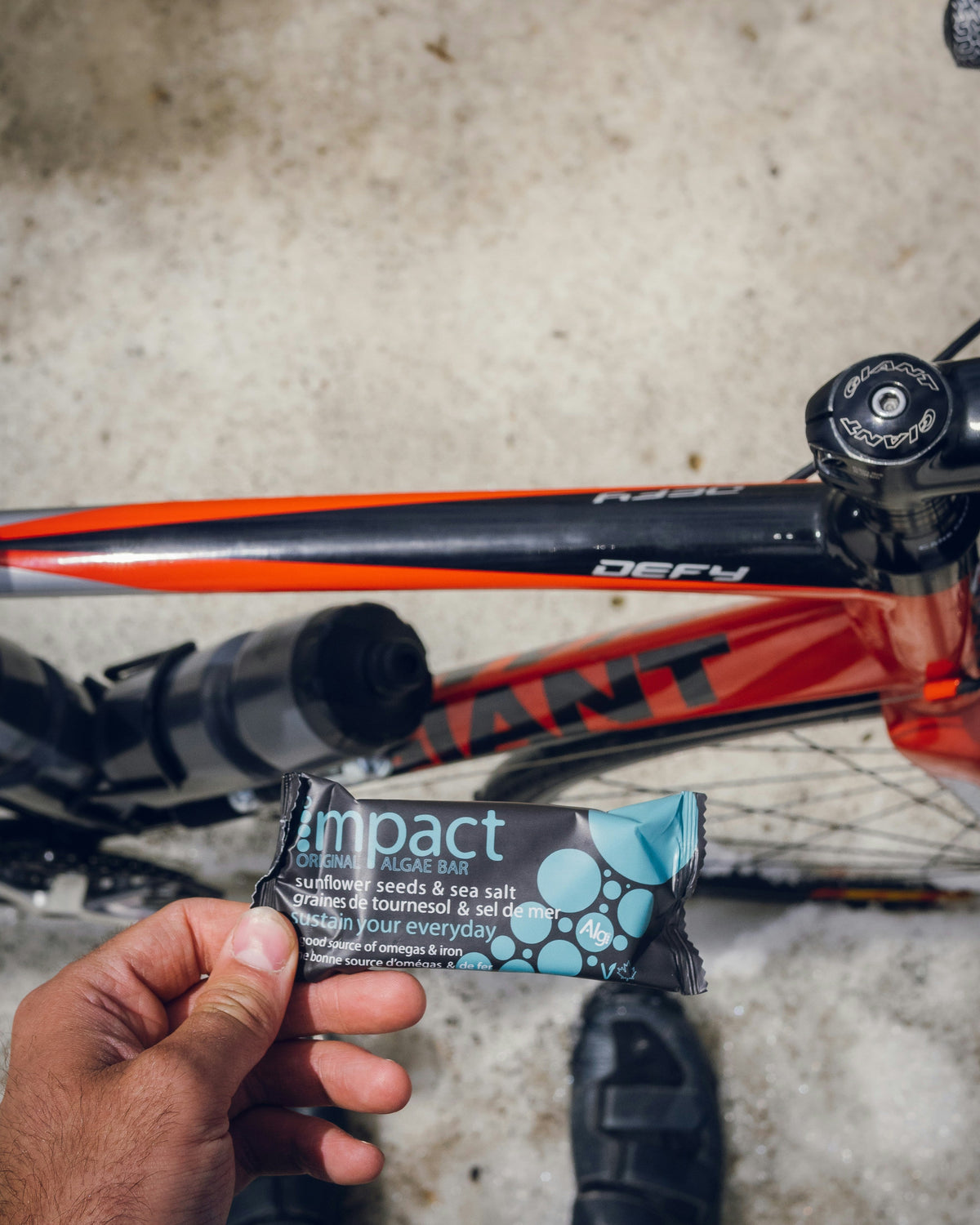
Haben Sie diese Erfahrung schon einmal gemacht?
Ich war schon über eine Stunde mit dem Fahrrad unterwegs. In der ersten Stunde fühlten sich meine Beine stark an; ich konnte sogar aufstehen und sie an den Hügeln ein paar Mal schwingen. Nach etwa einer Stunde und 20 Minuten passierte dann etwas Seltsames. Meine Beine wurden plötzlich schwach – nicht so schwach wie vor Erschöpfung, sondern so schwach, dass ich keinerlei Kraft mehr zum Treten aufbringen konnte. Auf demselben Streckenabschnitt, auf dem ich sonst problemlos 30 km/h fahren konnte, schaffte ich plötzlich nur noch 26 km/h, egal wie sehr ich mich anstrengte.
Danach wurde mein Kopf ganz benebelt. Als ich einen kleinen Laden am Straßenrand sah, konnte ich nur noch denken: „Verkaufen die dort Bananen?“
Falls Ihnen das schon einmal passiert ist, herzlichen Glückwunsch – Sie sind an Ihre Grenzen gestoßen.
Und der Zeitpunkt, an dem sie an ihre Grenzen stoßen, ist auffallend konstant: etwa nach 90 Minuten. Das ist kein Zufall. Es ist die physiologische Grenze deines Körpers, die erste eiserne Regel der Radsporternährung. Heute erklären wir dir diese „90 Minuten“ ausführlich.
I. Ihr Körper verfügt tatsächlich über zwei Treibstofftanks
Um das besser zu verstehen, kann man sich den menschlichen Körper wie ein Hybridauto vorstellen.
Du hast zwei Treibstofftanks in deinem Körper.
Der erste Energietank: Kohlenhydrate (Glykogen)
Dieser Tank enthält hochoktaniges Benzin. Es ist leistungsstark, verbrennt schnell und liefert mit einem kurzen Gasstoß sofortige Power. Bergauffahrten, Sprints und das Durchbrechen feindlicher Linien – all das ist darauf angewiesen. Dieser Energiespeicher ist jedoch nicht groß. Ein normaler Erwachsener mit normaler Ernährung und einem Gewicht von etwa 70 kg hat ungefähr 800 bis 1000 Kalorien in seinen Muskeln und seiner Leber gespeichert..
Was bedeutet 800 bis 1000 Kalorien? Das entspricht ungefähr Folgendem:
4 Schüsseln Reis oder 8 Bananen oder 3 McDonald's-Hamburger. Klingt viel? Aber eine Stunde intensives Radfahren kann 500 bis 800 Kalorien verbrennen. Anders ausgedrückt: Wenn du richtig Gas gibst, ist dein Energiespeicher in weniger als zwei Stunden leer.
Der zweite Treibstofftank: Fett
Dieser Tank enthält „Diesel“. Die Reserven sind praktisch unbegrenzt – selbst ein scheinbar schlanker Radfahrer hat genug Fettreserven, um Hunderte von Kilometern zurückzulegen.
Das Problem ist jedoch: Fett wird zu langsam verbrannt.
Wenn Kohlenhydrate wie ein Blitz sind, der auf Knopfdruck explodiert, ist Fett wie ein Streichholz, das langsam entzündet werden muss. Es ermöglicht dir, weiterzufahren, aber nicht schnell. Sobald dein Körper in den reinen Fettverbrennungsmodus schaltet, sinkt deine Leistung drastisch, sodass nur noch das absolute Minimum übrig bleibt, um „weiterzumachen“. Das ist das Wesen des „An seine Grenzen stoßens“: Das hochoktanige Benzin geht aus, man ist gezwungen, Diesel zu verbrennen, und dann stellt man fest, dass man nicht mehr weiterfahren kann.
II. Warum genau 90 Minuten?
Die ersten 30 Minuten: Da hauptsächlich auf Muskelglykogen zurückgegriffen wird, bleibt der Blutzuckerspiegel stabil, und es wird nur eine geringe Menge Fett verbraucht. Man fühlt sich voller Energie.
30–60 Minuten: Die Glykogenspeicher sinken, und der Körper beginnt, vermehrt Fett als Energiequelle zu nutzen. Solange die Intensität nicht zu hoch ist, wird die Leistung nicht beeinträchtigt.
60–90 Minuten: Das kritische Zeitfenster. Leberglykogen wird zur Aufrechterhaltung des Blutzuckerspiegels genutzt, und das Muskelglykogen ist zu mehr als der Hälfte aufgebraucht. Der Anteil der Fettverbrennung zur Energiegewinnung steigt, aber die Leistungsfähigkeit sinkt. Sie fühlen sich vielleicht noch energiegeladen, können aber einfach nicht mehr schnell laufen.
Nach 90–120 Minuten sind die Glykogenspeicher erschöpft. Werden die Kohlenhydrate nicht wieder aufgefüllt, schaltet der Körper in den Energiesparmodus. Fett wird zur primären Energiequelle, die Leistungsfähigkeit sinkt drastisch, das Gehirn reagiert aufgrund des Zuckermangels verwirrt und die Gliedmaßen fühlen sich schwach an.
Daher stellt die Angabe von 90 Minuten eine physiologische Grenze dar, die sich ergibt, indem man das Volumen der beiden Energiespeicher des Körpers durch die abgegebene Leistung teilt.

III. Aber diese "90 Minuten" sind nicht fest.
Variable 1: Intensität
Eine gemütliche Fahrt kann bis zu zwei Stunden dauern, bevor einem die Energie ausgeht. Wer aber eine anspruchsvolle Strecke anstrebt oder sich einer Gruppe anschließt, die an ihre Grenzen geht, kann schon nach etwas über einer Stunde völlig erschöpft sein.
Variable 2: Was Sie am Vortag gegessen haben
Wenn Sie am Vortag gut gegessen haben, sind Ihre Glykogenspeicher morgens voll, wodurch sich die 90-Minuten-Marke weiter nach hinten verschiebt. Wenn Sie abends nur einen Salat gegessen haben, könnten Sie sich bereits nach 45 Minuten unwohl fühlen.
Variable 3: Individuelle Stoffwechselunterschiede
Manche Menschen können Fett von Natur aus besser verbrennen. Radfahrer, die über einen längeren Zeitraum mit niedriger Intensität trainieren, nutzen Fett effizienter als Energiequelle und können länger durchhalten, bevor sie an ihre Leistungsgrenze stoßen.
IV. Was sollte ich nach 90 Minuten essen?
Nachdem wir nun wissen, dass die 90 Minuten der entscheidende Punkt sind, ist die Strategie klar:
<90 Minuten: Ein kleiner Imbiss vor dem Aufbruch genügt. Eine Banane, eine Scheibe Brot oder sogar ein leerer Magen reichen aus – vorausgesetzt, man hat am Vortag ausreichend gegessen.
>90 Minuten: Sie müssen vor Ablauf von 90 Minuten aktiv Kohlenhydrate nachliefern.
Beachten Sie das Wort „vorher“. Warten Sie nicht mit dem Essen, bis Ihre Beine schwach werden; dann ist es zu spät. Sobald der Blutzuckerspiegel sinkt, dauert es mindestens 20 Minuten, ihn wieder zu erhöhen, und diese 20 Minuten werden beim Radfahren extrem schmerzhaft sein.
Die richtige Vorgehensweise: Beginnen Sie ab der 45. bis 60. Minute mit der Zufuhr von Kohlenhydraten in kleinen Portionen.
Was soll ich essen?
Bananen: Natürliches Energiegel, leicht verdaulich, enthält Kalium zur Vorbeugung von Krämpfen.
Energie-Gels: Speziell für sportliche Betätigung entwickelt, werden schnell vom Körper aufgenommen.
Reiskuchen/Reisbällchen: Ein Segen für asiatische Mägen, werden in mäßiger Geschwindigkeit verdaut.
Energiegummibärchen: Können als Snack gegessen werden, aber nicht als Hauptmahlzeit.
Wie viel?
Einfache Formel: 40-60 Gramm Kohlenhydrate pro Stunde
40–60 Gramm ≈ 1,5 Bananen ≈ 2 Päckchen Energiegels ≈ eine kleine Schüssel Reis

V. Wie lassen sich im Datenzeitalter Fallstricke präzise vermeiden?
Die oben genannten Werte für „90 Minuten“ und „40–60 Gramm“ sind Durchschnittswerte. Aber sind Sie ein Durchschnittsmensch?
Hier kommen Daten ins Spiel.
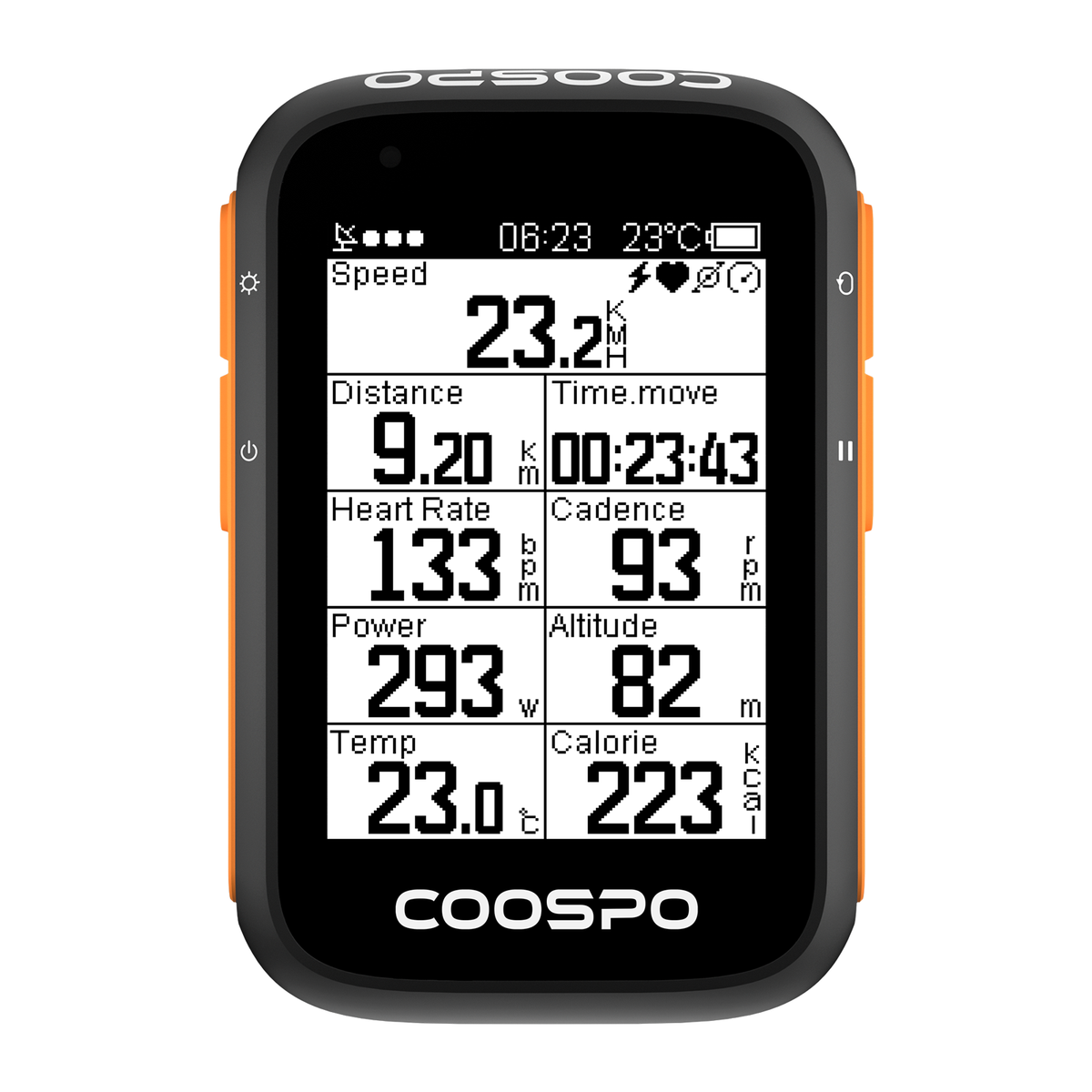
Herzfrequenzdaten: Wenn Ihre Ausgangsleistung gleich bleibt, Ihre Herzfrequenz aber unerklärlicherweise ansteigt, könnte dies ein Anzeichen für einen Glykogenmangel sein.
Leistungsdaten: Wenn Ihre Leistung nachlässt und Sie nicht aktiv langsamer fahren, bedeutet das, dass Ihnen der Treibstoff ausgeht.
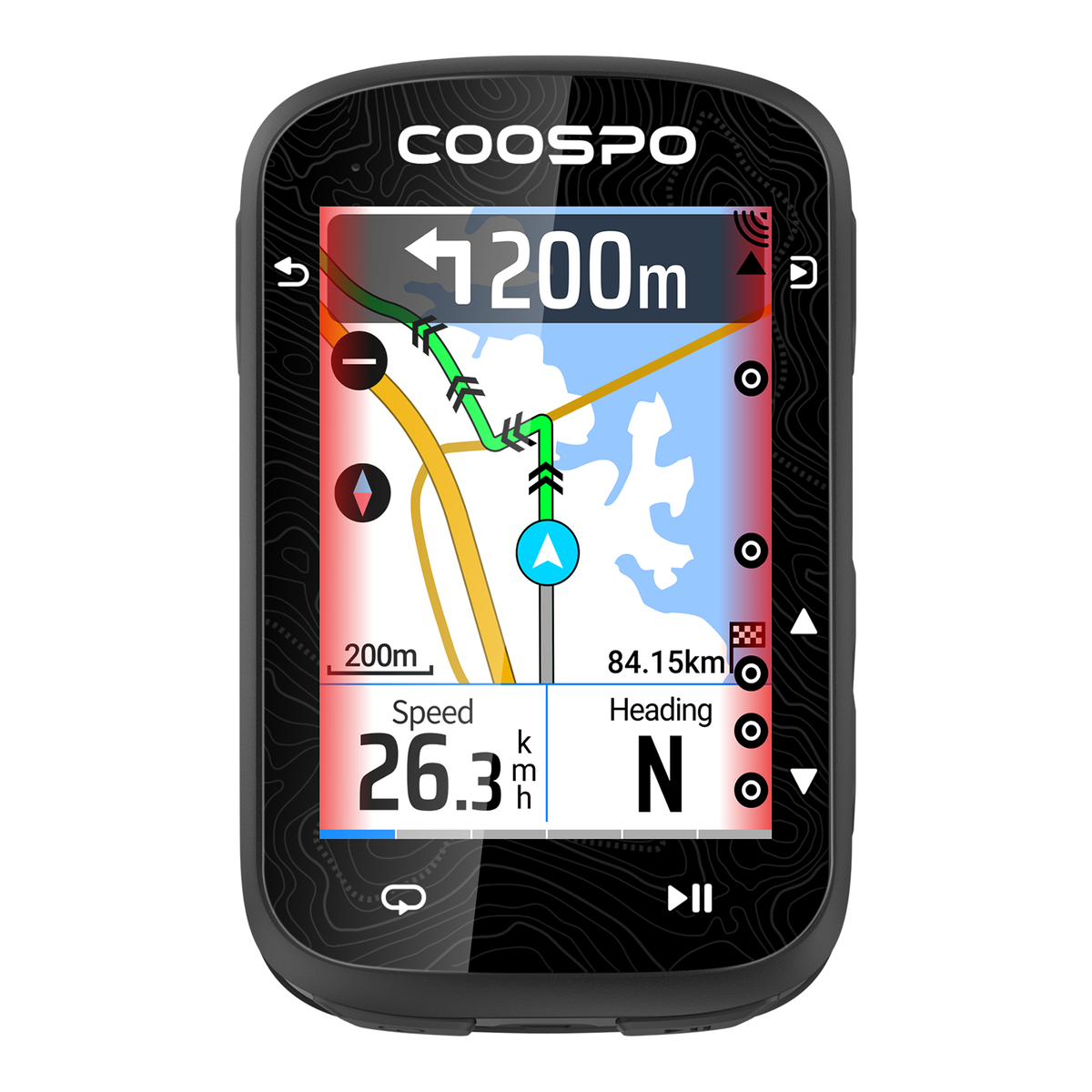
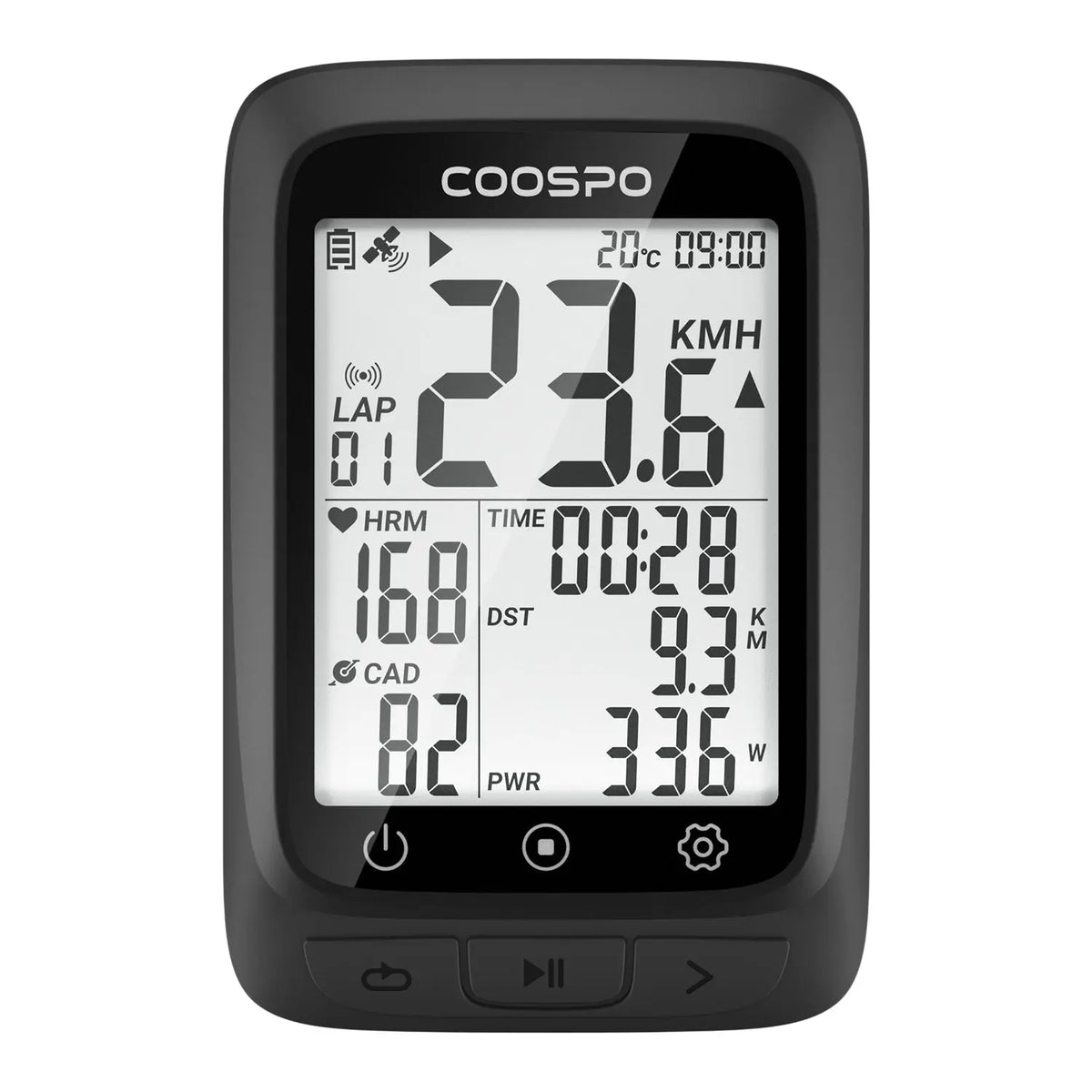
Fahrtdauer: Ihr Fahrradcomputer zeigt Ihnen deutlich an, wie lange Sie bereits gefahren sind. Nach 60 Minuten vibriert er, um Sie an eine Mahlzeit zu erinnern. Er ist zwar nicht hochmodern, sondern einfach ein Timer, aber er funktioniert.
VI. Zum Schluss noch eine heitere Bemerkung
Viele erfahrene Radfahrer entwickeln nach Zehntausenden von Kilometern eine Art Körpergefühl. Man braucht weder auf den Kilometerzähler noch auf die Uhr zu schauen; irgendwann während der Fahrt spürt man plötzlich: „Es ist Zeit zu essen.“ Bei genauerer Betrachtung tritt dieses Gefühl meist erst nach etwa 90 Minuten auf. Der Körper reagiert immer schneller als der Verstand. Wenn die Glykogenspeicher fast leer sind, signalisiert er durch Beinschwäche, nachlassende Leistung und Konzentrationsschwierigkeiten: „Hey, es ist Zeit, Energie aufzutanken.“ Man sollte also aktiv Energie tanken, bevor es so weit ist.
VII.
Wenn Sie morgen eine längere Strecke mit dem Fahrrad zurücklegen möchten, versuchen Sie Folgendes:
Vor der Abreise: Essen Sie eine Banane oder eine Scheibe Brot (200-300 Kalorien reichen aus).
45 Minuten: Beginnen Sie mit der Überlegung: „Sollte ich etwas essen?“
60 Minuten: Essen Sie Ihre erste Mahlzeit (eine halbe Banane/eine Packung Energiegels).
90 Minuten: Essen Sie Ihre zweite Mahlzeit, Der neue Treibstoff ist fertig.

Nach der Fahrt: Keine Sorge um die Kalorien., Iss, was immer du willst, yDu hast es verdient.
Sie werden feststellen, dass Sie sich auf derselben Strecke und demselben Weg dieses Mal trotzdem energiegeladen und glücklich fühlen werden.. Das ist die Magie der Vorräte. Es ist auch ein Konzept
Ein wenig naturwissenschaftliches Verständnis soll das Radfahren nicht erschweren, sondern es angenehmer machen. Denn Fahrspaß macht es erst cool.



Hinterlassen Sie einen Kommentar
Diese Website ist durch hCaptcha geschützt und es gelten die allgemeinen Geschäftsbedingungen und Datenschutzbestimmungen von hCaptcha.