

















![[2 Pack] Coospo Breathable Neck Gaiter Face Scarf Mask COOSPO](http://www.coospo.com/cdn/shop/files/106de7b046babc03aa610173af6e31aa_599da3fe-9907-4b1e-8eb0-f08b3032720b.png?v=1720591174&width=1600)


![[4 Pack] Coospo Soft Breathable Chilly Towel, Microfiber Towel COOSPO](http://www.coospo.com/cdn/shop/files/1_904094cc-62ee-40e9-aa21-415effb385b4.png?v=1720527561&width=1600)

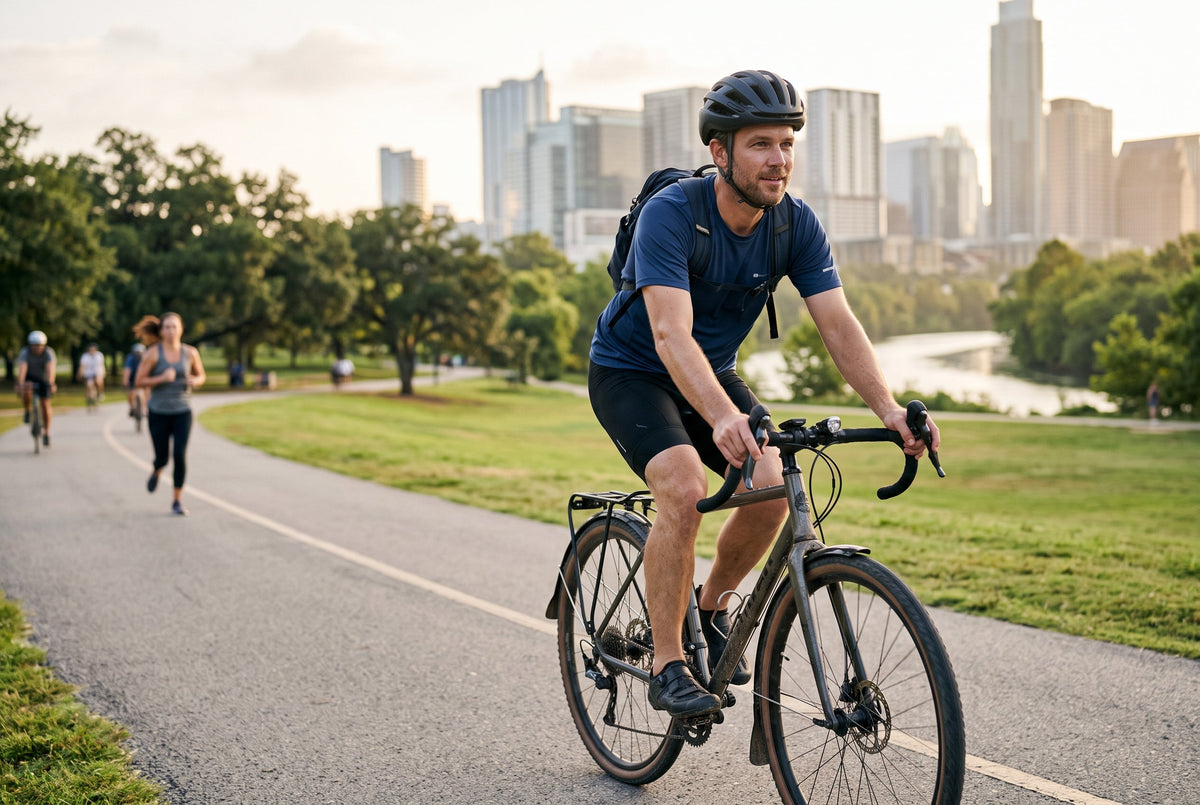
Não existe um atalho mágico para perder peso, mas criar o hábito de andar de bicicleta pode fazer uma diferença significativa ao longo do tempo. Mesmo um curto passeio diário de bicicleta pode aumentar seu nível de atividade, auxiliar no gasto calórico e ajudar você a alcançar um peso mais saudável de forma constante e sustentável.
Andar de bicicleta também pode desencadear alterações metabólicas que ajudam o corpo a usar gordura e carboidratos como fonte de energia de forma mais eficiente. O gasto energético não cessa necessariamente no momento em que você desce da bicicleta, pois o corpo continua a usar energia enquanto retorna ao seu estado normal de repouso.
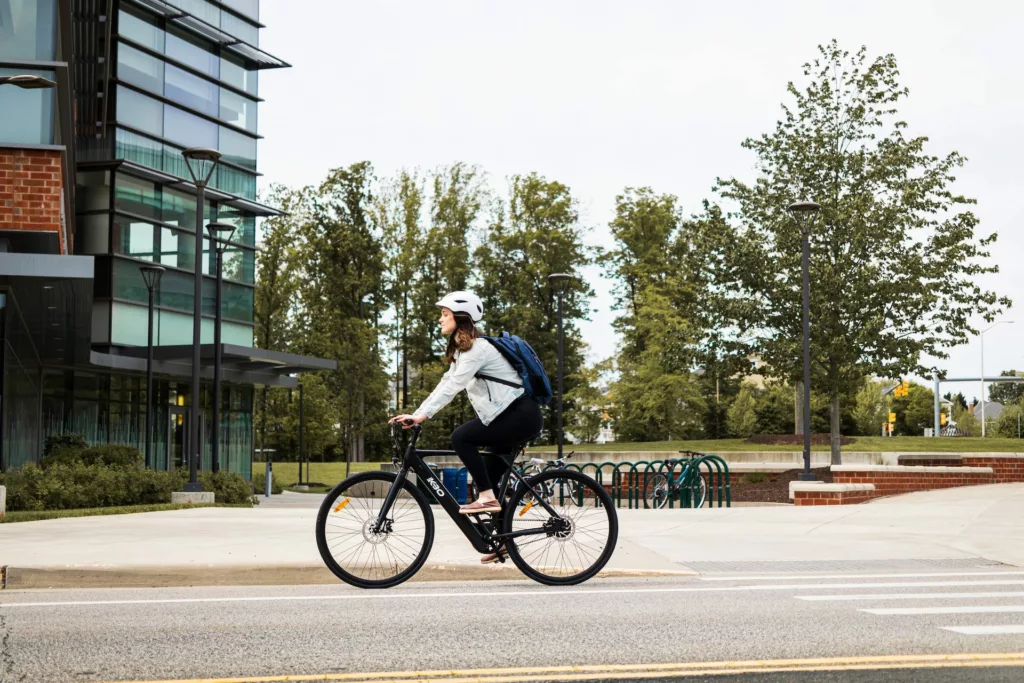
Faz tempo que você não pedala? Não tem problema. O ciclismo pode ser adaptado a diferentes níveis de condicionamento físico, idades e habilidades, e você não precisa ser um ciclista rápido ou experiente para se beneficiar. Você pode pedalar ao ar livre, usar uma bicicleta ergométrica ou simplesmente começar com sessões curtas e confortáveis e ir aumentando gradativamente aos poucos.
Incorporar o ciclismo à sua rotina regular também pode ajudar no controle do peso, no humor e na saúde em geral, além de contribuir para um menor risco de doenças como problemas cardíacos, câncer e diabetes.
A Associação Americana do Coração recomenda pelo menos 150 minutos de atividade aeróbica de intensidade moderada ou 75 minutos de atividade de intensidade vigorosa por semana. Para ciclistas, isso pode significar pedalar por cerca de 30 minutos por dia, cinco dias por semana. Mesmo passeios mais curtos, de 10 a 15 minutos, podem ser uma maneira útil de adicionar mais movimento ao seu dia.
Você pode promover uma perda de gordura constante e sustentável.
Andar de bicicleta pode influenciar a forma como o seu corpo processa e utiliza a energia, tanto durante como após o treino. Durante o exercício, a atividade de Lipase lipoproteica (LPL), Uma enzima envolvida no transporte e utilização de gordura aumenta e pode permanecer elevada por até 30 horas após o exercício. Seu metabolismo também permanece ativo após o treino, enquanto seu corpo trabalha para repor as reservas de energia e recuperar os músculos.
À medida que sua forma física e força muscular melhoram, seu taxa metabólica basal (TMB) também pode aumentar. A Taxa Metabólica Basal (TMB) refere-se às calorias que seu corpo usa para manter as funções básicas em repouso, portanto, manter um estilo de vida ativo pode contribuir para um maior gasto energético total.
Fazer entre 30 e 45 minutos de exercício na maioria dos dias pode ajudar a acelerar o metabolismo e tornar a atividade física regular parte de uma rotina sustentável de controle de peso. Com o tempo, isso pode contribuir para a perda de gordura, incluindo a redução da gordura visceral, a gordura abdominal mais profunda associada a doenças como problemas cardíacos e diabetes.
Por exemplo, um estudo envolvendo 24 homens e mulheres com diabetes descobriu que os participantes que pedalaram durante 45 minutos, três vezes por semana, durante oito semanas, reduziram a gordura visceral em 48%.
Você pode contribuir para uma melhor saúde do coração.
Andar de bicicleta é uma forma eficaz de exercício cardiovascular que ativa o coração e pode ajudar a melhorar o condicionamento cardiovascular ao longo do tempo. A atividade física regular também pode tornar os músculos esqueléticos mais responsivos à insulina, o que ajuda o corpo a regular o açúcar no sangue de forma mais eficaz. A regulação saudável do açúcar no sangue está intimamente ligada à manutenção de vasos sanguíneos saudáveis e à saúde cardiovascular em geral.

Mesmo uma quantidade relativamente pequena de ciclismo pode fazer diferença. De acordo com a Associação Médica Britânica, pedalar cerca de 32 quilômetros por semana pode reduzir o risco de doença cardíaca coronária em aproximadamente metade, em comparação com o sedentarismo. Isso equivale a apenas cerca de 5 quilômetros por dia, ou cerca de 8 quilômetros quatro vezes por semana, tornando o ciclismo regular uma maneira prática de adicionar mais atividade cardiovascular à sua rotina.
Você pode promover um cérebro maior e mais saudável.
O exercício físico não beneficia apenas o coração e os músculos.Atividades que aumentam a frequência cardíaca, incluindo o ciclismo, também podem contribuir para a saúde cerebral, aumentando o fluxo sanguíneo e estimulando a produção de substâncias envolvidas no crescimento e desenvolvimento das células cerebrais.
A prática regular de exercícios físicos pode auxiliar em diversos aspectos da função cognitiva, incluindo memória, concentração, raciocínio, pensamento e resolução de problemas. Esses benefícios fazem do ciclismo mais do que apenas uma forma de melhorar o condicionamento físico. Ele também pode ser uma parte útil de um estilo de vida focado na manutenção da saúde cerebral à medida que envelhecemos.
Manter-se fisicamente ativo também pode ajudar a proteger contra o declínio cognitivo relacionado à idade, incluindo doenças como Alzheimer e outras formas de demência. Embora andar de bicicleta sozinho não possa prevenir essas condições, incorporar a atividade física regular à sua rotina pode ser uma forma de promover a saúde cerebral e geral a longo prazo.
Você poderá dormir melhor.
Dormir o suficiente e com qualidade é essencial tanto para a recuperação física quanto para a saúde cerebral. Durante o sono, o corpo tem tempo para se recuperar, enquanto o cérebro processa informações e se regenera. Dormir mal pode afetar os hormônios do estresse, o apetite, o humor, a função imunológica e até mesmo facilitar o ganho de peso.

Um estudo de longo prazo que acompanhou os hábitos de sono e as alterações de peso corporal de 68.000 mulheres ao longo de 16 anos descobriu que as mulheres que dormiam apenas cinco horas por noite tinham 32% mais probabilidade de ganhar 15 quilos ou mais em comparação com aquelas que dormiam regularmente sete horas.
Exercícios aeróbicos regulares, incluindo ciclismo, também podem ajudar a melhorar a qualidade do sono. Em um estudo, adultos anteriormente sedentários com insônia que começaram a pedalar de 20 a 30 minutos em dias alternados reduziram pela metade o tempo necessário para adormecer e aumentaram o tempo total de sono em quase uma hora.
Adicionar um curto passeio de bicicleta à sua rotina diária pode, portanto, beneficiar mais do que apenas o seu condicionamento físico. Também pode ajudar a criar uma rotina mais saudável que favoreça uma melhor recuperação e um sono mais reparador.
Acompanhe seu progresso com dados de frequência cardíaca e de pedalada.
Se você está incorporando o ciclismo à sua rotina diária, monitorar os dados dos seus treinos pode ajudar a entender como seu corpo responde ao exercício. Frequência cardíaca, velocidade, distância e tempo de treino podem fornecer uma visão mais clara do seu esforço e ajudar a criar uma rotina mais consistente.
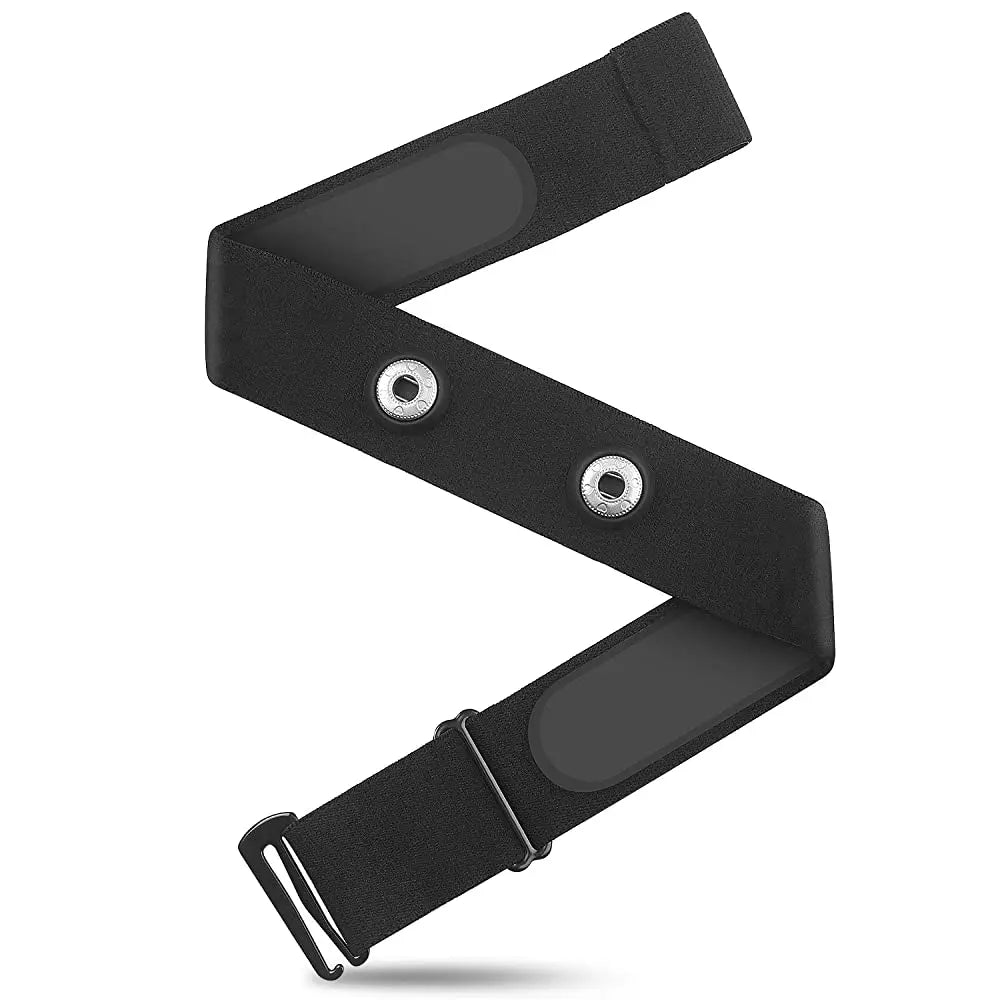
Por exemplo, um monitor de frequência cardíaca pode ajudá-lo a manter seu esforço em um nível adequado, em vez de simplesmente pedalar mais forte todos os dias. Com o tempo, você também pode comparar sua frequência cardíaca com sua velocidade ou potência para verificar se seu condicionamento físico está melhorando.

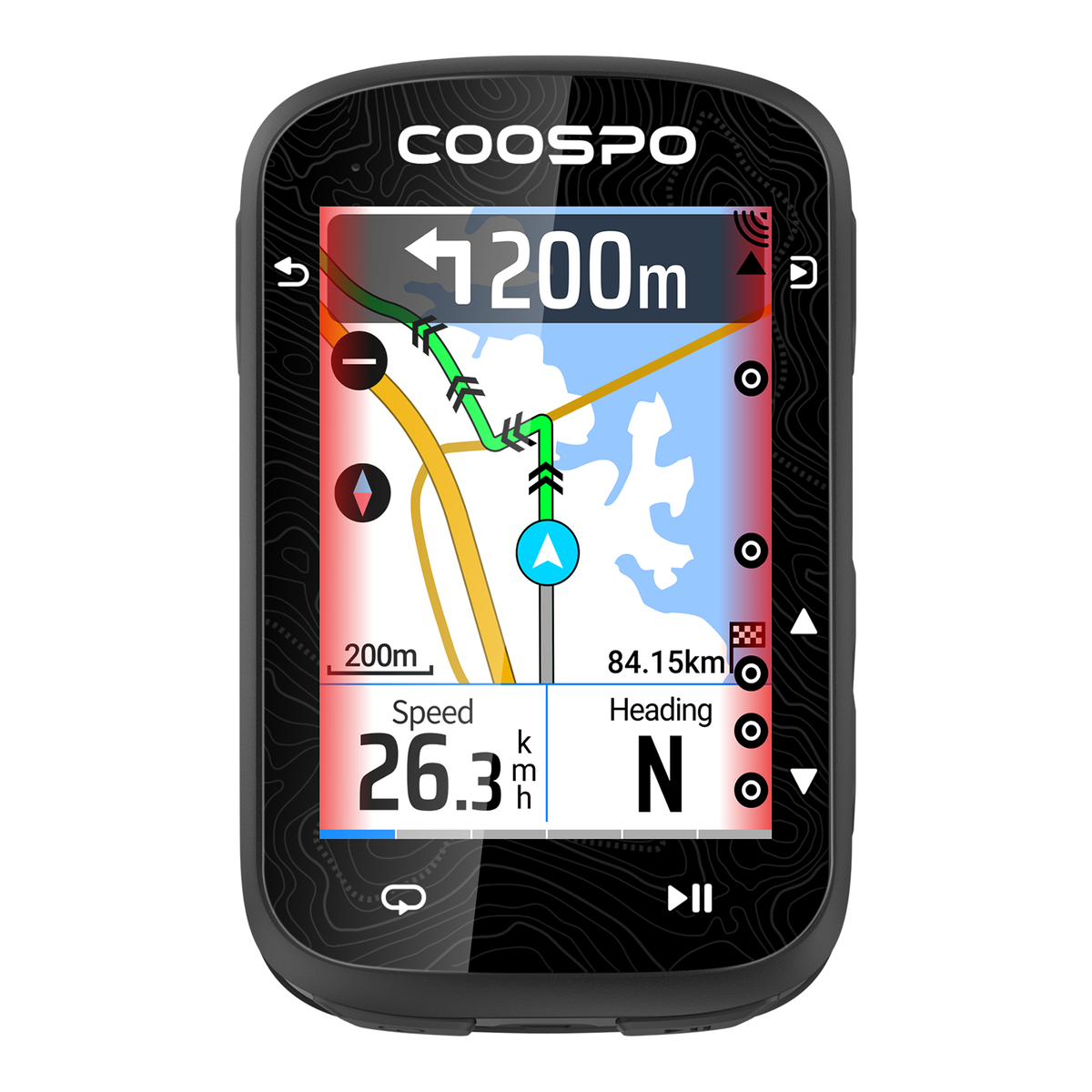
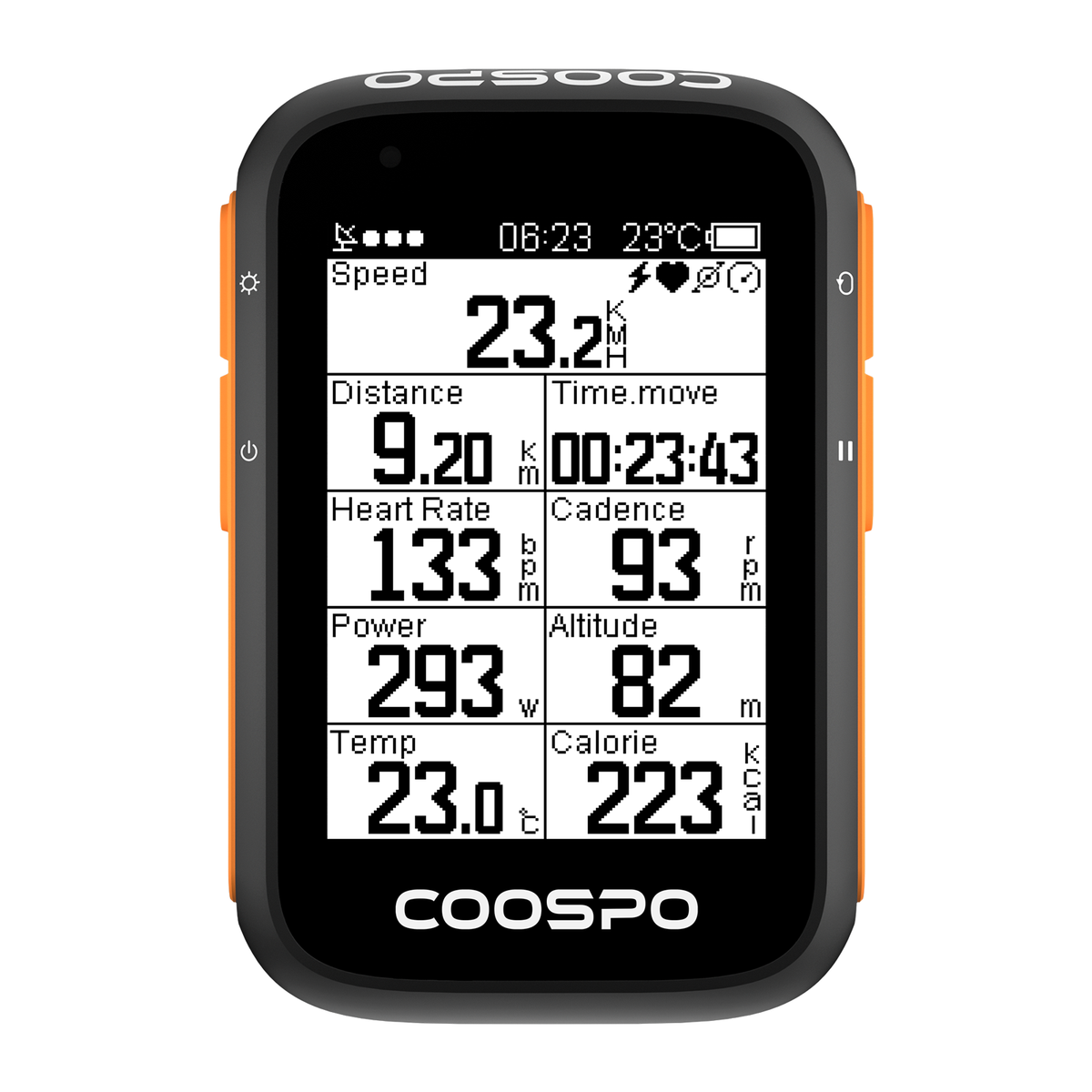
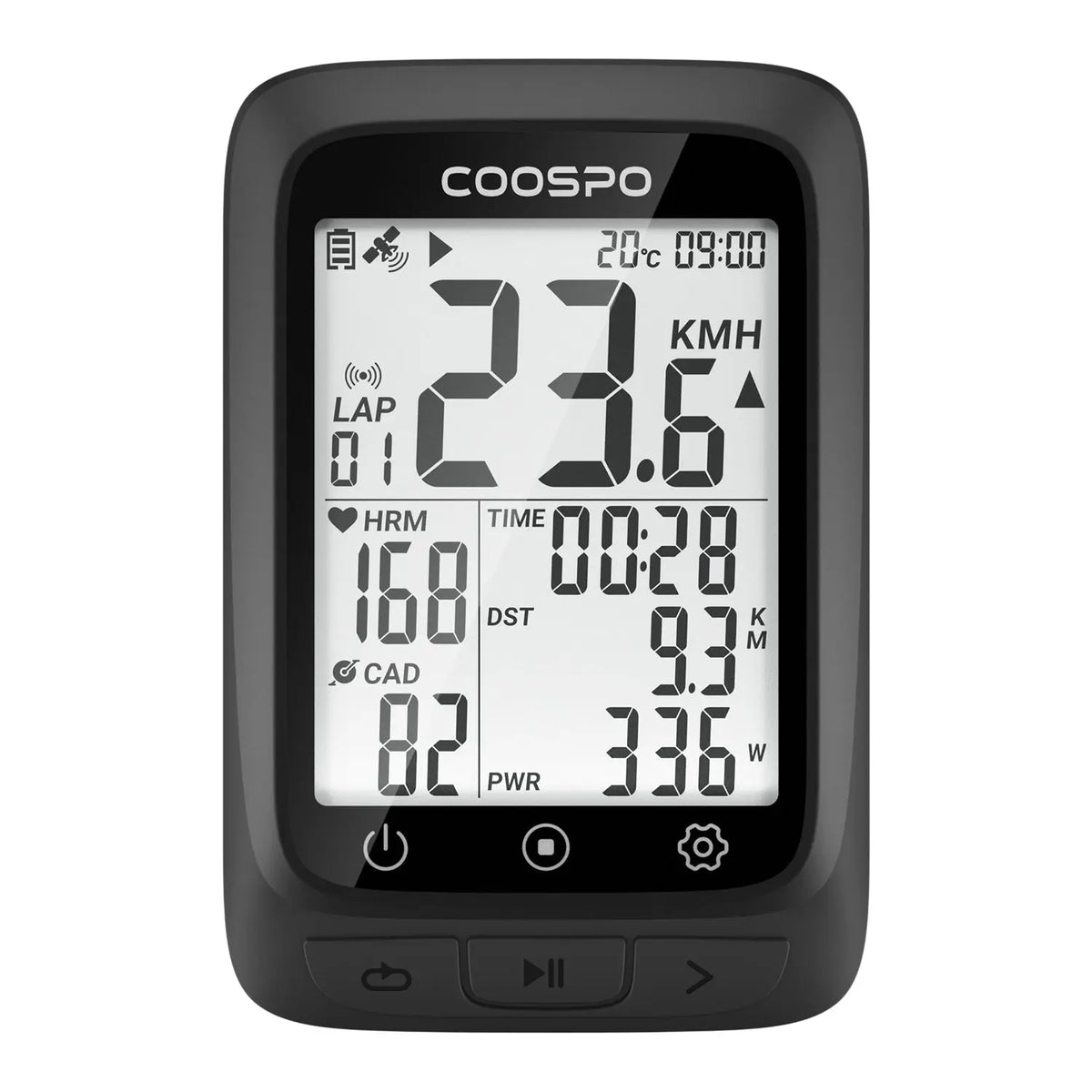
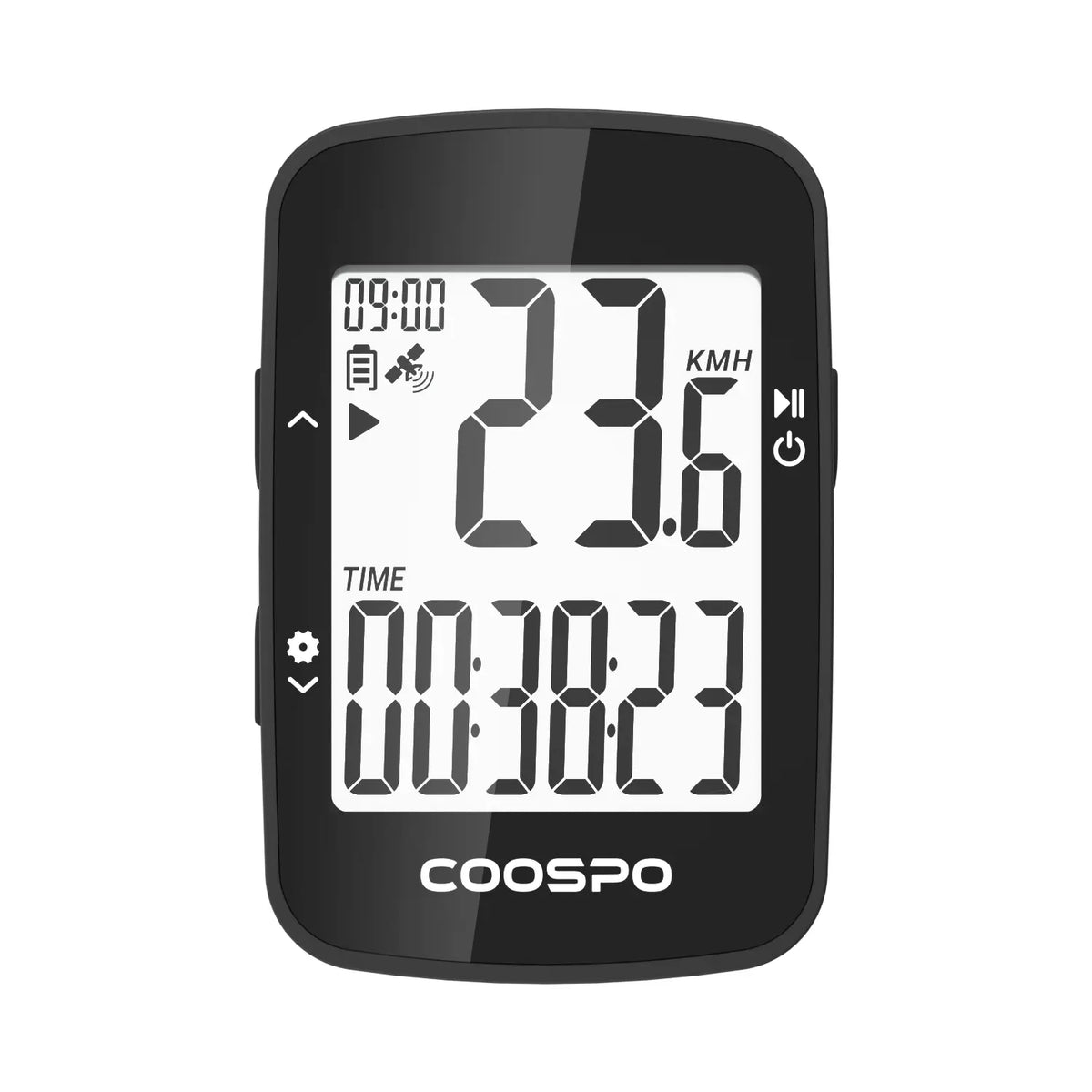
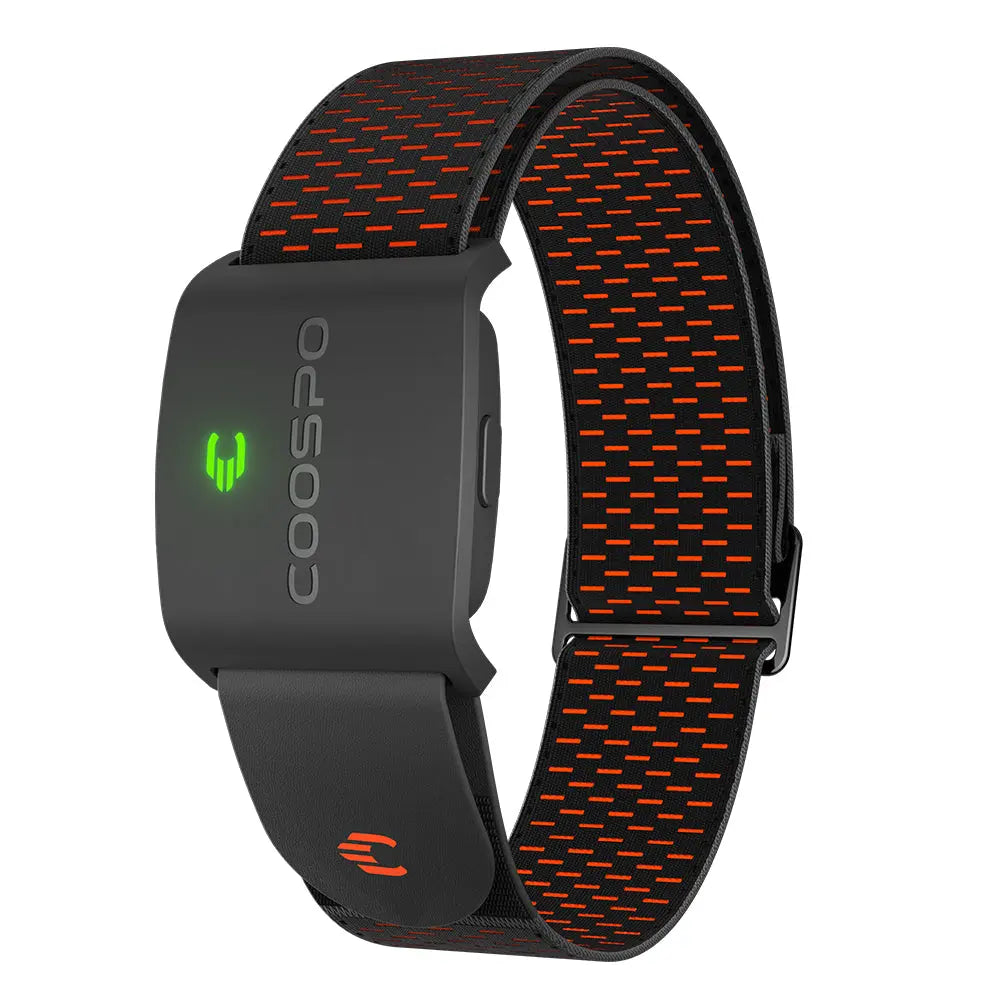
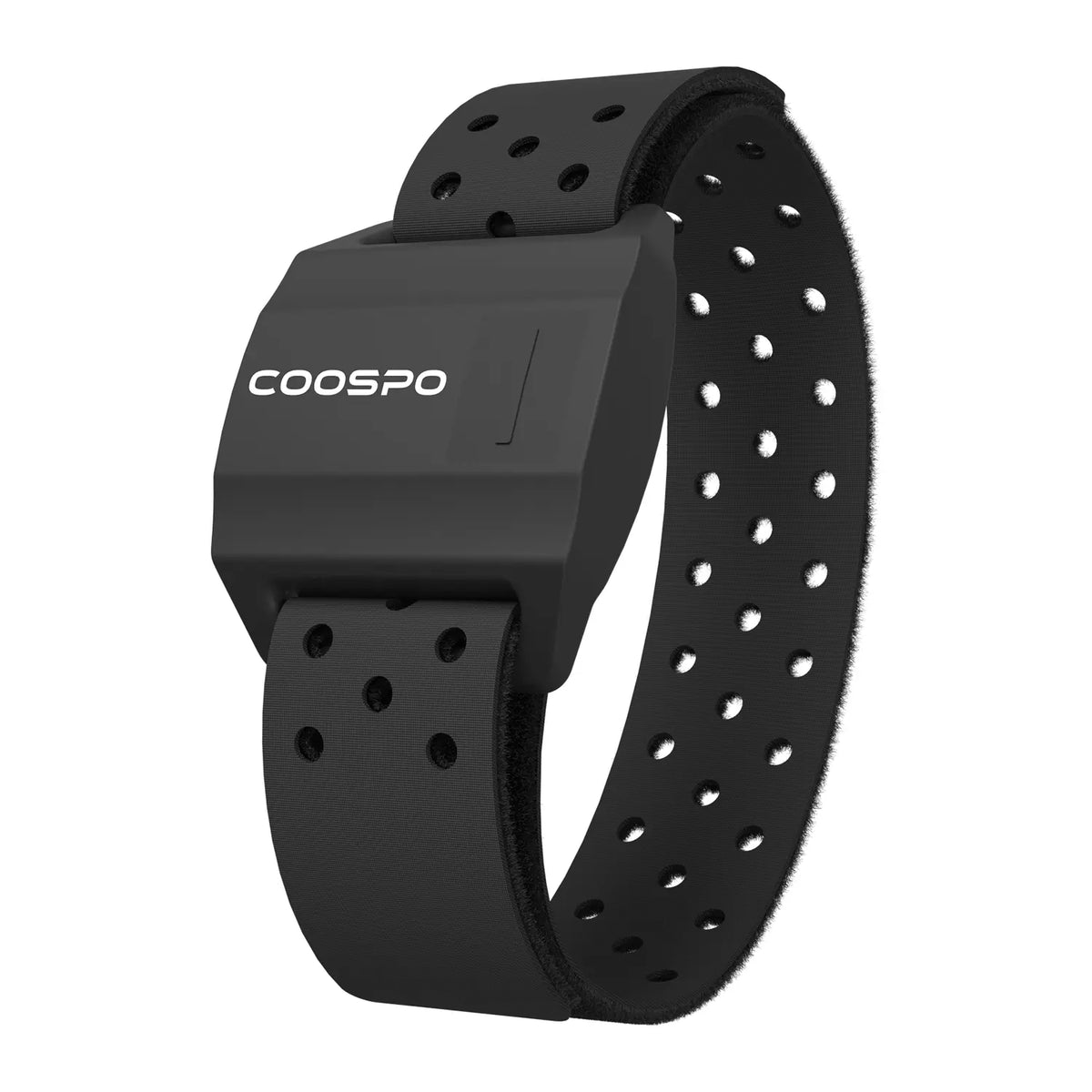
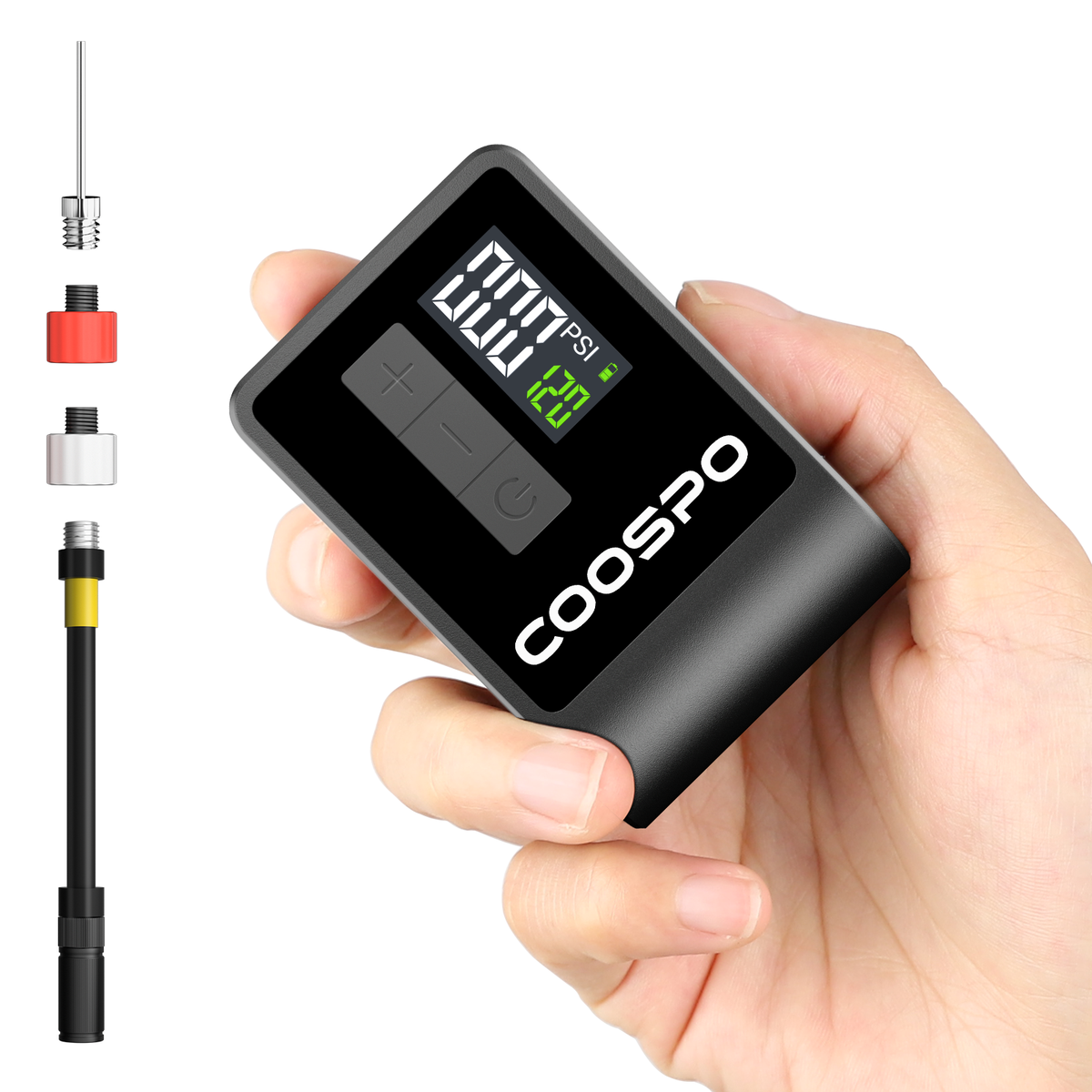
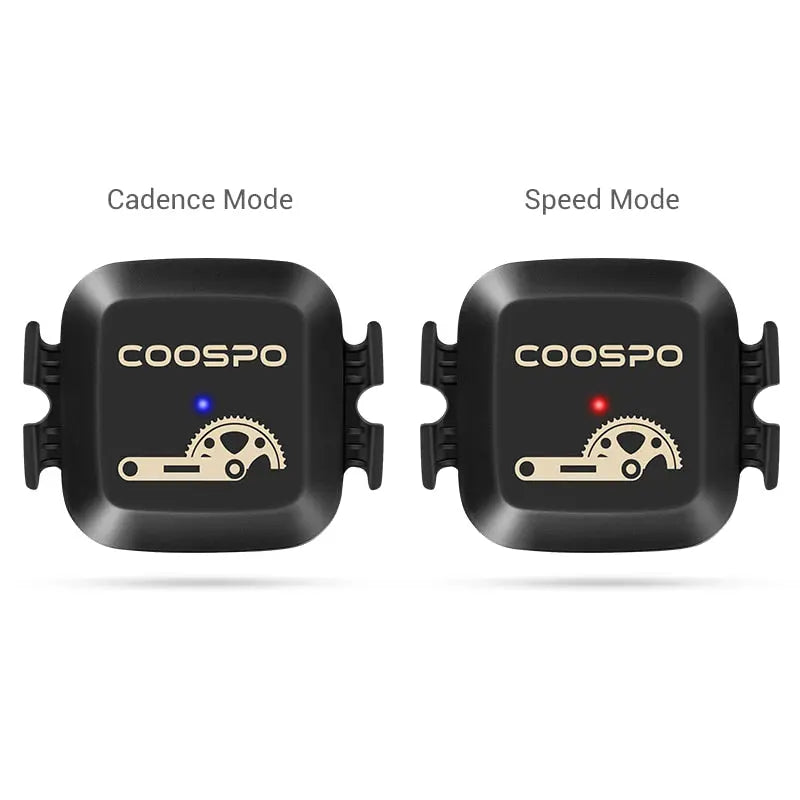
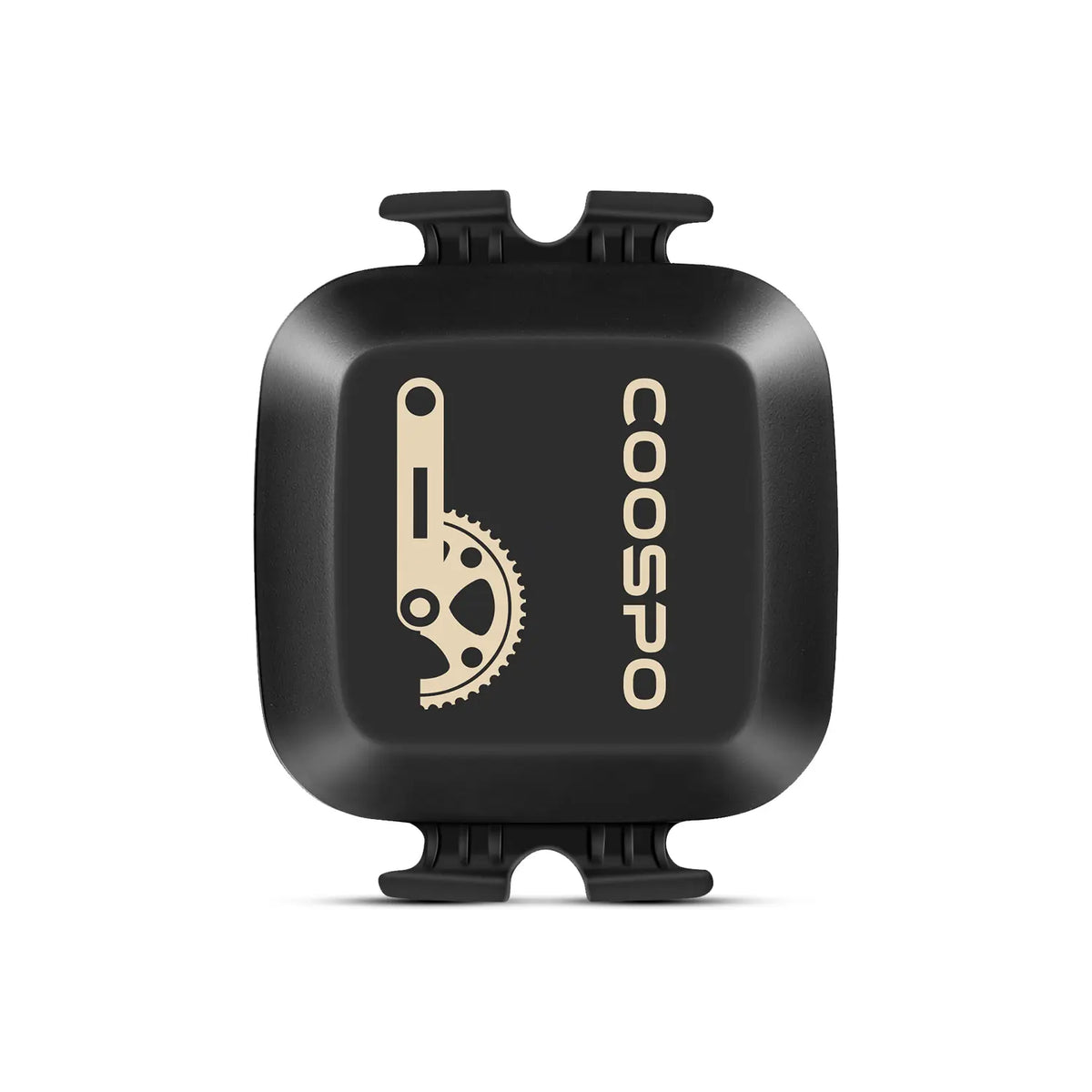
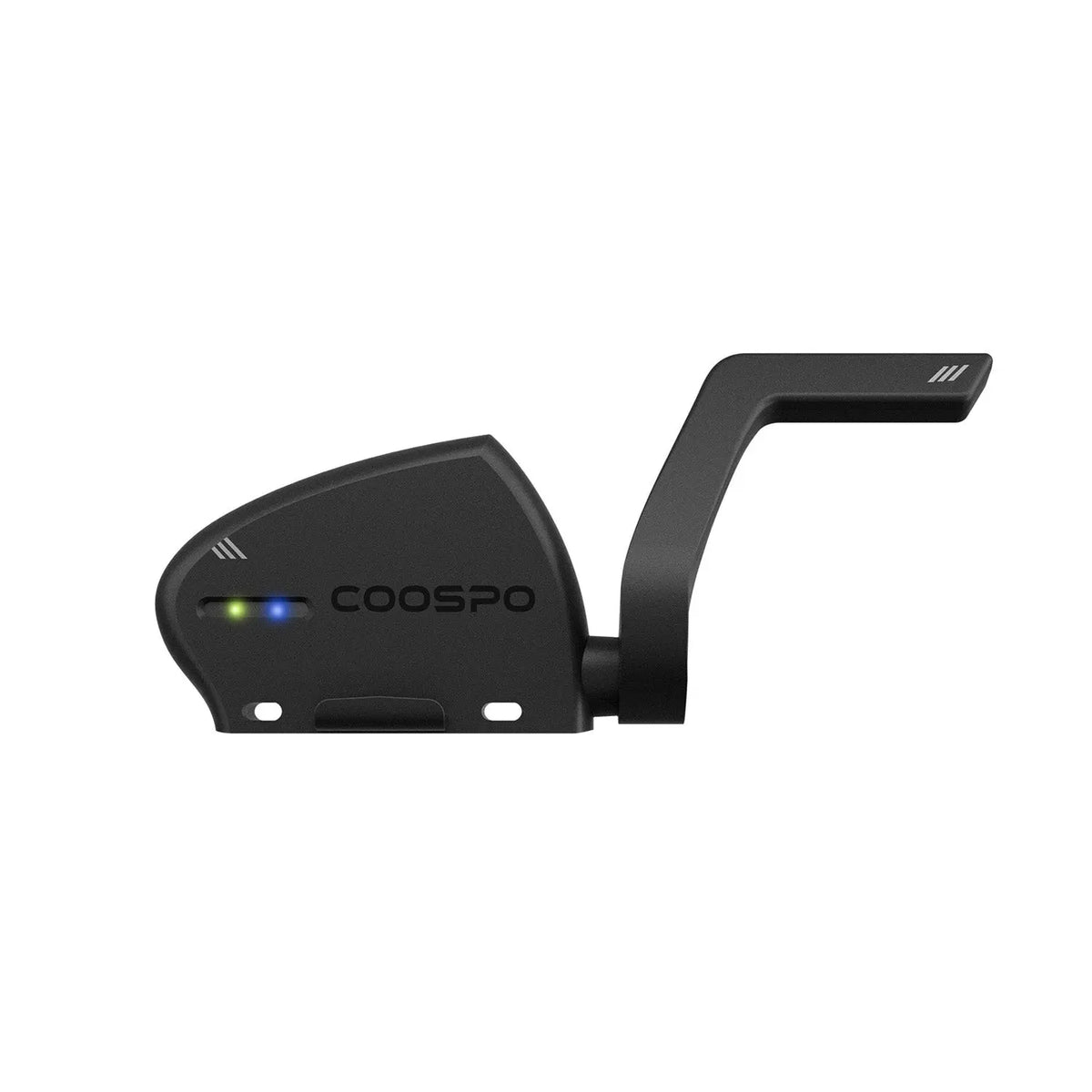
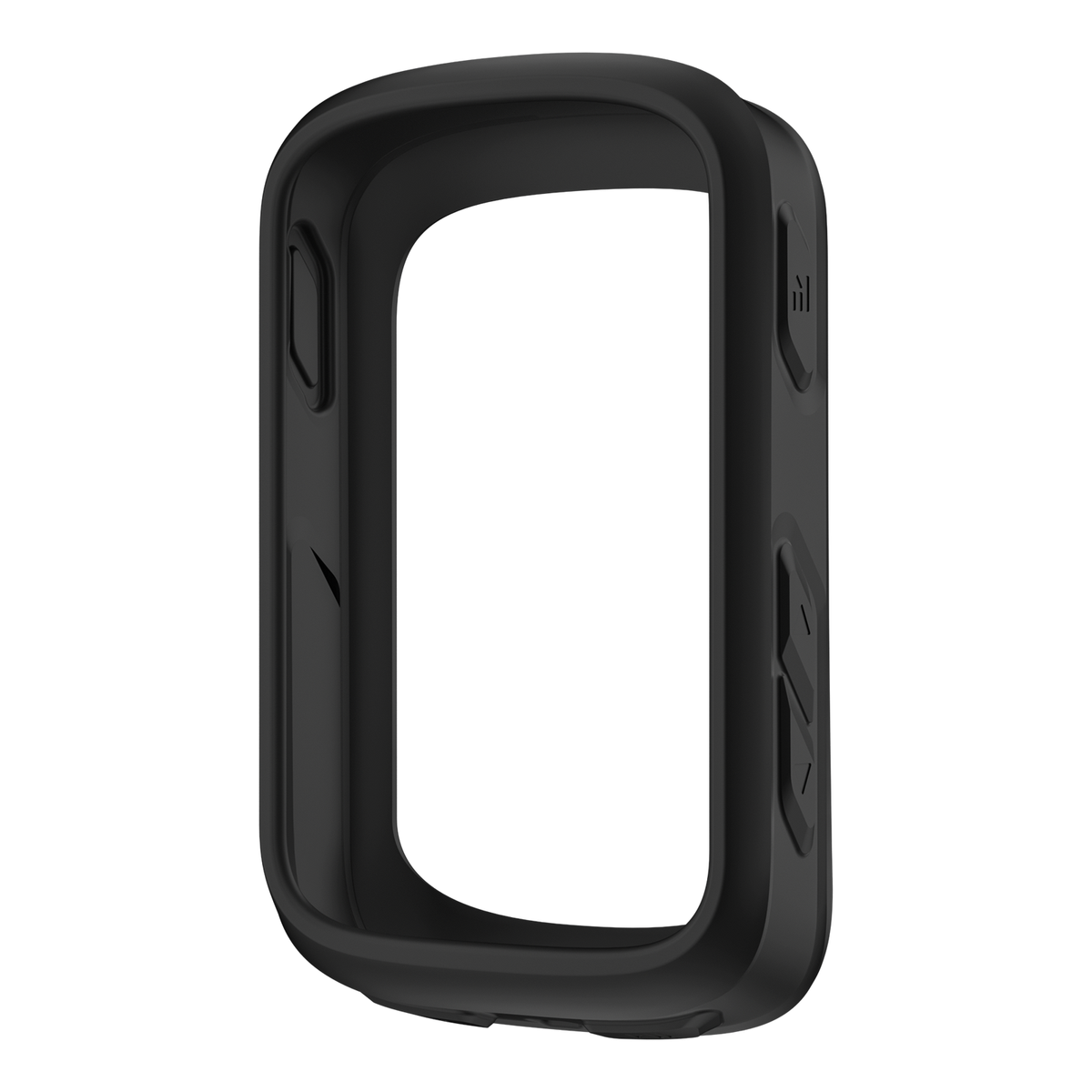
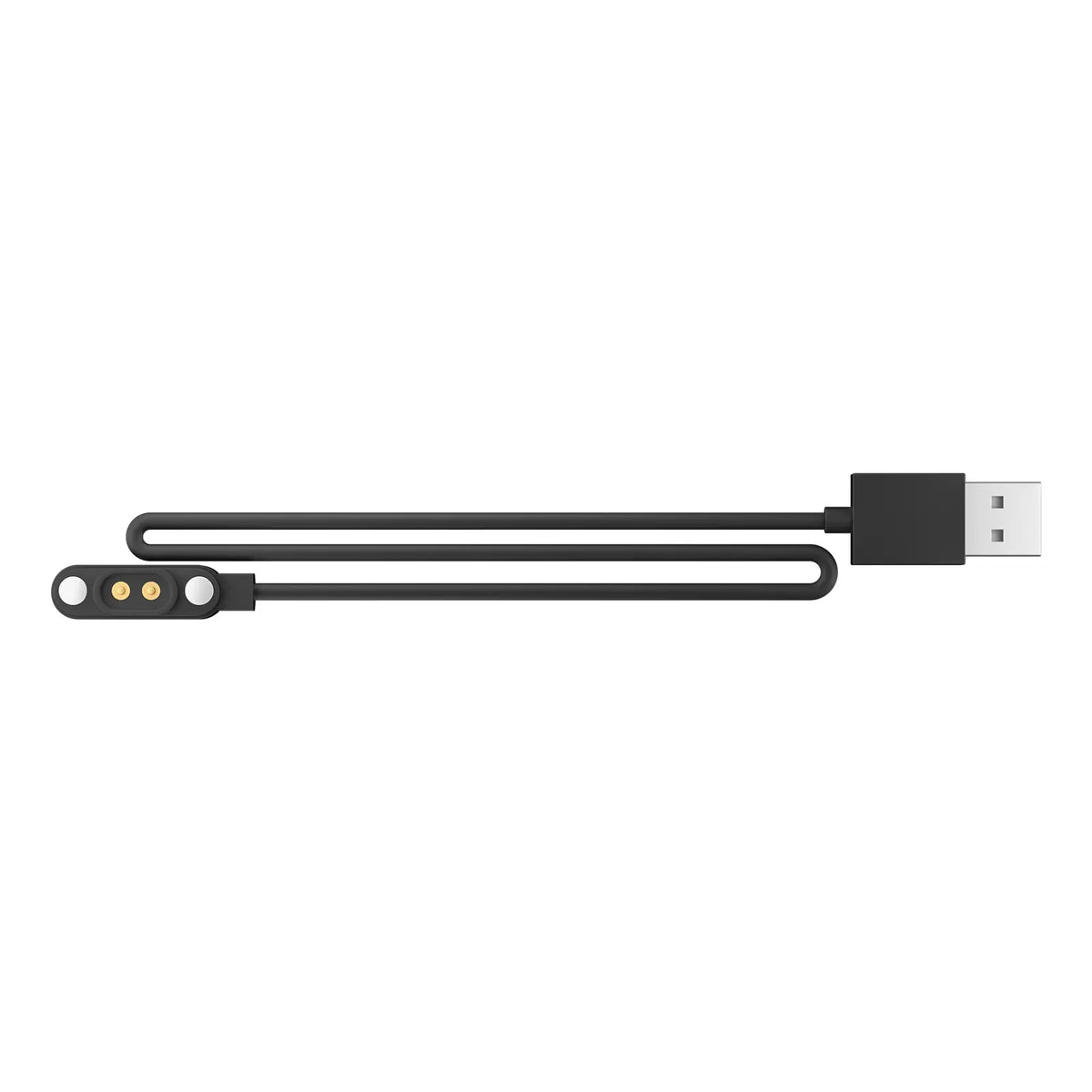
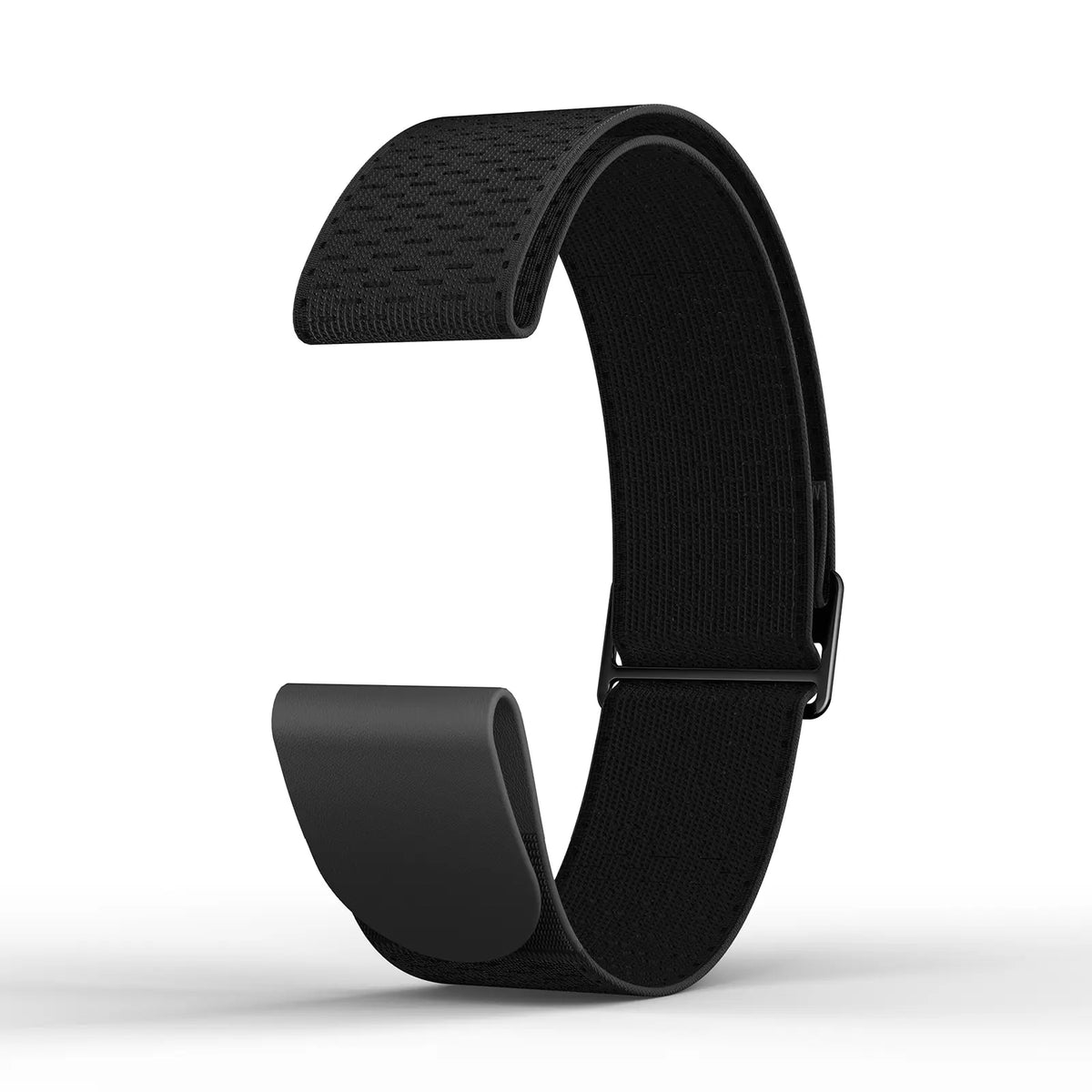
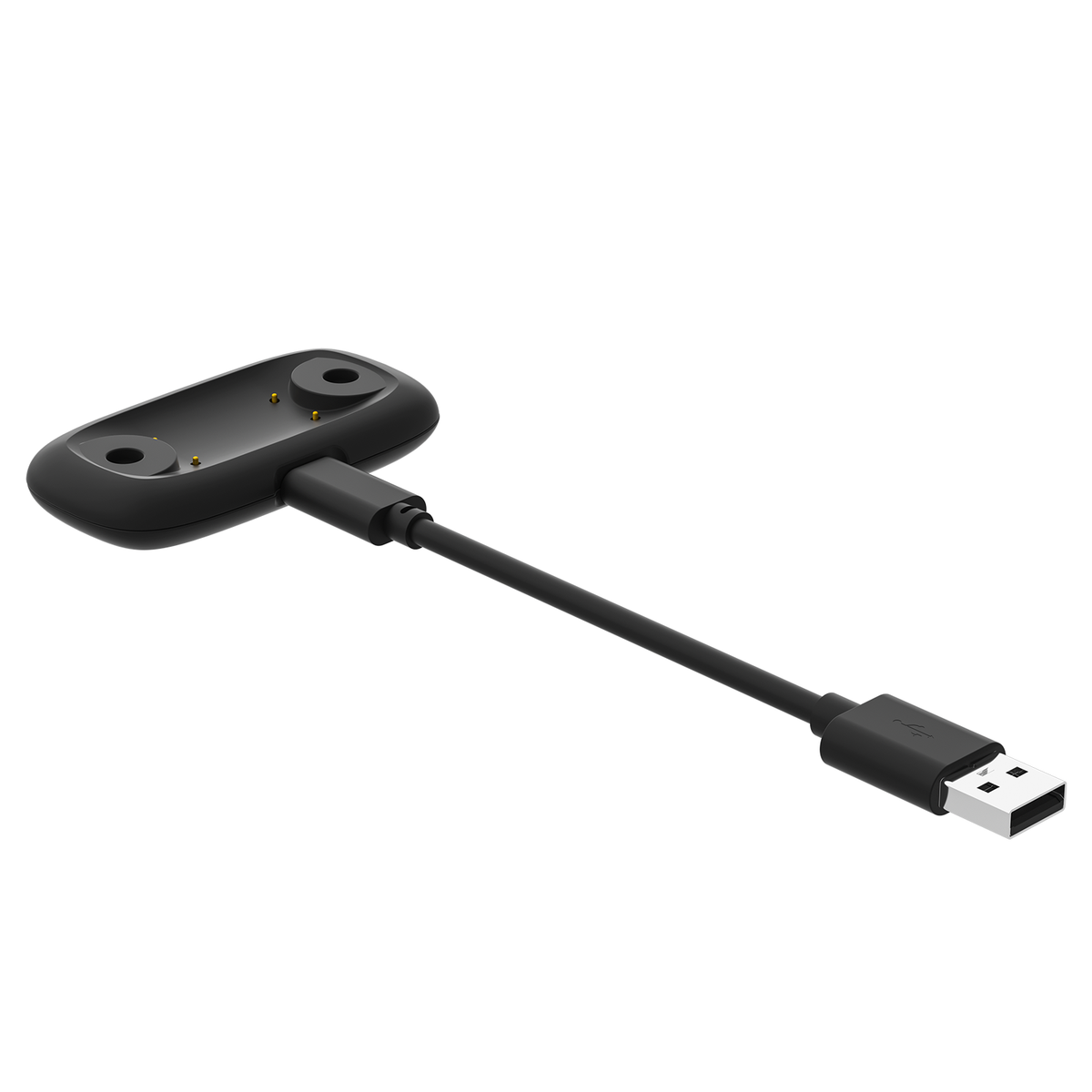
Para ciclistas que desejam mais dados durante seus passeios, um ciclocomputador pode reunir essas métricas em um só lugar. Um dispositivo como o COOSPO CS600 pode ajudar você a monitorar os dados do seu passeio, enquanto um monitor de frequência cardíaca como o COOSPO HW9 Fornece informações sobre a frequência cardíaca em tempo real.

Isso é particularmente útil se o seu objetivo é transformar pequenos passeios diários em um hábito a longo prazo. Em vez de avaliar cada passeio pela velocidade atingida, você pode analisar seus dados ao longo de semanas e meses para ter uma visão mais ampla.
Você pode melhorar seu humor
Andar de bicicleta pode fazer muito mais do que apenas exercitar os músculos. Mesmo uma sessão curta de ciclismo pode ajudar você a se sentir mais positivo e relaxado, tornando-se uma maneira simples de adicionar movimento a um dia agitado.
Em um estudo da Bowling Green State University, pesquisadores descobriram que apenas 10 minutos de ciclismo melhoraram o humor dos participantes em comparação com pessoas que passaram o mesmo tempo simplesmente relaxando.

Parte desse efeito pode advir da capacidade do exercício físico de ajudar a controlar o estresse.Andar de bicicleta oferece ao seu corpo uma maneira de liberar a tensão acumulada do trabalho e da vida cotidiana, enquanto a atividade física regular pode ajudar a regular hormônios relacionados ao estresse, como o cortisol. O exercício também pode estimular a liberação de substâncias químicas relacionadas ao humor, incluindo serotonina e dopamina, que estão associadas à sensação de bem-estar.
Os benefícios podem ir além de um único passeio. Pesquisas sugerem que manter uma rotina regular de exercícios, principalmente com alguma atividade vigorosa, pode estar associado a um menor risco de desenvolver ansiedade e depressão. Portanto, seja um passeio rápido pelo bairro ou uma sessão mais longa no fim de semana, o ciclismo pode ser uma parte útil de um estilo de vida que apoia o bem-estar físico e mental.



Leave a comment
Este site está protegido pela Política de privacidade da hCaptcha e da hCaptcha e aplicam-se os Termos de serviço das mesmas.