













![[2 Pack] Coospo Breathable Neck Gaiter Face Scarf Mask COOSPO](http://www.coospo.com/cdn/shop/files/106de7b046babc03aa610173af6e31aa_599da3fe-9907-4b1e-8eb0-f08b3032720b.png?v=1720591174&width=1600)


![[4 Pack] Coospo Soft Breathable Chilly Towel, Microfiber Towel COOSPO](http://www.coospo.com/cdn/shop/files/1_904094cc-62ee-40e9-aa21-415effb385b4.png?v=1720527561&width=1600)

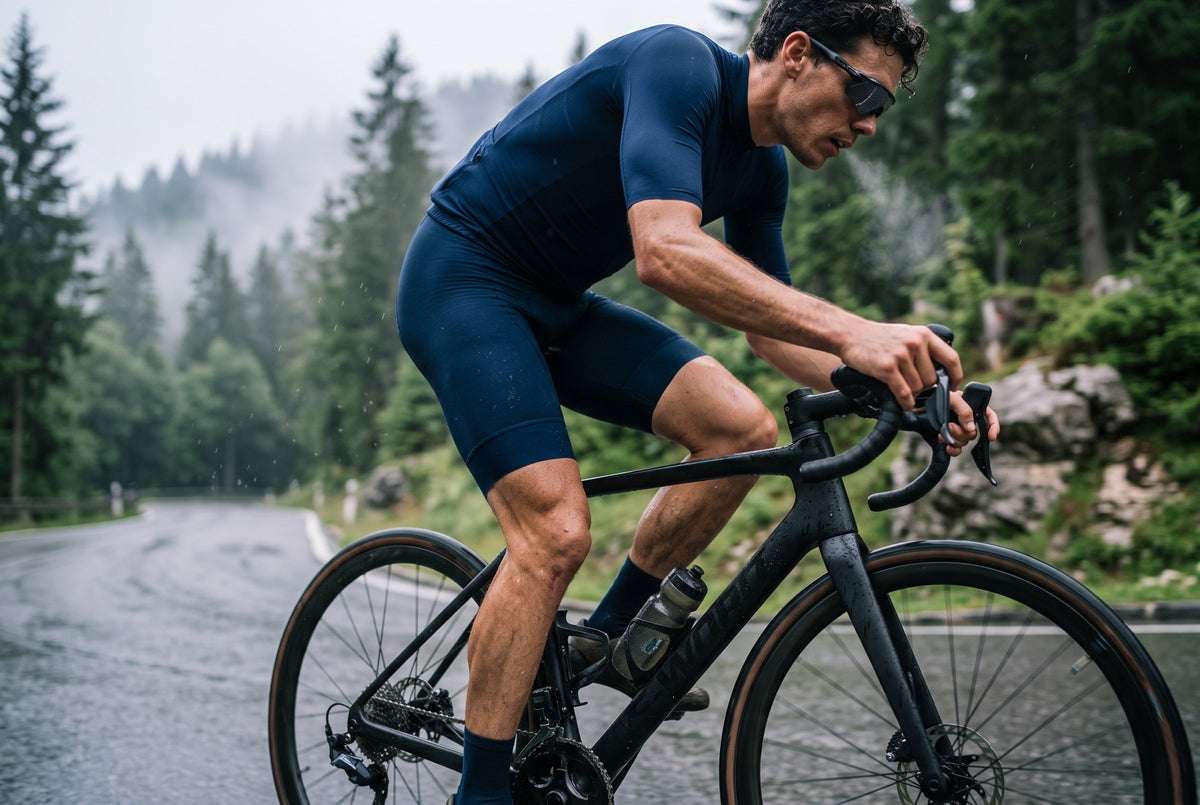
Você vem treinando consistentemente há meses e, naturalmente, quer saber se esse trabalho está realmente melhorando seu condicionamento físico. Você quer evidências claras de que está ficando mais rápido. Existem várias maneiras de medir o progresso, mas é importante fazer a pergunta certa. Analisar uma única métrica, como seu ritmo de limiar, velocidade ou potência, nem sempre conta toda a história.
A maioria dos softwares e aplicativos de treinamento estima seu ritmo, velocidade ou potência em diferentes níveis de esforço, ou zonas de treinamento, usando uma curva de desempenho padrão. Normalmente, eles utilizam seu ritmo, velocidade ou potência no limiar de lactato para estimar o desempenho em toda a gama de intensidades. No entanto, atletas individuais raramente seguem a mesma curva. Diferenças na fisiologia e no foco do treinamento podem afetar significativamente a forma como o desempenho se desenvolve em diferentes intensidades. Por exemplo, uma forte ênfase no treinamento da Zona 2 pode produzir maiores ganhos em intensidades mais baixas, enquanto o treinamento de alta intensidade pode levar a melhorias maiores na extremidade superior da curva.

Por isso, a pergunta mais adequada não é simplesmente "Estou ficando mais rápido?". Em vez disso, pergunte: "Estou ficando mais rápido no nível de esforço específico para o qual estou treinando?". O ritmo, a velocidade ou a potência que você testa devem, idealmente, corresponder às exigências da sua prova ou ao tipo de esforço em que você tem se concentrado nos treinos recentes. Isso é importante porque seu desempenho está intimamente ligado ao tipo de treinamento que você realiza. Se você não treinou em uma determinada intensidade, não deve esperar ter um bom desempenho repentino ao testá-la.
Com isso em mente, existem diversos testes úteis que você pode usar para medir seu ritmo, velocidade ou potência em diferentes níveis de esforço e obter uma visão mais clara do seu progresso no ciclismo ou no treinamento de resistência.
Como testar o condicionamento físico e a velocidade?
Testes de Limiar-Esforço
Os testes de limiar são uma forma clássica de medir o desempenho em intensidades mais elevadas. Eles podem ajudar a estimar seu limiar relevante para a corrida. Ritmo, velocidade ou potência, além de ajudar a estabelecer zonas de treinamento.
A estrutura básica é simples: aquecimento → esforços curtos e intensos → recuperação → esforço máximo cronometrado → desaquecimento. O ritmo é importante. Comece de forma controlada, estabeleça um ritmo que você mal consiga manter e procure terminar forte, sem poupar muito para o sprint final.
As opções típicas de teste incluem:
- Nadar: 1.000 jardas ou metros
- Bicicleta: 20 a 30 minutos ou 20 km
- Correr: 30 minutos ou 5 km
O teste deve ser difícil e desconfortável, portanto não é algo que você precise fazer com frequência.
Testes de esforço abaixo do limiar
Os testes sub-limiares utilizam intervalos repetidos e são úteis para acompanhar o progresso ao longo da temporada de treinamento. Eles podem mostrar se você é capaz de manter um ritmo, velocidade ou potência mais rápidos em um determinado nível de esforço.
Eles também podem revelar a resistência à fadiga. Se o seu ritmo, velocidade ou potência se mantiverem consistentes ao longo dos intervalos, enquanto sua frequência cardíaca permanecer relativamente estável, é um bom sinal de que sua resistência nessa intensidade está melhorando.
Uma sessão típica inclui aquecimento, esforços curtos de preparação, recuperação, intervalos repetidos e desaquecimento. Escolha intervalos mais longos ao testar a resistência específica da prova ou a resistência à fadiga e evite começar o primeiro intervalo com muita intensidade.
Testes de resistência e esforço
Os testes de resistência se assemelham menos aos testes tradicionais e mais a um passeio de bicicleta ou corrida de longa duração. Eles são particularmente úteis para avaliar o desempenho na intensidade da Zona 2 e sua capacidade de manter ritmo, velocidade ou potência por períodos mais longos.
Durante o treino, procure manter um esforço constante que permita conversar.Preste atenção não apenas ao seu ritmo, velocidade ou potência, mas também à sua frequência cardíaca e à percepção de esforço. Se estes permanecerem estáveis durante toda a sessão, isso indica boa resistência e tolerância à fadiga.
Como interpretar os resultados dos seus exames
Ao analisar os resultados dos testes, é fácil focar apenas nos números e tratá-los como uma simples aprovação ou reprovação. Mas ritmo, velocidade e potência podem ser afetados por fatores como sono, recuperação, nutrição, fadiga, clima e condições do percurso.
Para comparações mais significativas, tente repetir os testes em condições semelhantes, usando o mesmo percurso e equipamento sempre que possível. Certifique-se de estar bem descansado e alimentado adequadamente, e considere os fatores que podem ter influenciado seu desempenho naquele dia.
O mais importante é usar seus resultados como feedback para o treinamento, não como um julgamento final sobre seu condicionamento físico. Observe as mudanças no ritmo, velocidade, potência, frequência cardíaca e resistência à fadiga e use o que aprendeu para orientar seus próximos treinos. Um teste é apenas uma peça do quebra-cabeça.
Outras maneiras de acompanhar seu progresso no ciclismo
Testes formais de aptidão física são úteis, mas você não precisa se testar toda vez que quiser saber se está melhorando. Seus treinos regulares podem fornecer muitas pistas úteis quando você analisa os dados certos.
Velocidade média É uma das métricas mais fáceis de acompanhar, mas deve sempre ser considerada juntamente com o percurso, a altimetria, o vento e as condições de pedalada. Uma velocidade média mais alta em um percurso semelhante e sob condições similares pode ser um bom sinal de melhora no condicionamento físico.

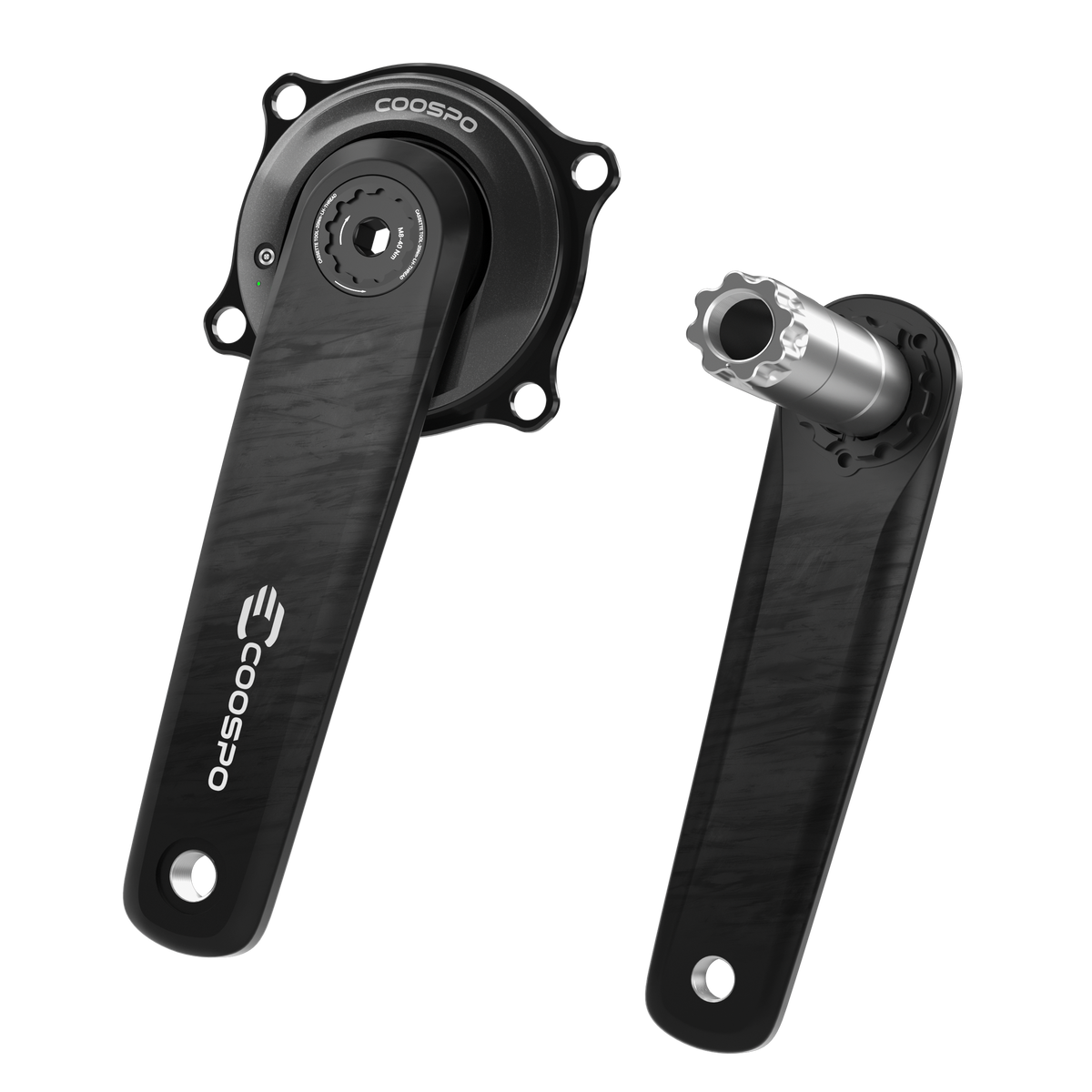
Poder pode fornecer uma visão ainda mais clara. Se você consegue gerar mais potência com o mesmo esforço percebido, ou manter a mesma potência com uma frequência cardíaca mais baixa, seu condicionamento físico pode estar melhorando. Usando um medidor de energia Monitorar a potência durante o mesmo intervalo ou percurso também pode facilitar a identificação de mudanças ao longo do tempo.
Frequência cardíaca é outra peça útil do quebra-cabeça. Por exemplo, se você consegue manter uma velocidade ou potência semelhante enquanto sua frequência cardíaca está mais baixa do que antes, isso pode indicar uma melhor eficiência cardiovascular. Por outro lado, uma frequência cardíaca anormalmente alta na sua intensidade normal de treino pode ser um sinal de que você precisa de mais recuperação.
Você também pode prestar atenção em quanto tempo consegue manter um determinado esforço. Ser capaz de sustentar sua potência ou velocidade alvo por mais tempo sem uma queda significativa é um sinal importante de maior resistência e capacidade de suportar a fadiga.

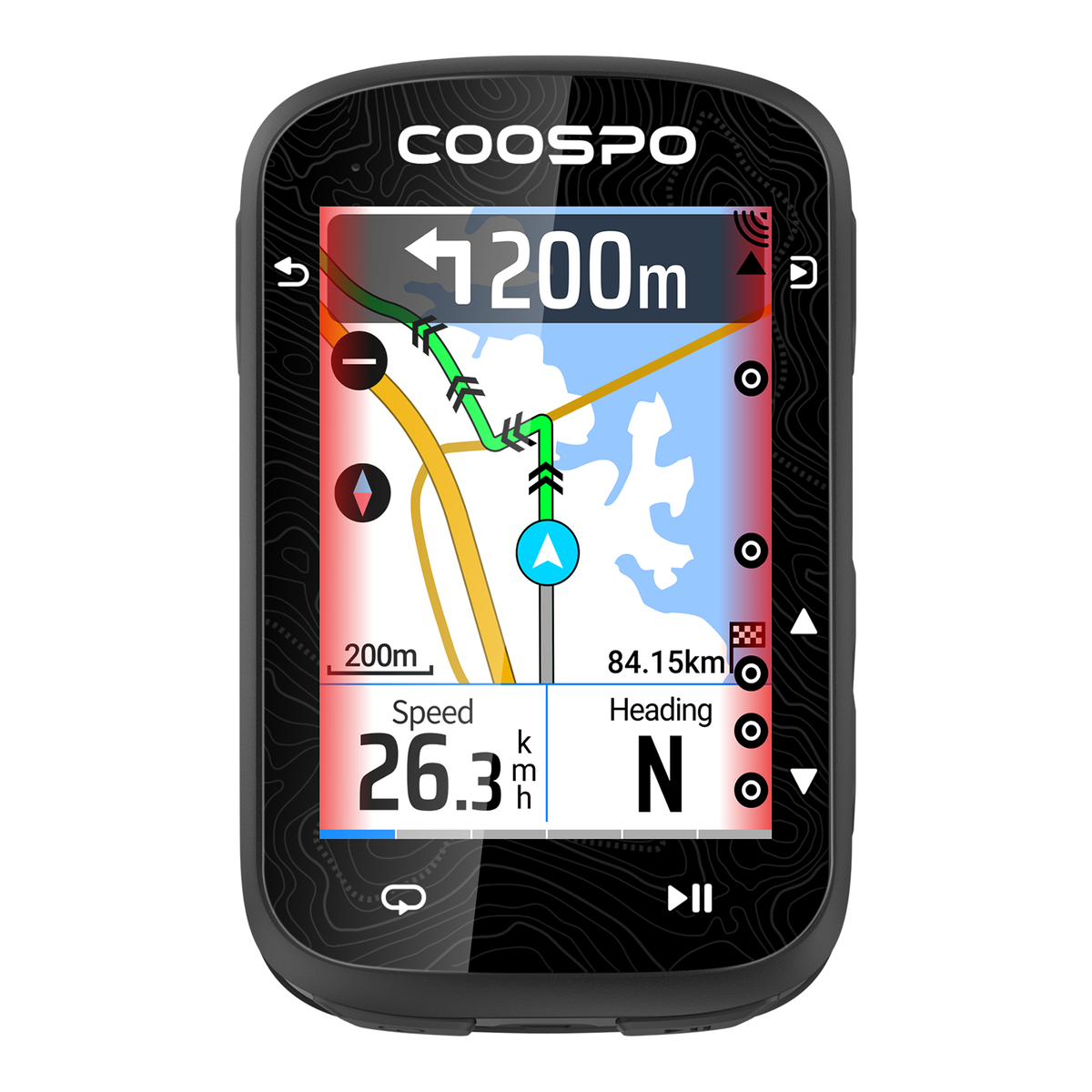
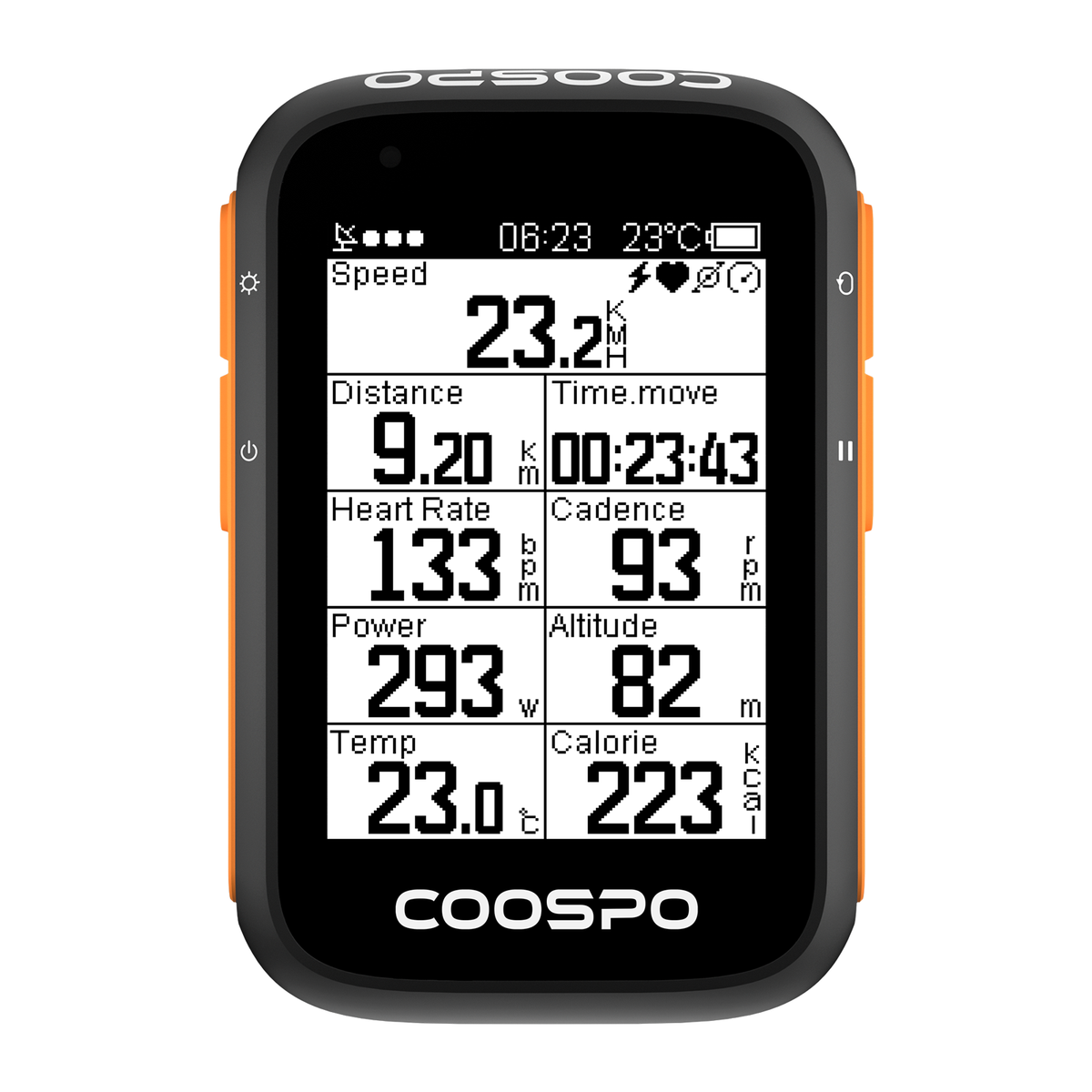
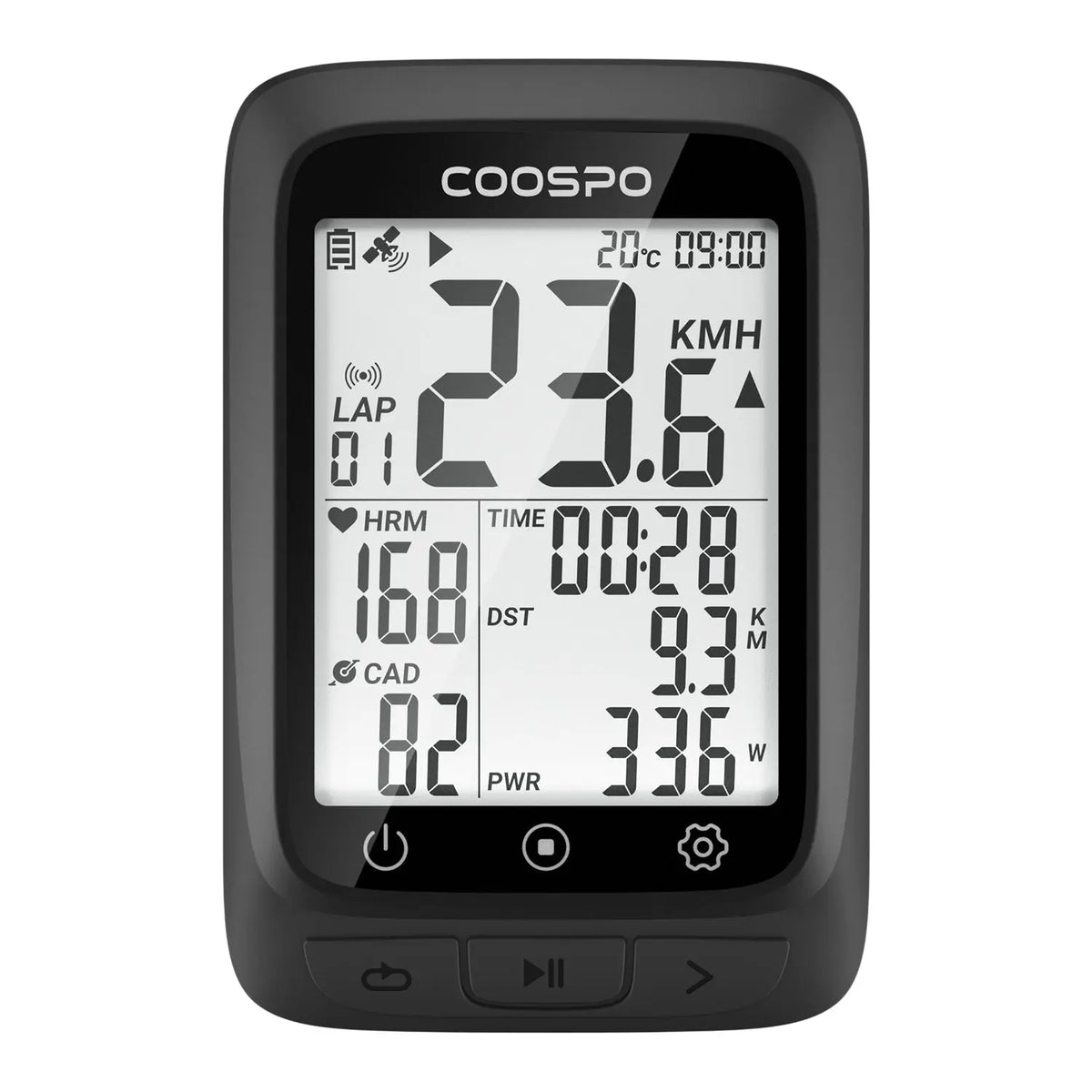
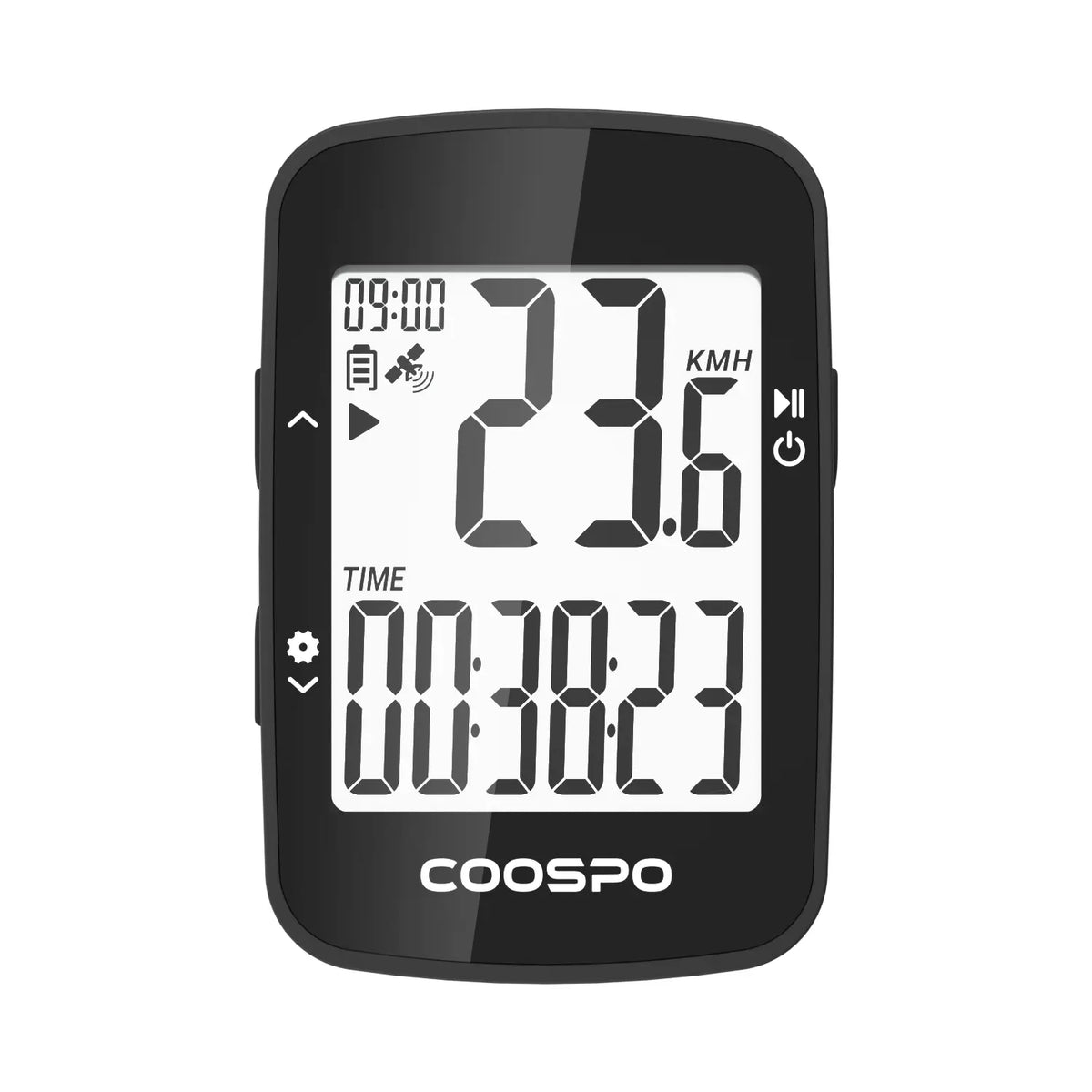
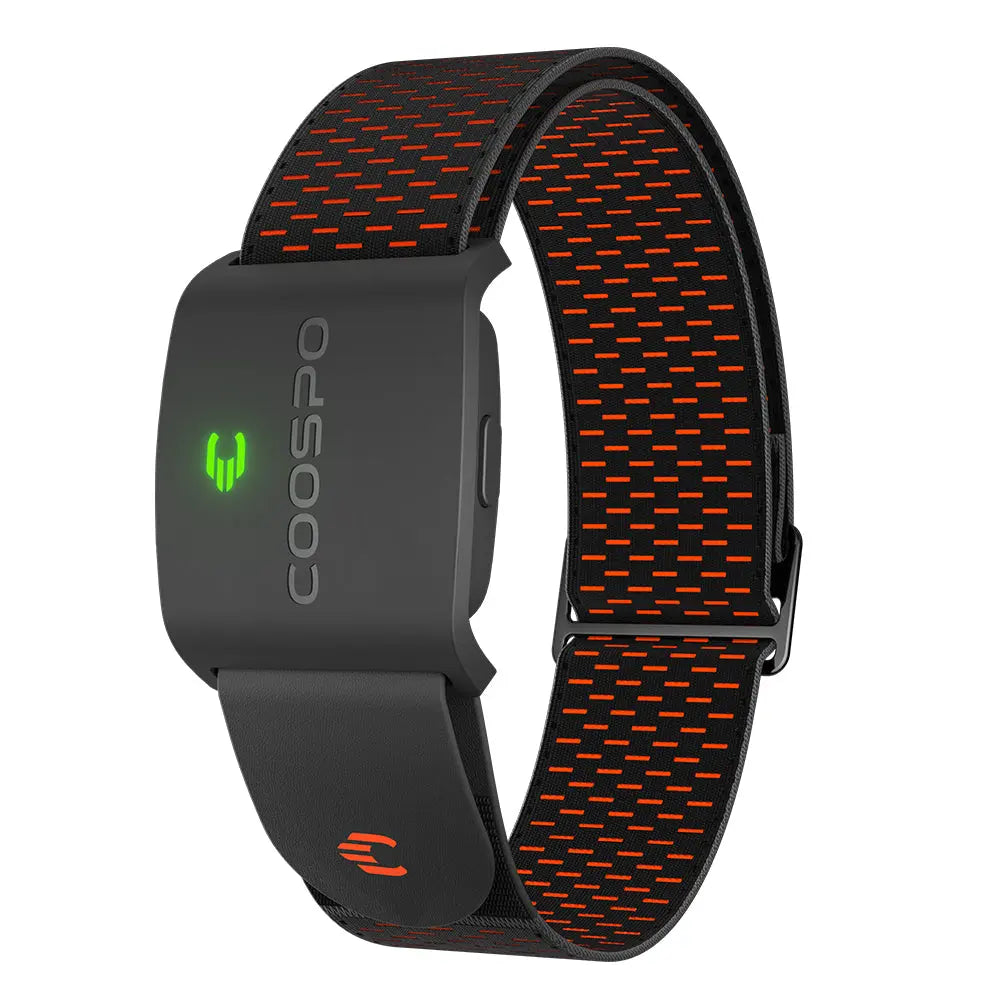
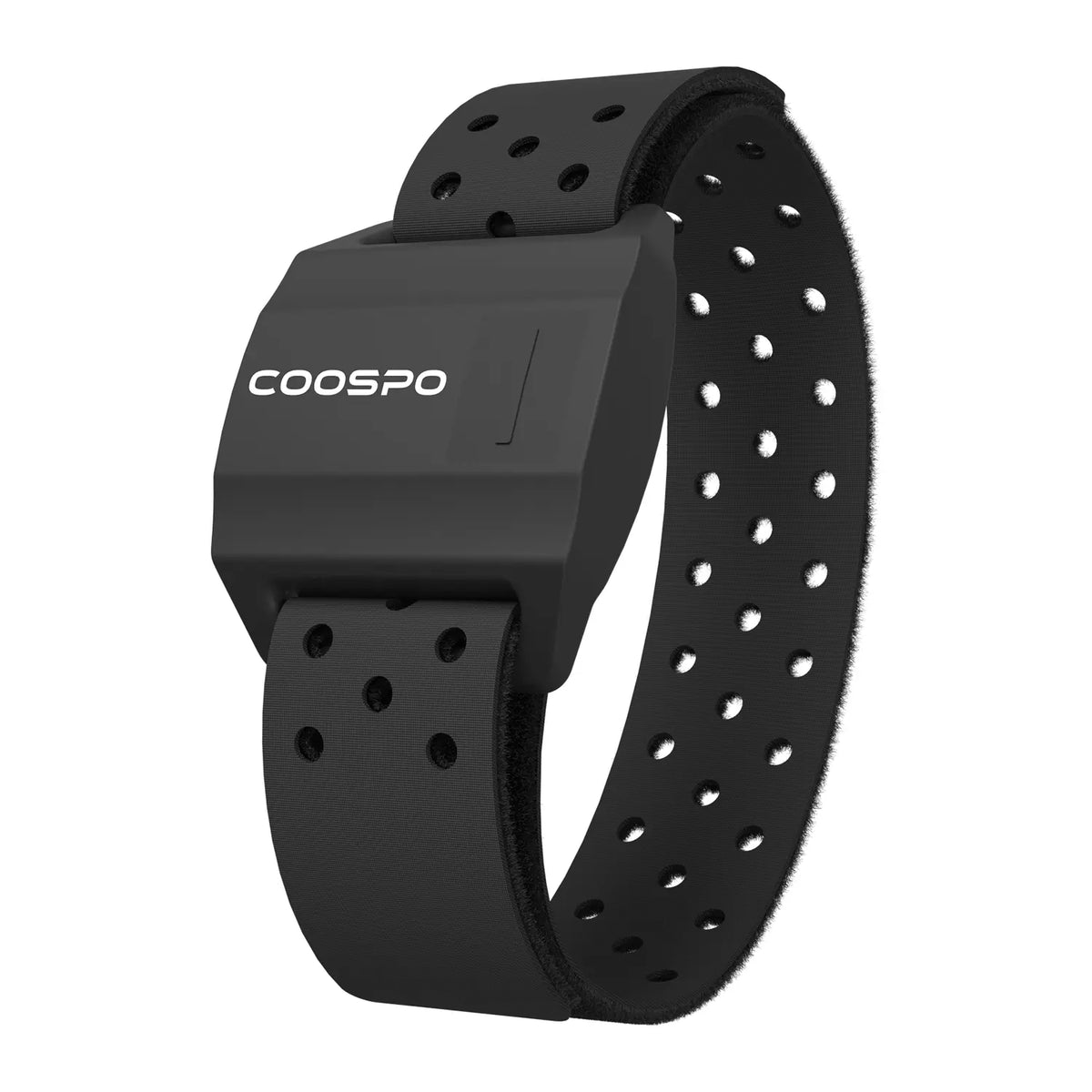
Para ciclistas que desejam monitorar essas mudanças de forma mais consistente, um ciclocomputador e monitor de frequência cardíaca Pode facilitar muito o processo. Registrar velocidade, potência, frequência cardíaca, distância e outros dados do treino proporciona uma visão mais clara de como seu desempenho muda ao longo de semanas e meses.

O segredo é procurar tendências em vez de se basear em uma única experiência. O progresso raramente é linear, mas dados consistentes podem ajudar a identificar mudanças que, de outra forma, passariam despercebidas.



Leave a comment
Este site está protegido pela Política de privacidade da hCaptcha e da hCaptcha e aplicam-se os Termos de serviço das mesmas.