

















Setting realistic cycling goals can be easier when you compare your riding habits with others in your age group. Knowing the average cycling distance can help you plan ride duration, set achievable targets, and prepare for your time on the bike, including nutrition needs.

To explore cycling distance trends across different age groups, we collected data from Strava, Ride with GPS, and Zwift. These insights can help cyclists better understand typical riding distances and set realistic goals for future rides.
Average Cycling Distance by Age: Data From Three Platforms
Cycling distance varies across age groups and platforms. The following data compares completed rides, personal distance goals, and planned routes from Strava, Ride with GPS, and Zwift.
Strava: Average Ride Distance and Cycling Goals
According to Strava's 2025 Year in Sport Trend Report, older generations recorded longer median ride distances than younger users. Their cycling goals also tended to be higher.
Median completed ride distance and personal goals:
| Age Group | Generation | Median Ride Distance | Median Goal Distance |
|---|---|---|---|
| 13–26 | Gen Z | 10.3 miles | 53 miles |
| 27–41 | Millennials | 11.4 miles | 62 miles |
| 42–57 | Gen X | 15 miles | 62 miles |
| 58–76 | Boomers | 18.8 miles | 75 miles |
Zwift: Average Indoor Cycling Distance by Age
Zwift data shows a gradual decline in average indoor cycling distance with age. Younger riders recorded longer average distances, while users aged 80 and above averaged 14.7 miles per ride.
| Age Group | Average Distance |
|---|---|
| 20–29 | 19.6 miles |
| 30–39 | 18.4 miles |
| 40–49 | 18.3 miles |
| 50–59 | 18.1 miles |
| 60–69 | 17.6 miles |
| 70–79 | 16.3 miles |
| 80+ | 14.7 miles |
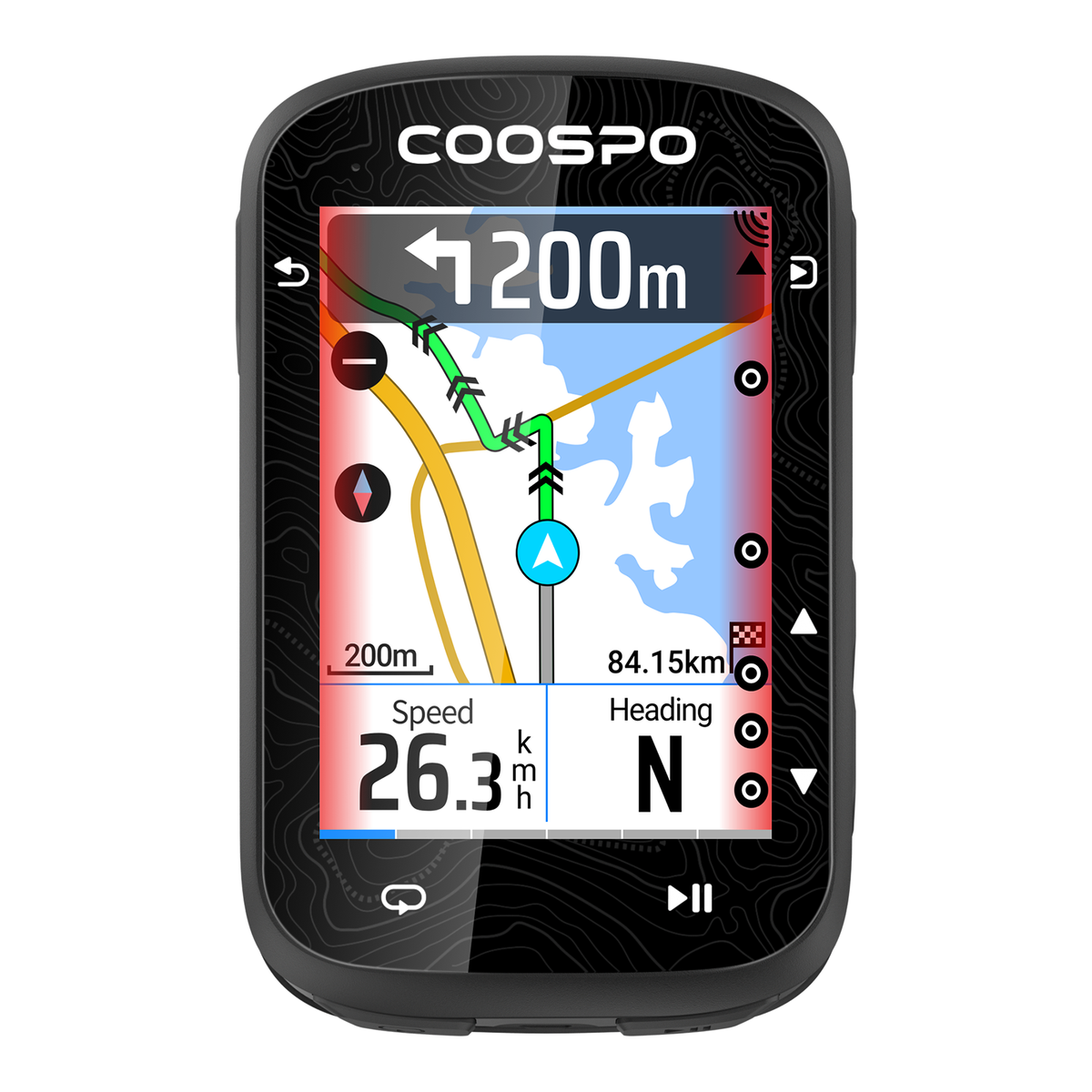
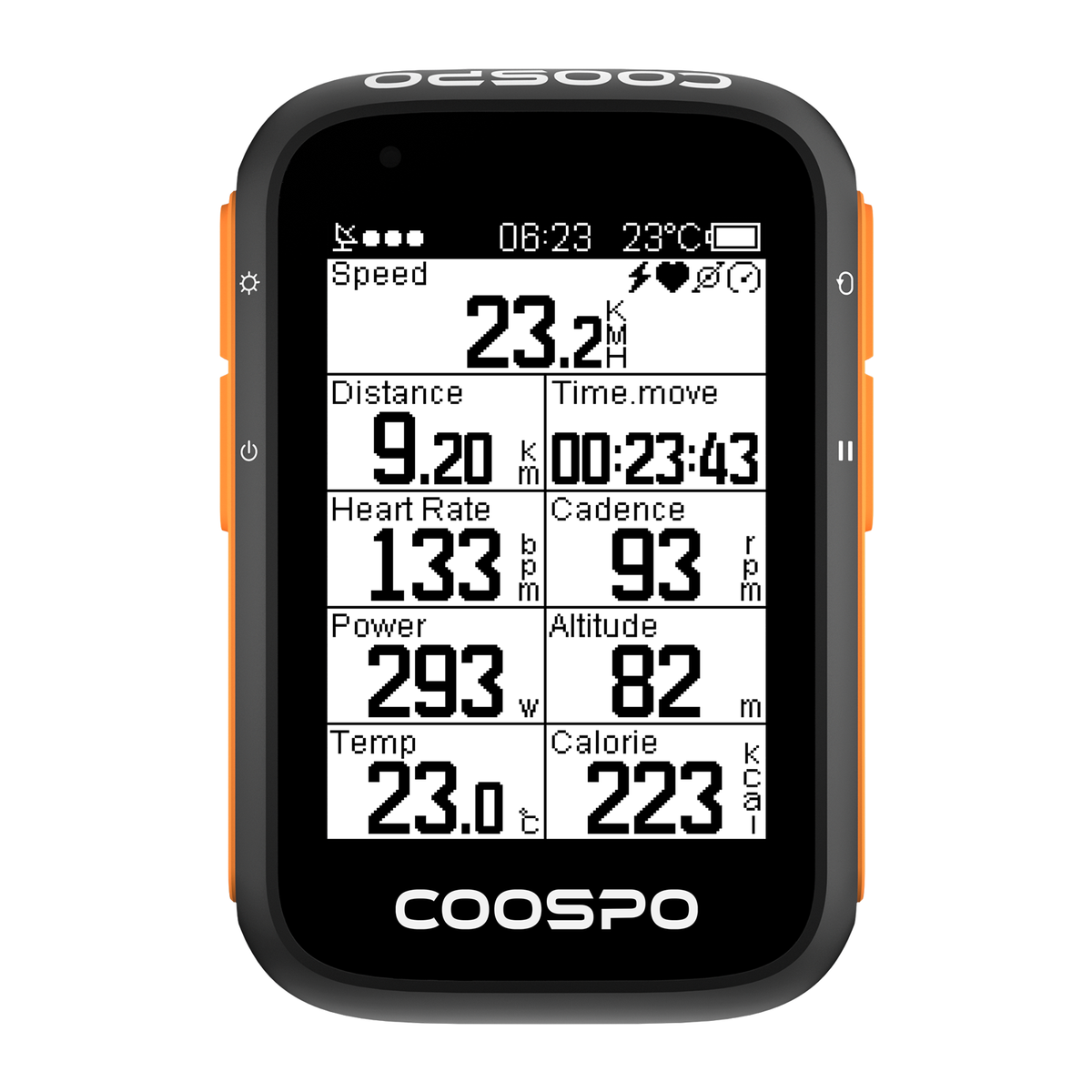
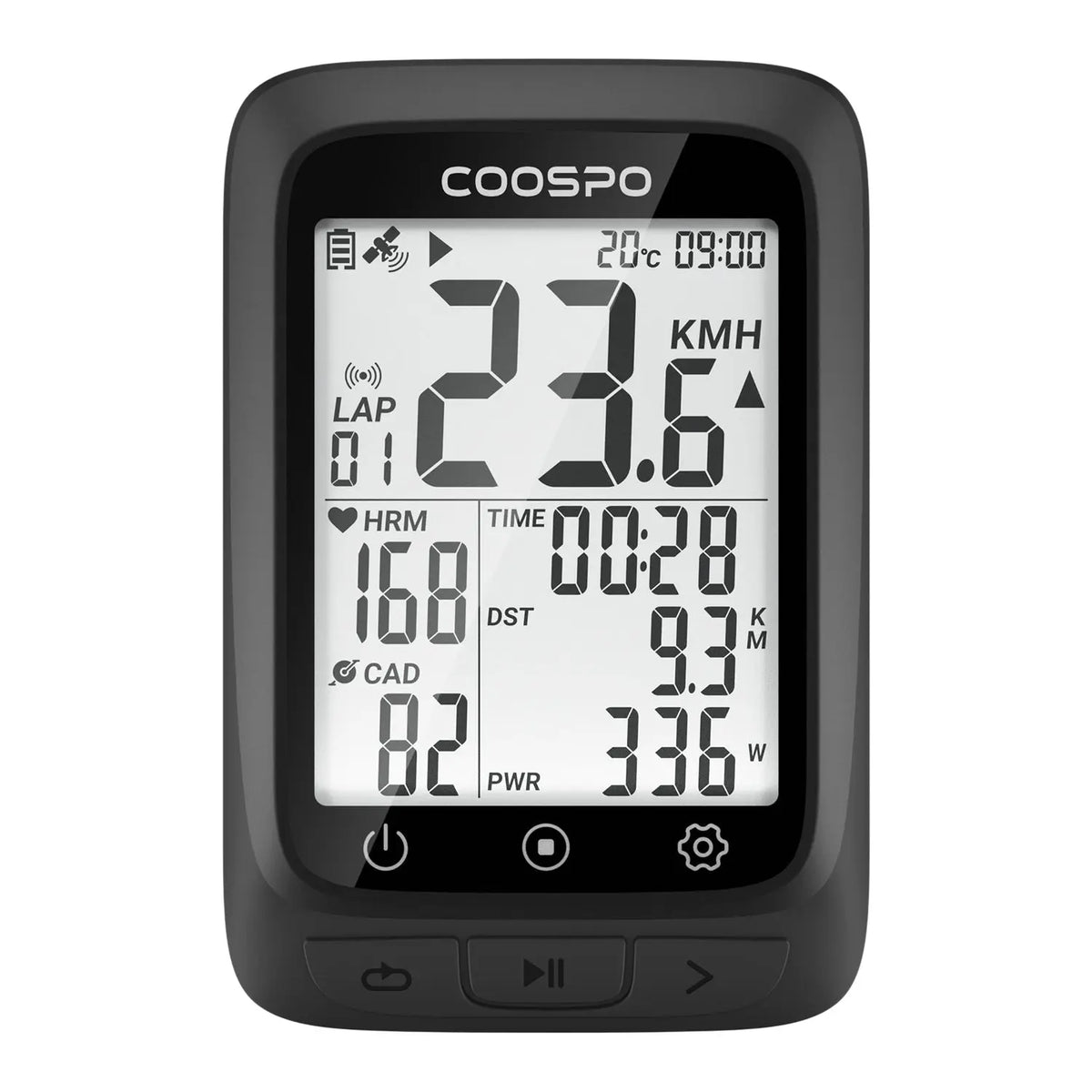
 Knowing how far you ride is the first step toward setting realistic cycling goals. A GPS bike computer like the COOSPO CS600 helps you track distance, speed, riding time, and other key ride data, making it easier to monitor your progress and work toward your next goal.
What Average Cycling Distance Doesn't Tell You
Average cycling distance data provides a useful benchmark for comparing riding habits across age groups. However, these figures don't tell the whole story.
They don't account for ride duration, pace, or unexpected interruptions. Factors such as flat tires, physical discomfort, or fatigue can also affect how far a cyclist travels. Therefore, average distance alone doesn't fully reflect a rider's ability or overall performance.
How to Prepare for Your Target Cycling Distance
Comfort plays a major role in completing longer rides. A poorly fitted bike can cause discomfort, numbness, and pain, making it harder to reach your cycling distance goals.
Your hands, sit bones, and feet are the three main contact points with your bike. If you experience discomfort in these areas, especially after riding more than 10 miles, your bike fit may need adjustment.
To improve comfort on longer rides, pay attention to these key areas:
- Handlebar width: Choose handlebars that are close to your shoulder width to maintain a comfortable riding position.
- Saddle width: Measure your sit bone width to find a suitable saddle. A saddle that is too wide or too narrow may cause discomfort on longer rides.
- Saddle height: Sit on your bike and place one pedal at its lowest position. Your heel should just touch the pedal when your leg is extended.
- Cycling shoe size: Consider going half a size up to allow extra room for your feet to swell during longer rides.

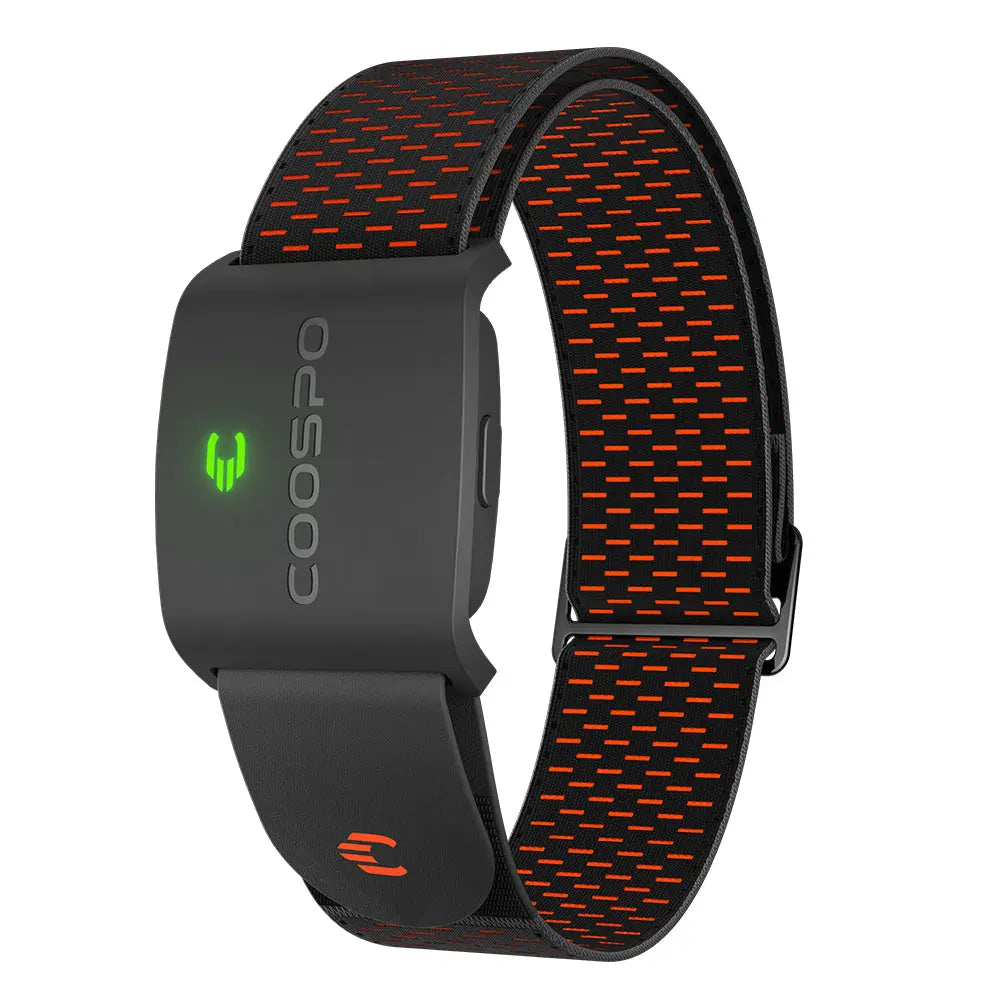
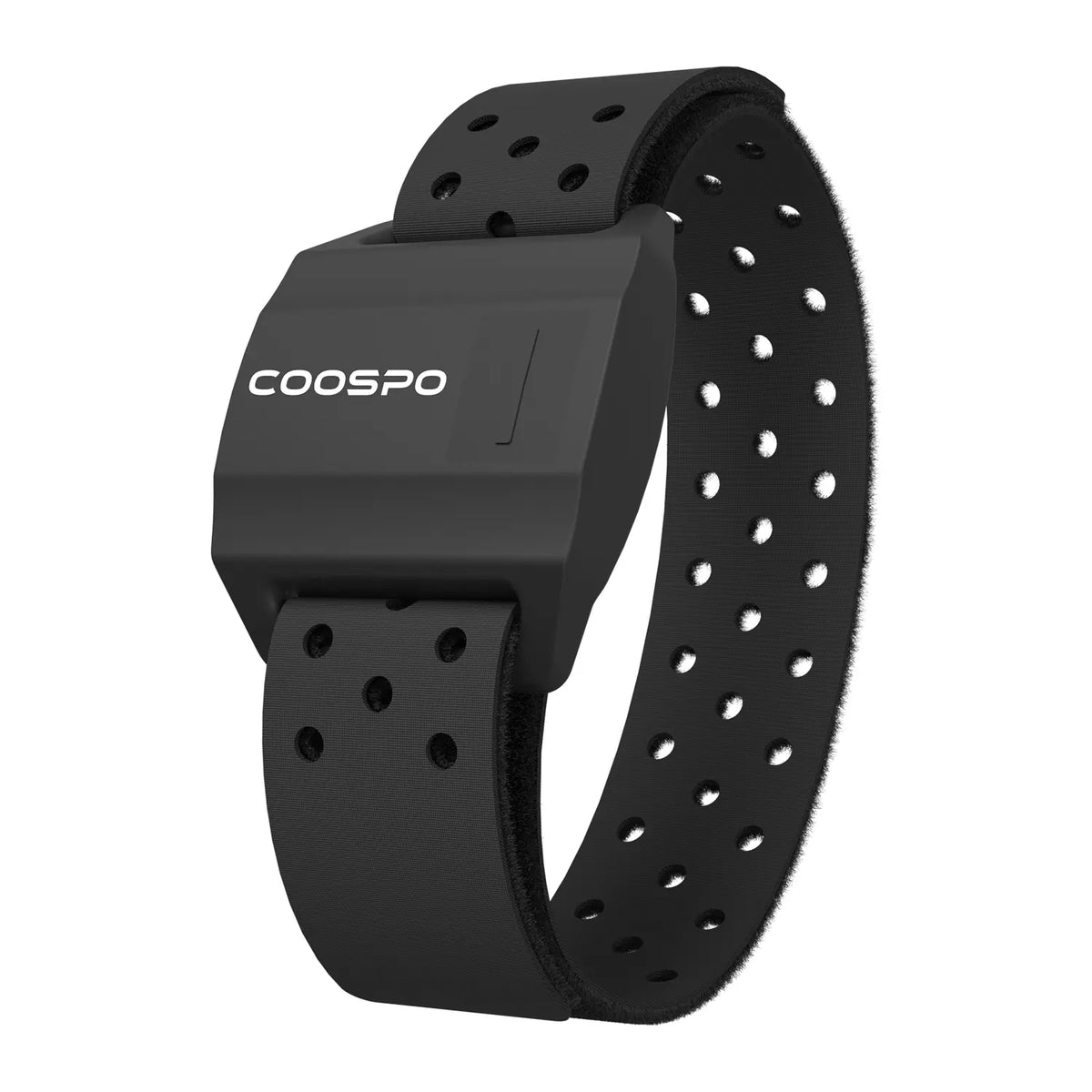
Comfortable riding is also important, but managing your training intensity also matters. A proper bike fit can help reduce discomfort, improve riding comfort, and make it easier to reach your target distance. A heart rate monitor like the COOSPO HW9 or H808S lets you track your heart rate during rides, helping you better understand your effort and keep your training on track.
How to Estimate Your Cycling Time and Fueling Needs
Ride duration depends on several factors, including age, fitness level, and riding conditions. According to 2023 Strava data, leisure rides on paved roads averaged 14.1 mph over 19.2 miles. Off-road rides were shorter and slower, averaging 8.6 mph over 10.6 miles.
You can estimate your riding time by dividing your planned distance by your average cycling speed.
Ride Time = Distance ÷ Average Speed
Knowing your expected ride duration also helps you plan hydration and nutrition:
- Rides up to 1 hour: Water is usually enough. A low-carb electrolyte drink can also help you stay hydrated.
- Rides over 1 hour: Bring water or an electrolyte drink and aim for 30–60 grams of carbohydrates per hour.
- Rides over 3 hours: Aim for the higher end of the carbohydrate range to maintain energy throughout the ride.
It's also a good idea to carry an extra energy bar in case your ride takes longer than expected.
How to Build a Training Plan to Increase Cycling Distance
If you want to ride farther than your current average distance, following a structured cycling training plan can help you gradually improve your endurance and mileage.
A periodized training plan works well when you have a specific distance or time goal. It typically builds training volume over three consecutive weeks, followed by a lighter recovery week to give your body time to adapt.
Whatever plan you choose, increase your weekly cycling distance gradually, around 10–15% per week. This helps reduce injury risk, build endurance, and keep your training sustainable.

To make your training more structured, a GPS bike computer like the COOSPO CS600 can help you stay on track. It supports custom workouts and training plans through the CoospoRide app, as well as preset workouts and TrainingPeaks courses. During your ride, you can follow training targets and monitor your progress in real time, making it easier to build endurance and work toward longer cycling distances.


Leave a comment
Este site está protegido pela Política de privacidade da hCaptcha e da hCaptcha e aplicam-se os Termos de serviço das mesmas.