













![[2 Pack] Coospo Breathable Neck Gaiter Face Scarf Mask COOSPO](http://www.coospo.com/cdn/shop/files/106de7b046babc03aa610173af6e31aa_599da3fe-9907-4b1e-8eb0-f08b3032720b.png?v=1720591174&width=1600)


![[4 Pack] Coospo Soft Breathable Chilly Towel, Microfiber Towel COOSPO](http://www.coospo.com/cdn/shop/files/1_904094cc-62ee-40e9-aa21-415effb385b4.png?v=1720527561&width=1600)


Una bicicletta nuova dà una sensazione di perfezione al primo giro.
Il cambio è fluido.
I freni sono reattivi.
Le ruote rotolano senza sforzo.
Ma ogni viaggio cambia lentamente le cose.
Si accumula polvere. Le catene si sporcano. La pressione degli pneumatici diminuisce. I componenti si usurano.
Molti ciclisti pensano che la manutenzione della bicicletta sia una questione di cui debbano preoccuparsi solo i meccanici esperti.
La verità?
La manutenzione di base della bicicletta è uno dei modi più semplici per renderla più veloce, sicura e affidabile.. Non hai bisogno di un'officina professionale o di attrezzi costosi per mantenere la tua bicicletta in ottime condizioni.. Alcune semplici abitudini possono prevenire la maggior parte dei problemi prima che si verifichino.
Perché la manutenzione regolare della bicicletta è importante
Una bicicletta ben tenuta ti offre:
Prestazioni migliori
Una catena pulita e componenti correttamente regolati riducono la perdita di energia.
Maggiore durata dei componenti
Sostituire una catena usurata è molto più economico che sostituire l'intera trasmissione.
Maggiore sicurezza
Problemi ai freni, pneumatici usurati e bulloni allentati possono diventare seri inconvenienti durante un viaggio.
Maggiore fiducia
Sapere che la tua moto è pronta ti permette di concentrarti sul goderti la pedalata.
1. Controlla la pressione degli pneumatici prima di ogni viaggio
La pressione degli pneumatici è uno degli aspetti più trascurati nel ciclismo. Molti ciclisti spendono migliaia di euro in ruote leggere e componenti di alta qualità, ma dimenticano una cosa semplice: I loro pneumatici sono sgonfi.
La bassa pressione degli pneumatici può causare:
Maggiore resistenza al rotolamento
Maggiore probabilità di forature
Gestione inadeguata
Maggiore usura degli pneumatici
Anche una pressione eccessiva può creare problemi:
Comfort ridotto
Meno aderenza
Maggiori vibrazioni su strade dissestate.
La pressione ideale dipende da:
Larghezza del pneumatico
Peso del ciclista
Condizioni stradali
Tipo di pneumatico
Un rapido controllo della pressione prima di ogni uscita richiede solo pochi secondi, ma può migliorare significativamente la tua esperienza di guida.
Mancia: In genere, gli pneumatici più larghi funzionano meglio a pressioni inferiori rispetto ai tradizionali pneumatici stretti.
2. Pulisci regolarmente la trasmissione
Il sistema di trasmissione è il punto in cui la tua potenza si trasforma in movimento. Comprende:
Catena
Cassetta
Corone della guarnitura
Deragliatori
Nel tempo, lo sporco e il lubrificante vecchio creano attrito. Una trasmissione sporca può causare:
Cambio rumoroso
Cambi di marcia scadenti
Usura più rapida dei componenti
Una semplice routine: UNDopo percorsi polverosi o bagnati:
Pulisci la catena
Rimuovere lo sporco visibile
Riapplicare il lubrificante se necessario.
Ogni poche settimane:
Pulire a fondo la catena e il pacco pignoni.
Verificare la presenza di usura anomala
Una trasmissione pulita non solo ha un aspetto migliore, ma offre anche prestazioni migliori.

3. Ispeziona il tuo sistema frenante
I freni sono il componente di sicurezza più importante. Prima di intraprendere lunghi viaggi, verificare:
Freni a disco:
I rotori sono puliti?
Si sentono rumori insoliti?
La frenata risulta costante?
Freni a cerchio:
Le pastiglie dei freni sono usurate?
Sono allineati correttamente?
Aderiscono al bordo in modo uniforme?
Se lo spazio di frenata aumenta, non ignorarlo. Piccoli problemi ai freni possono trasformarsi in gravi rischi per la sicurezza durante le discese ripide.

4. Controlla l'usura della catena
Molti ciclisti aspettano che la catena inizi a fare rumore. A quel punto, il danno potrebbe essere già in atto.
Una catena usurata può accelerare l'usura di:
· Cassetta
· Corone della guarnitura
· Componenti del deragliatore
Controllare regolarmente la catena aiuta a sostituire i componenti prima che si verifichino danni costosi. Per i ciclisti che si allenano frequentemente, controllare l'usura della catena ogni poche centinaia di chilometri è una buona abitudine.

5. Mantieni pulita la tua bicicletta
Non è necessario lavare la bicicletta dopo ogni giro. Ma una pulizia regolare previene problemi a lungo termine.
Presta particolare attenzione a zona della catena, componente del freno, superfici delle ruote e giunzioni del telaio. Dopo aver cavalcato Pioggia, fango, strade sterrate polverose: una rapida pulizia è vivamente consigliata. Acqua e sporco sono tra i maggiori nemici dei componenti delle biciclette.

6. Controlla che i tuoi pneumatici non siano danneggiati
Gli pneumatici sono l'unico punto di contatto tra la bicicletta e la strada. Prima di partire, controlla:
· Tagli
· crepe
· Vetro o pietre incastonate
· Usura eccessiva
Sostituire gli pneumatici usurati prima che si guastino è molto più sicuro che dover affrontare una foratura lontano da casa.

7. Controllare bulloni e collegamenti
Le biciclette moderne utilizzano molti componenti leggeri. Nel tempo, a causa delle vibrazioni, possono insorgere piccoli problemi. Verificare regolarmente:
· bulloni del manubrio
· Bulloni dell'attacco manubrio
· bulloni della sella
· bulloni del portaborraccia
· Pedali
Tuttavia, evitate di stringere tutto a caso. Un serraggio eccessivo può danneggiare i componenti in carbonio. Per i componenti delicati si consiglia l'utilizzo di una chiave dinamometrica.

8. Effettua la manutenzione degli accessori della tua bicicletta
La tua bicicletta non è l'unica attrezzatura che necessita di cura. I ciclisti spesso dimenticano di:
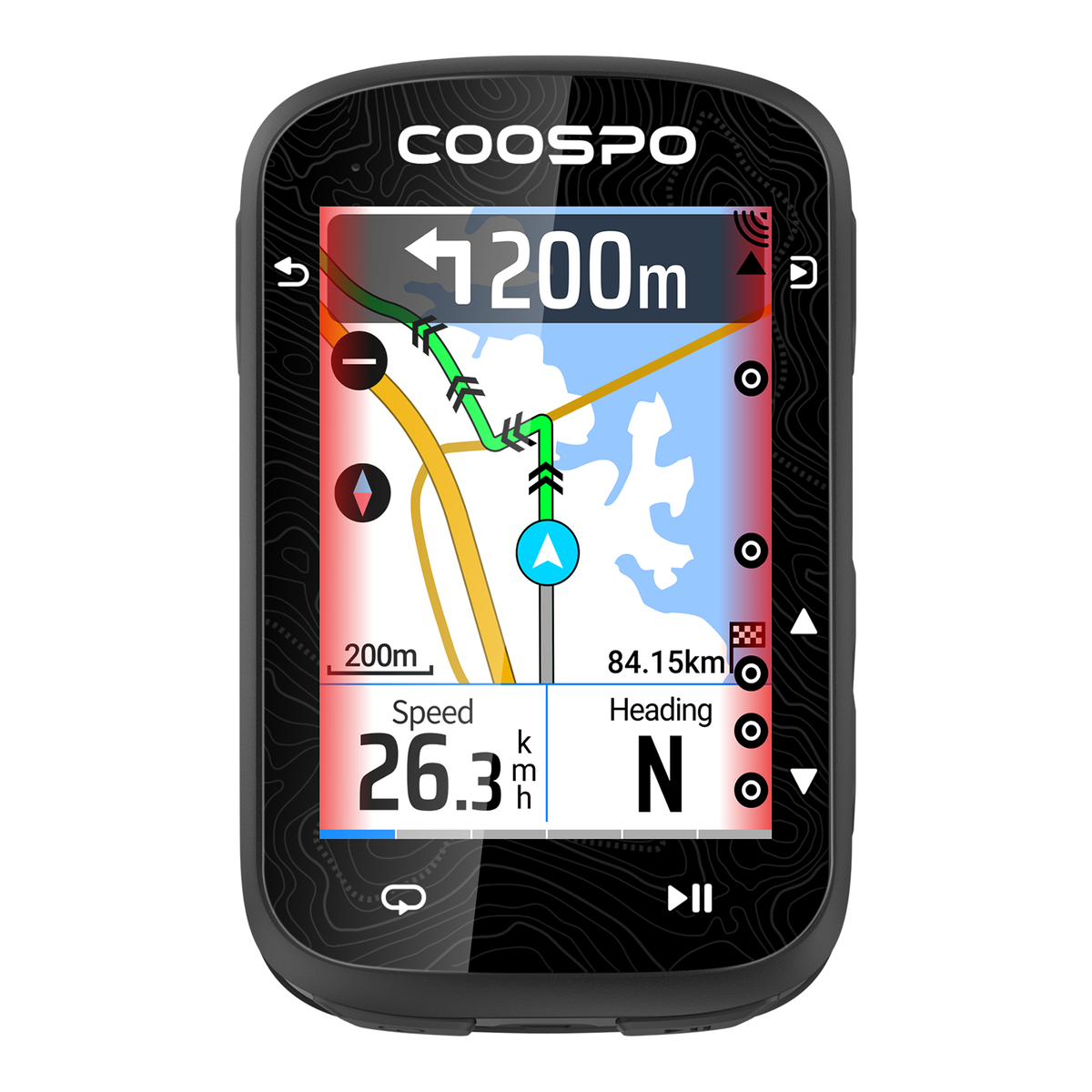
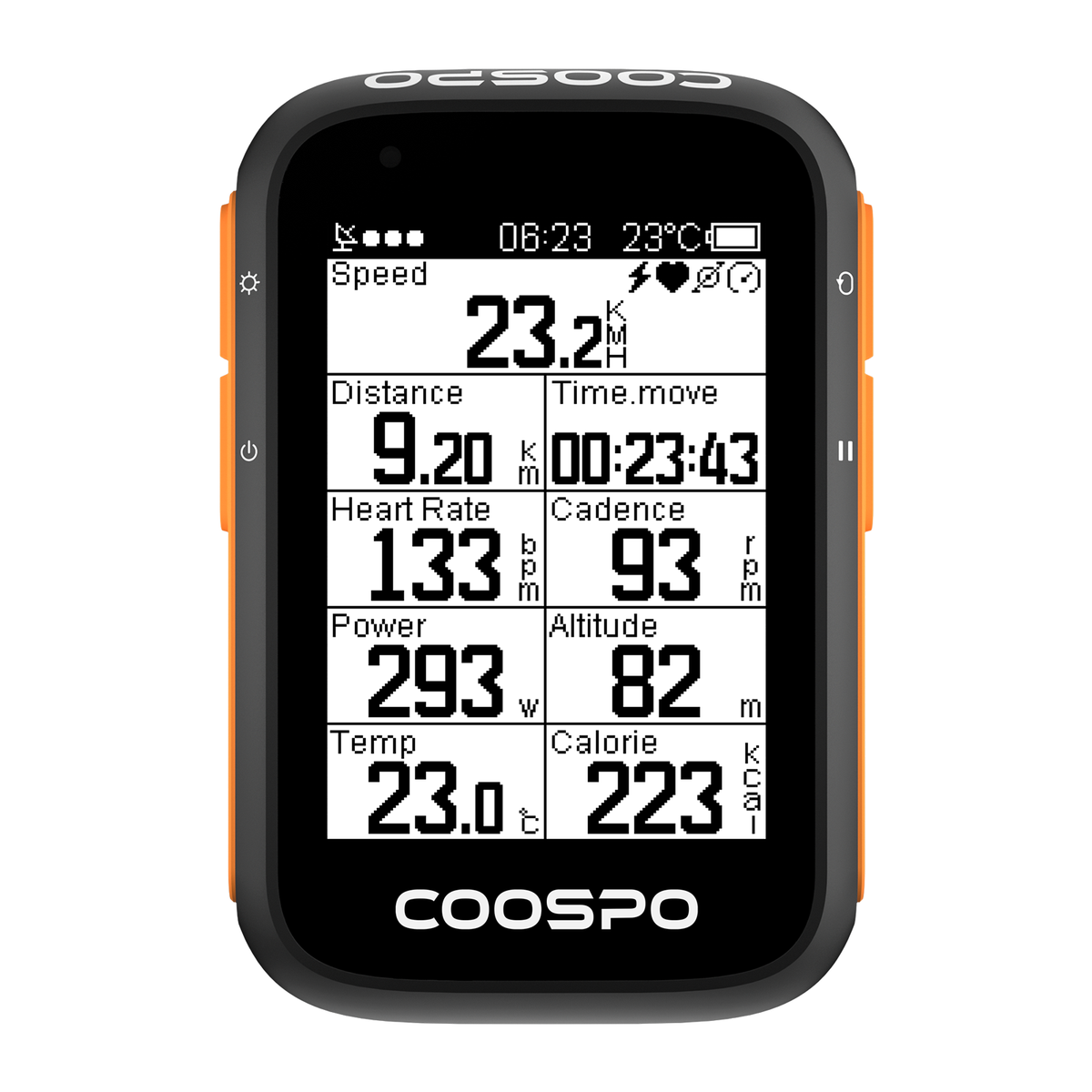
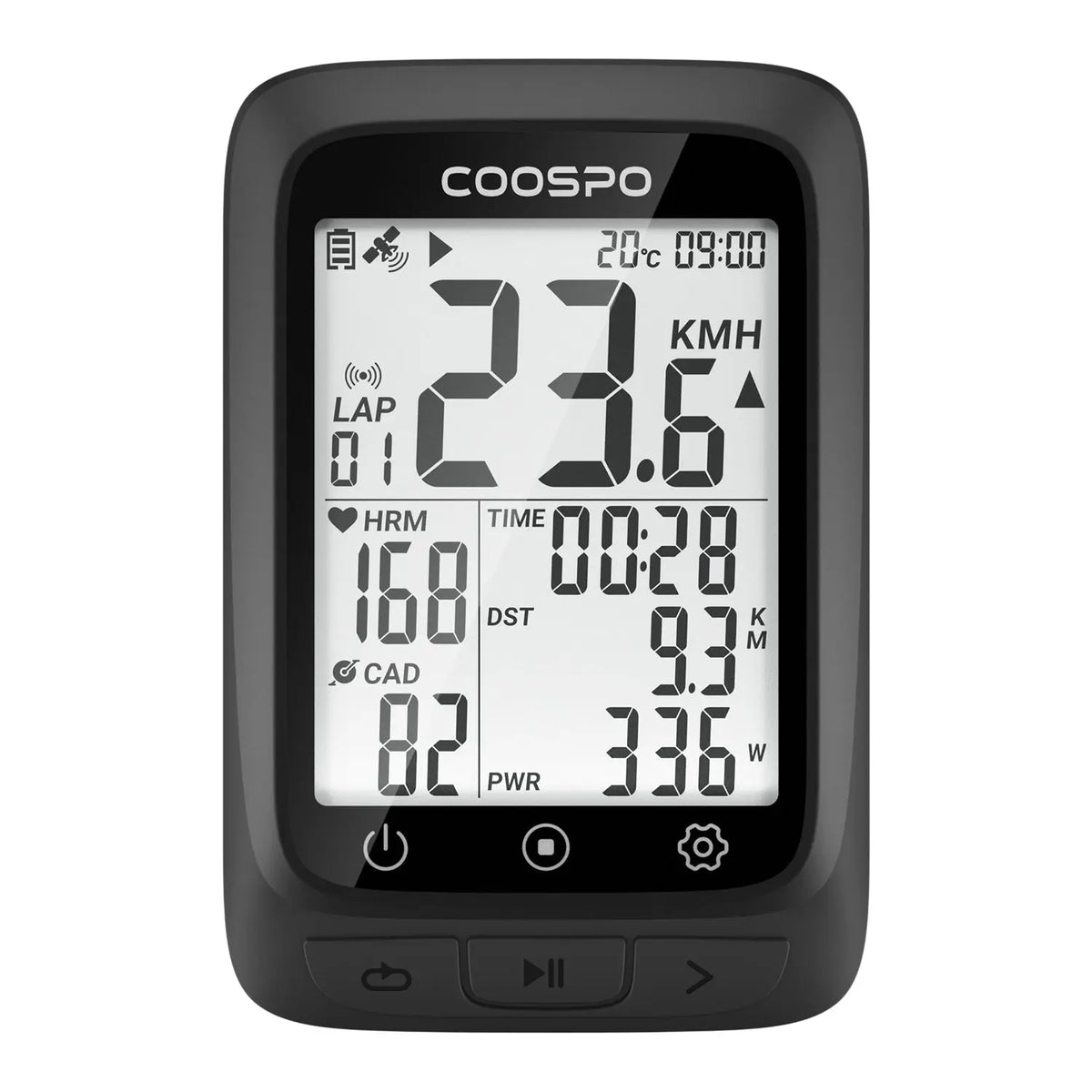
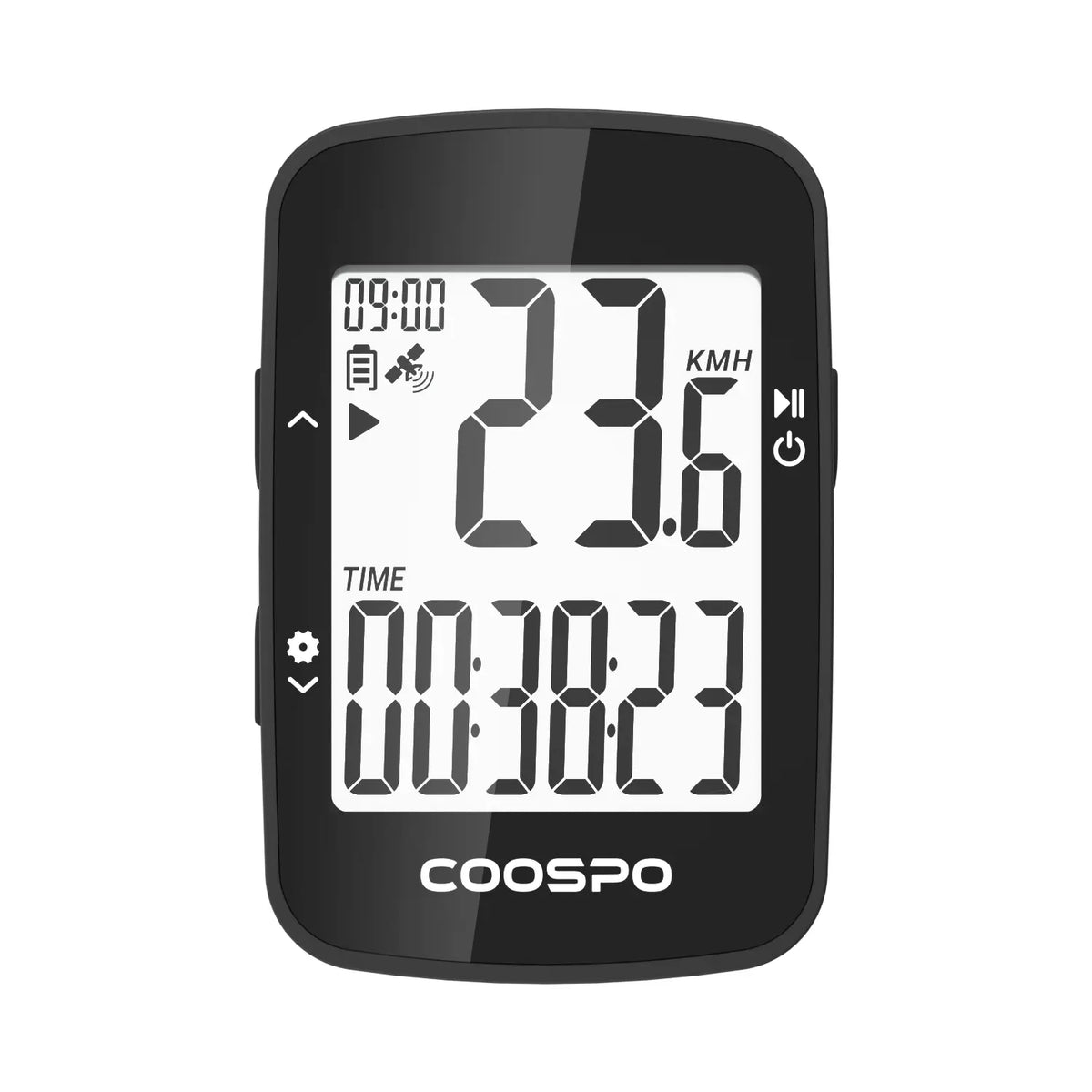
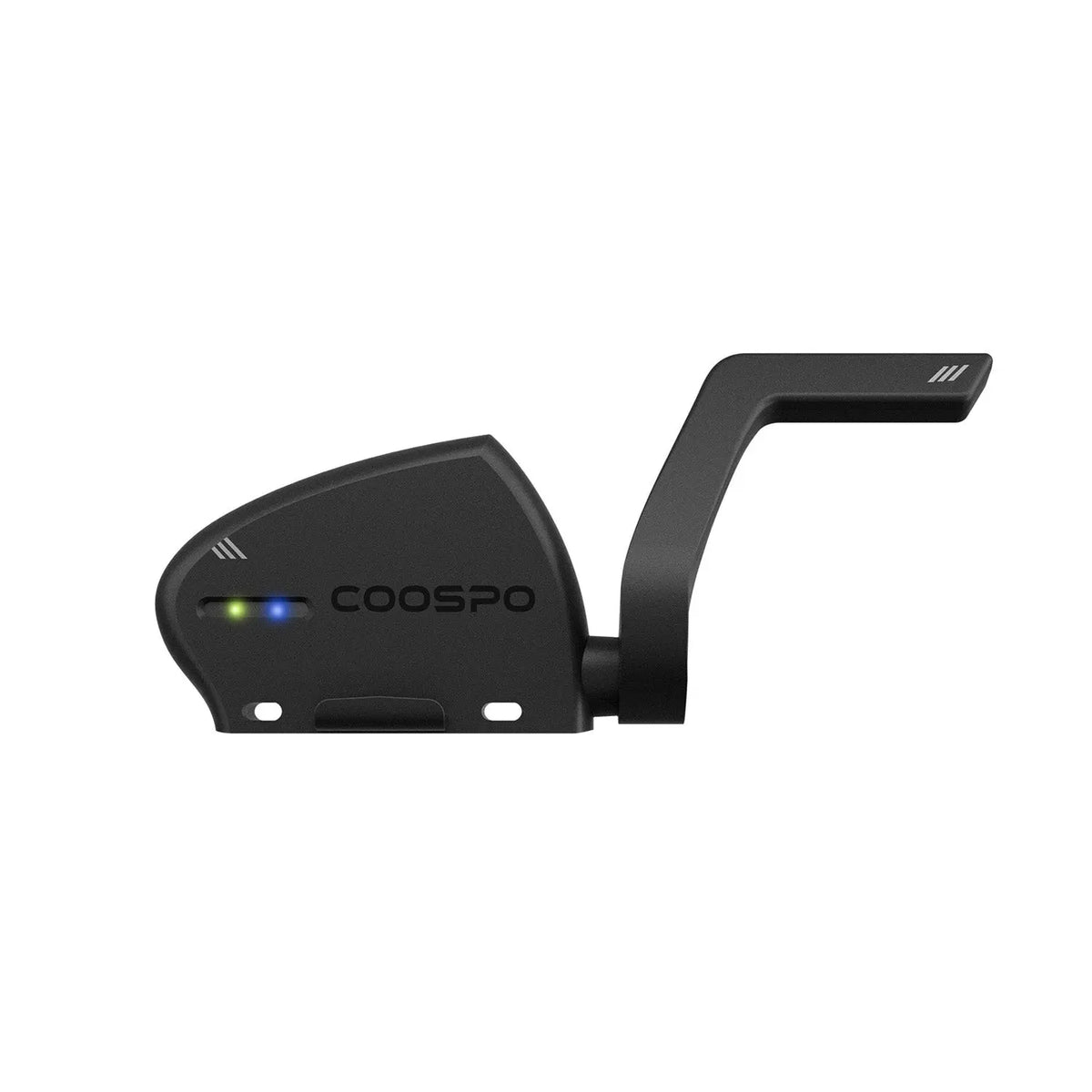
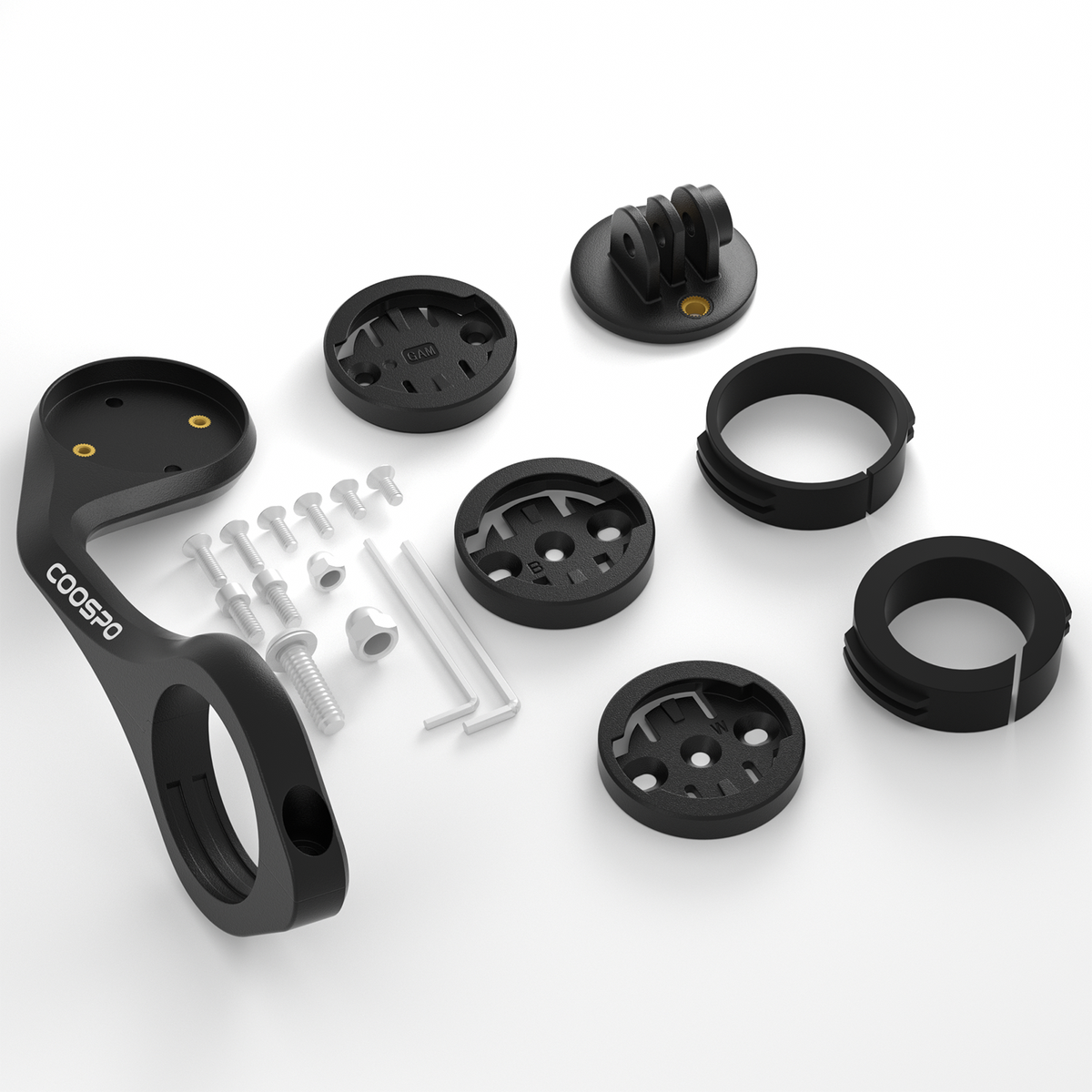
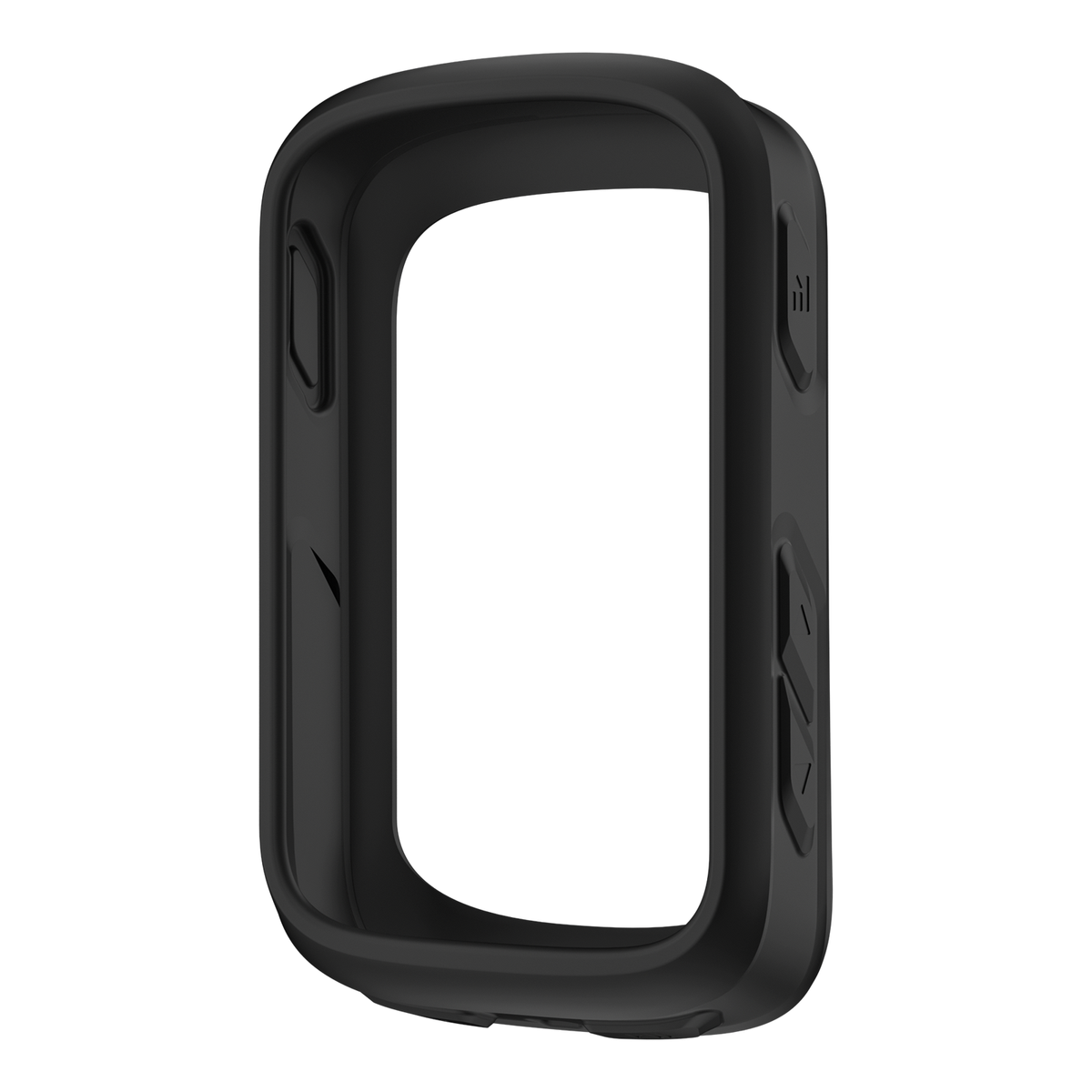
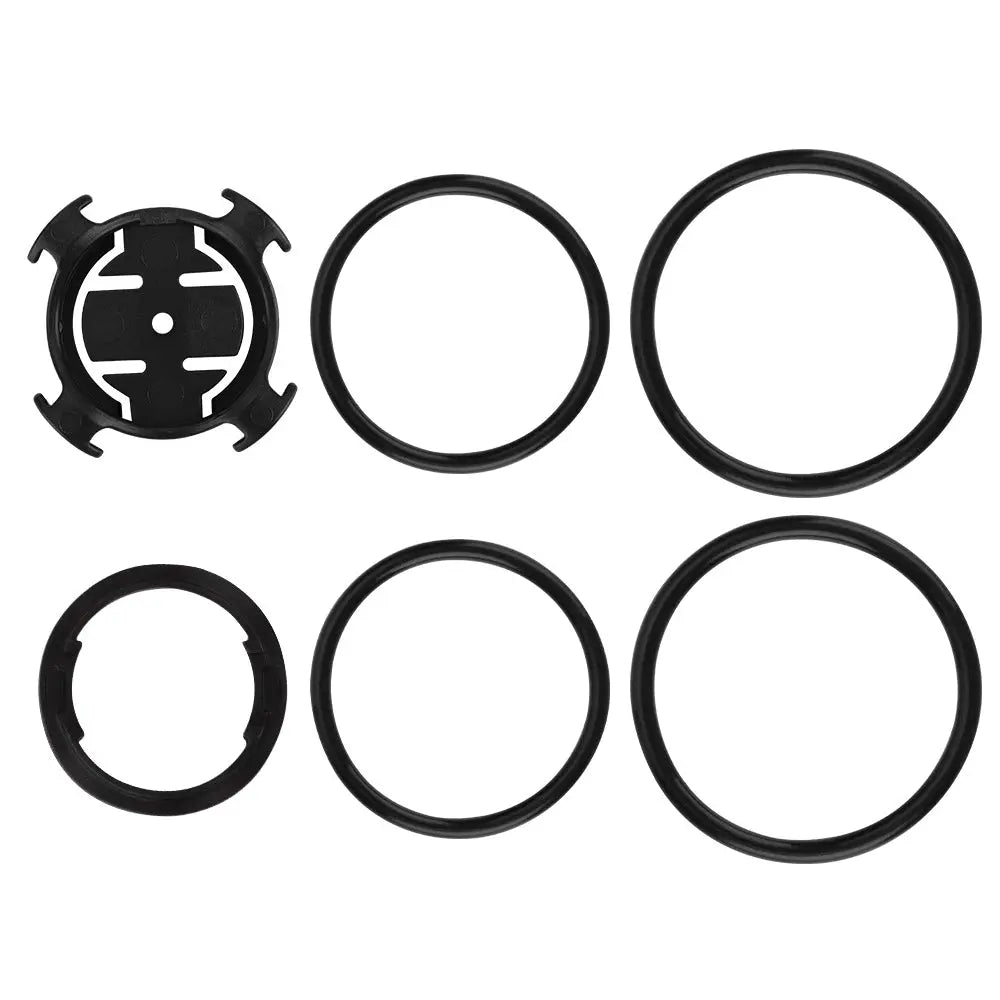
Computer da bici
Mantieni pulita la porta di ricarica e verifica regolarmente la presenza di aggiornamenti del firmware.
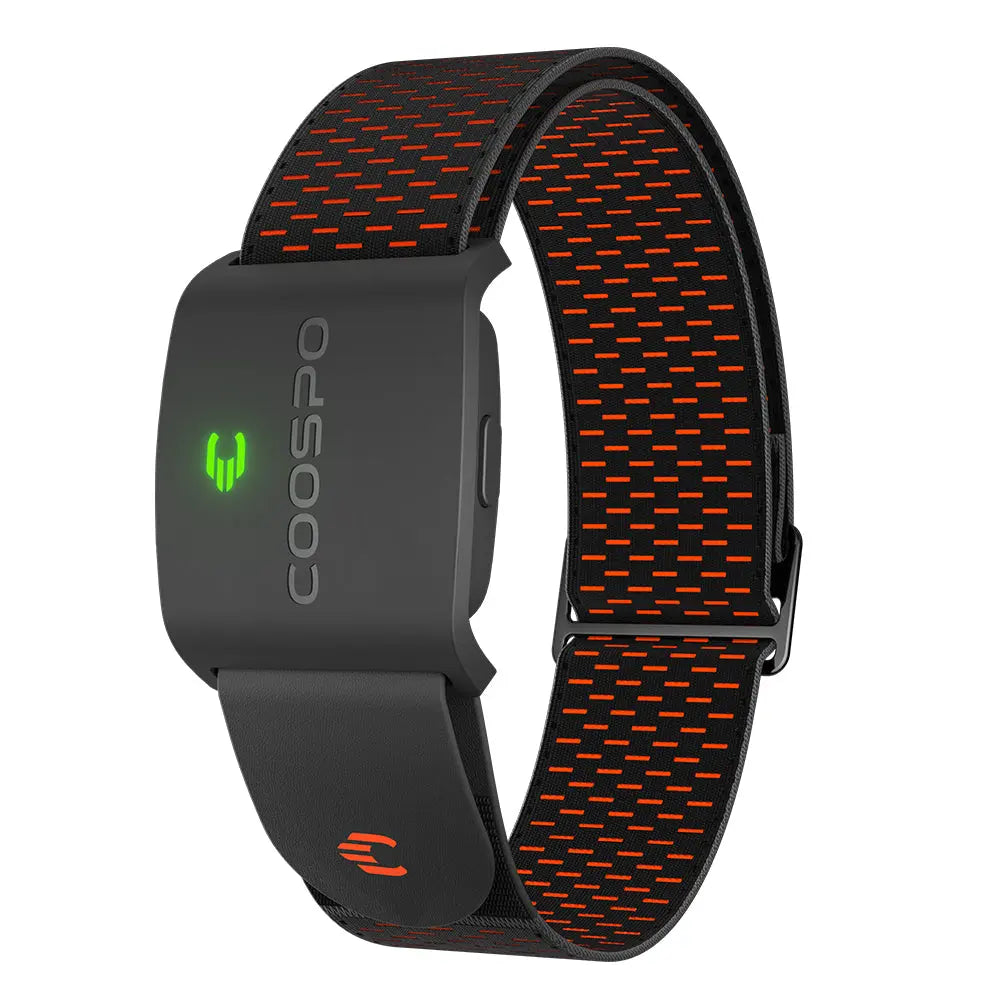
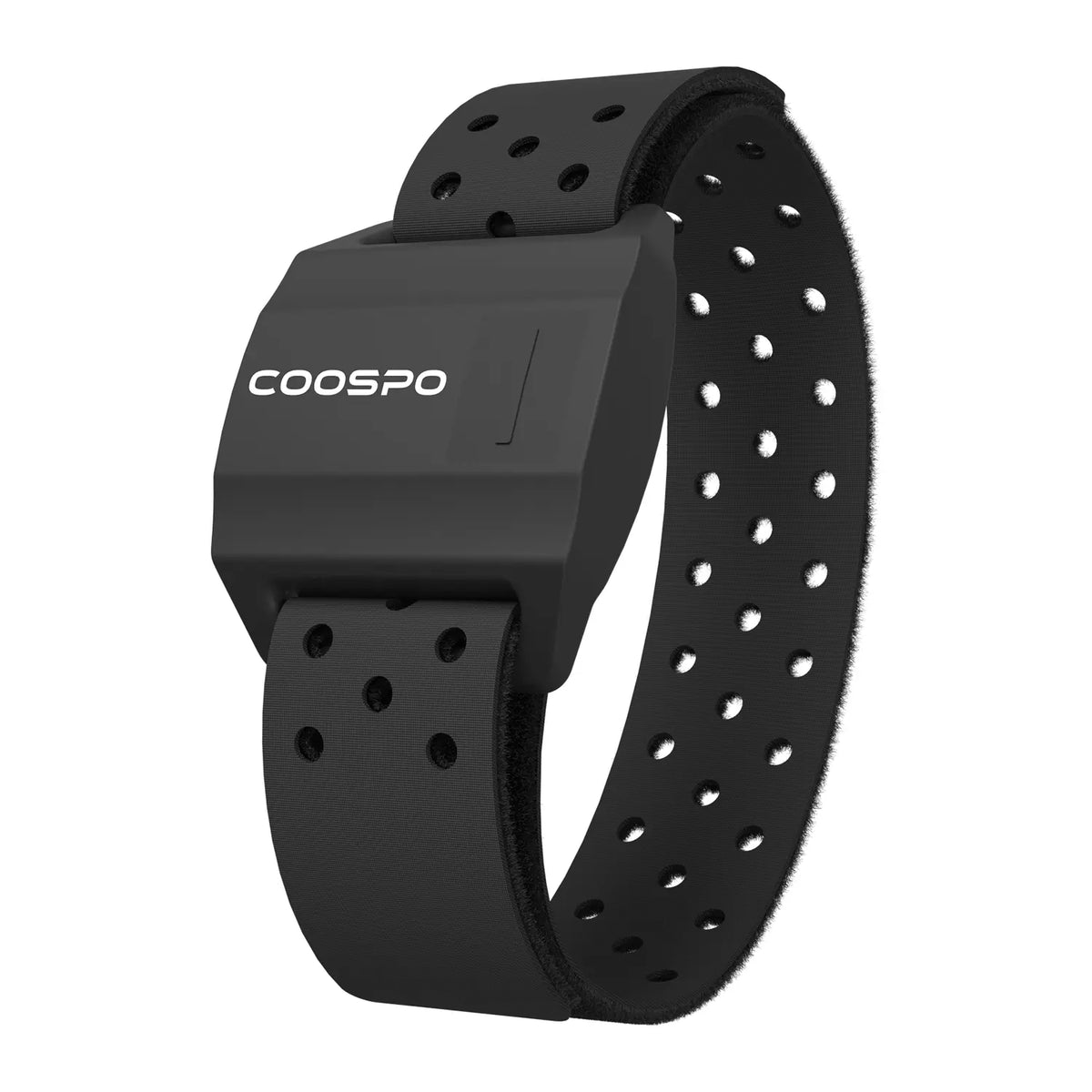
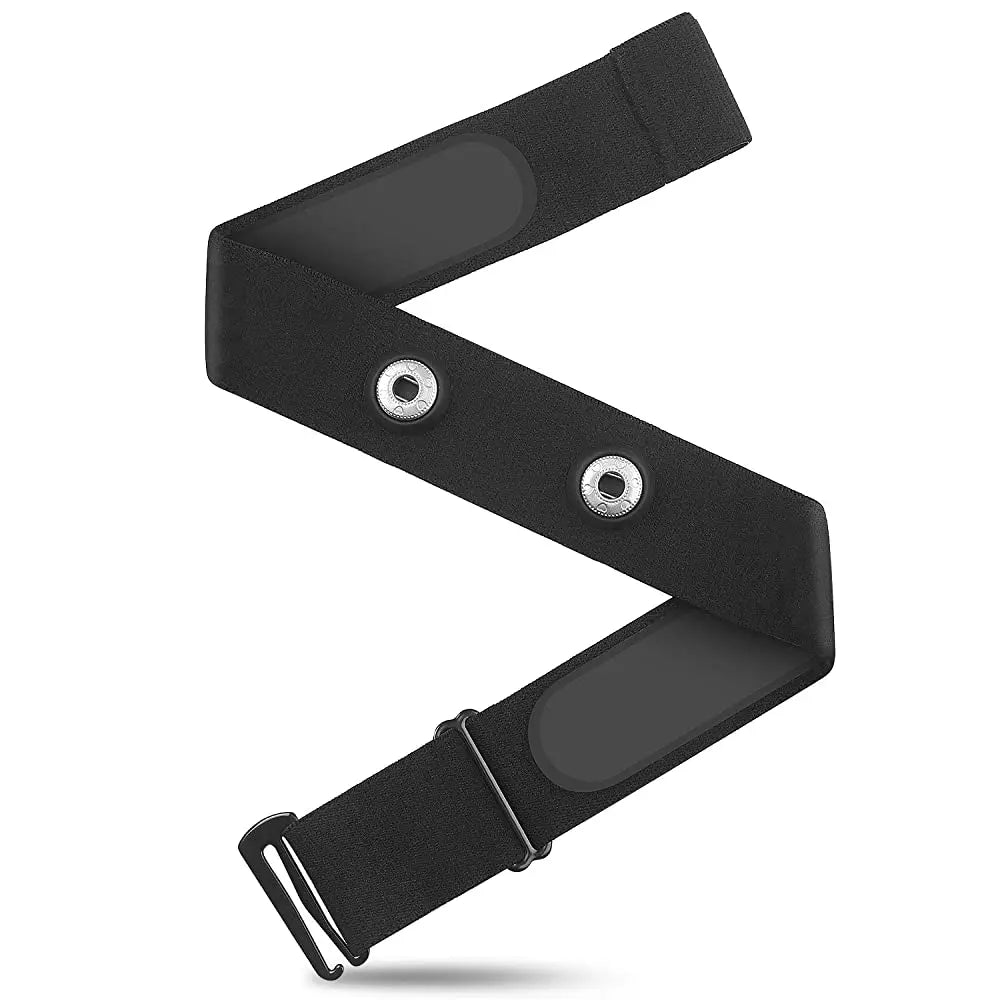
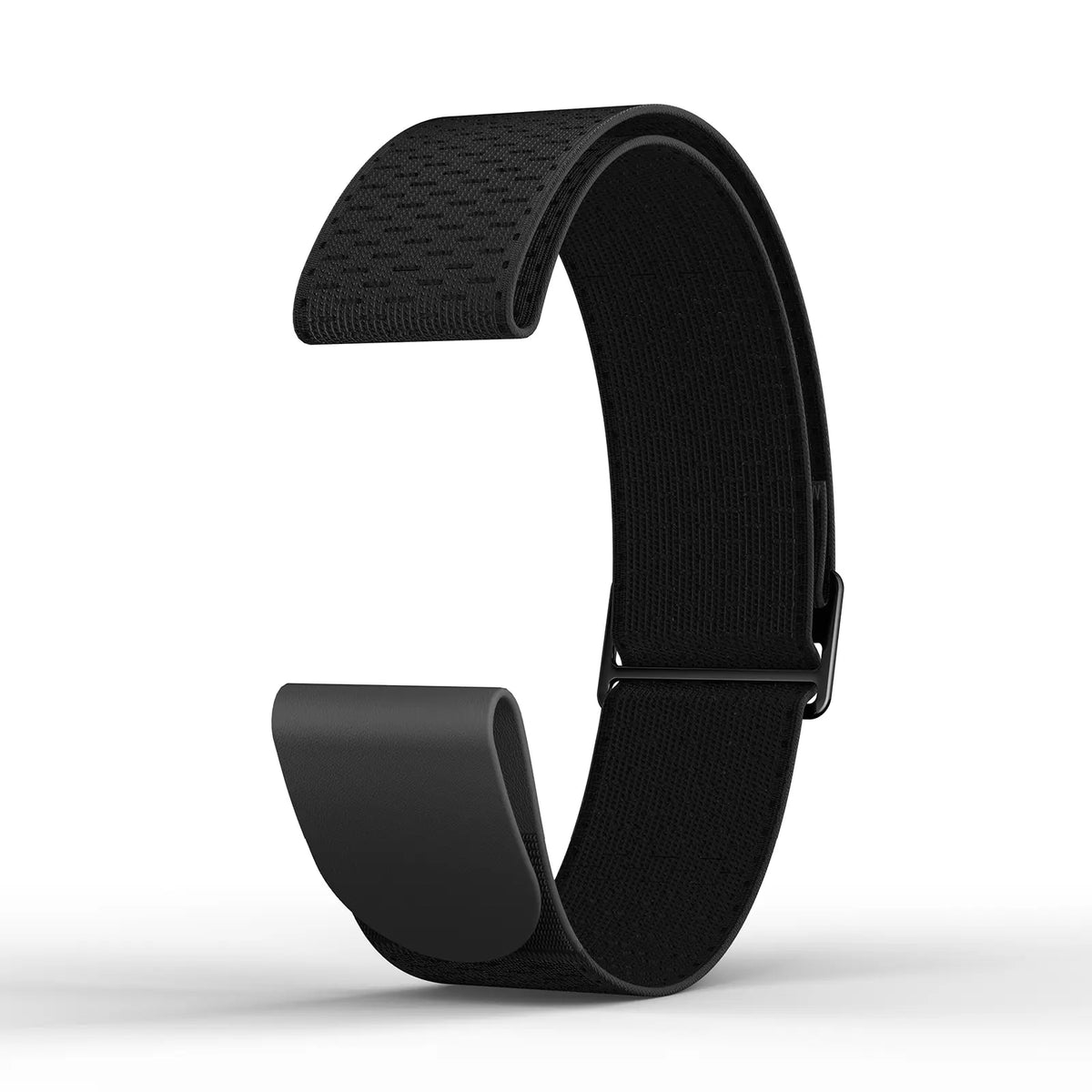
Monitoraggio della frequenza cardiaca
Pulisci il sensore dopo le uscite in bicicletta in cui hai sudato molto e mantieni la batteria in buone condizioni.
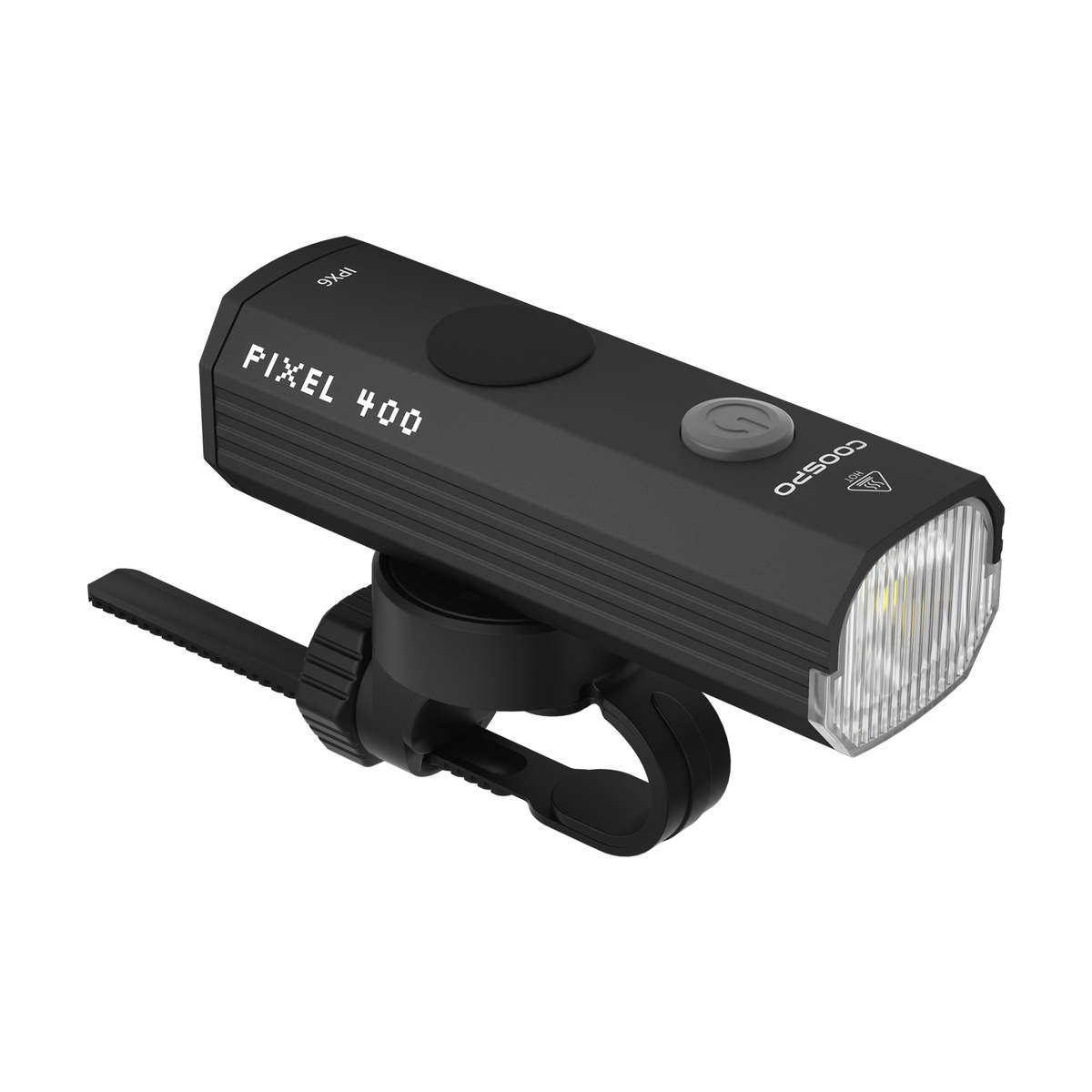
Luci radar
Verificare la stabilità del montaggio e lo stato di carica.
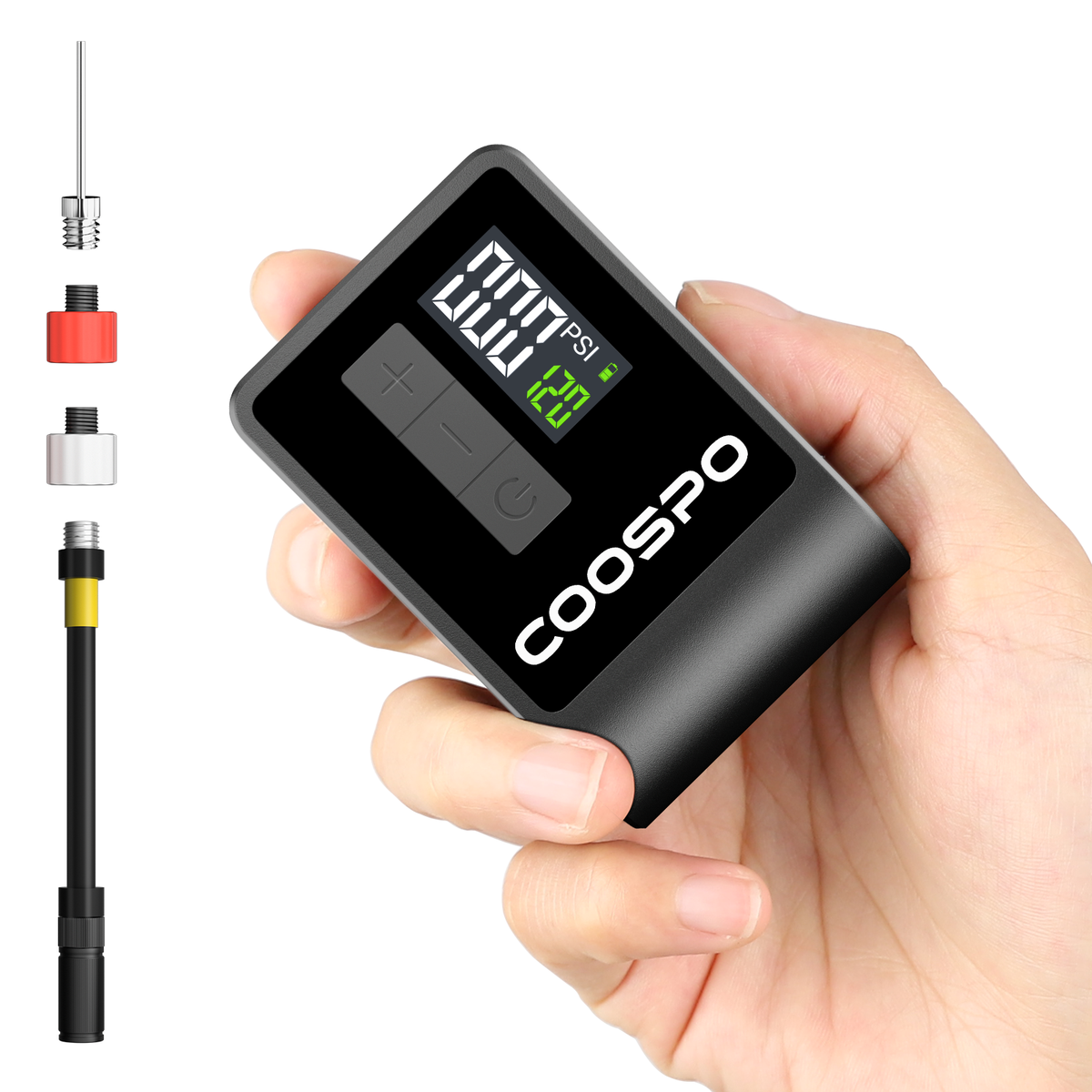
Pompa per bicicletta
Assicurarsi che le guarnizioni e i collegamenti funzionino correttamente. I piccoli accessori spesso giocano un ruolo importante nella sicurezza durante la guida.
9. Tieni traccia del tuo programma di manutenzione
Uno dei modi più semplici per mantenere la bicicletta in buone condizioni è tenere traccia di quando sono stati effettuati gli interventi di manutenzione. Molti ciclisti dimenticano:
· Quando ho sostituito la catena l'ultima volta?
· Quanti chilometri hanno percorso i miei pneumatici?
· Quando ho effettuato l'ultima manutenzione dei freni?
Un ciclocomputer può aiutarti a monitorare:
· Chilometraggio totale
· Frequenza di marcia
· Volume di formazione
L'utilizzo dei dati relativi alle tue uscite in bicicletta rende la manutenzione più prevedibile.
Attrezzi essenziali che ogni ciclista dovrebbe possedere
Non hai bisogno di un'officina professionale. Un kit di attrezzi domestico di base dovrebbe includere:
Attrezzi per pneumatici
Pompa
Leve per pneumatici
Tubi di ricambio o kit di riparazione
Strumenti per la pulizia
Spazzola a catena
Pulitore per biciclette
Panno in microfibra
Strumenti di regolazione
Chiavi esadecimali
Chiave dinamometrica
Controllore della catena
Come la tecnologia semplifica la manutenzione delle biciclette
La tecnologia ciclistica moderna aiuta i ciclisti a comprendere meglio la propria attrezzatura.
Il monitoraggio dei dati di percorrenza consente ai ciclisti di:
· Monitorare il chilometraggio
· Pianifica gli intervalli di manutenzione
· Comprendere le abitudini di guida
· Preparati prima degli eventi importanti
Per esempio: Un ciclista che sa di aver percorso 5.000 km con la stessa catena può prendere una decisione di sostituzione più oculata rispetto a chi si affida solo alla memoria.
Considerazioni finali
La manutenzione della bicicletta non deve essere complicata. Non è necessario diventare un meccanico professionista. Le abitudini più importanti sono semplici:
· Controlla i tuoi pneumatici
· Pulisci la trasmissione
· Controlla i freni
· Sostituire tempestivamente le parti usurate
· Tieni traccia dei chilometri percorsi in bicicletta.
Pochi minuti di manutenzione possono far risparmiare ore di frustrazione in seguito. La tua bici si prende cura di te in ogni pedalata. Abbi cura di esso a tua volta.
FAQ
Con quale frequenza devo pulire la mia bicicletta?
Per un utilizzo regolare su strada, di solito è sufficiente pulire la bici ogni poche settimane. Puliscila più frequentemente dopo pioggia, fango o percorsi sterrati.
Con quale frequenza devo controllare la pressione degli pneumatici?
Idealmente prima di ogni corsa.
Con quale frequenza devo effettuare la manutenzione della mia bicicletta?
Dipende dall'utilizzo. Chi usa la bici frequentemente potrebbe aver bisogno di manutenzione stagionale, mentre chi la usa occasionalmente potrebbe aver bisogno solo di pochi controlli all'anno.
Quali sono le prime cose che un principiante dovrebbe imparare a fare in materia di manutenzione della bicicletta?
Inizia controllando la pressione degli pneumatici, pulendo la catena, verificando i freni ed eseguendo ispezioni di base.




Lascia un commento
Questo sito è protetto da hCaptcha e applica le Norme sulla privacy e i Termini di servizio di hCaptcha.