












![[2 Pack] Coospo Breathable Neck Gaiter Face Scarf Mask COOSPO](http://www.coospo.com/cdn/shop/files/106de7b046babc03aa610173af6e31aa_599da3fe-9907-4b1e-8eb0-f08b3032720b.png?v=1720591174&width=1600)


![[4 Pack] Coospo Soft Breathable Chilly Towel, Microfiber Towel COOSPO](http://www.coospo.com/cdn/shop/files/1_904094cc-62ee-40e9-aa21-415effb385b4.png?v=1720527561&width=1600)

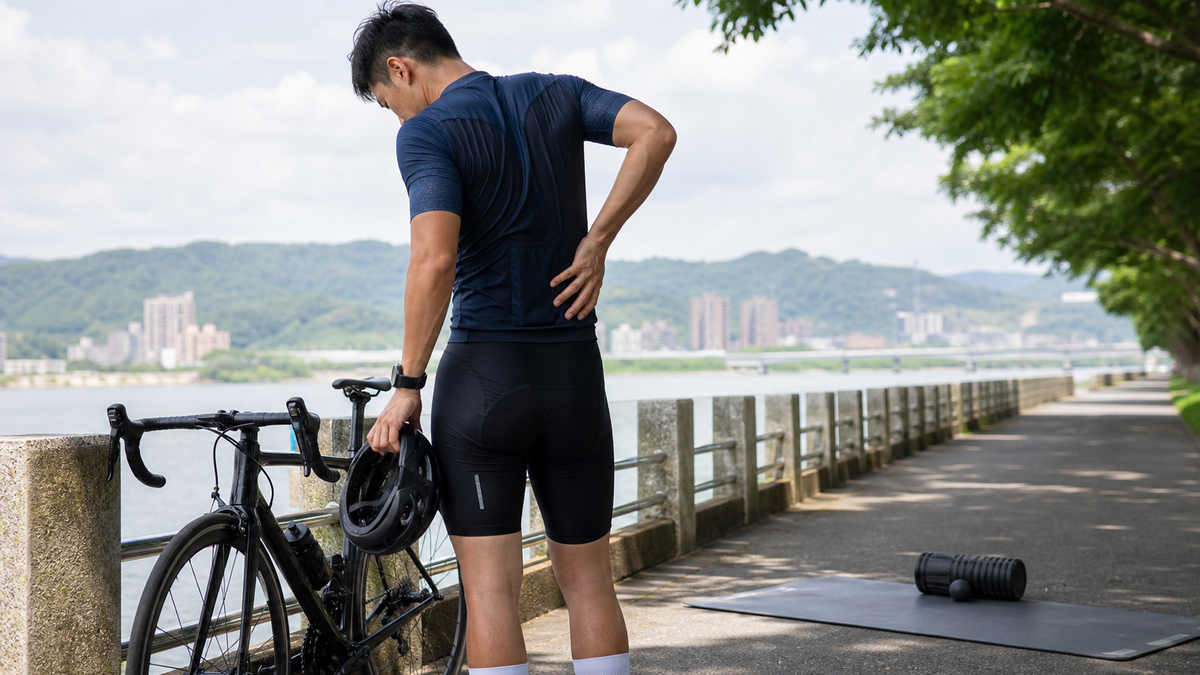
Lower back pain is a common health problem worldwide. In 2020, the World Health Organisation estimated that 619 million people were living with lower back pain, around 7.6% of the global population. Research also suggests that 75-84% of people experience it at some point in their lives.
Cyclists are no exception. Lower back pain, along with knee pain, is one of the most common overuse injuries in cycling. A study of 1,274 amateur cyclists in Italy found lower back pain affected 55.1% at some point in their lives, 26.5% in the previous year, and 10.8% in the previous four weeks. Among professional cyclists, another study found that 58% had experienced lower back pain in the previous year.
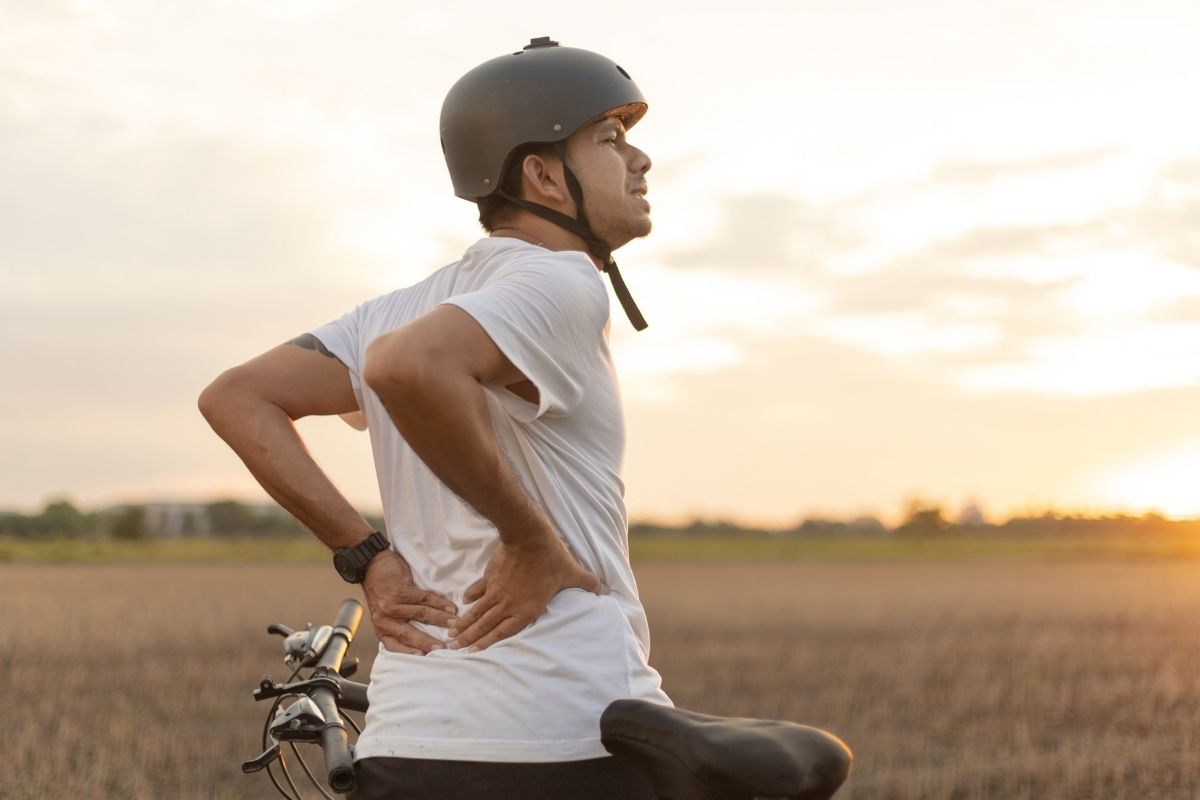
Cycling may worsen existing back discomfort, but it is not always easy to identify whether the problem comes from riding or everyday habits. Spending long periods sitting at work, during travel, or at home may also contribute. Around 90% of lower back pain is considered 'non-specific', meaning there is usually no serious underlying condition. Pain can come from different structures around the spine, including muscles, ligaments, joints, discs and fascia.
More serious causes, such as nerve damage, fractures, tumours, infections or inflammatory conditions, are much less common. These cases require medical attention and are often accompanied by severe pain or other symptoms.
What Causes Lower Back Pain in Cyclists?
Cycling often keeps the body in a forward-bent position for long periods. Riders seeking a more aerodynamic position may place even more stress on the lower back, especially when limited hip flexibility forces the lumbar spine to compensate. Restricted hip movement can also affect pelvic position, increasing lower-back flexion and potentially irritating the joints or sciatic nerve.
Tight hamstrings, glutes, or other parts of the posterior chain can limit the pelvis’ ability to tilt forward, putting more movement and load through the lower back. Poor pelvic stability, limited hip mobility, and stiff lumbar joints can make this worse. Excessive spinal rotation or side-to-side bending may also contribute, particularly when caused by asymmetries such as differences in leg length, muscle activation, or saddle position.
Muscle weakness and poor conditioning can add to the problem. A 2017 study found that cyclists with lower back pain showed imbalances in core muscle activation, reduced back-extensor endurance, and greater lumbar flexion while riding. When muscles become fatigued, the spine may take on more of the load, increasing stress on the lower back.

Road vibration is another potential factor. Repeated bumps and changes in road surfaces create whole-body vibration that must be absorbed by the muscles, potentially contributing to fatigue and discomfort over long rides. Modern bike setup can help reduce some of this impact, with wider tyres and lower tyre pressures providing greater cushioning on rough roads.
Bike Fit Issues and Lower Back Pain
Your bike itself may not be the direct cause of lower back pain, but an unsuitable bike setup can certainly contribute to it.
A proper bike fit should support a natural riding position, with appropriate hip flexion, a neutral pelvis, and limited spinal flexion. When the bike is adjusted correctly, this position should feel comfortable rather than forced.
Saddle position is a key part of bike fit. A saddle that is too high can cause the pelvis to rock or become unstable as you reach the bottom of the pedal stroke. It may also lead to uneven positioning and place extra strain on the lower back and posterior muscles.
A saddle that is too low can restrict hip movement and make it harder to hinge properly at the hips. This may encourage a rounded back, especially when the saddle does not provide enough rear support.
The saddle itself also matters. A saddle that is too narrow or does not suit your body can create pressure and instability, causing you to rotate your pelvis backward and increase lower-back flexion. Saddle angle can also affect back comfort. One study found that an appropriately downward-tilted saddle reduced the incidence and severity of lower back pain by 70% among recreational cyclists.
Handlebar position is another important factor. Excessive drop can place more demands on the hips and lower back, while excessive reach may cause riders to stretch forward, round their upper back, and place additional strain on the spine and neck.
Interestingly, making the handlebars too high and too close is not always the solution. An overly upright position can reduce the ability to hinge at the hips, limit effective glute use, and encourage the pelvis to roll backward, resulting in a slumped posture.
Finally, crank length should also be considered. Cranks that are too long can cause the pelvis to shift from side to side and increase lateral spinal movement, particularly for riders with limited hip mobility.
Overall, lower back pain while cycling can come from several aspects of bike fit. Saddle height and angle, handlebar position, reach, and crank length should all work together to create a stable and comfortable riding position.
What Should I Do About Lower Back Pain From Cycling?
Managing cycling-related lower back pain usually means looking at bike fit, physical conditioning, and training load together.
Start with your bike fit. A professional bike fit can help adjust the three main contact points: saddle, pedals, and handlebars. Saddle height, position and width affect pelvic stability, while cleat alignment helps keep your legs and feet stable. Handlebar height and reach also influence how much stress is placed on your lower back.
Build strength and mobility. Strong core, glutes, and back muscles help your body handle the demands of cycling. Tight hamstrings, glutes, or hips can restrict movement and make it harder to maintain a stable pelvis and neutral spine. Exercises that improve core stability and hip mobility can help.
One study found that 47.9% of athletes who increased their core-strength training over four months experienced a significant reduction in lower back pain during cycling, competition, and daily activities.
Manage your training load. Avoid sudden increases in riding volume, intensity, or frequency. Gradually build up your training and pay attention to signs such as increasing pain, stiffness, or fatigue.

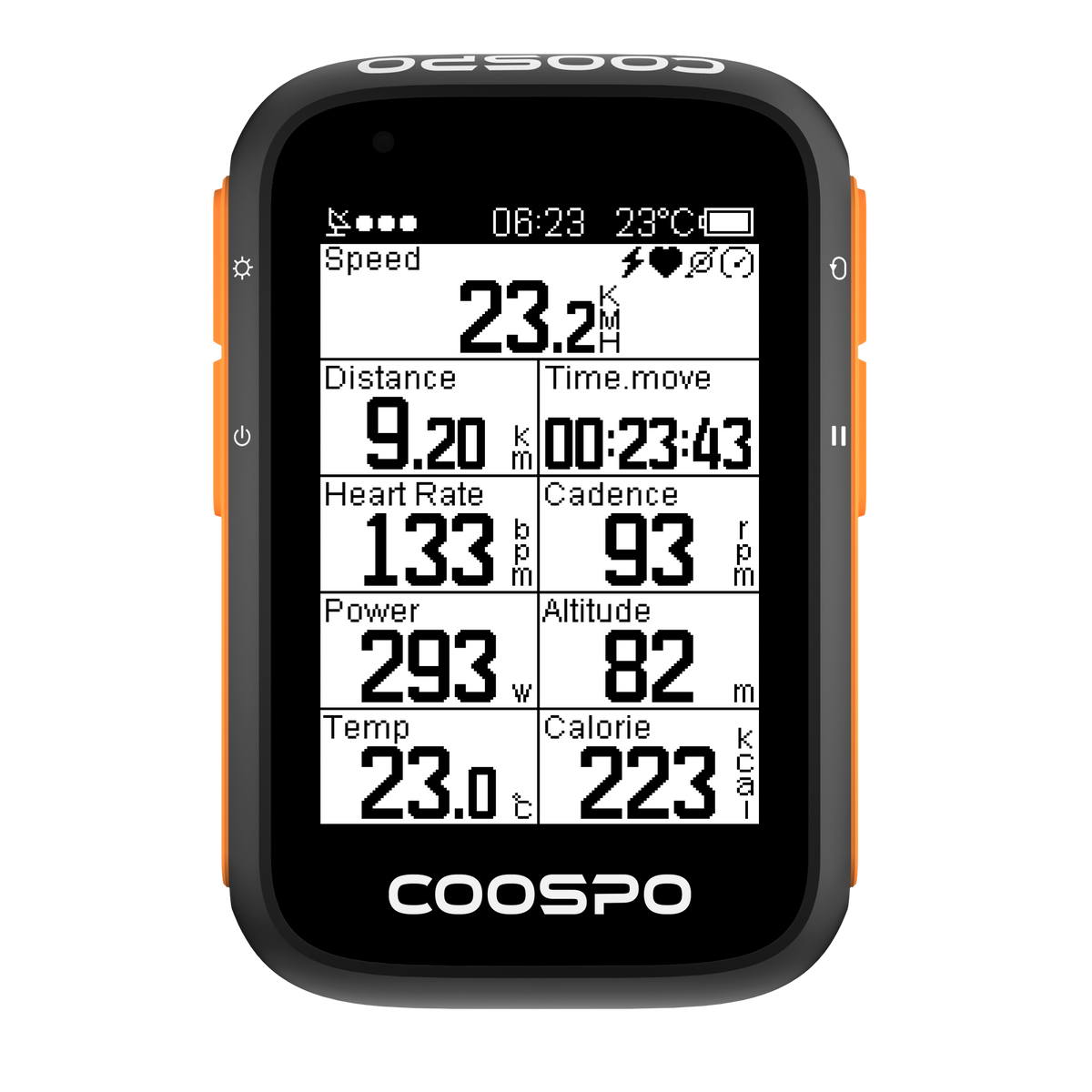
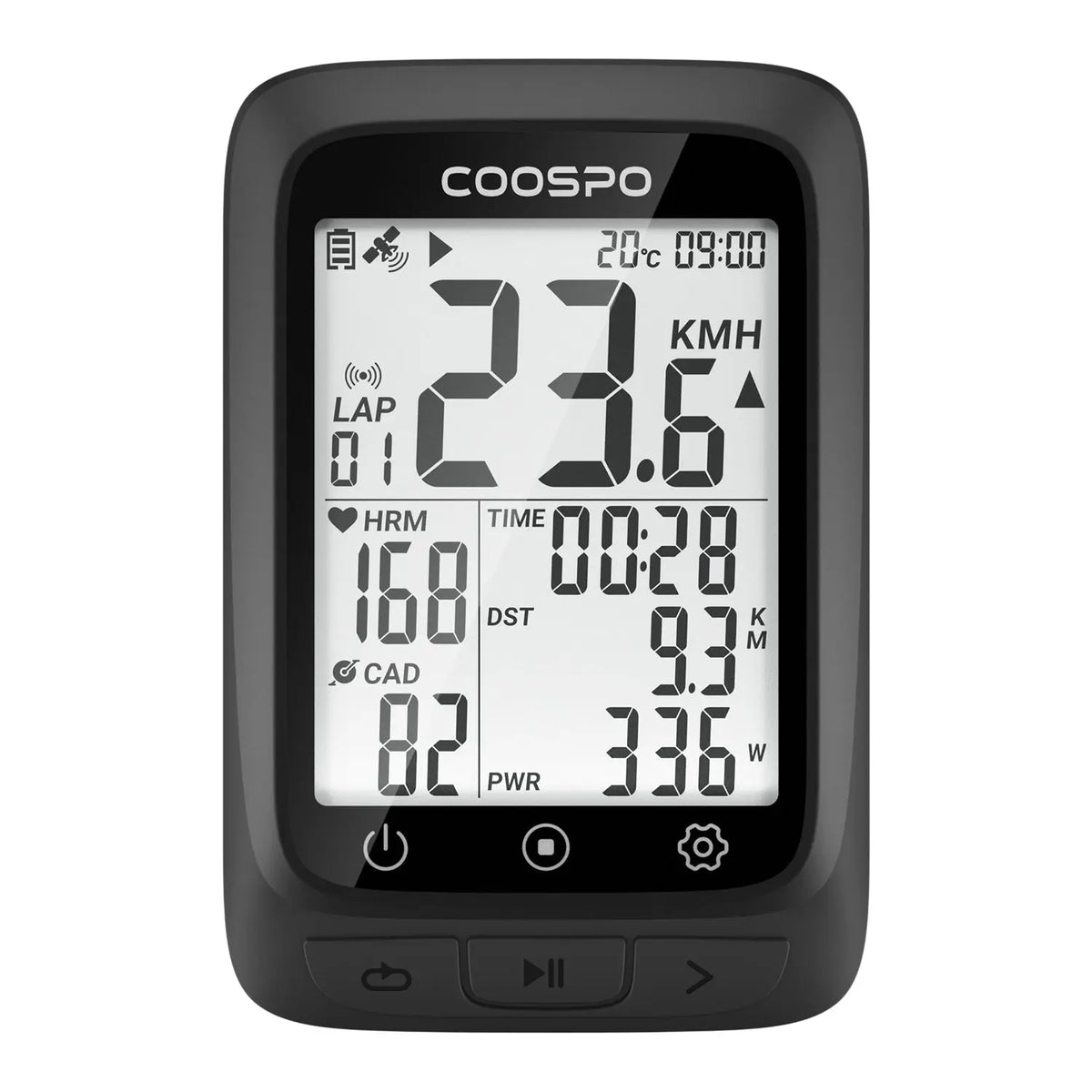
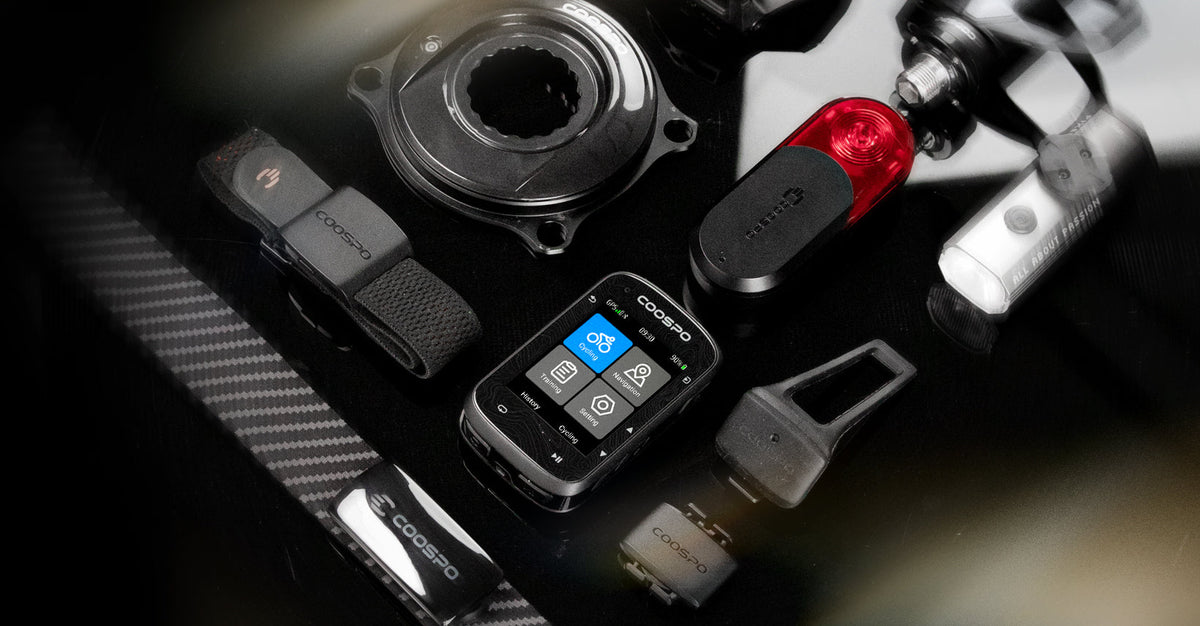
The COOSPO CS600 Bike Computer features a dedicated Training section to help you manage your training more effectively. Whether you're preparing for a race or simply getting fitter, it helps give every ride a purpose, so you can build up gradually and train smarter, not just harder.
Finally, remember that cycling isn't always the only factor. Long periods of sitting, repeated bending, and other daily activities can also contribute to lower back pain.
Fixing One Rider’s Lower Back Pain
One cyclist with a long history of lower back pain returned to cycling after a seven-month break. Along with back pain and stiffness, he also experienced saddle discomfort, knee pain, and neck stiffness on longer rides.
A bike-fit assessment found poor hip-hinge control, tight hamstrings, and limited nerve mobility. His riding position was also very low and upright, so several adjustments were made, including:
- Raising the saddle by 20mm and changing its angle
- Adjusting the cleats and adding a small shim to improve leg symmetry
- Teaching him to hinge from the hips and maintain a more neutral pelvis
- Moving the saddle slightly backward and adjusting the handlebar position
After four weeks, his comfort improved significantly and his lower back pain was minimal. He continued riding in the new position for another four weeks before buying a new endurance bike, with the same bike-fit position replicated on the new bike.
Alongside the bike adjustments, he continued working with a physiotherapist on Pilates, strength training, and mobility exercises to address his physical limitations.
The takeaway: Lower back pain may improve when bike position and physical conditioning are addressed together, rather than focusing on the bike alone.


Commenta
Questo sito è protetto da hCaptcha e applica le Norme sulla privacy e i Termini di servizio di hCaptcha.