


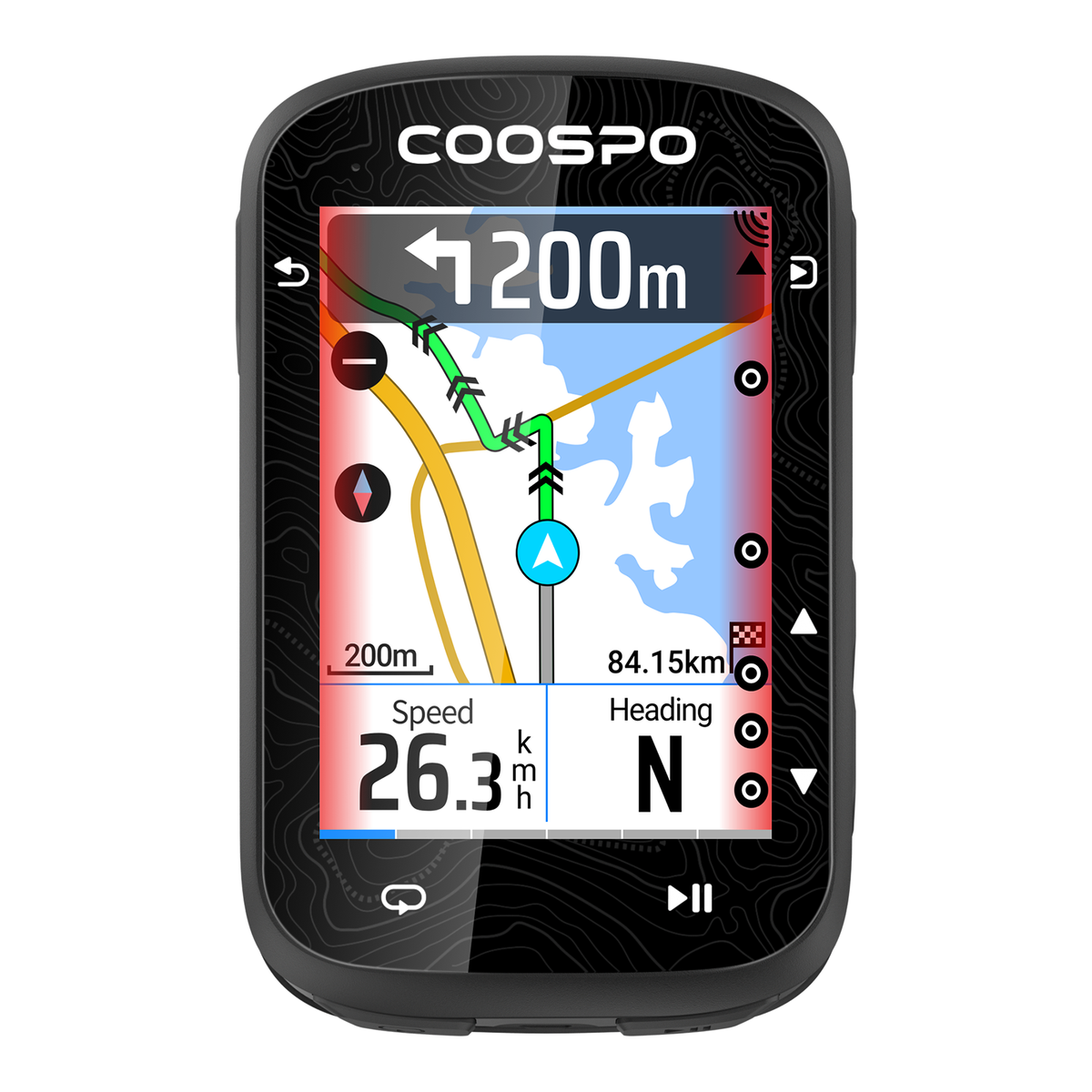


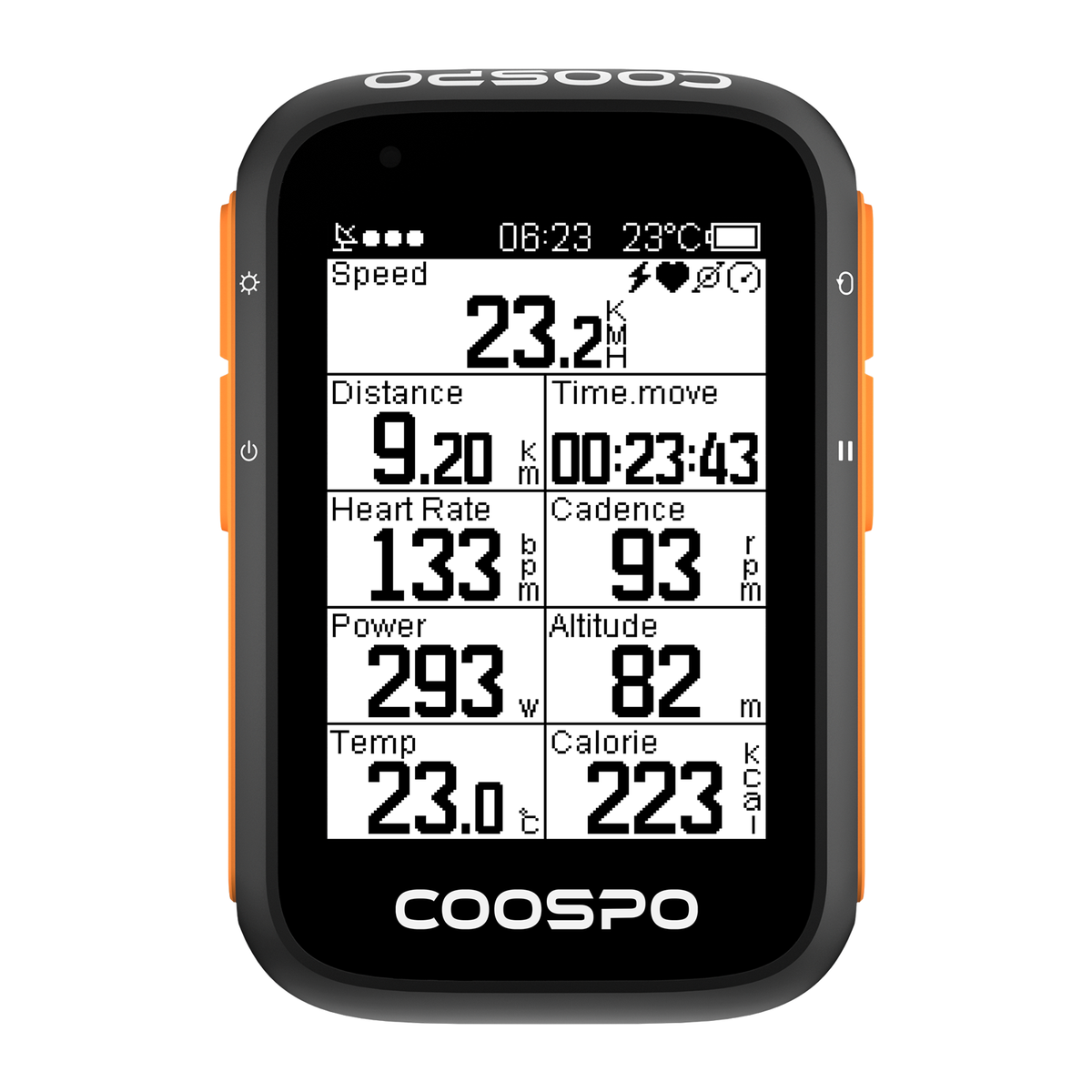
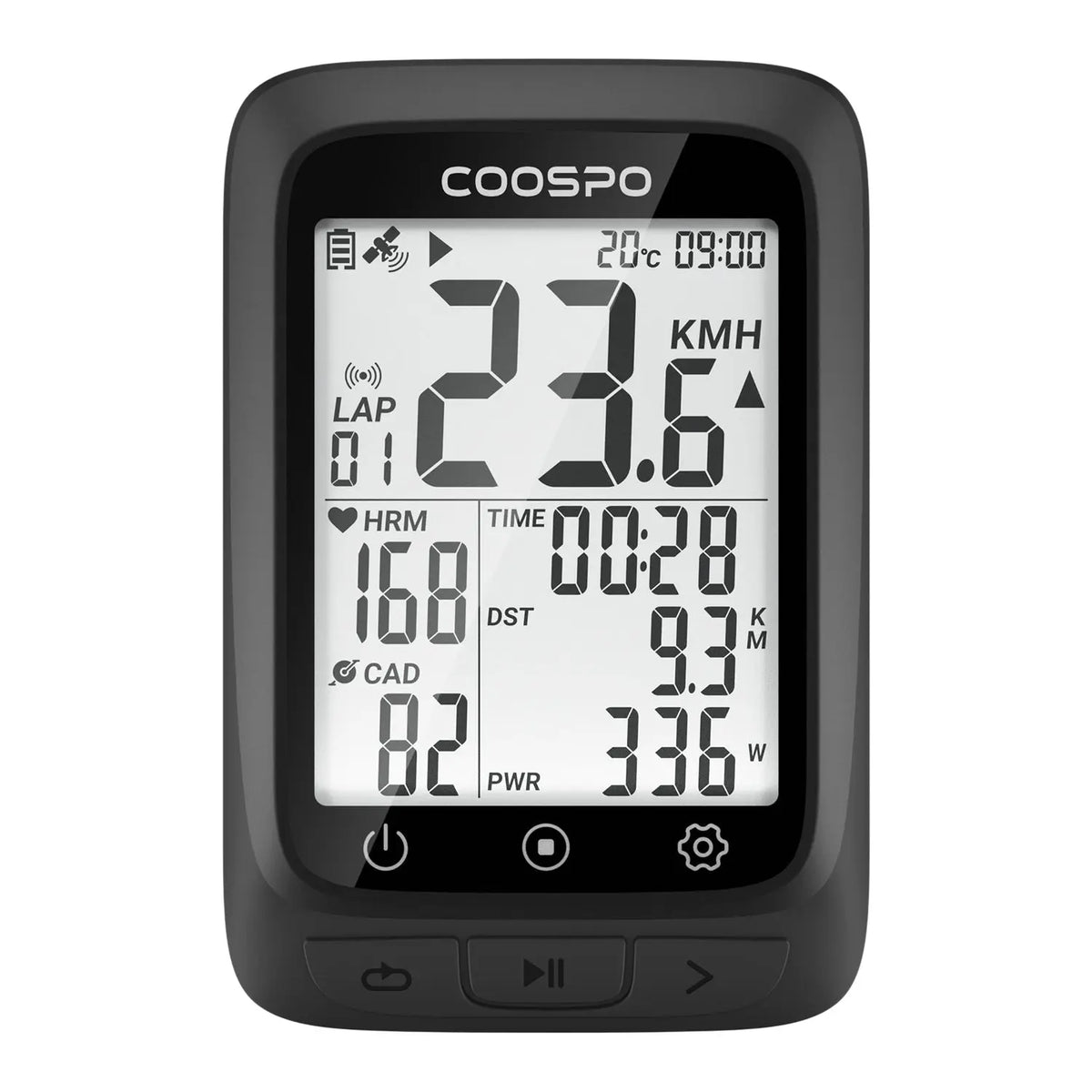






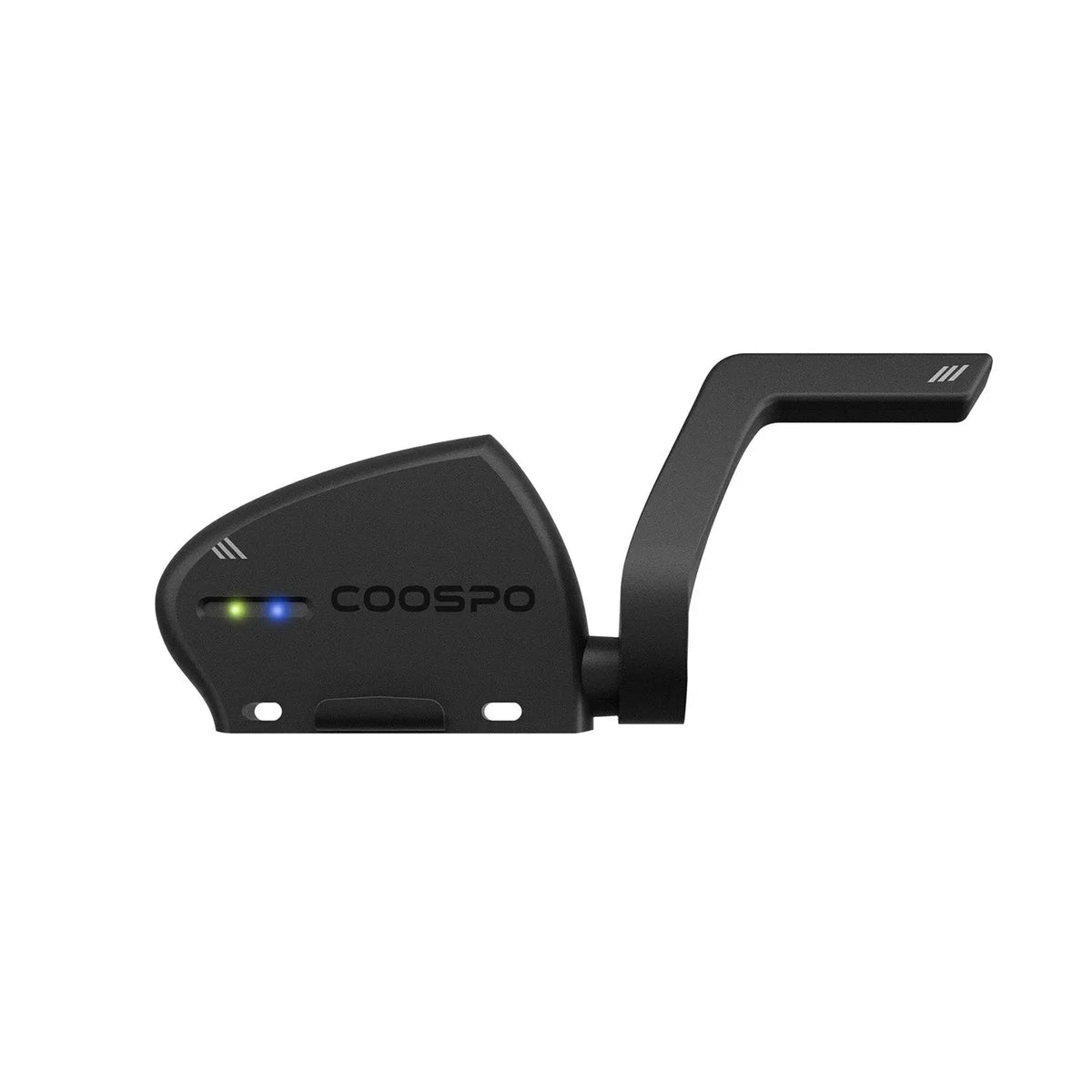










Cycling training zones help cyclists control their effort during training and races. Today, even amateur riders use heart rate monitors and power meters to track their performance and reach specific training goals.
The heart rate and power data displayed on your bike computer are more than just numbers. They help you understand your effort, manage training intensity, and improve performance.

Knowing what each training zone means, how it affects your body, and how much time to spend in each zone can help you build a more effective training plan and become a stronger cyclist.
What Are Cycling Training Zones?
Cycling training zones are intensity levels that help riders control their effort during different workouts. For example, a cyclist may complete 20-minute intervals in Zone 3.
Training with zones helps cyclists choose the right intensity for each session. It ensures they work hard enough during intervals, maintain a sustainable effort during races, and keep their pace easy during recovery and endurance rides.
Training zones are different for each rider. They are usually based on either maximum heart rate or Functional Threshold Power (FTP), which is the highest average power a rider can sustain for about one hour. Riders need to test these values first to set their personal training zones.
Use a Power Meter to Train with Precision

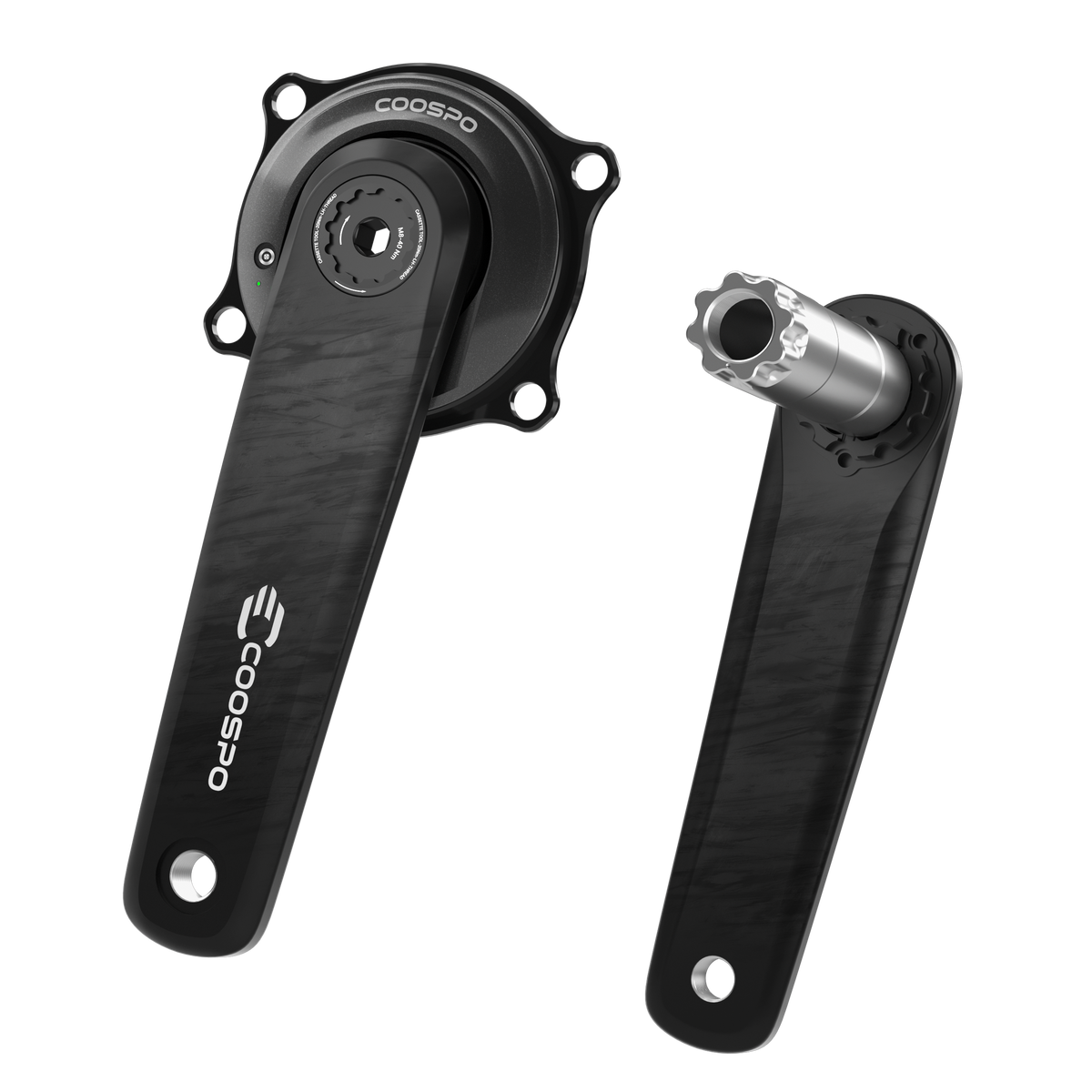
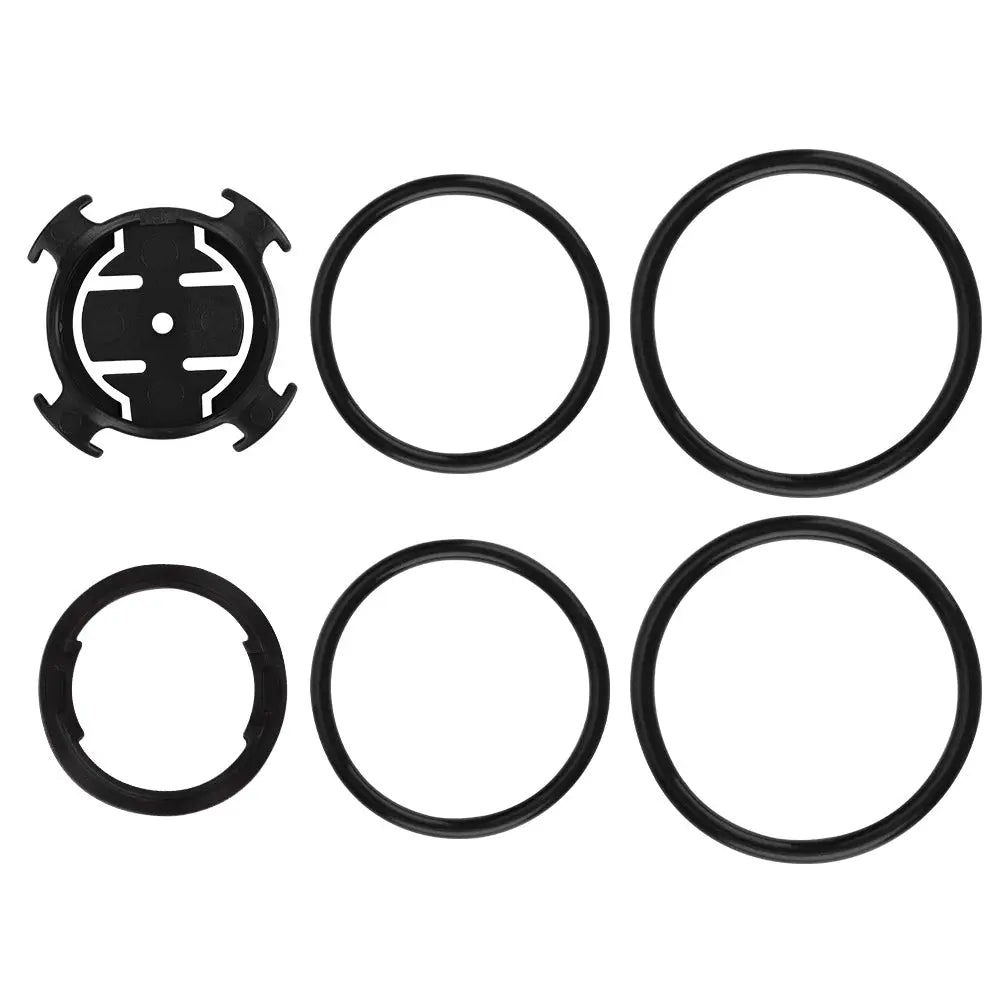
A power meter helps you measure how much power you produce while cycling, making it easier to track your training intensity and follow your FTP-based training zones. The COOSPO S10 Spider Power Meter provides real-time power data, helping you monitor your performance, manage your effort, and track your progress over time.
How to Set Your Cycling Training Zones?
Before training with heart rate or power zones, you need to know your personal fitness levels. One common way to do this is with an FTP test. The results help you calculate your training zones based on your individual performance.
How to Calculate Your FTP and Functional Threshold Heart Rate (FTHR)
During a 20-minute FTP test:
FTP: Take 95% of your average power over the full 20 minutes.
FTHR: Use your average heart rate during the final 10 minutes of the test.
These values provide a personal starting point for setting your cycling power and heart rate zones.
Monitor Your Heart Rate During Training

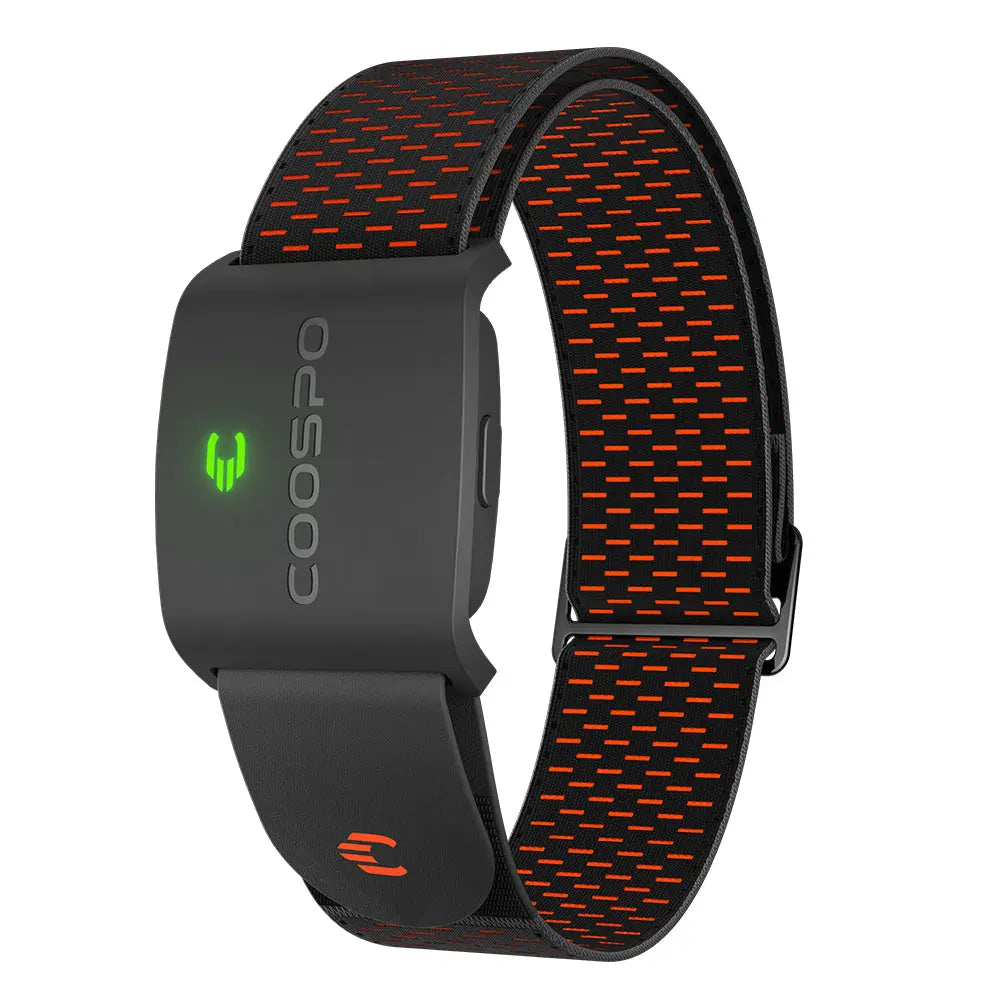
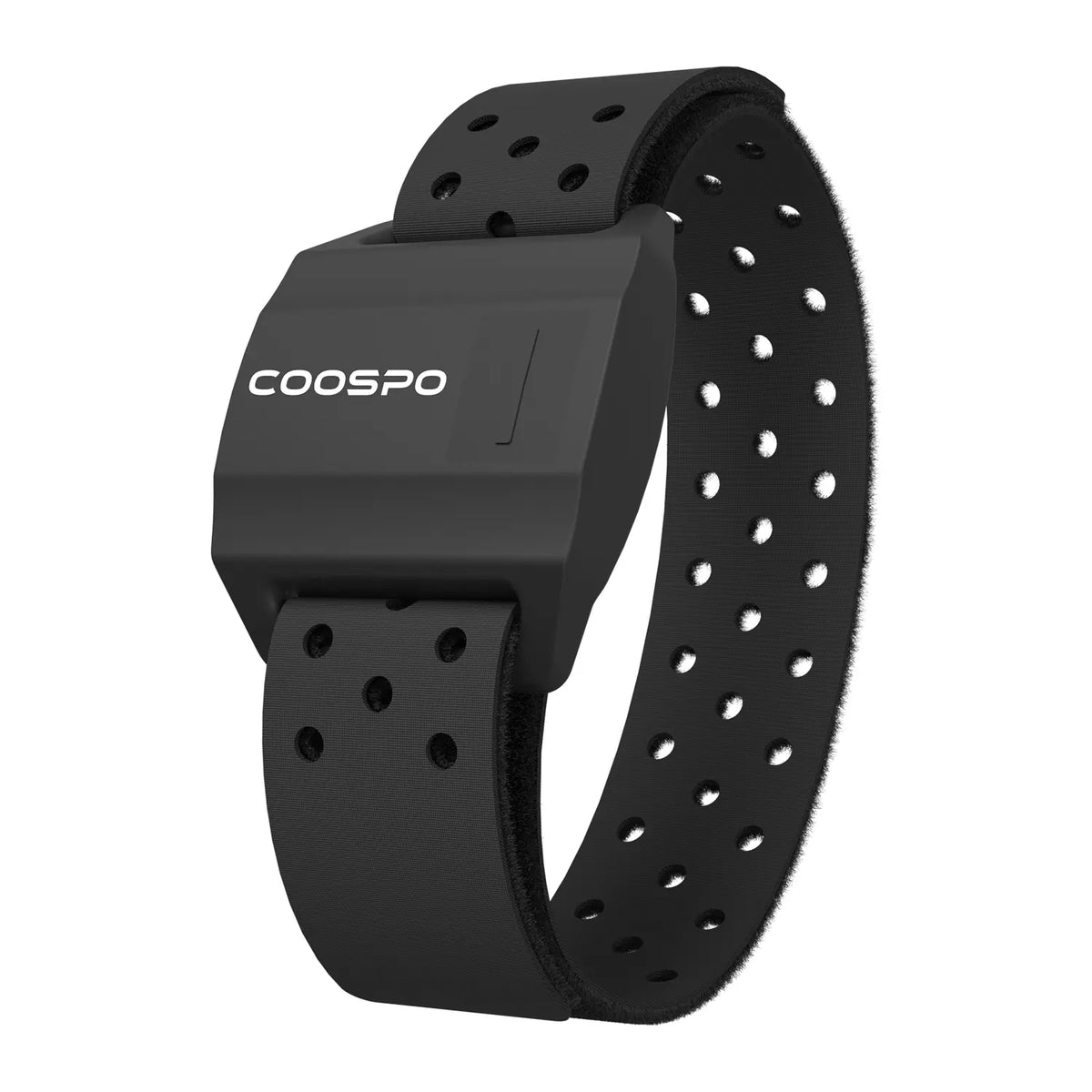
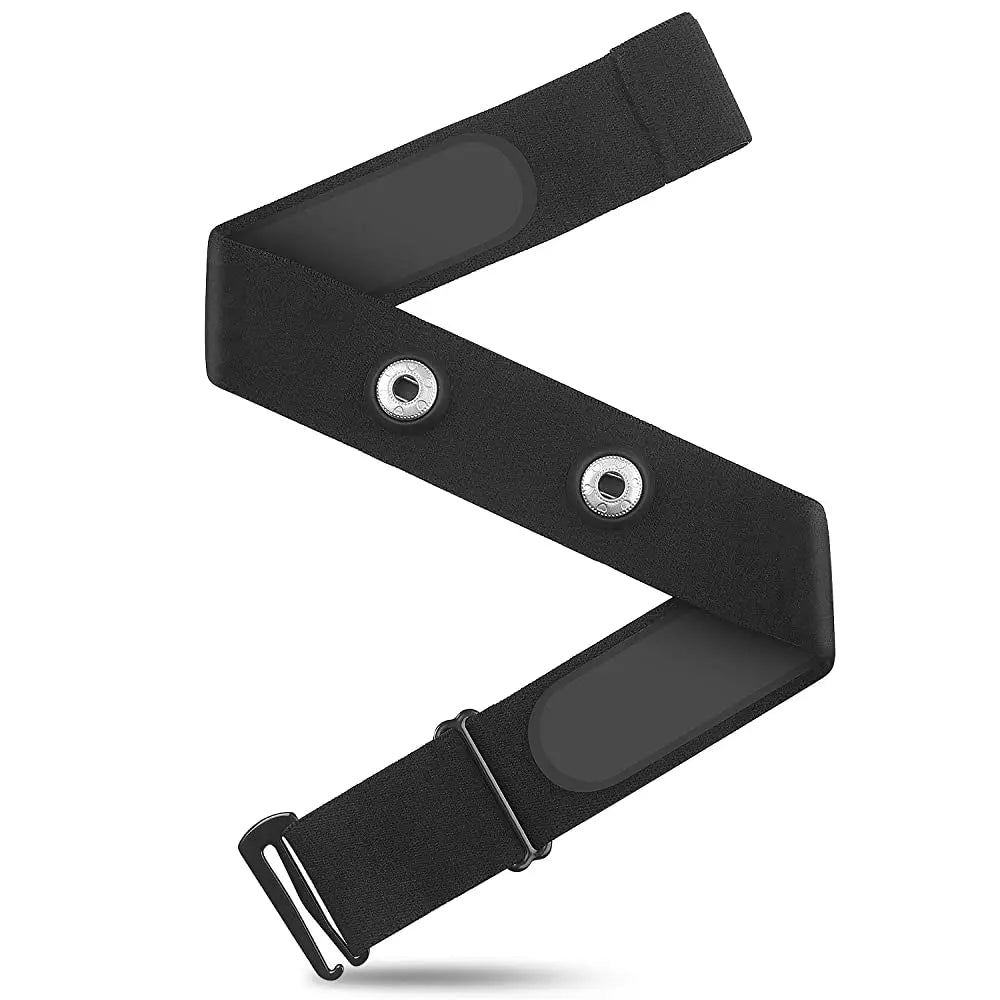
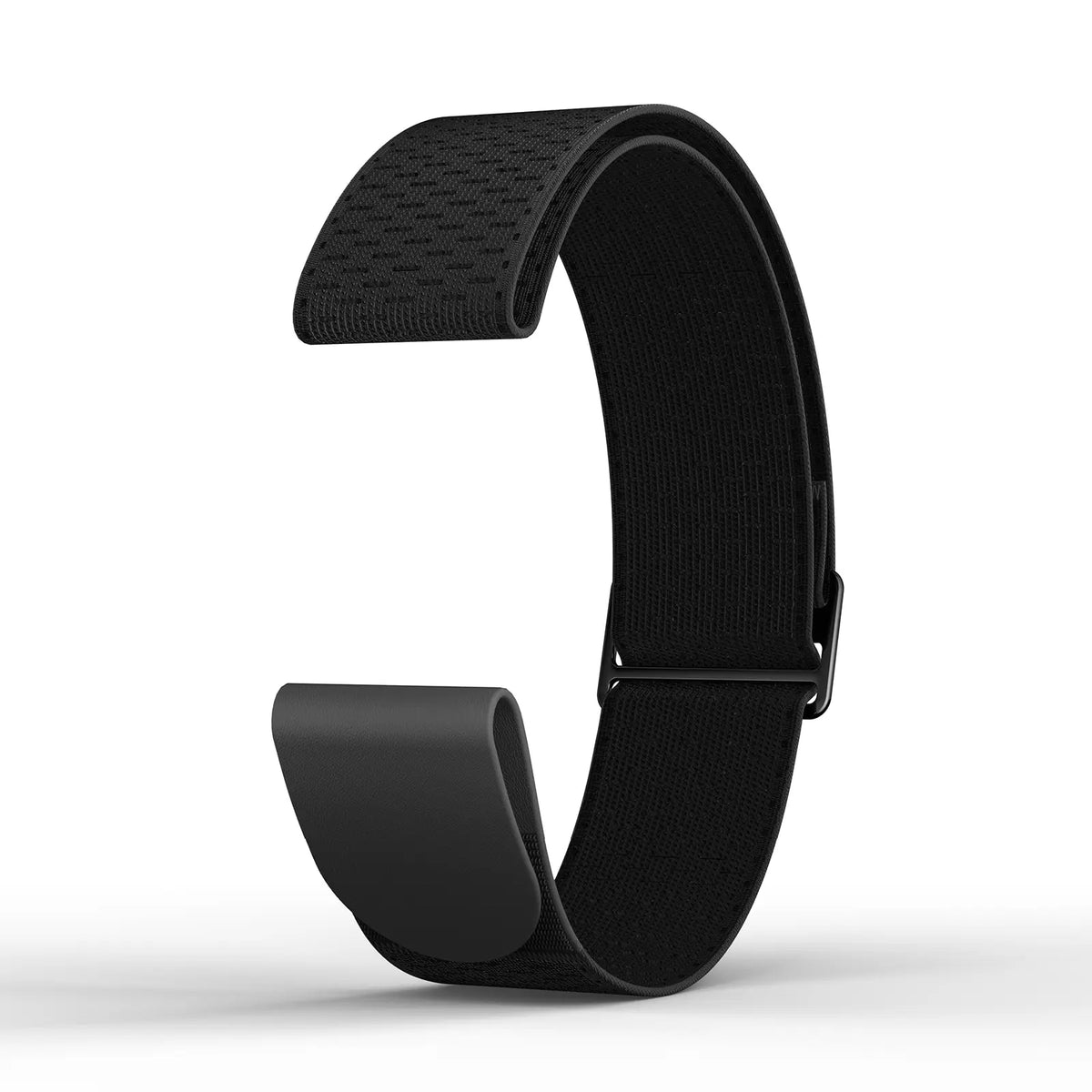
Heart rate data helps you understand how your body responds to different training intensities. The COOSPO HW9 Armband Heart Rate Monitor provides real-time heart rate tracking and supports Bluetooth and ANT+ connectivity. Pair it with a compatible bike computer to monitor your heart rate during rides and better understand your training effort.
The 7 Cycling Training Zones Explained
Zone 1: Active Recovery
Training Benefits:
Zone 1 is the easiest training zone. It helps your body recover after a hard ride or between intense intervals without adding much physical stress.
When and How to Use It:
Easy cycling can help keep your body moving, support blood circulation, and reduce stiffness after demanding workouts. It is a good option for active recovery instead of complete rest.
Training Tip:
Try a relaxed 45–90-minute ride on flat roads. Keep your cadence comfortable and your effort low. You should be able to talk easily throughout the ride.
Zone 2: Endurance
Training Benefits:
Zone 2 is one of the most important zones for building aerobic fitness and endurance. It helps your muscles use oxygen and energy more efficiently, improves fat burning, and supports better lactate processing. Over time, these adaptations help you ride longer without getting tired too quickly.
When and How to Use It:
Zone 2 is ideal for base training, especially during winter and early spring. Riding at this intensity helps build a strong aerobic foundation. Keep a steady pace and avoid pushing too hard.
Training Tip:
Aim for rides of at least 2 hours to get the most benefit, depending on your fitness level. Choose flatter routes to maintain a steady effort, and keep an eye on your heart rate or power. If you're riding with friends, enjoy the ride without turning it into a race!
Zone 3: Tempo
Training Benefits:
Zone 3 is a moderate-intensity training zone. It helps improve aerobic endurance and prepares your body to maintain a steady, faster pace. However, it may offer less additional benefit than Zone 2 while causing more fatigue, so it's important not to overuse it.
When and How to Use It:
Zone 3 is useful when preparing for events such as sportives and gravel races, where you may need to maintain a moderate to strong effort for long periods. It helps your body get used to the pace and demands of these events.
Training Tip:
Try 2 × 30-minute intervals at around 80% of your FTP, with 10 minutes of easy riding between intervals. As your fitness improves, you can progress to 3 × 30-minute intervals.
Zone 4: Threshold
Training Benefits:
Zone 4 is a high-intensity training zone that helps improve your aerobic capacity and ability to maintain a strong pace. It puts significant stress on your body, encouraging your muscles to produce more energy and helping strengthen your heart and blood circulation. However, it also uses a lot of carbohydrates and requires enough recovery time.
When and How to Use It:
Zone 4 is useful for preparing for races and challenging events where you need to maintain a hard effort for an extended period. It's best to include this type of training closer to your event, rather than doing it too often.
Training Tip:
Try 2 × 15-minute intervals at 100% FTP, with 5–10 minutes of easy riding between intervals. As your fitness improves, gradually increase the number or length of intervals.
Training Benefits:
Zone 5 is a high-intensity training zone that helps improve your VO₂ max, which is the maximum amount of oxygen your body can use during exercise. It helps your body deliver oxygen more efficiently, produce energy faster, and improve your ability to sustain hard efforts.
When and How to Use It:
Zone 5 workouts are demanding and require good recovery. They are often combined with Zone 2 training as part of a polarized training plan, which alternates between easy and hard efforts. You can gradually add more Zone 5 sessions as you get closer to race season, but avoid doing them too often.
Training Tip:
Try 4 × 4-minute intervals at around 110% FTP, with 4 minutes of easy riding between intervals. As your fitness improves, you can progress to 5 × 5-minute intervals. Make sure you're well-rested before starting.
Zone 6: Anaerobic Capacity
Training Benefits:
Zone 6 involves very high-intensity efforts that rely mainly on anaerobic energy production. It helps improve your ability to make powerful attacks, accelerate quickly, close gaps, and sprint towards the finish. However, these efforts cause rapid fatigue and place significant stress on your body.
When and How to Use It:
Zone 6 is useful for cyclists who want to improve their explosive power, especially when preparing for races. Since these workouts are very demanding, make sure you have enough fuel and recovery time between sessions.
Training Tip:
Try 5 × 1-minute hard efforts, with 3 minutes of easy riding between each. Rest for 5 minutes, then repeat the set. This workout challenges your anaerobic power and your ability to recover between efforts.
Zone 7: Neuromuscular Power
Training Benefits:
Zone 7 focuses on short, all-out efforts that use your muscles' stored energy. It helps build explosive power, improve sprinting ability, and increase the force you generate with each pedal stroke. While it has little direct effect on cardiovascular fitness, it can help you become a stronger and more powerful cyclist.
When and How to Use It:
Zone 7 is useful for improving sprint performance and leg strength. You can include short sprint sessions throughout the year, especially if you want to develop explosive power.
Training Tip:
Start from a slow speed and sprint for 10 seconds using a high gear. Focus on powerful pedal strokes and maximum effort. Allow enough recovery between sprints to maintain good performance.



Laisser un commentaire
Ce site est protégé par hCaptcha, et la Politique de confidentialité et les Conditions de service de hCaptcha s’appliquent.