





















![[2 Pack] Coospo Breathable Neck Gaiter Face Scarf Mask COOSPO](http://www.coospo.com/cdn/shop/files/106de7b046babc03aa610173af6e31aa_599da3fe-9907-4b1e-8eb0-f08b3032720b.png?v=1720591174&width=1600)


![[4 Pack] Coospo Soft Breathable Chilly Towel, Microfiber Towel COOSPO](http://www.coospo.com/cdn/shop/files/1_904094cc-62ee-40e9-aa21-415effb385b4.png?v=1720527561&width=1600)

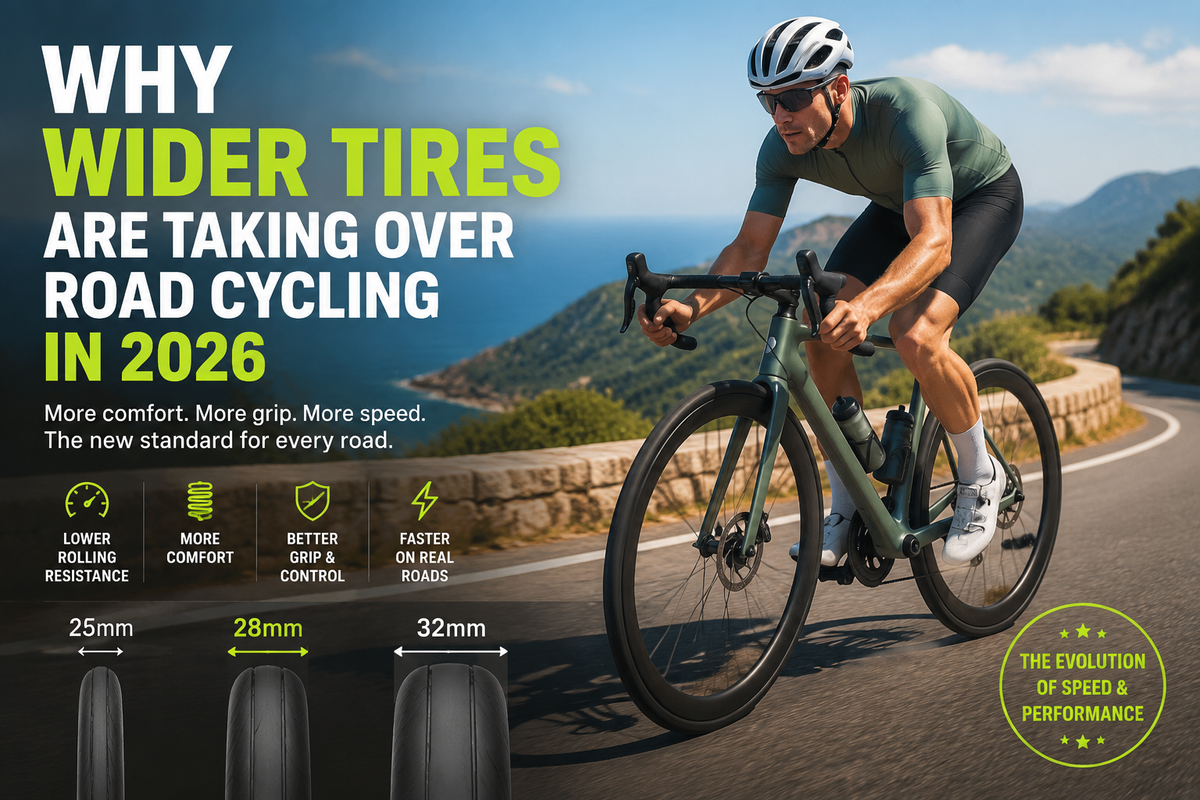
Jahrzehntelang galt für Rennradfahrer eine einfache Regel: Kleinere Reifen sind schneller.
Professionelle Rennfahrer fuhren schmale Reifen. Bei leichten Fahrrädern stand minimaler Rollwiderstand im Vordergrund. Viele Fahrer waren der Ansicht, dass ein 23-mm- oder 25-mm-Reifen die optimale Wahl für hohe Geschwindigkeiten darstellte. Aber der Radsport hat sich verändert.
Heutzutage steigen immer mehr Radfahrer – von Profis bis hin zu Alltagsradlern – auf breitere Reifen um. 28-mm-Reifen sind bei vielen Rennrädern zum neuen Standard geworden, während 30-mm- und sogar 32-mm-Konfigurationen immer häufiger anzutreffen sind. Warum entscheiden sich Radfahrer also für breitere Reifen? Sind breitere Reifen tatsächlich schneller? Oder entscheiden sich die Fahrer einfach für Komfort statt Leistung??Die Antwort ist interessanter, als Sie vielleicht erwarten.
Die Entwicklung der Rennradreifenbreite
Um zu verstehen, warum breitere Reifen immer beliebter werden, lohnt es sich, die Entwicklung des Rennradfahrens zu betrachten.
Die 1990er- und 2000er-Jahre: Schmale Reifen waren Standard
Viele Jahre lang verwendeten professionelle Straßenradfahrer üblicherweise:
· 19 mm
· 21 mm
· 23-mm-Reifen


Die Idee war einfach:
· Weniger Gummi bedeutet weniger Gewicht.
· Höherer Druck bedeutet geringere Verformung.
· Eine kleinere Kontaktfläche bedeutet geringeren Rollwiderstand.
Dies war angesichts der damals verfügbaren Technologie sinnvoll.
Heute: Die Branche hat sich verändert
Moderne Forschung und Praxistests haben die Denkweise von Radfahrern in Bezug auf Reifen verändert. Professionelle Teams und Hersteller haben festgestellt, dass breitere Reifen folgende Vorteile bieten:
· Geringerer Rollwiderstand auf realen Straßen
· Besserer Halt
· Verbesserter Komfort
· Mehr Kontrolle in Kurven und Abfahrten
Das Ergebnis? Die Radsportwelt hat sich allmählich von Folgendem entwickelt:
28mm → 30mm → 35mm → 40mm
Sind breitere Reifen wirklich schneller?
Das ist eine der Fragen, die Radfahrer am häufigsten stellen. Die überraschende Antwort lautet: Manchmal ist es tatsächlich so.
Breitere Reifen bedeuten nicht zwangsläufig höhere Geschwindigkeiten. Auf typischen Straßen mit unebenen Verhältnissen bieten sie jedoch oft eine bessere Performance. Denn Straßen im Alltag sind nie perfekt glatt; feine Risse, rauer Asphalt und unebene Oberflächen beeinträchtigen die Fahrt ständig. Breitere Reifen können Vibrationen besser absorbieren und einen besseren Kontakt zur Straße gewährleisten, wodurch der Energieverlust reduziert wird.

Geringerer Rollwiderstand auf realen Straßen
Viele Radfahrer gehen davon aus, dass schmale Reifen schneller sind, weil sie aerodynamischer aussehen. Der Rollwiderstand hängt jedoch von mehr als nur der Reifenbreite ab.
Es wird beeinflusst durch:
· Reifenkonstruktion
· Gummimischung
· Reifendruck
· Straßenoberfläche
· Fahrergewicht
Ein breiterer Reifen kann bei korrektem Reifendruck tatsächlich schneller rollen als ein schmalerer Reifen, der zu stark aufgepumpt ist.
Komfort ist mehr als nur Komfort.
Ein Grund, warum Radfahrer breitere Reifen lieben, liegt auf der Hand: Es geht ihnen besser. Doch auch der Komfort beeinflusst die Leistung.
Eine ruhigere Fahrt bedeutet:
· Weniger Vibrationen
· Weniger Muskelermüdung
· Bessere Fahrradkontrolle
· Mehr Energieeinsparung bei langen Fahrten
Bei einer 5-stündigen Ausdauerfahrt kann die Fähigkeit, es sich bequem zu machen, direkten Einfluss auf die Endleistung haben. Ein Fahrer, der sich nach 100 km noch frisch fühlt, kann seine Kraft viel länger aufrechterhalten als jemand, der mit ständigen Vibrationen der Straße zu kämpfen hat.
Warum Profi-Radfahrer auf breitere Reifen umgestiegen sind
Schauen Sie sich den modernen Profi an racing.Many Welt Die Tourteams verwenden jetzt:
· 28-mm-Reifen
· Schlauchlose Systeme
· Niedrigeren Reifendruck
Diese Änderung erfolgte aufgrund veränderter Rennbedingungen.
Zu den modernen Rassen gehören:
· raueren Straßen
· Längere Etappen
· Technischere Abfahrten
· Gemischte Wetterbedingungen
Professionelle Fahrer brauchen Ausrüstung, die in der realen Welt funktioniert – nicht nur auf perfekten Teststrecken.

Breitere Reifen verändern das alltägliche Fahrerlebnis.
Dieser Trend beschränkt sich nicht nur auf Profi-Radfahrer; immer mehr Freizeitradfahrer entscheiden sich aufgrund der spürbaren Vorteile für breitere Reifen.
Mehr Selbstvertrauen
Breitere Reifen bieten eine bessere Bodenhaftung, insbesondere in Situationen wie:
Rutschige Straßenoberflächen
Scharfe Ecken
Hochgeschwindigkeitsabfahrten
Viele Anfänger und Fortgeschrittene bemerken diesen Unterschied sofort.
Größere Vielseitigkeit
Mit 30-mm- oder 32-mm-Reifen können Fahrer ein breiteres Spektrum an Terrains erkunden.
Ein einzelnes Fahrrad kann Folgendes bewältigen:
Glatte, asphaltierte Straßen
holprige Stadtstraßen
Leichte Kieswege
Langstrecken-Ausdauerfahrten
Dies erklärt, warum moderne Endurance-Rennräder in der Regel eine größere Reifenfreiheit aufweisen als ältere Modelle.
28 mm oder 32 mm: Welche Größe sollten Sie wählen?
Es gibt keine einzige perfekte Reifenbreite. Die beste Wahl hängt von Ihrem Fahrstil ab.
|
Reifenbreite |
Am besten geeignet für |
Vorteile |
|
25 mm |
Rennorientierte Fahrer |
Leicht, aerodynamisch |
|
28 mm |
Die meisten Rennradfahrer |
Optimale Balance zwischen Geschwindigkeit und Komfort |
|
30 mm |
Ausdauerreiter |
Mehr Komfort und Kontrolle |
|
32 mm |
Gemischte Straßen/Abenteuer |
Maximale Vielseitigkeit |
Für die meisten Radfahrer heutzutage 28 mm ist die sicherste Allround-Wahl.
Es bietet:
· Hervorragende Effizienz
· Besserer Komfort als herkömmliche schmale Reifen
· Kompatibilität mit den meisten modernen Rennrädern
Der Reifendruck ist wichtiger als die Reifenbreite.
Ein häufiger Fehler vieler Radfahrer ist der Wechsel auf breitere Reifen bei gleichzeitigem Festhalten an den alten Reifendruckempfehlungen. Breitere Reifen bieten in der Regel die beste Leistung bei niedrigerem Reifendruck. Zu den Vorteilen gehören:
Besserer Straßenkontakt
Mehr Komfort
Reduzierte Vibrationen
Überlegener Halt
Die moderne Radsportphilosophie entfernt sich von der überholten Vorstellung, dass „höherer Druck gleichbedeutend mit höherer Geschwindigkeit“ ist. Ziel ist es nun, den optimalen Druck anhand folgender Kriterien zu ermitteln:
Fahrergewicht
Reifenbreite
Straßenverhältnisse
Fahrstil
Wie Daten Ihnen helfen, das perfekte Setup zu finden
Eine Änderung der Reifenbreite hat folgende Auswirkungen:
Geschwindigkeit
Komfort
Handhabung
Energieverbrauch
Viele Radfahrer verlassen sich jedoch ausschließlich auf ihr Gefühl, um diese Veränderungen einzuschätzen. Ein besserer Ansatz ist die Erfassung von Fahrdaten.
Durch die Analyse von:
Ausgangsleistung
Herzfrequenz
Durchschnittsgeschwindigkeit
Fahrbedingungen
Man kann verschiedene Setups objektiver vergleichen. Zum Beispiel: Haben dich die 32-mm-Reifen tatsächlich ausgebremst? Oder haben sie es dir ermöglicht, deine Leistung auf einer längeren Fahrt länger aufrechtzuerhalten?
Die Daten offenbaren den Unterschied.
Breite Reifen und moderne Fahrradtechnologie
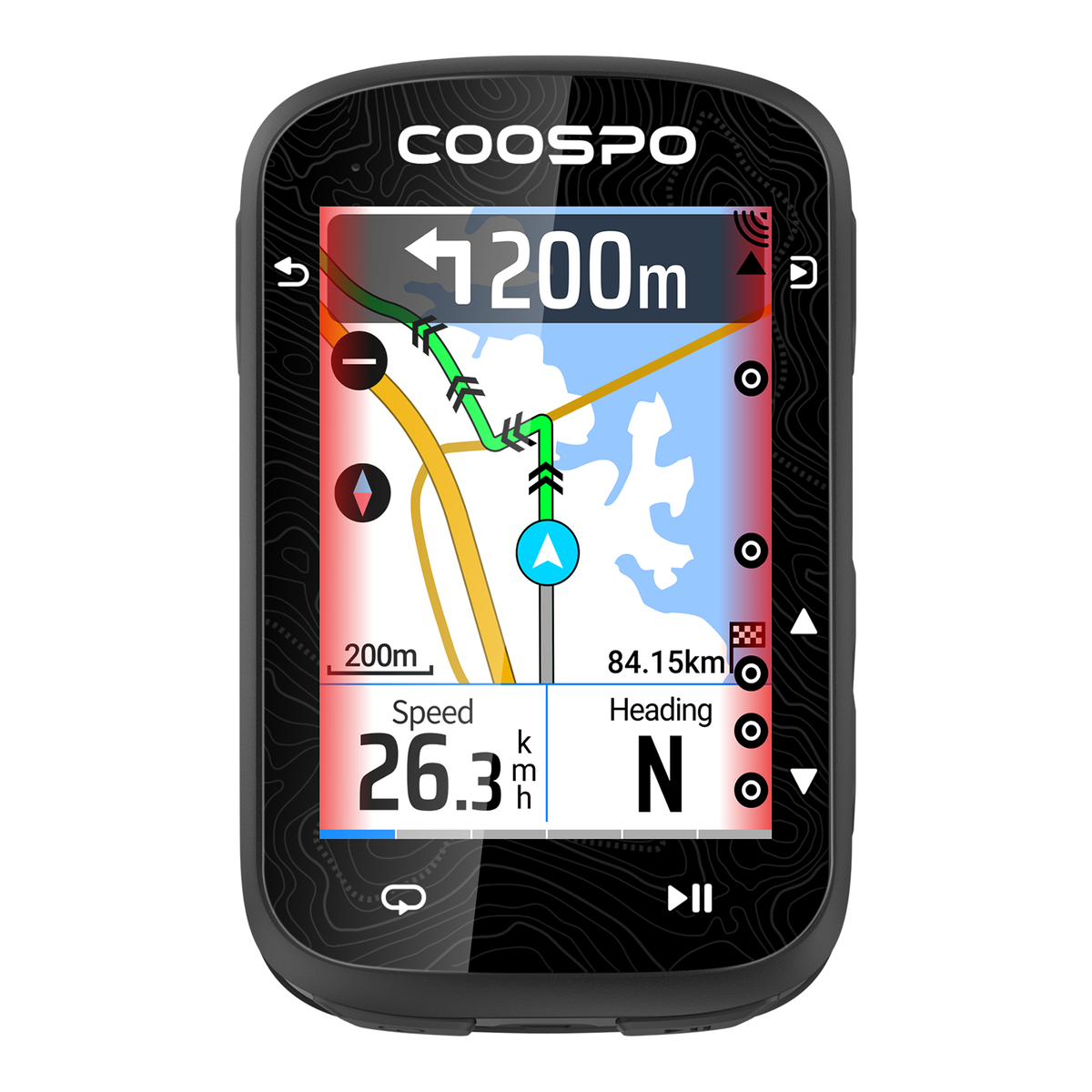
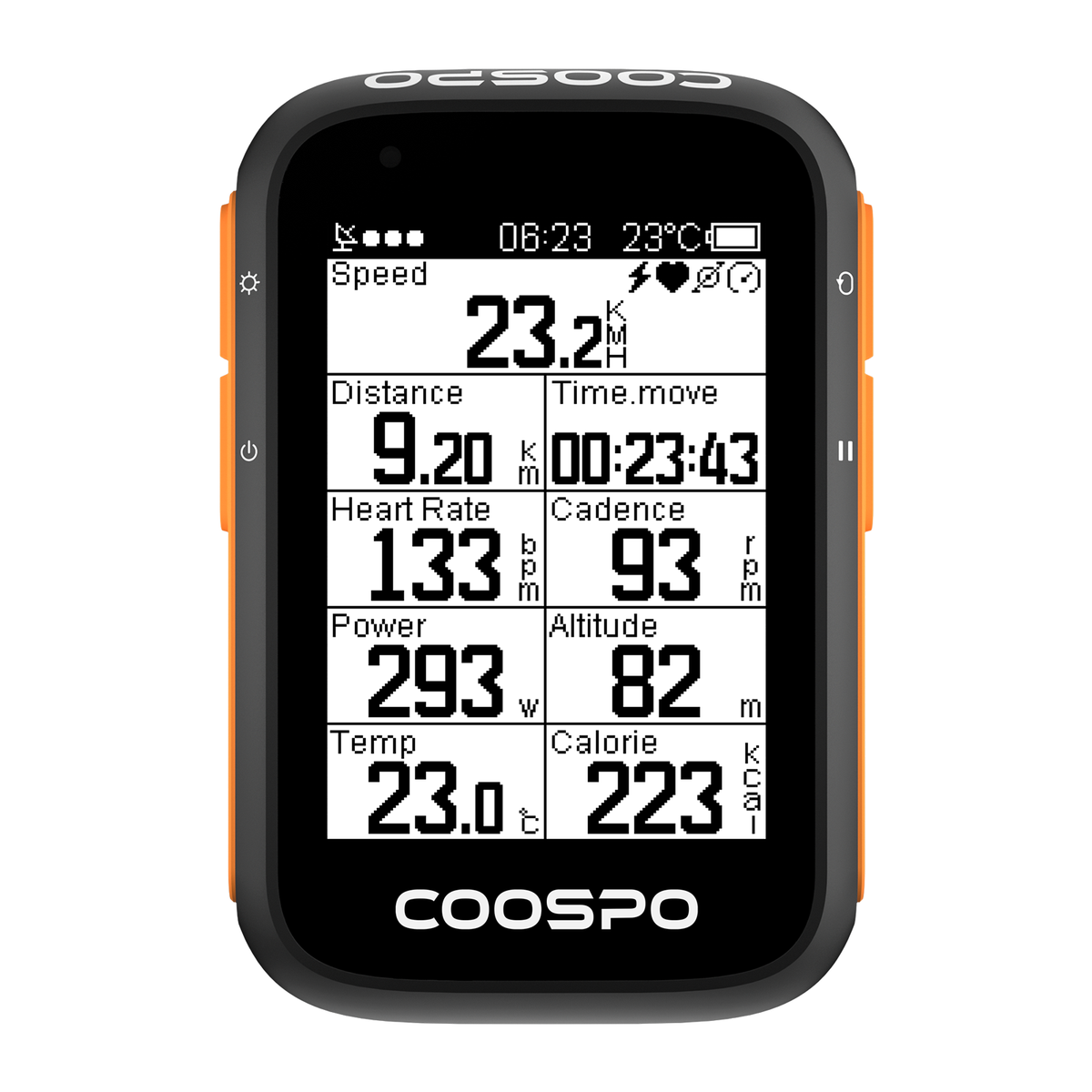
Da sich die Leistungsfähigkeit von Fahrrädern immer weiter diversifiziert, legen Radfahrer zunehmend Wert auf eine präzise Datenerfassung.. GPS-Fahrradcomputer helfen Radfahrern bei der Überwachung:
Geschwindigkeitsschwankungen
Distanz
Elevation
Trainingsintensität
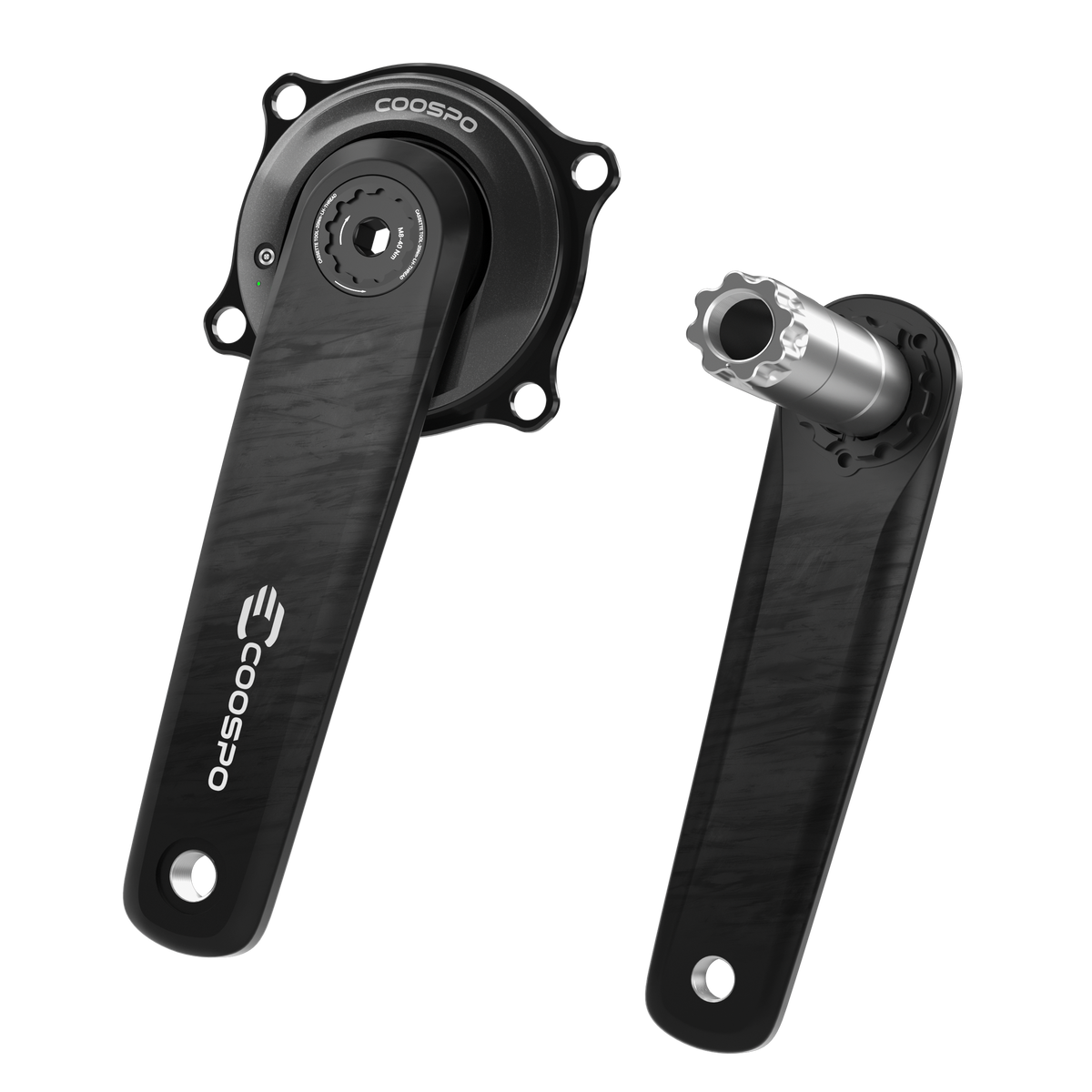
Leistungsmesser bieten noch tiefere Einblicke. Anstatt zu fragen: „Warum war ich heute langsamer?“, fragen Sie sich: „Habe ich die gleiche Leistung mit weniger Ermüdung erbracht?“ Dies ist besonders hilfreich beim Testen von Ausrüstungsänderungen – wie dem Wechsel von Reifen oder Laufrädern oder der Anpassung der Fahrposition.
Schlussgedanken: BreitR Reifen sind der neue Standard
Der Aufstieg breiter Reifen bedeutet nicht, dass schmale Reifen schlecht sind; er spiegelt lediglich die Weiterentwicklung der Fahrradtechnologie wider. Moderne Radfahrer wissen, dass Geschwindigkeit nicht nur durch Gewichtsreduzierung oder kleinere Komponenten erreicht wird. Wahre Leistung entsteht durch Ausgewogenheit.
Effizienz
Komfort
Handhabung
Zuverlässigkeit
Für die meisten Radfahrer im Jahr 2026 bietet ein Setup mit breiten Reifen genau die richtige Balance. Egal ob Rennen, Pendeln oder die Erkundung neuer Strecken – die Frage lautet nicht mehr: „Warum steigen Radfahrer auf breitere Reifen um?“
Die Frage, die sich jetzt stellt, lautet:
„Wie breit sollten Ihre Reifen sein?“




Hinterlassen Sie einen Kommentar
Diese Website ist durch hCaptcha geschützt und es gelten die allgemeinen Geschäftsbedingungen und Datenschutzbestimmungen von hCaptcha.