



















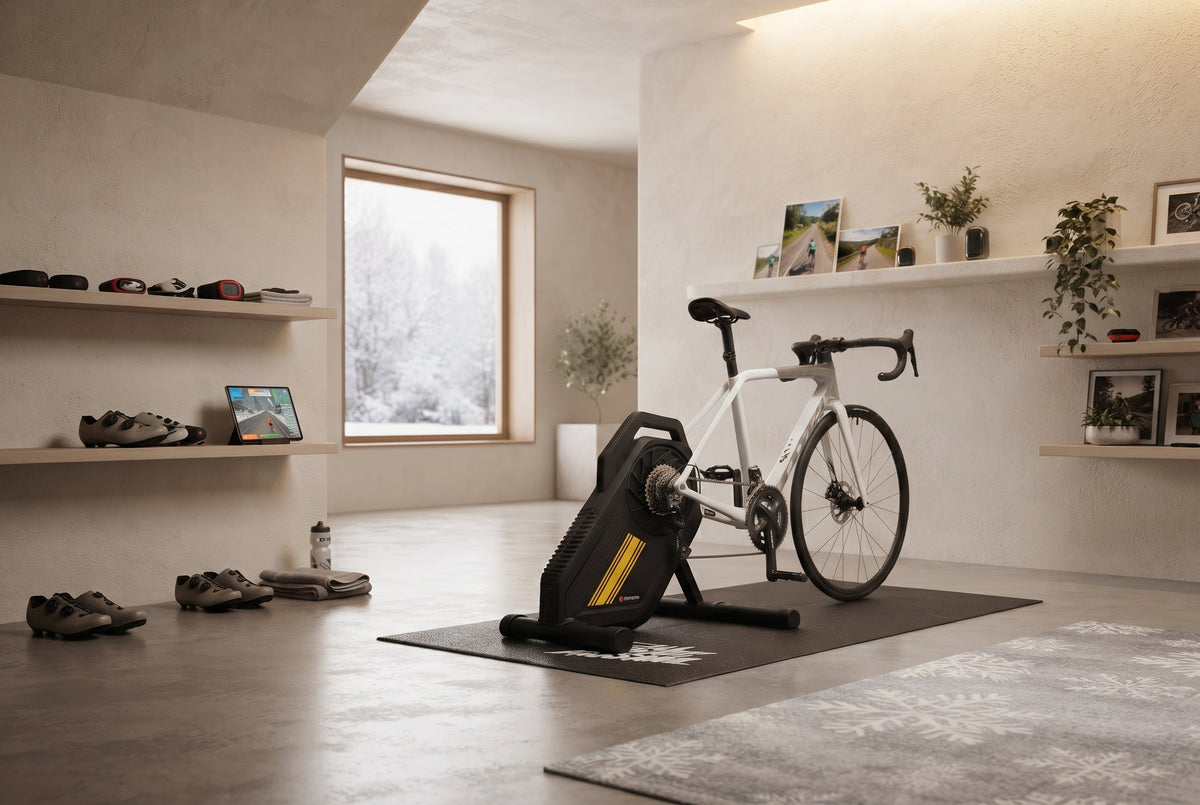
Smart trainers have transformed indoor cycling, allowing riders to enjoy immersive virtual training, explore digital routes, and join online races through platforms like Zwift, all from the comfort of home.
While modern smart trainers are easier to set up and use than ever, a few simple adjustments can make your indoor workouts more comfortable, efficient, and enjoyable. From preparing your equipment to improving your training setup, small changes can make a real difference.

Here are some practical tips to help you get the most out of your smart trainer and make every indoor cycling session count.
1. Calibrate Your Smart Trainer
Like a bike power meter, a smart trainer’s power readings can be affected by temperature changes, air pressure, movement, and regular use. Periodic calibration helps maintain accurate and consistent power data.
Some smart trainers may need manual calibration from time to time to help keep power readings accurate.
For example, the COOSPO T10 smart trainer can be calibrated through the COOSPO Tools app. If you move your trainer to a new location or notice changes in its power readings, check the app and follow the calibration instructions when needed.
Fortunately, calibration is usually quick and easy, often taking just a few minutes. Making it part of your regular maintenance routine can help you get more reliable data from your indoor workouts.
2. Keep Pedalling During Intervals
When following a structured workout on an indoor cycling platform, ERG mode helps you maintain your target power by automatically adjusting your smart trainer’s resistance. This makes it easier to stay within specific power zones and follow a training plan without constantly changing gears.
However, there is one important thing to remember: try not to stop pedalling just before a hard interval. If you coast for too long, the trainer may increase resistance to maintain the target power, making it much harder to start pedalling again.
To make this transition smoother, some trainers and training platforms offer features that gradually bring resistance back up after you stop pedalling. During ERG workouts, try to keep your cadence steady, especially as you approach harder intervals. This helps you maintain a smoother rhythm and get more out of each training session.
3. Adjust Trainer Difficulty to Suit You
If climbs in Zwift feel too challenging or you want a more realistic riding experience, you can adjust your smart trainer’s resistance using the Trainer Difficulty setting. This slider lets you change how steep climbs and descents feel without changing your actual power output.
The default setting is 50%, meaning the trainer simulates roughly half of the resistance changes you would feel on the corresponding real-world gradient. For example, a virtual climb with a 20% gradient would feel closer to a 10% climb at this setting.
Move the slider to the left to make climbs feel easier, or to the right to increase the resistance and make them more challenging. You can adjust it at any time to match your fitness level, preferences, or training goals.
Keep in mind that Trainer Difficulty does not directly affect your in-game speed or distance, which are calculated based on factors including your power output. It also does not reduce your target power during structured workouts in ERG mode. Instead, it changes how resistance feels when riding virtual routes, making it easier to tailor your indoor cycling experience.

If you want to make your indoor sessions more structured, a smart trainer like the COOSPO T10 Smart Bike Trainer can help you train at home. Before choosing a trainer, check its compatibility with your bike and the training apps you plan to use.
4. Plan Your Indoor Cycling Workouts
A smart trainer can help you improve fitness and maintain your cycling performance, but having a clear plan makes each session more effective.
If you want to get fitter, try the structured workouts available on indoor training apps or follow a training plan that matches your goals and fitness level.
You can also join virtual group rides, races, and other events on platforms like Zwift to keep your training varied and motivating. Whether you're preparing for an outdoor ride or staying active through winter, planning ahead helps you make the most of your time on the bike.

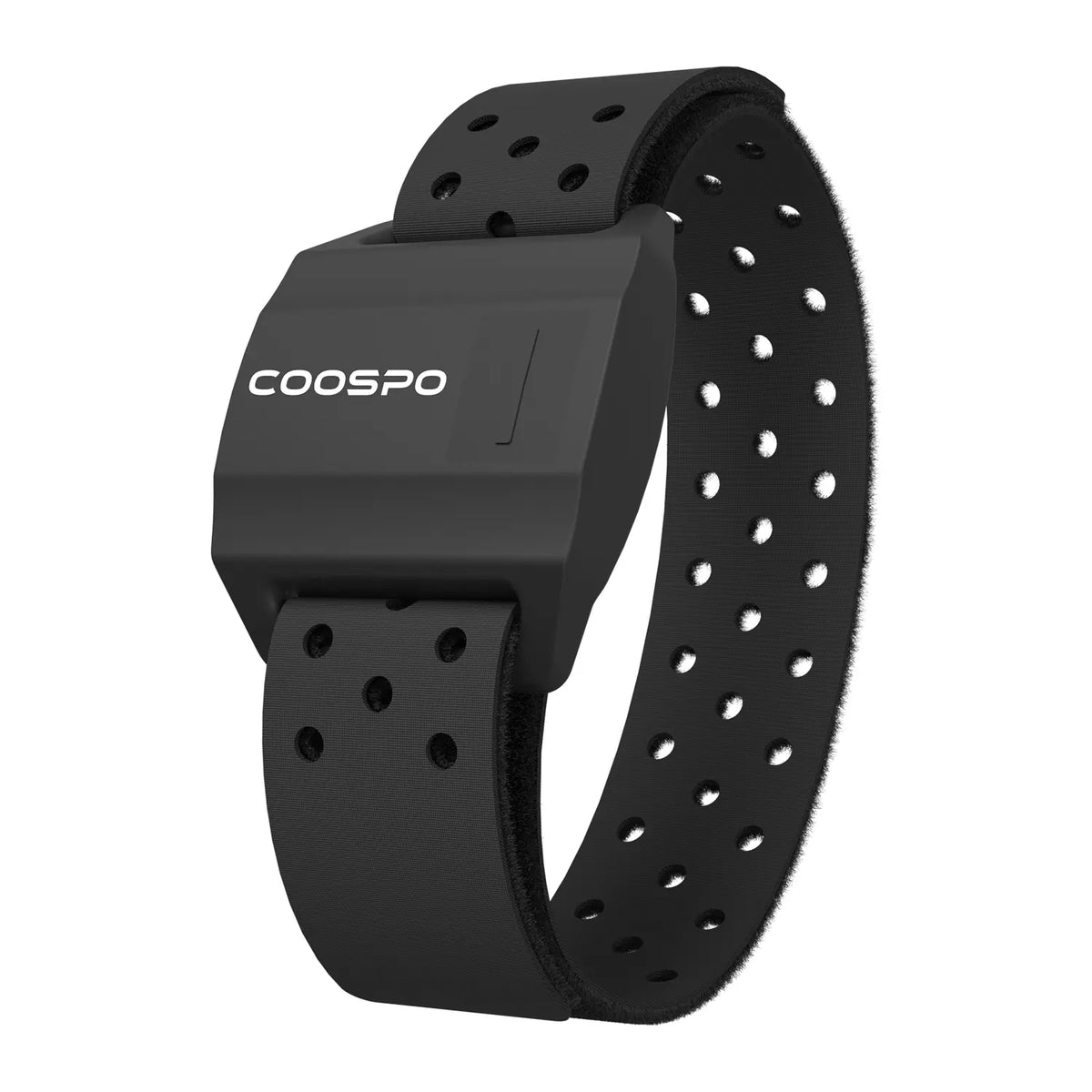
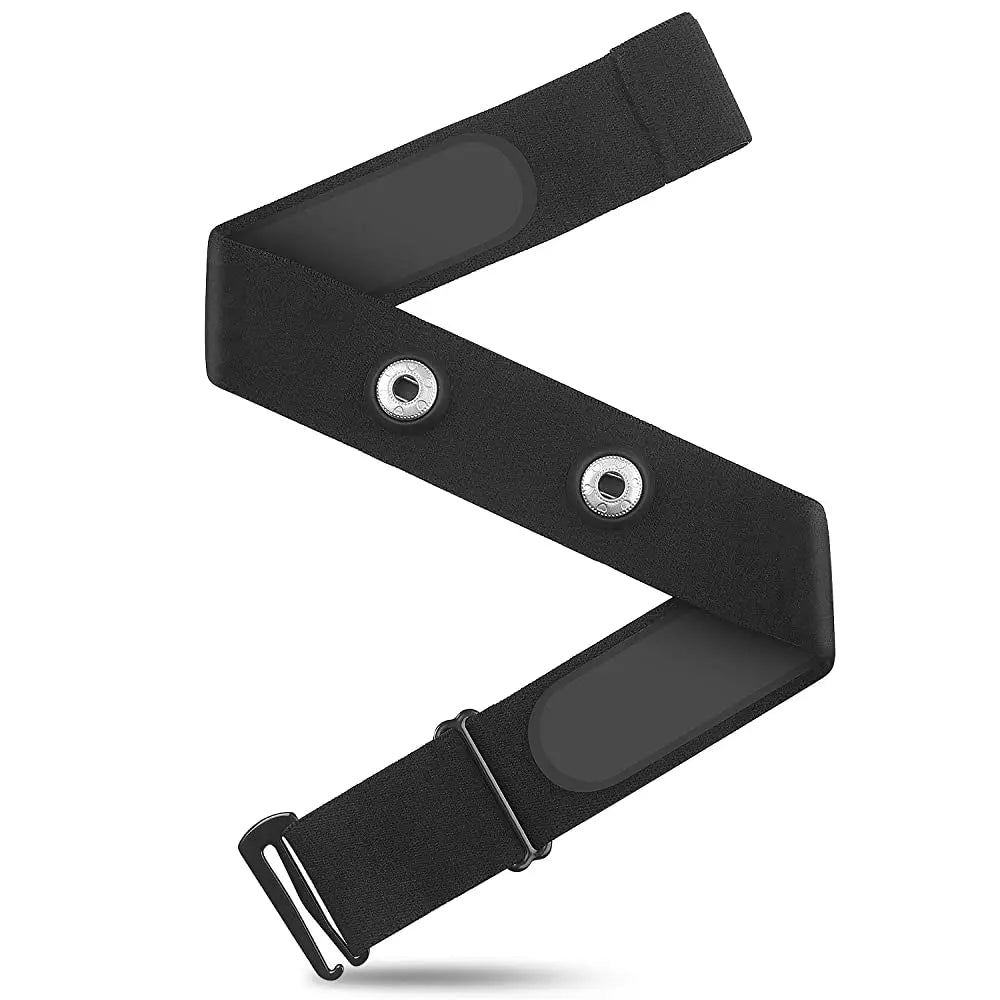
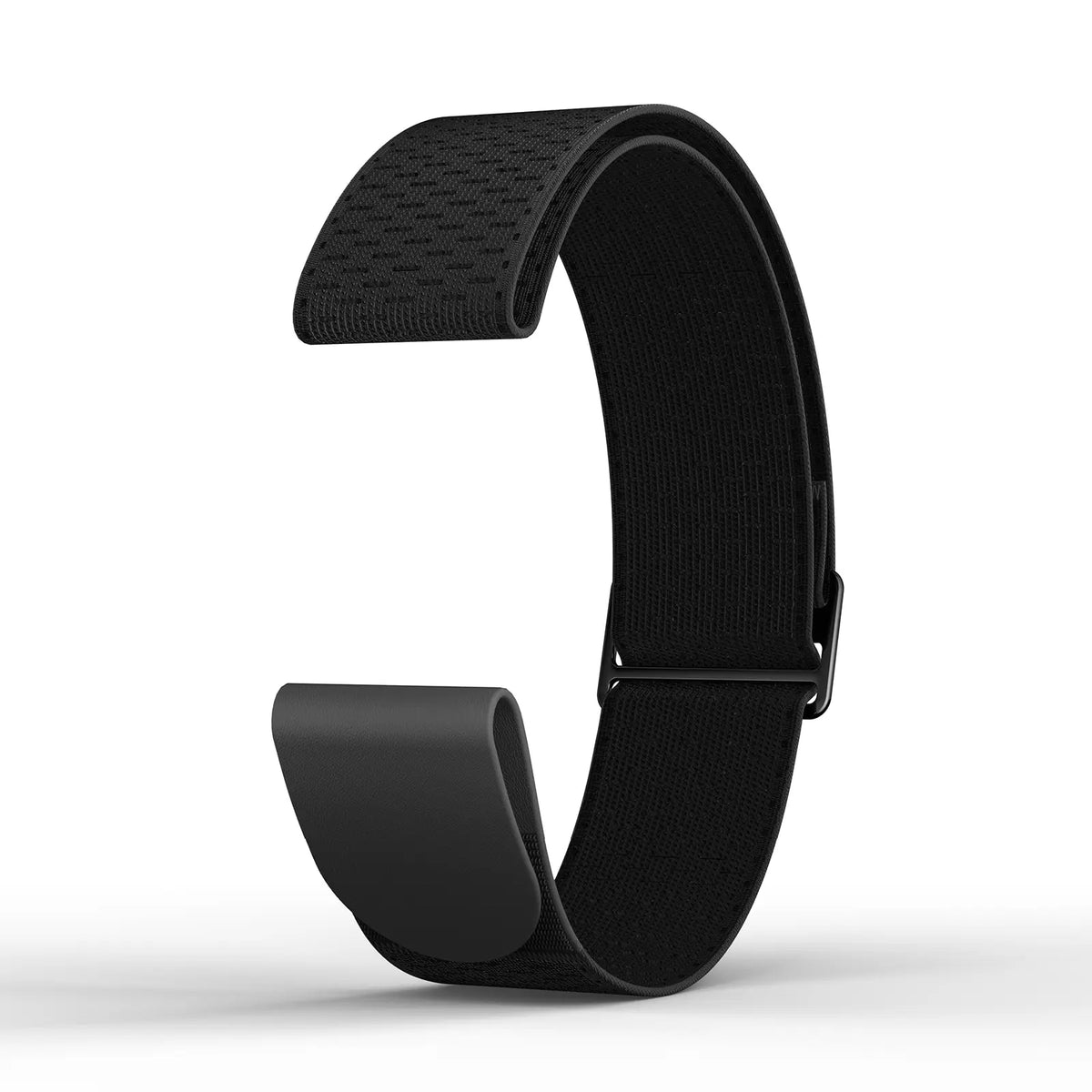
Heart rate is another useful metric to track during indoor cycling. The COOSPO HW9 armband heart rate monitor helps you monitor your heart rate during workouts, giving you more information to review alongside your training data.
5. Focus on Your Riding Form
Smart trainers are great for preparing for outdoor events, from long-distance rides to road races and time trials. However, effective training isn't just about power numbers. Your riding position and technique matter too.
If you're training for a time trial, practise holding an aerodynamic position while keeping your upper body relaxed and your head low enough to reduce wind resistance. On a road bike, keep your head up, relax your shoulders, breathe steadily, and apply power smoothly.
Remember to stand up and pedal occasionally as well. Changing positions helps mimic outdoor riding and may reduce discomfort from sitting for long periods.
Paying attention to these small details during indoor training can help you feel more comfortable and prepared when you get back on the road.

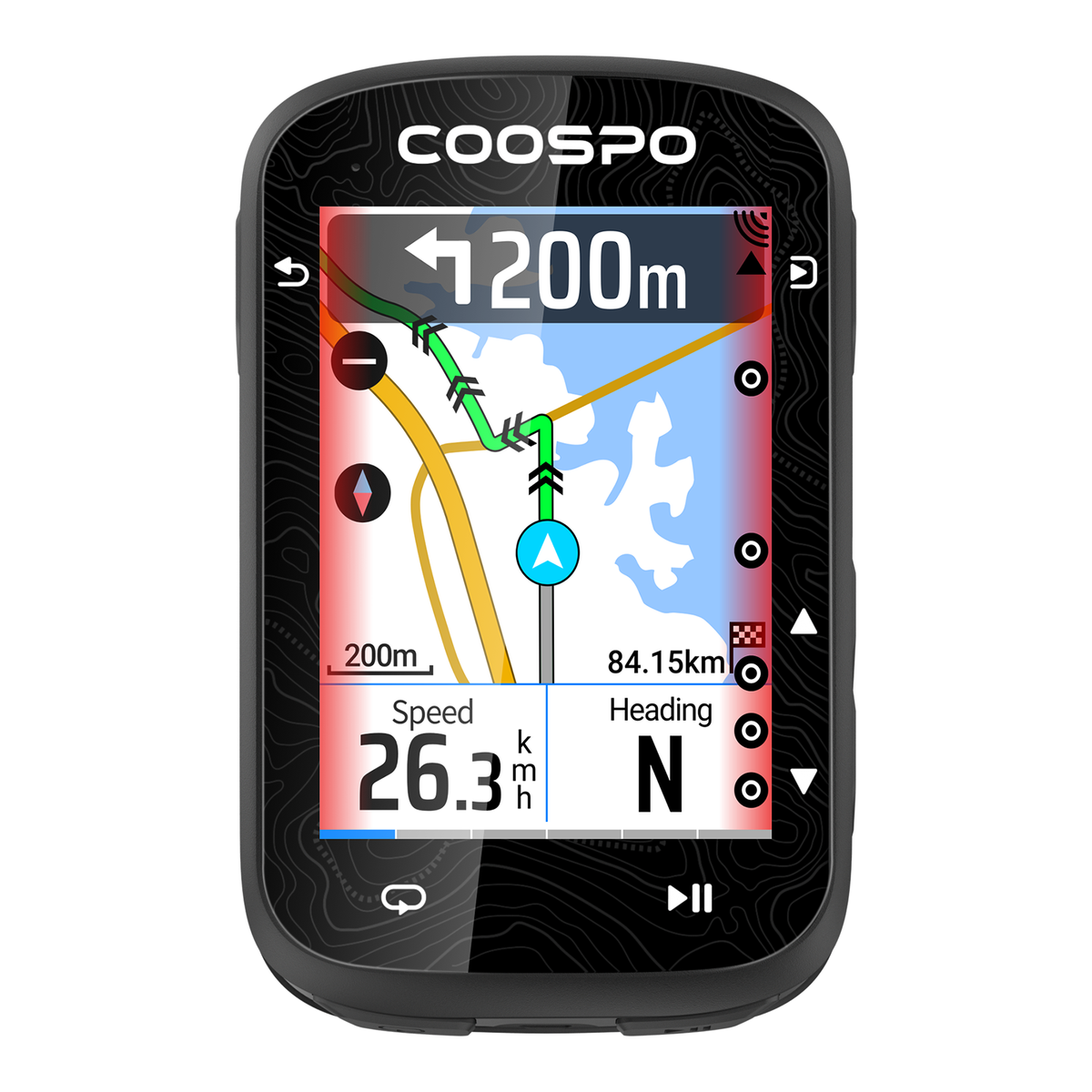
When you take your training outdoors, a bike computer like the COOSPO CS600 Bike Computer lets you view your ride data on the go. You can also use its supported navigation features to help plan and follow your routes.


Hinterlassen Sie einen Kommentar
Diese Website ist durch hCaptcha geschützt und es gelten die allgemeinen Geschäftsbedingungen und Datenschutzbestimmungen von hCaptcha.