














![[2 Pack] Coospo Breathable Neck Gaiter Face Scarf Mask COOSPO](http://www.coospo.com/cdn/shop/files/106de7b046babc03aa610173af6e31aa_599da3fe-9907-4b1e-8eb0-f08b3032720b.png?v=1720591174&width=1600)


![[4 Pack] Coospo Soft Breathable Chilly Towel, Microfiber Towel COOSPO](http://www.coospo.com/cdn/shop/files/1_904094cc-62ee-40e9-aa21-415effb385b4.png?v=1720527561&width=1600)


Du hast dich also entschieden, mit dem Laufen anzufangen. Super Wahl! Laufen ist eine einfache Möglichkeit, sich zu verbessern. Herzgesundheit, Stressabbau und Kraft- und Ausdaueraufbau. Doch der Anfang ist nicht immer so einfach, wie die Schuhe anzuziehen und aus dem Haus zu gehen.
Als Anfänger hat man wahrscheinlich viele Fragen: Wie weit sollte man laufen? Wie oft sollte man trainieren? Warum ermüdet man so schnell? Ein guter Laufplan für Anfänger kann Orientierung bieten, aber es gibt noch viel zu lernen, während man seine eigene Routine entwickelt.
Jeder Läufer hat seinen eigenen Weg, doch viele Anfänger stoßen dabei auf ähnliche Herausforderungen. Deshalb haben wir einige häufige Fragen rund ums Laufen zusammengestellt, damit du mit mehr Selbstvertrauen und weniger Überraschungen ins Lauftraining startest.
1. Wie kann ich langsamer werden und ein gleichmäßiges Tempo beibehalten?
Das richtige Tempo zu finden, kann für Laufanfänger eine der größten Herausforderungen sein. Man startet leicht zu schnell, besonders wenn man motiviert ist, sich zu verbessern, aber der Versuch, von Anfang an ein bestimmtes Tempo zu halten, kann schnell zu Erschöpfung und Frustration führen.
Konzentriere dich stattdessen auf deine Anstrengung statt auf deine Geschwindigkeit. Ein einfacher Test, um deine Anstrengung zu überprüfen, ist der Sprechtest. Bei einem lockeren Lauf solltest du einige vollständige Sätze sprechen können, ohne zu sehr außer Atem zu geraten. Wenn dir das Sprechen schwerfällt, verlangsame dein Tempo oder lege Gehpausen ein.
Wenn du deine ersten Läufe in einem angenehmen Tempo gestaltest, erholst du dich leichter, baust Ausdauer auf und bleibst konstant. Die Geschwindigkeit kann später kommen. Für Anfänger geht es darum, das Laufen zur Gewohnheit zu machen, anstatt bei jedem Training einen Wettkampf zu bestreiten.
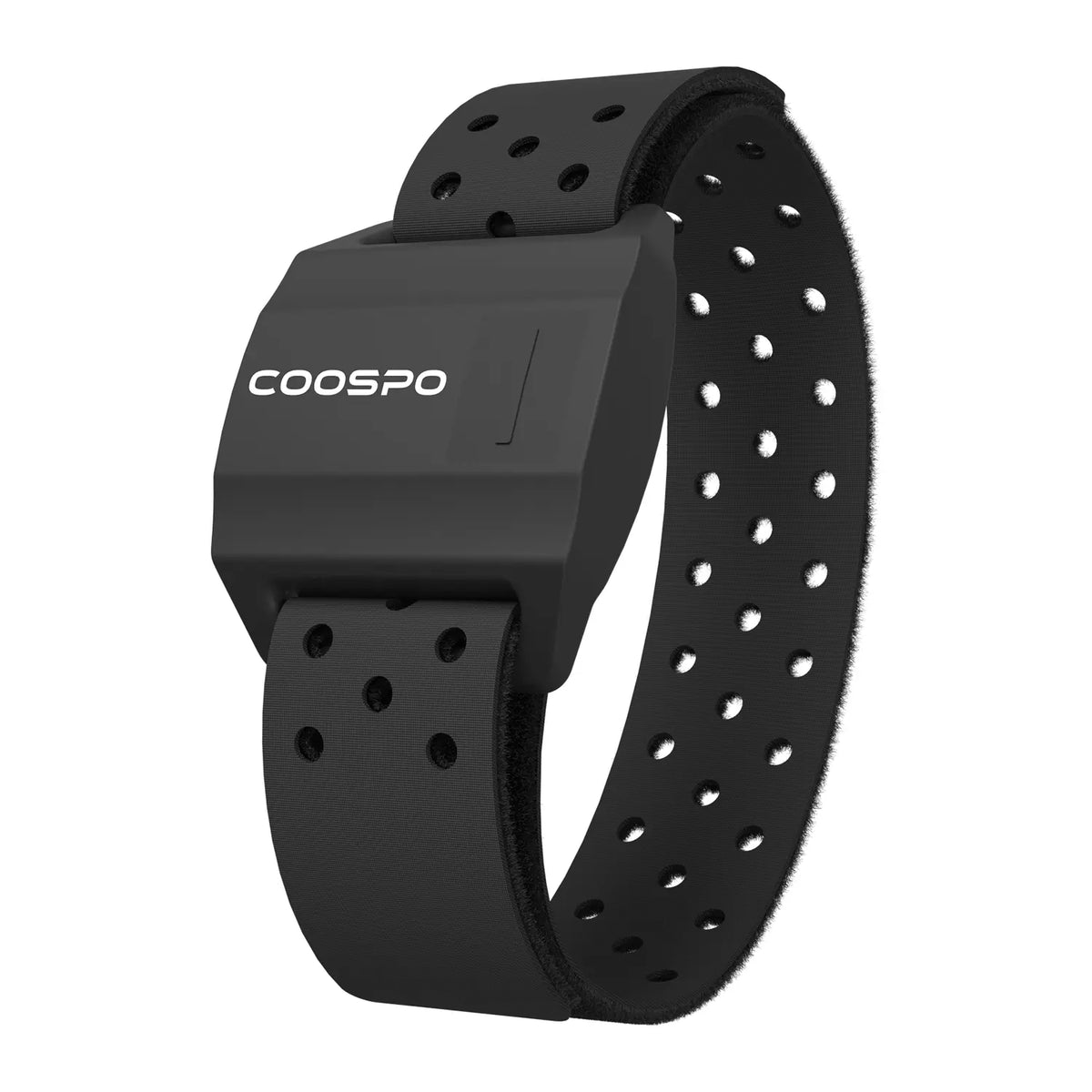
Sie möchten Ihre Anstrengungen präziser überwachen?

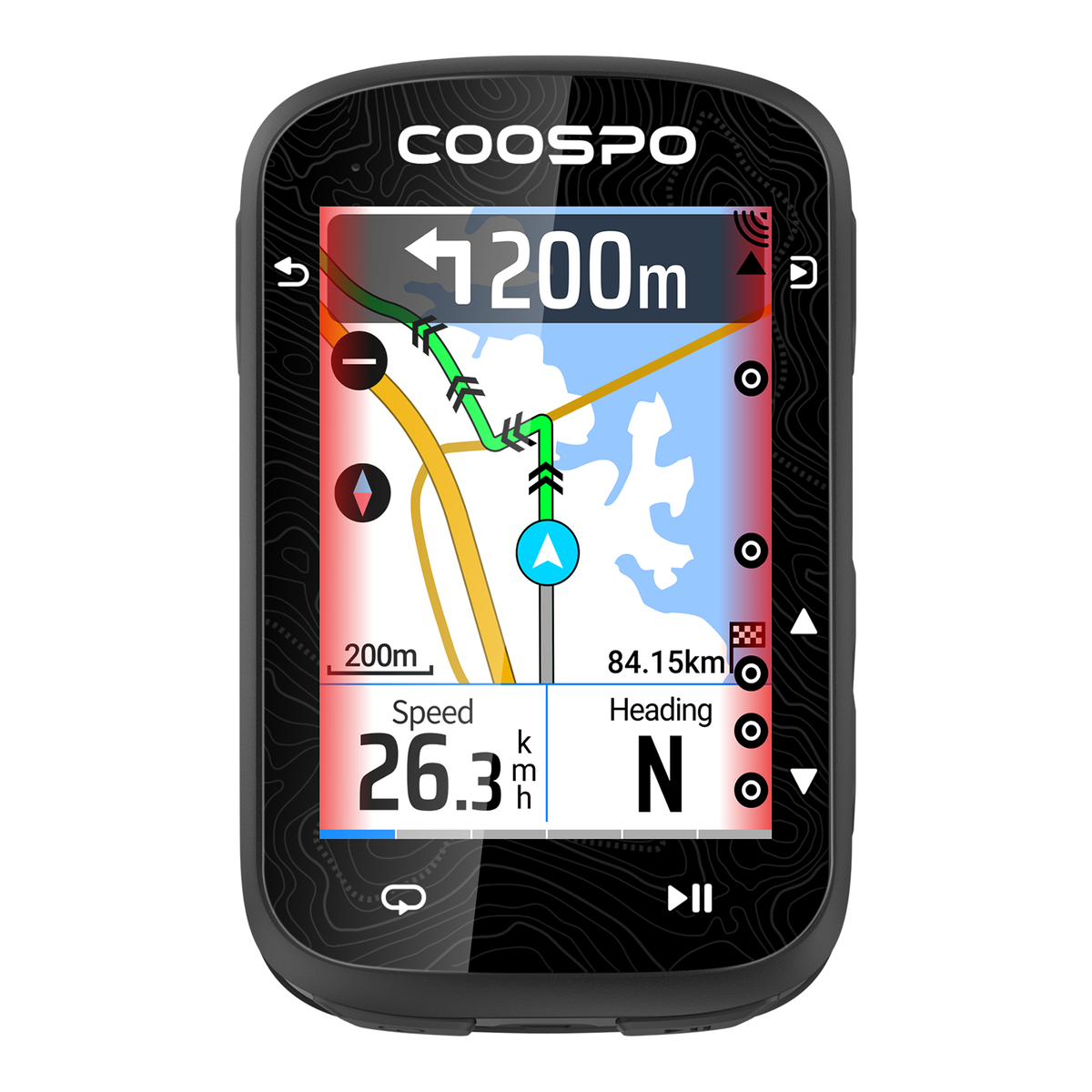
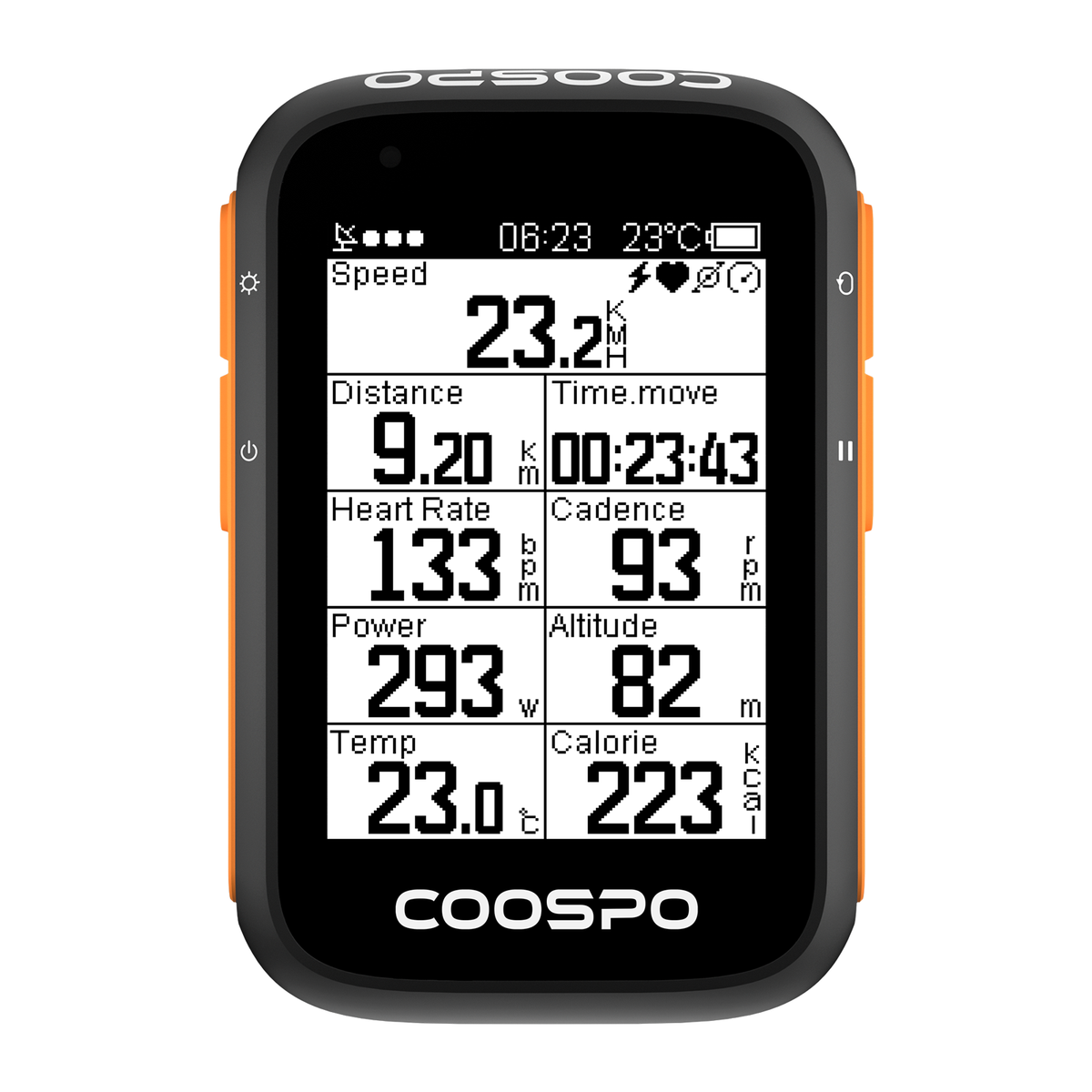
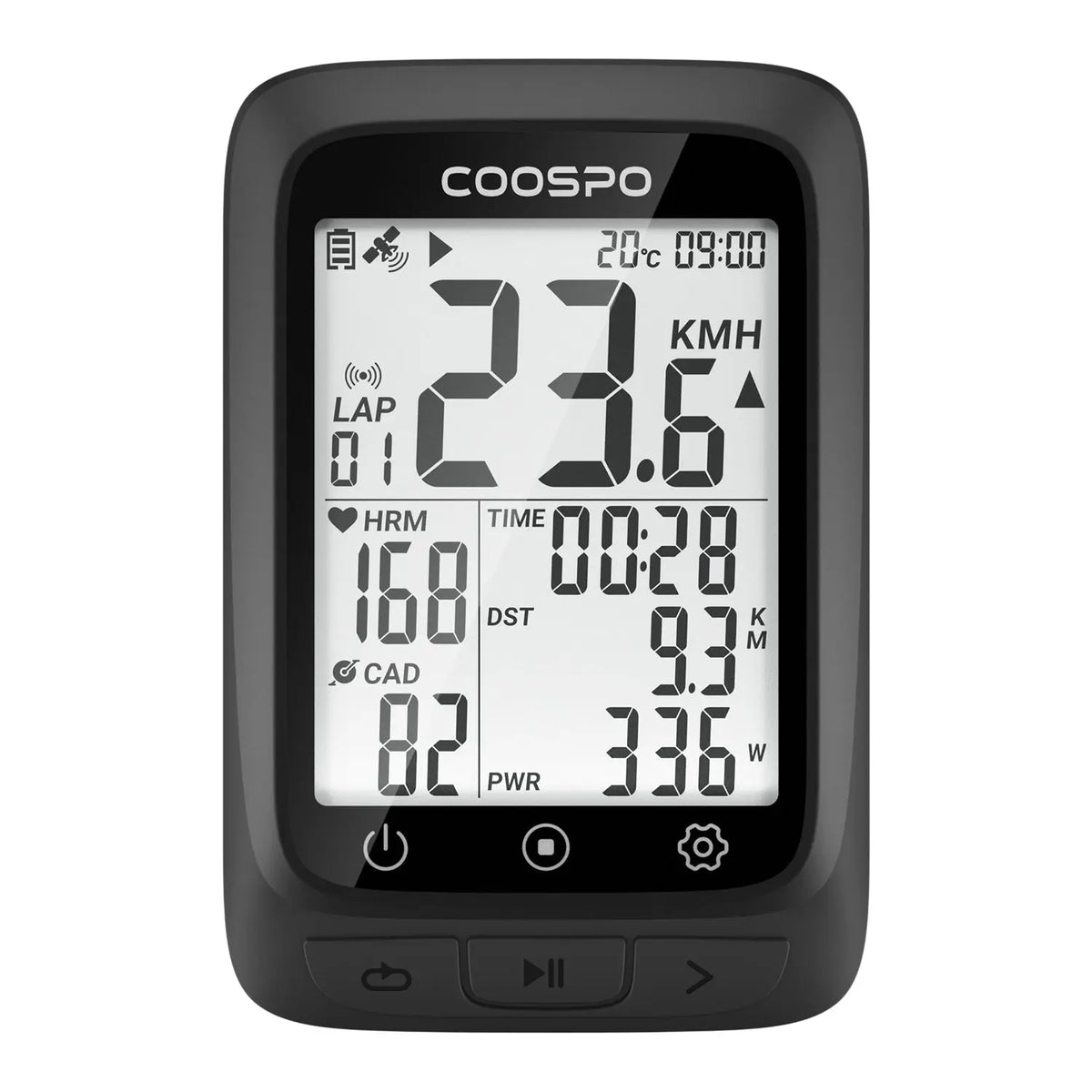
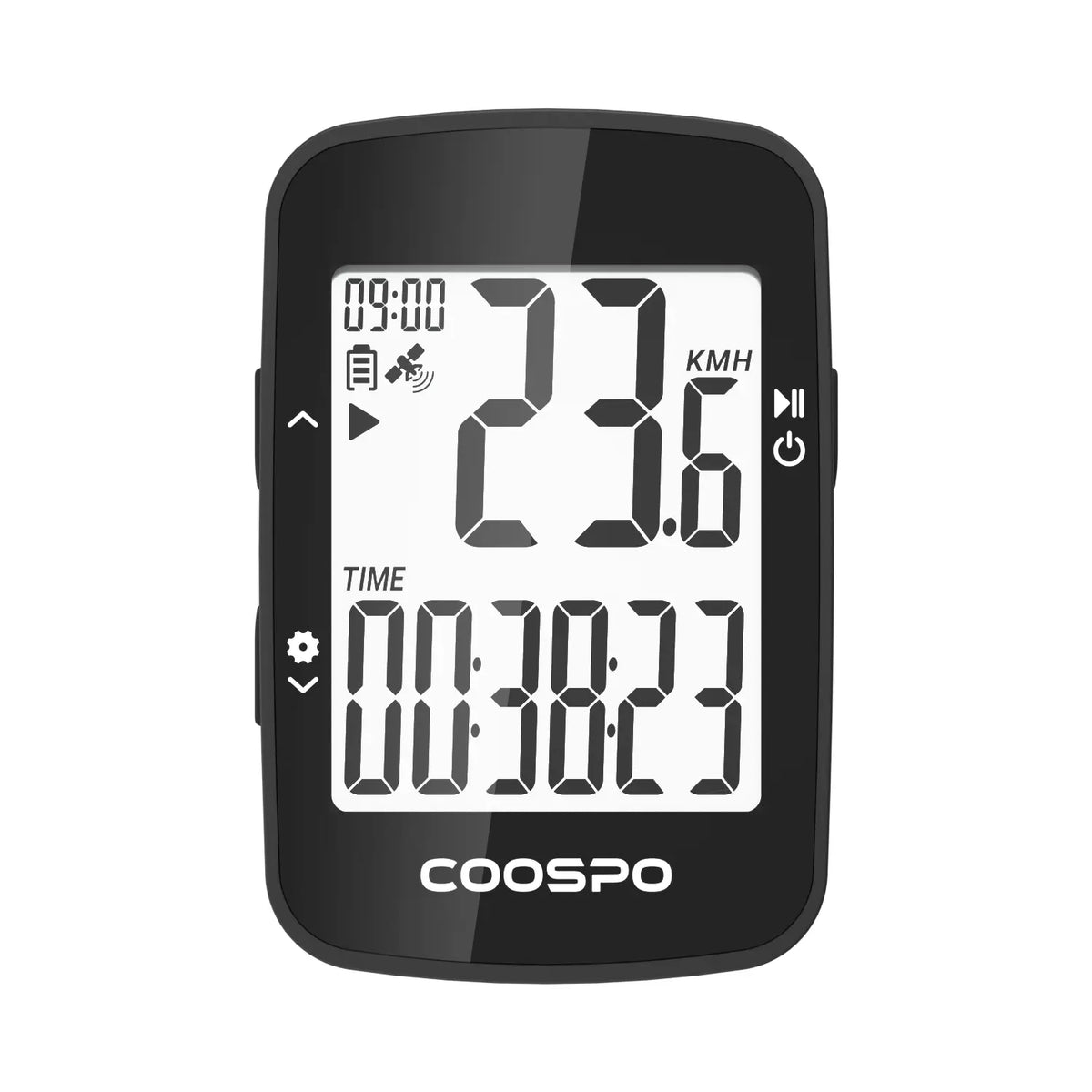
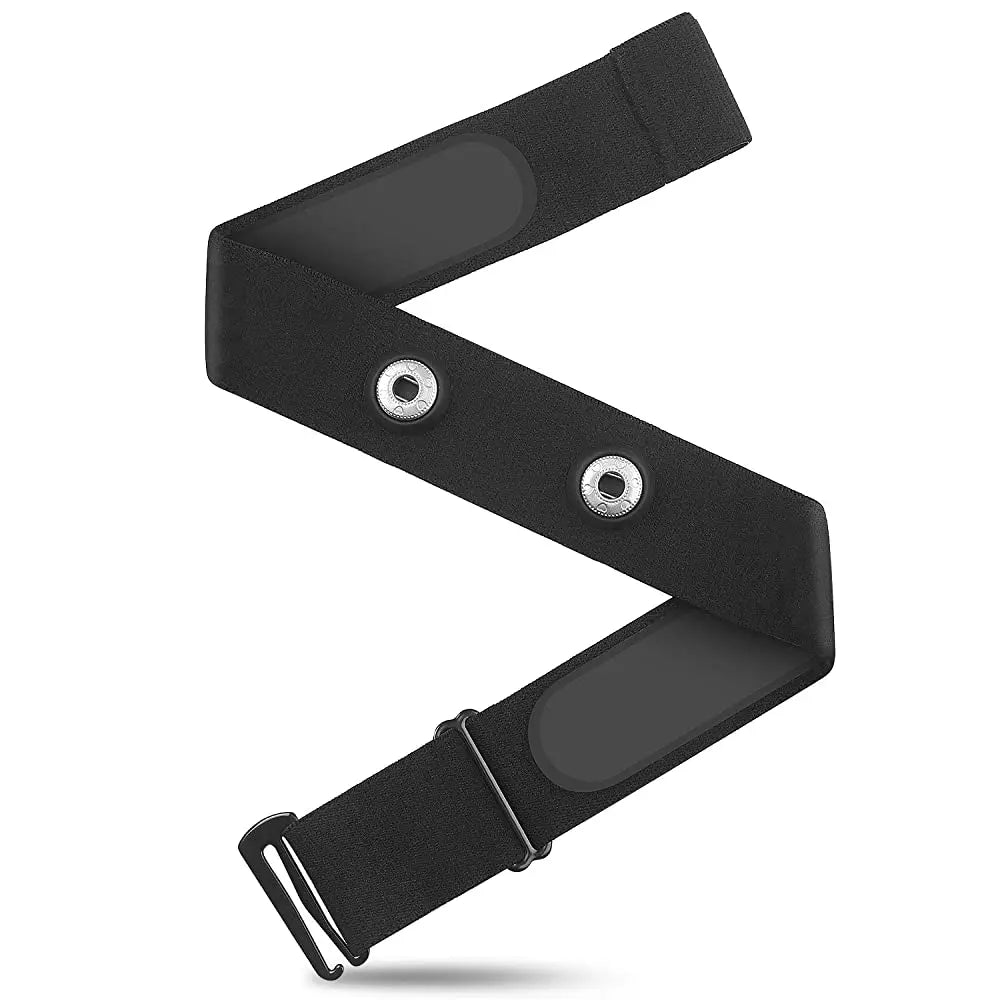
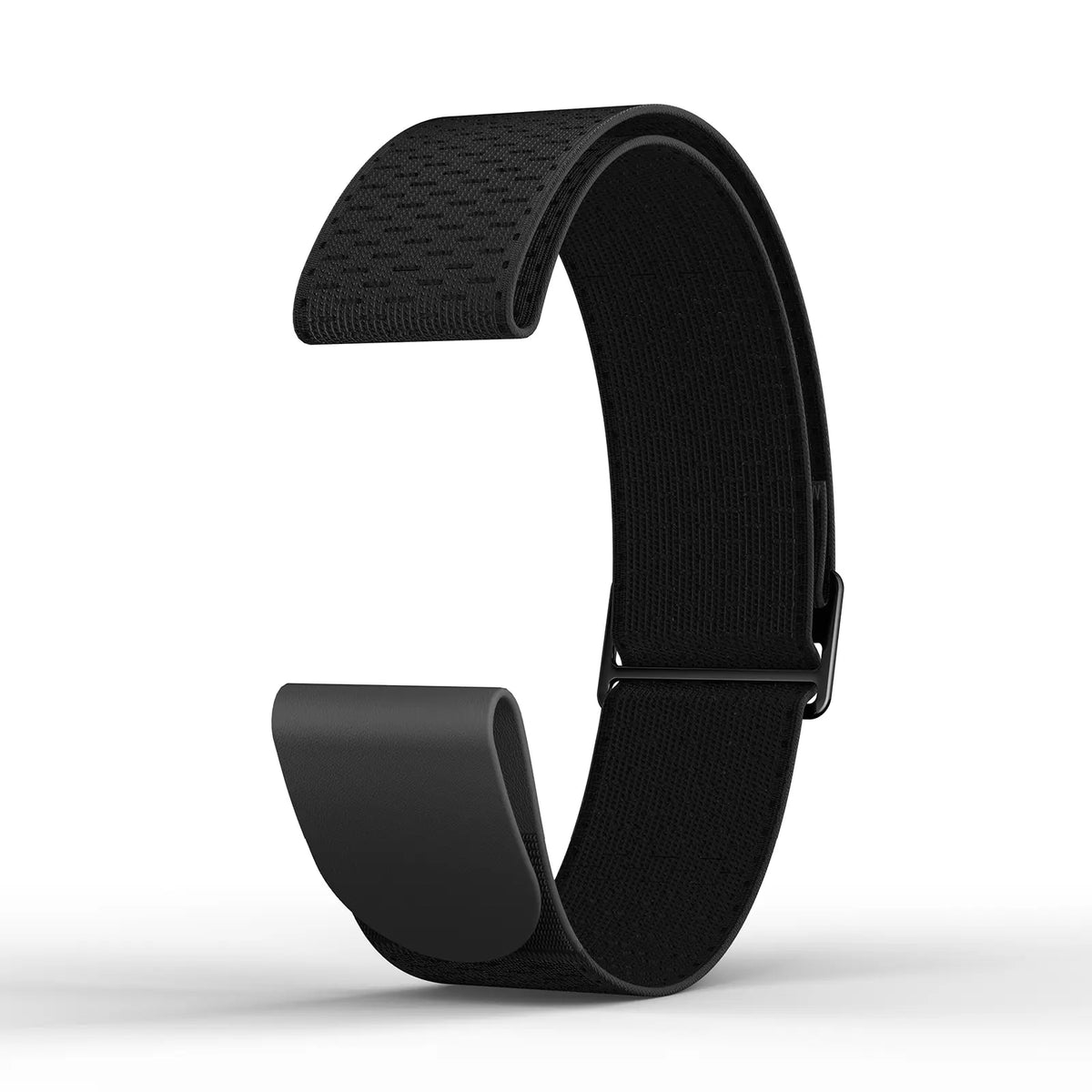
Der Sprechtest ist eine einfache Methode für Anfänger, die Intensität einzuschätzen, aber ein Herzfrequenzmesser liefert während des Laufs objektiveres Feedback. Ein Gerät wie der
2. Warum habe ich solche Schmerzen?
Muskelkater nach den ersten Läufen ist völlig normal. Wenn du deinen Körper an eine neue Trainingsform gewöhnst, brauchen deine Muskeln Zeit, sich an die zusätzliche Belastung anzupassen und allmählich stärker zu werden. Etwas Muskelkater gehört einfach dazu, aber starker oder anhaltender Muskelkater kann bedeuten, dass du es zu schnell übertreibst.

Eine leichte Steifheit am Tag nach dem Laufen ist in der Regel kein Problem. Als allgemeine Richtlinie gilt ein Muskelkater von etwa 2 bis 4 von 10 ist normal. Sie verspüren möglicherweise ein leichtes Spannungsgefühl direkt nach dem Aufstehen, sollten sich aber dennoch problemlos bewegen können. Wenn Ihre Schmerzen stärker werden, sollten Sie einen Arzt aufsuchen. 5 oder 6 von 10, Oder wenn Ihnen das normale Gehen schwerfällt, ist es ratsam, Ihr Training etwas zu reduzieren.
In diesem Fall könnten Sie Ihr Tempo drosseln, Ihr Laufpensum reduzieren oder einen zusätzlichen Erholungstag zwischen den Trainingseinheiten einlegen. Ausreichende Flüssigkeitszufuhr, gesunde Ernährung, genügend Schlaf und Erholung können Ihrem Körper ebenfalls helfen, die Anforderungen eines neuen Laufprogramms zu bewältigen.
Die Eingewöhnungszeit ist individuell verschieden. Jemand mit Sporterfahrung gewöhnt sich möglicherweise innerhalb weniger Wochen daran, während ein absoluter Anfänger ohne regelmäßige Trainingserfahrung einen Monat oder länger benötigt. Lassen Sie sich von anfänglichem Muskelkater nicht entmutigen. Geben Sie Ihrem Körper Zeit zur Anpassung, steigern Sie das Pensum langsam, und die Beschwerden nach dem Laufen werden mit zunehmender Fitness deutlich leichter zu bewältigen sein.
3. Wie viel Zeit sollte ich für das Aufwärmen und Abkühlen einplanen?
Wenn man wenig Zeit hat, ist es verlockend, das Aufwärmen auszulassen, besonders wenn man einfach nur loslaufen möchte. Doch ein paar zusätzliche Minuten zur Vorbereitung des Körpers können den Übergang zum Laufen deutlich erleichtern.Ein Aufwärmprogramm bereitet Muskeln und Gelenke auf die Belastung vor, während ein Abkühlprogramm dem Körper hilft, allmählich in seinen Normalzustand zurückzukehren.
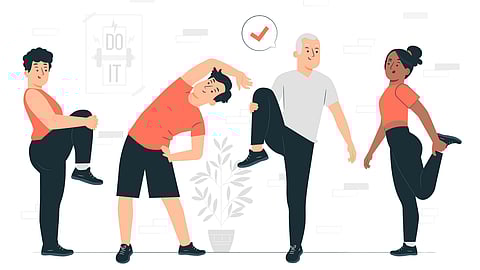
Für die meisten Läufer ist ein guter Ausgangspunkt 5 bis 15 Minuten Aufwärmen und noch eine 5 bis 10 Minuten Abkühlzeit. Sie brauchen nichts Kompliziertes. Leichtes Joggen oder Spazierengehen reicht in der Regel aus, um Ihre Herzfrequenz allmählich zu erhöhen und Ihren Körper in Bewegung zu bringen.
Wie viel Zeit Sie zum Aufwärmen benötigen, hängt auch von Ihrer Trainingszeit und Ihrem Trainingsniveau ab. Morgens brauchen Sie nach dem Aufwachen möglicherweise etwas länger, um sich aufzuwärmen. Läufer, die später am Tag trainieren, fühlen sich unter Umständen nach einem kürzeren Aufwärmen bereit. Ältere Läufer profitieren ebenfalls von einem längeren Aufwärmen, da sich so Muskeln, Gelenke und Bindegewebe besser vorbereiten können.
Beim Dehnen sind dynamische Übungen wie Knieheben, Fersenläufe und Seilspringen vor dem Laufen hilfreich. Längere statische Dehnübungen, bei denen du eine Position etwa 30 Sekunden oder länger hältst, solltest du nach dem Training durchführen. Ein einfaches Aufwärm- und Abkühlprogramm dauert nur wenige Minuten, kann aber dein Lauftraining deutlich angenehmer gestalten.
4. Warum treten immer wieder unerklärliche Schmerzen auf?
Es ist normal, dass Laufanfänger gelegentlich Schmerzen, Wadenverspannungen oder Gelenkschmerzen verspüren, während sich der Körper an die Belastung des Laufens gewöhnt. Das Herz-Kreislauf-System passt sich möglicherweise relativ schnell an, während Muskeln, Knochen, Gelenke und Bindegewebe oft mehr Zeit benötigen, um die wiederholte Belastung zu verkraften.
Wichtig ist, aufmerksam zu sein, ohne gleich von einem Problem auszugehen. Leichte Beschwerden oder ein kurzes Ziehen, das nach 10 bis 15 Minuten wieder verschwindet, können einfach Teil des Anpassungsprozesses sein. Geben Sie Ihrem Körper genügend Zeit zur Erholung, damit er sich allmählich anpassen kann.
Stechende oder anhaltende Schmerzen sollten jedoch nicht ignoriert werden. Wenn die Beschwerden Ihre Lauftechnik verändern, dazu führen, dass Sie eine Seite bevorzugen, oder sich weiter verschlimmern, sollten Sie einen Arzt aufsuchen. Physiotherapeut oder qualifizierter Fachmann um die Ursache zu ermitteln und Ihren Genesungsprozess zu steuern.
5. Wie kann ich mentale Blockaden überwinden, um weiter zu laufen?
Laufen ist nicht nur eine körperliche Herausforderung. Als Anfänger muss man sich möglicherweise auch mit Folgendem auseinandersetzen: Selbstzweifel, Angst oder negative Gedanken können auftreten, besonders wenn ein Lauf anstrengend wird. Vielleicht fragst du dich sogar, ob du „wirklich“ ein Läufer bist, oder fühlst dich unwohl, wenn andere dich beim Laufen beobachten können.
Anstatt diese Gedanken zu ignorieren, sollten Sie zunächst versuchen, sie wahrzunehmen. Wenn Sie das Gefühl haben, aufhören zu wollen, achten Sie darauf, was Sie denken und wie sich Ihr Körper anfühlt. Allein das Erkennen von Gedanken wie … „Ich kann das nicht tun.“ oder „Ich muss aufhören.“ kann Ihnen dabei helfen, etwas Distanz zu ihnen zu schaffen.
Dann können Sie Ihre Aufmerksamkeit wieder auf Dinge richten, die Sie kontrollieren können, wie zum Beispiel Ihre Atmung, Kadenz und Schrittlänge. Betrachte Unbehagen als Information, anstatt es sofort als Grund zum Aufgeben zu sehen. Mit etwas Übung und dem Umgang mit diesen mentalen Hürden können sich längere Läufe leichter anfühlen und dein Selbstvertrauen als Läufer stärken.
6. Wie hilft Krafttraining Läufern?
Krafttraining ist eine sinnvolle Ergänzung für jedes Lauftraining von Anfängern. Der Aufbau stärkerer Muskeln und Sehnen hilft dem Körper, die Belastung beim Laufen besser abzufedern und gleichzeitig die Laufökonomie zu verbessern, sodass sich jeder Lauf effizienter anfühlt.
Sie müssen nicht stundenlang im Fitnessstudio verbringen. Ein einfaches Krafttraining zwei- bis dreimal pro Woche, idealerweise an lauffreien Tagen, kann für den Anfang völlig ausreichen.Konzentriere dich auf grundlegende Bewegungen wie:
- Kniebeugen und Ausfallschritte für die Kraft der unteren Körperhälfte
- Kreuzheben für Ihre Hüften und die hintere Muskelkette
- Plankenvariationen und tote Insekten für die Kernstabilität
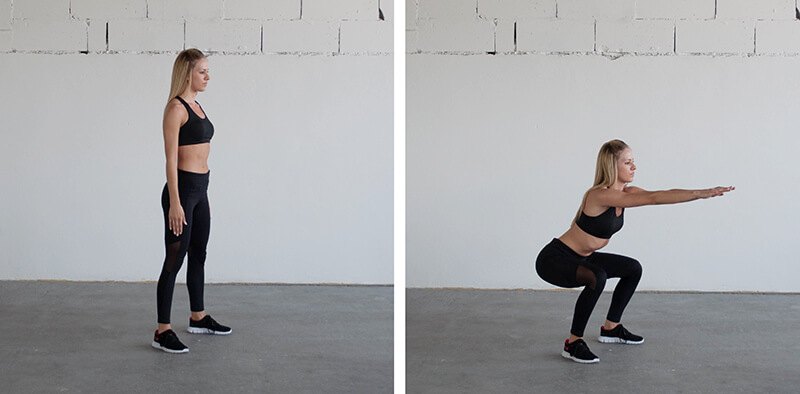
Wenn du jeden zweiten Tag läufst, bieten die Tage zwischen den Läufen eine gute Gelegenheit für kurze Krafttrainingseinheiten. Schon etwa 20 Minuten pro Einheit können helfen, die Kraft und Stabilität aufzubauen, die du für ein komfortableres Laufen und ein besseres Training bei steigender Laufleistung benötigst.
7. Wie lange dauert es, Ausdauer aufzubauen?
Wie lange es dauert, bis man seine Ausdauer beim Laufen verbessert, kann von Anfänger zu Anfänger stark variieren. Die bisherige Fitness spielt dabei eine wichtige Rolle. Wer Erfahrung mit Sportarten wie Schwimmen, Fußball oder anderen Ausdaueraktivitäten hat, verfügt möglicherweise bereits über eine gute Fitnessgrundlage und kann sich innerhalb weniger Wochen bis Monate an das Laufen gewöhnen. Für Menschen mit einem überwiegend inaktiven Lebensstil kann der Ausdaueraufbau hingegen sechs Monate oder länger dauern.
Anfänger sollten sich in der Regel zwei bis drei Monate Zeit geben, bevor sie spürbare Verbesserungen erwarten können. In dieser Zeit kann sich das Laufen allmählich angenehmer anfühlen, Muskelkater nach dem Laufen kann seltener auftreten und alltägliche Beschwerden können nachlassen.
Diese Veränderungen können nützliche Anzeichen dafür sein, dass sich Ihr Körper gut an das Laufen anpasst. Sobald sich das Laufen leichter anfühlt und Ihre Ausdauer sich verbessert hat, können Sie Ihre Laufstrecke schrittweise erhöhen und mit dem Laufen beginnen. auf Geschwindigkeit ausgerichtete Trainingseinheiten in Ihr Training.
8. Wie soll ich tanken?
Wie viel du rund um deine Läufe essen und trinken solltest, hängt von deinem Trainingsumfang und der Dauer des Trainings ab. Bei kürzeren Läufen von etwa 30 bis 45 Minuten musst du dir in der Regel keine großen Gedanken um die Energiezufuhr während des Trainings machen. Trotzdem ist es wichtig, gesunde Ernährungsgewohnheiten zu entwickeln und ausreichend zu trinken. Kohlenhydrate, Proteine und Elektrolyte ist ein guter Ausgangspunkt.
Ein kleiner Snack vor dem Laufen kann hilfreich sein, besonders morgens oder wenn du mehrere Stunden nichts gegessen hast. Leicht verdauliche Kohlenhydrate wie eine Banane, Toast oder ein Sportgetränk liefern schnell Energie. Bei Läufen von über einer Stunde kann eine sättigendere Mahlzeit im Vorfeld helfen, die Energie während des gesamten Trainings aufrechtzuerhalten.
Nach dem Laufen empfiehlt sich eine Kombination aus Proteinen und Kohlenhydraten. Proteine unterstützen die Muskelreparatur und -regeneration, während Kohlenhydrate helfen, die Energiespeicher in den Muskeln wieder aufzufüllen und den Körper auf das nächste Training vorzubereiten.


Hinterlassen Sie einen Kommentar
Diese Website ist durch hCaptcha geschützt und es gelten die allgemeinen Geschäftsbedingungen und Datenschutzbestimmungen von hCaptcha.